
Abundance: The Inner Path to Wealth
Deepak Chopra
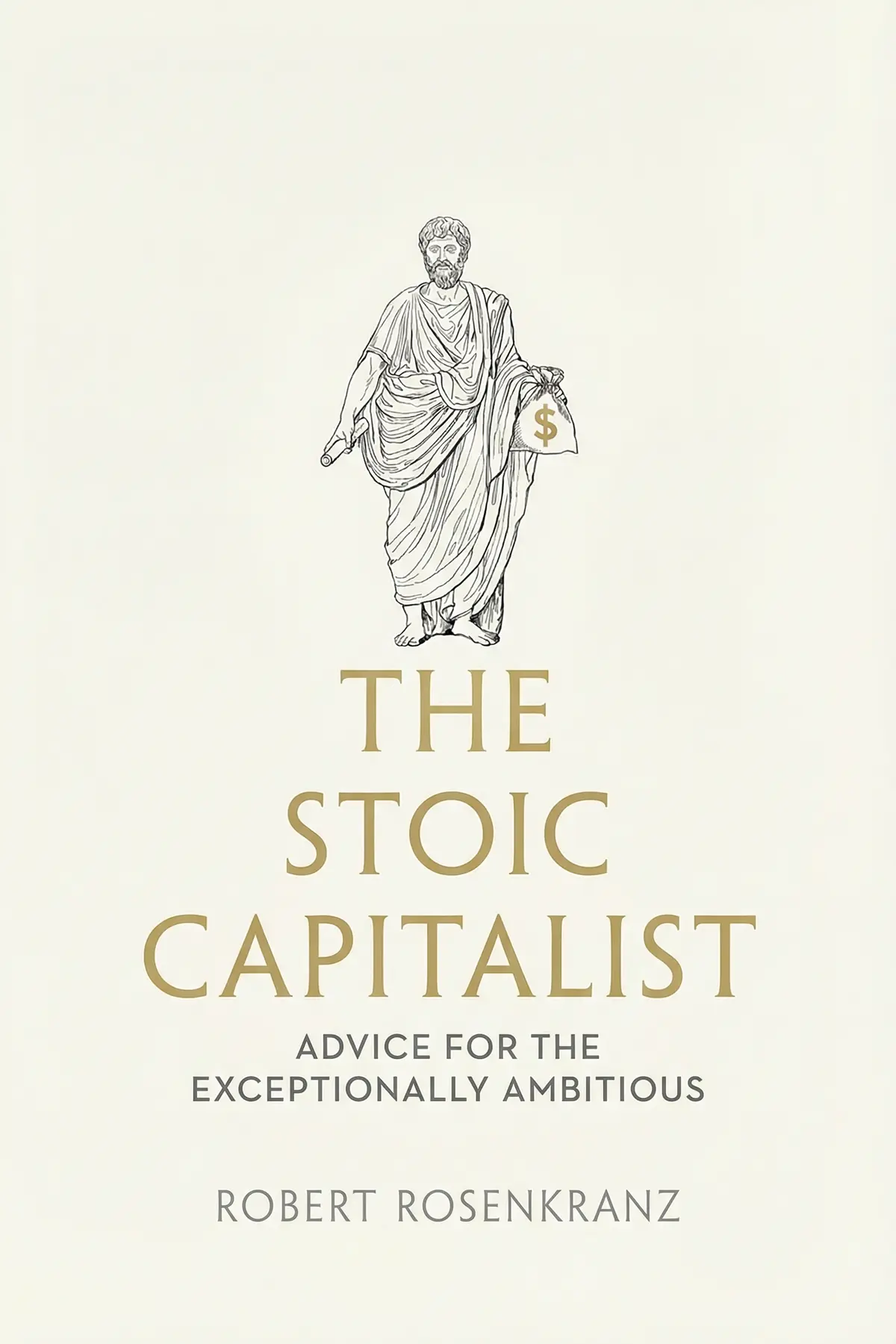
The Stoic Capitalist bridges the gap between ancient philosophy and modern finance, offering a blueprint for using rational discipline and emotional control to navigate the high-stakes world of global investing.
2 min 04 sec
Imagine the scene of a modern financial market at its most frantic. Screens are flashing red and green, numbers are cascading down in a blur, and the collective heartbeat of the trading floor seems to quicken with every tick of the clock. In this high-intensity environment, it is incredibly easy to get swept up in the current of fear or the wave of greed. Most people react instinctively, letting their biological impulses dictate their financial moves. But what if there was a different way to operate? What if you could stand in the center of that storm and remain completely unruffled, guided by a steady inner compass rather than the whims of the crowd? This is the core promise of The Stoic Capitalist, a deep dive into how the ancient wisdom of Stoicism provides the perfect framework for navigating the complexities of the modern investment landscape.
Robert Rosenkranz, drawing from his decades of experience in the upper echelons of finance, makes the case that the most successful investors aren’t necessarily the ones with the most information, but the ones with the most disciplined minds. The throughline of this summary is the integration of rational decision-making and emotional resilience. We will explore how Stoic philosophy isn’t just a set of abstract ideas for the ivory tower, but a practical toolkit for the hedge fund office and the boardroom. It is about learning to distinguish what you can control from what you cannot, and focusing your energy entirely on the former.
Throughout this exploration, we will see how these principles allow an individual to build not just wealth, but a resilient character. We’ll look at how intellectual diversity and the willingness to engage in open debate can sharpen one’s financial instincts. We will also examine the role of philanthropy and the arts in creating a life of purpose that extends beyond the bottom line. By the time we reach the end, you’ll understand how being a Stoic Capitalist means mastering your internal world so that you can better navigate the external world of capital. It’s about finding a sense of stability in an inherently unstable environment, ensuring that your financial journey is guided by logic, poise, and a clear-eyed perspective on the nature of value itself.
2 min 29 sec
Discover why the ability to separate logic from emotion is the most critical asset for any investor looking to survive and thrive in a volatile economy.
2 min 21 sec
Explore the psychological tools needed to remain steady when markets fluctuate, turning potential stress into a source of strategic strength.
2 min 23 sec
See how fostering an environment of open discourse and diverse viewpoints can prevent the blind spots that often lead to financial ruin.
2 min 14 sec
Learn to cut through the noise of global finance by identifying what truly matters and ignoring the distractions that lead to wasted energy.
2 min 09 sec
Understand how a philosophical approach to wealth integrates philanthropy and the arts to create a more meaningful and balanced life.
2 min 14 sec
See how the principles of leadership and strategy within a high-performing hedge fund reflect the calm discipline of Stoic philosophy.
2 min 07 sec
In conclusion, The Stoic Capitalist offers a profound and practical guide for anyone looking to find their footing in the often-overwhelming world of finance. We have seen how the integration of ancient Stoic philosophy with modern capital management creates a powerful framework for both professional success and personal peace. By prioritizing rational decision-making, we can strip away the noise and focus on the fundamental facts that drive value. By cultivating emotional resilience, we can remain steady and composed, even when the markets around us are in a state of chaos. These aren’t just abstract concepts; they are the essential tools for any investor who wishes to thrive over the long term.
We have also explored the importance of intellectual diversity and open debate, showing how a willingness to be challenged is the best defense against the blind spots of the ego. We’ve seen how philanthropy and the arts provide a necessary balance, reminding us that wealth is a tool to be used for the betterment of society and the enrichment of the human experience. Robert Rosenkranz’s own journey, from the founding of Cumberland Associates to his work with the Open to Debate Foundation, serves as a compelling example of these principles in action. It proves that it is possible to be both a highly successful capitalist and a thoughtful, virtuous human being.
As you move forward in your own financial journey, the most important takeaway is this: you are the master of your internal world. The markets will always fluctuate, the economy will always have its cycles, and the world will always be full of uncertainty. But if you can maintain your rational focus and your emotional poise, you will never be truly at the mercy of these external forces. You can choose to view every challenge as an opportunity for growth and every success as a chance to contribute to something larger than yourself. This is the path of the Stoic Capitalist—a path of discipline, clarity, and purpose. By adopting these habits and this mindset, you can build a life of enduring value, guided by the steady light of reason and the calm strength of a resilient spirit.
The Stoic Capitalist is an exploration of how the timeless principles of Stoicism can be applied to the often chaotic and unpredictable world of modern finance. It suggests that success in investing is not just about having the right data or the fastest algorithms, but about possessing the mental fortitude to remain rational when the market becomes irrational. By integrating Stoic practices, investors can learn to separate their emotions from their financial decisions, allowing them to view market volatility not as a threat, but as a natural occurrence that can be managed with poise and logic. The book promises a path toward both financial achievement and personal tranquility. It argues that the same tools used by ancient philosophers to maintain their peace of mind in the face of adversity are the very same tools needed by a hedge fund manager or an entrepreneur today. Through the lens of Robert Rosenkranz’s extensive experience, the work illustrates how intellectual diversity, open debate, and a commitment to philanthropy can create a more balanced and successful approach to life and capital management.
Robert Rosenkranz is a prominent American entrepreneur and philanthropist with a career defined by the blend of Stoic logic and business strategy. As the founder of the hedge fund Cumberland Associates, he has navigated the complexities of the financial markets for decades. Beyond the world of finance, Rosenkranz is a dedicated art collector and a champion of public discourse, most notably through his work with the Open to Debate Foundation. His philanthropic efforts focus on enriching society through the arts and education, reflecting his belief in the importance of intellectual diversity and the exchange of ideas.
Listeners find that perspectives vary regarding the book’s narrative focus, with some feeling the content acts more like a self-absorbed personal history than a dedicated manual on philosophy. However, many value the author’s authentic perspectives on corporate strategy and his systematic approach to making logical decisions in the finance sector. They also appreciate the practical guidance on skill development and raising capital, with one listener noting the book offers a useful blueprint for the "exceptionally ambitious." Additionally, they highlight the compelling writing quality and the author’s ability to blend modern-day drive with the value of intellectual patience.
Finally got around to reading Rosenkranz’s take on the intersection of wealth and wisdom, and it did not disappoint. While many modern business books feel like recycled blog posts, this provides a genuine blueprint for the exceptionally ambitious. He doesn't just talk about money; he dives deep into the necessity of intellectual patience and the importance of a methodical approach to leveraged buyouts. Frankly, the way he explains rational decision-making as a tool for navigating the high-stakes finance world is masterclass material. The prose is engaging and flows well, making even the technical aspects of capital raising feel accessible. It is a rare treat to see how a high-level career can be built on such a solid foundation of logic and intellect.
Show moreA rare, transparent look into the mind of a master investor who actually understands the value of intellectual patience. I loved how Rosenkranz detailed his strategy of reading biographies to understand wealth creation; it’s a methodical approach that few people have the discipline to follow. The book successfully merges modern ambition with a calm, rational mindset that avoids the confrontational nature of today’s politics. Whether he's discussing photography or leveraged buyouts, his voice remains steady and insightful. For the exceptionally ambitious reader, there is a goldmine of signal here regarding how to structure a life and a career. It’s more than a memoir; it’s a blueprint for a certain kind of excellence.
Show moreAs someone working in the private equity space, I found the early chapters regarding skill development and market efficiency surprisingly tactical. He offers high-signal advice on things like hiring partners and the nuances of raising capital that you just don't get from younger authors. It's a solid merge of modern ambition and traditional discipline. However, I’ve got to say the narrative balance is a bit off. Some chapters feel scattered, jumping from photography to tax law without much of a bridge. Despite the occasional bragging in the latter half, the core lessons on avoiding anger and accepting the world as it is are valuable. It’s a pragmatic look at how to maintain a cool head while chasing massive success.
Show morePicked this up after hearing about Rosenkranz's career through various finance circles, and I found his methodical approach to life quite refreshing. The book focuses heavily on his time in finance, using the investment world as a backdrop for his broader principles of rational decision-making and patience. I appreciated the specific details on LBOs and how he analyzed biographies of millionaires to map his own path. In my experience, most business memoirs are either all fluff or all numbers, but he strikes a decent balance here. My only gripe is that the ending feels less self-aware than the beginning, bordering on a vanity project. Still, the practical advice for the ambitious makes it a worthwhile addition to your shelf.
Show moreRosenkranz offers a fascinating blueprint for those who value logic over emotion in the high-stakes world of finance. The way he applies rational decision-making to everything from his career to his art collecting is truly impressive. I particularly liked his focus on avoiding anger and accepting the world as it is. It's a very methodical way to live. Granted, the book is 80% about his career and can feel a bit self-indulgent at times, especially toward the end. But the signal-to-noise ratio is high if you’re interested in finance and personal development. If you want to learn how a successful person actually thinks, skip the fluff and read this.
Show moreThe title is a bit of a misnomer if you’re looking for a deep dive into Marcus Aurelius or Epictetus. To be fair, Rosenkranz is a good writer, and his stories about the art world and philanthropy are interesting, but the Stoicism feels like a retrospective label. He seems more like a very smart, methodical businessman who happened to find parallels in philosophy later in life. About 80% of the book is a personal memoir of his career in finance. I found the sections on business strategy insightful, yet the second half of the book drifts into a tone that feels slightly self-indulgent and a bit too proud of his own successes. It’s worth a read for the business acumen, but don't expect a manual on ancient philosophy.
Show moreEver wonder how a billionaire retrospectively justifies their path? This book gives you the answer, though it might not be the one you expected. It is nominally about Stoicism, yet the focus is overwhelmingly on his professional biography and his specific triumphs in the 80s and 90s. The writing is polished, but the structure is scattered across various interests like art and politics. Not gonna lie, I felt a bit of a 'bait and switch' regarding the philosophical content. He pushes the idea of using intellect and morality as blueprints, which is great, but the execution feels more like a highlight reel of his life. It’s an interesting look at a successful career, but the Stoic guidance is thin.
Show moreLook, the business advice here is top-tier, even if the philosophical grounding feels a bit thin. I appreciated the time he took to write down lessons on things like market efficiency and tax strategies, which are often ignored in 'mindset' books. But I found his tone to be increasingly irritating as the chapters progressed. It starts with genuine insights but ends with a level of pride that doesn't feel very Stoic at all. The sections on his art collection and philanthropy felt more like bragging than teaching. Personally, I would have preferred more about how he handled failure rather than a list of his greatest hits. It’s a decent memoir, just take the 'Stoic' part with a grain of salt.
Show moreAfter hearing Ryan Holiday mention this, I expected a guidebook, but I got a biography instead. Rosenkranz is clearly a deep thinker with a good business brain, and his prose is actually quite engaging. However, the book feels like he retrospectively fitted Stoic labels to what he was doing anyway. Most of the content is about his specific business dealings, which might be too niche for some. I did value the advice on raising capital and developing critical skills early on. But, to be fair, the second part of the book goes into a lot of self-congratulatory territory. It’s a good memoir of a 'great man,' but as a guide to Stoicism, it falls short.
Show moreThis book exemplifies the problematic trend of 'capitalist stoicism' where ancient virtues are stripped of their communal focus and repurposed for narcissistic selfishness. Rosenkranz clearly has a brilliant business brain, but his writing comes across as incredibly self-indulgent. Every success is framed as a triumph of his unique intellect, while the failures are glossed over with a detached, 'stoic' shrug. Truth is, it feels more like a platform for him to showcase his highlights rather than to teach the reader anything applicable. The chapter on raising children felt particularly out of touch with reality. If you want a memoir of a wealthy financier, this is fine, but it’s definitely not a guide for living a virtuous life.
Show moreDeepak Chopra
Nigel Warburton
John Rawls
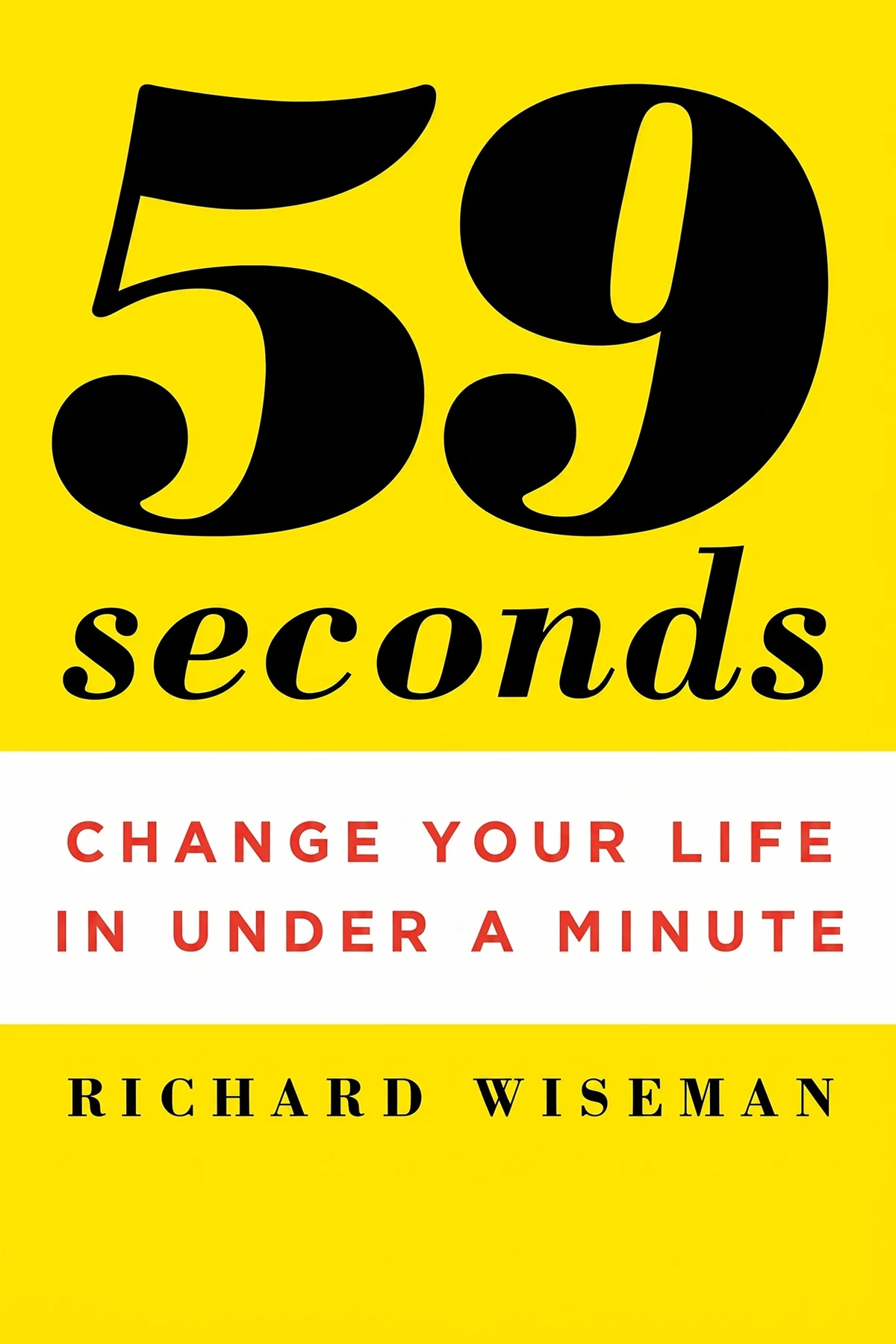
Richard Wiseman
AUDIO SUMMARY AVAILABLE
Get the key ideas from The Stoic Capitalist by Robert Rosenkranz, plus 5,000+ more titles in English and Thai.







