
25 min 25 sec
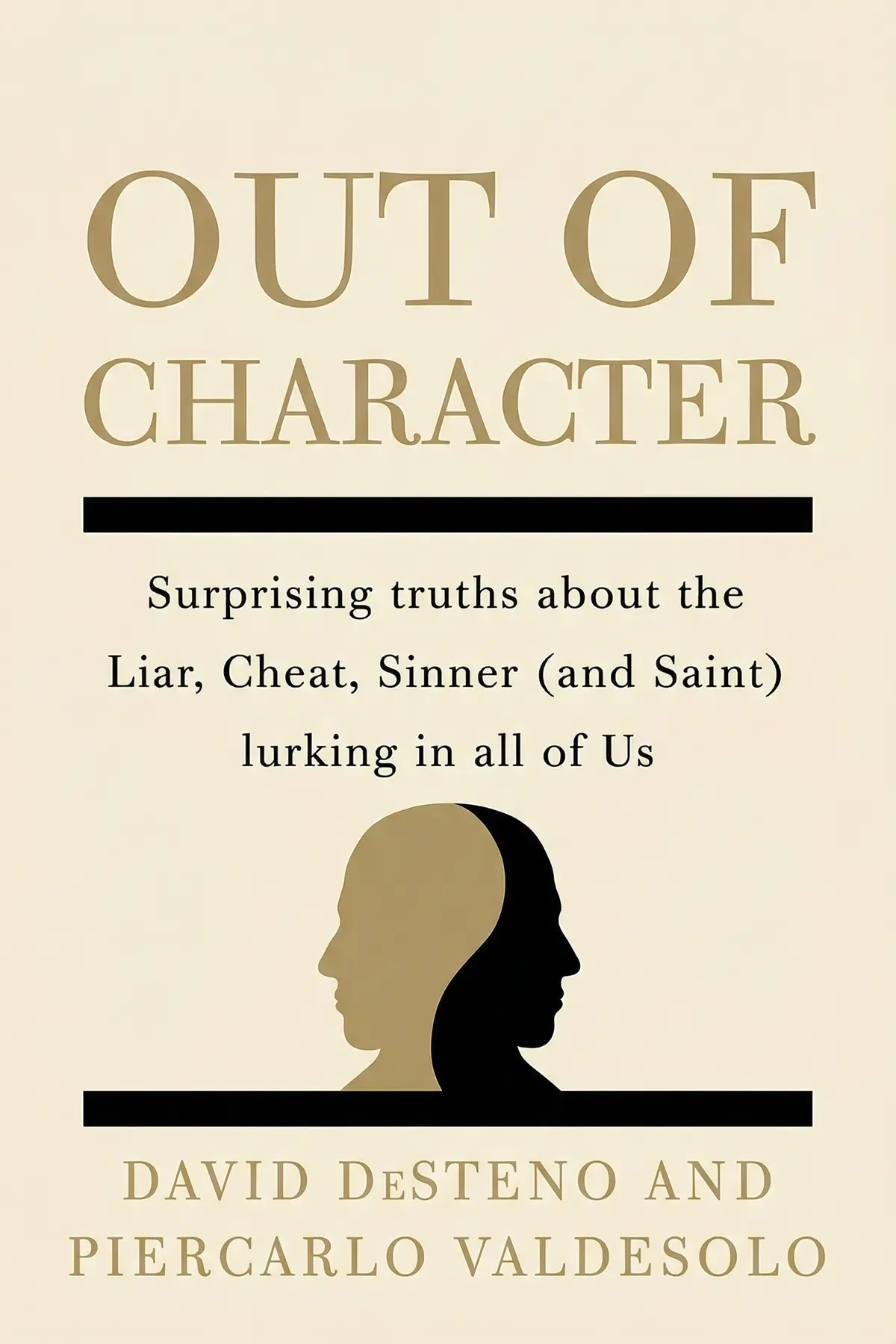
The Truth About Trust: How It Determines Success in Life, Love, Learning, and More
The Truth About Trust explores the biological and psychological mechanics behind how we decide to rely on others, demonstrating that trust is an evolving gamble essential for success and survival.
Table of Content
1. Introduction
2 min 05 sec
When we think about the concept of trust, our minds often jump to the monumental milestones of life. We think of the sacred vows of a wedding, the high-stakes handshake of a multi-million dollar business merger, or the heavy weight of a doctor’s promise before a life-altering surgery. It is easy to view trust as something reserved for these dramatic, rare occasions. However, if we look closer, we find that trust is actually the invisible thread woven into the very fabric of our mundane, everyday existence. It influences how we learn from our teachers, how we navigate the complex waters of romance, how we conduct ourselves in the workplace, and even how we interact with anonymous strangers on the internet. It is a constant, quiet calculation happening in the background of our minds during almost every waking hour.
In this exploration of The Truth About Trust, we are going to pull back the curtain on how this fundamental human mechanism actually works. We will move beyond the clichés and dive into the biological roots, the evolutionary motivations, and the unavoidable risks that come with opening ourselves up to others. We will see how our distant ancestors and even our primate cousins have shaped the way we view cooperation. You might be surprised to find that even monkeys exhibit a profound sense of betrayal when they feel their trust has been violated, sometimes reacting with a physical display of frustration that mirrors our own human indignation.
Throughout our journey, we will uncover some counterintuitive truths. For instance, you might think you are the person you can rely on most, but research suggests that trusting your future self can be just as much of a gamble as trusting a complete stranger. We will also look at the dynamics of power and why those at the top of the social ladder might be the least likely to play fair. Finally, we will dismantle the popular myths about how to spot a liar—forget what you have heard about shifty eyes—and replace those myths with a more sophisticated understanding of body language. By the end, you will have a new perspective on the throughline of trust: it is a gamble we must take to achieve anything great, but it is a gamble that requires a sharp mind and a steady heart.
2. The Strategic Conflict of Cooperation
2 min 52 sec
Discover why trust is actually a calculated gamble where we weigh the pull of immediate rewards against the long-term benefits of staying faithful.
3. The Biology of a Gut Feeling
2 min 56 sec
Trust isn’t just a thought process; it’s a physical state driven by our nerves and hormones that helps us sense safety or danger.
4. Early Learning and the Vetting of Authority
2 min 33 sec
Even as infants, we are far from gullible, and we begin to judge the competence of adults to decide who is worth listening to.
5. The High Stakes of Romantic Faith
2 min 32 sec
In our closest relationships, trust isn’t just a bonus—it’s an evolutionary necessity that changes how we perceive our partner’s every move.
6. Power, Wealth, and the Erosion of Reliability
2 min 33 sec
As social status and resources increase, the need to rely on others decreases—which often leads to a decline in both trusting and being trustworthy.
7. The Mirage of the Honest Self
2 min 34 sec
We like to think we are our own most reliable allies, but we are surprisingly good at cheating ourselves and then making excuses for it.
8. Dismantling the Myth of the Golden Cue
2 min 40 sec
Forget everything you think you know about ‘tells’; spotting untrustworthiness requires looking at a whole cluster of behaviors and the situation at hand.
9. Trust in the Age of Avatars and Algorithms
2 min 52 sec
As our lives move online, we are finding new ways to both hide our intentions and simulate the comfort of human connection through technology.
10. Conclusion
1 min 48 sec
As we have seen, trust is far more than a simple moral choice; it is a sophisticated biological and psychological strategy for survival and success. It is a gamble that we take every day, weighing the allure of immediate, selfish rewards against the immense potential of long-term cooperation. From the way our vagus nerve calms our hearts to the way our children vet their teachers for competence, trust is the engine that drives human progress and personal happiness. We have learned that power can erode our reliability, that our own future selves are not always as honest as we hope, and that there is no magic trick for spotting a liar—only the hard work of paying attention to patterns and context.
So, how can you apply this to your own life? First, embrace a healthy skepticism toward your own future actions. Don’t rely on willpower alone to stay trustworthy. Use external tools—like apps that block distractions or reminders that keep you accountable to your goals—to help your “future self” stay on the right path. Second, remember that your physical state matters when you are judging others. If you are feeling stressed, angry, or overly emotional, your ability to accurately read the trustworthiness of a new acquaintance will be compromised. Take a moment to find your biological center before making a big decision about a partnership or a deal. By understanding the true mechanics of trust, you can move through the world with more confidence, building the strong, reliable connections that make a successful life possible. Trusting is a risk, yes, but when done with wisdom, it is the most rewarding risk you will ever take.
About this book
What is this book about?
Trust is often viewed as a moral virtue, but it is actually a complex survival strategy rooted in our evolutionary history. This exploration dives into the psychological and physiological forces that govern our relationships, from the way our nerves react to strangers to the hormones that bond us to our teams. It challenges the common myths about body language and honesty, revealing that our judgments are often influenced by power, status, and self-deception. By examining research in social psychology and biology, the book promises to provide a clearer framework for understanding human cooperation. It covers why we trust ourselves less than we think, how children learn to vet their sources of information, and the ways technology is reshaping our social bonds. Ultimately, it offers a guide to making better judgments in a world where trust remains the most valuable currency we possess.
Book Information
About the Author
David DeSteno
David DeSteno is a professor of psychology at Northeastern University, where he also serves as the director of the Social Emotions Research Group. He is a prominent researcher in the field of human behavior and co-authored the Wall Street Journal bestseller Out of Character.
Ratings & Reviews
Ratings at a glance
What people think
Listeners find this book thoroughly researched and full of psychological insights, positioning it as an enlightening guide to understanding human trust. The work is praised for its reliability and quality of information. While some listeners believe it is a fantastic read, others remark that the content isn't particularly engaging.
Top reviews
Cherry
David DeSteno has completely flipped my perspective on how I interact with my colleagues and family. This book suggests that trustworthiness isn't a fixed personality trait, but rather a moment-to-moment decision influenced by our environment and current power dynamics. The truth is, I used to think people were either 'good' or 'bad,' but now I see how context shapes every choice we make. His research on how power degrades our integrity while sharpening our ability to lie was particularly eye-opening and a bit terrifying. I found the chapter on how children develop trust especially touching and insightful for my own parenting journey. This is a must-read for anyone who wants to understand the invisible threads that hold our society together.
Show moreHannah
Finally got around to reading this and it honestly holds up remarkably well despite being a decade old. DeSteno manages to explain the deep-seated psychology of trust in a way that feels incredibly relevant to our current era of rampant misinformation. I love that he includes information on attachment styles and how our childhood influences our adult willingness to take a 'bet' on others. Every page is packed with insights that challenge the common fallacies we hold about integrity. It’s rare to find a book that is both academically rigorous and deeply practical for navigating modern relationships. Seriously, go buy this right now if you want to understand why people act the way they do.
Show moreYuki
Wow, I didn't realize how little I actually understood about the mechanics of human connection until I finished this. DeSteno’s explanation of how relationships move from exchange-based scorekeeping to communal trust was a lightbulb moment for me personally. It explains why some friendships feel effortless while others feel like a constant negotiation of favors and debts. The research is top-tier and the way he bridges the gap between evolutionary biology and modern social media is masterful. Not gonna lie, I was skeptical at first, but the data is just too compelling to ignore. This book provides the keys to being more resilient as an individual.
Show moreNarongrit
Picked this up because I’ve always been fascinated by how we decide to rely on strangers. David DeSteno presents a deeply researched look at the mechanics of trust, arguing it’s less about character and more about a calculated gamble based on current needs. To be fair, some of the sections on digital trust felt a bit dated now, but the core psychological principles remain incredibly solid. I particularly appreciated the distinction between integrity and competence, as it explains why we might trust a skilled surgeon who has a terrible bedside manner. The writing is accessible, though it occasionally veers into the dry territory of academic reporting. It’s a great guide for anyone looking to dismantle their own biases about how they judge others.
Show moreLars
Ever wonder why you keep trusting the wrong people even when your gut says no? This book explains the semi-conscious calculations our brains are making behind the scenes. DeSteno highlights that when we see someone as consistent, it’s often because their environment hasn’t changed, not because they are inherently moral. Personally, I found the section on jealousy requiring a triad to be a brilliant observation that I hadn't considered before. It’s a solid 4-star read that offers practical takeaways without being overly preachy or simplistic. If you like behavioral economics, you will definitely find value in these pages.
Show moreMaksim
As someone who works in human resources, I found the sections on power and deceit to be hauntingly accurate. DeSteno explains how high-status individuals often lose their ability to empathize, which in turn makes them less trustworthy over time. He encourages us to examine motives rather than just relying on a person’s long-standing reputation, which is a vital lesson for any professional environment. The writing can be a bit dense with citations, but the payoff is worth the effort if you stick with it. I gave it four stars because I think it could have used more real-world anecdotes to balance out the heavy reliance on laboratory data. Still, it’s an incredibly insightful guide for anyone managing teams.
Show moreChokdee
After hearing about DeSteno’s work on a podcast, I decided to dive into the full text. There are some truly fascinating nuggets here, especially the 'white coat effect' of technology and how we subconsciously trust machines more than people initially. However, I found the middle section on economic demand and 'mental accounting' in relationships to be a bit of a slog. It’s a very informative guide, but not necessarily an 'interesting' read in terms of narrative flow or engagement. To be honest, I think most readers would get the gist from a long-form article rather than needing the whole book. It’s definitely well-researched, but the pacing is uneven throughout.
Show moreNadia
The chapter on cyberspace was what originally drew me in, but I ended up feeling lukewarm about the overall execution. While DeSteno provides a wealth of psychology lab experiments, some of the 'practical' advice felt a bit obvious, like the set of visual clues for detecting cheating. We already know that someone crossing their arms or touching their face might be hiding something, so I didn't need twenty pages of data to confirm it. In my experience, the book works better as a collection of interesting facts rather than a cohesive manual for life. It’s okay, but I wouldn't call it life-changing for anyone who has already read a lot of popular psychology.
Show moreWoramet
This book is a bit of a mixed bag for me. On one hand, the concept of trust being a gamble on your future self is a mind-bending way to look at procrastination and self-discipline. On the other hand, the prose is quite dry and feels like it was written for a textbook rather than a general audience. I appreciated the debunking of several trust fallacies, but I found myself checking how many pages were left more often than I’d like. It’s a 3-star read: informative and scientifically sound, but just lacking that spark of excitement. It’s good for a reference, but maybe not for a weekend cover-to-cover session.
Show moreElena
Not what I expected given the high praise I’ve seen on social media. While the book is packed with psychological findings, it felt a bit like a clinical attempt to solve a human mystery that requires more soul than science. Look, the author completely dismisses our ability to read facial expressions as a viable way to detect deceit, which just doesn't align with my lived experience or intuition. It felt like the experiments were conducted in a vacuum that ignored the complexities of real-world context. Frankly, the whole thing felt a bit cold, turning human connection into a series of robotic transactions. If you want a warm, relatable self-help book, this definitely isn't the one for you.
Show moreFeatured in

Readers also enjoyed
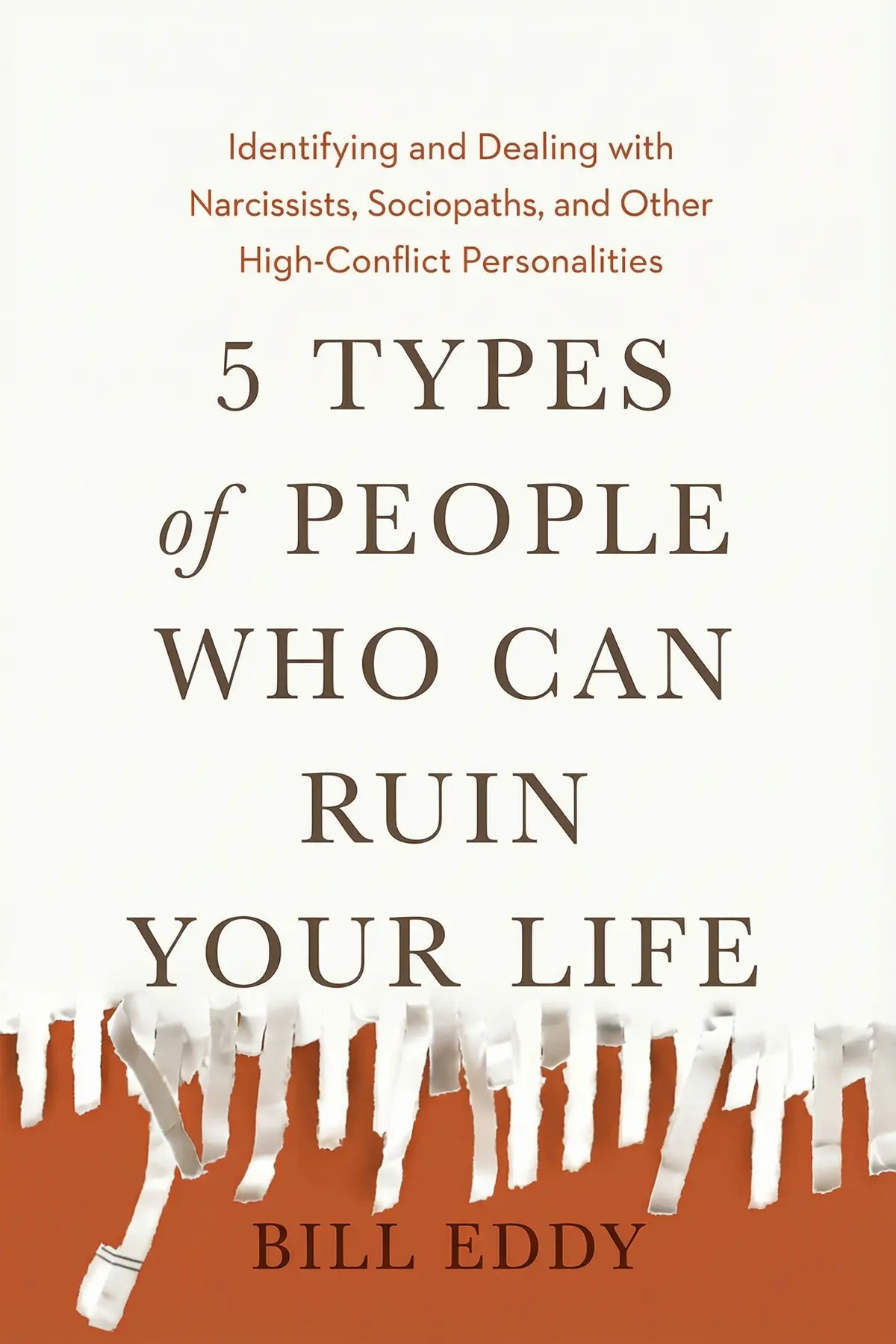
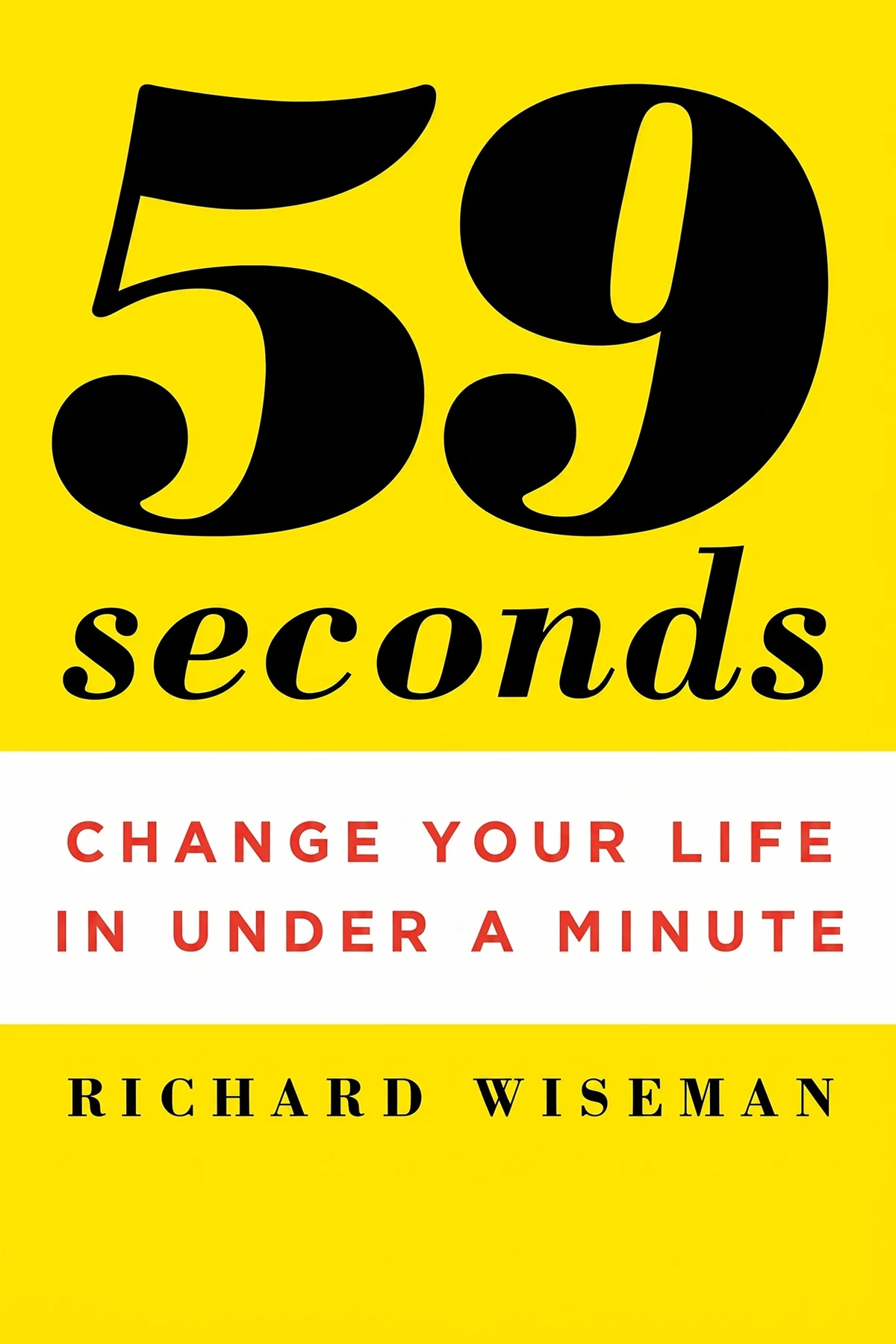
59 Seconds: Change Your Life in Under a Minute
Richard Wiseman
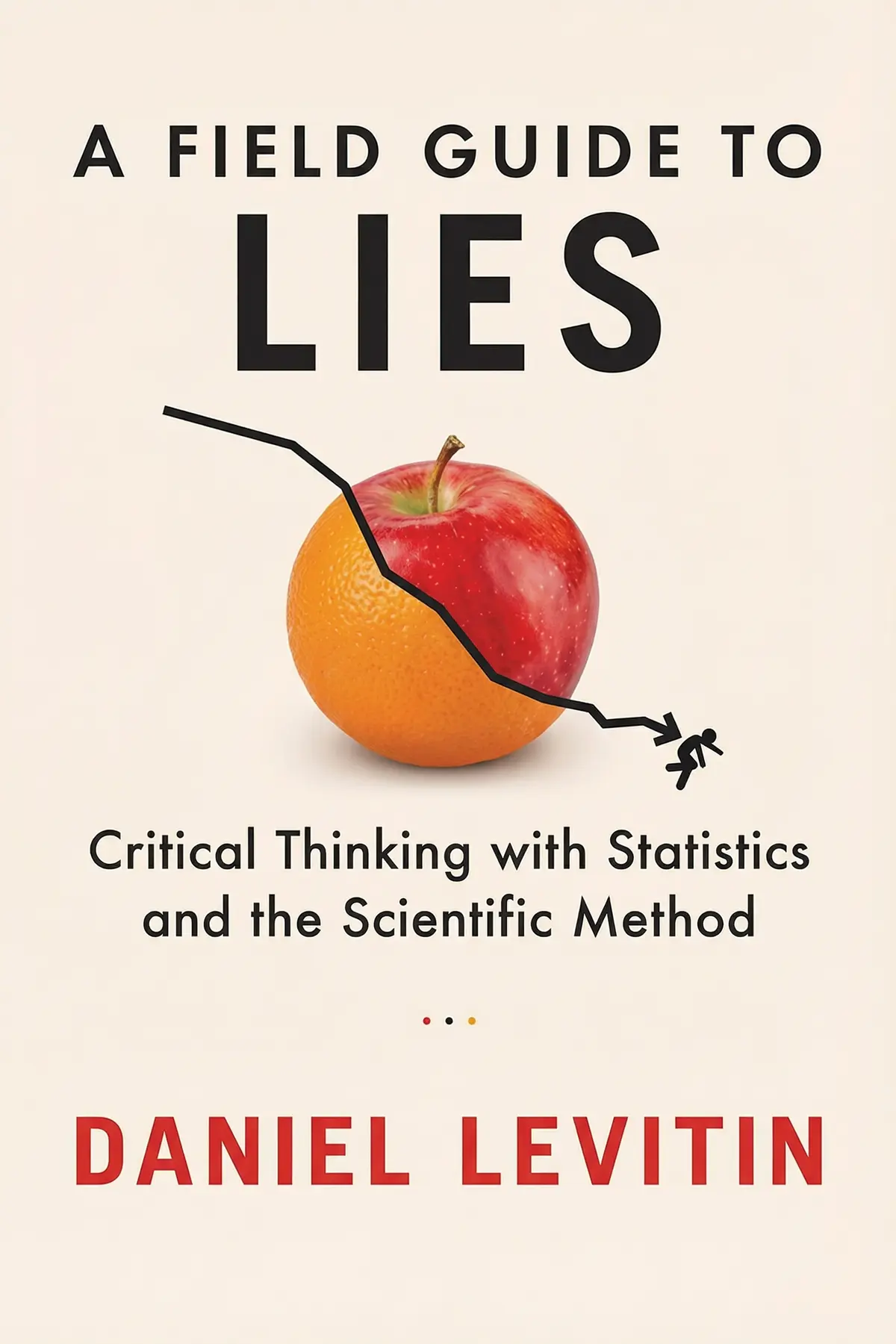
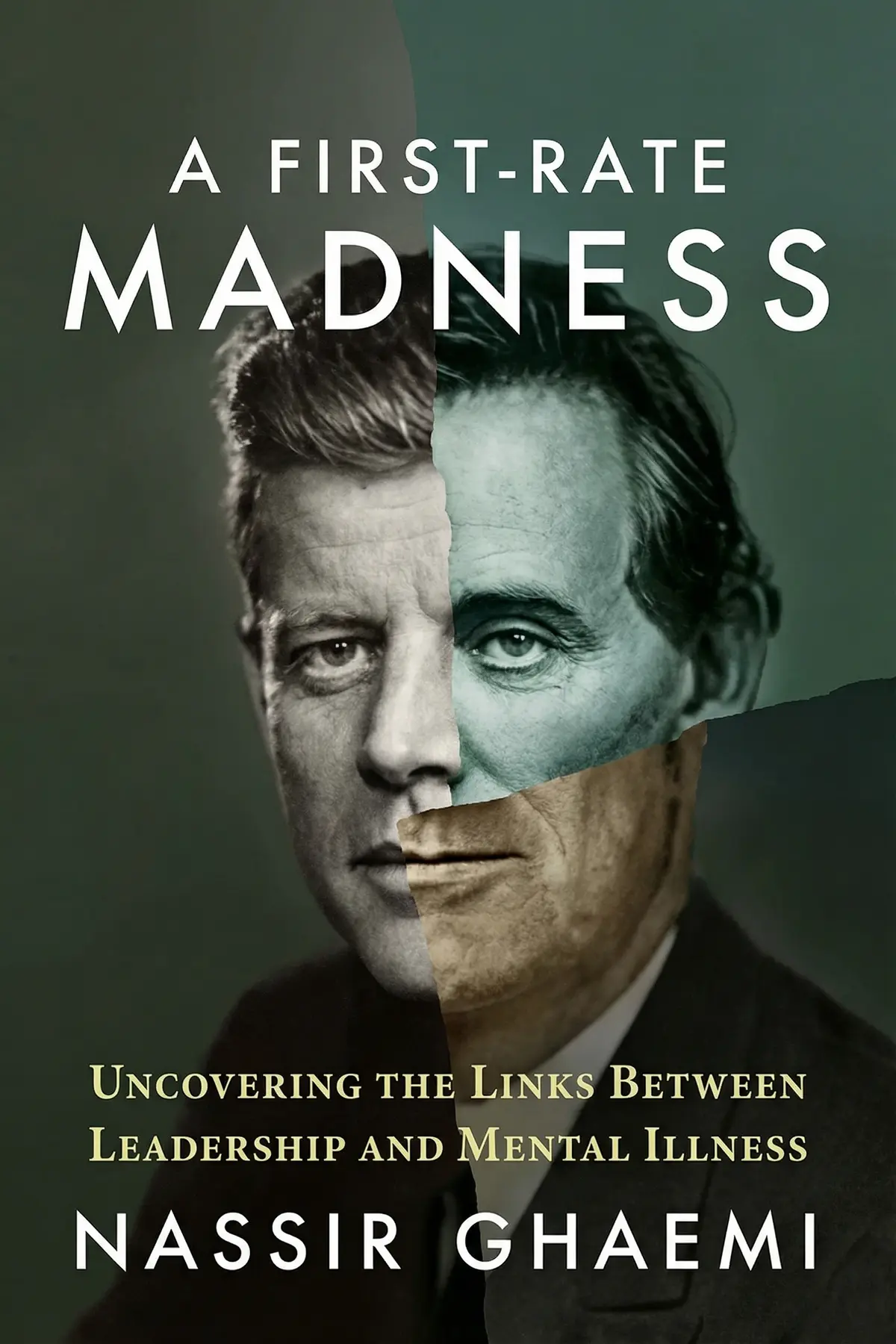
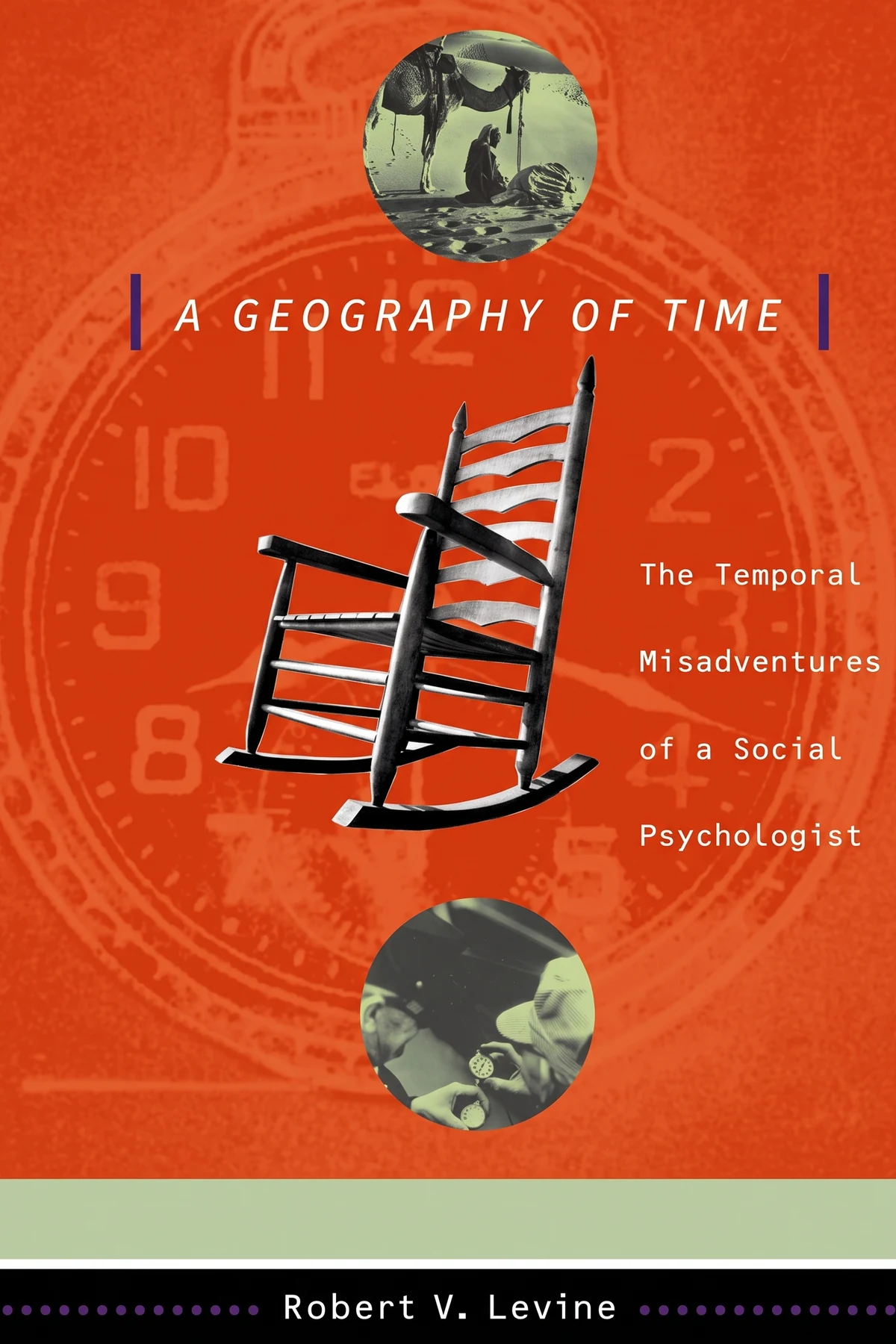
A Liberated Mind: How to Pivot Toward What Matters
Steven C. Hayes
Acting with Power: Why We Are More Powerful Than We Believe
Deborah Gruenfeld
Age of Propaganda: The Everyday Use and Abuse of Persuasion
Anthony Pratkanis
AUDIO SUMMARY AVAILABLE
Listen to The Truth About Trust in 15 minutes
Get the key ideas from The Truth About Trust by David DeSteno, plus 5,000+ more titles in English and Thai.
- 5,000+ titles
- Listen as much as you want
- 7-day free trial
- Cancel anytime







