
8 min 35 sec
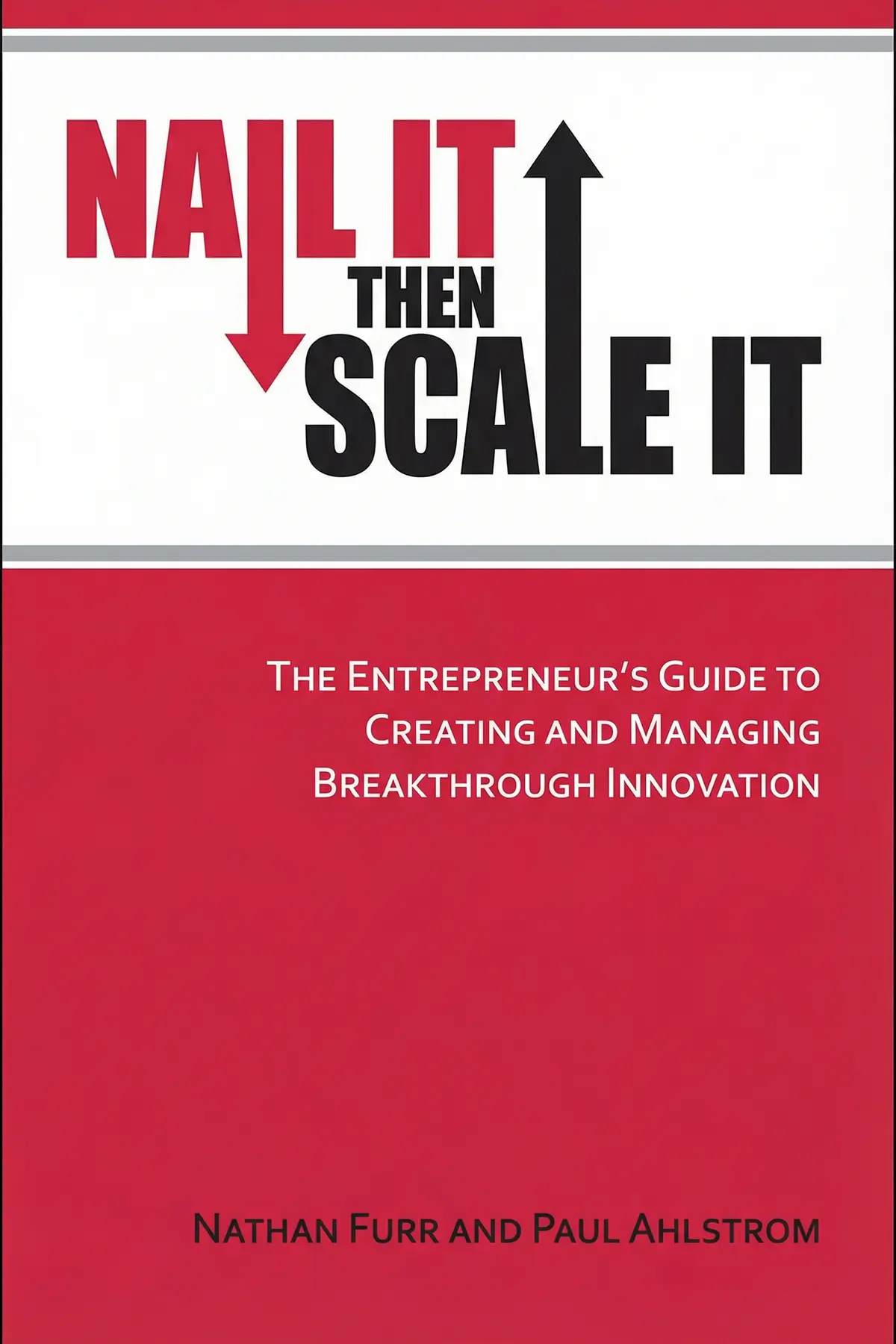
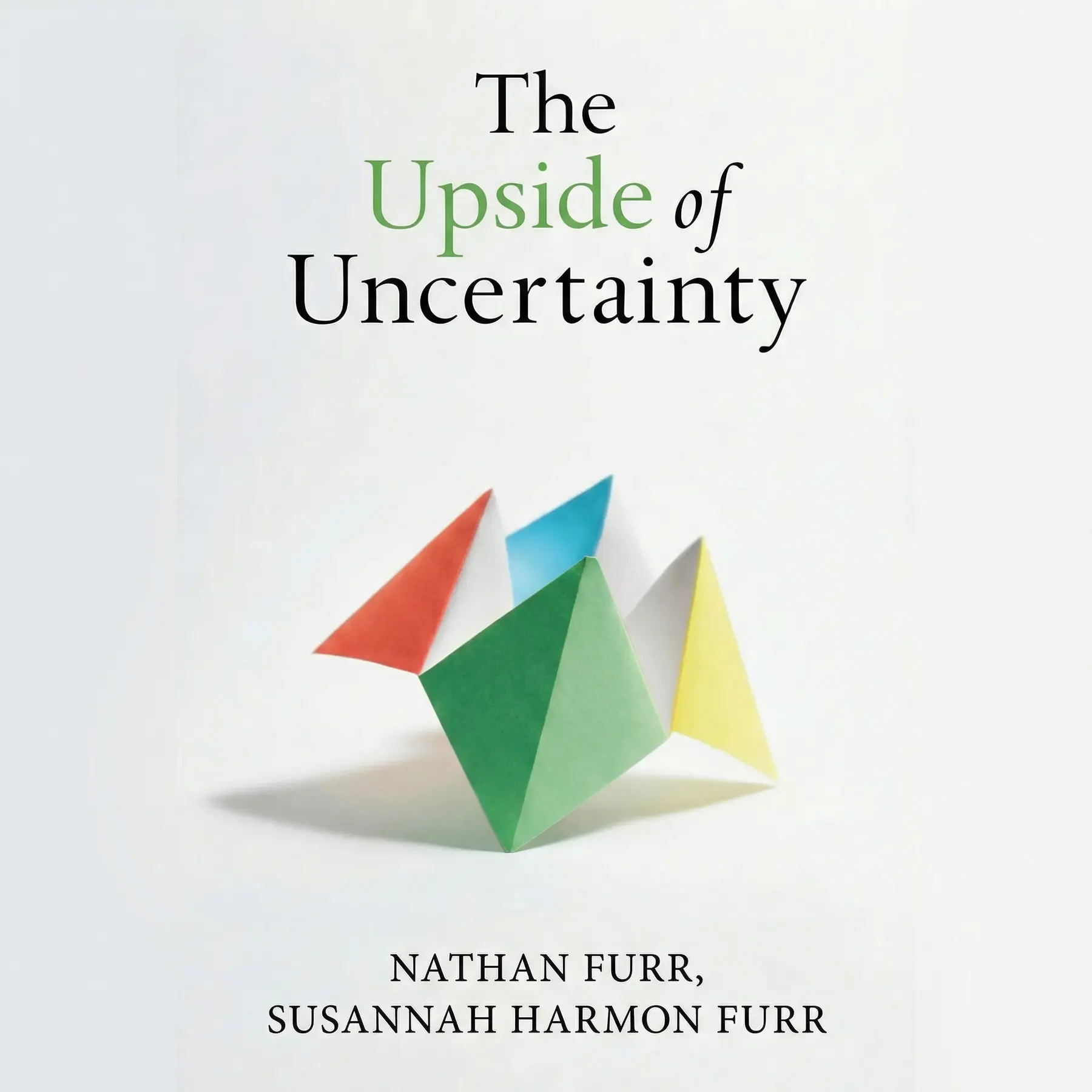
The Upside of Uncertainty: A Guide to Finding Possibility in the Unknown
Discover how to transform your fear of the unknown into a powerful engine for creativity. This summary explores practical tools for reframing uncertainty, building resilience, and unlocking the possibilities hidden within transitions.
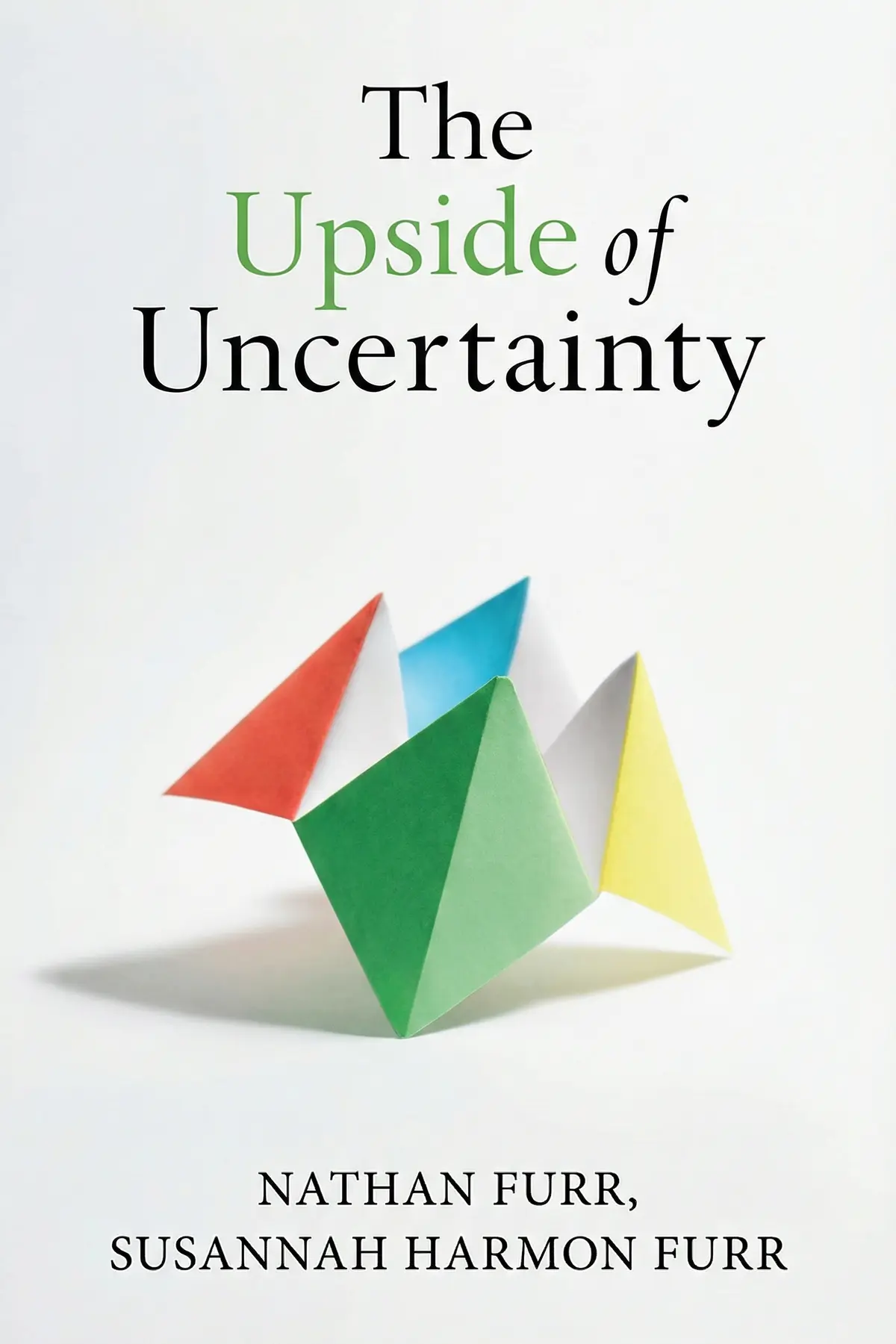
Table of Content
1. Introduction
1 min 21 sec
We have all been there—standing at a crossroads where the signs have been blown down and the map no longer matches the terrain. In those moments, the air feels heavy with the unknown. We tend to view these periods of life as obstacles to be overcome or, worse, as evidence that something has gone wrong. But what if we have it backwards? What if the moments of highest uncertainty are actually the moments of highest potential?
This is the core premise we are exploring today. In this summary of The Upside of Uncertainty by Nathan and Susannah Harmon Furr, we are going to challenge the modern obsession with predictability. We often equate safety with knowing exactly what happens next, but that comfort comes at a price: it stalls growth and stifles innovation. To truly create something new—whether in your career, your art, or your personal life—you have to step into the fog.
Over the next several minutes, we will walk through a series of strategies designed to help you not just survive the unknown, but to welcome it. We’ll look at how to reframe your mindset, how to build the ‘uncertainty muscle’ through small daily actions, and how to create a decision-making framework that thrives when things are unclear. By the time we finish, you’ll have a new perspective on those moments of doubt, seeing them not as threats, but as the raw material for your next great breakthrough. Let’s begin this journey into the mist.
2. Reframing the Fog
1 min 36 sec
How you label a situation dictates your reaction to it. Learn why viewing uncertainty as a canvas rather than a hazard changes everything about your creative potential.
3. Building the Adaptability Muscle
1 min 27 sec
Resilience is not a fixed trait; it is a skill developed through practice. Discover how small, deliberate disruptions can prepare you for life’s biggest challenges.
4. The Strategic Toolkit for Decision Making
1 min 31 sec
Navigating the unknown requires more than just a gut feeling. Learn how a decision journal can transform your retrospective insights into future foresight.
5. Emotional Engagement and Purpose
1 min 27 sec
Uncertainty isn’t just a mental puzzle; it’s an emotional journey. Discover why connecting to your deeper values is the anchor you need in the storm.
6. Conclusion
1 min 13 sec
As we wrap up our journey through the insights of Nathan and Susannah Harmon Furr, it is worth reflecting on where you are right now. Is there a ‘fog’ in your life that you’ve been trying to avoid? Perhaps it’s a conversation you need to have, a project you’ve been hesitant to start, or a change in your personal life that feels too risky to pursue.
Remember the throughline of everything we’ve discussed: uncertainty is the only place where something truly new can happen. If you want a life that is more than just a repeat of yesterday, you must learn to make a home in the unknown. You can start today by reframing your biggest challenge as your biggest opportunity. Use the small moments—the new route to work, the different choice at dinner—to flex your adaptability muscle. And keep a record of your journey; trust that your future self will find wisdom in the choices you are making today.
The mist may not clear right away, and that’s okay. With curiosity as your compass and resilience as your guide, you don’t need a perfectly clear horizon to keep moving forward. The upside of uncertainty isn’t just about reaching a destination; it’s about the person you become while you are finding your way. So, take that deep breath, step into the unknown, and see what possibilities are waiting for you.
About this book
What is this book about?
Life is filled with moments where the path forward is obscured. Most of us have been taught to fear these gaps, viewing uncertainty as a threat to be managed or avoided. However, The Upside of Uncertainty argues that the unknown is actually the essential ingredient for innovation, personal evolution, and deep fulfillment. Whether you are looking to build a new business, find a meaningful relationship, or navigate a sudden career shift, you must first cross the threshold of not knowing. This guide provides a structured approach to shifting your perspective. It moves beyond simple positive thinking to offer a tangible toolkit for navigating the fog of the future. You will learn how to reframe your anxieties, prime your environment for discovery, and take the small, brave steps necessary to turn a lack of clarity into a competitive advantage. By the end, you will see that while uncertainty is inevitable, the fear of it does not have to be. This summary provides the promise of transformation: shifting from a state of paralysis to one of proactive exploration.
Book Information
About the Author
Nathan Furr
Nathan Furr is an esteemed professor at INSEAD, where he focuses on the intersections of technology strategy and innovation. His previous influential works include Innovation Capital and The Innovator’s Method. Susannah Harmon Furr is an entrepreneur and designer who brings a creative perspective to the world of strategy. She is the founder of a hope accelerator based in Normandy, France, which aims to help individuals navigate transitions with purpose.
Ratings & Reviews
Ratings at a glance
What people think
Listeners find the authors' science-driven outlook valuable, with one individual highlighting the thorough research and incredible stories. Furthermore, the book earns praise for its actionable guidance, with one listener noting how it assisted them in managing unforeseen circumstances. In addition, listeners consider the content highly engaging and commend its rhythm, with one characterizing it as an excellent compendium of mindsets.
Top reviews
Hemp
Finally, a business book that doesn't just recycle the same three productivity hacks we’ve been hearing for decades. The Furrs provide a genuinely refreshing, science-based perspective on a topic that usually triggers nothing but anxiety. I found the 'Uncertainty First Aid Cross' to be a brilliant way to categorize our psychological responses. By breaking it down into Reframe, Prime, Do, and Sustain, the authors turn a terrifying concept into a manageable process. The writing is incredibly rigorous. It’s clear they did their homework. Each chapter is supported by amazing anecdotes—from industrialist stories to the authors' own vulnerable family experiences. If you feel stuck in a rigid routine, this is the toolkit you need. It’s rare to find something that feels both academic and deeply personal. I walked away feeling like uncertainty is a skill I can actually master.
Show moreSomsak
As someone who struggles with chronic anxiety about the future, this book felt like a warm, yet highly intellectual, hug. The way Nathan and Susannah share their own personal trials—specifically dealing with their child’s depression and transition—adds a layer of authenticity that most professional development books lack. They aren't just preaching from an ivory tower at INSEAD; they are practicing these tools in the trenches of real life. The concept of 'bricolage'—starting with what you have—was a game-changer for my current project. I loved the emphasis on values over goals. It shifts the focus from an uncertain outcome to a certain sense of purpose. This book is packed with practical information that I keep returning to when things get overwhelming. Truly a masterpiece on the human condition.
Show moreOoi
Rarely do you find a personal development guide that balances vulnerability with such high-level research. The Furrs have managed to create a compendium of mindsets that feels both timeless and perfectly suited for our current era of rapid change. I was struck by the 'Personal Real Options' concept—the idea of maintaining a portfolio of both certain and uncertain projects. It’s such a practical way to manage risk without stifling creativity. The book is thoroughly enjoyable to read, largely because the pacing is so well-handled. You move from scientific data to poignant personal stories seamlessly. It’s a science-based perspective that doesn't lose its soul. I’ve already recommended this to three colleagues who are facing major life transitions. It is an essential read for the modern era.
Show moreIff
The 'First Aid Cross' for uncertainty is probably the most useful framework I’ve encountered this year for navigating career pivots. Truth is, I picked this up during a particularly chaotic month, and the 'Reframe' section helped me stop viewing every unknown as a potential disaster. The authors suggest that we should treat uncertainty as a doorway to the 'adjacent possible' rather than a threat. I especially loved the concept of 'Dumbo Feathers'—those little things that give us the confidence to fly. The research is solid, and the pacing keeps you engaged throughout. My only minor gripe is that some of the corporate examples felt a bit distant from the average person's reality. However, the practical advice on 'regret minimization' more than makes up for it. It is a very well-structured guide for anyone trying to build resilience.
Show moreIce
How do we actually 'do' uncertainty without losing our minds? This book answers that with a surprisingly rigorous research-backed approach. I’ve read plenty of self-help, but this feels different because of the 'Do' and 'Sustain' sections of their framework. It’s not just about thinking differently; it’s about the mechanics of taking small steps when you can't see the finish line. The story about the denim manufacturing hub in Wales was particularly inspiring. It showed how a dead end can actually be a starting line. I did find the 'Prime' section a bit long-winded, and some of the psychological experiments felt familiar. Still, the overall toolkit is robust. It's an excellent guide for leaders who are currently navigating the 'permancrisis' of the modern economy. Definitely worth a spot on your shelf.
Show moreAnawin
After hearing Nathan Furr on a podcast, I picked this up hoping for a rigorous deep dive into the 'adjacent possible.' I wasn't disappointed. The authors do a fantastic job of explaining why our brains are hardwired to hate uncertainty and how we can override those instincts. The 'Reflection and Practice' exercises are actually useful, which is rare for this genre. Usually, those exercises feel like busy work, but these genuinely made me stop and think. I particularly liked the questions about who you would be without a specific negative thought. It’s a very thorough exploration of how to stay agile. My only complaint is the occasionally dry tone. It reads very much like a business textbook at times, but the content is valuable enough to power through.
Show morePop
While I appreciated the science-based perspective the Furrs brought to the table, the pacing felt a bit bogged down by endless anecdotes. To be fair, the core ideas are excellent. The problem is that the actual 'meat' of the book could have been summarized in a fraction of the pages. I found myself skimming through pages of examples just to get to the 'Reflection and Practice' sections at the end of the chapters. Those summaries are where the real value lies. Some of the stories felt repetitive or only tangentially related to the main thesis of navigating ambiguity. It’s a decent compendium of mindsets, but it requires some patience to filter through the fluff. If you have the time to sit with it, there are gems to be found, but it’s a bit of a slow burn.
Show moreSangduan
Frankly, this could have been a long-form article rather than a full-length book. The central premise is solid: we should reframe our fear of the unknown into an appreciation for possibility. However, I felt like I was reading the same point over and over again with different names attached. One chapter cites Roald Dahl, the next cites Y Combinator, and the next cites Buckminster Fuller. After a while, the anecdotes start to bleed together. I did enjoy the 'uncertainty first aid cross' as a visual aid, but the execution felt a bit padded. I would recommend reading the intro and the chapter summaries. You'll get 90% of the value in 10% of the time. It’s not a bad book, just a bit bloated for my taste.
Show moreLeah
Ever wonder why some people thrive in chaos while others crumble? This book tries to map that out, and it mostly succeeds. Truth is, most of the concepts like 'regret minimization' and 'cognitive flexibility' aren't exactly new. It’s a bit of old wine in a new, shiny bottle. That said, the authors are great storytellers. I found the examples of the 'Dumbo Feathers' quite charming, even if they were a bit simplistic. The book is a bit hit-or-miss depending on the chapter. Some sections felt deeply insightful, while others felt like they were reaching for relevance. It’s a solid 3-star read for me—useful as a refresher, but don't expect it to totally revolutionize your worldview if you’ve already read a lot of Ferriss or Godin.
Show moreWachira
Look, I really wanted to love this, but the section on mobility devices in Chapter 4 was incredibly off-putting and felt quite outdated. The authors praise a designer for making a device 'so cool' that it overcomes the discomfort others feel toward disability. This aligns with a medical model of disability that suggests the individual needs to 'fix' themselves to fit into a non-disabled world. It completely ignores the social perspective that the environment is the actual barrier. If the world was accessible, the 'discomfort' wouldn't exist. Beyond that specific issue, the book felt like it was trying too hard to be profound. The 'tools' are basically just common sense rebranded with fancy names like 'Fait Sur Mesure.' It’s a below-average read for me, despite the high-quality HBR production.
Show moreReaders also enjoyed
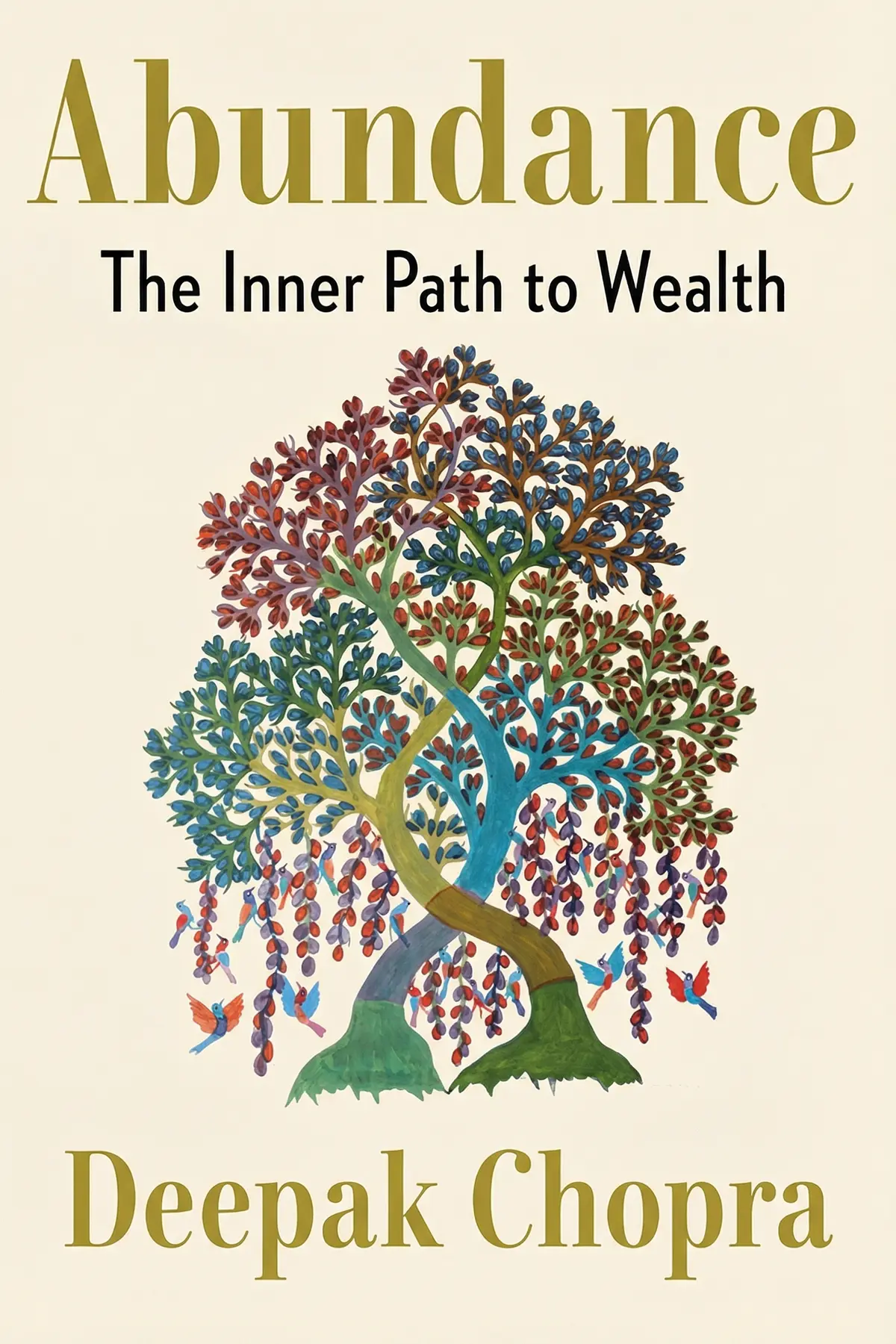
Abundance: The Inner Path to Wealth
Deepak Chopra
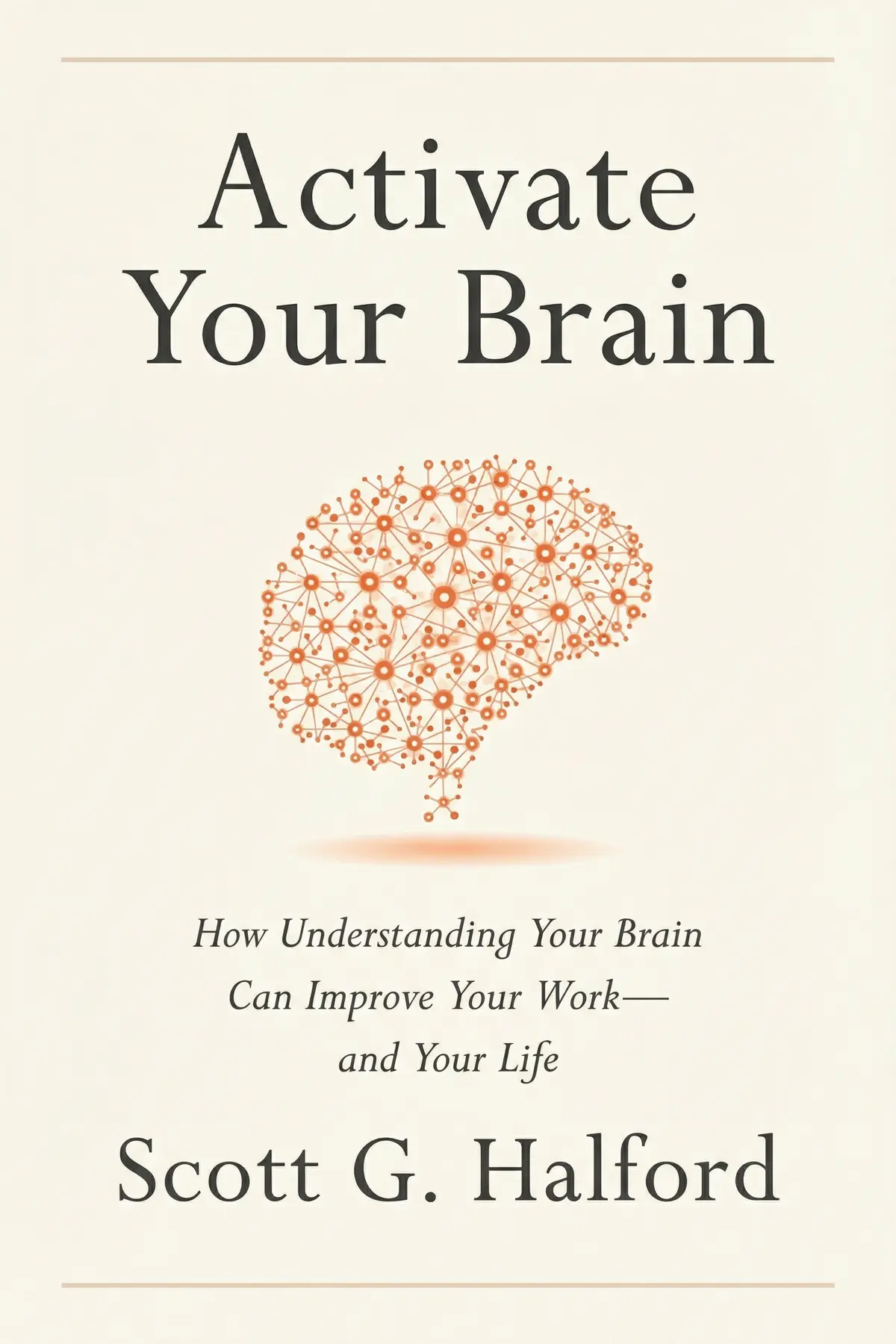
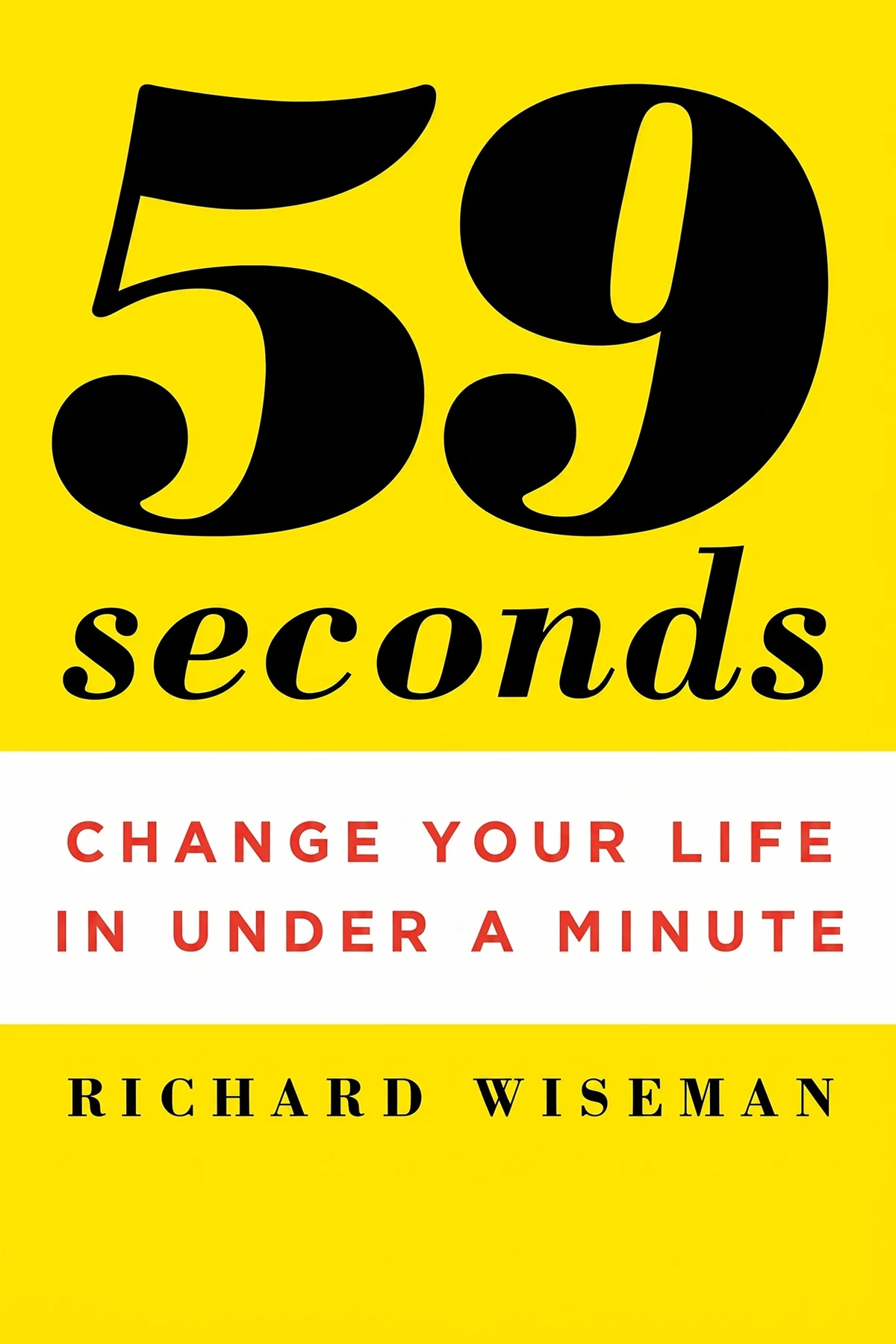
59 Seconds: Change Your Life in Under a Minute
Richard Wiseman
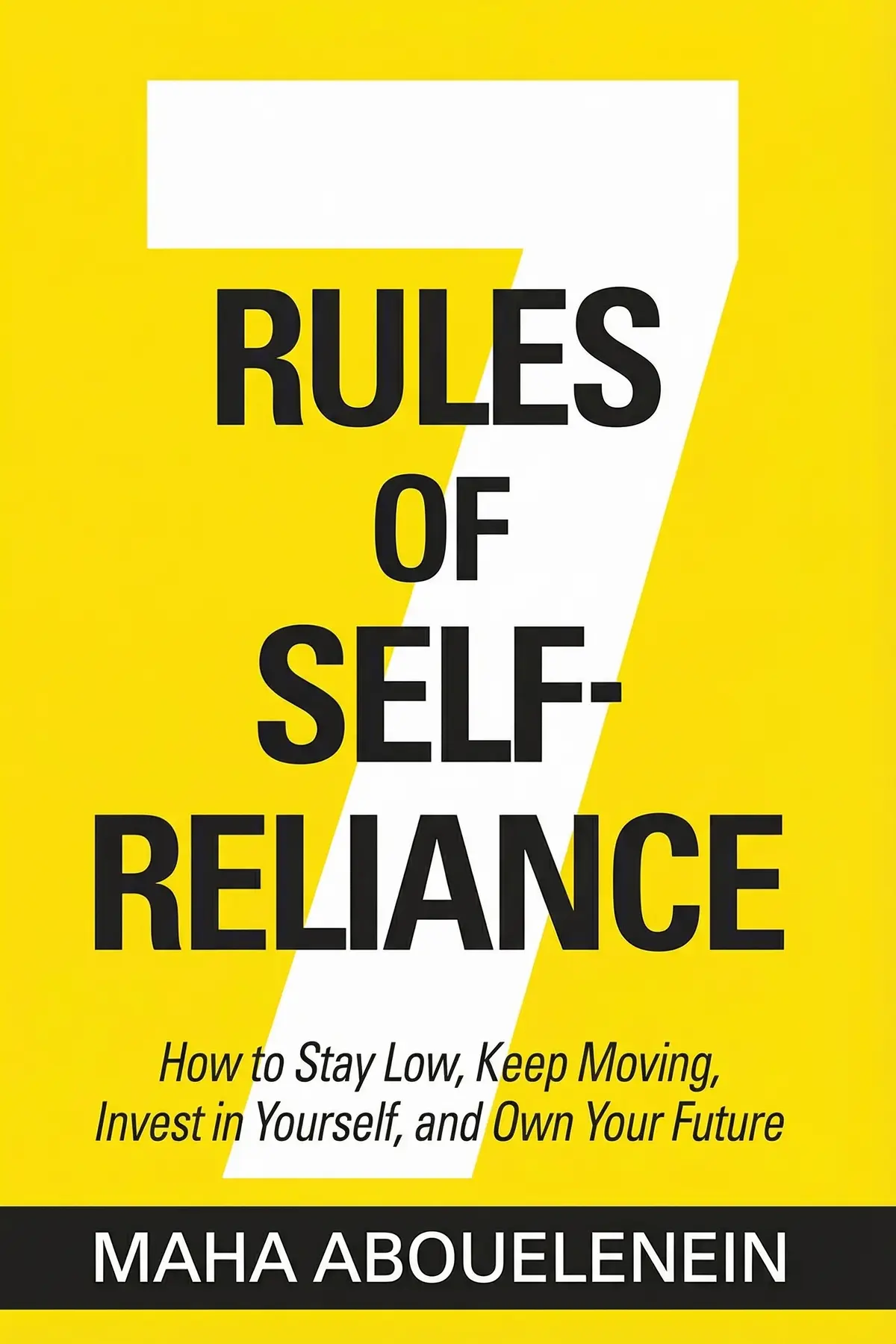
A Guide to the Good Life: The Ancient Art of Stoic Joy
William B. Irvine
AUDIO SUMMARY AVAILABLE
Listen to The Upside of Uncertainty in 15 minutes
Get the key ideas from The Upside of Uncertainty by Nathan Furr, plus 5,000+ more titles in English and Thai.
- 5,000+ titles
- Listen as much as you want
- 7-day free trial
- Cancel anytime







