
12 min 15 sec
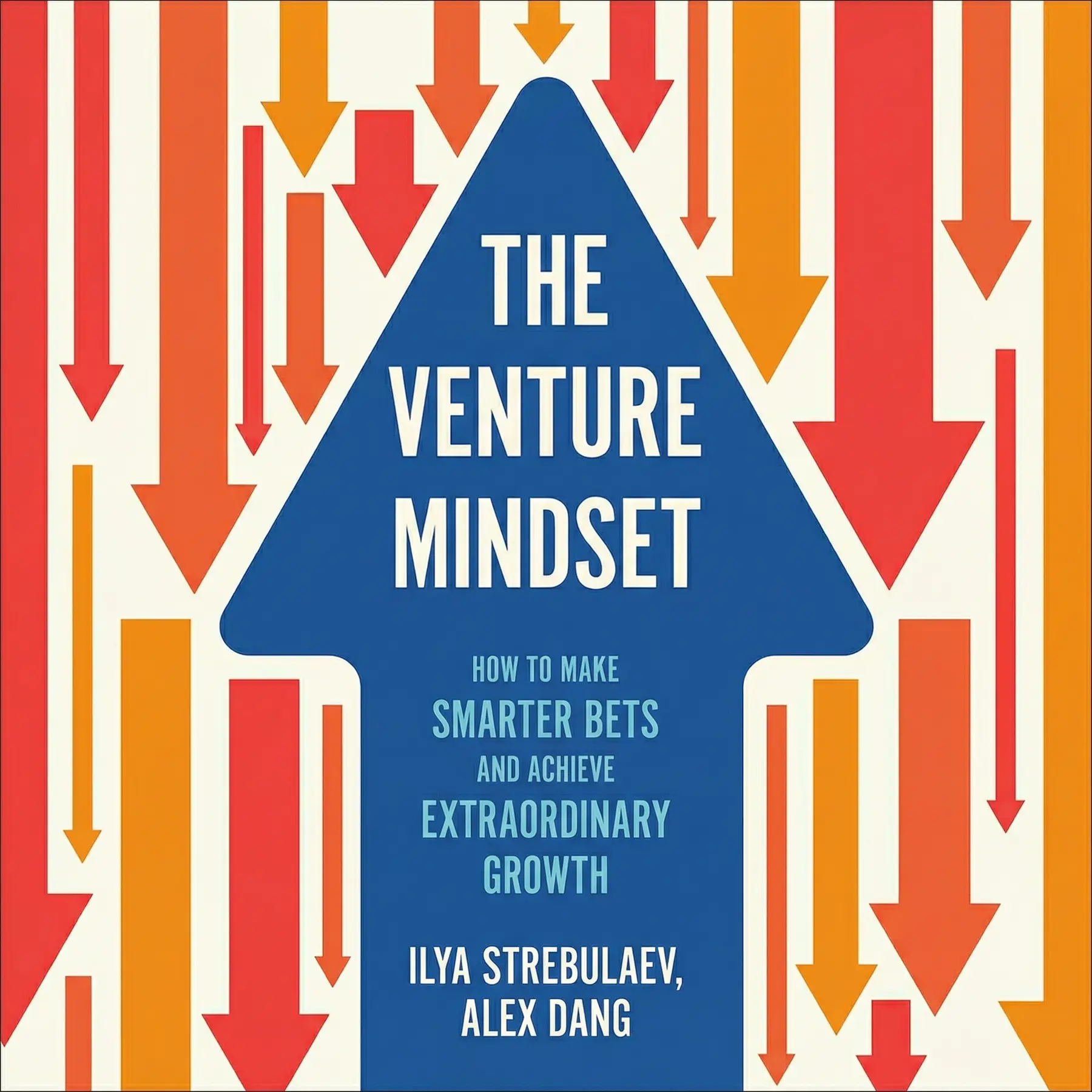
The Venture Mindset: How to Make Smarter Bets and Achieve Extraordinary Growth
Explore the mental frameworks of top venture capitalists to unlock extraordinary growth. Learn to identify high-potential founders, embrace productive disagreement, and use strategic failure as a stepping stone to massive innovation.
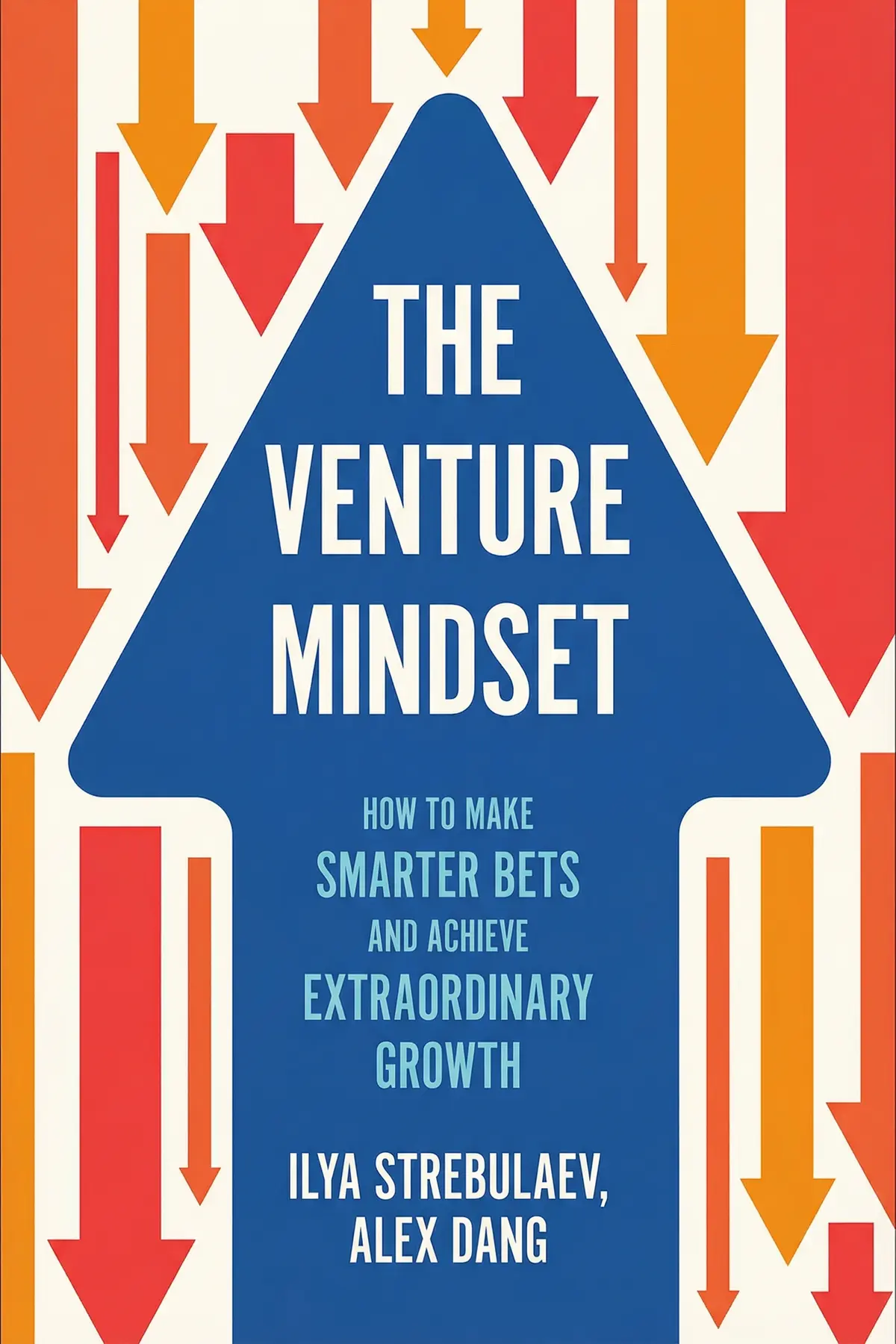
Table of Content
1. Introduction
1 min 27 sec
Why is it that some people can look at a crowded, competitive market and see a billion-dollar opportunity, while everyone else just sees a lost cause? Think about the early days of video conferencing or the first attempts at commercial space travel. To most observers, these looked like bottomless pits for capital, yet a select few individuals saw something different. They didn’t just have better data; they had a different way of processing the world. They possessed what we call the venture mindset.
This way of thinking isn’t just for people wearing Patagonia vests in Silicon Valley. It is a fundamental shift in how we approach risk, how we evaluate talent, and how we handle the inevitable stumbles that come with trying something new. In the following segments, we’re going to pull back the curtain on the specific strategies used by the world’s most successful venture capitalists. We will look at why they often run toward things that make other people nervous and why they believe that a ‘no’ is often more valuable than a ‘maybe.’
As we move through these ideas, you’ll see a consistent throughline: the most significant rewards don’t go to those who play it safe or follow the crowd. Instead, they go to those who have the discipline to look for critical flaws early, the courage to encourage internal disagreement, and the patience to play the long game. By the end of this journey, you’ll have a new set of mental tools to help you navigate uncertainty and spot the next big thing before it becomes obvious to the rest of the world.
2. Prioritizing Visionary Leadership Over Market Metrics
2 min 27 sec
Discover why the person behind the idea matters more than the data on the page by exploring how a few investors saw potential where others saw a saturated market.
3. The Strategic Efficiency of Rapid Rejection
2 min 24 sec
Learn how to filter out mediocre opportunities by hunting for dealbreakers rather than trying to find reasons to say yes to every proposal.
4. Cultivating Dissent to Avoid the Consensus Trap
2 min 15 sec
Understand why unanimous agreement is often a warning sign and how encouraging healthy conflict leads to more robust and profitable outcomes.
5. Adopting a Long-Term Perspective on Failure
2 min 14 sec
Shift your perspective from short-term panic to long-term resilience by viewing setbacks as necessary data points on the road to success.
6. Conclusion
1 min 28 sec
The venture mindset isn’t a secret code accessible only to a few elite investors; it’s a set of mental disciplines that anyone can adopt to drive growth and navigate an uncertain world. It starts with the recognition that while data and markets are important, the human element—the vision and grit of a founder—is often the most critical variable in the equation. It continues with the rigorous efficiency of the ‘critical flaw’ approach, allowing you to quickly dismiss the mediocre so you can focus on the exceptional.
We’ve seen how important it is to break the cycle of consensus and invite dissent into the room. By encouraging healthy disagreement, we pressure-test our ideas and uncover the hidden opportunities that everyone else is too comfortable to see. And finally, we’ve learned that the path to extraordinary achievement is rarely a straight line. It is paved with setbacks and failures that must be viewed as essential steps in a much longer journey.
As you move forward, try to apply these principles to your own challenges. Look for the dealbreakers early. Encourage your team to speak their minds, even when it’s uncomfortable. And most importantly, have the courage to back the bold, long-term visions that others might dismiss as impossible. When you stop playing not to lose and start playing to win big, you’ve truly adopted the venture mindset. The world’s biggest problems are waiting for the kind of innovative solutions that only this way of thinking can provide. Now is the time to go out and make your smartest bets.
About this book
What is this book about?
The Venture Mindset provides a deep dive into the specific cognitive habits and organizational strategies that allow venture capitalists to identify and nurture world-changing companies. While most traditional businesses focus on minimizing risk and seeking consensus, the venture capital world thrives on unconventional thinking, calculated gambles, and a unique approach to failure. This summary explores how the principles used by investors in companies like Zoom and SpaceX can be applied to any professional context to foster breakthrough innovation. Readers will learn the 'critical flaw' method for rapid decision-making, the importance of fostering internal dissent to avoid the trap of groupthink, and why backing the right person is often more important than backing the right product. By shifting from a defensive, risk-averse posture to a proactive, growth-oriented mindset, individuals and organizations can learn to spot opportunities that others miss and stay resilient in the face of inevitable setbacks. It is a guide to thinking bigger and acting with the decisiveness required in today's fast-moving economic landscape.
Book Information
About the Author
Ilya Strebulaev
Ilya Strebulaev is a prominent academic and expert in the field of private equity and finance. He serves as a Professor at Stanford University’s Graduate School of Business and founded the Venture Capital Initiative. His research has been featured in major publications like the New York Times and Harvard Business Review. Alex Dang is a seasoned technology executive and CEO who has held leadership positions at Amazon, McKinsey, and Ernst & Young. An alumnus of Stanford, he has a proven track record of launching and scaling new digital business solutions.
Ratings & Reviews
Ratings at a glance
What people think
Listeners find this work exceptional for its deep dives into the venture ecosystem, with one listener observing that data is crystallized into actionable advice. Furthermore, the content is both absorbing and useful, utilizing actual anecdotes from leading venture capitalists to offer a thorough manual on developing a venture mindset. Listeners also praise the book’s attention to persistence, with one listener pointing out its emphasis on embracing failure, while noting its use of data to back its arguments. Finally, listeners value its pertinence, with one remarking that it is useful well outside the realm of venture capital.
Top reviews
Pawinee
Finally got around to reading 'The Venture Mindset,' and it's a total game-changer for how I view professional risk. The authors break down the VC world into nine clear principles that feel surprisingly applicable to everyday decision-making, especially the idea that strikeouts don't matter as long as you hit one home run. I loved the data-driven insights into why we should seek out disagreement rather than simple consensus. It’s not just for investors; it’s for anyone trying to build something that lasts. The writing is punchy, though it does lean on familiar tech giants like Zoom and SpaceX to make its points. Still, the way it crystallizes complex investment logic into actionable advice is remarkable. If you've been playing it safe, this book will push you to think bigger and embrace the turbulence of innovation.
Show morePat
Ever wonder why some ideas explode while others fizzle? This book offers a fascinating look behind the curtain of VC decision-making, using the story of Zoom’s early days to show why betting on the 'jockey' is often more important than the initial product. The authors argue that in a world of rapid change, incrementalism is the enemy. I found the concept of the venture mindset incredibly empowering, particularly the emphasis on resilience and long-term thinking. It’s refreshing to see a business book that doesn't just celebrate success but actually breaks down the logic of why failure is a necessary part of the growth process. The prose is clear and the chapters are structured in a way that makes it easy to dip in and out. Truly a must-read for any aspiring entrepreneur.
Show moreApichat
The data-backed approach here is what sets it apart from your average motivational business read. Ilya and Alex have done the work to show how the venture mindset can be applied far beyond Silicon Valley. Whether you're running a small team or a massive corporation, the principles of 'making the pie bigger' and 'preparing your mind' for opportunity are universal. I loved the poker analogies—they perfectly illustrate the reality of making big bets with incomplete information. The writing style is professional yet conversational, and the real-world examples are used effectively to anchor the more abstract concepts. It’s rare to find a book that is both this comprehensive and this practical. It really changed the way I think about growth and strategic risk.
Show moreSudarat
After hearing Ilya speak, I had high hopes for this, and it did not disappoint. The core message is that we need to stop thinking incrementally and start thinking disruptively. One of my favorite parts was the discussion on 'Agreeing to Disagree.' It's a counter-intuitive take that suggests if everyone is on board with a project, it might not be ambitious enough. To be fair, the book is quite optimistic and leans toward success stories, but the underlying research is hard to argue with. It provides a toolkit for making smarter bets in any area of life. I’ve already recommended this to several colleagues who are struggling to get innovative projects off the ground. It’s a brilliant, well-researched guide to a world that usually feels very opaque.
Show moreAnong
This is the 'Good to Great' for the venture era. While Jim Collins focused on established giants, Strebulaev and Dang show us how the next generation of giants is being built from the ground up through strategic aggression. The book is a gift for anyone who wants to understand the logic of risk. It covers everything from round staging to the importance of a founder's vision with a long-term perspective. I especially liked the emphasis on 'Home Runs Matter, Strikeouts Don't.' In most corporate environments, a strikeout is a career-ender, but here it's just part of the game. It’s a refreshing, necessary perspective for the modern economy. Whether you're an investor, a founder, or just someone interested in how the world is changing, you need this on your shelf.
Show moreStella
As someone who works in corporate strategy, I found the 'Agree to Disagree' chapter particularly enlightening. We often get bogged down in consensus-seeking, but Strebulaev and Dang argue that if everyone likes an idea, it’s probably too safe to generate outsized returns. The book is well-researched and successfully bridges the gap between high-level academic theory and the grit of Silicon Valley. To be fair, some of the examples—like the Slack pivot or the WeWork fallout—have been covered in a dozen other business books already. However, the 'critical flaw' approach for filtering out dealbreakers early is a tool I’ve already started using in my own department. It’s a practical guide for injecting some early-stage energy into older, slower organizations. Definitely worth the read if you feel your company is becoming too risk-averse.
Show moreCarlos
This book provides a much-needed framework for navigating a high-stakes environment. Personally, I found the 'Double Down or Quit' principle to be the most valuable takeaway, as it addresses the common trap of escalating commitment to failing projects. The research is extensive, yet the narrative remains accessible and engaging for those without a finance degree. My only gripe is that it occasionally glosses over the hundreds of times these same mindsets lead to spectacular losses in things like crypto scams. However, as a guidebook for founders trying to understand the VC psyche, it is indispensable. It teaches you how to look for reasons to say no quickly so you can focus on the opportunities that actually have a shot at changing the world. It's a solid, practical read.
Show moreChokdee
Picked this up after seeing a16z post about it, and I'm glad I did. The book does a fantastic job of explaining why VCs are willing to back completely unproven ideas with millions of dollars. It’s all about the 'critical flaw' analysis—finding the one reason a company might fail and deciding if it’s a risk worth taking. Truth is, most people are conditioned to avoid failure at all costs, but this book redefines that relationship. It views failure as a signal that you’re pushing boundaries. I appreciated the specific details on cap tables and employee incentives, which aren't always covered in these types of high-level mindset books. It’s an easy read that manages to stay insightful throughout without becoming too verbose. Highly recommended for any leader.
Show moreKofi
The core concepts are solid, but I was honestly hoping for more deep-dive academic analysis. Ilya Strebulaev is a heavy hitter at Stanford, so I expected a bit more math and raw data on investment ratios rather than the standard anecdotes about Elon Musk. Look, it’s a very readable book and the framework is helpful, but it occasionally feels like another 'airport business book' that simplifies complex systems for a general audience. The stories are engaging, but they do suffer from a bit of survivorship bias by focusing almost exclusively on the unicorns that made it. That being said, the section on 'Saying No 100 Times' is a great reminder for founders on how VCs actually filter their pipelines. It’s a good 101 guide, just don’t expect a dense textbook.
Show moreSomboon
Not what I expected based on the authors' credentials. Frankly, it felt like a highlight reel of stories I've already read on TechCrunch and LinkedIn. While the nine principles are logical, they aren't exactly groundbreaking if you've been in the tech industry for more than a minute. We get it. Slack was a failed game, SpaceX had a rough start, and WeWork was a mess. I was looking for more original research or perhaps some new, untold stories from the Stanford archives. It’s a quick read, but it follows the typical business-book trope of cherry-picking examples to fit a specific narrative. If you’re brand new to the world of venture capital, you’ll probably find it amazing. For the rest of us, it’s a bit repetitive and recycled.
Show moreReaders also enjoyed
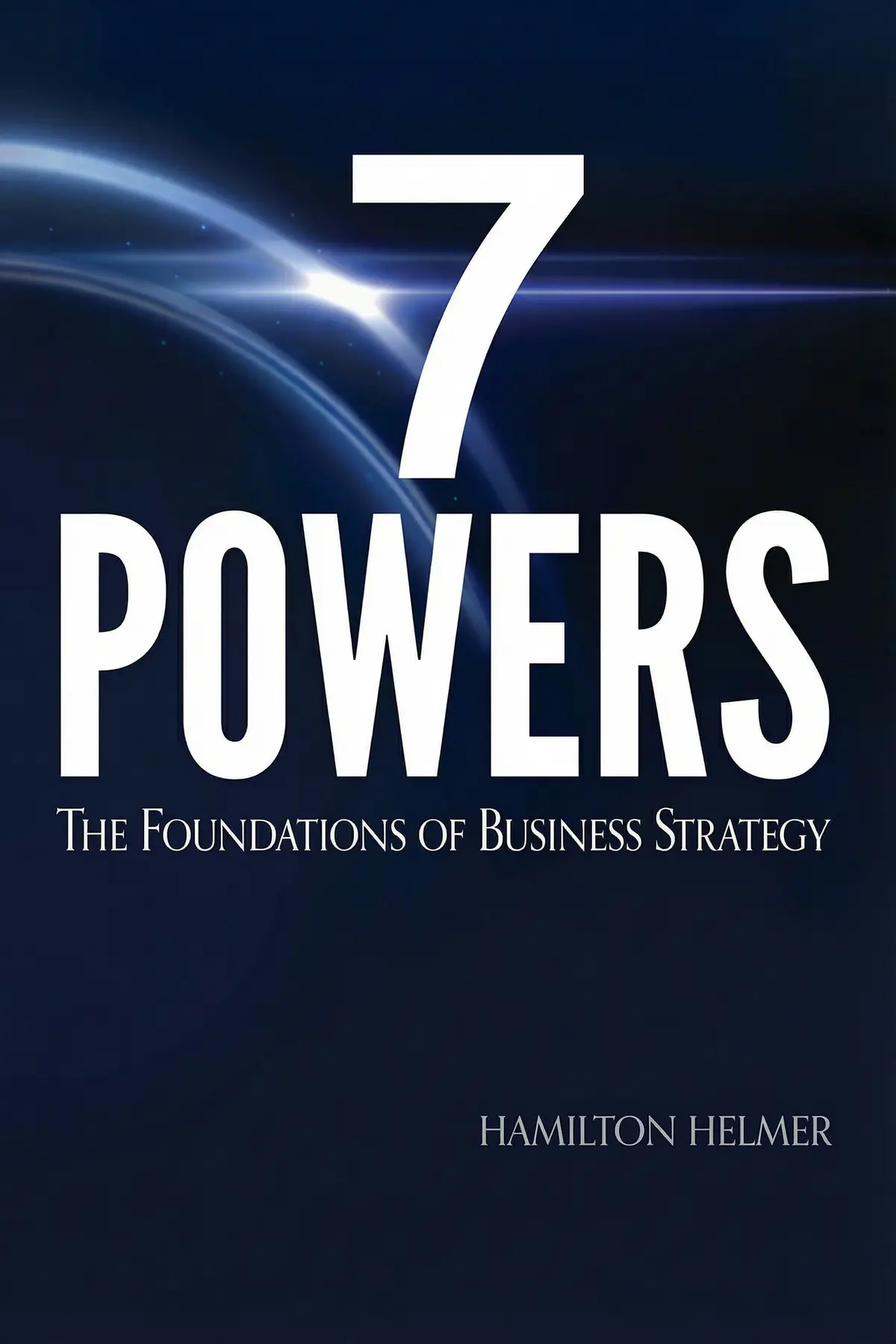
7 Powers: The Foundations of Business Strategy
Hamilton Helmer

A Bigger Prize: How We Can Do Better Than the Competition
Margaret Heffernan
A Year with Peter Drucker: 52 Weeks of Coaching for Leadership Effectiveness
Joseph A. Maciariello
AUDIO SUMMARY AVAILABLE
Listen to The Venture Mindset in 15 minutes
Get the key ideas from The Venture Mindset by Ilya Strebulaev, plus 5,000+ more titles in English and Thai.
- 5,000+ titles
- Listen as much as you want
- 7-day free trial
- Cancel anytime







