
Abundance: The Inner Path to Wealth
Deepak Chopra
Discover how to transform your living space into a sanctuary of balance and prosperity using Western Feng Shui. Learn to harmonize energy flow, use the Bagua Map, and create a home that reflects your highest goals.
1 min 34 sec
Have you ever walked into a room and felt an immediate sense of peace, only to step into another and feel an inexplicable wave of anxiety or fatigue? Most of us assume these feelings are just random quirks of our mood, but the ancient wisdom of Feng Shui suggests something much deeper is at play. Our homes and workplaces are not just static collections of wood, brick, and fabric; they are living extensions of our own internal states. When our surroundings are in a state of disharmony, our lives often follow suit. Conversely, when we align our physical environment with the natural flow of energy, we open the door to greater health, abundance, and emotional well-being.
In this exploration of The Western Guide to Feng Shui, we will dive into a practice that has been refined over thousands of years to help humans live in partnership with their surroundings. We aren’t just talking about where to put a sofa or what color to paint a wall. We are talking about a fundamental shift in how you perceive reality. You will learn to see your home as a living entity that can either drain your vitality or nourish your soul.
By the time we finish, you will understand the invisible architecture of energy known as Ch’i, the symbolic power of the Bagua Map, and the practical tools needed to turn any space—no matter how small or urban—into a personal paradise. This is about falling back in love with your home and, by extension, creating a more vibrant and intentional life.
2 min 38 sec
Discover the invisible life force that connects you to your surroundings and learn why your home is a living reflection of your inner world.
2 min 28 sec
Explore the art of balance by harmonizing opposing forces and using the five natural elements to create a supportive atmosphere.
2 min 21 sec
Learn how to use the ancient 3×3 grid to connect specific corners of your home to your personal success and happiness.
2 min 23 sec
Uncover how architectural details like doors, windows, and corners dictate the movement of energy through your living space.
2 min 18 sec
Master the ten simple tools that can unblock stagnant energy and revitalize your environment without a major renovation.
1 min 38 sec
As we conclude this journey through the principles of Western Feng Shui, it becomes clear that this practice is about much more than just the ‘art of placement.’ It is a philosophy of mindfulness and intention. It asks us to stop sleepwalking through our lives and to start paying attention to the spaces we inhabit. By recognizing that our homes are living, breathing reflections of our inner selves, we gain a powerful new lever for personal change.
We have explored the invisible flow of Ch’i and how it connects everything in our world. We have seen how the balance of Yin and Yang, along with the five elements, creates the ‘flavor’ of a room’s energy. We have learned to use the Bagua Map as a diagnostic tool to align our physical surroundings with our deepest aspirations, and we’ve looked at how simple tools like mirrors, plants, and light can act as remedies for even the most challenging architectural layouts.
The throughline of this work is empowerment. You are not a victim of your environment; you are its co-creator. Whether you live in a tiny studio or a large family home, you have the ability to cultivate a sanctuary that supports your health, fuels your creativity, and welcomes abundance. The next time you walk through your front door, try to see it with fresh eyes. Notice where the energy feels stuck and where it feels vibrant. By making even one small change today—clearing a bit of clutter, adding a splash of color, or moving a chair—you are beginning the process of harmonizing your life from the outside in. Your home is waiting to support you; all you have to do is set the stage.
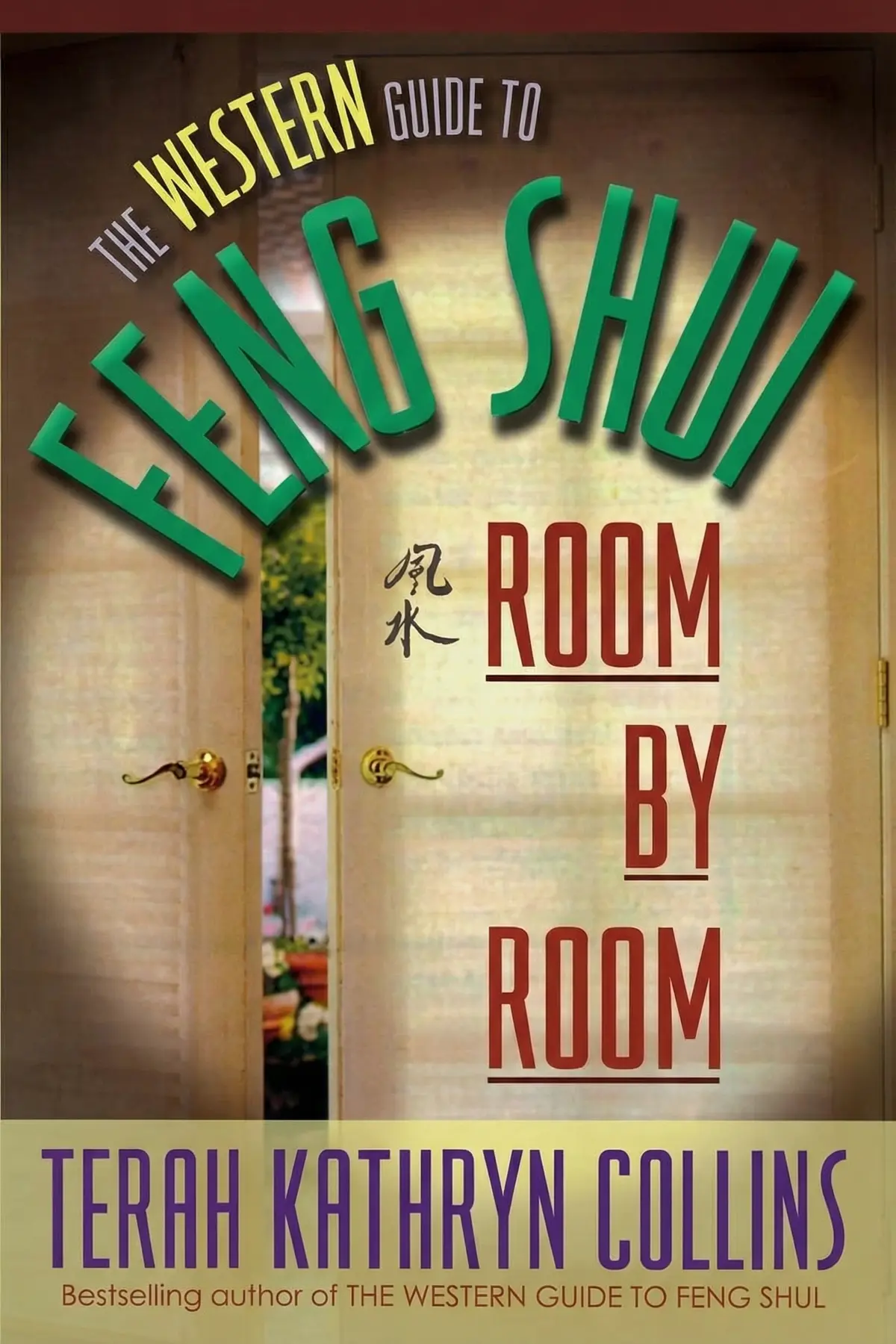
The Western Guide to Feng Shui explores the ancient Chinese art of placement through a modern, accessible lens. It moves beyond the idea of simple interior design to reveal how the physical arrangement of our homes directly impacts our mental clarity, emotional health, and overall life trajectory. By understanding the concept of Ch’i—the vital life force that permeates everything—readers learn to identify where energy is stagnant, leaking, or overwhelming in their personal environments. The book promises a practical roadmap for creating harmony. It introduces the Bagua Map, a symbolic grid that connects specific areas of a home to different life categories like wealth, relationships, and career. Through the balancing of the five elements—wood, fire, earth, metal, and water—and the harmonization of yin and yang energies, the guide empowers anyone to become their own environmental consultant. Whether you are dealing with a cramped apartment or a sprawling office, this summary provides the tools to use color, light, and placement to foster a life of abundance and peace.
Terah Kathryn Collins is a highly regarded teacher and bestselling author who has played a pivotal role in bringing Feng Shui to a global audience. She is the founder of the Western School of Feng Shui and is credited as the originator of Essential Feng Shui, a branch of the practice tailored for modern life. Her seminal work, The Western Guide to Feng Shui, first published in 1996, has reached readers in ten different languages. Following its success, she authored several other titles, including The Western Guide to Feng Shui: Room by Room, cementing her reputation as a leading expert in the field of environmental harmony.
Listeners find this Feng Shui manual functional and simple to navigate, with one listener remarking it acts as a perfect follow-up to the initial volume’s summary. Furthermore, the work earns praise for its lucid prose, and one listener highlights that it offers helpful decor advice. Conversely, the information is viewed as old-fashioned, and some listeners feel it lacks organization. Finally, the state of the physical copy gets varied reports, though several listeners state theirs arrived in fine shape.
Finally got around to reading this after seeing it recommended on several design blogs, and I’m so glad I did. It functions as an excellent companion to more technical interior design manuals by adding a layer of emotional resonance to how we arrange our spaces. The writing style is remarkably clear and engaging, making even the more abstract concepts feel like they have a place in a contemporary home. I was pleasantly surprised by the physical condition of the book when it arrived, as the layout inside is very inviting with helpful diagrams. Each chapter provides a straightforward path to addressing common pitfalls like "dead energy" in hallways or cluttered entryways. While some might find the suggestions a bit simplistic, I think that's exactly what makes it so effective for a busy person. It encouraged me to look at my furniture placement through a totally different lens.
Show moreAfter hearing so many people mention the "prosperity corner," I decided it was finally time to learn what all the fuss was about. This book is a wonderful entry point for Westerners because it strips away some of the more confusing cultural barriers while keeping the core principles intact. I loved the focus on "Knowledge and Self-Cultivation," which encouraged me to create a dedicated, quiet space for my books and meditation. In my experience, even the small changes like adding more light to a dark corner have made a massive difference in how I feel when I get home from work. The writing is accessible and doesn't take itself too seriously, which I really appreciated. It’s less about rigid rules and more about creating a space that evokes good feelings and memories. This is definitely the first Feng Shui book I would recommend to a friend.
Show moreThis book serves as a fantastic introduction for anyone curious about how their environment affects their mood and productivity. Collins takes the complex, ancient principles of Feng Shui and distills them into something much more approachable for a modern, Western audience. I particularly enjoyed the section on the Bagua map; it makes visualizing the different energy centers in your home surprisingly simple. Truth is, some of the advice feels a bit dated now, especially regarding specific decor choices that scream the late nineties. However, the core message about intentionality and clearing out mental and physical clutter remains incredibly relevant today. It's a quick, easy read that gave me several practical decorating tips I could implement immediately without spending a fortune. If you can look past the occasionally flowery language, there is a wealth of solid, actionable advice buried within these pages.
Show moreAs someone who is currently in the middle of a massive home renovation, I found this book to be a refreshing change of pace from standard architectural guides. It helped me think about the flow of movement through our new floor plan, specifically regarding how to modulate energy in those long, narrow hallways. I don't necessarily believe that crystals have "raging" power, but the advice on balancing textures and materials is undeniably sound from a design perspective. Frankly, the book is very easy to follow and implement, even if you only pick and choose the parts that resonate with you. I specifically liked the tips on using round leaves and fresh flowers to boost the "health" area of the home. It’s a readable volume that manages to stay light and fun throughout. My only real complaint is that the organization is a bit loose, which can make it hard to use as a quick reference.
Show moreThe chapter on wealth and prosperity was what initially drew me in, and I have to say, the suggestions were quite fun to try out. Who wouldn't want to add a few wind chimes or a small water feature if it meant potentially shifting their financial outlook? To be fair, I view these "cures" more as psychological triggers for gratitude rather than magical spells, but they do make the house feel more intentional. Collins writes with a very encouraging tone that makes you feel like you really can take charge of your life just by rearranging your living room. The book arrived in good condition and is filled with various quotes and affirmations that add a nice touch to the experience. I did find a few sections a bit repetitive, and the lack of color photographs in this specific edition made some of the visual descriptions harder to grasp. Still, it’s a solid 4-star read for anyone looking to spice up their decorating routine.
Show moreGotta say, I was pleasantly surprised by how much practical decorating advice is packed into this little volume. While I don't buy into the idea that a mirror in the living room will lead to five babies and a million dollars, the logic behind furniture placement for "command positions" is actually very smart. It helps you set up a room so you aren't constantly startled by people walking in behind you, which genuinely reduces stress. The book does feel slightly dated in its specific examples, but the underlying concepts of balance and harmony are timeless. My copy arrived in great condition, and the layout is easy on the eyes even if it’s a bit unorganized in terms of the flow of topics. It’s a great book to keep on the shelf for when you feel like your environment has become stagnant. I’ve already moved my desk based on her suggestions and it feels much better.
Show moreWhile some might dismiss Feng Shui as pure superstition, this book does a great job of explaining the "why" behind the practices in a way that feels logical. It’s not just about "the flow of Ch'i," but about how our surroundings influence our subconscious mind and our daily habits. I found the section on the "Children and Creativity" area particularly helpful, as it gave me some whimsical ideas for my home office. Not gonna lie, some of the mystical cures are a bit much for me, but the emphasis on using artwork and colors to reflect your goals is a powerful tool. The book is very readable no matter your prior knowledge level, making it a perfect gift for someone moving into a new place. It identifies common pitfalls that I hadn't even noticed in my own house, like the way a long hallway can feel draining. Overall, it’s a helpful guide that bridges the gap between ancient tradition and modern living quite well.
Show moreEver wonder why some rooms just feel "off" while others seem to embrace you the moment you walk through the door? This guide attempts to explain that phenomenon through the lens of Ch'i, though your mileage may vary depending on your tolerance for mysticism. Personally, I found the first half of the book to be quite insightful, focusing on the basics of yin/yang and the five elements in a way that felt grounded. To be fair, the second half veers sharply into "woo-doo" territory, suggesting that hanging a mirror will magically result in a promotion or a new relationship. It's a bit unorganized in spots, making it difficult to find specific cures for certain room layouts without flipping back and forth. I appreciate the emphasis on aesthetics and balance, but I'm not entirely convinced that a yellow t-shirt over a pillow can fundamentally shift the energy of a house.
Show morePicked this up because I wanted to understand the hype behind Feng Shui, but I walked away feeling a bit underwhelmed. On one hand, the advice about clearing out broken items and things with bad memories is just basic common sense that everyone should follow. On the other hand, the idea that draping a specific colored cloth over a chair can "pivot and flow" your entire life feels like a stretch. The truth is, the book is a bit of a mixed bag; the sections on the five elements are genuinely interesting, but the practical "room by room" tips felt hit-or-miss. It’s definitely a straightforward guide, but I think it lacks the depth I was looking for in terms of the history of the practice. If you want a casual, light-hearted look at decorating with a twist, this might be for you. Just don't expect it to answer every complex question you have about your home’s layout.
Show moreNot what I expected at all, given how many people seem to swear by these methods for improving their lives. The author makes some truly wild claims, like suggesting that moving a plant to your prosperity corner will suddenly result in a check from a distant relative. Look, I’m all for decluttering and making a home look nice, but this book leans way too heavily into the mystical side for my taste. It felt like I was reading a manual for magic rather than a guide for home improvement or interior decoration. There are some major gaps in the instructions, leaving me with more questions than answers about how to actually apply the Bagua map to an L-shaped house. Plus, the content feels incredibly dated, referencing styles and "cures" that don't really fit into a modern aesthetic. I ended up feeling more frustrated than inspired by the time I finished the last chapter.
Show moreDeepak Chopra
Pico Iyer

Alcoholics Anonymous World Services

Daniel Goleman
Eckhart Tolle
Marianne Williamson
Beth Moore

Paramahansa Yogananda
AUDIO SUMMARY AVAILABLE
Get the key ideas from The Western Guide to Feng Shui by Terah Kathryn Collins, plus 5,000+ more titles in English and Thai.







