
20 min 50 sec
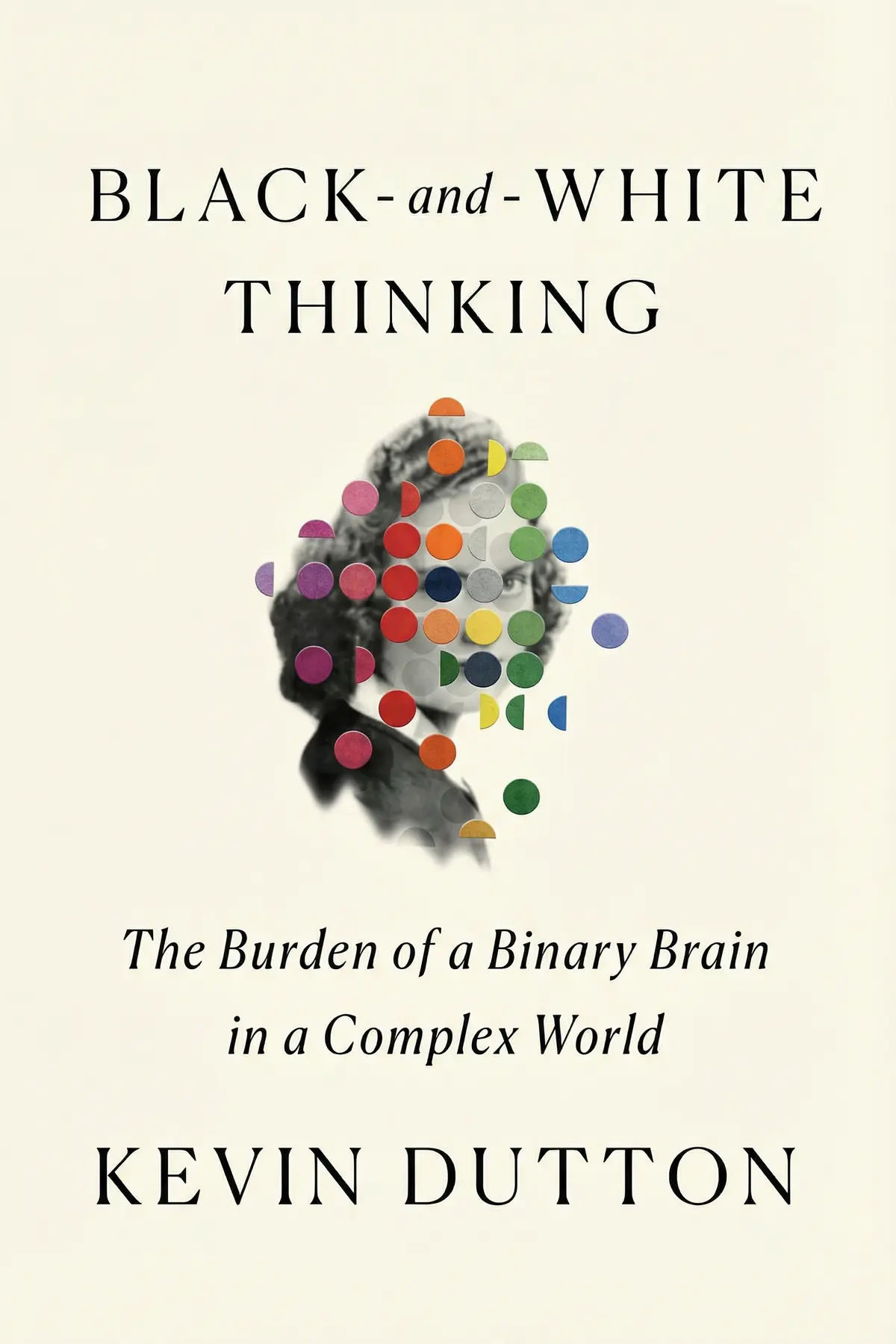
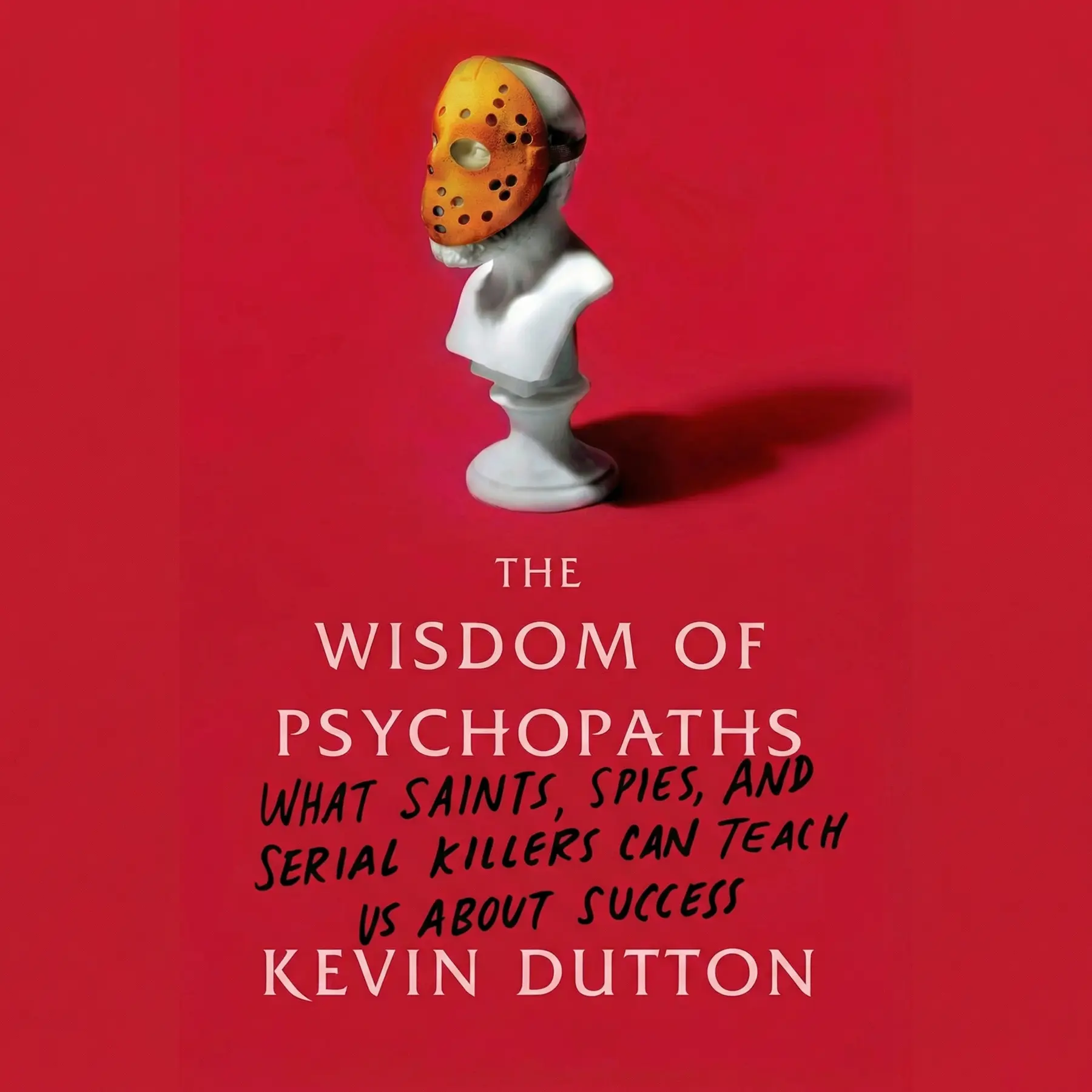
The Wisdom of Psychopaths: What Saints, Spies and Serial Killers Can Teach Us About Success
By Kevin Dutton
Explore the surprising advantages of psychopathic traits in high-pressure environments. This summary reveals how fearlessness, focus, and mental toughness can lead to success in politics, surgery, and leadership.
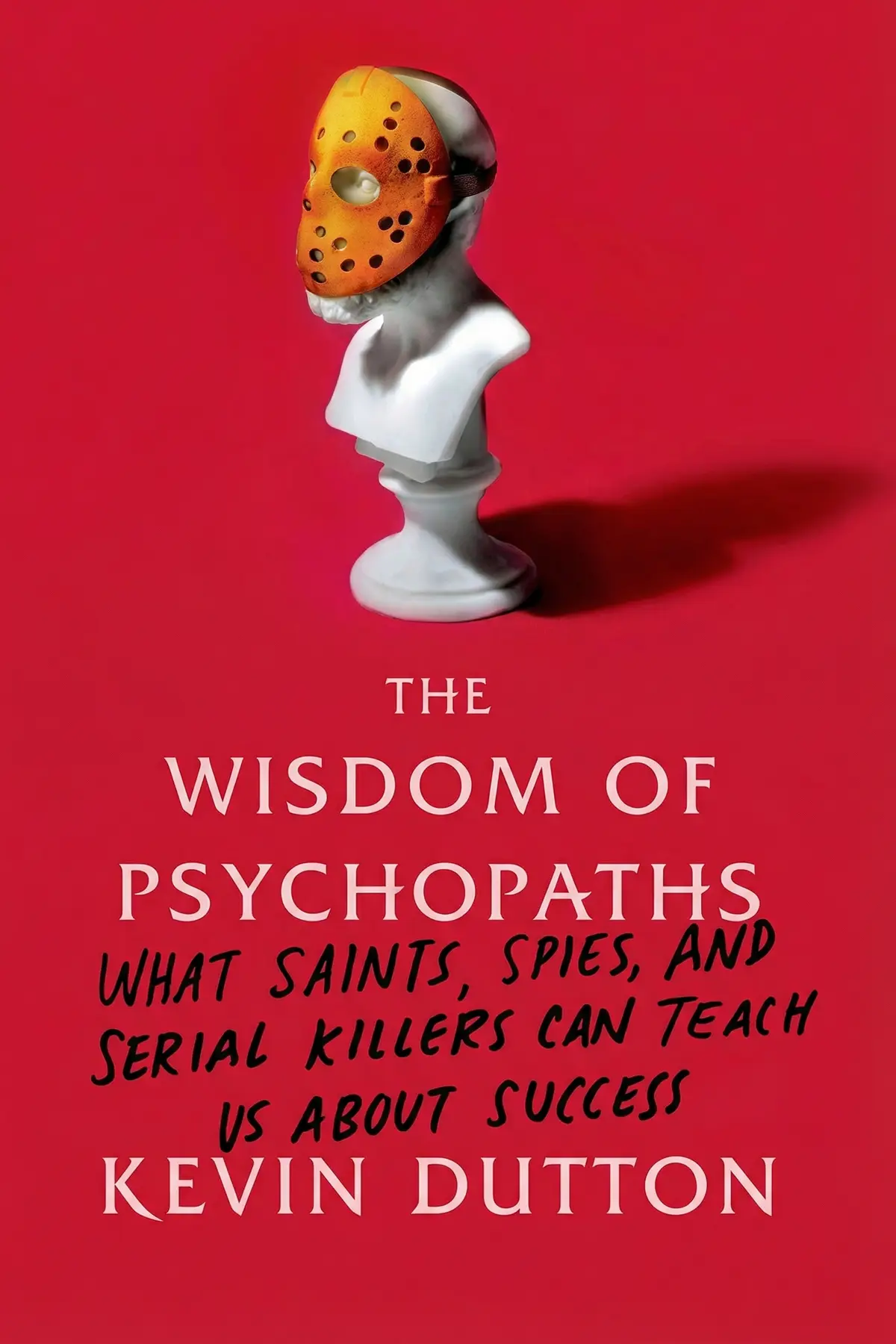
Table of Content
1. Introduction
2 min 00 sec
We often picture the psychopath as a shadowy figure from a thriller movie—someone like the Joker or an infamous serial killer. These are individuals who lack the basic human guardrails of empathy, guilt, or fear, and we find ourselves wondering how a person could possibly operate with such a chilling lack of remorse. It’s natural to feel a sense of relief that these individuals are rare and, hopefully, tucked safely away in high-security facilities. But there is a different kind of psychopath living among us, one who doesn’t carry a weapon or haunt the night. Instead, they carry a briefcase, wear a stethoscope, or stand behind a podium.
Think about the high-stakes world of modern business or politics. We see executives who make brutal decisions without blinking, or politicians who remain perfectly composed under the most intense public scrutiny. There is a certain recklessness and egoism in these spheres that mirrors the traits we find in criminals. They take what they want, they ignore the critics, and they don’t lose a minute of sleep over the fallout of their actions. The traditional view of the psychopath is changing. Researchers are beginning to see that traits like craftiness, fearlessness, and a lack of emotional interference are actually highly beneficial in our fast-paced, competitive world.
In fact, studies suggest that some of these psychopathic markers are more common in boardrooms than in prison cells. This brings us to a fascinating realization: if the same characteristics that drive a criminal can also fuel a world-class surgeon or a successful leader, then perhaps there is a “wisdom” to be found in the psychopathic mind. Throughout this exploration, we’re going to look at what sets these individuals apart, how their brains are wired differently, and why their unique way of processing the world might be exactly what’s needed for success in stressful environments. By understanding the throughline between the saint, the spy, and the serial killer, we can uncover practical lessons for our own personal and professional advancement.
2. The Surface Charm and Internal Fearlessness
2 min 01 sec
What if the person you find most charismatic is actually wired with zero fear? Explore how a lack of emotional anxiety creates the ultimate social mask.
3. Cold Rationality in Moral Dilemmas
2 min 00 sec
What if your emotional resistance to tough choices is actually holding you back? Discover how psychopathic detachment—stripped of its darkness—reveals a decision-making superpower that surgeons and crisis managers rely on.
4. A Proclivity for Immediate Action
1 min 41 sec
Overthinking is the enemy of progress. Learn why the psychopathic drive for stimulation leads to decisive action while others remain paralyzed by doubt.
5. The Overlap Between Leadership and Psychopathy
2 min 00 sec
There is a thin line between a criminal and a CEO. Discover which specific traits separate successful leaders from those behind bars.
6. The Paradoxical Flow State
1 min 48 sec
Can a psychopath be a Zen master? Explore the strange mental overlap between deep meditation and the focused brain of a criminal.
7. Thriving in Chaos and Stress
1 min 53 sec
Most people fold under pressure, but psychopaths find their rhythm. Learn how ‘fear sweat’ proves their unique immunity to environmental anxiety.
8. The Rise of Generation Me
1 min 51 sec
Your generation isn’t becoming psychopathic—but the culture around you is rewarding its traits. Discover why social media, desensitization, and competition are breeding a new kind of coldness in society.
9. Simulating the Psychopathic Mind
1 min 56 sec
Can you temporarily turn into a psychopath? Discover the radical brain experiment that allowed a researcher to experience total self-confidence.
10. The Power of the Behavioral Dial
1 min 51 sec
The secret to success isn’t being a psychopath—it’s knowing when to act like one. Master the art of turning your ‘inner coldness’ on and off.
11. Conclusion
1 min 49 sec
In our journey through the mind of the psychopath, we’ve moved far beyond the Hollywood clichés of monsters and villains. We’ve discovered that psychopathy is better understood as a collection of traits—fearlessness, focus, charm, and mental toughness—that exist on a spectrum. While in their extreme and uncontrolled form, these traits lead to destruction, in a balanced and intelligent person, they can be the engine of incredible achievement. We’ve seen how these individuals excel in the boardrooms of the Fortune 500, in the high-pressure environment of the operating room, and in the halls of political power.
The core message is that there is a profound utility in being able to detach from our emotions and act with cold, rational precision. We spend much of our lives held back by anxieties that serve no purpose and by a fear of social consequences that rarely manifest. The ‘wisdom’ offered here is the permission to occasionally step out of that emotional tangle. By learning to live more in the ‘now’ and by focusing on outcomes rather than fears, we can improve our performance in almost every area of life.
As you move forward, consider the ‘dial’ metaphor. You don’t have to change who you are at your core, but you can learn to adjust your settings. When you face your next big challenge, ask yourself: what would happen if I turned down the volume on my fear? What if I focused entirely on the task and ignored the noise? By selectively applying the traits of the functional psychopath, you can find a level of confidence and clarity you never knew you possessed. The goal is not to lose your humanity, but to master your mind, using every tool at your disposal to navigate the complexities of our world with poise and purpose.
About this book
What is this book about?
When most of us hear the word psychopath, we immediately think of the darkest corners of humanity—the serial killers and the violent criminals who haunt our headlines. But what if we’ve been looking at the wrong side of the coin? This summary explores a provocative premise: that the very traits defining psychopathy, such as ruthlessness, fearlessness, and incredible focus, are also found in the world’s most successful leaders, surgeons, and spies. By examining the intersection of psychology, neuroscience, and everyday ambition, we discover that psychopathy is not a binary diagnosis but a spectrum of characteristics. When these traits are balanced with intelligence and self-control, they become powerful tools for navigating a chaotic modern world. You will learn how to distinguish between the destructive criminal and the high-functioning professional, and why leaning into a bit of inner coldness might actually be the secret to performing under pressure. The promise is a new perspective on mental toughness and a guide to using the psychological edge of the psychopath to your own advantage.
Book Information
About the Author
Kevin Dutton
Kevin Dutton is an acclaimed researcher at the Calleva Research Centre for Evolution and Human Science at the University of Oxford. His interest in this field is personal as well as professional, as he often shares that his own father was a psychopath. A prolific writer, Dutton contributes regularly to prestigious publications such as The Guardian and Psychology Today, and has authored several bestsellers including The Wisdom of Psychopaths.
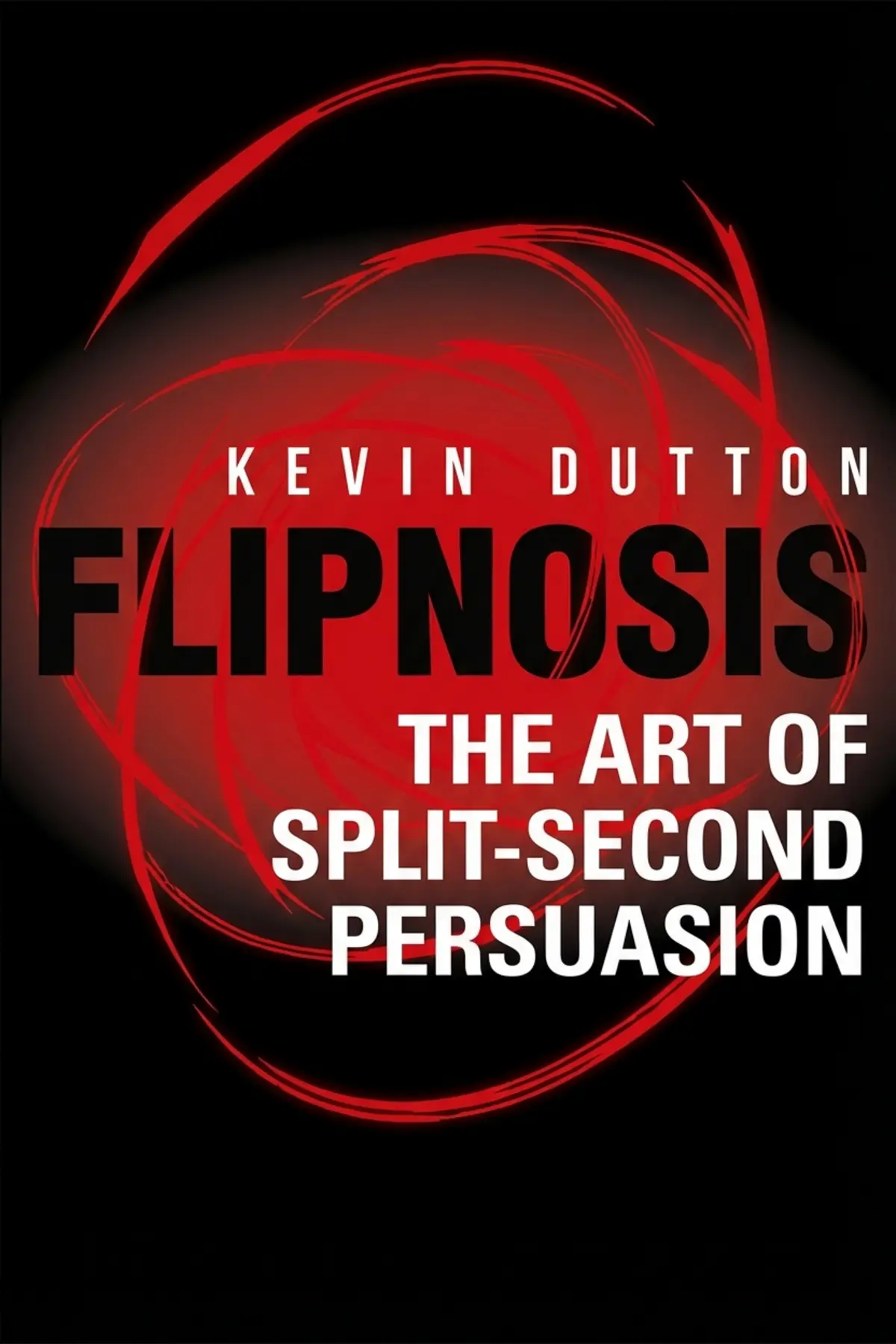
Flipnosis: The Art of Split-Second Persuasion
Kevin Dutton
Ratings & Reviews
Ratings at a glance
What people think
Listeners find the work highly educational and a great value for its low cost, with one listener noting that it keeps them captivated throughout. However, the writing style produces varied opinions; while some find it excellent, others describe the prose as somewhat muddled. The humor is a welcome addition, and listeners are intrigued by the topic, with one listener highlighting how it offers a practical real-world perspective. That said, the scientific elements receive mixed critiques, with several listeners labeling the content as unscientific.
Top reviews
Wipawan
Wow, Kevin Dutton really knows how to keep a reader hooked from the very first page to the last. The section on mindfulness and how Buddhist monks share similar brain wave patterns with psychopaths was absolutely mind-blowing. I never thought about how being "in the moment" could be both a spiritual virtue and a predatory advantage. The trip to Broadmoor prison added a gritty, real-life perspective that balanced out the more theoretical discussions. It’s a rare book that manages to be both hilariously funny and deeply unsettling at the same time. Definitely worth the purchase if you want something that challenges your moral assumptions and explores the 'wisdom' of the remorseless.
Show moreGoy
Ever wonder why some people thrive under pressure while the rest of us crumble into a ball of anxiety? This book answers that by looking at the inner physical chemistry of the psychopathic brain—like how their heart rate actually drops in stressful situations. The chapter on "shadowmancers" and their ability to move through society unnoticed was as fascinating as any thriller novel. I found the section on theta waves and how they relate to both meditation and remorselessness to be the absolute highlight of the book. It’s a wonderful exploration of the darker corners of human evolution. Truly a real-life perspective that you won't get from a standard textbook, blending science with some very dark humor.
Show moreOrawan
Picked this up after seeing a documentary on corporate leaders. Dutton’s central argument—that psychopathy is a spectrum rather than a binary "crazy" or "not crazy"—is genuinely fascinating. I liked the focus on "functional psychopaths" like surgeons and bomb disposal experts who use their coldness to save lives. However, I’ve got to say the writing felt a bit disorganized in places, jumping from one study to the next without much of a bridge. Still, for the low price, it’s a very informative read that makes you look at your boss in a completely different light. It’s not a dry academic text, which I appreciated. The real-life perspective on the 'robocop' police was especially eye-opening.
Show moreSing
After hearing about this on a podcast, I decided to give it a shot and found it quite engaging. The humor peppered throughout the text made what could have been a dark subject much more palatable and fun to read. Dutton has a way of making complex neurobiology accessible, even if he plays a bit fast and loose with the "unscientific" label some critics give him. I particularly enjoyed the quizzes included in the book, even if they were a bit tongue-in-cheek to show we all have these tendencies. It’s well worth the modest price for anyone curious about the human mind and why some people just don't feel fear. You’ll definitely find yourself analyzing every lawyer and politician you meet afterward.
Show moreOksana
Finally got around to reading this, and I’m pleasantly surprised by how much I laughed while learning about serial killers and CEOs. Dutton’s writing is wonderfully engaging, and he has a knack for finding the "weird" in the everyday. I loved the comparison of psychopathy to a "tanned personality"—it's such a vivid way to describe that superficial charm. While some parts of the science felt a bit lightweight or anecdotal, the overall narrative kept me interested from cover to cover. It’s a great conversation starter and definitely provides a unique lens through which to view modern leadership and social media narcissism. If you like books that challenge the status quo, you'll probably enjoy this.
Show moreSarocha
Not what I expected, but in a good way, as it moves beyond the typical "true crime" tropes. Instead of focusing solely on the Ted Bundys of the world, it looks at the person sitting next to you in the office. The idea that psychopathy is like sunlight—useful in small doses but carcinogenic in large ones—is a great takeaway for understanding our own behaviors. There are a few sections where the technical jargon gets a bit heavy, but it usually snaps back to a real-life example quickly. It’s an informative, thought-provoking book that challenges you to find the "psychopath" within yourself. Highly recommended for a weekend read that offers plenty of value for the price.
Show morePaisley
To be fair, the science here feels a bit shaky if you’re looking for a rigorous psychological study. Dutton describes psychopathy as "personality with a tan," which is a catchy metaphor but lacks real depth when you consider the damage these people do. I found the anecdotes about his father and his best friend interesting, though they clearly biased his perspective toward a more "pro-psychopath" stance. It’s an engaging read, but don't expect a peer-reviewed level of evidence. Some chapters were wonderfully written, while others felt like a confusing muddle of metaphors and referential studies. It’s decent for a casual reader but maybe not for a serious psychology student.
Show moreEvelyn
The truth is, the book oscillates between being brilliantly insightful and deeply muddled in its execution. I liked the idea that we all have "on/off" switches for these traits, but the author pushes the "psychopathy is a medicine" metaphor a little too far for comfort. At times, the writing is so frantic with metaphors that you lose the actual point of the study he’s citing. It’s definitely informative, but it lacks the cohesive structure I was expecting from a popular science book. I’m still not convinced that we should all strive to be more like psychopaths to 'fix the hole in the boat.' A decent read, but take it with a grain of salt.
Show moreBond
As someone who works in a high-stress environment, I found the core premise interesting but fundamentally flawed in its optimism. Dutton argues that the cold-blooded surgeon is exactly what society needs, but he ignores the social consequences of such a lack of empathy in everyday life. The writing style is casual and full of quirky passion, which makes it easy to breeze through, but the "wisdom" mentioned in the title remains elusive. It’s more of a collection of interesting trivia than a coherent philosophical argument about leadership. I enjoyed the anecdotes, especially the game of chicken example, but it didn't really change my mind about the dangers of these personality types.
Show moreEnd
Is it just me, or does this feel like a ‘how-to’ guide for the morally bankrupt? I understand the author's point about certain traits being useful in high-pressure jobs, but he glosses over the wreckage these individuals leave in their personal lives. He mentions surgeons and CEOs, but what about the families of these "functional" psychopaths? To me, this felt like faux tolerance gone mad, trying to rebrand a destructive disorder as a "situational virtue." The logic is muddled and often relies on circular reasoning that ignores the social cost of ruthlessness. I found it quite creepy how much he admires the "refrigerated heart" of these predators. Not a fan of the message.
Show moreReaders also enjoyed
A Liberated Mind: How to Pivot Toward What Matters
Steven C. Hayes
Acting with Power: Why We Are More Powerful Than We Believe
Deborah Gruenfeld
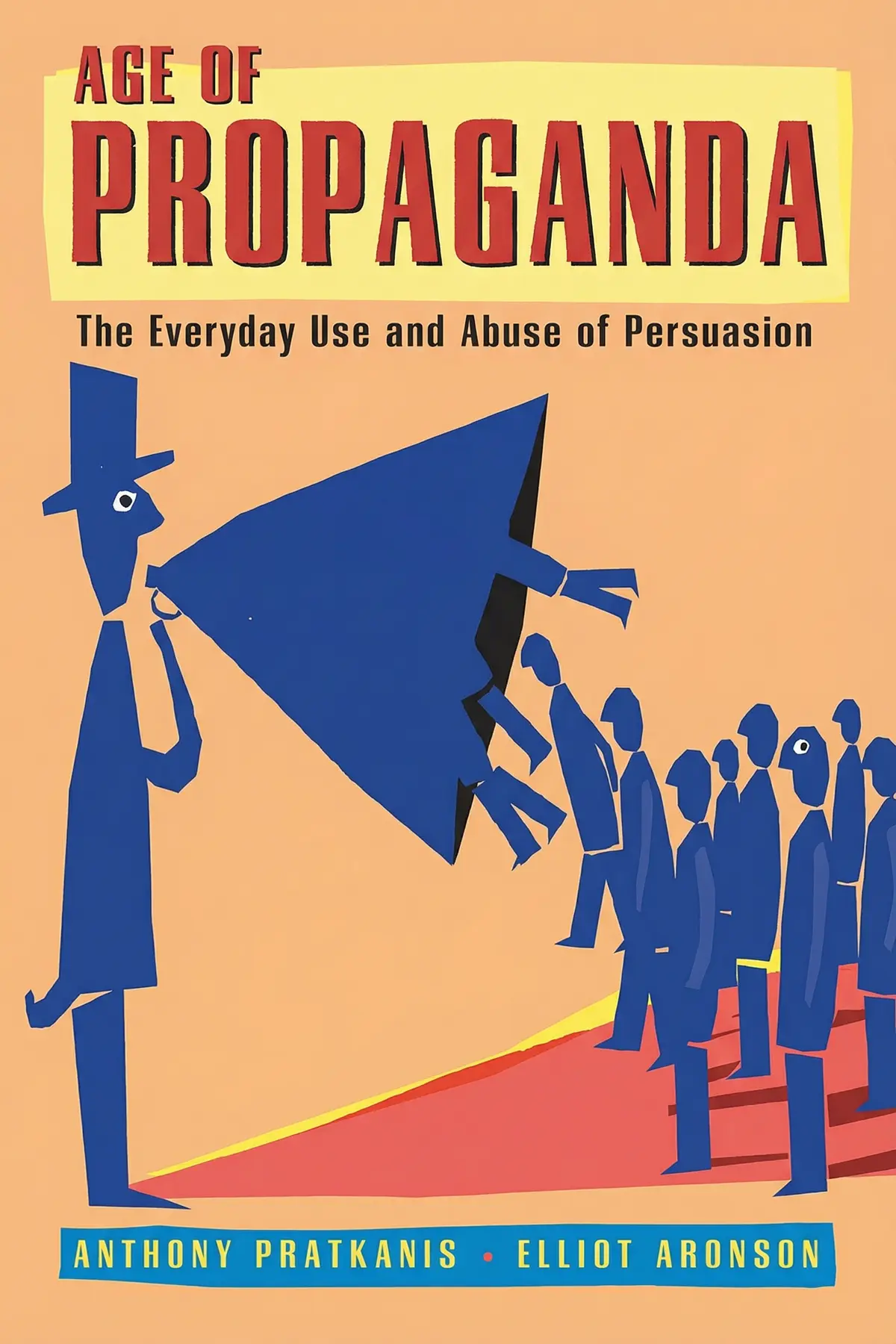
Age of Propaganda: The Everyday Use and Abuse of Persuasion
Anthony Pratkanis
59 Seconds: Change Your Life in Under a Minute
Richard Wiseman
AUDIO SUMMARY AVAILABLE
Listen to The Wisdom of Psychopaths in 15 minutes
Get the key ideas from The Wisdom of Psychopaths by Kevin Dutton, plus 5,000+ more titles in English and Thai.
- 5,000+ titles
- Listen as much as you want
- 7-day free trial
- Cancel anytime







