
14 min 46 sec
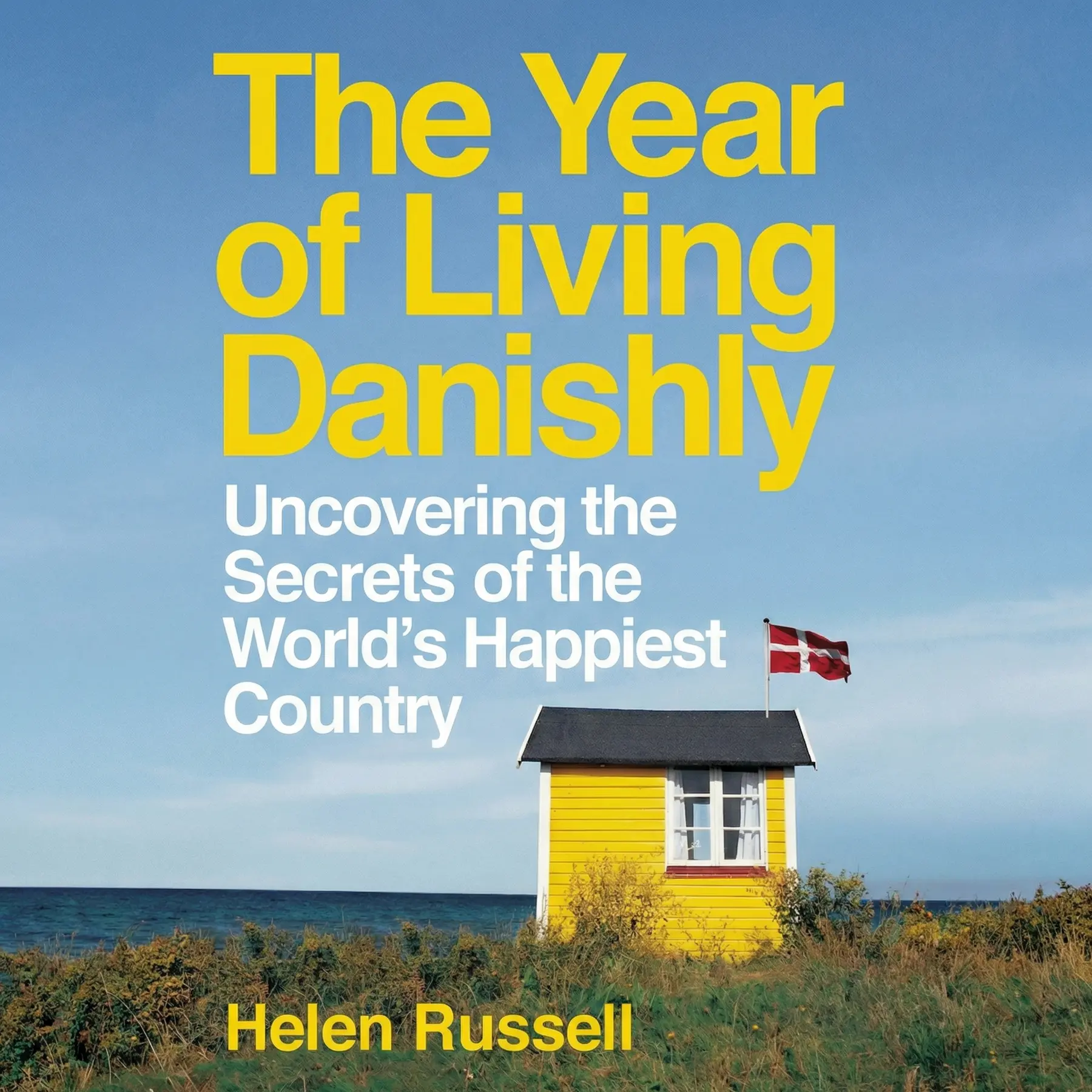
The Year of Living Danishly: Uncovering the Secrets of the World’s Happiest Country
Journalist Helen Russell moves to rural Denmark to solve the riddle of national joy. This summary explores how work-life balance, social safety, and the cozy art of hygge create a blueprint for satisfaction.
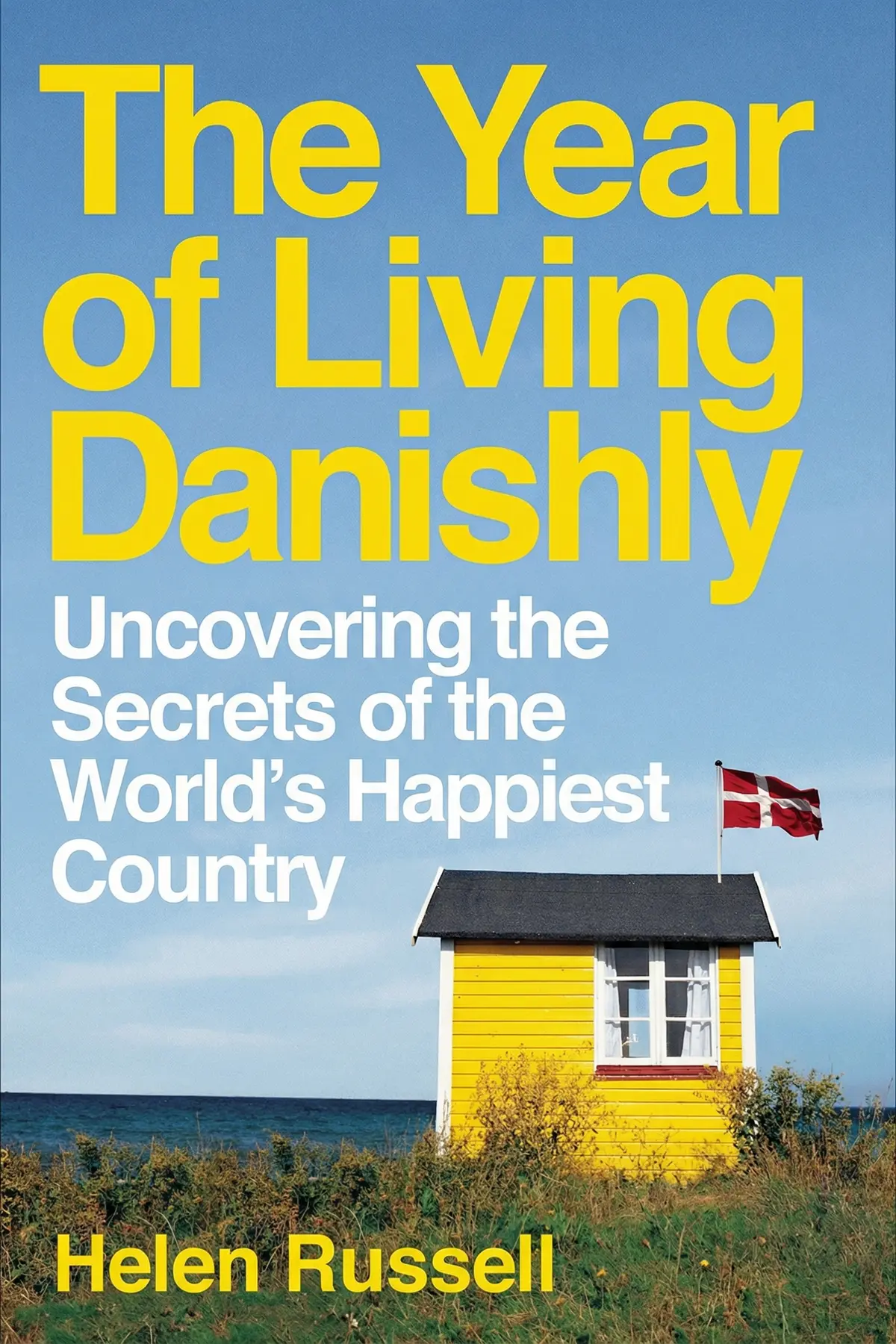
Table of Content
1. Introduction
1 min 37 sec
Have you ever wondered why a small, wind-swept nation in Northern Europe consistently outperforms the rest of the world when it comes to sheer life satisfaction? Denmark is often associated with freezing winters, a language that’s famously difficult to master, and perhaps a certain famous toy company. Yet, when global surveys measure happiness, the Danes almost always find themselves at the very top of the list. This isn’t just a fluke of statistics; it’s the result of a very specific way of living that prioritizes well-being over wealth and community over competition.
When journalist Helen Russell moved from the fast-paced world of London to a small town in rural Jutland, she began a year-long experiment to see if she could unlock the secrets of this Danish happiness for herself. What she discovered was a society built on layers of trust, intentional comfort, and a profound respect for the balance between work and play. It turns out that Danish happiness isn’t just a feeling—it’s a practice.
In this summary, we are going to walk through the various pillars that support the Danish lifestyle. We’ll explore the sensory world of ‘hygge,’ where the home becomes a sanctuary against the elements. We’ll look at the ‘arbejdsglæde’—or work-happiness—that defines their professional culture. We’ll also examine the surprising role that government policy and even genetics play in keeping the population smiling. By the time we’re done, you’ll have a clearer picture of how a society can be engineered for contentment, and perhaps find a few ways to bring a touch of Danish living into your own daily routine. Let’s begin this journey into the heart of the world’s happiest country.
2. The Art of Hygge and Creating a Sanctuary
2 min 05 sec
Discover how the simple act of lighting a candle and arranging a room can fundamentally shift your psychological state and ward off the winter blues.
3. Work-Happiness and the Balance of Life
1 min 54 sec
Find out why staying late at the office is actually seen as a failure in Denmark and how this perspective leads to the most satisfied workforce in Europe.
4. The Power of Communal Hobbies and Cycling
1 min 58 sec
Learn how belonging to local clubs and choosing a bicycle over a car fosters a unique sense of equality and community trust.
5. Finding Security in Tradition and Patriotism
1 min 49 sec
Explore how ritualistic celebrations and a healthy sense of national pride provide a stable foundation for individual well-being.
6. A Better Start for Families through State Support
1 min 43 sec
Discover how generous parental leave and affordable childcare remove the friction of family life and promote lasting happiness for both parents.
7. The Biological Foundation of Contentment
1 min 57 sec
Uncover the fascinating scientific theory that suggests the Danish population might actually be genetically predisposed to happiness.
8. Conclusion
1 min 43 sec
As we wrap up our look at the Danish secret to a good life, it becomes clear that their happiness isn’t the result of any single magic trick. Instead, it’s a holistic tapestry woven from many different threads. It starts with the intentionality of ‘hygge’—making the home a place of beauty and comfort. It’s bolstered by a professional culture that respects the boundaries of the 37-hour workweek and a social system that values ‘arbejdsglæde’ over the pursuit of wealth at any cost.
We’ve seen how government-subsidized clubs and a nationwide love for cycling foster a unique sense of community and equality, and how long-standing traditions provide a sense of security. We also explored the massive impact of state-supported parenting and even the possibility that the Danes have a genetic head start when it comes to feeling good.
The takeaway for the rest of us isn’t necessarily that we need to move to a small town in Jutland. Rather, it’s that happiness is something we can cultivate by making small, intentional shifts in our own lives. We can light more candles, prioritize our hobbies, and demand a better balance between our careers and our families.
If you’re looking for a place to start, why not pick up a new skill or language? The Danes are lifelong learners, often taking up new challenges well into their retirement. This constant growth keeps the mind sharp and the spirit engaged. Whether it’s Italian, coding, or carpentry, finding a way to keep learning is a simple, actionable way to bring a little bit of that Danish ‘happiness miracle’ into your own world. By focusing on what truly matters—our homes, our health, and our connections to each other—we can all live a little more Danishly, no matter where we happen to be.
About this book
What is this book about?
For many, Denmark is a small, chilly nation known mostly for its pastries and colorful building blocks. Yet, year after year, it consistently secures the top spot in global happiness rankings. When British journalist Helen Russell relocated to the Danish countryside, she set out on a year-long mission to uncover the specific cultural, social, and even biological factors that contribute to this phenomenon. This exploration dives into the concept of 'hygge'—a unique approach to home and comfort—alongside the country’s revolutionary views on professional life, where work serves passion rather than just a paycheck. We also look at the robust social safety nets that allow parents to thrive and the fascinating genetic research that suggests happiness might be partially hereditary. By the end, you'll understand how a mix of intentional living and systemic support creates the world's most contented population.
Book Information
About the Author
Helen Russell
Helen Russell is an accomplished British journalist and author. Her insightful commentary and reportage have been featured in major international publications, including The Times, the Guardian, and The Wall Street Journal.
Ratings & Reviews
Ratings at a glance
What people think
Listeners find this work highly entertaining and deeply studied, offering extensive details regarding Danish customs. The prose is engaging, and listeners value how the author weaves her private journey together with empirical data. Listeners characterize the narrative as touching and cheerful, providing an optimistic outlook, while one listener mentions how the book integrates hygge into their daily routine.
Top reviews
Gun
Ever wonder why the Danes are supposedly the happiest people on earth? Helen Russell dives into this question with a mix of wit and genuine curiosity after her husband, "Lego Man," gets a job in rural Jutland. The book beautifully balances personal anecdotes—like her struggle with the language and the terrifyingly efficient recycling rules—with actual sociological data. I found the sections on childcare and the 37-hour work week particularly eye-opening compared to our burnout culture. It’s a heart-warming read that doesn’t shy away from the staggering tax rates, yet it makes a compelling case for why those taxes are worth it. After finishing, I immediately bought some candles and started trying to incorporate more hygge into my daily routine. Truly an upbeat, well-researched journey through a culture we could all learn a thing or two from.
Show morePim
This is far more than just another travelogue; it's a deep dive into the mechanics of a society that actually works. I was floored by the descriptions of the Danish education system and the universal healthcare that actually supports people from birth to old age. Russell manages to make tax policy sound interesting, which is no small feat! The book is incredibly heart-warming, following her and her husband as they navigate the challenges of a new language and culture. I especially appreciated the honesty about her initial burnout in London and how the slower pace of Jutland changed her entire outlook on life. The concept of hygge is explained so well that you’ll find yourself wanting to overhaul your living room immediately. If you're looking for an informative yet light-hearted escape, this is the book for you. It’s smart, funny, and deeply relatable for anyone who’s ever felt like they're just running on a hamster wheel.
Show moreNikolai
Wow, I finished this book feeling like I’d just returned from a year-long sabbatical in the Nordics myself. Helen Russell has such an engaging way of storytelling that makes you feel like you’re right there in the snow with her. The way she weaves together scientific facts about happiness with her own bumbling attempts at cultural integration is masterful. I particularly loved the focus on trust—the idea that you can leave a baby in a stroller outside a cafe is mind-blowing! It’s an incredibly heart-warming book that made me rethink my own environment and how I spend my time. The writing is witty, smart, and ultimately very inspiring for anyone looking to slow down. I've already started lighting more candles and prioritizing my hygge time after work. This is definitely one of those rare non-fiction books that manages to be both educational and a total joy to read.
Show moreAurora
Helen Russell’s transition from a high-stress London magazine job to rural Jutland is both hilarious and insightful. She writes with a jaunty, journalistic style that keeps the pages turning, though some might find the "journalese" a bit too breezy at times. I loved how she structured the year month-by-month, exploring everything from Danish food to the surprisingly high levels of trust within the community. The way she blends her personal story with interviews from experts makes the science of happiness feel accessible rather than dry. While the frequent mentions of her husband's job at Lego feel a bit like a brand placement, her self-deprecating humor about their British awkwardness is endearing. It's a fascinating look at how a society chooses to prioritize well-being over status, even if the winters are brutal and the pork-heavy diet is a bit much.
Show moreWoramet
Picked this up during a particularly gray month, and it was exactly the pick-me-up I needed. Russell's account of moving to Denmark is light-hearted and frequently funny, especially the segments involving her dog's various misadventures in a very orderly country. You get a real sense of what it’s like to live in "Sticksville-on-Sea" rather than just a tourist's view of Copenhagen. The book does a great job explaining the Jante Law and why Danes aren't as flashy with their wealth as we are in the West. My only minor gripe is that she occasionally glosses over the more complex social issues, like the difficulty of truly integrating as a foreigner. Still, the overall vibe is incredibly positive and it left me feeling much more conscious about my own work-life balance. It’s the perfect blend of infotainment and memoir.
Show moreSomkid
The chapter on Danish design alone made this worth the purchase for me. I’ve always admired the minimalist aesthetic, but Russell explains the "why" behind it, linking it back to the need for a cozy sanctuary during those dark, freezing winters. Her writing is fun and fast-paced, though occasionally she leans a bit too heavily on tropes about British people being repressed. Frankly, the book works best when she’s interviewing Danish experts on things like gender equality or the impact of lighting on mental health. It’s fascinating to see a country where people actually trust their government and their neighbors. I did find the repetitive "maybe that's why they're happy" conclusions a bit tiresome by the end of the year. However, the overall experience of reading it was lovely and informative. It's a great choice for a book club discussion on society and lifestyle.
Show moreJong
Truth is, I wasn't expecting to learn so much about the darker side of a "Utopia" in such a light-hearted book. Russell does a decent job mentioning the subtle sexism and the issues with xenophobia that exist beneath the surface of the world's happiest country. She balances these heavier topics with funny anecdotes about "Viking Man" and the local obsession with burning witches on Midsummer. The month-by-month format makes it a very easy, digestible read that you can dip in and out of. I found myself sharing factoids with my friends constantly, from the number of pigs in Denmark to the strange rules of the Danish language classes. It’s a very grounded look at expat life that avoids being too starry-eyed. While I would have liked more about the experiences of non-Western immigrants, it’s a solid personal memoir. It definitely makes you question your own priorities regarding career and family.
Show moreRatthapong
As someone who has always been skeptical of the "happiest country" rankings, I found Russell’s skepticism to be a great entry point. She starts the book as a cynical Londoner and gradually warms up to the Danish way of life without losing her sharp edge. The information regarding the 60% tax rate was eye-opening, especially when you see the high-quality services it buys the citizens. I loved the focus on the 37-hour work week; it’s a stark contrast to the always-on culture I'm used to. Her personal story of trying to start a family in a new country adds a layer of emotional depth that I didn't expect. It’s well-researched but never feels like a textbook because the humor keeps things moving. Some of the jokes about Danish food (so much pork!) were genuinely laugh-out-loud funny. A very solid 4-star read for anyone interested in cultural differences.
Show moreAiden
While I appreciated the wealth of information about Danish social democracy, the authorial voice occasionally grated on me. Russell writes like she’s still pitching a feature for a glossy women’s magazine, which means everything is peppered with alliteration and cutesy nicknames. To be fair, the research is solid, and I learned a lot about why the Danish welfare state functions so well despite the high taxes. However, the "quest for happiness" premise felt a little thin given that she moved there with a well-paid partner and a safety net. It felt a bit like trash non-fiction in spots—enjoyable for a plane ride but lacking the critical depth I was hoping for. The interviews with locals were the highlight, as they provided a much-needed break from the author's somewhat smug Londoner perspective. It’s an okay read if you want a light introduction to Nordic life.
Show moreSing
Not what I expected from a book about cultural integration. While the author claims to be "unearthing the secrets" of Denmark, the narrative feels incredibly insular and focused on her own upper-middle-class experience. The constant references to her husband as "Lego Man" became annoying by chapter three, and the tone often felt patronizing toward the locals. She spends a lot of time on furniture and scatter cushions but very little on the actual struggle of people who aren't wealthy expats. It felt like a collection of blog posts written for a very specific, privileged audience. The research bits were the only saving grace, though even those were delivered in a shallow, "infotainment" style. If you want a serious look at Scandinavian society, look elsewhere. This is more of a self-indulgent diary about a magazine writer finding herself in a foreign country while someone else pays the bills. Disappointing and a bit smug.
Show moreReaders also enjoyed
Abundance: The Inner Path to Wealth
Deepak Chopra
59 Seconds: Change Your Life in Under a Minute
Richard Wiseman

A Guide to the Good Life: The Ancient Art of Stoic Joy
William B. Irvine

AUDIO SUMMARY AVAILABLE
Listen to The Year of Living Danishly in 15 minutes
Get the key ideas from The Year of Living Danishly by Helen Russell, plus 5,000+ more titles in English and Thai.
- 5,000+ titles
- Listen as much as you want
- 7-day free trial
- Cancel anytime







