
18 min 59 sec
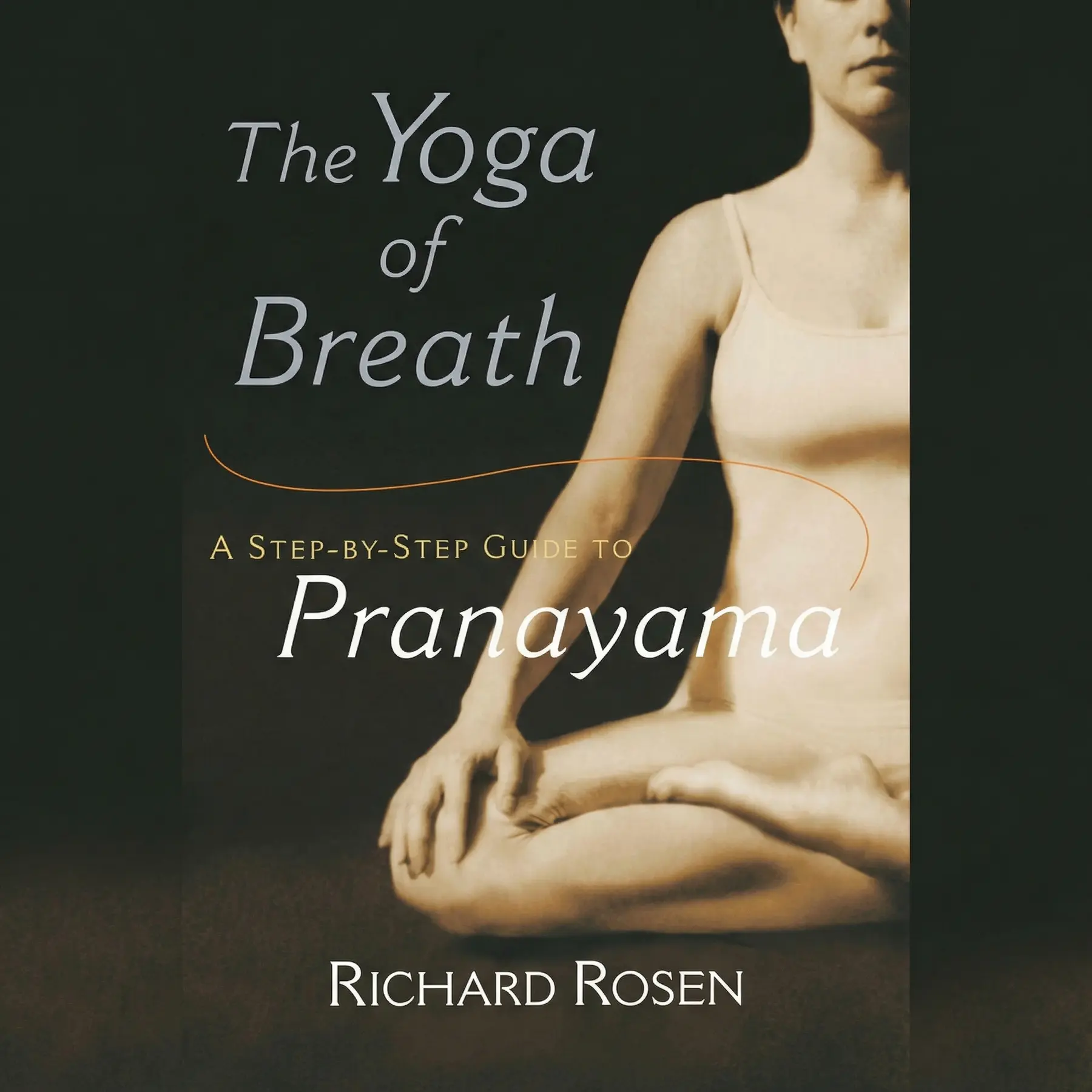
The Yoga of Breath: A Step-by-Step Guide to Pranayama
Explore the ancient art of pranayama through Richard Rosen’s comprehensive guide, which blends historical wisdom with practical techniques to master the breath for enhanced physical and spiritual well-being.
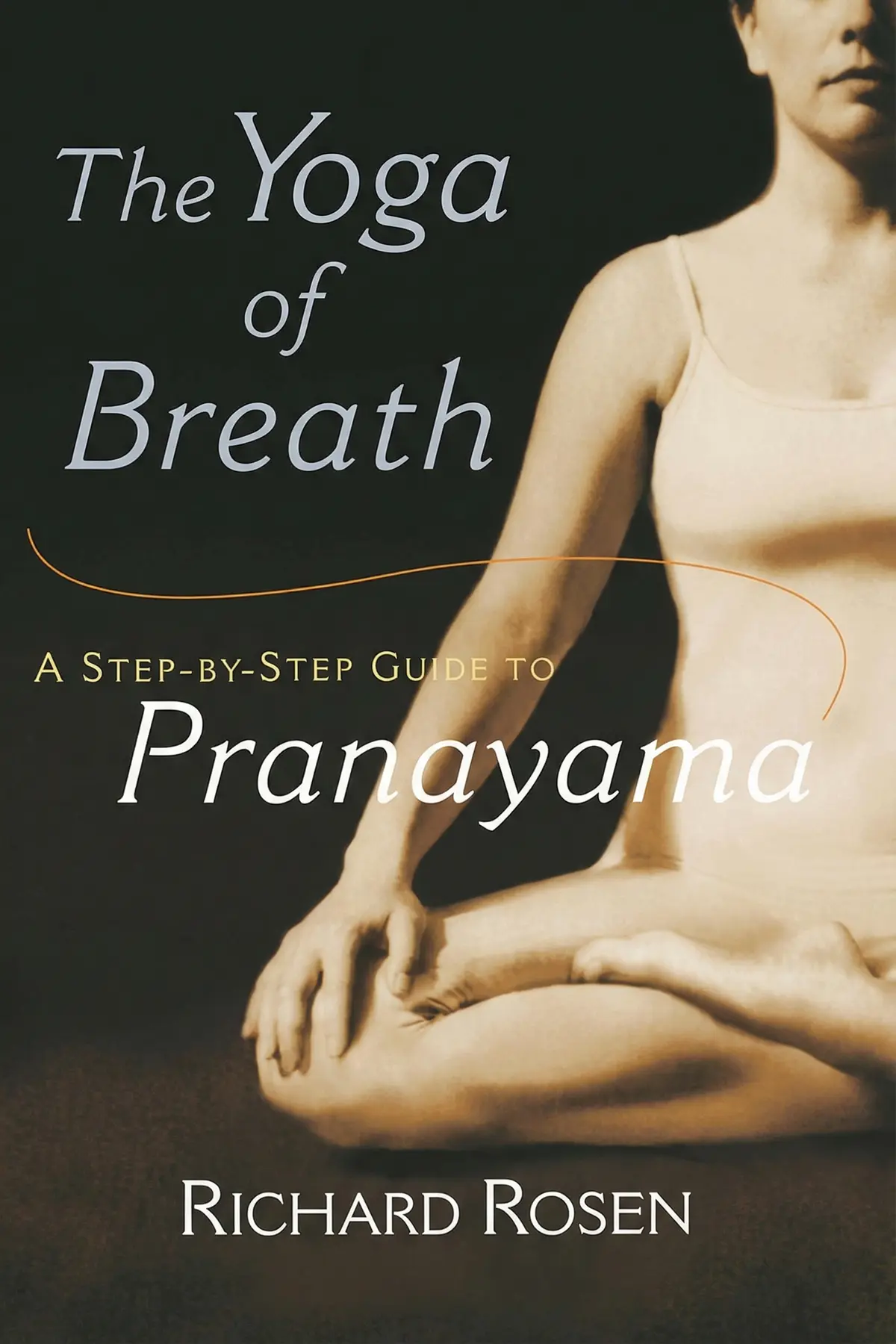
Table of Content
1. Introduction
1 min 19 sec
Most of us treat breathing as an automatic background process, something that happens on its own while we go about the complexities of our day. Yet, in the ancient tradition of yoga, the breath is seen as the primary bridge between the body and the mind, a tool of immense power that can be consciously harnessed. In this summary, we delve into the core teachings of Richard Rosen’s exploration of pranayama. This practice is far more than just taking deep breaths; it is a sophisticated system of regulation that influences our energy, our nervous system, and our spiritual state.
We will journey through the history of these techniques, look closely at the physical mechanics of the respiratory system, and learn how to prepare our bodies and environments for a successful practice. Rosen emphasizes a gentle, disciplined approach, moving away from the ‘no pain, no gain’ mentality and instead focusing on sensitivity and gradual progress. By the end of this summary, you will understand the fundamental techniques of breath control and how to integrate them into your life for a more balanced and centered existence. We’ll cover everything from the basic ‘Victorious Breath’ to more advanced concepts of breath retention and energy channels, providing a clear path for anyone looking to deepen their yoga practice or simply find a greater sense of calm.
2. The Meaning and Purpose of Pranayama
1 min 48 sec
Discover how the ancient practice of breath control serves as a gateway to mastering vital energy and stabilizing the mind.
3. The Historical Foundations of Breath Control
1 min 43 sec
Trace the evolution of breathing techniques from ancient hatha yoga texts to contemporary practice.
4. The Anatomy of the Breathing Body
1 min 51 sec
Explore the physical mechanics of respiration and how understanding your anatomy can enhance your practice.
5. Setting the Stage: Preparation and Props
1 min 45 sec
Learn how to create the ideal environment and use supportive tools to facilitate a deep and safe practice.
6. The Foundation: Ujjayi, the Victorious Breath
1 min 39 sec
Master the core technique of ujjayi to create a steady, resonant rhythm that anchors your attention.
7. Refining the Flow: The Viloma Technique
1 min 46 sec
Explore the ‘Against the Grain’ breathing method to develop precise control and awareness of the breath’s movement.
8. The Power of Stillness: Kumbhaka and Breath Retention
1 min 49 sec
Delve into the advanced practice of holding the breath to experience the profound silence between inhalation and exhalation.
9. The Subtle Body: Prana, Nadis, and Chakras
1 min 52 sec
Go beyond the physical to understand the energetic anatomy that pranayama seeks to balance and purify.
10. Cultivating a Lifelong Practice
1 min 54 sec
Understand why consistency, patience, and a non-competitive attitude are the keys to long-term success in yoga.
11. Conclusion
1 min 33 sec
As we conclude our exploration of Richard Rosen’s guide to the breath, it is clear that pranayama is one of the most accessible and powerful tools we possess for self-regulation and spiritual growth. We have seen how the breath serves as a bridge between the conscious and the unconscious, and how, through techniques like Ujjayi and Viloma, we can begin to take the reins of our own nervous system. By understanding the anatomy of our breathing and the historical lineage of these practices, we gain a deeper appreciation for the simple act of taking a breath.
The throughline of this practice is the cultivation of awareness and sensitivity. It is an invitation to slow down, to listen to the subtle rhythms of the body, and to treat ourselves with a level of care and respect that is often missing in our fast-paced lives. Whether you are using these techniques to reduce stress, improve your physical health, or deepen your meditation, the key remains the same: consistency and patience.
Your breath is a constant companion, a source of energy that is always with you from the moment you are born until the moment you die. By dedicating even a small portion of your day to conscious breathing, you can begin to shift your internal state from chaos to calm. As you move forward, carry the sound of the ‘Victorious Breath’ with you, and remember that every inhalation is an opportunity for renewal, and every exhalation is a chance to let go. The yoga of breath is ultimately a practice of living more fully in the present moment, one breath at a time.
About this book
What is this book about?
The Yoga of Breath offers an in-depth exploration of pranayama, the foundational practice of breath control in the hatha yoga tradition. It serves as both a historical record and a modern manual, guiding practitioners through the subtle mechanics of respiration and its profound impact on the human nervous system. The book promises to transform your relationship with your breath, moving beyond simple inhalation and exhalation to a disciplined practice that fosters mental clarity and physical vitality. By following a structured approach involving posture, props, and specific breathing rhythms, readers learn to cultivate energy and find deep internal stillness.
Book Information
About the Author
Richard Rosen
Richard Rosen is a respected American author and a seasoned instructor in the field of modern yoga. He cofounded the Piedmont Yoga Studio located in Oakland and serves as the president of the Yoga Dana Foundation, an organization dedicated to supporting yoga programs in under-served communities.
Ratings & Reviews
Ratings at a glance
What people think
Listeners find this work to be a thorough manual for pranayama, with one listener labeling it the finest introduction to the discipline. The guide earns praise for its accessible delivery, where one listener points out its effectiveness in cultivating a sense of self-intimacy. Listeners express a variety of viewpoints regarding the actual pranayama instructions.
Top reviews
Samuel
The three chapters dedicated to Shavasana are arguably the highlight of this entire text. Rosen takes a pose that most practitioners treat as a simple cool-down and transforms it into a profound exercise in witnessing the self. While I enjoyed the technical depth, some might find the heavy focus on lineage and historical context a bit dry for a casual read. The instructions are incredibly specific, demanding a level of focus that goes beyond your average yoga class. If you are looking for a quick fix for your breathing, you might want to look elsewhere. However, for those seeking a genuine intimacy with their internal energy, this guide is indispensable. It really bridges the gap between basic awareness and the advanced practices found in older manuals. I found myself slowing down my practice significantly just to absorb his insights on the 'witness' state of mind.
Show moreOat
Richard Rosen has crafted an incredibly thorough manual that stands out because of its focus on the preparatory stages of breathing. Most books want to rush you into the advanced stuff, but here, the journey is just as important as the destination. The way he breaks down the different stages of mastery—from clarification to completion—makes the whole process feel much less intimidating. I found the section on the anatomy of the breath to be particularly enlightening, as it helped me correct some long-standing issues with neck tension. You can tell he has a deep respect for the lineage of these teachings. The writing is clear and avoids being overly mystical, which I truly appreciate. If you want a solid foundation for your pranayama practice, look no further. It is a beautiful, scholarly, and practical addition to any yogi’s library.
Show morePong
This is easily the most comprehensive introduction to the art of pranayama I have encountered in years of study. Rosen’s tone is incredibly approachable, making even the most complex traditional concepts feel relevant to a modern life. I was particularly struck by the emphasis on the 'witness,' which helped me connect with my practice on a much more emotional level. The chapters on the corpse pose are worth the price of admission alone, offering a depth of insight I haven't found elsewhere. It feels like a conversation with a wise teacher who is guiding you gently through a dense forest. Some of the counting exercises are challenging, but they are clearly designed to build a specific kind of internal discipline. This book doesn't just teach you how to breathe; it teaches you how to listen to your body. Highly recommended.
Show moreSukit
After hearing how this compared to Iyengar’s monumental work on pranayama, I knew I had to give it a serious look. Rosen manages to take a subject that can feel quite daunting and breaks it down into his '4 Cs' framework. This structure provides a much-needed roadmap for anyone feeling lost in the forest of classical techniques. I particularly appreciated the emphasis on Clarification and Cooperation before jumping into the more intense breathing patterns. It feels much safer and more grounded than other manuals I have used in the past. My only minor gripe is that some of the sections on posture felt like they were retreading old ground for anyone who already has a solid asana practice. Still, it is a fantastic companion for a serious student. The tone is encouraging yet disciplined, which is exactly what I need right now.
Show moreTun
Ever wonder why something as simple as breathing feels so complicated once you start studying yoga? Rosen’s book finally gave me the answers I was looking for regarding the internal mechanics of prana. This isn't just a list of exercises; it's an invitation to develop a deep, quiet intimacy with your own body. I loved the way he describes the 'witness' aspect of the mind, allowing us to observe our emotions and energy without judgment. The preparatory exercises were a game-changer for me, helping me find ease in positions that used to feel incredibly forced. While the level of detail is impressive, it can be a slow burn, so don't expect to finish this in one weekend. Truth is, you need time to let these concepts marinate in your daily practice. It’s a comprehensive guide that respects the tradition while remaining very approachable.
Show moreSangduan
Not gonna lie, I was initially overwhelmed by the sheer volume of information packed into these pages. It’s a very long and detailed guide, which is both its greatest strength and its primary weakness. Rosen spends a significant amount of time on Shavasana, which initially felt excessive until I actually tried his approach. The way he guides you to 'witness' your own breathing is nothing short of transformative for a home practice. I did find some of the historical context a bit heavy to get through at times. However, the '4 Cs' framework helps keep the practical application focused and organized. It’s a step-by-step guide that actually lives up to its title without skipping the hard parts. If you are serious about moving beyond basic asana, this is a solid investment for your shelf.
Show moreDivya
As someone who deals with a lot of tension from sitting at a desk all day, I found the early chapters quite helpful. Rosen’s focus on the '4 Cs' provides a clear pathway for someone who isn't sure where to start with breathwork. I really appreciated the way he encourages 'play' with the breath once you’ve established a solid foundation. It’s not just about rigid control; it’s about understanding the subtle movements of energy. The level of detail on the preparatory exercises helped me realize how much I was over-recruiting my neck muscles during simple tasks. My only complaint is that the book can be a bit repetitive in its descriptions of certain postures. Still, it offers a much better foundation than most of the simplified guides currently on the market. It’s a slow-paced but ultimately rewarding read.
Show moreThongchai
Picked this up on a recommendation, but I have mixed feelings about the overall experience. On one hand, the early sections on cultivating awareness were genuinely helpful for my daily stress levels. On the other hand, the later chapters on specific pranayama exercises were far too restrictive for my current mood. I’m currently in a 'just breathe' phase of life, and counting every single inhale felt like a chore rather than a release. The book is undeniably comprehensive, but the focus on minute details might be overkill for a casual practitioner. I can see the value for teachers or serious students, but for me, it felt a bit like homework. I might return to it later when I’m ready for that level of discipline. For now, it’s going back on the shelf.
Show moreTee
Truth is, I found this to be a bit of a mixed bag despite its high reputation. While the author is clearly an expert, the writing style can feel quite academic and dry in the middle sections. I struggled to stay engaged with the long explanations of lineage and traditional theory. To be fair, the exercises themselves are effective if you have the patience to follow the very specific instructions. I was looking for something a bit more pragmatic and less focused on the 'monumental' history of the practice. It’s certainly more detailed than anything you’ll find on a quick internet search, but it requires a huge time commitment. If you’re a yoga teacher, you’ll likely love the depth. For a regular student like me, it felt a bit like over-studying.
Show moreKanchana
Frankly, I found this far too dense and restrictive for where I am in my yoga journey right now. I was hoping for some simple techniques to help with stress, but instead, I was met with pages of counting inhales and exhales. It felt more like a math textbook than a spiritual guide at times. To be fair, the section on body awareness was useful, but the minute details of single-nostril patterns were just too much. I think most people would find more value in a ten-minute YouTube video than wading through hundreds of pages of unsubstantiated claims. I’m not saying the history isn't interesting, but the level of restriction here made me want to rebel rather than relax. Maybe I’ll come back to this in a few years when I have more patience for this kind of rigid structure.
Show moreReaders also enjoyed
A New Earth: Awakening to Your Life’s Purpose
Eckhart Tolle
Aflame: Learning from Silence
Pico Iyer
Aware: The Science and Practice of Presence
Daniel Siegel
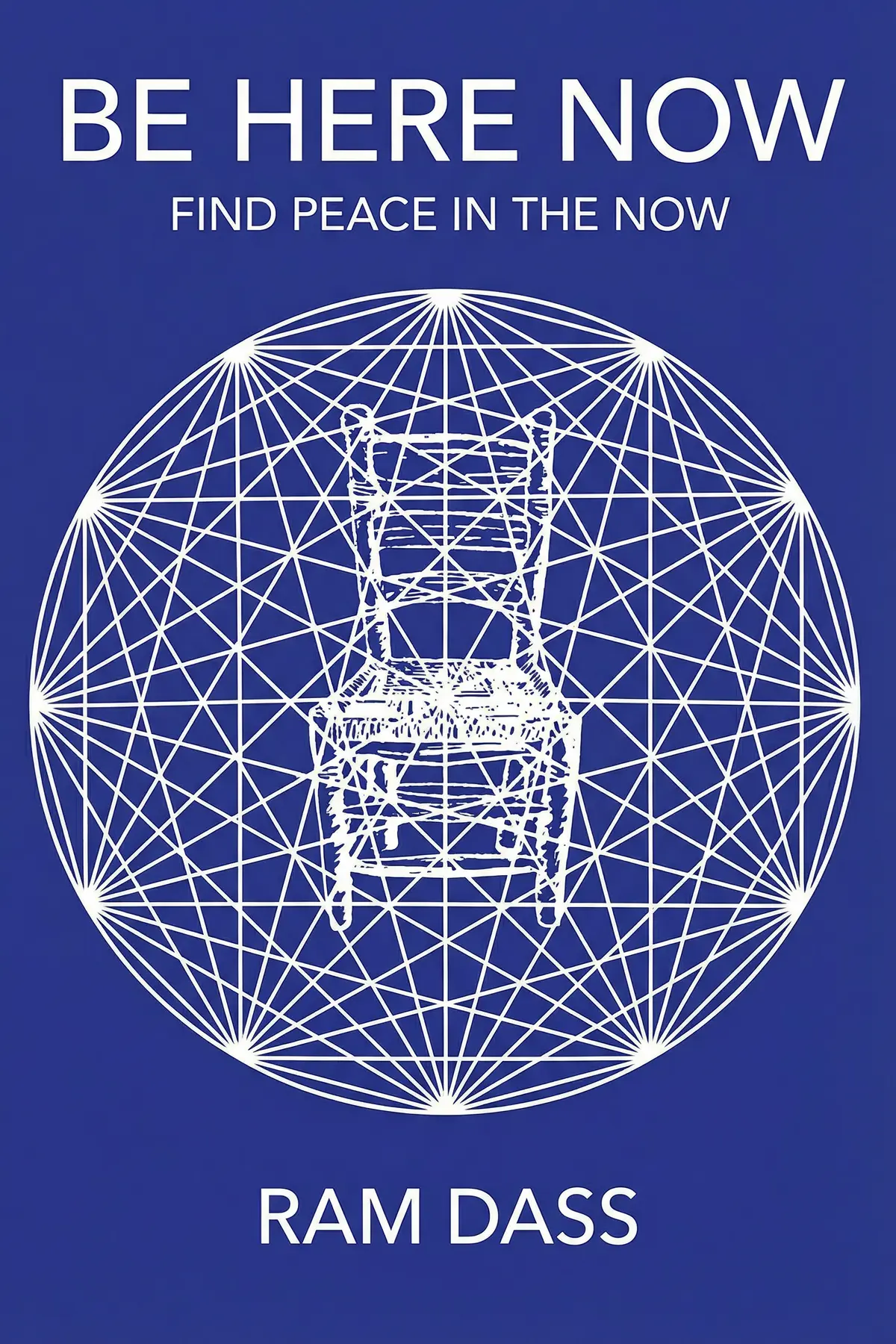
Be Here Now
Ram Dass
AUDIO SUMMARY AVAILABLE
Listen to The Yoga of Breath in 15 minutes
Get the key ideas from The Yoga of Breath by Richard Rosen, plus 5,000+ more titles in English and Thai.
- 5,000+ titles
- Listen as much as you want
- 7-day free trial
- Cancel anytime







