
A Liberated Mind: How to Pivot Toward What Matters
Steven C. Hayes
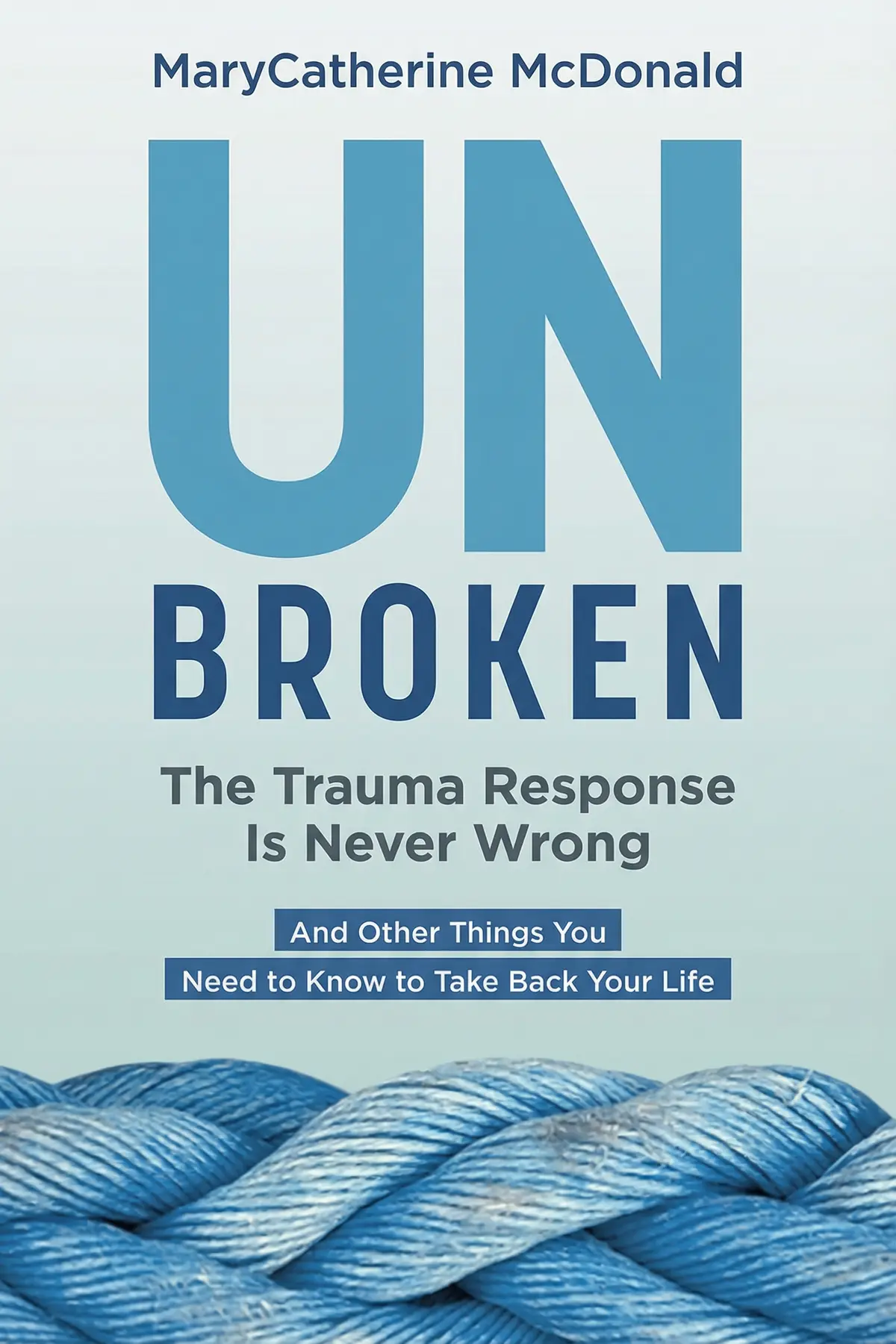
Unbroken reframes trauma not as a psychological flaw, but as a brilliant, biological survival mechanism. It offers a neurobiological roadmap for understanding your body’s responses and reclaiming your life through narrative and resilience.
1 min 40 sec
When we go through something devastating, the world often tells us that we are ‘broken.’ We feel as though the trauma has left a permanent mark on our identity, a scar that signifies a failure of character or a collapse of the self. But what if that perspective is entirely wrong? What if the very things we call ‘symptoms’ are actually evidence of a body and mind working in perfect harmony to keep us alive? This is the central, life-changing premise of MaryCatherine McDonald’s work.
In this exploration, we move away from the outdated idea that trauma is a mental illness or a defect. Instead, we look through a neurobiological lens to see it as a physiological survival response. This shift is more than just a change in terminology; it is a fundamental reevaluation of what it means to be human in the face of adversity. Throughout this summary, we will follow the throughline that your trauma response is never wrong—it is a brilliant adaptation.
We will examine how trauma impacts our moral landscape, how it creates repetitive patterns that can feel like a trap, and how we can use the power of narrative to reclaim our sense of self. By understanding the ‘why’ behind our reactions, we can move from a place of shame and isolation to a place of empowerment and connection. Whether you are navigating your own history or seeking to support others, this journey offers a compassionate and scientifically grounded roadmap for moving from survival back into a full, vibrant life. You are not a victim of your biology; you are a testament to its resilience.
2 min 43 sec
Explore why your most difficult emotional reactions are actually sophisticated survival mechanisms designed by your nervous system to keep you safe.
2 min 59 sec
Learn how traumatic events can fracture your sense of right and wrong, and discover a narrative technique to help piece your identity back together.
2 min 58 sec
Understand why trauma often leads to repetitive, self-destructive patterns and how a surprising mental exercise can help you visualize a different future.
3 min 05 sec
Discover how subtle acts of defiance can transform your identity from that of a victim to a resilient survivor who subverts the power of the past.
1 min 40 sec
As we come to the end of this exploration into the neurobiology and philosophy of trauma, the most important takeaway is a message of profound hope: your body and mind have been on your side all along. We have seen that the symptoms of trauma—those reactions that can feel so alien and disruptive—are actually sophisticated survival mechanisms. By moving from a model of pathology to a model of biology, we can finally shed the shame that so often accompanies traumatic experiences.
We’ve learned that healing involves more than just ‘getting over’ the past. It requires us to address moral injuries by rewriting our personal narratives and using tools like the ‘four versions’ of a story to reclaim our perspective. We’ve seen how to break the suffocating cycles of repetition through the creative use of ‘absurd hope,’ and how to build a new identity by recognizing the subtle acts of resistance that helped us survive.
Realize that resilience is not a fixed trait that you either have or you don’t. It is a process of integration and self-discovery that continues throughout your entire life. You are not a collection of broken pieces; you are a complex, adaptive, and remarkably capable human being. The throughline of this journey is that the trauma response is never wrong. It was the bridge that brought you from the danger of the past to the safety of the present. Now, equipped with this understanding, you can begin to walk across that bridge into a future defined not by what happened to you, but by the strength and wisdom you have gained. You are here, you are resilient, and you are truly unbroken.
For many, the experience of trauma feels like a permanent fracture in the soul, a sign that something is fundamentally broken within. MaryCatherine McDonald challenges this painful misconception by shifting the focus from psychological weakness to neurobiological strength. This book explores the idea that our reactions to overwhelming events—whether they manifest as hyper-vigilance, numbness, or repetitive behaviors—are actually the body’s sophisticated way of ensuring survival. By blending philosophy, neuroscience, and deeply personal stories, the book provides a new framework for healing. Readers are guided through the concept of moral injury, the power of rewriting personal narratives, and the importance of subverting the power dynamics that trauma creates. The ultimate promise of this work is a path toward self-compassion and reintegration, helping individuals see that they are not damaged beyond repair, but are, in fact, remarkably unbroken.
MaryCatherine McDonald, PhD, also known as MC, is a dedicated research professor and life coach with a deep expertise in the psychology and philosophy of trauma. She earned her master’s degree from The New School and her PhD from Boston University. Her professional work focuses on the intersection of neurobiology and lived experience, as evidenced by her publications like Merleau-Ponty and a Phenomenology of PTSD and her research into American and NATO veteran reintegration.
Listeners find the work to be articulate and approachable, offering clear-cut explanations alongside actionable strategies throughout the text. They appreciate the high standard of content, especially the way it structures core concepts and viewpoints, regarding it as an excellent framework for understanding trauma. Listeners prize its success in helping people rediscover their identity and reshape their lives, while also delivering functional methods for navigating and overcoming traumatic events.
After navigating years of traditional therapy, I found Dr. McDonald’s perspective on the inherent "rightness" of trauma responses to be a total paradigm shift. Most books treat our reactions as glitches to be fixed, but she argues that these responses are actually our bodies working exactly as they should to keep us safe. The way she blends hard neuroscience with such a compassionate, human tone makes the information stick without feeling like a dense textbook. I especially appreciated the tools for rewiring the brain toward safety. Truth is, I cried through the first few chapters because it was the first time I didn't feel broken for having a nervous system that reacts to the world. It’s accessible, it’s grounded, and it’s deeply needed for anyone struggling with the weight of their own history.
Show morePicked this up on a whim after a friend recommended it, and I am genuinely impressed by how much ground it covers in such a short span. The central thesis—that your trauma response is never wrong—is such a powerful way to reclaim your sense of self. I’ve spent so much time feeling ashamed of my triggers, but seeing them framed as signs of strength and resilience changed my entire outlook. The writing is punchy and direct, avoiding the sensationalism that sometimes plagues the self-help genre. McDonald uses composite client stories effectively, though some content warnings would have been nice for the more intense sections. If you're looking for a way to start unbreaking your heart, this is a fantastic roadmap to follow.
Show moreWow, this was exactly what I needed to hear right now. Dr. McDonald manages to bridge the gap between clinical research and personal survival in a way that feels both authoritative and deeply kind. The chapter on "tiny little joys" was a standout for me—reminding us that joy and trauma can coexist without one canceling out the other. I've read plenty of psychology books, but few address the physical sensations of the trauma response with this much clarity. The focus on rewiring our brains for safety through connection is a message that resonates truthfully in our current world. It's a quick read but one that I know I'll be returning to whenever I feel myself getting stuck in old patterns.
Show moreAs someone who has spent a lifetime feeling like my body was an enemy, reading this felt like receiving a formal apology. McDonald flips the script on trauma, showing us that our survival instincts are a testament to our amazing resilience rather than a sign of weakness. The book is short and accessible, making it perfect for someone who might be currently in the thick of it and lacks the cognitive energy for a 400-page academic tome. I found the sections on the "relational home" especially moving—it really highlights how we need each other to heal. This is a must-read for survivors and those who love them. It provides a much-needed path forward toward growth.
Show moreFinally got around to finishing this, and I can honestly say it's one of the most empowering books on mental health I've encountered. The way it dismantles the shame associated with trauma is nothing short of revolutionary. We live in a culture that tells us to "just get over it," but McDonald shows why that’s not only impossible but also biologically incorrect. The tools for coping and the strategies for reclaiming your sense of self are grounded in real-world application, not just theory. It’s a well-written, compassionate guide that helps you realize you aren't broken—you're actually functioning exactly as a survivor should. I’ll be buying copies of this for several people in my life.
Show moreHaving lived through several traumatic events, I'm usually wary of the resilience narrative because it can feel like a way to gloss over the pain. However, McDonald approaches the topic with such nuance that it never feels performative. She validates the struggle while simultaneously providing a map for the journey ahead. The book is incredibly readable, which is a blessing when your nervous system is shot and you can’t focus on heavy text. It’s full of useful information that feels relevant to the world we live in today. This isn't just about surviving; it's about understanding why we survived and how we can find safety and connection again. It truly is an essential guide.
Show moreThis book is an excellent primer for anyone who finds titles like The Body Keeps the Score too overwhelming to finish. McDonald has a knack for taking complex psychological concepts and distilling them into something you can actually use in your daily life. I loved the emphasis on removing shame, as that’s often the biggest barrier to any real healing. However, I do wish there had been more distinction between PTSD and complex PTSD, as the nuances there are pretty important for long-term recovery. Still, the practical exercises and the focus on finding a "relational home" for our pain are incredibly valuable. It’s a solid resource that feels very modern and relevant to how we understand mental health today.
Show moreThe chapter on neuroscience was surprisingly easy to digest, which is a testament to McDonald's skill as a teacher. She doesn't hide behind jargon, instead opting for clear metaphors that help you understand what's actually happening in your amygdala and prefrontal cortex during a flashback. Not gonna lie, I was skeptical about another "healing" book, but the practical tools included are actually things you can do in five minutes. My only real gripe is that I wanted more of the author's own story woven throughout, as those moments felt the most authentic and raw. It’s a great perspective on trauma that emphasizes function over failure, and I’d recommend it to anyone who feels like they’re overreacting to life.
Show moreMcDonald’s writing style is refreshingly honest and lacks the fluff you often find in the wellness space. She treats the reader like an equal, sharing both science and stories to illustrate how we can begin to heal the wounds that have marked us. I found the challenges and lists particularly helpful for identifying my own patterns that I couldn't quite name before. Look, it’s not a magic cure, and healing takes a lot of work beyond these pages, but as a guide, it’s incredibly effective. I do think the book could have benefited from a bit more focus on the differences between various types of trauma, but as an overall framework for understanding the body's response, it's top-tier.
Show moreEver wonder why some trauma books feel like they’re talking down to you? Luckily, this one doesn't, though it didn't quite hit the mark for me in terms of depth. While I appreciate the author's credentials and her shame-free approach, I felt the book stayed a bit too much on the surface level. To be fair, it's marketed as an introduction, but I was hoping for more rigorous exercises rather than just general principles. I also noticed some phrasing regarding suicide that felt a bit dismissive, even if unintentional, which pulled me out of the experience. It’s a decent starting point for a beginner, but if you’ve already done a lot of work in this area, you might find yourself wanting more substance than what’s provided here.
Show moreSteven C. Hayes
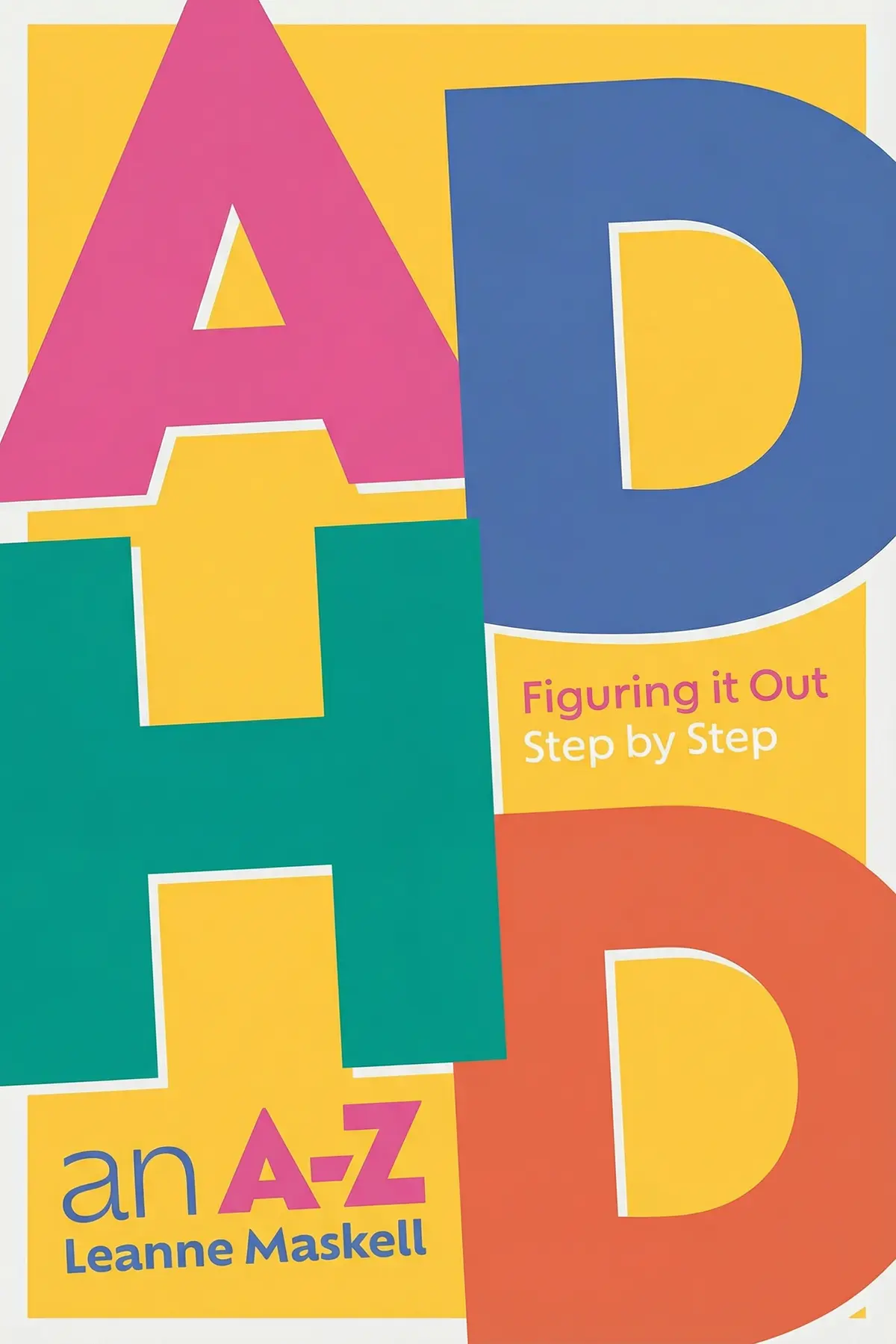
Leanne Maskell
AUDIO SUMMARY AVAILABLE
Get the key ideas from Unbroken by Marycatherine McDonald, plus 5,000+ more titles in English and Thai.







