
A Liberated Mind: How to Pivot Toward What Matters
Steven C. Hayes
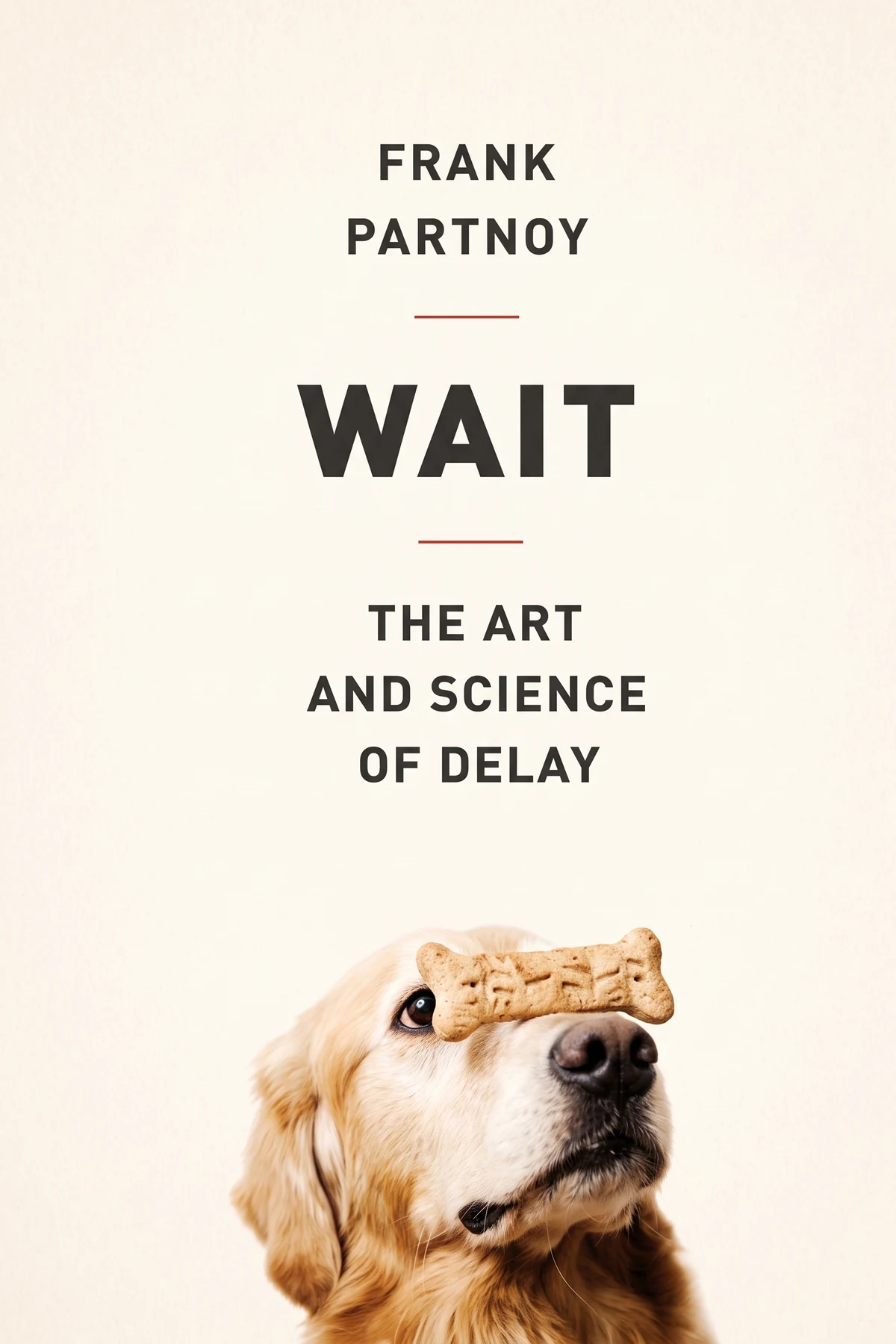
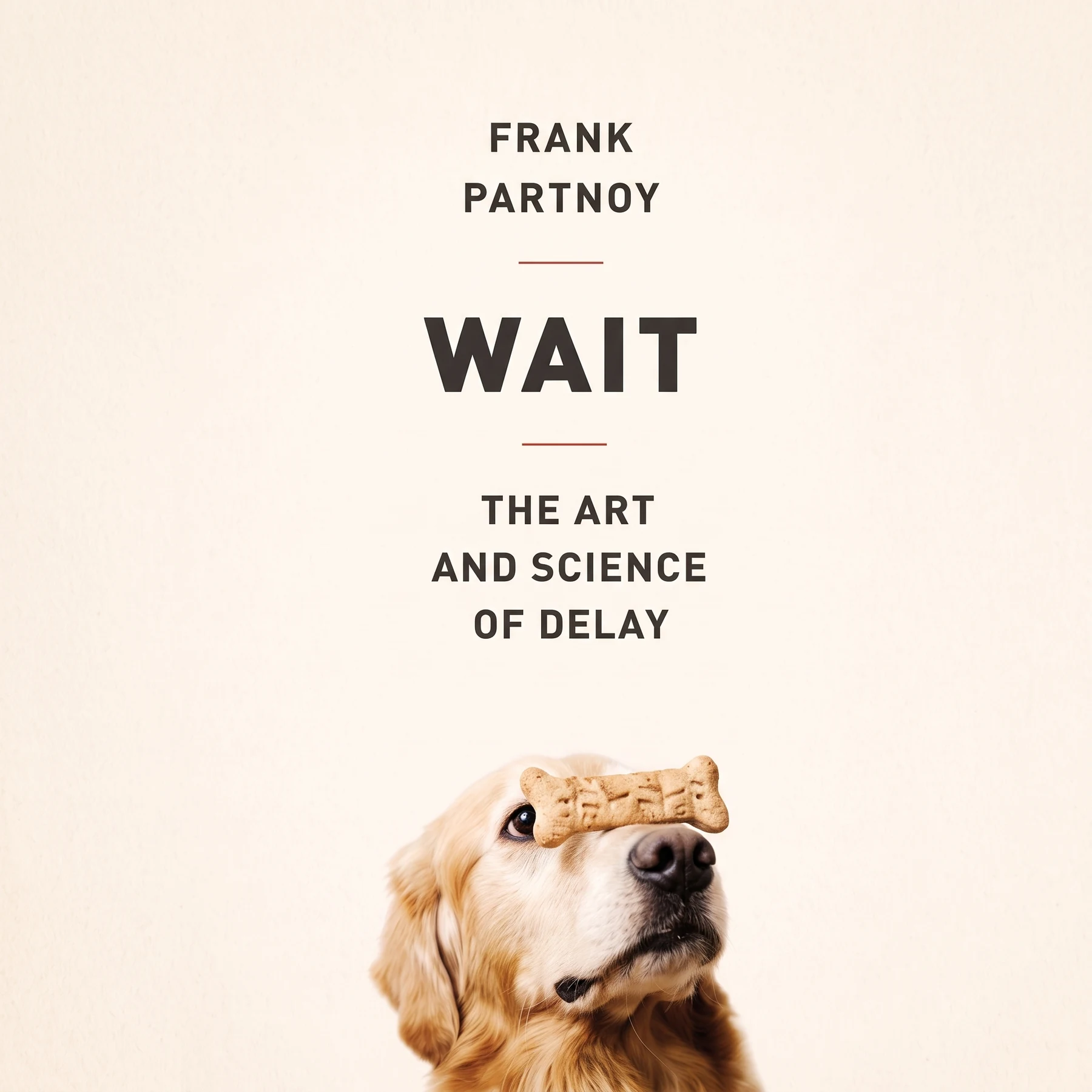
Explore the counterintuitive benefits of delay. This summary reveals how slowing down and embracing strategic procrastination can sharpen your decision-making, improve your relationships, and lead to greater success in a fast-paced world.
2 min 13 sec
In our modern, hyper-connected world, we are constantly told that speed is the ultimate competitive advantage. We celebrate the person who replies to emails in seconds, the trader who executes deals in milliseconds, and the athlete with the fastest reflexes. But what if our obsession with ‘fast’ is actually leading us astray? There is a quiet, often overlooked power in the pause. Think of a cat observing its prey. It doesn’t simply charge forward the moment it sees a mouse. Instead, it waits. It remains perfectly still, calculating the distance and watching for the precise moment when the odds of success are at their absolute peak. This instinctive patience is what we are going to explore today.
In this summary, we’re looking at the core philosophy behind strategic delay. We will see how timing—not just speed—is the true engine of excellence. This isn’t just about being slow for the sake of it; it’s about understanding the unique window of time available for any given task and using every possible millisecond of it to gather information. Whether you are hitting a tennis ball, making a multi-million-dollar investment, or deciding who to spend the rest of your life with, the ability to manage the interval between a stimulus and your response is a game-changer.
We will journey through the high-stakes world of professional sports to see how experts actually use time. We’ll dive into the digital heart of Wall Street to see where speed becomes a liability. We will even look at the subtle ways our minds are influenced by messages that pass by too quickly for us to notice. Through these examples, a clear throughline emerges: the art of waiting, and even the much-maligned practice of procrastination, can be harnessed as a powerful tool for success. By the end of this session, you’ll have a new perspective on your own internal clock and a better understanding of how to make time work for you, rather than against you.
2 min 33 sec
Think fast reactions are the key to sports success? Discover why the world’s best athletes actually wait longer than everyone else before they make their move.
2 min 21 sec
In the world of high-speed finance, faster isn’t always more profitable. Explore how moving too quickly can lead to volatility and unexpected losses.
2 min 30 sec
How much can a millisecond change your mind? Learn how brief exposures to images and words can shape your behavior without you ever knowing it.
2 min 41 sec
Should you always follow your instincts? The answer depends on one crucial factor: whether you are an expert or a novice in the situation at hand.
2 min 23 sec
Quick judgments often lead to unfair stereotypes. Learn how a simple five-minute delay can help us see people for who they really are.
2 min 25 sec
Is speed-dating actually a recipe for failure? Discover why the ‘lunch date’ might be the ultimate tool for finding a lasting connection.
2 min 47 sec
We all put things off, but it’s not always because we’re lazy. Learn the psychology of delay and how it can actually lead to better outcomes.
2 min 37 sec
From Warren Buffett to world leaders, discover how the most successful people use silence and patience as their ultimate power move.
2 min 00 sec
As we wrap up our look at the power of delay, it is helpful to reconsider our relationship with the clock. We’ve seen that in almost every arena of human endeavor—from the split-second world of professional sports to the long-term horizons of value investing—the ability to wait is a defining characteristic of success. The throughline of this journey is that timing is a skill that can be practiced and perfected. It is about learning to recognize the difference between a situation that requires a lightning-fast ‘expert’ response and one that demands the slow, careful deliberation of a ‘novice.’
What this means for you in your daily life is a shift from reactive living to intentional living. When you feel the pressure to make an instant decision, ask yourself: ‘How much time do I actually have?’ Often, you’ll find that you have more than you think. Use that time. Let your subconscious process the data. Give yourself the five minutes needed to see past a stereotype, or the afternoon needed to reflect on a new acquaintance. Remember that even procrastination, when done with awareness, can be a way to let your best ideas rise to the surface.
To put this into practice today, try an experiment with your social interactions. If you use online dating or social networking, try removing the emphasis on photos and immediate reactions. Take the time to read the words people write and listen to the nuances of their conversation. If you’re faced with a big purchase or a career move, don’t feel obligated to decide in the first meeting. Tell them you’ll get back to them tomorrow. By claiming that extra bit of time, you are giving yourself the gift of clarity. In a world that never stops moving, the most revolutionary thing you can do is simply wait.
We live in a culture that worships speed. From high-frequency trading to instant messaging, the pressure to react immediately is everywhere. However, this summary presents a different perspective: the idea that our best decisions often come when we take a moment to pause. By examining the science of timing across various fields—including professional sports, finance, and social psychology—it demonstrates that waiting is not a sign of weakness, but a sophisticated skill. The promise of this exploration is a more intentional way of living. You will discover how the world’s most successful people, from champion athletes to legendary investors, use the art of delay to their advantage. You will learn the difference between harmful procrastination and the strategic kind that allows your subconscious to process complex information. Ultimately, this summary provides a toolkit for understanding when to trust your gut and when to let the clock run a little longer, helping you navigate life’s high-stakes moments with greater clarity and composure.
Frank Partnoy is a prominent expert in the world of finance and law. He has shared his insights as a regular contributor to major publications, including the Financial Times and The New York Times. Before moving into academia and writing, Partnoy gained significant industry experience working as an investment banker and a lawyer. He is the author of several acclaimed nonfiction works, such as Infectious Greed, The Match King, and F.I.A.S.C.O.
Listeners consider the work engaging and well-researched, with one listener highlighting the way it incorporates scientific studies. Additionally, the book examines the benefits of pausing before acting through examples of elite athletes, and listeners value the stimulating ideas presented. However, feedback on the writing quality is varied; while some listeners find it skillfully written, others describe the prose as tedious.
This volume completely changed my perspective on my own procrastination. Instead of viewing every delay as a moral failing, Partnoy teaches us that 'waiting' can be a strategic, high-level skill. I loved the mix of hard science and fun stories, especially the parts about how we should approach decisions by asking, 'When is the latest I can decide?' It’s a powerful shift in mindset. I've started taking more intentional pauses during my workday and even when playing with my kids. The book is well-researched and manages to weave complex neuroscience into a narrative that feels accessible. Truly one of the best things I’ve read this year for personal growth. It rewards the patient reader.
Show moreTo be fair, I went into this expecting a dry business manual, but Partnoy surprised me with a deep dive into the biology of timing. The discussion on how our nerve cells and brain systems manage gut responses was fascinating. I’m a bit of a pokey person myself, so seeing a scientific defense of a patient approach was incredibly validating. I particularly enjoyed the chapter on how 3M fostered innovation by allowing for unstructured, 'delayed' time. It’s an insightful look at how the long view almost always beats the short-term rush. If you enjoyed the storytelling style of Malcolm Gladwell, you will likely find this to be a nice antidote to the idea of rapid-fire intuition.
Show moreAs someone who has always felt guilty about not making split-second choices, this was the validation I needed. This book is a great mix of hard science and meaningful suggestions for daily life. Partnoy’s discussion of the 'first date' tension compared to a fighter pilot's stress was both hilarious and informative. I’ve started applying his 'wait' philosophy to my emails—giving myself a few extra minutes before hitting send—and it has already saved me from several headaches. The writing is clear, the research is top-notch, and the stories are genuinely engaging. It’s easily one of the most thought-provoking books I’ve picked up in a long time. Highly recommended for anyone feeling rushed by modern life.
Show moreEver wonder why the best athletes seem to have all the time in the world? Partnoy explains that it isn't just reflexes; it's the art of waiting until the absolute last millisecond to act. I found the sections on professional tennis players and baseball batters particularly enlightening. It’s a great counterpoint to the 'go with your gut' mentality popularized by Malcolm Gladwell’s Blink. My only gripe is that it gets a bit heavy on the financial jargon in the middle chapters. Some of the high-frequency trading talk went over my head, but the general psychological insights remained strong. It makes you reconsider the value of a well-timed pause in a world that demands instant responses. Definitely worth a look for the sports analogies alone.
Show morePicked this up because I’m a fan of pop-psychology, and it definitely fits that 'Blink' or 'Outliers' mold. The core idea—that waiting as long as possible is often the optimal strategy—is a refreshing take in our current hustle culture. Partnoy pulls together diverse threads from military strategy, biology, and sports to show how experts master the clock. I especially appreciated the section on 'thin-slicing' and its inherent hazards. While the book can be a bit dry during the financial deep dives, the sections on how we can control our subconscious reactions are worth the price of admission. It’s a thought-provoking read that encourages you to just breathe before jumping into a major life choice. Very well-researched.
Show moreFinally got around to reading this, and frankly, it's a fascinating look at how we process urgency. One of my favorite takeaways was the bit about McDonald's and how the colors red and orange can actually make us feel physiologically energized to rush. It’s those little moments of insight that make the book worthwhile. Partnoy does a great job of showing how we can manage our time better by understanding when to cram and when to wait. While some of the political interpretations in the middle were a bit distracting, the overall message about the Art and Science of Delay is convincing. It’s a well-written piece that rewards a patient reader with genuine, thought-provoking takeaways.
Show morePartnoy’s writing is a bit of a mixed bag; he has a knack for technical clarity, but the overall structure feels scattered and clinical. He introduces the fascinating world of high-frequency trading and the millions spent to shave milliseconds off a trade, yet he fails to explain why certain executions failed when speed increased. It’s frustrating! The book is a collection of moderately interesting facts that are only loosely tied together. You’ll learn about everything from fighter pilots to dating services, but you might walk away feeling like you didn’t actually gain a cohesive system for decision-making. It’s a decent read for the occasional 'ah-ha' moments, though they are few and far between. It works as a coffee table book but lacks depth.
Show moreAfter hearing Partnoy on the radio, I was excited to dive into this, but the book itself just didn't deliver the same punch. He was articulate and engaging in the interview, yet his writing feels cluttered with data that obscures his main points rather than supporting them. Do we really need an entire chapter on why tennis players wait for a serve? It felt like he was stretching a magazine article into a full-length book. Truth is, the clinical tone made it a struggle to finish. While the premise is intriguing, the execution is a sleeper. I was looking for actionable advice on how to use delay in my daily life, but instead, I got a series of disconnected case studies that never quite proved a central thesis.
Show moreThe premise is solid. Delaying action can be a competitive advantage. However, the execution is buried under a mountain of unconnected anecdotes that never quite coalesce into a meaningful point. Partnoy often hedges his advice to the point where it becomes useless. He tells us it's better to go slowly, except when it's better to go fast. Well, obviously! There’s no real depth here, just a lot of magazine-style stories that don't add up to a coherent argument. I found the concluding chapters on time and trade-offs to be extremely slow and devoid of the psychological elements promised in the introduction. It’s a bummer because the topic is great. This one just missed the mark.
Show moreBoredom is the primary emotion I felt while trudging through these chapters. This is essentially a business essay masquerading as a pop-psychology book. Partnoy comes from a financial background, and it shows in the stiff, clinical prose. The text is missing that exciting pace you find in authors like Gladwell or Michael Lewis. Most of the citations are secondary, and the 'experiments' are really just case studies that don't prove his hypothesis regarding delay. Bluntly, it’s a disappointing read that misses its target audience by focusing too much on niche economic situations. Save your time and skip this one; it’s far too slow-moving and fails to be memorable or educational. I gained nothing from it.
Show moreSteven C. Hayes
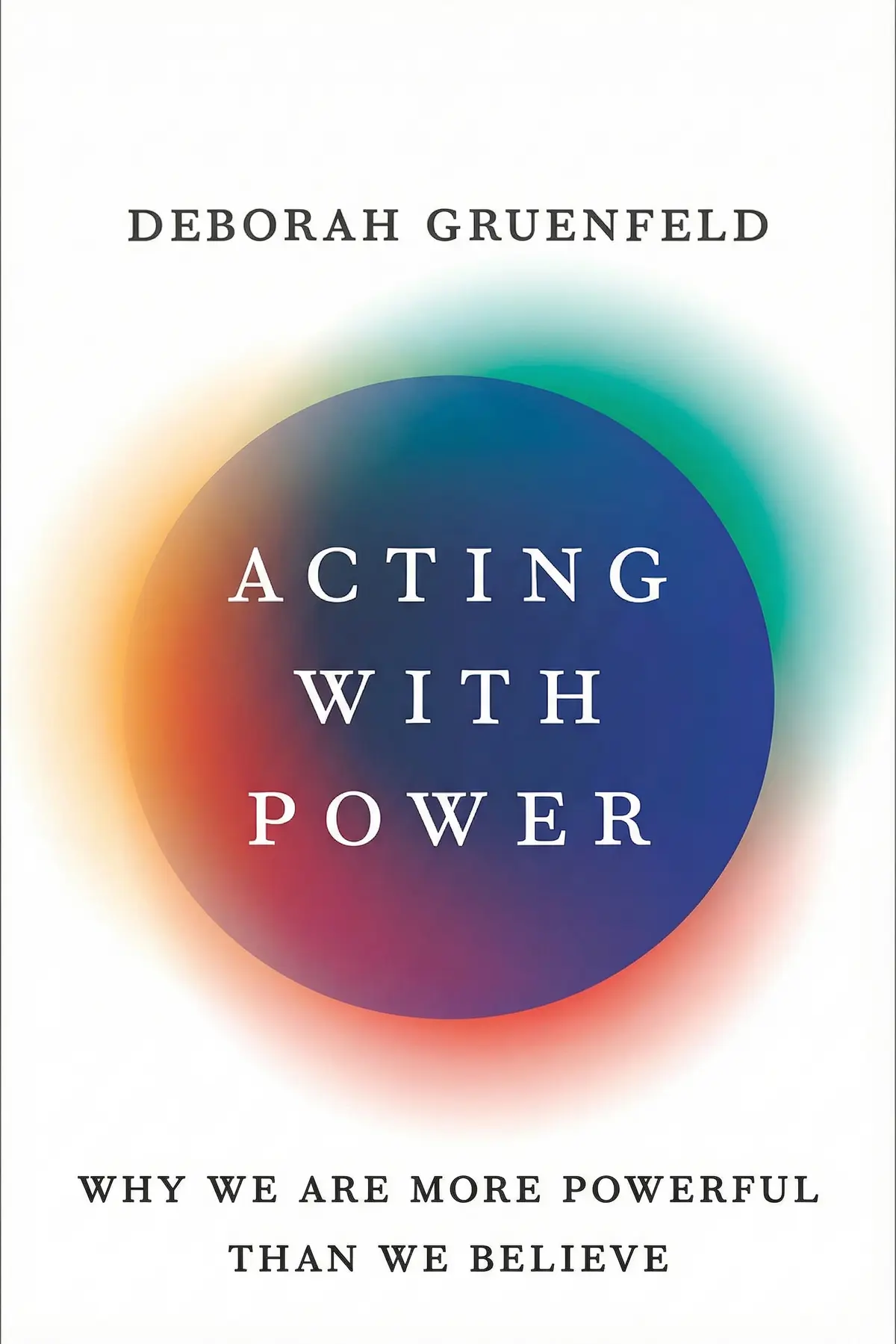
Deborah Gruenfeld
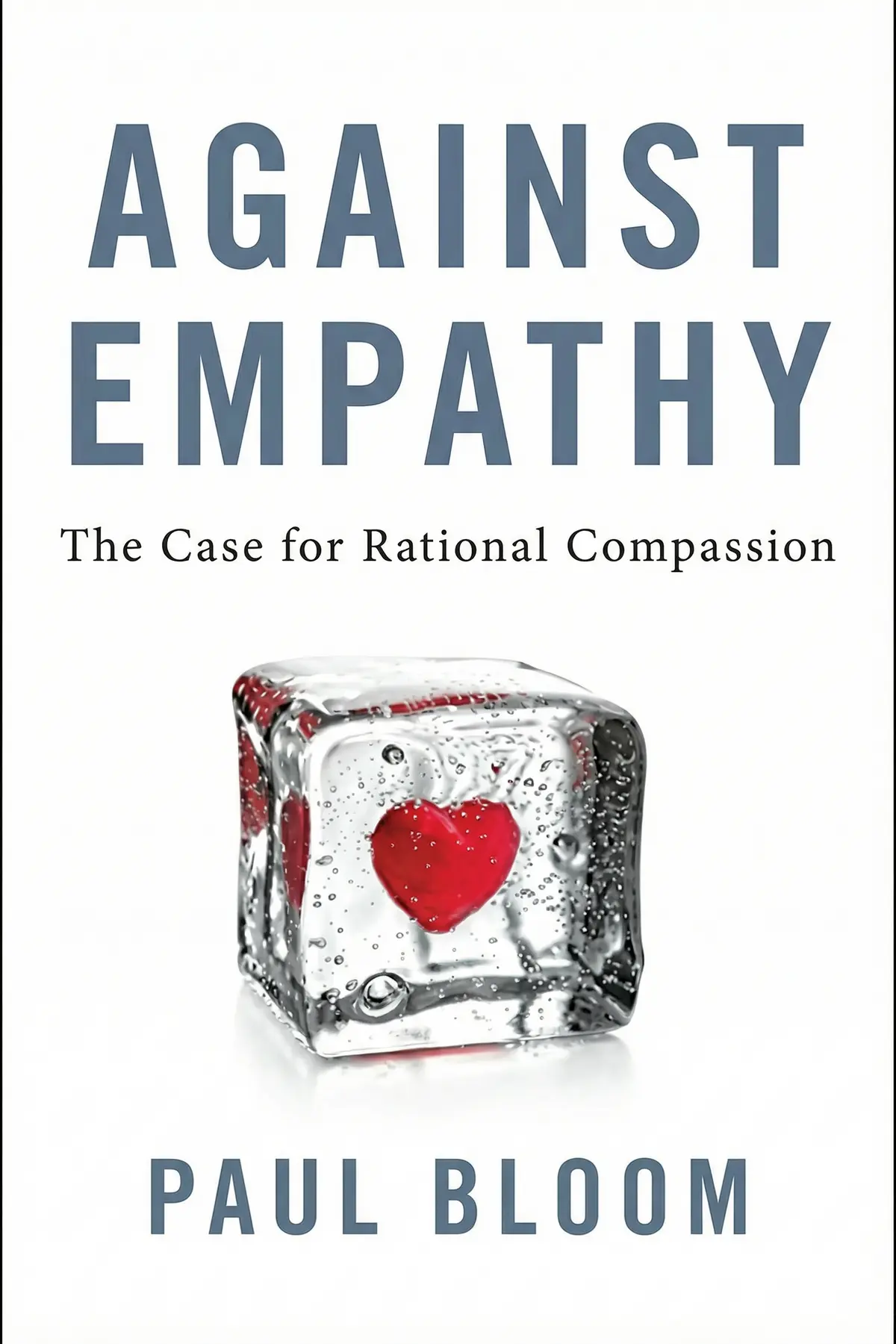
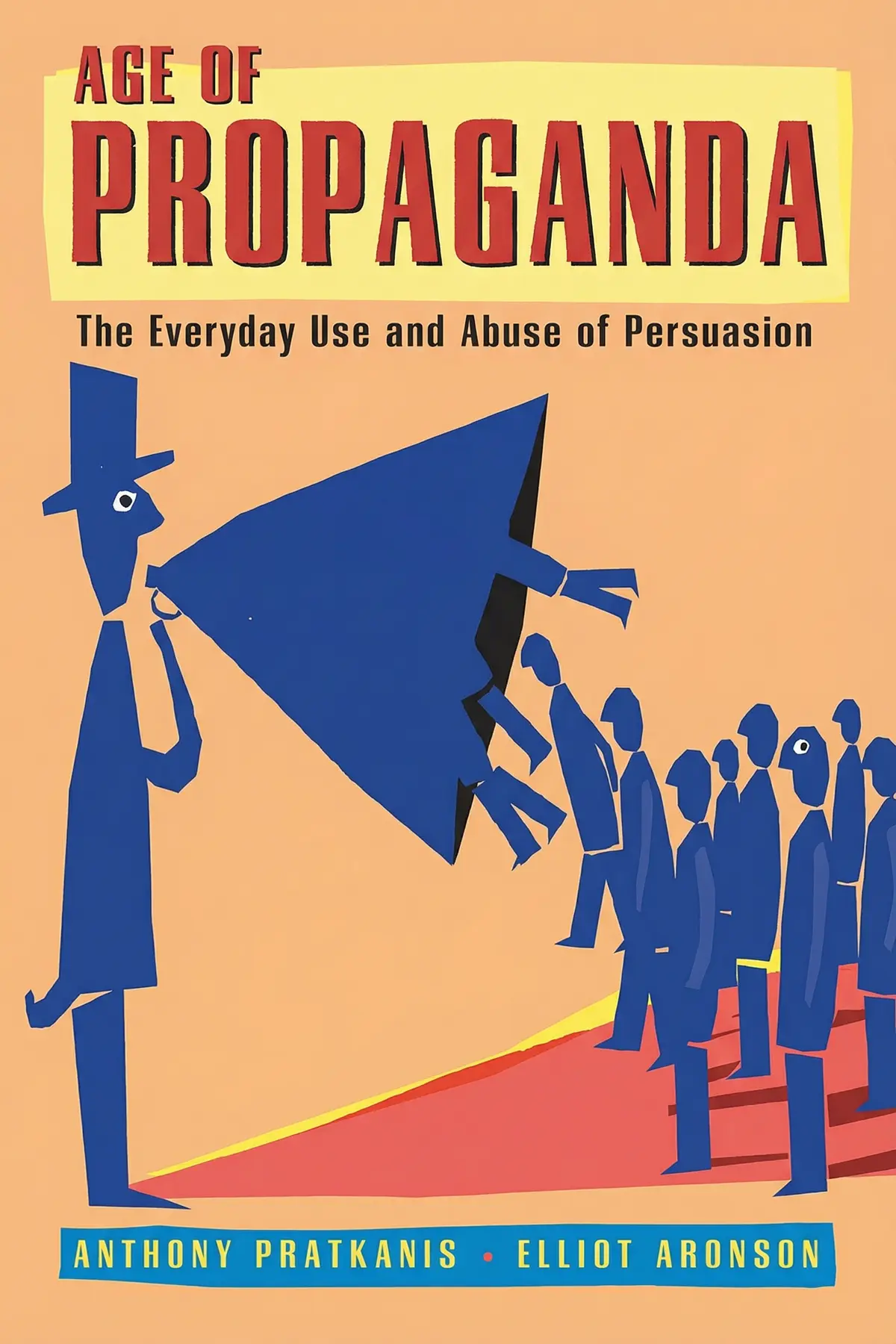
Anthony Pratkanis
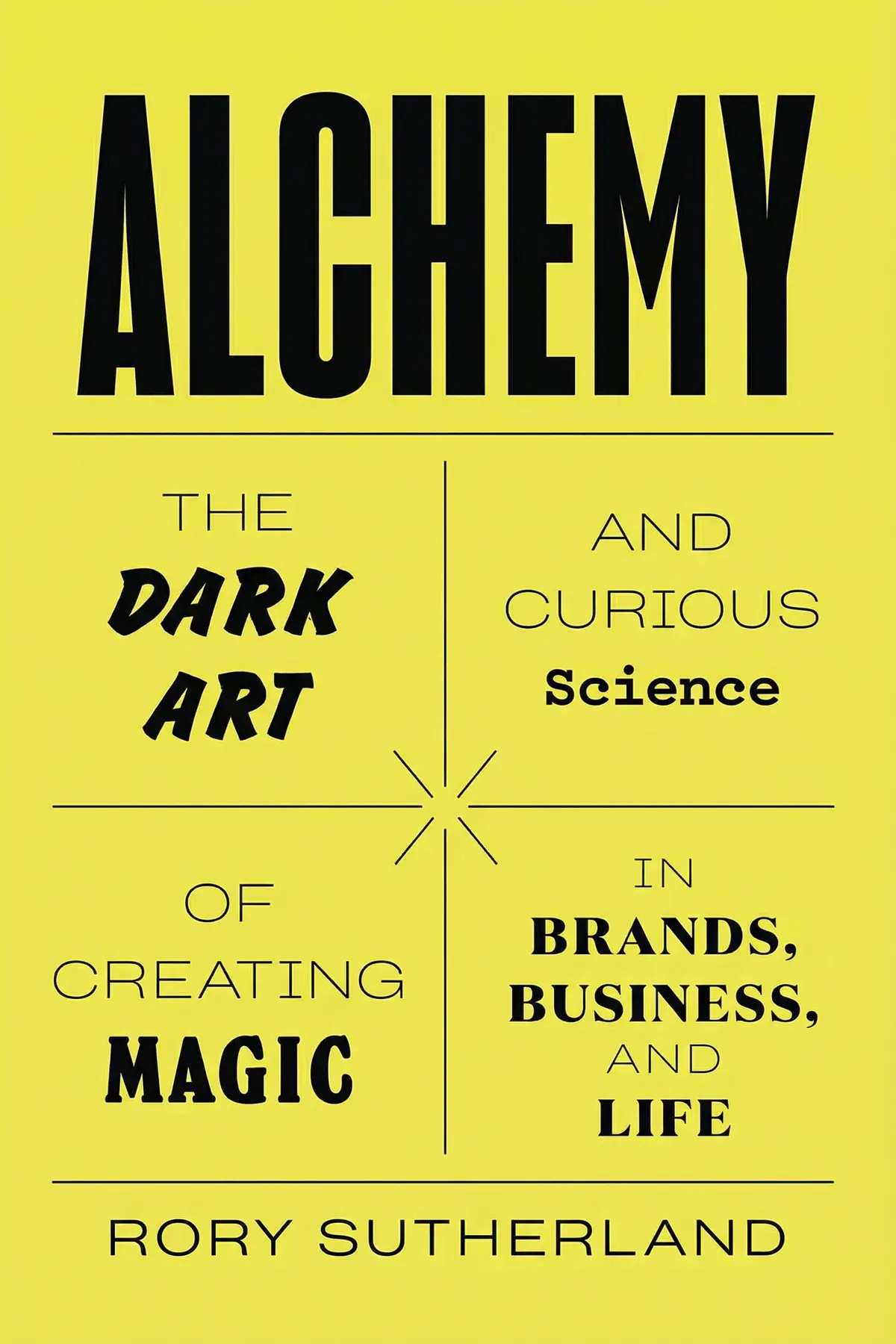
Richard Wiseman
AUDIO SUMMARY AVAILABLE
Get the key ideas from Wait by Frank Partnoy, plus 5,000+ more titles in English and Thai.







