
17 min 50 sec
Welcome to Management: How to Grow from Top Performer to Excellent Leader
By Ryan Hawk
Welcome to Management provides a comprehensive roadmap for first-time leaders, moving from personal discipline and lifelong learning to building trust-based teams and nurturing the next generation of high-performing talent.
Table of Content
1. Introduction
1 min 56 sec
Congratulations are in order—you’ve officially made it. You’ve put in the hours, crushed your targets, and consistently outperformed your peers. Now, you’ve been rewarded with a promotion into management. It’s a moment of celebration, but as the initial excitement fades, a daunting realization often sets in: the skills that got you here aren’t the ones that will keep you here. This is the central challenge of the leadership journey. You aren’t just responsible for your own output anymore; you are responsible for the collective output, well-being, and growth of an entire group of people.
Transitioning from an individual contributor to a manager is one of the most significant shifts you will ever experience in your professional life. It requires a complete overhaul of your daily habits, your communication style, and, most importantly, your mindset. Many new managers fall into the trap of thinking that because they were the best at their previous job, they will naturally be the best at leading others who do that same job. But management isn’t about doing the work better than everyone else; it’s about creating the environment where everyone else can do their best work.
In this summary, we are going to explore the blueprint for making this transition successfully. We’ll look at why your past success can sometimes be a hindrance and how you can avoid the stagnation that plagues so many corporate hierarchies. We will delve into the necessity of self-discipline, the power of becoming a perpetual learning machine, and the critical importance of building a culture rooted in mutual trust and psychological safety.
We will also see how lessons from history—from the battlefields of the Civil War to the high-stakes missions of NASA—can inform the way you lead your team today. By the time we’re finished, you’ll have a clear understanding of what it means to lead with intention, how to communicate with impact, and why your ultimate goal as a leader should be to help your team members surpass you. This is about more than just managing a department; it’s about growing into an excellent leader who leaves a lasting legacy. Let’s begin this transformation by looking at the reality of the manager’s new role.
2. The Shift from Performance to Leadership
2 min 04 sec
Discover why being an elite individual contributor doesn’t automatically translate to leadership success and how to avoid the common trap of the Peter Principle.
3. The Foundation of Self-Discipline
2 min 05 sec
Learn why leading yourself is the prerequisite for leading others and how building mental toughness can improve your credibility as a manager.
4. Becoming a Learning Machine
2 min 16 sec
Explore a four-step framework for continuous growth and see how a commitment to learning can turn even a novice into a world-changing leader.
5. Hiring and Building Based on Values
2 min 02 sec
Discover how defining core values like optimism and resilience can help you build a team capable of overcoming impossible odds.
6. Cultivating a Culture of Trust and Safety
2 min 00 sec
Uncover the link between psychological safety and high performance, and learn how vulnerability can become your greatest leadership strength.
7. Mastering High-Impact Communication
1 min 59 sec
Learn how to communicate with the precision of a film director and why leading from the front is the best way to ensure your message is received.
8. Leading for Legacy and Team Growth
1 min 48 sec
Understand the paradox of leading high performers and why your greatest success as a manager is helping your best people outgrow you.
9. Conclusion
1 min 40 sec
The path from being a standout employee to an exceptional leader is not a straight line; it is a fundamental shift in how you relate to work and to other people. We’ve seen that being a great manager has very little to do with your past individual achievements and everything to do with your ability to discipline yourself, commit to lifelong learning, and build a culture of deep-seated trust.
Leadership is a service. It is the act of putting the needs of your team before your own, of communicating with clarity and empathy, and of having the courage to hire for values rather than just skills. It requires you to be a learning machine, constantly updating your approach based on feedback and reflection. And perhaps most importantly, it requires you to be the coach who celebrates when a team member outgrows their current role and moves on to bigger and better things.
As you move forward in your management journey, remember that the standard you set for yourself will be the standard your team adopts. If you want excellence, you must be excellent. If you want discipline, you must be disciplined. If you want trust, you must be trustworthy.
To put these ideas into immediate practice, I challenge you to take a 30-day discipline challenge. Choose one small but meaningful activity—whether it’s reading for fifteen minutes every morning, taking a daily walk, or practicing a new skill—and do it every single day for the next month without fail. This isn’t just about the activity itself; it’s about proving to yourself that you have the mental toughness to stick to a commitment. By the end of those thirty days, you’ll find that discipline has become a habit, and you’ll have a stronger foundation upon which to build your leadership legacy. Lead yourself first, and the rest will follow. Your team is waiting to see who you will become.
About this book
What is this book about?
Stepping into a management role for the first time is often the most challenging transition in a professional career. Most people are promoted because they were exceptional at their previous tasks, but the skills required to lead others are fundamentally different from those required to execute individual work. This summary explores the mindset shift necessary to move from a top performer to an effective leader. Listeners will discover why personal discipline is the bedrock of leadership and how to cultivate a culture of psychological safety where teams can truly thrive. The guide breaks down the importance of being a continuous learner and why the best managers prioritize the growth of their team members above their own immediate interests. By focusing on communication, trust, and values, new managers can avoid the common pitfalls of the Peter Principle and create a lasting impact on their organizations and the people they lead.
Book Information
About the Author
Ryan Hawk
Ryan Hawk is a renowned keynote speaker and the creator and host of The Learning Leader Show podcast. He leads the leadership advisory practice at the accounting firm Brixey & Meyer. Hawk’s expertise extends to the world of sports, where he works with athletes and teams across the NFL, NBA, and NCAA. He also facilitates Leadership Circles, providing mentorship and guidance to professionals at various stages of their leadership journeys. He is also the author of The Pursuit of Excellence.
Ratings & Reviews
Ratings at a glance
What people think
Listeners view this leadership guide as a fantastic resource that provides realistic, hands-on tips for managers at every level. The material is grounded in scientific research, and listeners value the combination of engaging narratives and thought-provoking insights. It is often labeled as an essential read for those in charge, with one listener highlighting how it assists in building personal credibility to establish trust within a team. Listeners feel the advice is both practical and significant, with one mentioning how it drives tangible results.
Top reviews
Boss
Wow, Ryan Hawk absolutely crushed it with this guide. As a long-time listener of the Learning Leader Show, I had high expectations, and he delivered a framework that is both research-driven and incredibly human. The section on earning credibility is a must-read because it reminds us that compliance can be forced, but true commitment must be earned through behavior. I loved how he integrated stories from military leaders and elite athletes to illustrate his points. It makes the lessons stick much better than a dry textbook ever could. Truth is, the acknowledgments section alone is worth the price of admission—seeing who influenced him provides so much context. This is the manual I wish I had when I first transitioned from individual contributor to manager years ago.
Show moreMontri
After hearing so many recommendations, I finally dove into Hawk's work. It’s a power-packed resource for anyone making the leap from teammate to leader. The transition is notoriously difficult, yet this book provides a framework that makes the shift feel manageable rather than overwhelming. I was particularly struck by the focus on 'Lead Yourself' first—too many managers try to fix their teams before they’ve mastered their own discipline. The concept of creating psychological safety through vulnerability is backed by solid research and feels very relevant. It’s not just fluff; there are tangible results to be had if you actually implement the 'deliberate practice' steps. This is definitely a book I’ll be keeping on my desk for quick reference.
Show moreLucia
Finally got around to reading this, and I’m impressed by how Hawk balances storytelling with actionable frameworks. The transition from individual contributor to manager is often a 'sink or swim' moment, but this book acts as a life jacket. He covers everything from hiring nonnegotiable qualities to the importance of 'Management By Wandering Around.' I found the section on coaching for personal growth versus professional performance to be a huge eye-opener. Personally, I think the emphasis on personal credibility is the book's strongest point. You can't lead others if you can't lead yourself, and Hawk provides a clear path to doing exactly that. It's an impactful read that I’ve already recommended to several colleagues.
Show moreLek
Ever wonder why some high performers fail the moment they get a title? Hawk argues that management is a completely different skill set, and he's right. I particularly appreciated the 'Learning Machine' concept which emphasizes intentionality in growth. It’s not just about working hard; it’s about how you absorb information from mentors and coaches to sharpen your edge. The structure of 'Lead Yourself, Build Your Team, Lead Your Team' is logical and easy to follow. To be fair, some of the analogies feel a bit heavy on the sports metaphors, which might grate on some readers who aren't fans. However, the science-backed insights on psychological safety provide a necessary balance. It’s a solid, well-researched primer for anyone terrified of their first week as a boss.
Show moreNing
Picked this up after a promotion and found it to be a very helpful reality check. The mantra 'bad news doesn't get better with age' has already changed how I handle my weekly one-on-ones. Hawk does a great job of explaining that your performance is now measured by the success of others, which is a hard pill to swallow for some high achievers. While I agree with other reviewers that the examples lean heavily toward sports and sales, the core principles of discipline and vulnerability are universal. My only real gripe is that it feels a bit dated regarding in-person work requirements. Despite that, the 'Management By Wandering Around' tips are surprisingly effective for building rapport. It’s practical, punchy, and provides a clear roadmap for the first 90 days.
Show moreFilm
The chapter on building a 'Learning Machine' is where this book truly shines. Ryan Hawk draws on his vast experience interviewing top-tier leaders to present a compelling case for constant self-improvement. He accurately debunks the 10,000-hour myth and focuses instead on the quality of practice and feedback. To be fair, the tone can feel a bit 'rah-rah' at times, which might not be for everyone. But if you can get past the locker-room vibe, the underlying strategies for managing a roster and setting high standards are excellent. I specifically liked the advice on taking handwritten notes but sending digital summaries. It’s a small detail, but it’s those little 'hows' that make the book worth reading for a new supervisor.
Show moreRatchanee
Direct and punchy, this book doesn't waste much time getting to the point. Ryan Hawk takes the best of what he’s learned from hundreds of leaders and distills it into a three-part system that actually works. I enjoyed the focus on the 'Cycle of Learning' and the four steps of deliberate practice. It’s science-based information that feels accessible rather than academic. While the 'sales bro' subtext mentioned by other reviewers is definitely there, the core advice on accountability and consistency is hard to argue with. A few more examples outside of sports and the military would have made this a five-star read for me. Still, it’s a must-read for any top-performing contributor who wants to lead with grace and courage.
Show morePraepimon
Look, the book offers a decent reminder of general leadership tips, but it doesn't reinvent the wheel. It functions well as a 'greatest hits' of management advice, spanning topics from trust-building to coaching for performance. I appreciated the distinction between leading, managing, and coaching, as many people tend to lump them together into one messy pile. However, the author’s stance on in-person work being superior felt out of touch with modern virtual needs. It’s as if he’s trying to force a 1990s culture into a 2020s reality. Frankly, the advice on hiring was a bit contradictory; he warns against burnout but then praises the very behaviors that cause it. It’s a mixed bag that works best for someone in a traditional office setting.
Show moreCee
As someone who has studied management for years, I found this to be a bit of a surface-level exploration. It’s a great primer for those entering leadership for the first time, but it lacks the depth required for complex organizational challenges. The advice is quite generalized—which makes sense given the wide range of people he’s interviewed—but that means the 'how' is often missing. For example, he tells you to build trust but doesn't offer enough specific exercises to facilitate that in a cynical environment. It's a quick, easy read with some thought-provoking content, but it won't replace the classics. If you’re a fan of the podcast, you’ll enjoy the stories, just don't expect a deep dive into organizational psychology.
Show moreNina
This book makes a massive assumption that every office environment mirrors a professional sports locker room or a high-pressure sales floor. While Ryan Hawk clearly has access to incredible minds through his podcast, the advice here feels recycled and far too generalized for complex white-collar industries. I found the subtext of 'sales bro' culture quite off-putting, especially when he suggests rewards like trips to a horse track. Is that really the peak of modern leadership? Not gonna lie, the lack of specific, actionable 'how-to' steps for remote or hybrid teams is a glaring omission in today's world. If you haven't read a single management book, you might find some nuggets, but seasoned leaders will likely find this shallow and lacking in depth.
Show moreReaders also enjoyed
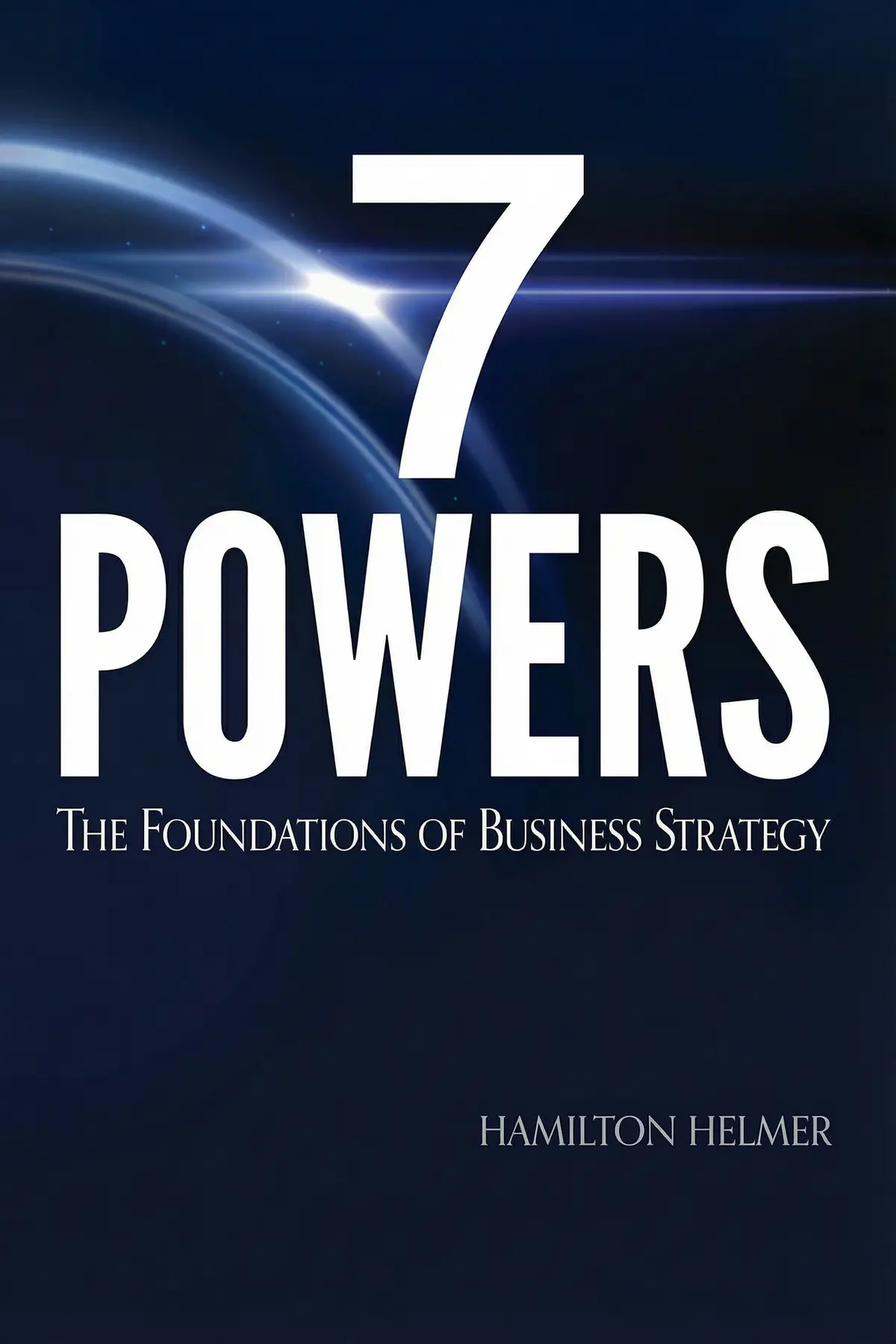
7 Powers: The Foundations of Business Strategy
Hamilton Helmer

A Bigger Prize: How We Can Do Better Than the Competition
Margaret Heffernan
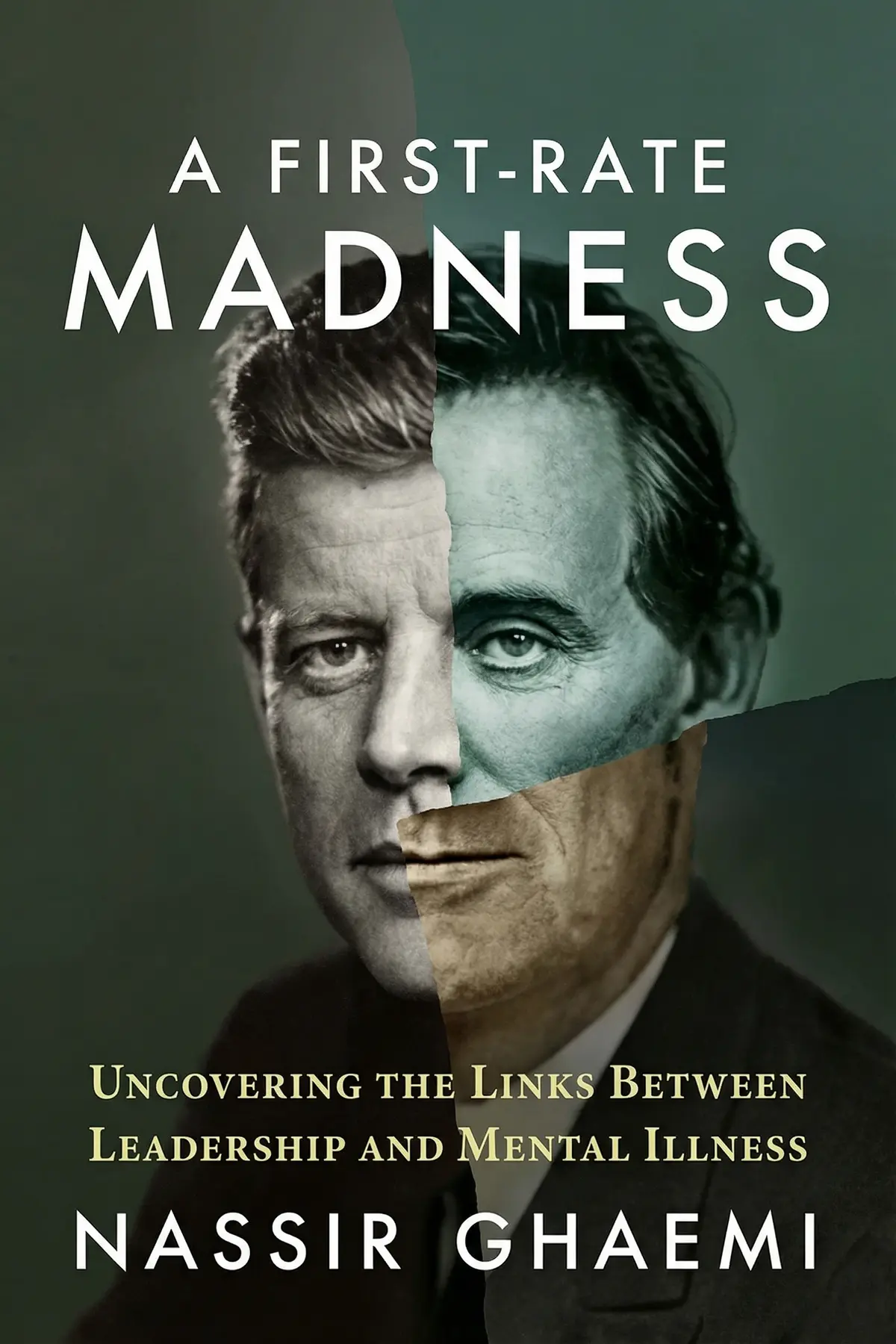
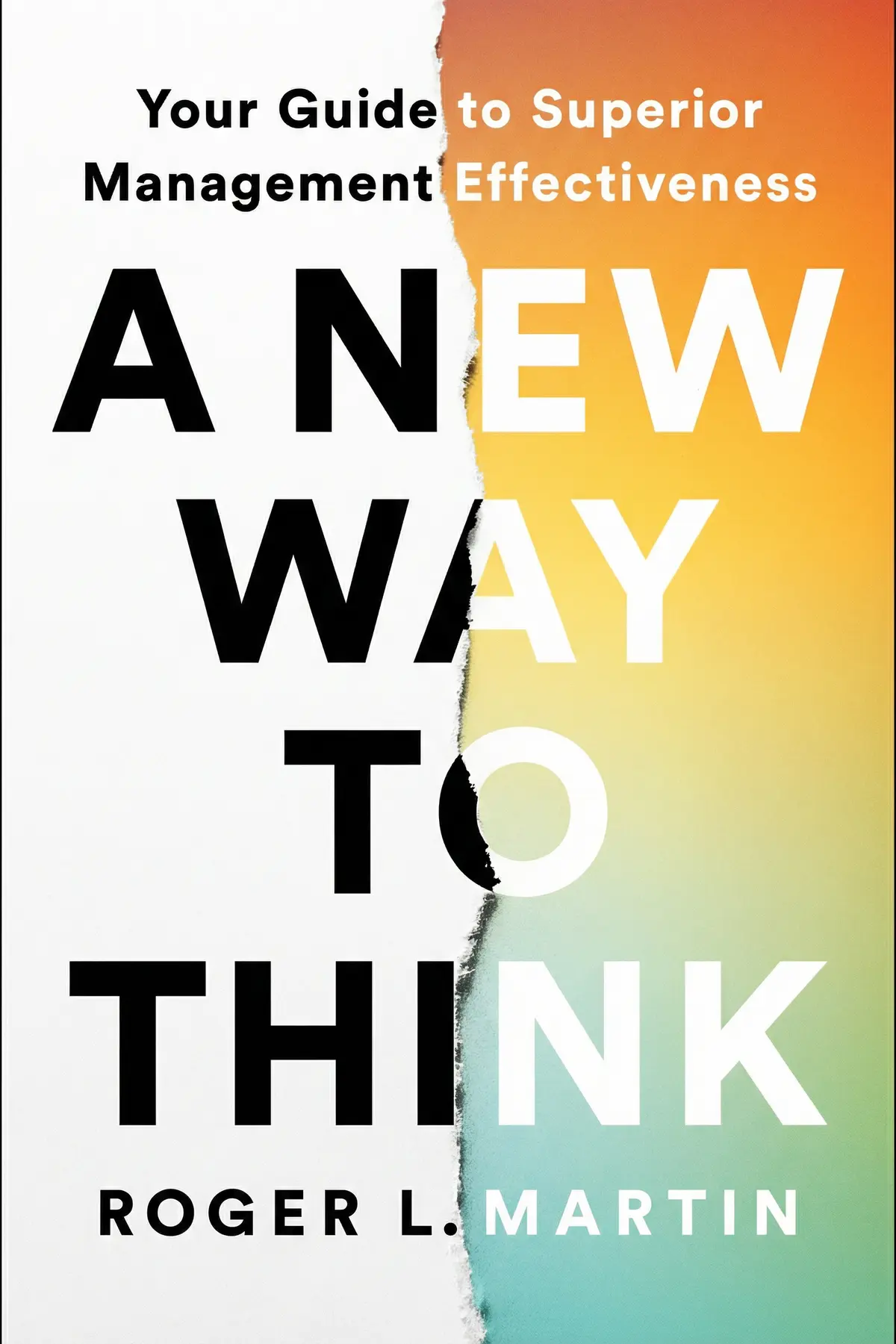
A Year with Peter Drucker: 52 Weeks of Coaching for Leadership Effectiveness
Joseph A. Maciariello

AUDIO SUMMARY AVAILABLE
Listen to Welcome to Management in 15 minutes
Get the key ideas from Welcome to Management by Ryan Hawk, plus 5,000+ more titles in English and Thai.
- 5,000+ titles
- Listen as much as you want
- 7-day free trial
- Cancel anytime







