
20 min 19 sec
Welcoming the Unwelcome: Wholehearted Living in a Brokenhearted World
By Pema Chödrön
Pema Chödrön explores how to transform life's inevitable challenges and discomforts into opportunities for spiritual growth, teaching us to embrace vulnerability and cultivate compassion in an increasingly divided and unpredictable world.
Table of Content
1. Introduction
1 min 53 sec
It is perhaps the most fundamental human instinct: when something hurts, we pull away. When life feels chaotic, we scramble for a sense of control. Most of us spend our entire lives building walls, trying to curate a world where we only experience the pleasant, the predictable, and the comfortable. We avoid the ‘unwelcome’—those sharp stings of rejection, the heavy fog of sadness, or the jittery edge of anxiety. But what if our persistent habit of running away is actually the very thing that keeps us from feeling truly alive?
In the following minutes, we are going to explore a radical alternative presented by Pema Chödrön. Instead of pushing away the difficult parts of life, we are invited to lean into them. This isn’t about some form of spiritual masochism; it’s about a profound path of awakening called bodhicitta. This ancient Buddhist concept refers to the cultivation of an open heart and a clear mind, fueled by the desire to alleviate the suffering of others.
We’ll see how our modern tendency to label things as ‘good’ or ‘bad’ actually traps us in a cycle of judgment and isolation. We’ll look at why our ego struggles so hard against the reality of change, and how we can find a strange, beautiful freedom in moments where the ground seems to fall out from under us. Chödrön offers us a map for a lifelong journey—one that doesn’t promise a life without pain, but rather a life where pain is transformed into wisdom.
Through practical breathing exercises and shifts in perspective, we will learn how to plant seeds of kindness in the middle of our own personal storms. This journey is about moving toward wholeness in a world that often feels broken. It is about discovering that within every feeling of failure or loneliness, there is an opening. By the end of this summary, you’ll have a new set of tools to face your vulnerabilities not with fear, but with a sense of brave, compassionate curiosity.
2. The Commitment to Awake
2 min 27 sec
True enlightenment begins with the brave decision to stop running from your own heartbreak and instead use it as a catalyst for serving others.
3. Dissolving the Labels of Polarization
2 min 53 sec
Discover how the simple act of labeling our experiences as ‘good’ or ‘bad’ creates a wall of judgment that separates us from reality.
4. Befriending the Ego and the Ordinary
2 min 53 sec
While our ego fights for control and permanence, true wisdom lies in embracing the shifting, imperfect, and beautiful nature of the present moment.
5. The Freedom of Groundlessness
3 min 01 sec
When the structures of our lives collapse, we are faced with a profound emptiness that, while terrifying, offers a unique space for total transformation.
6. Expanding the Boundaries of Comfort
2 min 33 sec
True security isn’t found by staying safe inside our bubbles, but by gradually pushing our limits and learning to breathe through the pain of the world.
7. Practical Tools for the Path
2 min 50 sec
From the ‘good friend’ mindset to the LESR method, discover the daily practices that keep your heart open and your mind grounded.
8. Conclusion
1 min 49 sec
As we come to the end of this journey through Pema Chödrön’s teachings, the throughline becomes clear: our wholeness is not found by eliminating our brokenness, but by embracing it. The path of bodhicitta is a lifelong invitation to stay awake, even when we would rather sleep, and to keep our hearts open, even when we would rather shut them tight.
We have explored how our commitment to awakening allows us to use our own heartbreak as a source of service. We’ve learned to look past the labels that divide us and to find the ‘just like me’ connection with every human being. We’ve seen that the ego’s desire for permanence is a losing battle, and that true freedom lies in the groundless, changing nature of reality. Through practices like Tonglen and the LESR method, we now have concrete ways to transform our personal discomfort into universal compassion.
The big takeaway is that there are no ‘wrong’ feelings. Sadness, loneliness, and anxiety are not signs that you are doing life incorrectly; they are the very raw materials of enlightenment. They are the unwelcome guests who come to teach us how to be brave.
So, as you move back into your daily life, try to take one small step out of your comfort zone. When you feel a difficult emotion arising today, don’t reach for your phone or a distraction. Instead, take a breath. Locate the feeling in your body, stop the story you’re telling yourself about it, and simply remain there for a moment with kindness. Remember that you are not alone in your struggle. By welcoming the unwelcome in yourself, you contribute to a more compassionate and open world for everyone. This is how we live wholeheartedly in a brokenhearted world—one breath, one brave moment at a time.
About this book
What is this book about?
Life is often defined by our attempts to avoid pain, yet true peace comes from moving toward the very things we fear. In this summary, we explore the core teachings of Pema Chödrön’s guide to wholehearted living. The narrative moves through the Buddhist concept of bodhicitta—the awakening of the heart and mind—showing how heartbreak, failure, and groundlessness are not obstacles, but essential doorways to a more compassionate existence. You will learn practical techniques for staying present during emotional storms, such as the Tonglen breathing practice and the LESR method for navigating discomfort. The book promises a shift in perspective: from seeing the world in polarizing terms of 'us' versus 'them' to recognizing a shared human experience. By expanding our comfort zones and embracing the beauty of the ordinary, we can find a sense of completeness that does not depend on external circumstances. This is a journey toward bravery, where the goal isn't to eliminate unwanted feelings, but to welcome them with curiosity and kindness.
Book Information
About the Author
Pema Chödrön
Pema Chödrön is a renowned figure in the world of contemporary Buddhism. Before her spiritual transition, she worked as an elementary school teacher. Her path eventually led her to study under the guidance of the influential guru Chogyam Trungpa Rinpoche. Her commitment to her faith reached a milestone in 1981 when she traveled to Hong Kong to become a fully ordained Buddhist nun. Since then, she has dedicated her life to the instruction and promotion of Tibetan Buddhist monasticism, teaching students across the United States and Canada.
Ratings & Reviews
Ratings at a glance
What people think
Listeners find this work both perceptive and easy to grasp, applauding its deep insights and its capacity to transform one’s mindset. They value the empathetic outlook it provides for others and oneself, while one listener highlights its ability to quiet the mind. Listeners characterize the book as exquisite and polished, with one remarking that it feels especially pertinent to the present time.
Top reviews
Gabriel
Finally got around to reading this latest gem from Pema Chödrön, and it’s exactly what my frazzled brain needed right now. She has this uncanny ability to take complex Buddhist concepts and strip them down into something that feels deeply human and accessible for the average person. I particularly loved the section on 'basic goodness' and how we often ignore the mud while searching for the lotus. It’s a beautiful reminder that our failures aren't just obstacles; they are actually the very ground where we can start to cultivate real courage. To be fair, some of the concepts felt a bit repetitive if you’ve followed her work for years, but the reminders are still vital. It’s less of a step-by-step manual and more of a companion for when you feel like you're losing your footing. This book helped me shift my mentality from resisting my anxiety to actually sitting with it and saying, 'Oh, this again.'
Show moreBam
Wow. This book hit me at the perfect time, providing a quiet space to reflect on how I’ve been running away from my own discomfort for years. Chödrön’s prose is incredibly soothing, yet she doesn’t shy away from the hard truth that resilience requires us to stay present when things are falling apart. I’ve read a lot of her earlier work, and while this covers some familiar ground, the focus on our current global 'brokenheartedness' felt very timely. The 'just like me' practice has already helped me feel less isolated in my daily stresses. It's fascinating how a few simple shifts in perspective can quiet the mind so effectively. Personally, I think this is a must-read for anyone who feels overwhelmed by the news cycle or their own internal critic. It’s a short read, but I found myself pausing after every few pages just to let the wisdom sink in.
Show moreLeo
Ever wonder how to handle a world that feels like it’s falling apart? Pema Chödrön suggests that instead of building walls, we should lean into the pain and use it as fuel for compassion. This book is a masterclass in how to be 'wholeheartedly' present, even when everything inside you wants to check out. I loved the emphasis on how 'beginning with a broken heart' is the only way to truly awaken our bodhichitta. It’s a very compassionate approach to the self; she encourages us to be patient as we try to rewire our defensive habits. The book is short, but the depth of the insight is staggering if you actually take the time to practice the exercises. I found it particularly helpful for quieting that constant 'us vs. them' narrative that seems to be everywhere lately. A truly beautiful and well-written guide for the modern era.
Show moreDivya
This book is like a deep breath in a crowded room. Pema Chödrön has a way of cutting through the noise and getting straight to the heart of why we suffer: our own resistance to what is happening right now. I was especially struck by the idea that we can change the world simply by changing how we perceive our own 'disorganized kitchens.' It’s such a simple metaphor, yet it carries so much weight when you apply it to your relationships and your work. Not gonna lie, some of the more flowery bits were a little much for me, but the practical advice on pausing before reacting to a craving or a resentment was spot on. It’s helped me recognize the basic goodness in people I previously found impossible to deal with. This is easily one of the most insightful books I’ve read all year.
Show moreElla
Look, I’m no expert on mindfulness, but this resonated with me in a way very few self-help books ever do. I’ve always been someone who tries to avoid problems until they explode, so the premise of 'welcoming the unwelcome' was a bit of a shock to my system. Chödrön explains that by avoiding the things we fear, we actually cause ourselves more long-term pain than if we just sat with the discomfort for a while. The 'just like me' exercise is so simple yet so incredibly effective at breaking down the walls we build between ourselves and others. Frankly, I think everyone should read this just to get a better handle on how to live in a polarized society without losing their mind. It’s insightful, easy to understand, and filled with the kind of wisdom that stays with you long after you close the cover.
Show moreAstrid
Not what I expected for a 'how-to' guide, as many of the instructions are quite abstract and require a bit of mental gymnastics to actually apply. However, Chödrön’s warmth shines through every page, especially when she shares those vulnerable anecdotes about her own struggles with ego and perfectionism. The story about her trying to secretly reorganize the abbey kitchen at night made me laugh out loud because I’ve been that person so many times. It's refreshing to see a spiritual teacher admit to being petty or obsessed with order. While some of the flowery language can get a bit 'self-help-y' for my taste, the core message about widening our circle of compassion is undeniable. The 'just like me' meditation is a game-changer for someone like me who gets easily irritated by strangers in traffic or long lines. It’s not a perfect book, but it’s a necessary one.
Show moreAiden
As someone who usually avoids 'mindfulness' books because they feel too detached from reality, I found this surprisingly grounded and helpful. Pema doesn't tell you to just 'be happy' or ignore the pain of the world; instead, she argues that our broken hearts are actually the entry point to a more meaningful life. I really appreciated the focus on polarization and how we tend to dehumanize people we disagree with. The truth is, it’s much easier to stay in our comfort zones than to welcome the 'unwelcome' parts of our psyche. My only gripe is that some of the social justice references felt a little tacked on rather than deeply integrated into the teaching. Still, the practical exercises at the back of the book are much clearer than the theory in the earlier chapters. It’s a solid 4-star read for anyone trying to navigate these polarizing times with a bit more grace.
Show moreDao
The chapter on Chödrön’s kitchen struggle was worth the price of the book alone, providing a hilarious and humble look at how even a nun can be a control freak. It made the rest of the teachings feel much more attainable because she isn't speaking from a pedestal of perfection. She really dives into how we project our own internal chaos onto our surroundings, labeling things as 'disorganized' when the real mess is in our own minds. I'll admit, a few of the meditation instructions felt a bit 'poof, you're healed,' which can be frustrating for a total beginner who is looking for a more linear guide. If you can move past the occasional abstraction, there are some absolute nuggets of wisdom here about breaking old habits and brain patterns. It’s a gentle nudge to stop fighting reality and start working with it. I'd recommend it more for those who have a little experience with meditation already.
Show moreMarasri
Picked this up during a particularly rough month and it acted as a sort of mental balm for my anxiety. Even though I’m coming at this from a Christian background, the Buddhist perspective on suffering and resilience was incredibly compatible with my own faith journey. Chödrön writes with such a down-to-earth tone that you feel like you're just sitting across from a wise friend having a cup of tea. She doesn't judge the fact that we all have 'unwelcome' thoughts; she just teaches us how to host them without letting them take over the house. Some of the chapters felt a bit like blog posts—short and a little disjointed—but the overall message is powerful. It’s a great reminder that facing adversity with courage is a skill we can actually build over time. Definitely a book I will keep on my nightstand for those days when I feel a bit lost.
Show moreRod
To be fair, I really wanted to love this because 'When Things Fall Apart' was such a foundational book for me, but this one felt a bit light. It seemed like the author touched on major issues like systemic oppression and climate change but didn't really grapple with them in a way that felt satisfying or deep. At times, the advice felt like spiritual bypassing—telling someone to just 'have compassion' for perpetrators of violence feels a bit hollow when you’re dealing with real-world trauma. The instructions were also quite vague; I often felt like I was being told to 'just let go' without being given the actual tools to do so. There are definitely some beautiful passages and the narrator did a decent job, but it lacked the visceral punch of her earlier writings. It’s a fine book for a quick dose of peace, but don't expect it to solve the bigger questions of our broken world.
Show moreReaders also enjoyed

A Return to Love: Reflections on the Principles of a Course in Miracles
Marianne Williamson
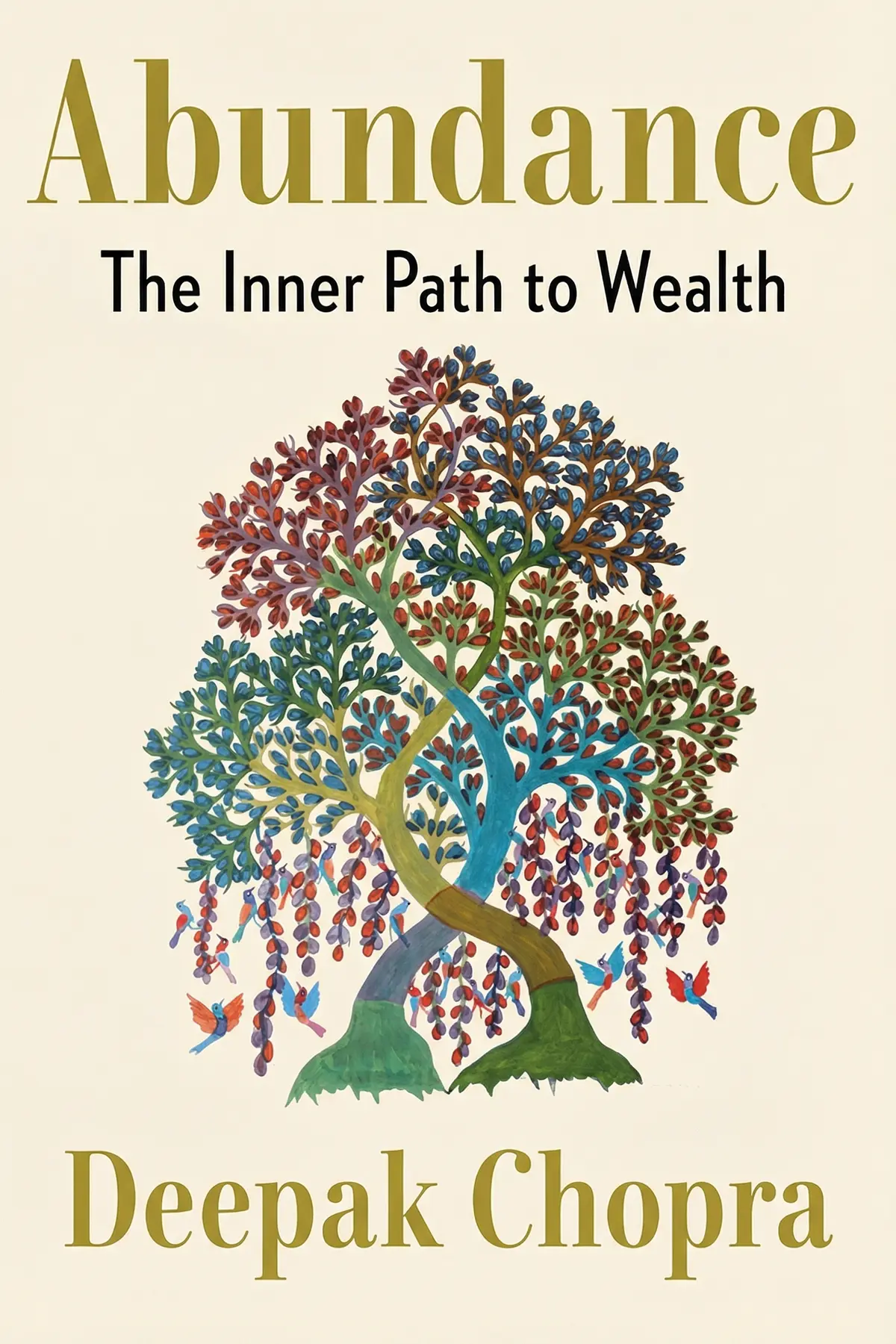
Abundance: The Inner Path to Wealth
Deepak Chopra
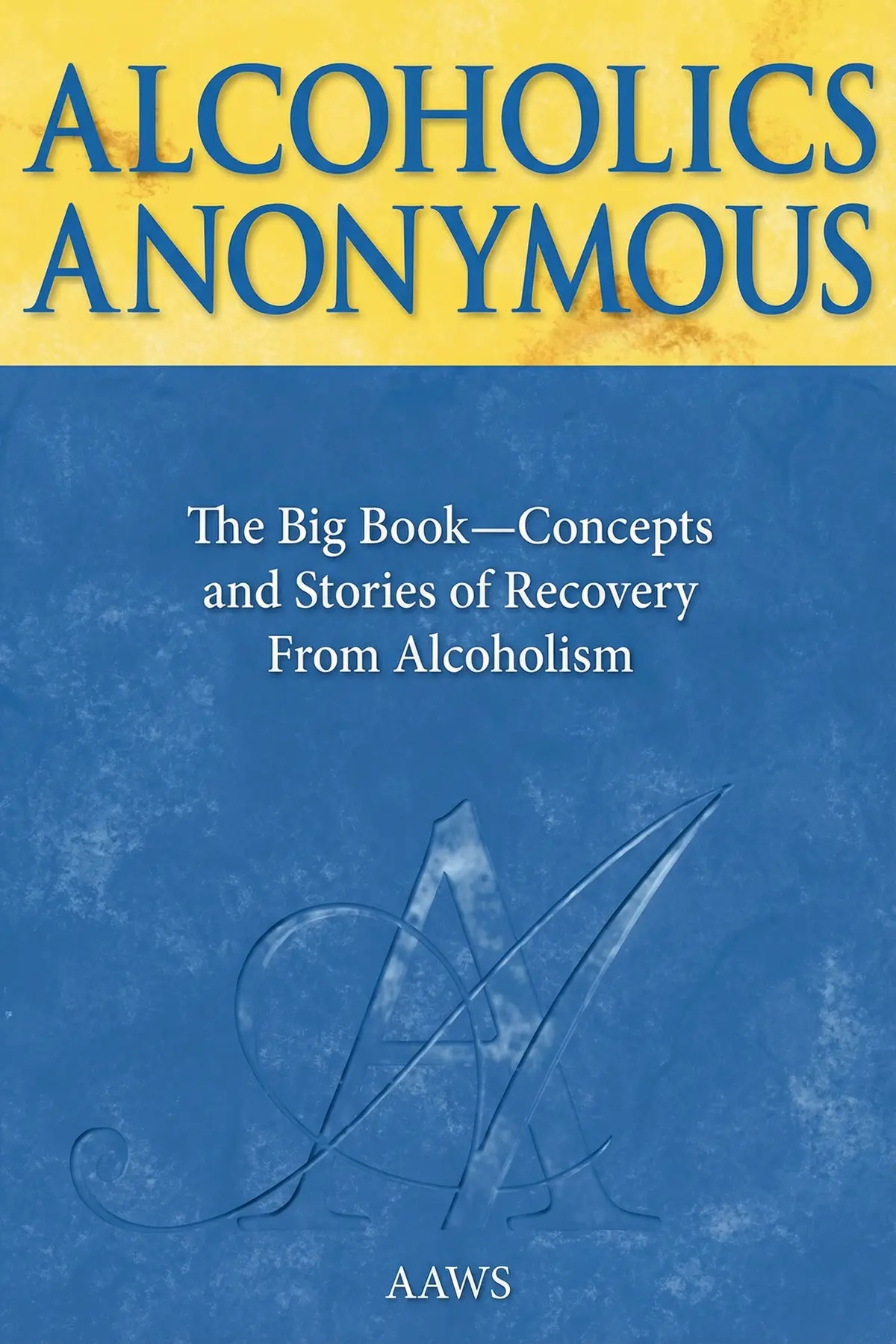
Alcoholics Anonymous
Alcoholics Anonymous World Services
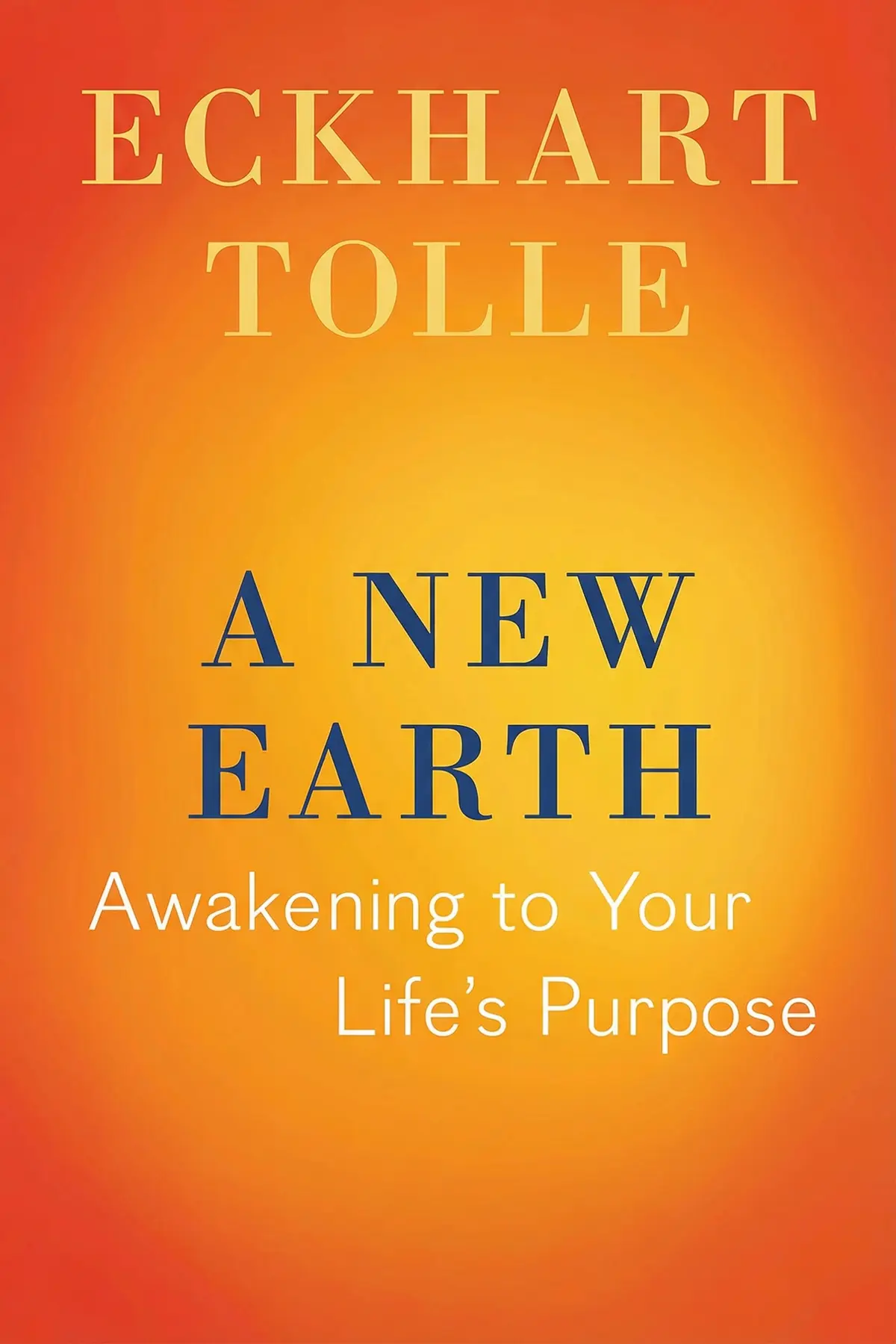
A New Earth: Awakening to Your Life’s Purpose
Eckhart Tolle
Aflame: Learning from Silence
Pico Iyer
A Force for Good: The Dalai Lama's Vision for Our World
Daniel Goleman
AUDIO SUMMARY AVAILABLE
Listen to Welcoming the Unwelcome in 15 minutes
Get the key ideas from Welcoming the Unwelcome by Pema Chödrön, plus 5,000+ more titles in English and Thai.
- 5,000+ titles
- Listen as much as you want
- 7-day free trial
- Cancel anytime







