
18 min 34 sec
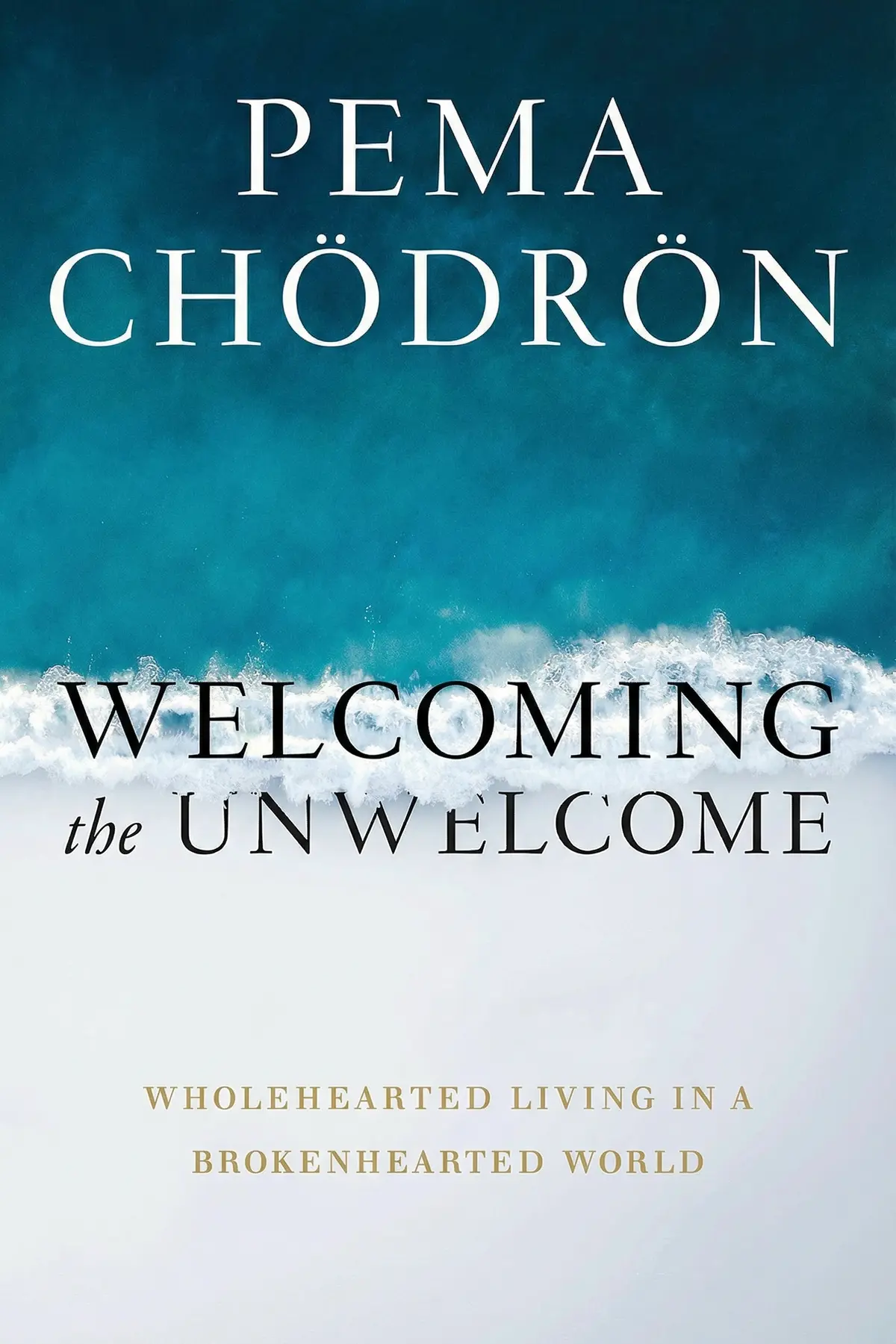
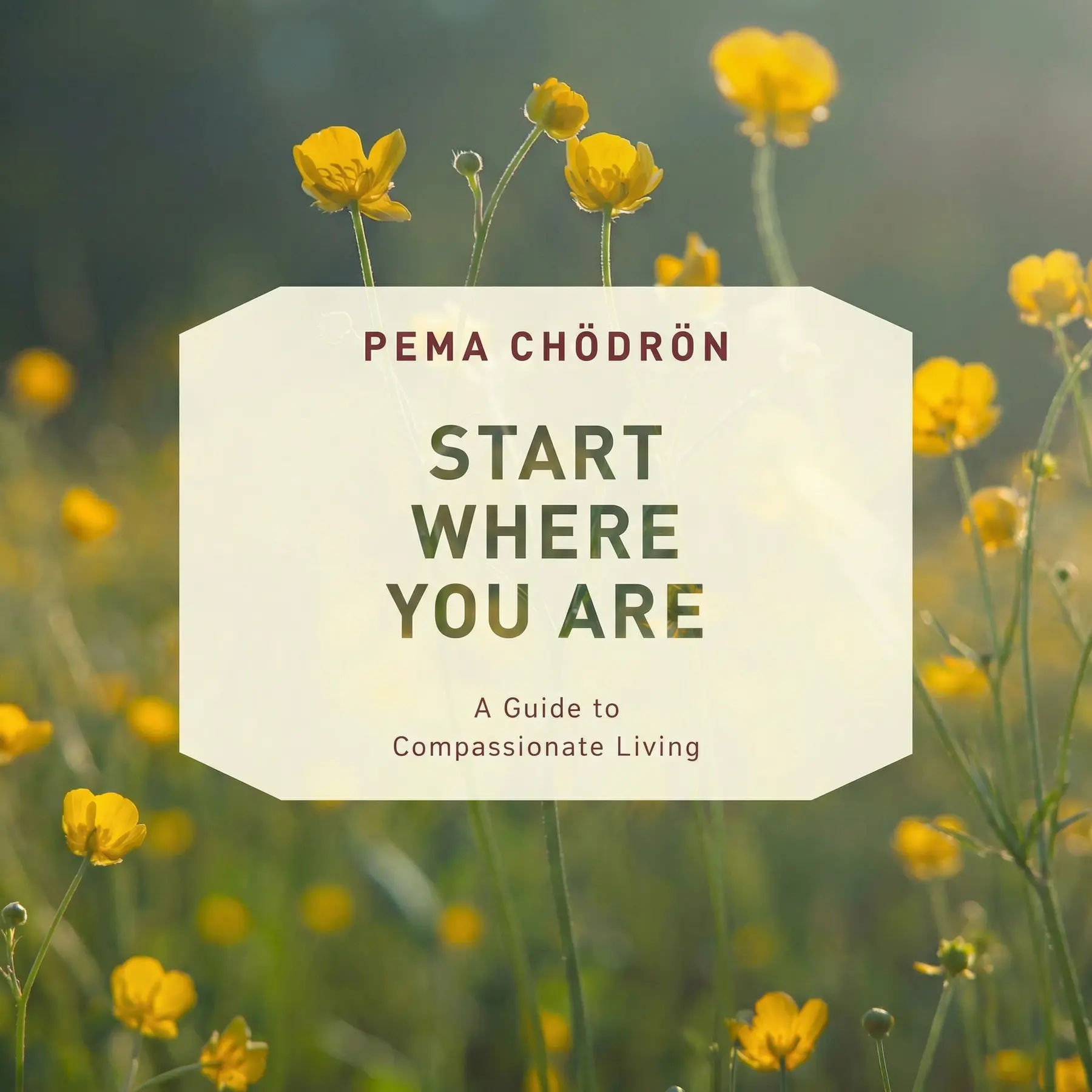
Start Where You Are: A Guide to Compassionate Living
By Pema Chödrön
A transformative guide to mindfulness that encourages embracing every aspect of the human experience. Learn to cultivate genuine compassion for yourself and others by turning life’s obstacles into paths for spiritual growth.
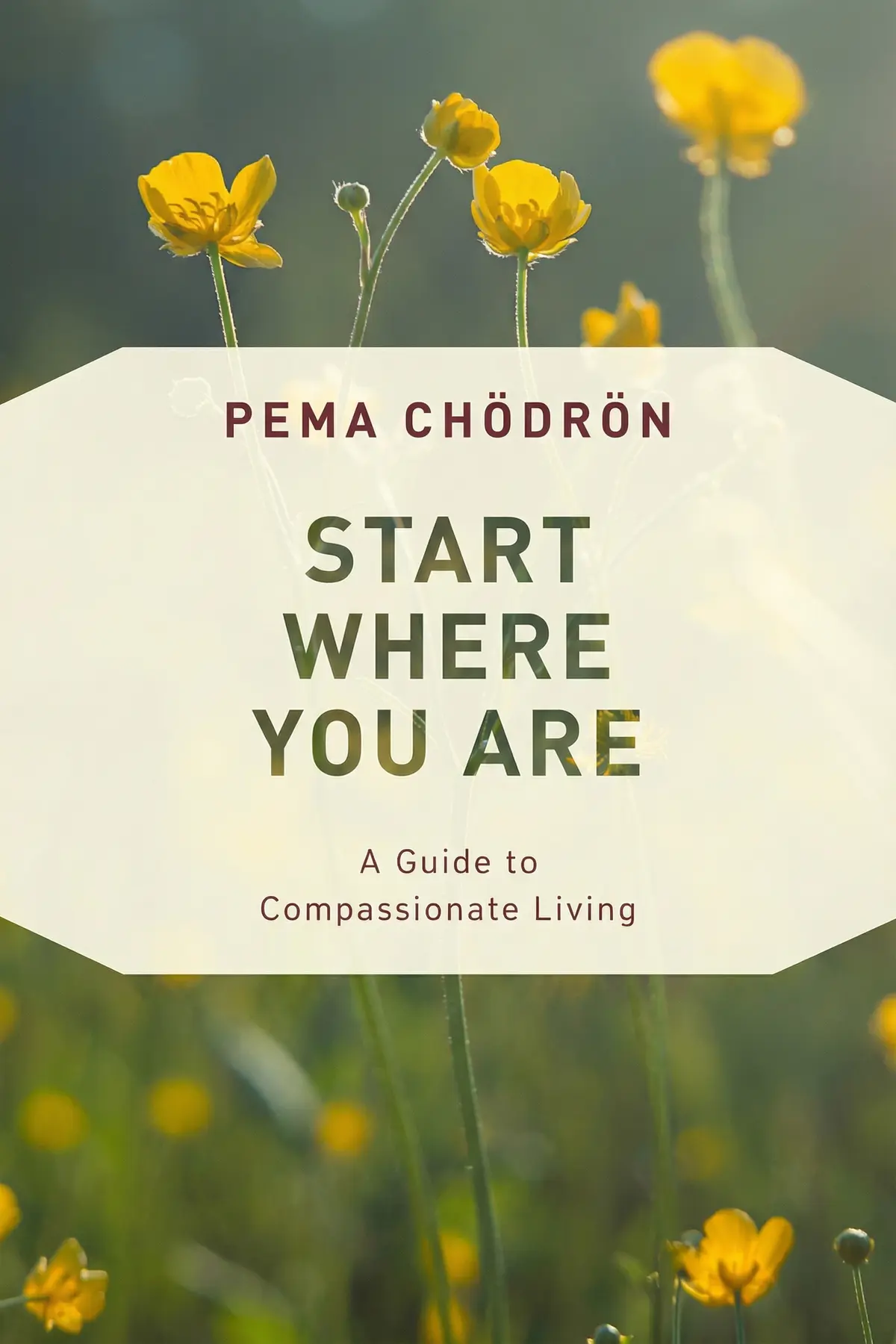
Table of Content
1. Introduction
1 min 20 sec
We often approach self-improvement with the idea that we are a construction project that is currently failing. We look in the mirror or reflect on our habits and think that once we lose the weight, get the promotion, or finally stop being so anxious, then we can truly begin our spiritual journey. But what if the starting line isn’t somewhere off in the distance? What if the mess you are in right now—the confusion, the irritation, and the heartbreak—is exactly what you need to move forward?
This is the core philosophy behind the teachings of Pema Chödrön. In this exploration of compassionate living, we are invited to stop running away from our lives and instead learn the art of staying put. We tend to spend our days as if we are trying to avoid a storm, but these insights suggest that the only way to find true tranquility is to learn how to stand in the rain without resentment.
Through the lens of Tibetan Buddhist practices, we will look at how meditation serves as a grounded anchor in the present moment. We will examine the counterintuitive idea that our weaknesses are actually our greatest assets and learn why the concept of emptiness is not a void to be feared, but a space of ultimate freedom. By the end of this journey, the goal isn’t to have changed into someone else; it’s to have become fully and compassionately acquainted with the person you already are. Let’s look at how we can begin this transformation by simply noticing the breath and the world around us.
2. Finding Stillness in the Present
2 min 22 sec
Uncover how the simple act of focusing on your breath can dismantle years of mental clutter and return you to the only reality that actually matters.
3. The Power of Play and Curiosity
2 min 03 sec
Learn why breaking out of your rigid daily routines and embracing a sense of humor is essential for a joyful and flexible spiritual life.
4. Embracing the Freedom of Emptiness
2 min 33 sec
Explore a liberating perspective on reality where the lack of fixed labels allows you to release anger and find peace in transition.
5. Using Suffering as a Tool for Growth
2 min 10 sec
Discover how the very emotions we try to avoid—pain, grief, and sorrow—can be the fertile soil that allows true compassion to bloom.
6. Befriending Your Inner Demons
2 min 08 sec
Instead of repressing your flaws, learn to welcome them. This unexpected approach can disarm your worst habits and lead to true self-acceptance.
7. Dropping the Weight of Your Personal Storyline
2 min 14 sec
Break free from the limiting identities you’ve built for yourself and discover the liberation that comes from being honest about your current state.
8. The Revolutionary Practice of Exchanging Self for Others
2 min 13 sec
Learn the ancient technique of tonglen, a breathing exercise that flips your natural instincts upside down to build radical empathy.
9. Conclusion
1 min 31 sec
In the end, the journey toward a compassionate life doesn’t lead us to a mountaintop or a distant sanctuary. It leads us right back to where we started, but with a completely different perspective. We’ve explored the idea that meditation isn’t about clearing the mind, but about befriending it. We’ve seen that our most difficult emotions and our most embarrassing flaws are not obstacles to be removed, but the very materials we use to build a resilient and joyful life.
By embracing the concept of emptiness, we’ve learned to let go of the rigid labels that cause us so much anger and grief. By dropping our fixed storylines, we’ve discovered the freedom to be authentic in every moment. And through the practice of tonglen, we’ve found a way to turn our individual suffering into a bridge that connects us to all of humanity. Pema Chödrön’s message is ultimately one of radical hope: you don’t need to wait for a better version of yourself to appear. You have everything you need right now.
As you move back into your daily life, try to carry this sense of ‘staying’ with you. When things get difficult, don’t immediately reach for a distraction. Instead, breathe. Notice the discomfort. Label the thoughts. And if you find a moment of genuine happiness, don’t try to hoard it. Imagine breathing that joy out into the world, offering it to someone who might be struggling today. By starting exactly where you are, you turn every moment of your life into a path toward peace. The journey isn’t always easy, but as we’ve seen, the messiness of being human is exactly where the wonder begins.
About this book
What is this book about?
Have you ever felt that you need to be a better, more polished version of yourself before you can truly engage with spiritual practice? Start Where You Are challenges this common misconception, suggesting instead that our current struggles, imperfections, and painful emotions are the very tools we need for awakening. This summary explores the profound teachings of Pema Chödrön, a renowned figure in Tibetan Buddhism, who provides a practical roadmap for compassionate living. You will discover how to use meditation not as an escape from reality, but as a way to dive deeper into the present moment. The guide introduces essential techniques like shamatha-vipashyana and the practice of tonglen, which help dismantle the walls we build around our hearts. By shifting your perspective on emptiness, pain, and your own personal narrative, you can develop a resilient sense of joy that isn't dependent on external circumstances. Ultimately, this work promises to show you how to find peace within your own chaotic life and extend that peace to a suffering world.
Book Information
About the Author
Pema Chödrön
Pema Chödrön serves as the resident teacher at Gampo Abbey, located in Nova Scotia. This institution holds the distinction of being the first Tibetan Buddhist monastery established in North America. Chödrön's path to leadership was historic; in 1981, she became the first American woman to receive full ordination as a nun, or bhikkhunī, within the Vajrayana tradition. Beyond her teaching duties, she has reached a global audience through several critically acclaimed books, including The Wisdom of No Escape and When Things Fall Apart, focusing on applying ancient wisdom to modern challenges.
Ratings & Reviews
Ratings at a glance
What people think
Listeners find this work both practical and deep, emphasizing its utility for those who meditate and its capacity to build self-awareness. Furthermore, the material is simple to digest, with one listener sharing that they took their time reading to ensure they absorbed everything. The audience also enjoys the author's prose and persona; one listener characterizes Pema Chodron as a star, while another highlights the book as a wonderful resource for quieting busy lives.
Top reviews
Supachai
Finally got around to reading this classic, and it definitely lives up to the hype. I found myself reading just a few pages at a time because the insights into self-knowledge are so dense that you really need to let them marinate. Pema's writing style is just so accessible and warm; she feels like a wise aunt who isn't afraid to tell you the hard truths about your own ego. It’s a wonderful resource for anyone trying to quiet a busy life in a world that never stops moving. The way she frames the practice of 'loving-kindness' feels incredibly practical rather than just being some lofty, unattainable spiritual goal. If you are struggling with a lot of internal noise, this book provides the necessary tools to just sit and observe without judgment. It is truly an exceptionally good guide.
Show moreRin
Wow. This is the kind of book that you don't just read once; you keep it on your nightstand for years and open a random page whenever you feel like your world is spinning out of control. Pema Chödrön has this incredible way of speaking that engages your attention immediately, making even the most difficult concepts about the ego feel manageable. I loved the instruction to 'abandon hope of change,' which sounds depressing at first, but is actually the most liberating thing I've ever heard. It’s about being grateful for every situation because every single one of them has something to teach us if we are willing to listen. If you are looking for a way to develop a soft heart in a world that feels increasingly harsh, this is the resource you need.
Show morePrinya
Pema Chödrön is truly a master at taking these ancient, often intimidating Buddhist traditions and making them feel like something you can actually use while you're stuck in traffic. This book is exceptionally good at helping you lighten up and stop taking your own internal drama so seriously. I particularly appreciated the section on Tonglen practice, even if she doesn't spend a ton of time on the technicalities, because it shifts the focus from 'me' to 'we.' It is a fascinating combination of gentle care for oneself and the painful challenge of facing our own flaws. I've already started my second reading because there is just too much to absorb in one go. Highly recommended for anyone needing to quiet a busy mind.
Show moreSuvannee
Ever wonder why it’s so hard to just be okay with who you are? This book dives deep into that question without being overly academic or dry. Pema manages to be funny and profound at the same time, which is a rare feat in this genre. I found the advice to 'rest in whatever you meet unexpectedly' to be a total game-changer for my daily anxiety. It’s not just about meditating on a cushion; it’s about how to have patience with yourself when you’re failing or feeling unkind. Not gonna lie, some of the challenges she presents are painful to sit with, but they are necessary for any real growth. A truly insightful and practical guide for the modern soul.
Show moreMai
As someone who usually gravitates toward the simplicity of Thich Nhat Hanh, I found this particular volume a bit more challenging than I anticipated. Chödrön focuses heavily on the Atisha slogans, which can feel a bit repetitive or even confusing if you aren't familiar with the specific cultural context she's drawing from. To be fair, she does an admirable job trying to frame these ancient teachings for the Western mind, but some sections still felt like a bit of a slog. That said, her advice on working with ourselves in order to help others is profound and makes the denser parts worth the effort. It’s not necessarily a book for a total beginner to Buddhism, but for those with some practice, it offers a fascinating combination of gentle care and painful challenges.
Show morePreeda
This book is a bit of a paradox because while it is titled 'Start Where You Are,' it doesn't actually feel like a 'Step 1' guide for the uninitiated. Personally, I would be much more inclined to recommend 'When Things Fall Apart' to a friend who is completely new to these concepts. The lack of detailed explanation on some of the more advanced Buddhist practices makes it difficult for a new practitioner to really grasp the wisdom she's sharing. However, the core message about making friends with ourselves and leaning into our discomfort is undeniably valuable. Pema is a star when it comes to her unique personality and humor, which shines through even in the more confusing chapters. It’s a solid 4-star read, but maybe don't make it your very first foray into Dharma.
Show moreLucas
The chapter on training whole-heartedly was where everything finally clicked for me. While I found the constant 'slogans' a bit annoying at first, I eventually realized that they act as mental anchors during the day. In my experience, most spiritual books focus so much on the 'sitting' part of meditation that they forget to tell you how to live your life when you're off the cushion. Pema fills that gap by showing how to label our thoughts and observe our reactions in real-time. It’s a very practical approach to self-knowledge, even if the tone feels a bit repetitive in the middle sections. I did find some of the instructions a little sparse, but the overall impact of the book is definitely positive for anyone's practice.
Show morePlernpiriya
Look, I’m not saying this book isn't brilliant, but you definitely have to be in the right headspace to appreciate Pema's style. She writes with a wonderful personality that makes the medicine go down easier, yet the 'slogans' can feel like they are coming at you a bit too fast. I loved the core message: we work on ourselves to help others, and we help others to work on ourselves. That single statement justified the entire purchase for me. Still, I wish there was more context for some of the deeper teachings, as it felt like she assumed I knew more about Tibetan Buddhism than I actually do. It’s a great resource, just be prepared to do a little outside research if you’re a novice.
Show moreNarong
Truth is, I picked this up because I heard she frames her teachings specifically for the western mind, and for the most part, that holds true. Her tone is very 'normal human person' compared to a lot of other gurus out there, which makes the whole process of 'making friends with ourselves' feel possible. I did find the structure a little loose, and some of the mantras felt like they were just overcomplicating simple truths about breathing and observation. However, the value for meditators here is immense, especially regarding how to handle the thoughts we've labeled as 'bad' or 'distracting.' It’s a book that encourages you to train whole-heartedly without the pressure of having to be perfect. Definitely worth a spot on the shelf next to the classics.
Show moreJom
Not what I expected at all given the glowing recommendations I’ve seen everywhere. After finishing Dan Harris's 10% Happier, which felt very grounded and relatable, this book just reeked of what I'd call 'frou frouness.' I understand that she is trying to teach Metta, but the constant introduction of 'another slogan' without enough surrounding context made the whole experience feel disjointed. Why are there so many specific mantras to memorize? To be honest, it felt like a repetitive cycle of the same three ideas over-complicated by jargon that didn't help me actually meditate better. It’s clearly a beloved book for many, but for a practical-minded person, it felt like a slog of sameness that didn't offer the clarity I was looking for.
Show moreReaders also enjoyed
A Force for Good: The Dalai Lama's Vision for Our World
Daniel Goleman
A Return to Love: Reflections on the Principles of a Course in Miracles
Marianne Williamson
Abundance: The Inner Path to Wealth
Deepak Chopra
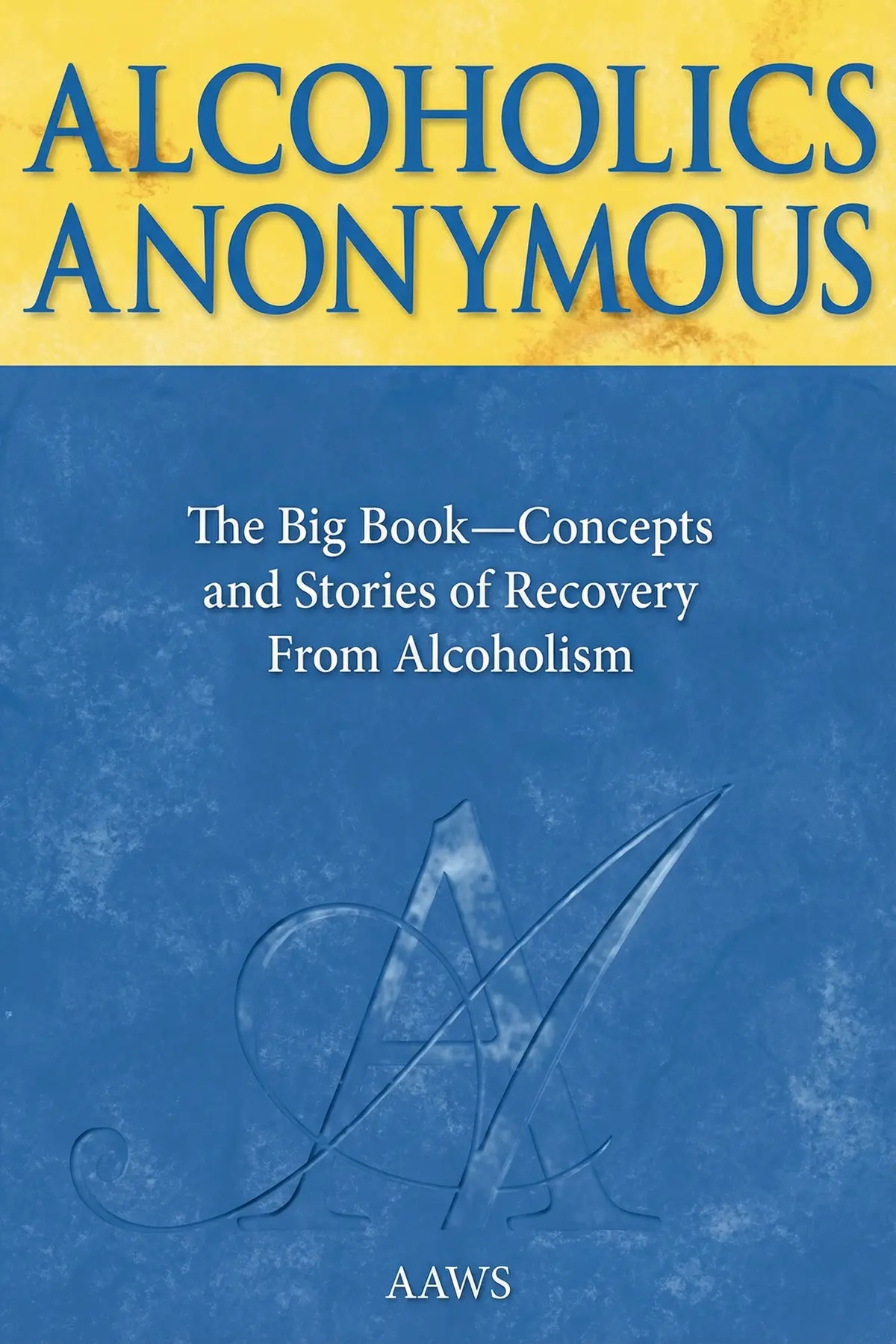
Alcoholics Anonymous
Alcoholics Anonymous World Services
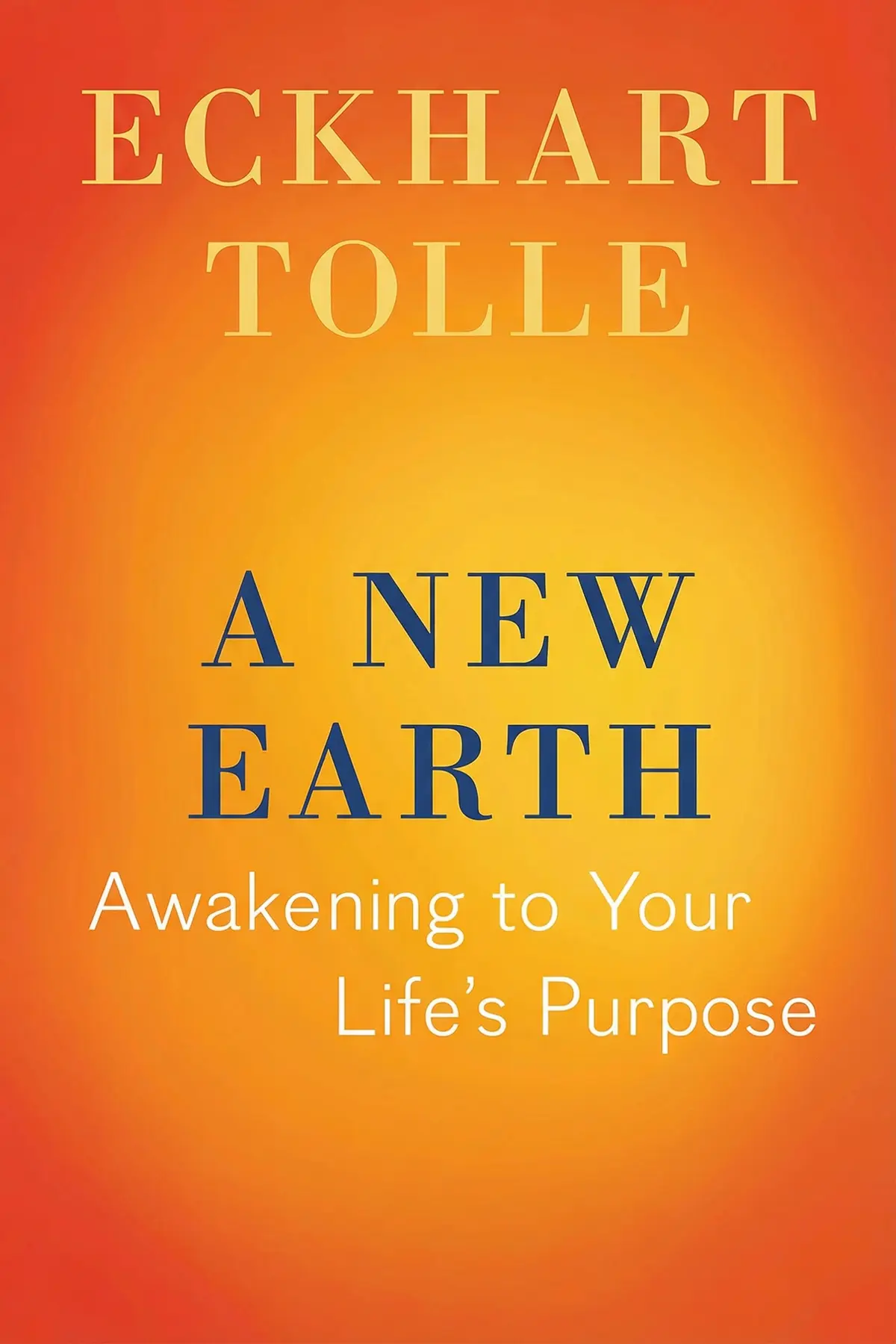
A New Earth: Awakening to Your Life’s Purpose
Eckhart Tolle
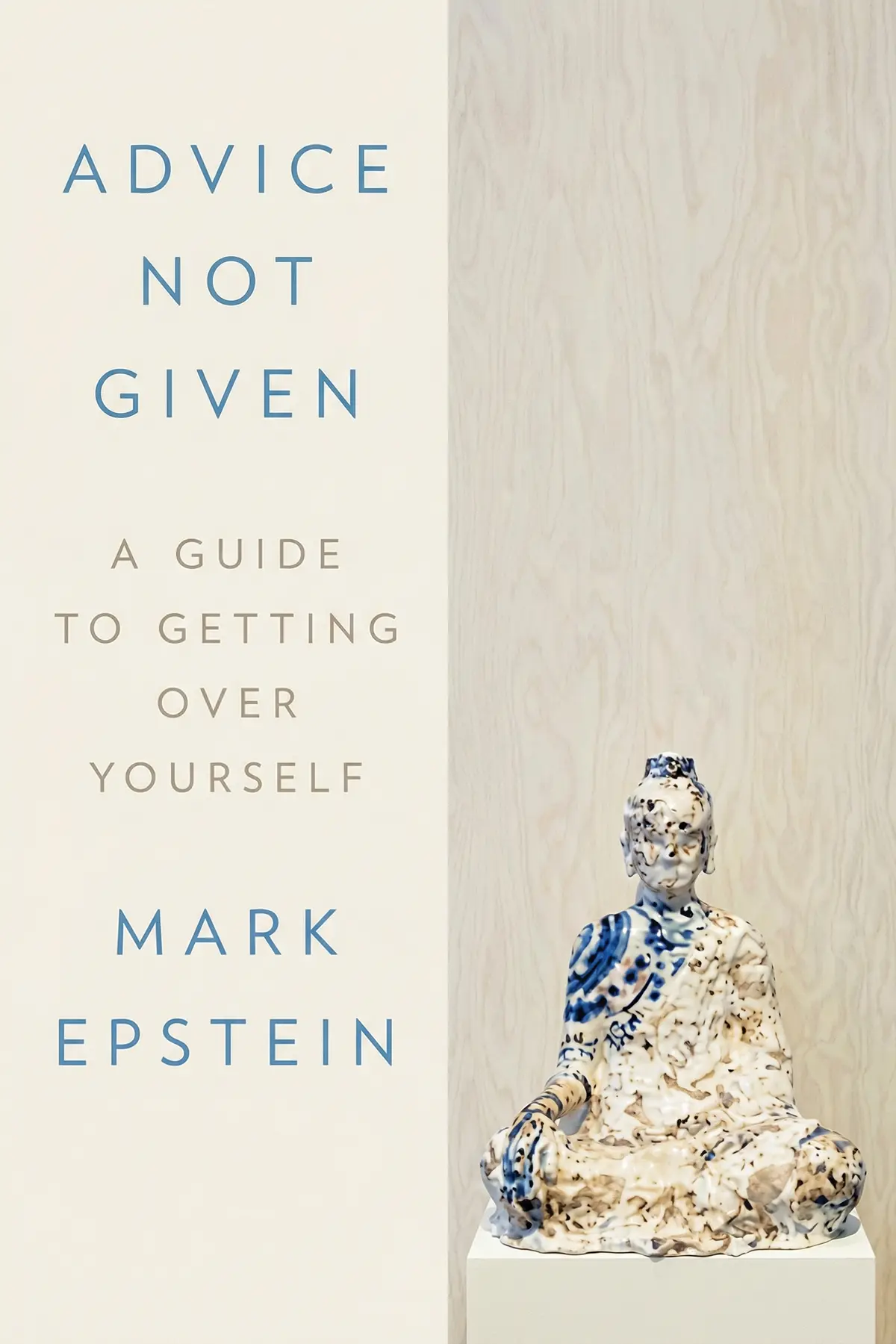
Aflame: Learning from Silence
Pico Iyer
AUDIO SUMMARY AVAILABLE
Listen to Start Where You Are in 15 minutes
Get the key ideas from Start Where You Are by Pema Chödrön, plus 5,000+ more titles in English and Thai.
- 5,000+ titles
- Listen as much as you want
- 7-day free trial
- Cancel anytime







