
17 min 12 sec
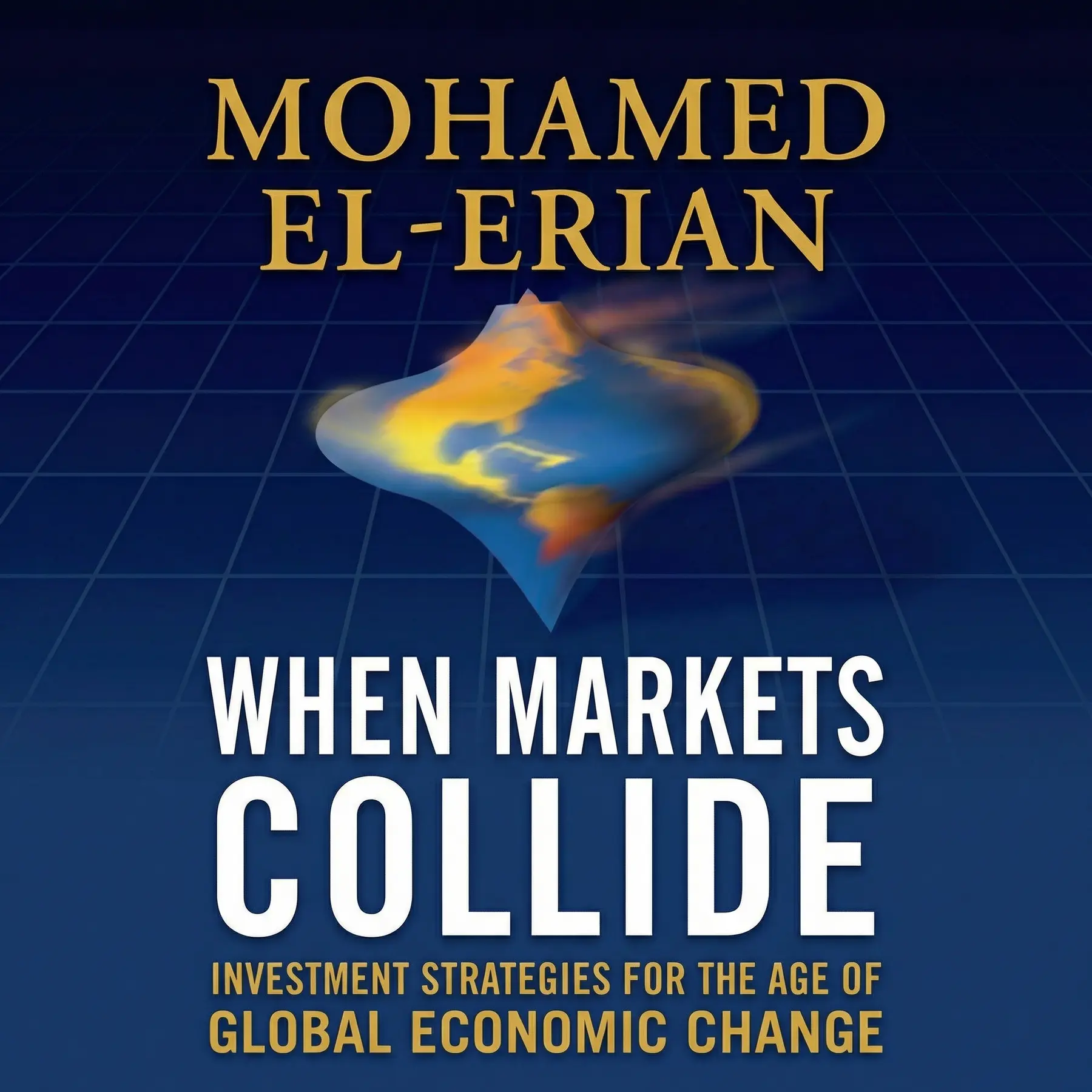
When Markets Collide: Investment Strategies for the Age of Global Economic Change
When Markets Collide explores the shifting global economic landscape and provides strategic insights for investors. It details how to adapt to systemic changes, overcome behavioral biases, and build resilient portfolios in an era of uncertainty.
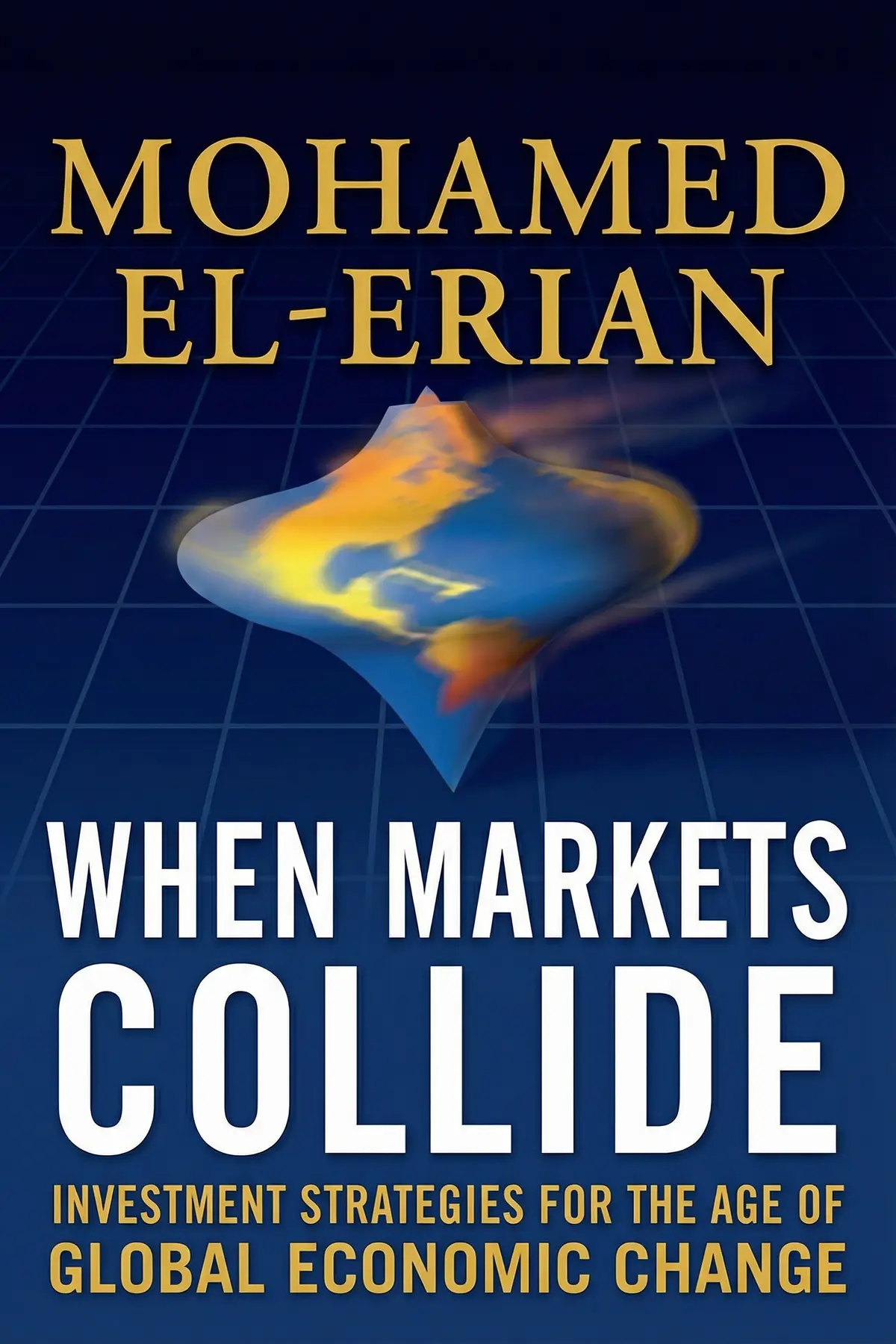
Table of Content
1. Introduction
1 min 45 sec
Imagine you are embarking on a long journey through a landscape that is being reshaped in real-time. The landmarks you once relied on are disappearing, and new, powerful forces are moving the very ground beneath your feet. For decades, the global economy followed a predictable script dominated by a few major powers and established financial rules. But today, we find ourselves at a historical crossroads—a collision point where old systems are crashing into a new, complex reality.
This transformation isn’t just a minor adjustment; it is a fundamental shift in how the world works. Rising economic powers are asserting their influence, financial innovations are creating both opportunity and chaos, and the traditional ways we measure risk and reward are being challenged like never before. If you feel like the investment strategies that worked ten years ago are no longer delivering the same results, you aren’t alone. The map of the financial world has changed, and using an outdated version is a recipe for getting lost.
In this exploration of Mohamed El-Erian’s insights, we are going to look at how to navigate this period of intense global economic change. We’ll move past the daily noise of the news cycle to understand the deeper structural shifts at play. We will examine why markets sometimes stop functioning rationally and how you can spot the hidden opportunities that these disruptions create. More importantly, we’ll dive into the human element of investing—the psychological traps that lead even the most brilliant minds astray.
The goal here is to establish a clear throughline: success in a volatile world requires a combination of structural discipline, psychological awareness, and the courage to look beyond traditional asset classes. By the end of this journey, you’ll have a better understanding of how to build a portfolio that isn’t just defensive, but is actively positioned to thrive when markets collide.
2. The Collision of Global Economic Systems
2 min 07 sec
The global financial map is being redrawn as emerging powers challenge the old guard. Discover why traditional investment models are struggling to keep up with this systemic shift.
3. Information Asymmetry and the Market for Lemons
2 min 18 sec
When investors can’t trust the data, markets can freeze entirely. Learn how the theory of the ‘lemon’ explains modern financial crises and reveals hidden value.
4. The Psychological Architecture of Financial Failure
2 min 13 sec
Your brain isn’t naturally wired for the stock market. Explore how ancient biological impulses lead to modern investment mistakes and how to override them.
5. The Discipline of Long-Horizon Asset Allocation
2 min 14 sec
What if you couldn’t touch your portfolio for three years? Discover why a long-term mindset is the ultimate defense against short-term market chaos.
6. The Strategic Role of Real Assets in an Inflationary Age
2 min 28 sec
Traditional stocks and bonds may not be enough to protect your wealth. Learn why real assets like infrastructure and commodities are becoming essential.
7. Guarding Against the Dangers of Investment Hubris
2 min 24 sec
Success is often the greatest threat to future performance. Discover why ‘manager risk’ and overconfidence are the silent killers of even the best portfolios.
8. Conclusion
1 min 43 sec
As we look back at the ground we’ve covered, the central theme is clear: we are living through a period of profound structural change that requires a total rethink of how we approach our finances. The ‘collision’ Mohamed El-Erian describes is not a one-time event, but an ongoing process of global reorganization. From the rise of new economic powers to the subtle ways our own brains sabotage our decisions, the challenges are significant. But as we have seen, these challenges are also the source of the greatest opportunities.
To thrive in this new environment, you must be more than just a passive observer of the markets. You need to be a student of both the global system and your own psychology. This means looking past the temporary noise to find the true signals. It means understanding the ‘market for lemons’ so you can buy with confidence when others are selling in fear. It means maintaining the discipline of a long-term asset allocation and protecting your wealth with real assets that can withstand the pressures of inflation.
Perhaps most importantly, it means staying humble. In a world where even the most established maps are being redrawn, the most valuable asset you have is your ability to adapt and learn. Don’t let past successes blind you to the changing reality of the present. By combining a deep understanding of structural trends with a disciplined, process-oriented approach, you can navigate the collision of markets not with fear, but with a clear sense of purpose. The world is changing, and while that change brings uncertainty, it also opens the door for those who are prepared to walk through it. Take these insights, build your framework, and stay disciplined as you navigate the fascinating, volatile landscape of the modern global economy.
About this book
What is this book about?
When Markets Collide provides a comprehensive framework for navigating the profound transformations currently occurring in the global economic landscape. The book moves beyond traditional investment advice to explore why the old rules of the game are no longer sufficient in an era of rapid globalization and shifting financial power. It examines how emerging economies are gaining influence, how financial innovations are changing market dynamics, and why the traditional Western-centric view of the world is increasingly outdated. The promise of this summary is to equip you with the mental tools needed to identify and profit from market dislocations. You will learn about the psychological traps that cause most investors to fail, such as overconfidence and herding behavior, and discover the importance of a long-term, structural approach to asset allocation. By understanding the market for lemons and the role of real assets, you can build a portfolio that is not only resilient to inflation but also positioned to capture opportunities that others overlook. This is a guide to thriving in a world where markets are increasingly interconnected and volatility is the new normal.
Book Information
About the Author
Mohamed El-Erian
Mohamed El-Erian is a renowned economist and investor who has held prestigious leadership roles at PIMCO and the Harvard Management Company. Before his work in private investment, he spent fifteen years contributing to global policy and capital markets at the International Monetary Fund. He is also the author of the best-selling book The Only Game in Town, which provides a deep dive into the world of central banks and market dynamics.
Ratings & Reviews
Ratings at a glance
What people think
Listeners find the work insightful, with one listener emphasizing its profound grasp of global economic dynamics. Furthermore, the author's writing style is well-regarded, and listeners consider it to be an engaging read. They also appreciate the clear explanations and find the material thought-provoking. One listener mentions it's worth the cover price, while another notes it generates significant domestic savings and investment.
Top reviews
Saowalak
Finally got around to reading this classic and it still holds up. While some argue that its 2008 publication date makes it old news, the underlying principles of market collision are timeless. El-Erian demonstrates a deep understanding of global economic dynamics that few peers can match. This book is fantastic because it forces you to think about how central bankers and policymakers influence the private sector in ways we often ignore. To be fair, you need to be intimate with financial terms to get the most out of it. The way he describes the inability of current systems to cope with sudden shifts is genuinely thought-provoking. It easily justifies the cover price for anyone serious about long-term strategy. It's a comprehensive guide to our "new normal."
Show moreMai
Wow, what an incredibly dense and rewarding journey. El-Erian brings his immense experience from the IMF and PIMCO to the table here. He avoids the supertechnical jargon of quants while still providing a deep, analytical framework for understanding equity and bond volatility. It’s a great compliment to Taleb’s work on systemic risk. I particularly appreciated the sections on how multinational policy channels affect domestic investment flows. Many reviews call it boring, but I found the level of detail necessary to truly grasp the shifts he’s describing. He does admit to some bad trades and miscues, which makes the book feel authentic and honest. If you are a student of finance, this should be required reading. He’s one of the smartest economists alive today.
Show moreOlivia
El-Erian provides a masterful look at the changing financial landscape. As someone who follows the bond market closely, I found his perspective on how the "old world" systems are breaking down to be incredibly insightful. The book was written right as the 2008 crisis was unfolding, which gives it a strange, prophetic energy that few other finance books capture. To be fair, it is a bit heavy on the technical side and his sentence structure can be quite convoluted at times. However, the deep understanding of how domestic savings and investment flows interact across borders is worth the cover price alone. It’s a thought-provoking read that pairs perfectly with Taleb’s "The Black Swan" if you want to understand tail risks.
Show morePacharapol
After hearing him speak on financial news channels, I decided to dive into this. It is a very thought-provoking book that rewards those who are willing to slow down and process the information. The chapter on risk management alone is worth the price of admission. I particularly loved his advice on listening for signals in the noise, which is a vital skill for any serious investor today. While it won a major award from Goldman Sachs, I can see why some find it dry. The author does have a tendency to toot his own horn regarding his time at the IMF and PIMCO. Still, the analysis of emerging economies provides a blueprint for understanding where global capital is moving next. It's dense, but the insights are substantial.
Show moreLadawan
Ever wonder how global policy shifts actually trickle down to your portfolio? This book attempts to answer that by looking at the parameters governing market behavior across national and multinational levels. Personally, I think the way El-Erian breaks down the divergence of macro indicators is brilliant. He captures the essence of global economic dynamics in a way that few others can. Not gonna lie, the prose is a bit clunky and sometimes feels like a GMAT exercise. But if you can look past the academic tone, you’ll find a wealth of information regarding domestic savings and the shifts in emerging markets. It’s a great companion piece to other modern economic texts. Definitely an interesting read for those with a bit of patience.
Show moreRod
Picked this up to better understand the regulatory environment. The book provides an insightful look at how concurrent adjustments in market parameters are necessary for the private sector to function correctly. El-Erian is spot on when describing the friction between different economic entities and their inability to cope with rapid change. Gotta say, the writing style is annoying and often feels like it was translated from a different language. However, the substance of his argument regarding the "new normal" and emerging economies is too important to ignore. It’s a bit technical and the tone is somewhat academic, but the conclusions he draws are vital for policymakers and fund managers alike. I'm glad I took the time to finish it. Even with its flaws, it offers a sophisticated perspective on the financial landscape.
Show moreThawee
The timing of this release makes it a fascinating historical artifact. Published right as the economy was imploding, it offers a real-time view into the mind of a top-tier economist. However, many of the specific descriptions and references now feel quite dated. Look, El-Erian is a brilliant man, but his writing is often too technical and lacks a certain engaging spark. I found myself skimming through the parts where he references the Lehman Index and his former boss, Bill Gross. On the positive side, his explanation of how markets collide and create new paradigms is still relevant today. It’s a solid three-star read that could have been much better if the editor had cut about fifty pages of fluff.
Show moreMatteo
Stretching your mind is healthy, but this was a real workout. A lot of the concepts here were honestly a little over my head at first. I had to go through several chapters twice just to grasp the relationship between the various financial players. El-Erian is clearly a live talking head for a reason—he knows his stuff inside and out. My main gripe is that he uses way too much jargon when simpler terms would have sufficed. The advice on distinguishing noise from actual market signals was the highlight for me. It’s not the most engaging book I’ve ever read, and parts of it are quite unpleasant due to the dry style. If you work in investment, you’ll love it; for everyone else, it’s a bit of a slog.
Show moreAhmed
Is this book supposed to be for everyone, or just the elite? I picked this up hoping for practical advice on navigating volatile markets, but it turned out to be boring, boring, boring. Compared to guys like David Swensen who make complex topics accessible, El-Erian seems trapped in a bubble of his own making. The truth is, the language is far too complicated for a general audience. He talks a lot about the "new normal," but the prescriptions feel dated now that we are well past the 2008 collapse. I struggled to finish this even after several attempts. It’s a shame because his career at the Harvard endowment is legendary, but his writing skills simply don't match his economic prowess.
Show moreTak
This was a chore to get through. Frankly, the writing style is so unnecessarily dense that it feels like El-Erian is deliberately trying to confuse the average reader. Unless you are a high-level fund manager at a place like PIMCO, the jargon becomes an impenetrable wall. I expected a lot more given his prestigious background at the IMF, but the "new normal" concepts were buried under mountains of dry, academic prose. It reads like a textbook for a GMAT prep course rather than a guide for actual investors. There is some value in how he explains global economic shifts, but you have to dig so deep to find it that the effort simply isn't worth the reward. I think one star is enough for this book.
Show moreFeatured in
Readers also enjoyed
23 Things They Don’t Tell You About Capitalism
Ha-Joon Chang
A Little History of Economics
Niall Kishtainy
A Splendid Exchange: How Trade Shaped the World
William J. Bernstein

Adults in The Room: My Battle With Europe’s Deep Establishment
Yanis Varoufakis
AUDIO SUMMARY AVAILABLE
Listen to When Markets Collide in 15 minutes
Get the key ideas from When Markets Collide by Mohamed El-Erian, plus 5,000+ more titles in English and Thai.
- 5,000+ titles
- Listen as much as you want
- 7-day free trial
- Cancel anytime







