
23 min 51 sec
Where Law Ends: Inside the Mueller Investigation
A veteran prosecutor offers an unprecedented behind-the-scenes look at the Mueller investigation, revealing the legal battles, internal tensions, and the political pressures that shaped one of the most significant probes in American history.
Table of Content
1. Introduction
1 min 51 sec
For nearly two years, the United States was transfixed by a single name: Mueller. The Special Counsel’s investigation into the 2016 election was a constant hum in the background of American life, a process that many hoped would provide absolute clarity and others feared would be a partisan weapon. But when the final report was finally released, the clarity people craved was replaced by a fog of political spin and legal jargon. Many were left wondering what had actually happened behind the closed doors of the Special Counsel’s Office. Were the findings as conclusive as the headlines suggested? Or was the truth buried under layers of procedural caution and political maneuvering?
In this account, we step inside that windowless office with Andrew Weissmann, one of the most experienced prosecutors on Robert Mueller’s team. Weissmann provides more than just a timeline of events; he offers a look at the philosophy and the friction that defined the probe. He takes us through the high-stakes world of international money laundering, the digital shadows of Russian disinformation campaigns, and the unprecedented challenge of investigating a sitting president. Through his eyes, we see a team of dedicated professionals trying to navigate a legal landscape for which there was no map.
The core of this story is the struggle to uphold the rule of law when the systems designed to protect it are being tested from within. We will explore how the investigation was structured, why certain targets were prioritized, and how the team grappled with the reality that their work might be misinterpreted by the very people they reported to. This isn’t just a recount of a legal case; it’s an examination of the boundaries of executive power and the heavy weight of historical responsibility. By the end, we will see why the investigation’s conclusion was not the end of the story, but rather a starting point for a necessary conversation about the future of American justice.
2. A Career Forged in High-Stakes Prosecution
2 min 31 sec
Discover how a history of taking on the mafia and corporate giants prepared a lead investigator for the intense scrutiny of a presidential probe.
3. The Strategic Architecture of the Special Counsel
2 min 23 sec
The investigation was far more than a single entity; it was a divided force designed to tackle three distinct threats simultaneously.
4. The Decadence and Deceit of Paul Manafort
2 min 34 sec
Follow the trail of ‘blood money’ through a world of ostrich-leather jackets and high-end gardening to see how financial crimes became a central pillar of the probe.
5. The Forgotten Law and the Foreign Agent
2 min 26 sec
Explore the nuances of the Foreign Agents Registration Act and how it became a potent tool for uncovering clandestine influence.
6. Shadows of Obstruction and the Comey Firing
2 min 33 sec
An investigation into a single document reveals the internal conflict between executive privilege and the integrity of justice.
7. The Digital Front of a Modern Invasion
2 min 34 sec
Uncover how a Russian ‘troll farm’ and military hackers launched an unprecedented assault on the mechanics of American democracy.
8. The Trump Tower Meeting and the Definition of Value
2 min 26 sec
A single meeting in June 2016 became a legal case study in what constitutes an illegal foreign contribution to a political campaign.
9. The Self-Imposed Limits of the Final Report
2 min 37 sec
Internal debates over whether to subpoena the president or indict a sitting leader led to a conclusion that many found unsatisfying.
10. Conclusion
1 min 56 sec
The journey through the Mueller investigation, as chronicled by Andrew Weissmann, leaves us with a profound sense of both the strength and the fragility of the American legal system. On one hand, the investigation was a masterclass in professional prosecution. In a remarkably short amount of time, a small team of lawyers and agents unraveled complex international money laundering schemes, exposed a sophisticated foreign disinformation campaign, and secured multiple convictions of high-level officials. They proved that no matter how much power someone holds, their financial and political dealings can be brought into the light of a courtroom. This is the rule of law in action—deliberate, evidence-based, and relentless.
On the other hand, the investigation’s conclusion revealed a systemic vulnerability. When the final findings were filtered through a politically appointed Attorney General, the nuance and the gravity of the evidence were stripped away, replaced by a narrative of total exoneration that the report itself explicitly rejected. This highlights a dangerous flaw: if the mechanisms of justice are headed by individuals more loyal to a leader than to the law, the truth can be effectively buried. Weissmann’s account is a call to action to shore up these defenses. It suggests that the norms and traditions we once relied upon—such as the independence of the Justice Department or the transparency of a special counsel—may no longer be enough.
Ultimately, the lesson of this story is that the law does not protect itself. It requires people who are willing to ask the hard questions and systems that are resilient enough to handle the answers. We are left with a clear picture of what happened when investigators hit the boundaries of their authority. The challenge for the future is to ensure that those boundaries are not used as hiding places for wrongdoing. As we look back on this period of history, the goal should be to move toward a system with better checks, greater transparency, and a renewed commitment to the idea that the law must apply to everyone equally, from the smallest local office to the highest seat in the land.
About this book
What is this book about?
Where Law Ends provides a detailed, first-hand account of the Special Counsel’s Office, led by Robert Mueller, as it investigated Russian interference in the 2016 election. Written by Andrew Weissmann, one of the lead prosecutors, the book pulls back the curtain on the three distinct teams that targeted different aspects of the case: Russian cyber-warfare, Paul Manafort’s financial crimes, and potential obstruction of justice by the president. Beyond the headlines, the narrative explores the internal debates over whether to subpoena the president and how to present findings that would eventually be characterized by Attorney General William Barr. It serves as both a legal thriller and a cautionary tale about the fragility of the rule of law. The book promises to clarify what was actually discovered, how the investigation was conducted under immense pressure, and why the final report was presented in a way that left many Americans confused about its ultimate conclusions.
Book Information
About the Author
Andrew Weissmann
Andrew Weissmann is a veteran prosecutor who has spent decades handling some of the most complex cases in the United States. His career includes a significant tenure as a federal prosecutor in the Eastern District of New York, where he successfully prosecuted members of the city’s most notorious crime families. Weissmann also served as a member of the Enron Task Force, uncovering massive corporate fraud. His leadership roles have included serving as the general counsel for the FBI and the head of the fraud section at the Department of Justice. Following his work as a lead prosecutor in the Special Counsel’s Office under Robert Mueller, he transitioned to academia and currently teaches at the NYU School of Law.
Ratings & Reviews
Ratings at a glance
What people think
Listeners find the writing both accessible and exceptionally composed, with one review pointing out how it translates complicated legal matters into clear prose. The caliber of information is also highly praised; one listener emphasizes its effectiveness in helping the audience analyze the fine points of legal jurisprudence. Additionally, the work improves comprehension of the Mueller investigation, with one review identifying it as a captivating perspective on the Trump investigation. Listeners also respect the author's professional expertise and his talent for making the core topics easy to grasp.
Top reviews
Pia
Finally got around to reading Weissmann’s account, and it blew me away. Unlike the sensationalized accounts from other former staffers or journalists, this feels like a masterclass in criminal law. He breaks down the inner workings of 'Team M' and 'Team 600' with such precision that you feel like you’re in the room during the Manafort investigation. To be fair, some of the legal procedural stuff is dense, but he explains it in a way that doesn’t require a law degree. The way he describes the internal friction regarding whether to subpoena the President was particularly gripping. It’s a frustrating read at times because you see exactly where the guardrails failed, yet it’s essential for anyone who wants to look past the headlines. Highly recommended for the depth of detail and the author's clear, authoritative voice.
Show morePongpan
The most sobering part of this book isn't just the evidence of interference, but the realization of how fragile our democratic institutions actually are. Weissmann writes with a sense of urgency and integrity that is refreshing in today's polarized environment. He takes us through the methodical process of uncovering the Internet Research Agency’s activities in St. Petersburg, making the complex web of digital hacking easy to follow. I appreciated how he addressed the internal 'bitch fests' and the real human frustration of working under the constant threat of being fired. It reads like a high-stakes legal thriller, but the consequences are all too real. This isn't just another 'Trump book'; it’s a historical record of a team trying to uphold the rule of law when the world felt like it was shifting under their feet. A powerful, unsettling, and brilliant piece of work.
Show moreNarongrit
After hearing Weissmann on various podcasts, I had high expectations for this book, and he delivered. He possesses a unique ability to translate complex jurisprudence into understandable prose without stripping away the nuance. The chapters detailing the investigation into the Russian 'troll farm' and the meeting at Trump Tower were particularly enlightening. I found his reverence for Robert Mueller touching, though he isn't afraid to criticize the office's overly cautious approach toward the end. Truth is, we needed this level of candor years ago to combat the misinformation surrounding the investigation’s findings. It's a heavy read because of the subject matter, but the writing style is surprisingly fluid. This book successfully bridges the gap between a dry legal document and a compelling narrative about public service. It's a must-read for anyone who cares about the future of the American justice system.
Show moreAlice
Weissmann manages to turn a massive federal investigation into something that feels like a gripping legal procedural. I was hooked from the first chapter where he describes the shock of the Barr memo reframing their work. The level of detail regarding the August 2016 meeting between Manafort and Kilimnik is absolutely eye-opening. Not gonna lie, I expected this to be a dry defense of their work, but it’s actually quite self-critical. He admits where they failed to push hard enough and why they were so afraid of a 'Saturday Night Massacre' scenario. The prose is clear and concise, making the dense legal arguments accessible to anyone. It’s a masterful look at the collision between politics and the rule of law. If you want to understand the 2016 election and its aftermath, you need to read this book. It’s an authentic, well-written account.
Show moreAna
Picked this up because I wanted to understand the 'why' behind the Mueller Report's vague conclusions. Weissmann delivers a direct and powerful explanation that is both educational and deeply frustrating. His background in prosecuting organized crime clearly influenced his view of the administration, and his analysis of the pardons as 'offering protection' is spot on. The writing is incredibly readable for such a complex subject. I particularly enjoyed the section on the Helsinki summit and how it changed his perspective on the 'post-fact' world. It’s rare to find a book that manages to be both a legal autopsy and a passionate plea for democratic reform. Even if you think you know everything about this investigation, Weissmann’s insider perspective adds layers of context that you simply won't find anywhere else. Truly a phenomenal and necessary read for every citizen.
Show moreOmar
As someone who follows political news closely, I found this to be a dense but incredibly rewarding deep dive into the Special Counsel's work. Weissmann brings his extensive experience from the Enron days to the table, and it shows in how he approaches the financial crimes of Paul Manafort. Frankly, there were moments where the pacing slowed down significantly during the technical descriptions of foreign bank accounts. However, the insight into Robert Mueller’s leadership style and the team’s ultimate decision-making process is invaluable. He doesn't hold back on his regrets, particularly concerning the Barr memo and the lack of a presidential subpoena. It’s not a quick beach read, but it provides a necessary level of transparency that we didn't get from the report itself. It helps readers dissect the subtle intricacies of legal jurisprudence with real clarity.
Show moreFilm
Ever wonder what actually happened inside the Mueller investigation? Weissmann gives us the answer, and it’s a complicated mix of professional brilliance and institutional paralysis. He really shines when discussing the strategy behind flipping witnesses like Rick Gates. Personally, I found the early chapters about his background at the DOJ a bit long-winded, but they establish his credibility well. The book highlights the subtle intricacies of the law that the media often glosses over. You get a real sense of the tension between 'Team R' and 'Team 600.' While he is clearly biased in favor of a more aggressive approach, he presents his arguments with such logic that it’s hard to disagree. It’s a solid four-star read that offers a much-needed perspective on why the final report felt so inconclusive to many of us.
Show moreStella
Look, the legal jargon can get pretty thick at times, but the effort to get through it is worth it for the insights provided. Weissmann explains the 'mafia don' tactics used to obstruct the investigation with chilling clarity. I appreciated the way he broke down the different teams and their specific mandates, as it made the massive scope of the investigation easier to digest. My only real gripe is that it occasionally feels a bit repetitive when he's hammering home his disagreements with Mueller’s caution. Regardless, the information quality is excellent. It helped me understand why certain charges were brought and why others, like the ones against the Trump children, were ultimately left on the table. It’s a sobering look at the limits of our legal system when faced with an executive who refuses to play by the rules.
Show moreChanpen
What sets this apart from the sea of political memoirs is Weissmann’s focus on the mechanics of the law rather than just the gossip of the West Wing. He treats the reader with intelligence, explaining the nuances of obstruction of justice without being condescending. In my experience, most books about this era are either too academic or too sensational, but this finds a perfect middle ground. He is frank about the internal battles and the 'what ifs' that will haunt the legal community for years. The discussion on the lack of a subpoena for the President was a standout moment for me. While the ending is a bit of a downer, his epilogue offers a glimmer of hope for necessary reforms. It’s an informational powerhouse that every voter should consider reading to understand how our checks and balances actually functioned under immense pressure.
Show moreLuke
I'll be blunt: this was a bit of a slog compared to books by Woodward or Mary Trump. Those titles were page-turners that I finished in a single sitting, but Weissmann’s narrative often gets bogged down in the minutiae of legal filings and prosecutorial theory. If you aren't a law nerd, you might find yourself skimming the long sections on bank fraud and money laundering. To be fair, the information quality is top-notch and his credentials are unquestionable, but the 'insider' perspective felt a little too dry for my taste. There are definitely some fascinating nuggets about the interactions with Rick Gates and the frustration with William Barr’s framing of the report. Still, it felt like a struggle to reach the end. It's more of a textbook for history students than a gripping narrative for the general public.
Show moreReaders also enjoyed
A Promised Land
Barack Obama
A River in Darkness: One Man’s Escape from North Korea
Masaji Ishikawa
A Theory of Justice
John Rawls
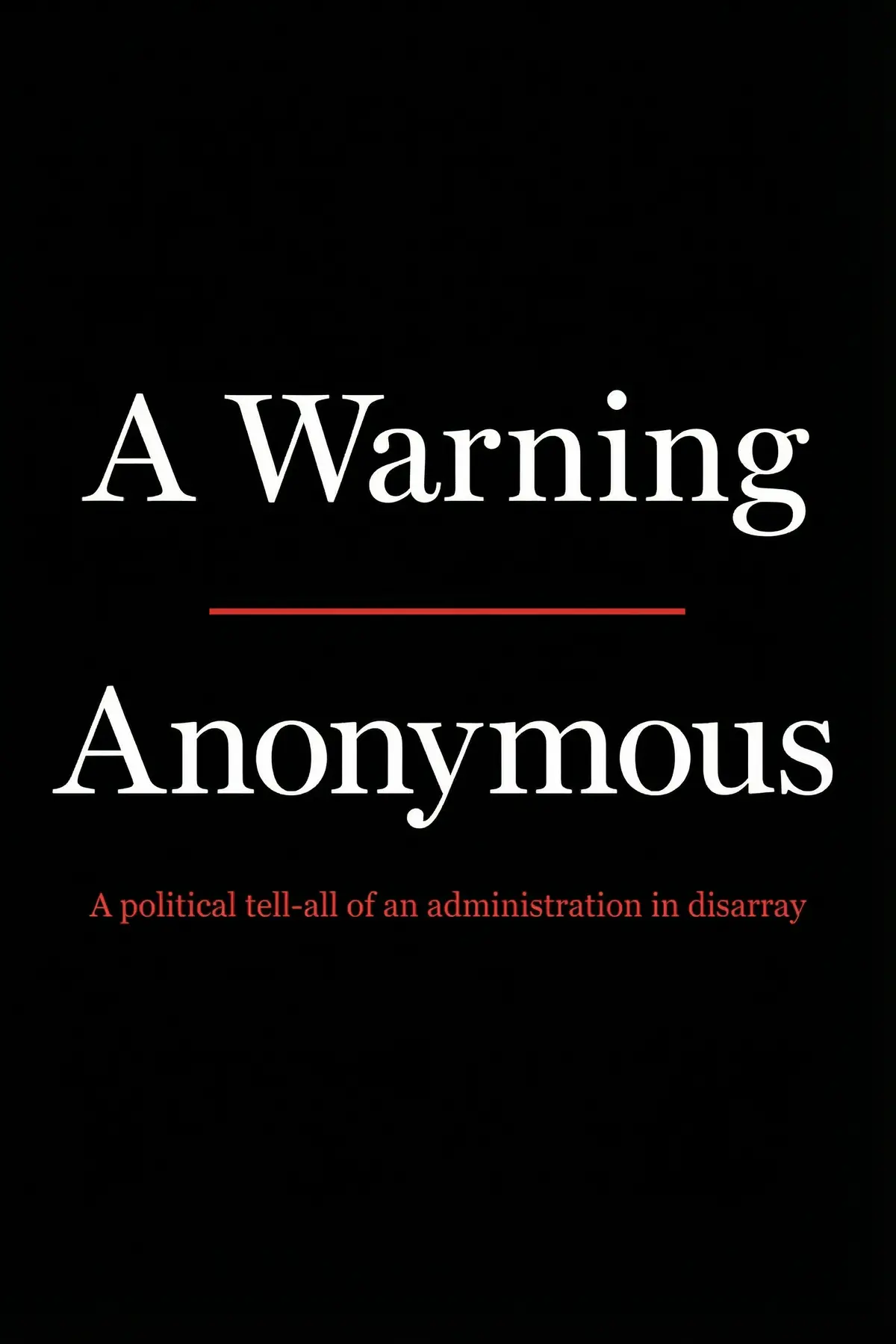
A Warning
Miles Taylor
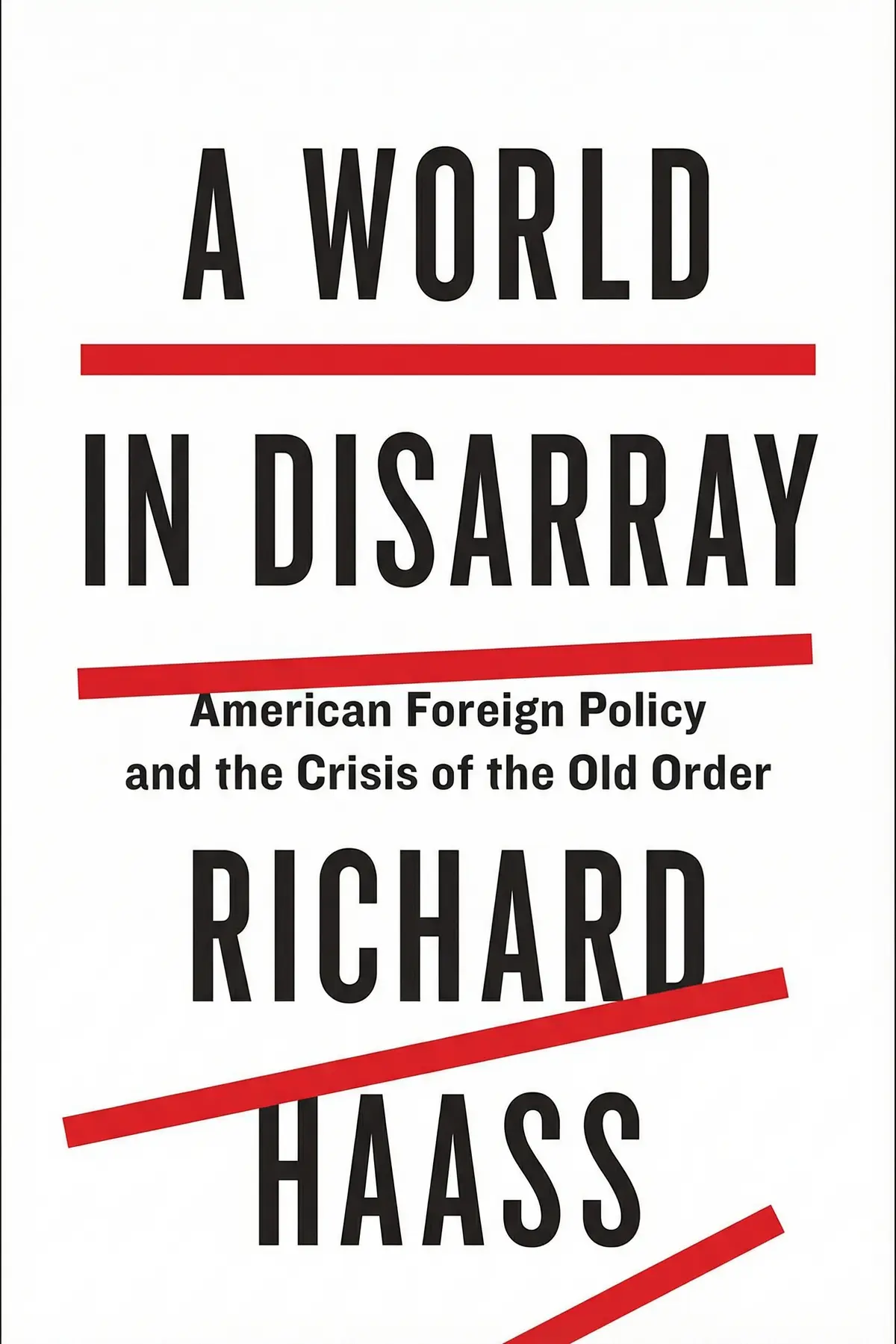
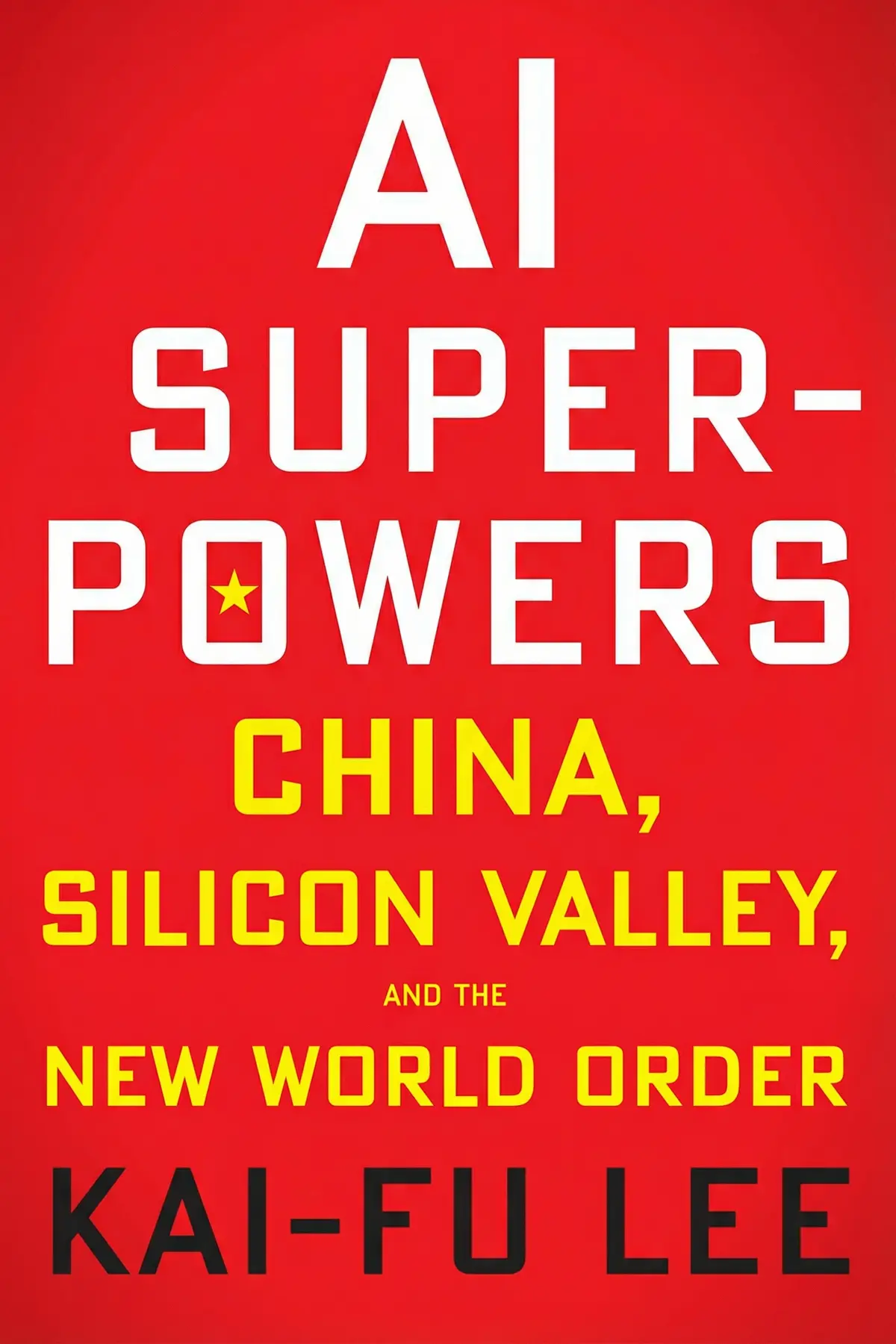
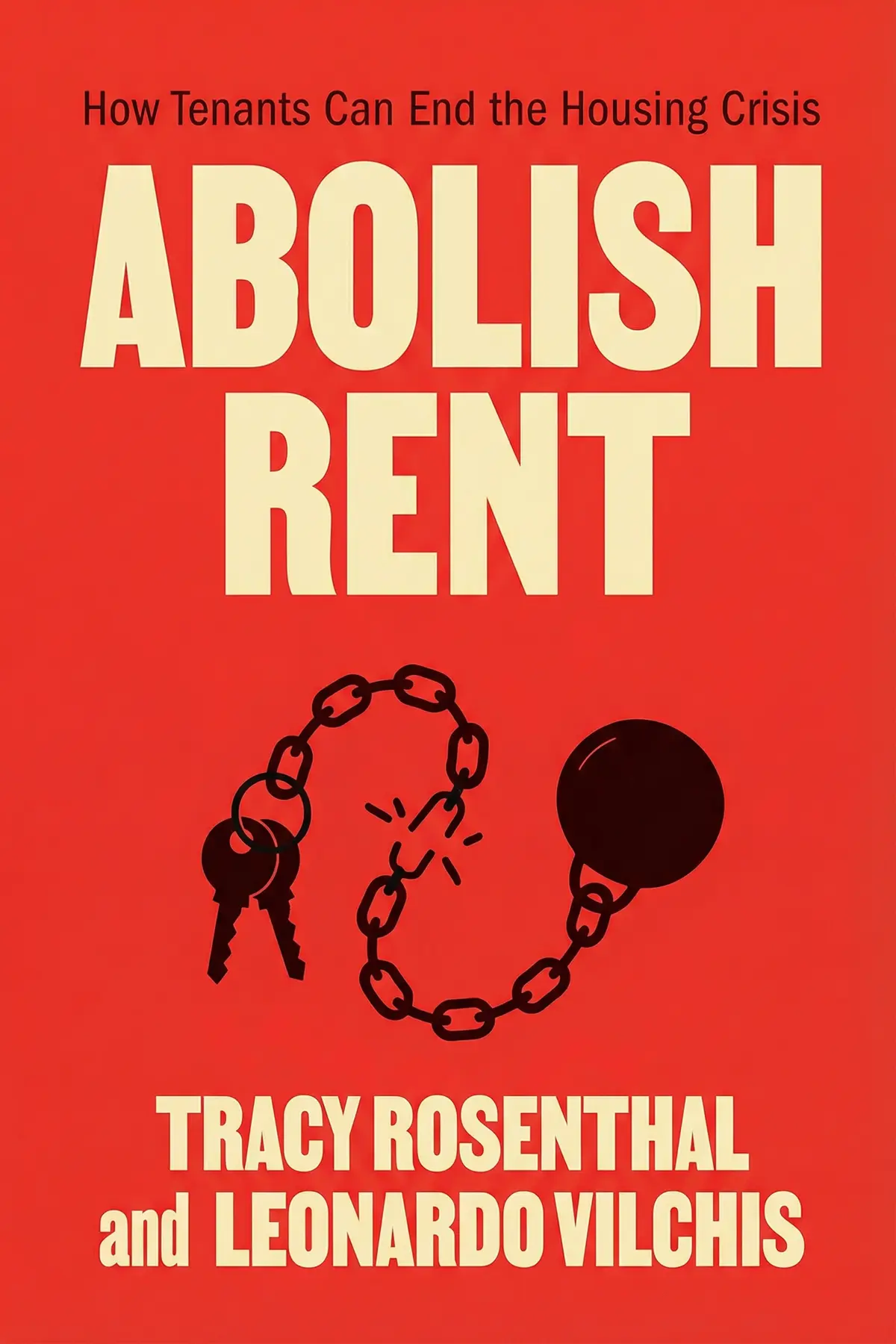
Abolish Rent: How Tenants Can End the Housing Crisis
Tracy Rosenthal
AUDIO SUMMARY AVAILABLE
Listen to Where Law Ends in 15 minutes
Get the key ideas from Where Law Ends by Andrew Weissmann, plus 5,000+ more titles in English and Thai.
- 5,000+ titles
- Listen as much as you want
- 7-day free trial
- Cancel anytime







