
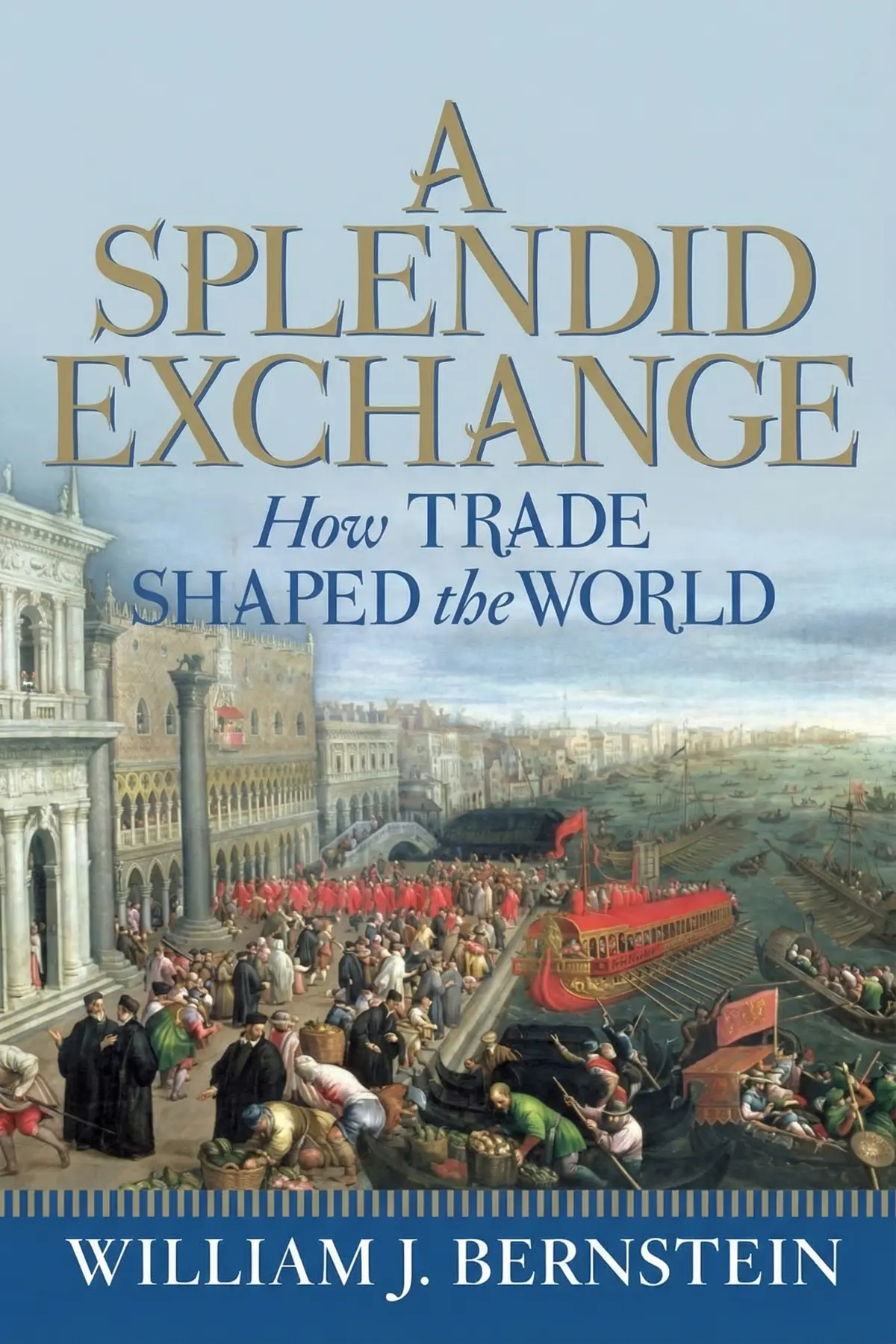
A Splendid Exchange: How Trade Shaped the World
William J. Bernstein
Explore the revolutionary idea that information is a physical substance. This summary explains how the arrangement of atoms drives economic growth and why the ability to process information determines the success of nations.
1 min 24 sec
When you look at a daily planner or a digital bank statement, what do you see? Most of us would say we see information. But if you strip away the ink or the pixels, what are you left with? You have paper or a screen—physical objects. This raises a profound question: is information something separate from the physical world, or is it deeply embedded within it?
In this exploration of César Hidalgo’s work, we are going to challenge the common assumption that information is just something intangible stored on a cloud server. Instead, we will look at information as the physical arrangement of matter itself. From the way your DNA is coiled to the design of the device you are using right now, everything around us is a manifestation of order.
This journey will take us from the smallest atoms to the largest global economies. We will see why the Earth is such a rare and vibrant pocket of order in a universe that usually prefers chaos. We will explore why a tree behaves like a biological computer and why some countries stay trapped in poverty while others flourish. By the end of this discussion, you will understand how our ability to process and network information isn’t just a part of our economy—it is the very engine of our evolution and success as a species. Let’s dive into the fascinating throughline of how order grows.
1 min 51 sec
Think of information as more than just words on a page. It is the very way atoms are organized in the physical world, creating order where there should be chaos.
2 min 02 sec
The universe naturally trends toward disorder, making any form of complex information a rare and precious achievement against the laws of entropy.
1 min 54 sec
Thanks to its unique physical properties, Earth acts as a massive engine for computation, where solid matter protects and replicates complex order.
1 min 52 sec
Human beings are the only species that can take an abstract idea and freeze it into a physical product, creating a permanent record of our knowledge.
1 min 50 sec
Every human mind has a finite capacity for knowledge. To overcome this, we must function as interconnected units within a much larger economic computer.
1 min 56 sec
To share information effectively, we need more than technology; we need the social trust and common languages that allow networks to expand.
1 min 50 sec
Wealthy regions stay ahead because they act as magnets for information, making it easier for new ideas to join existing, highly complex networks.
1 min 45 sec
We often think of the economy as a system of trades, money, and labor. But through the lens of César Hidalgo’s insights, we see that the economy is actually something much more fundamental: it is the process by which the universe creates and sustains order. We started this journey with the idea that information is physical—a specific arrangement of atoms that fights against the chaos of entropy. We saw that Earth is a unique platform where solid matter allows for computation, enabling life and then humanity to thrive.
What this really means for us in our daily lives is a shift in perspective. When you look at a car, a building, or even a piece of software, don’t just see a product. See it as ‘crystallized imagination.’ See it as the end result of thousands of ‘personbytes’ working together in a vast, invisible network. Our prosperity is not just about having resources; it is about our ability to organize those resources into complex forms.
The actionable takeaway here is to recognize the power of the network. Whether you are an entrepreneur, a student, or a leader, your success depends on your ability to connect with others and share specialized knowledge. By building trust and fostering open communication, we expand the ‘computer’ of our society. In a universe that is constantly trying to break things down into disorder, our greatest achievement is our collective ability to make information grow. Let this be a reminder that every time we create, connect, or learn, we are participating in the most important struggle in the cosmos: the triumph of order over chaos.
Why Information Grows challenges our traditional understanding of both physics and economics. It argues that information is not merely an abstract concept or digital data, but a tangible, physical order that allows the universe to resist chaos. By looking at everything from DNA to consumer products as 'crystallized information,' the text reveals why some societies are better at accumulating knowledge than others. Readers will discover the 'promise' of this perspective: a deeper understanding of why wealth is distributed so unevenly across the globe. By viewing humans as 'personbytes'—individual units of information processing power—it becomes clear that our prosperity depends on our ability to form complex, trusting networks that can handle more information than any single mind could ever master.
César A. Hidalgo is a prominent scholar who leads the Macro Connections group at the MIT Media Lab. As an associate professor of media arts and sciences at the Massachusetts Institute of Technology, he focuses on how information flows through systems. He has authored numerous influential academic works and co-authored The Atlas of Economic Complexity, establishing himself as a leading voice on the intersection of physics, data, and global economics.
Listeners find the book offers a robust analysis of the information landscape and its ties to economics, with one listener highlighting how it addresses the evolution of the human race's computational capacity. Furthermore, the prose is well-regarded, and listeners value the text’s creative insights and straightforward delivery. The book also receives praise for its accessibility and intuitive descriptions, particularly regarding the concept of entropy. However, the pacing draws varied responses, with some viewing it as ambitious while others express disappointment.
Wow, Hidalgo has completely rewired the way I think about what an 'economy' actually is by using the lens of physics. Instead of focusing on simple trades or money, he treats the entire global system as a massive information processor that builds on itself. The explanation of how we use products like toothpaste to 'augment' our capacities without needing the underlying chemical knowledge was incredibly intuitive. It makes total sense that our ability to grow as a species depends on how well we can network our individual 'personbytes' into larger, more complex structures. Personally, I found the writing style to be quite poetic for a science book, and it didn't rely on the usual 'Big Data' buzzwords to make its point. This is essential reading for anyone curious about complexity science.
Show moreThe central thesis that physical order is 'crystallized imagination' is one of those ideas that sticks in your brain and refuses to leave. By looking at how information grows through solids, Hidalgo provides a much-needed physical foundation for the often-abstract world of economics. I found his description of how matter 'computes' to be one of the most original parts of the entire book. It’s a rare treat to find an academic book from an MIT professor that is this readable and free of unnecessary jargon. The way he integrates the work of Schrödinger and Prigogine into a discussion about modern trade is masterfully done. While some might find the repetition of key phrases a bit much, I think it helps solidify the framework for readers who are new to information theory. It’s a brilliant, paradigm-shifting piece of work.
Show moreAfter hearing Hidalgo speak on a podcast, I wanted to dive deeper into his theory of how information accumulates through social networks. This book did not disappoint, providing a rigorous yet poetic look at how human imagination becomes physical reality. The distinction between 'meaning' and 'information' was particularly helpful, and I loved how he steered clear of 'Big Data' cliches. He treats the economy as an evolving organism that grows by creating more complex packets of physical order. It’s a deeply optimistic book that suggests our potential is limited only by our ability to connect and share know-how. Some might find the academic tone a bit much, but I found the 'Media Lab' style to be dazzling and thought-provoking. If you want to understand the deep structure of the world we've built, this is the book for you.
Show moreThis book offers a fascinating bridge between thermodynamics and social science. Hidalgo explains how we manage to trap information in physical objects through 'crystallized imagination.' It’s a dense read at times, but the way he explains the limits of human knowledge—using terms like 'personbytes'—helps frame why large firms exist. Frankly, the acknowledgments are actually one of the best parts because they provide the narrative context that the earlier chapters occasionally lack. Highly recommended for those who enjoy multidisciplinary thinking, even if the connection to actual economic policy feels a bit thin toward the end. It's a much-needed physical foundation for the often-abstract world of trade.
Show moreAs someone who struggles with standard Econ 101 models, viewing the world through 'personbytes' and 'firmbytes' was a revelation. Hidalgo treats the economy as a system for accumulating know-how, moving away from dry rhetoric about 'agents' and 'equilibrium' that usually dominates the field. The concept that we package our imagination into physical goods is much more relatable than traditional consumption models. However, the book didn't go deep enough into the role of energy in this process. The writing is clear and accessible, making complex topics like entropy feel almost obvious by the time you finish the chapter. It isn't perfect, but it’s a refreshing departure from the usual way we measure progress.
Show moreFinally got around to reading this after seeing it cited everywhere, and I found the first half genuinely spectacular for its clarity. The way Hidalgo explains entropy—not just as disorder, but as a lack of information—is the best I have ever encountered. It’s an ambitious book that tries to link the birth of the universe to the success of a modern corporation. I particularly liked the argument that our machines are essentially 'information traps' that resist entropy for a set lifetime. My main critique is that it feels a bit like a half-baked cake; the ingredients are all high-quality, but the final section on policy feels rushed. Still, the core message about how we grow information through social networks is incredibly relevant for our current data-driven age.
Show moreLook, this isn't your typical dry business text; it's more like a meditation on how the universe fights against chaos. Hidalgo argues that the flow of imagination between social networks is the real engine of growth, rather than just raw capital or labor. I loved the concept of 'firmbytes'—the idea that our collective knowledge is limited by the size and trust of our professional networks. Gotta say, he gets a bit repetitive when talking about how objects are just 'crystallized imagination,' and I found myself wanting more hard data in the final chapters. However, the intuition he provides regarding the physicality of information is incredibly strong. It’s a great read for anyone tired of the usual GDP-obsessed economic literature.
Show morePicked this up because I’m a fan of network science, and while the core concepts are brilliant, the execution felt a bit uneven. The author’s obsession with networks is evident, but the book feels a bit discontinuous. One minute you’re learning about thermodynamics, and the next you’re reading a personal anecdote about a hospital. To be fair, the idea that a firm’s capacity is limited by internal trust is a powerful takeaway that explains why Silicon Valley is hard to replicate. It’s a good book, but it probably could have used another year of editing to tighten the arguments. There's a better book buried in here.
Show moreEver wonder why certain regions thrive while others stagnate, despite having similar resources and political structures? Hidalgo attempts to answer this by looking at 'economic complexity,' or the amount of information a society can process. While the theory is fascinating, I found the book's refusal to include actual mathematical definitions for its indices quite frustrating. You get the sense that there is a brilliant model beneath the surface, but the author is too busy being 'clever' with metaphors to show you the gears. The book is at its best when discussing why familial social networks are smaller and less flexible than trust-based ones. But overall, it felt like a teaser for the actual research found in the Atlas of Economic Complexity. It’s worth a look, but be prepared for some gaps in the logical flow.
Show moreNot what I expected given the hype around the MIT Media Lab pedigree, as I found the central thesis buried under layers of repetition. While the idea of information growing through 'solid' matter is initially intriguing, the author repeats himself so often that it feels like he’s talking down to the reader. Truth is, many of these concepts regarding entropy and networks have been covered more effectively by others like James Gleick. He makes grand claims about how 'economic complexity' predicts national growth but then fails to provide a rigorous mathematical definition or current data for us to test. There is a much better, shorter book hidden inside this one that didn't need the constant personal anecdotes to fill the pages. It's ambitious but ultimately feels like a half-baked collection of fascinating but disconnected thoughts.
Show moreWilliam J. Bernstein
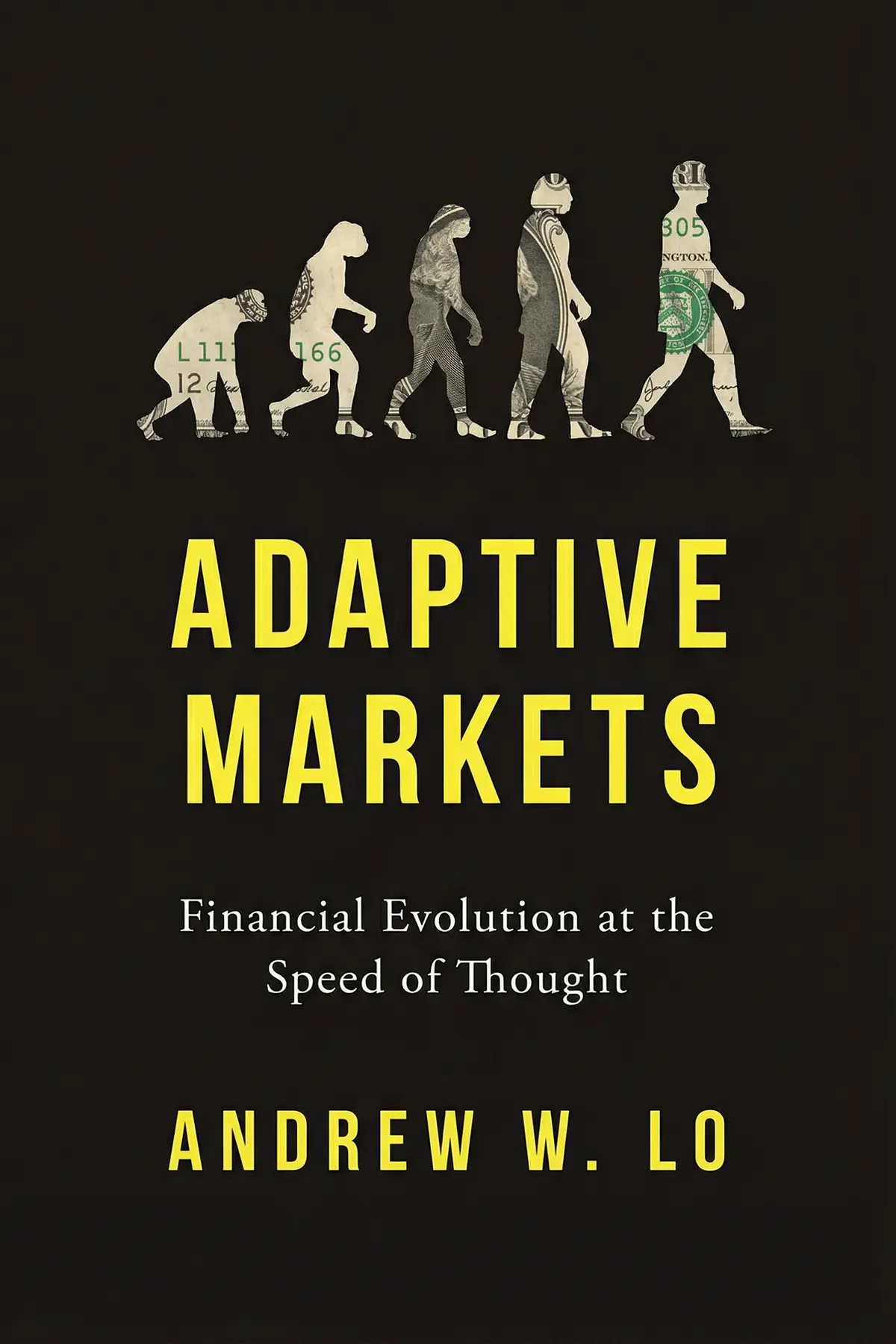


Yanis Varoufakis
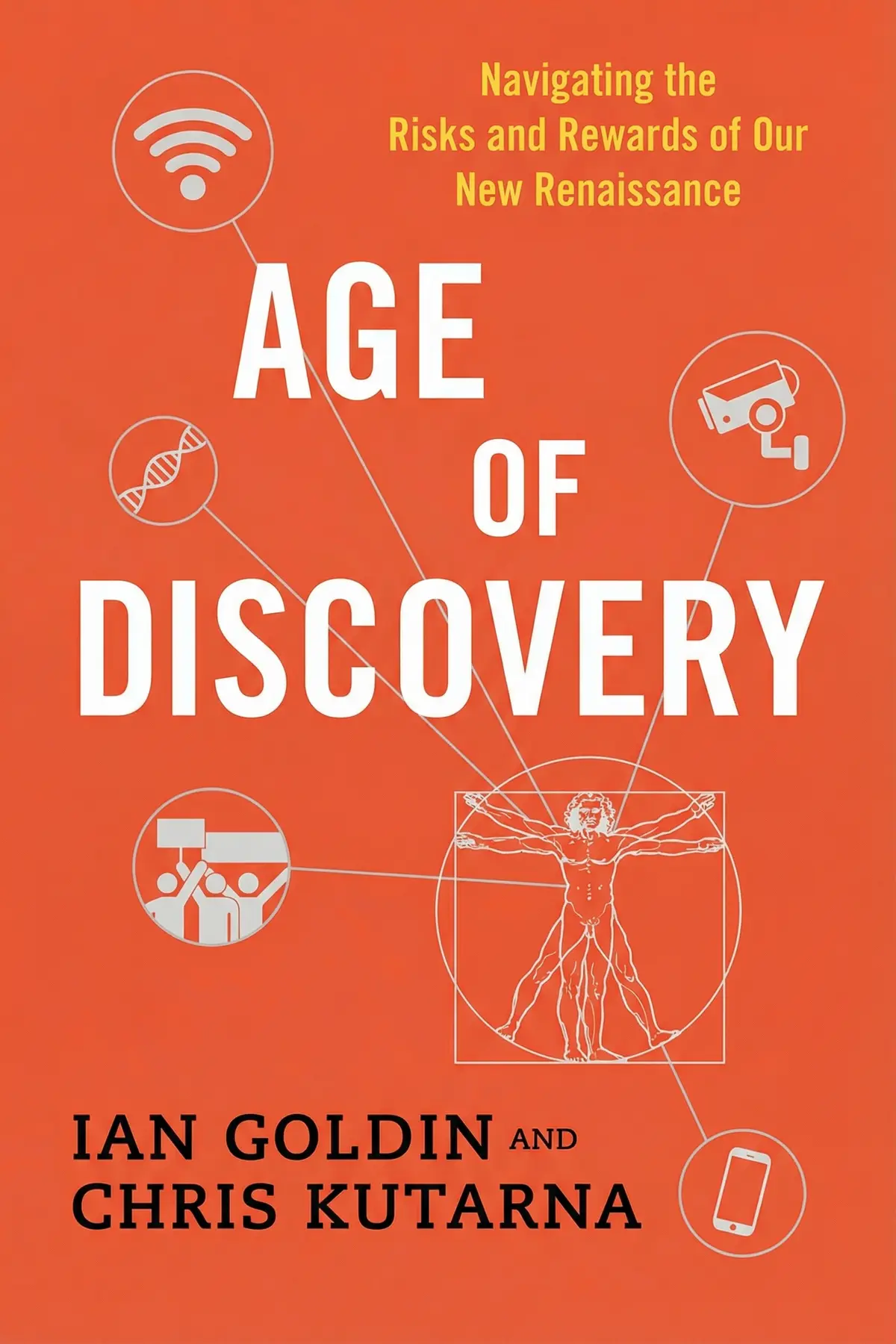
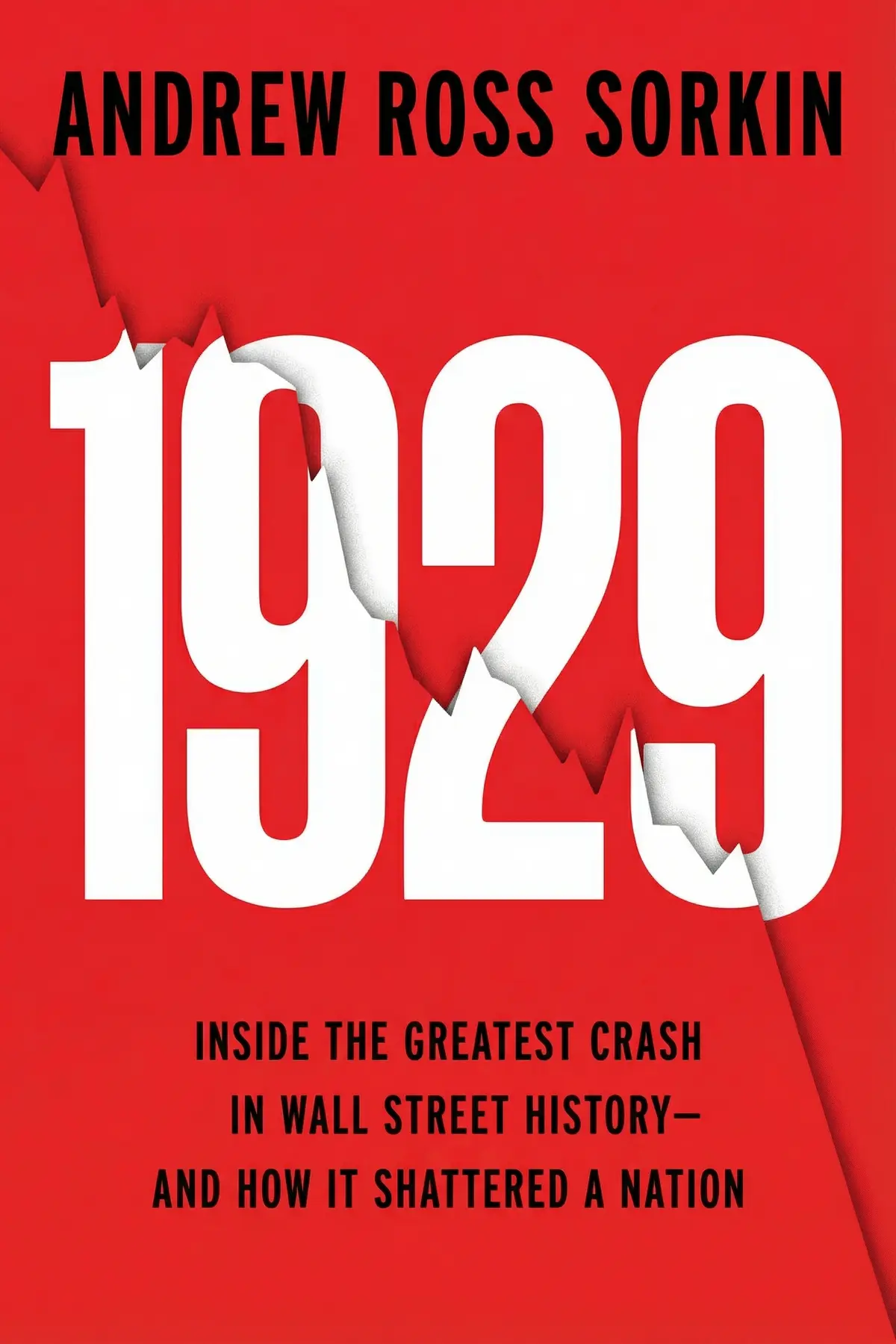
Andrew Ross Sorkin
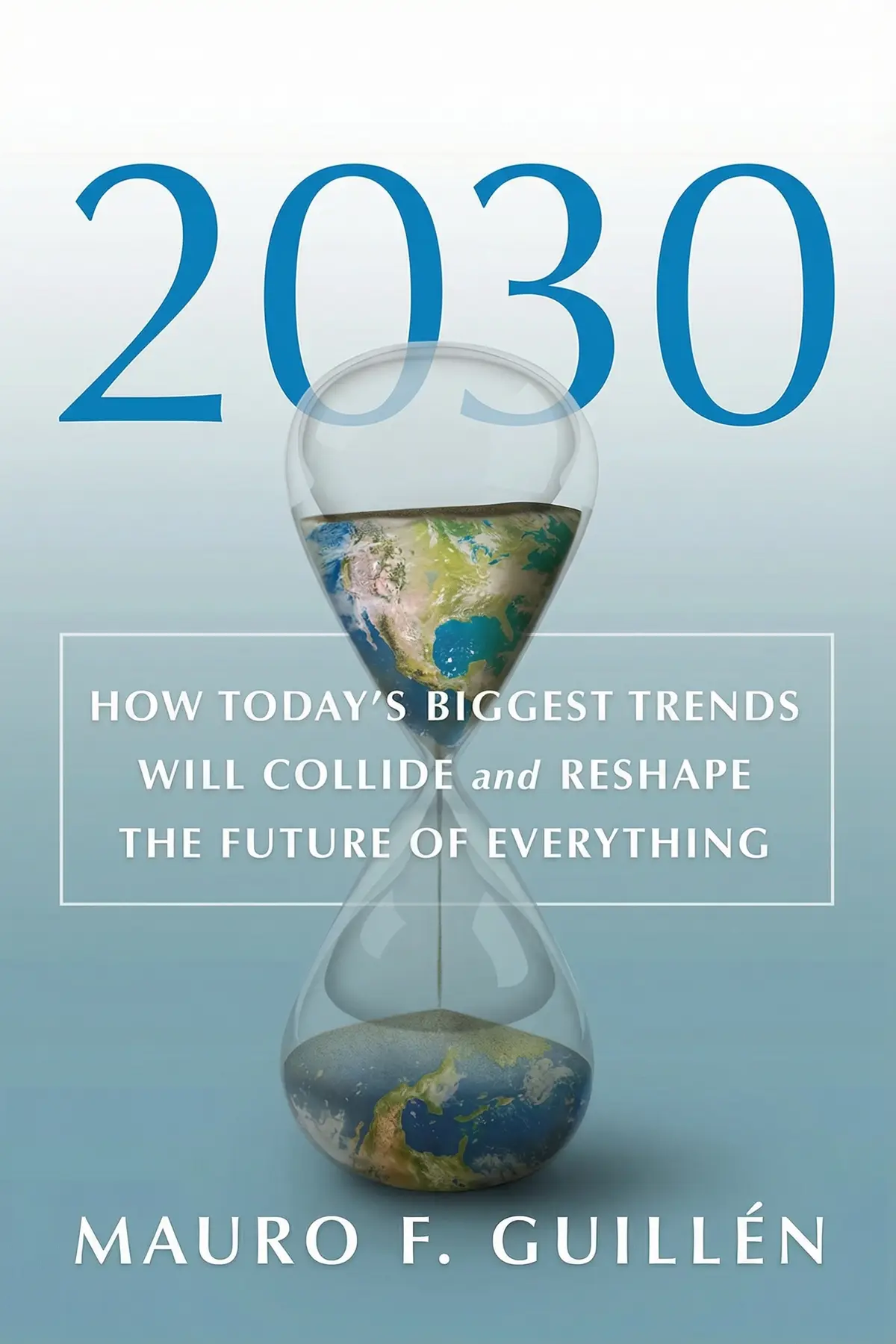
Ha-Joon Chang
Niall Kishtainy
AUDIO SUMMARY AVAILABLE
Get the key ideas from Why Information Grows by César Hidalgo, plus 5,000+ more titles in English and Thai.







