
A Bigger Prize: How We Can Do Better Than the Competition
Margaret Heffernan
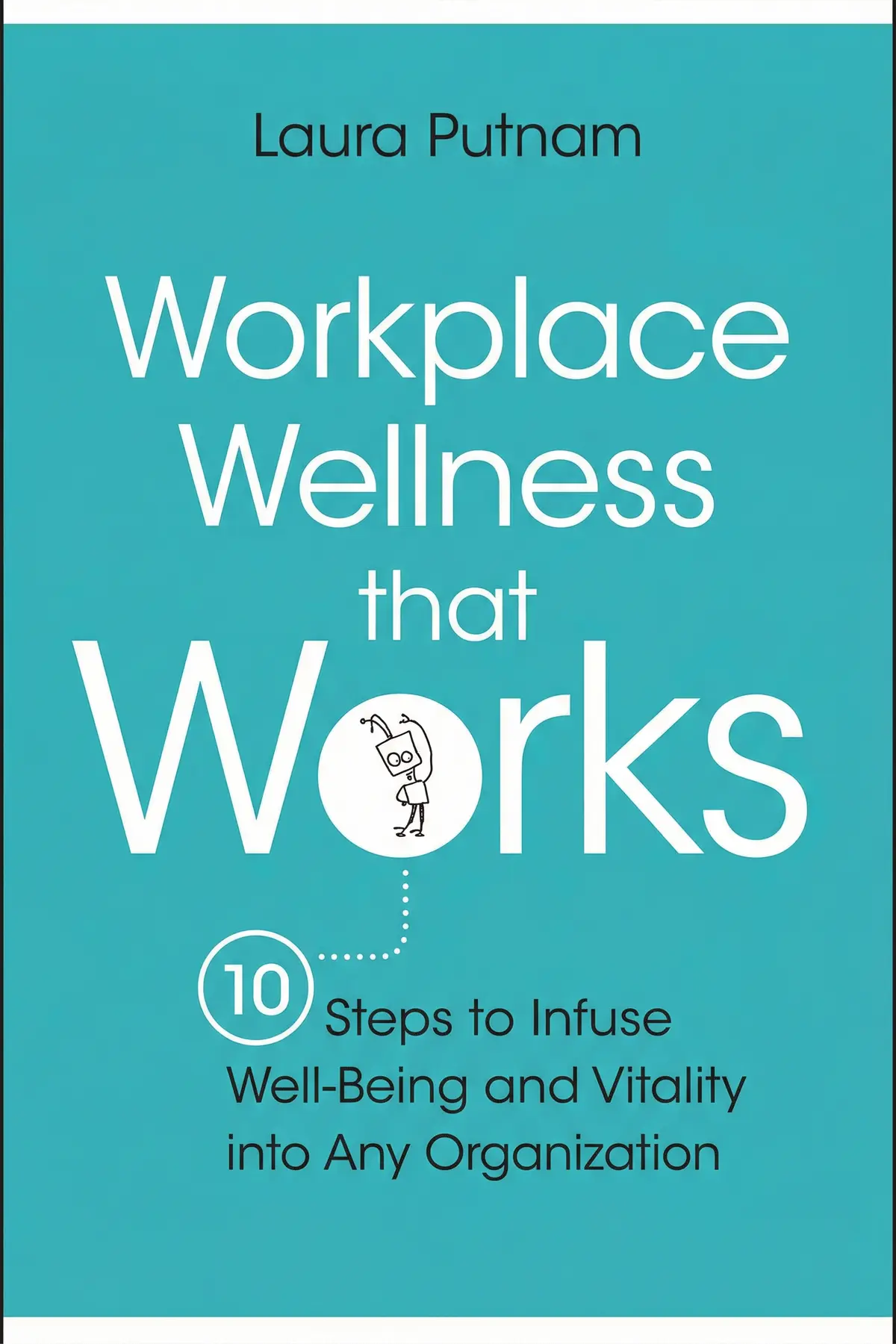
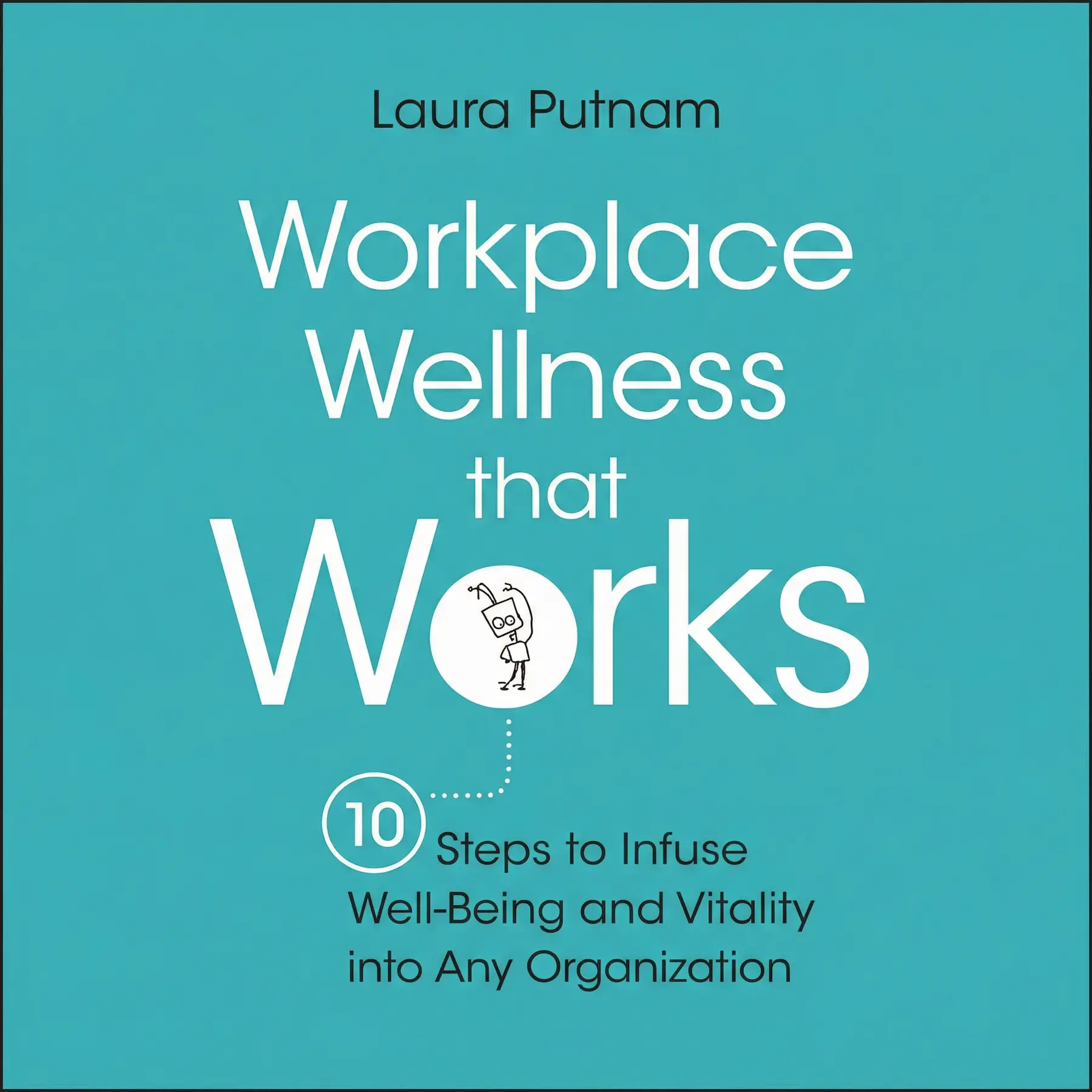
Workplace Wellness that Works provides a practical roadmap for transforming corporate culture through holistic well-being. It moves beyond simple perks to create an environment where employees truly thrive physically, emotionally, and socially.
1 min 53 sec
Think for a moment about the typical corporate wellness program. Maybe you picture a dusty bowl of bruised apples in the break room, or perhaps a mandatory seminar on the dangers of smoking that everyone attends but no one listens to. For many of us, these initiatives feel like a chore or, worse, a superficial checkbox that the human resources department needs to tick. But what if wellness at work wasn’t just about lowering insurance premiums or counting steps on a pedometer? What if it was about fundamentally changing the way we experience our professional lives?
In this exploration of Workplace Wellness that Works, we are going to look at why the old models of health at work are falling short and how a more holistic, human-centered approach can revitalize an entire organization. The throughline here is simple but profound: workplace wellness is about giving people the opportunity to be more human while they are on the clock. It is about movement, laughter, meaningful connection, and a sense of shared purpose.
We are going to walk through a ten-step journey that shifts wellness from a peripheral benefit to a core cultural value. You’ll see how individual employees can become agents of change, how the environment itself can be designed to make healthy choices effortless, and how even the most skeptical workplaces can be nudged toward vitality. Along the way, we will discover why a world-class athlete’s visualization techniques are relevant to your office, how a chemical giant reduced injuries to nearly zero, and why something as simple as a picture on a hard hat can save lives. By the time we’re done, you’ll see that workplace wellness isn’t just about staying healthy—it’s about feeling engaged, recognized, and truly well in every sense of the word.
2 min 20 sec
True transformation doesn’t start with a corporate policy, but with individuals who find their deep personal motivation and learn to tell a compelling story that moves others.
2 min 24 sec
To reach a destination, you must first see it clearly; visualization and a broad definition of well-being are the foundations of any successful cultural shift.
2 min 20 sec
Culture is the invisible force that determines whether a wellness program thrives or withers; understanding it requires looking at rituals and perceived support.
2 min 12 sec
Instead of obsessing over what’s wrong, sustainable momentum is built by identifying and amplifying the strengths and successes that already exist within the team.
2 min 06 sec
Creating a culture of health requires an interdisciplinary team that breaks down silos and leverages expertise from every corner of the organization.
1 min 58 sec
Sometimes the most effective way to introduce health is through the side door—by renaming initiatives to avoid stigma and integrating them into existing valued routines.
2 min 13 sec
Lasting behavioral change only occurs when people feel a sense of mastery, the freedom to choose, and a genuine connection to those around them.
2 min 01 sec
Infusing work with a sense of meaning and opportunities for lightheartedness can drastically reduce stress and turn healthy habits into a source of joy.
2 min 09 sec
Small changes in the physical and social landscape can steer behavior in a healthy direction without requiring constant conscious effort.
2 min 25 sec
Success is found by starting before you’re ready, embracing a growth mindset, and ensuring that wellness initiatives are applied fairly across all locations.
1 min 39 sec
As we reach the end of this journey, it is clear that workplace wellness is not a peripheral luxury or a corporate buzzword. It is a fundamental shift in how we approach the human element of business. We have seen that the most effective programs are those that move beyond the superficial and address the core of what it means to be well: having a sense of purpose, the freedom to choose, a supportive community, and an environment that makes health the natural choice.
Everything we have discussed—from becoming an agent of change to designing nudges and cues—is aimed at creating a culture where vitality can thrive. It is about realizing that an organization’s greatest asset isn’t its technology or its brand, but the energy and well-being of its people. When we invest in that well-being, we don’t just see a reduction in medical costs; we see an increase in engagement, creativity, and the kind of resilient spirit that can weather any challenge.
If you want to start making a change today, look at your immediate environment. Start with something simple: cut the candy. Replace the sugar-heavy snacks in your meetings with something that fuels rather than drains your team. Switch out the vending machine options or even consider starting a small office garden. These are the small nudges that signal a bigger shift. Wellness doesn’t happen all at once; it’s a movement built one story, one standing meeting, and one healthy choice at a time. By taking these steps, you aren’t just building a healthier workplace—you are building a place where people can truly come alive.
Workplace Wellness that Works explores why traditional corporate health initiatives often fail and how to replace them with a more human approach. It argues that wellness is not a checkbox but a cultural shift involving movement, connection, and purpose. The book provides a ten-step framework to transition from passive participation to active, engaged vitality. The promise of the book is a comprehensive toolkit for anyone—regardless of their official title—to become an agent of change. By focusing on organizational culture, interdisciplinary collaboration, and the psychology of human needs, leaders can reduce burnout and presenteeism while boosting overall productivity and happiness. You will learn how to design environments that naturally nudge people toward better habits, how to rename wellness concepts to overcome skepticism, and how to scale these efforts across global offices. Ultimately, it transforms the workplace from a source of stress into a source of well-being, ensuring that employees do not just survive the workweek but truly flourish within it.
Laura Putnam is the founder and CEO of Motion Infusion, a well-being consultation firm. As well as being heavily involved in the American Heart Association, Putnam is a trainer, dancer and consultant, and works with nonprofit organizations, academic institutions and Fortune 500 companies.
Listeners find this resource beneficial for corporate wellness, offering instruction on building a supportive environment and correctly launching a health movement. They enjoy the straightforward, practical method and captivating tone, with one listener mentioning it is packed with activities. Listeners also praise the book’s clarity and narrative style, with one describing it as beautifully articulated.
Finally got around to reading Laura Putnam's take on corporate health, and I am genuinely impressed by how she flips the script. Instead of the usual boring metrics, she focuses on becoming an 'agent of change' who triggers real emotion in a team. The book is essentially a beautifully articulated roadmap for anyone who wants their workplace to feel more like an oasis and less like a grind. I especially appreciated the 'Start It, Build It, Make It Last' framework because it gives a clear structure to what is usually a chaotic process. It is a bit of a tome, though, so don't expect to breeze through it in one sitting. You will need time to digest the case studies. This is a must-read for HR professionals who are tired of programs that no one actually uses.
Show moreStop using negativity and scare tactics to get your employees to exercise; it simply does not work in the long run. Putnam’s focus on starting with what is going right—people's strengths and shining moments—is a total game-changer for corporate culture. This book provides a clear 10-step process that balances the practical with the inspirational in a way few business books manage. I loved the section on creating meaning, as it addresses the deeper reason why people show up to work every day. Not gonna lie, implementing everything in here would take months of dedicated effort, but the checklist at the end makes it feel doable. It’s the best book I’ve read on the subject because it prioritizes the human element over the spreadsheet.
Show moreThis book is a beautifully articulated roadmap for any leader who actually cares about their people. Laura Putnam brings her immense expertise to the page, offering a no-nonsense approach that is both engaging and highly practical. I was particularly struck by the idea that we need to launch, evaluate, and then 'fix the bugs' rather than expecting a perfect rollout. It’s a very human way to look at corporate programming. The book doesn't miss the key ingredient of fun, which is why her strategies actually stick. If you are tasked with workplace wellness, this should be your bible. It’s packed with activities that will help you build a movement, not just a program.
Show moreThe chapter on reworking Maslow’s Hierarchy was easily the highlight of this book for me. Putnam argues that we need to move beyond just physical health and look at emotional resilience and even financial well-being. It is a holistic approach that feels very modern and necessary in today's high-stress environment. While the book is packed with information, it can feel a little overwhelming for a smaller organization with limited resources. In my experience, the 'stealth wellness' idea—incorporating habits into existing routines—is the most practical advice she gives. I’ve already started looking at our meeting spaces differently to see where we can design better 'nudges' for movement. It’s a solid, no-nonsense guide that actually provides the tools to succeed.
Show moreAs someone who has spent years in benefits administration, I found Putnam’s emphasis on 'under the radar' wellness refreshing and smart. We often make the mistake of making wellness campaigns too obvious, which just invites pushback from stressed employees. This book teaches you how to incorporate healthy choices into the culture through cues and rituals instead. The 10-step plan is very well-researched, and the case studies provide a lot of credibility to her strategies. My only minor gripe is that some of the steps overlap a bit, making the middle section feel slightly repetitive. Still, the easy-to-read style and the focus on fun keep it engaging. It gives organizations a genuine competitive edge if they actually follow the advice.
Show moreEver wonder why your company’s expensive gym discount goes unused while employee stress levels remain at an all-time high? This book answers that question by diving into the unspoken elements of workplace culture. Putnam moves the conversation away from individual physical risk and toward a more integrated view of connection and purpose. I found the 'nudges' concept particularly fascinating—the idea that the environment should make the healthy choice the easy choice. It is a long read, and you’ll definitely need a highlighter, but the insights are worth the time. Truth is, most companies are doing wellness wrong, and this book provides the necessary correction. It’s a very articulated and professional guide for any serious leader.
Show morePicked this up on a recommendation from a colleague, and it's a powerhouse of practical solutions for a modern office. The way Putnam breaks down the 'Make It Last' phase is crucial, as most wellness initiatives fizzle out after the first month. She teaches you how to think globally and sustain the momentum long-term. In my experience, the biggest hurdle is getting different departments to collaborate, and her advice on internal partnerships is spot on. The writing is accessible, though the book's physical size is a bit daunting at first. It’s essentially a comprehensive toolkit. If you’re ready to put in the work, these strategies will definitely yield results for your team’s resilience.
Show moreTo be fair, this is less of a casual read and more of an intensive manual for high-level HR professionals or consultants. Putnam specifically mentions this is for people 'tasked with workplace wellness,' and she isn't kidding. If you aren't in a position of power to change company policy, a lot of this might feel out of reach. The book is absolutely filled to the brim with research, which is great, but it makes for a very slow read. I found myself skimming some of the longer case studies just to get to the action items. It’s a valuable resource, but the sheer volume of information can be intimidating for someone just looking for a few quick tips. Better for the experts than the laypeople.
Show moreLook, the content here is solid gold, but the sheer volume of action items can feel like a full-time job in itself. I appreciate that Putnam is thorough, but at times the '10 steps' felt more like 100 steps. The chapters are very dense with examples, and while some are inspiring, others felt a bit like filler. I did really like the advice on being an external collaborator and involving the community. That’s an angle you don’t see in many other wellness books. However, I think the book could have been about 50 pages shorter without losing much of its impact. It’s a good reference to keep on your shelf, but it’s definitely a commitment to finish.
Show moreNot what I expected given the title. I was looking for a quick guide for my small startup, but this felt more like a heavy academic textbook. It is a massive tome that focuses heavily on large-scale corporate structures and complex internal collaborations. Frankly, I felt like I was attending a three-day seminar that I didn't quite have the prerequisites for. While the writing style is clear, the density of the information is just too much for someone who isn't a full-time wellness coordinator. If you have an entire HR department to help you, this is probably great. For a small business owner, it’s just too much to wade through.
Show moreAUDIO SUMMARY AVAILABLE
Get the key ideas from Workplace Wellness that Works by Laura Putnam, plus 5,000+ more titles in English and Thai.