
13 min 54 sec
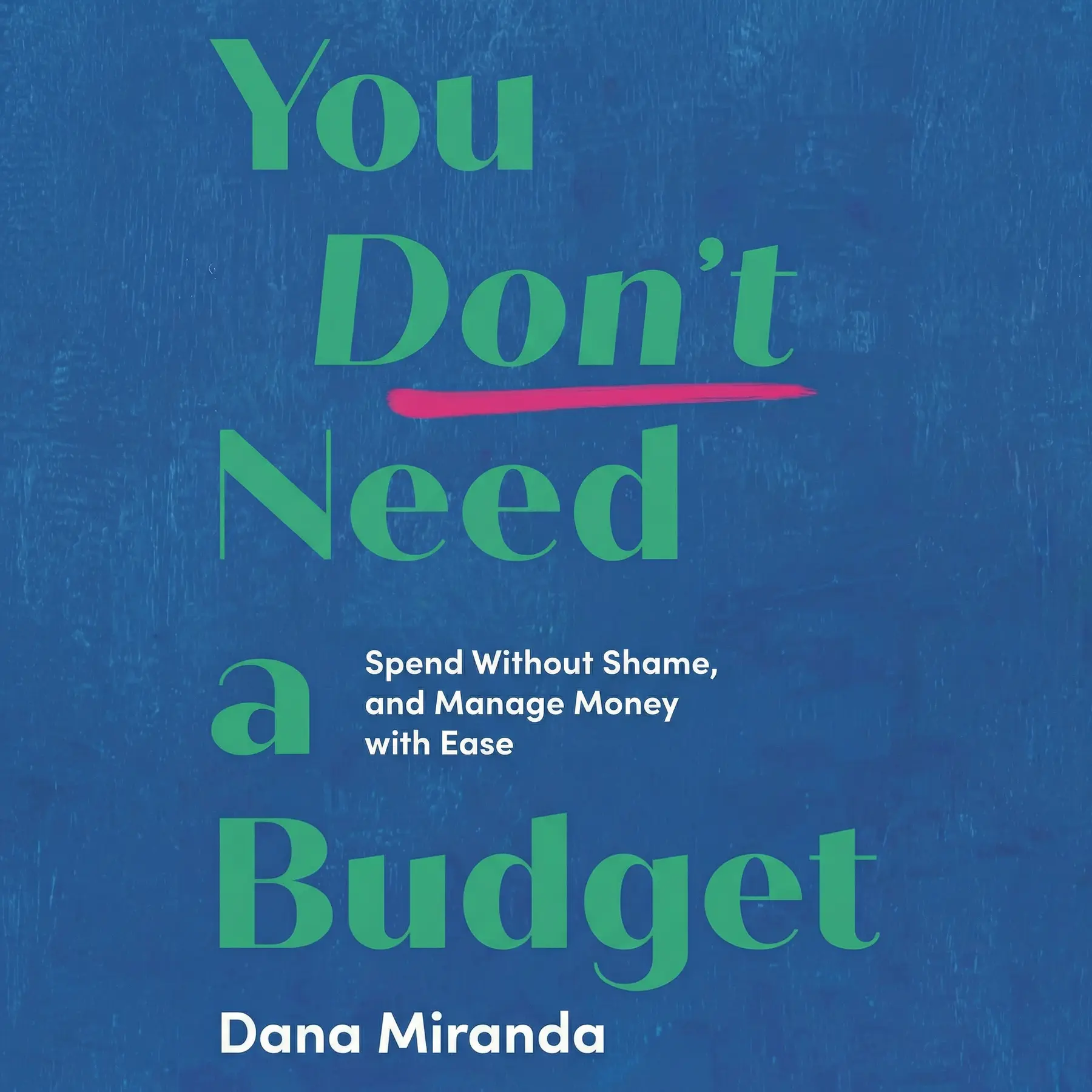
You Don’t Need a Budget: Spend Without Shame, and Manage Money with Ease
By Dana Miranda
You Don't Need a Budget challenges the restrictive nature of traditional financial planning. It offers a values-based framework that replaces shame and constant tracking with automation, autonomy, and a focus on life's most impactful decisions.
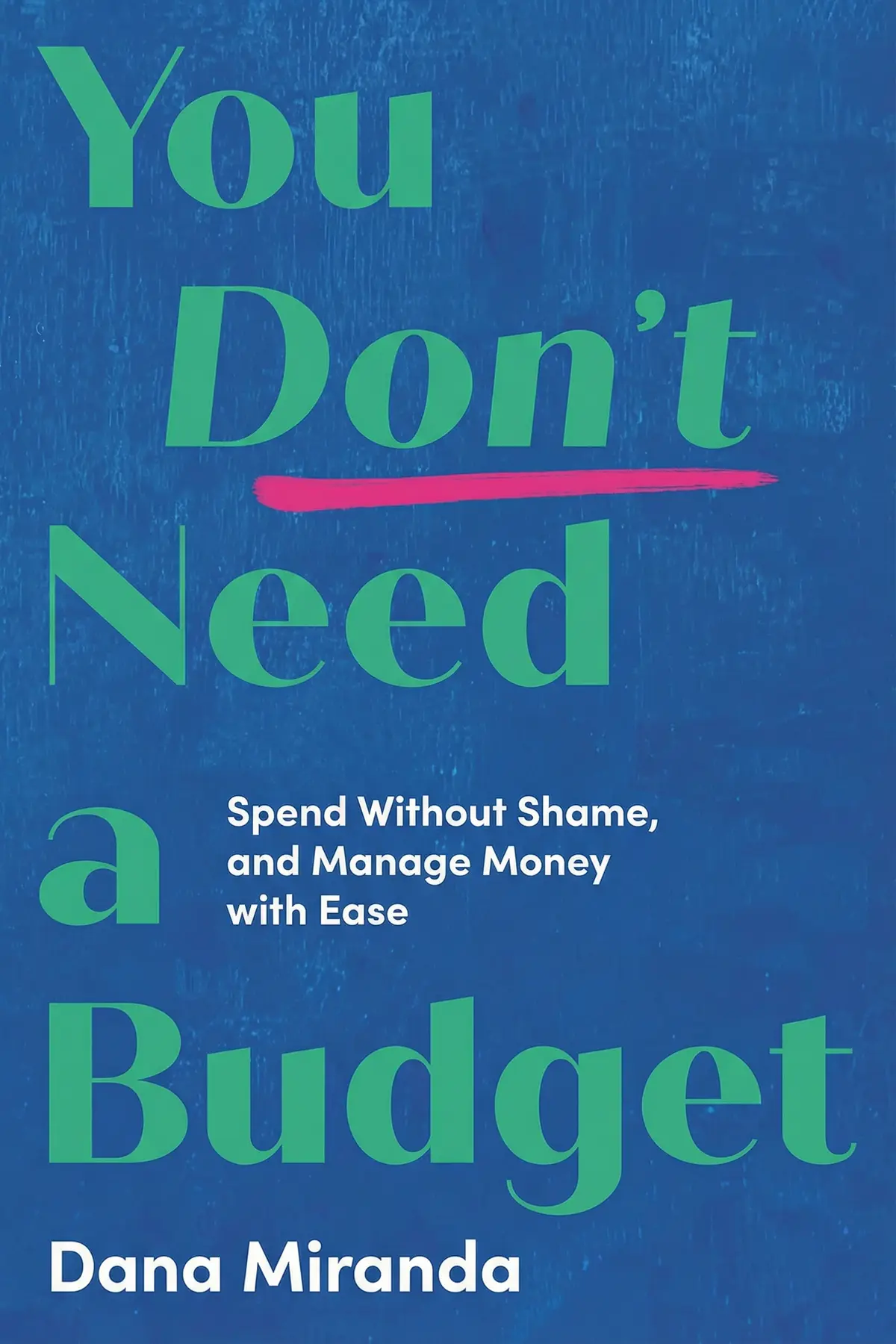
Table of Content
1. Introduction
1 min 38 sec
Most of us have been taught that the only way to financial security is through the grueling work of tracking every cent we spend. We are told that if we just had more discipline, if we just skipped that morning latte or used a better app, our money problems would vanish. But there is an unspoken reality within the world of financial advice: the experts giving it usually haven’t faced the stress of waiting for a paycheck to clear before they can buy basic groceries.
Author Dana Miranda saw this disconnect firsthand while transitioning from a low-income freelance life to a role at a financial media company. She noticed that the industry largely operates from a middle-class perspective, often ignoring the systemic barriers that make traditional advice impossible for many to follow. This realization led to a radical conclusion: the problem isn’t your lack of willpower. The problem is a ‘budget culture’ that prioritizes math over human well-being.
In this summary, we are going to explore why your budget might actually be making you more anxious and less secure. We will look at how to stop obsessing over the small stuff and start focusing on the major life decisions that actually dictate your financial future. You will discover how to move away from a mindset of restriction and toward a system of automation and autonomy.
This isn’t just about money; it’s about your relationship with work, your sense of self-worth, and your ability to make choices that align with your true values. By the end, you’ll see that managing your finances doesn’t have to feel like a second job. It can be a simple, automated process that supports the life you actually want to live, without the constant weight of shame or the need to count every penny. Let’s dive into a more mindful, sustainable way to handle your money.
2. Escaping the Trap of Budget Culture
1 min 43 sec
Traditional financial advice often relies on shame and rigid rules while ignoring the economic realities and systemic barriers that keep people from building wealth.
3. Prioritizing the Big Rocks of Finance
1 min 50 sec
Stop worrying about small daily expenses and start focusing on the major life choices that truly determine your long-term financial health and stability.
4. Automating Stability and Creating a Yes Fund
1 min 50 sec
Simplify your finances by putting your bills and goals on autopilot, leaving you with a pool of money you can spend freely without guilt.
5. Challenging the Invisible Operating System of Work
1 min 47 sec
Recognize how cultural beliefs about productivity and hustle culture can distort your self-worth and limit your financial and personal freedom.
6. Bills are Agreements, Not Moral Obligations
1 min 52 sec
Shift your perspective on financial commitments to see them as flexible business contracts rather than tests of your character and integrity.
7. Reimagining Wealth Beyond the Stock Market
1 min 51 sec
Explore alternative ways to build long-term security, from community-based investing to entrepreneurship, without relying solely on traditional markets.
8. Conclusion
1 min 23 sec
The core message of Dana Miranda’s approach is a return to financial autonomy. For too long, we have let ‘budget culture’ dictate our happiness, using shame and restriction to keep us in a cycle of constant anxiety. But as we’ve explored, your worth is not found in a spreadsheet, and your financial future is not determined by how many small pleasures you deny yourself.
True financial health comes from getting the ‘big rocks’ right—making intentional choices about your housing, your career, and your family. It comes from simplifying your day-to-day life through automation, giving yourself the freedom to spend from a ‘Yes Fund’ without a second thought. And perhaps most importantly, it comes from recognizing that you have the power to change your commitments and redefine what wealth means to you.
As you move forward, try to look at your financial life through a lens of curiosity rather than judgment. Ask yourself which of your ‘obligations’ are actually choices you can change. Consider if your work culture is demanding more of your self-worth than it’s paying for. And remember that money is just a tool. It is there to serve your life, not the other way around. By shifting your focus from pennies to values, you can build a stable, fulfilling future that doesn’t require a budget at all. Thank you for listening to this BookBits summary.
About this book
What is this book about?
For many, the word 'budget' is synonymous with deprivation and stress. This summary explores a radical shift away from that mindset, examining how the personal finance industry often overlooks systemic realities while pushing a one-size-fits-all middle-class narrative. Instead of obsessing over small daily purchases, you will learn to identify the 'big rocks' of your life—the major decisions that truly move the needle on your financial well-being. The book promises a path to financial stability that prioritizes mental health over math. By understanding how to automate your essentials and create a 'Yes Fund' for guilt-free spending, you can reclaim your time and energy. It also challenges deep-seated beliefs about work and debt, framing financial obligations as choices rather than moral tests. Ultimately, this approach is about building a life that aligns with your personal values, using money as a tool for freedom rather than a source of constant surveillance.
Book Information
About the Author
Dana Miranda
Dana Miranda is a veteran financial journalist and a Certified Educator in Personal Finance. She is the founder of Healthy Rich, an organization dedicated to changing the conversation around money and financial education. Her work, which focuses on making finance more inclusive and less shame-driven, has been featured in prominent outlets such as The New York Times, Business Insider, Forbes, and Money.
Ratings & Reviews
Ratings at a glance
What people think
Listeners find this book offers an excellent perspective on how to view their finances. Nevertheless, the section regarding mental shifts produces varied reactions.
Top reviews
Divya
Miranda offers a radical departure from the 'hustle culture' obsession that plagues almost every other financial book on the shelf. This isn't just another guide telling you to manifest wealth or work yourself to the bone. Instead, it’s an anti-capitalist manifesto that treats your well-being as more important than your bank balance. I found the 'Yes Fund' concept to be incredibly liberating because it eliminates the constant guilt associated with discretionary spending. Automation is the key here; once the essentials are handled, you're free to live your life without tracking every single cent. Frankly, it’s the most humane money book I’ve ever read, and it challenged me to view resource hoarding as the greed it actually is. It’s a life-changing shift in perspective for anyone tired of the traditional, restrictive financial systems.
Show moreMatteo
Wow, I didn't expect to feel so seen by a book about money management. I’ve always felt like a failure because I couldn’t stick to a rigid 50/30/20 plan, but Miranda explains why those systems fail so many of us. She moves past the 'manifesting' nonsense found in books like 'You Are a Badass at Making Money' and actually talks about the reality of living paycheck to paycheck. Releasing the shame around using social supports was a huge turning point for me personally. The focus on automation and the 'Yes Fund' has already made my relationship with my bank account less stressful. It's not about being 'lazy' or 'undisciplined'; it's about building a system that fits your actual life. I highly recommend this to anyone who feels like the traditional finance world wasn't built for them.
Show moreAroon
Finally, a finance book that doesn't feel like a punishment for existing in a capitalist society. Dana Miranda manages to strip away the 'money mindset brain rot' that usually dominates this genre, offering a perspective that feels actually human. Truth is, the 'money map' she proposes at the end is technically a budget, but the psychological shift makes a world of difference. I really appreciated her call to release the crushing shame surrounding debt and the way she views taxation as community support. While some of the advice on using social supports might feel controversial to traditionalists, it’s a necessary conversation for our current economy. My only gripe is that it feels a bit geared toward people who already have some wiggle room to play with. Still, it’s a refreshing alternative to the typical 'stop buying lattes' rhetoric we've heard for decades.
Show moreElise
As someone who has always felt trapped by spreadsheets and restrictive categories, the 'Yes Fund' concept was a breath of fresh air. I’ve used YNAB for years, and I realized while reading this that I was already doing some of what she suggests. The difference is the lack of rigidity and the removal of 'diet culture' vibes from my finances. In my experience, focusing on the 'big rocks' like housing and career path is much more effective than obsessing over a ten-dollar lunch. She makes a compelling case for why the middle-class ideal of financial success is actually quite flawed. While I don't agree with every single point—especially regarding some of the debt advice—the overall message is powerful. It’s a great addition to the space if you need to stop feeling like a failure for not being 'perfect' with money.
Show moreSatit
Is it a revolution or just a clever rebrand of things we already know? Personally, I think it's a bit of both. Miranda spends a lot of time blasting gurus like Ramit Sethi, yet her 'money map' feels suspiciously similar to his conscious spending plan without giving much credit. The truth is, you do need a plan for your money, whether you call it a budget or a map. I loved the focus on releasing shame and acknowledging systemic wealth gaps, which most experts ignore entirely. But for someone who is already struggling to make ends meet, some of this advice feels like a luxury they can't afford. It’s a great mindset book, but the practical application is a bit thin if you're actually looking for a step-by-step guide. It’s a solid three-star read for the perspective shift alone.
Show moreDarius
To be fair, the book succeeds more as a philosophical treatise than a practical manual for someone in a financial crisis. I appreciated the way she deconstructs the idea that our financial situation is entirely our own fault. It’s refreshing to see someone acknowledge the systemic hurdles that keep people in poverty despite their best efforts. That being said, the 'money map' is just a budget with less math, and I'm not sure that's enough of a 'rebrand' to justify the title. I think people who are already financially literate will get the most out of the mindset shifts. If you're looking for a way to actually track your spending or get out of debt quickly, this might not be the right tool for you. It’s an interesting read, but keep your expectations for 'practicality' in check.
Show moreRiley
After hearing several polarized takes on social media, I decided to dive into the full text to see the nuance for myself. The book is definitely an 'anti-capitalist manifesto' first and a finance book second, which I actually quite liked. She makes some brilliant points about how we prioritize productivity over our own physical and mental health. However, some of her suggestions, like the 'food bank' comment, felt a bit out of touch with the reality of how those systems operate. I also think calling it 'budget-free' is a bit of a stretch when the 'money map' requires you to bucket your money and set aside funds for commitments. It’s a good book for a mindset shift, but you have to take some of the more extreme advice with a grain of salt. Three stars for the unique perspective.
Show moreSin
The premise started strong but quickly veered into questionable ethical territory that I just couldn't get behind. Look, I’m all for critiquing the systemic flaws of capitalism, but suggesting that people should use food banks just to free up cash for other 'wants' is incredibly tone-deaf. Those resources are for families who literally cannot put a meal on the table, not for people looking to optimize their lifestyle. To be fair, Miranda has some interesting things to say about 'big rocks' and focusing on major life decisions rather than small expenses. However, the idea that you can just follow your whims and ignore basic budgetary discipline feels like a recipe for disaster. It felt like she was trying to reinvent the wheel but ended up with something that just isn't practical for the average worker.
Show moreLuckana
If you've read any modern personal finance books, you've already seen half of these ideas before, just packaged differently. The author tries so hard to be revolutionary by attacking 'budgeting culture,' but then provides a system that is fundamentally a budget. I found the tone to be a bit condescending toward anyone who actually values traditional financial responsibility or investing in the stock market. She calls investing 'unethical' while offering very few realistic alternatives for building long-term security in the world we actually live in. To be fair, her critique of how parental income shapes our success is spot on and needs to be said more often. However, the advice to just 'not pay certain bills' based on your mood this month is terrible. It lacks the nuance required for someone actually trying to build a stable life.
Show moreRungrat
Giving this a single star because following this advice is a fast track to financial ruin for most people. The author essentially tells you to ignore discipline, follow your whims, and rely on public assistance as if it's a lifestyle hack. Not gonna lie, I was shocked when she suggested using food banks to 'free up cash' for other things. That is a total slap in the face to people who are genuinely in need and rely on those services to survive. This book is all about semantics; she claims you don't need a budget and then gives you a 'money map' which is just a budget with a trendier name. If you have no budgetary discipline and stop investing in your future as she suggests, you’re going to have a miserable time down the road. Dangerous and irresponsible.
Show moreReaders also enjoyed
AUDIO SUMMARY AVAILABLE
Listen to You Don’t Need a Budget in 15 minutes
Get the key ideas from You Don’t Need a Budget by Dana Miranda, plus 5,000+ more titles in English and Thai.
- 5,000+ titles
- Listen as much as you want
- 7-day free trial
- Cancel anytime







