
60 Seconds & You’re Hired!
Robin Ryan
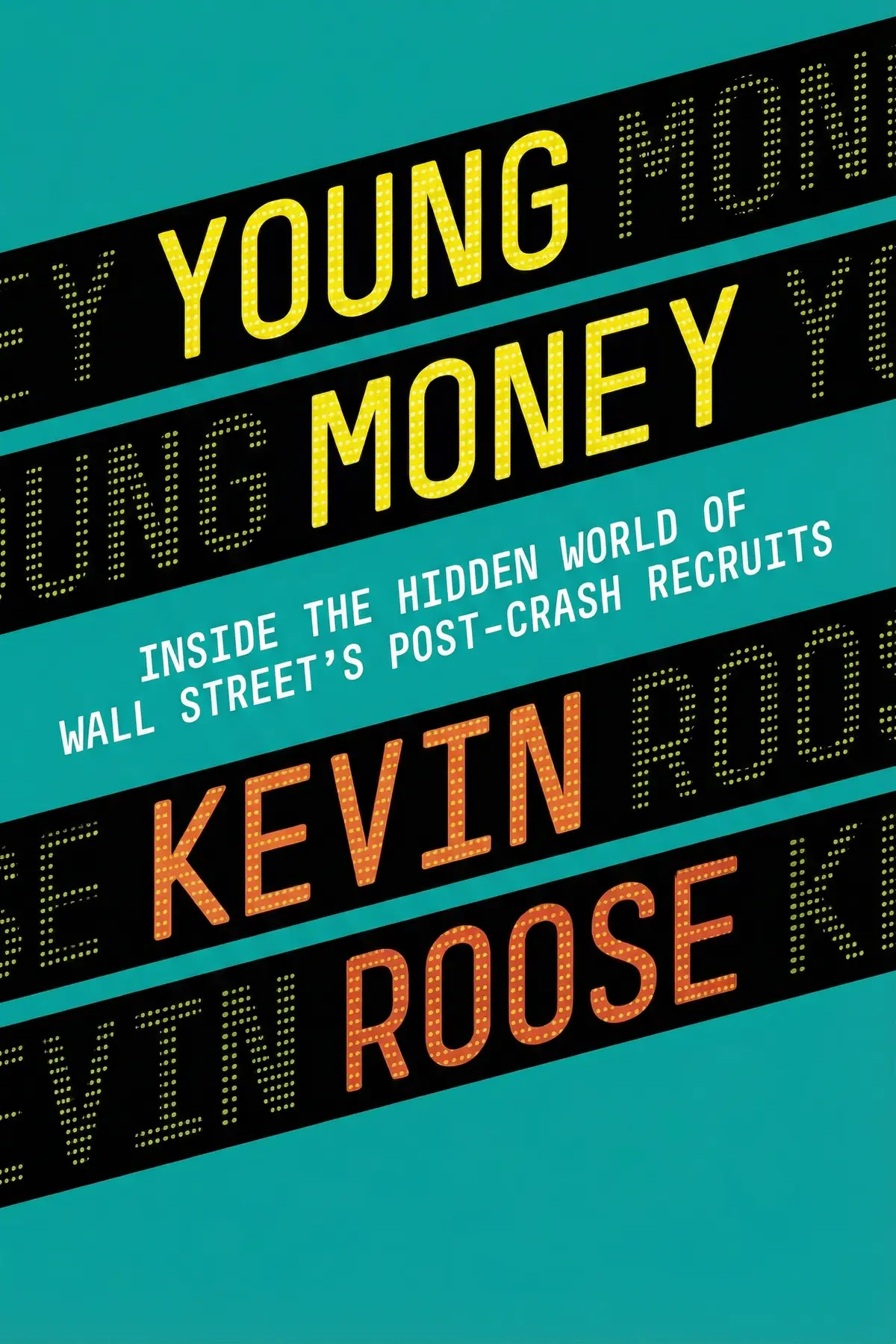
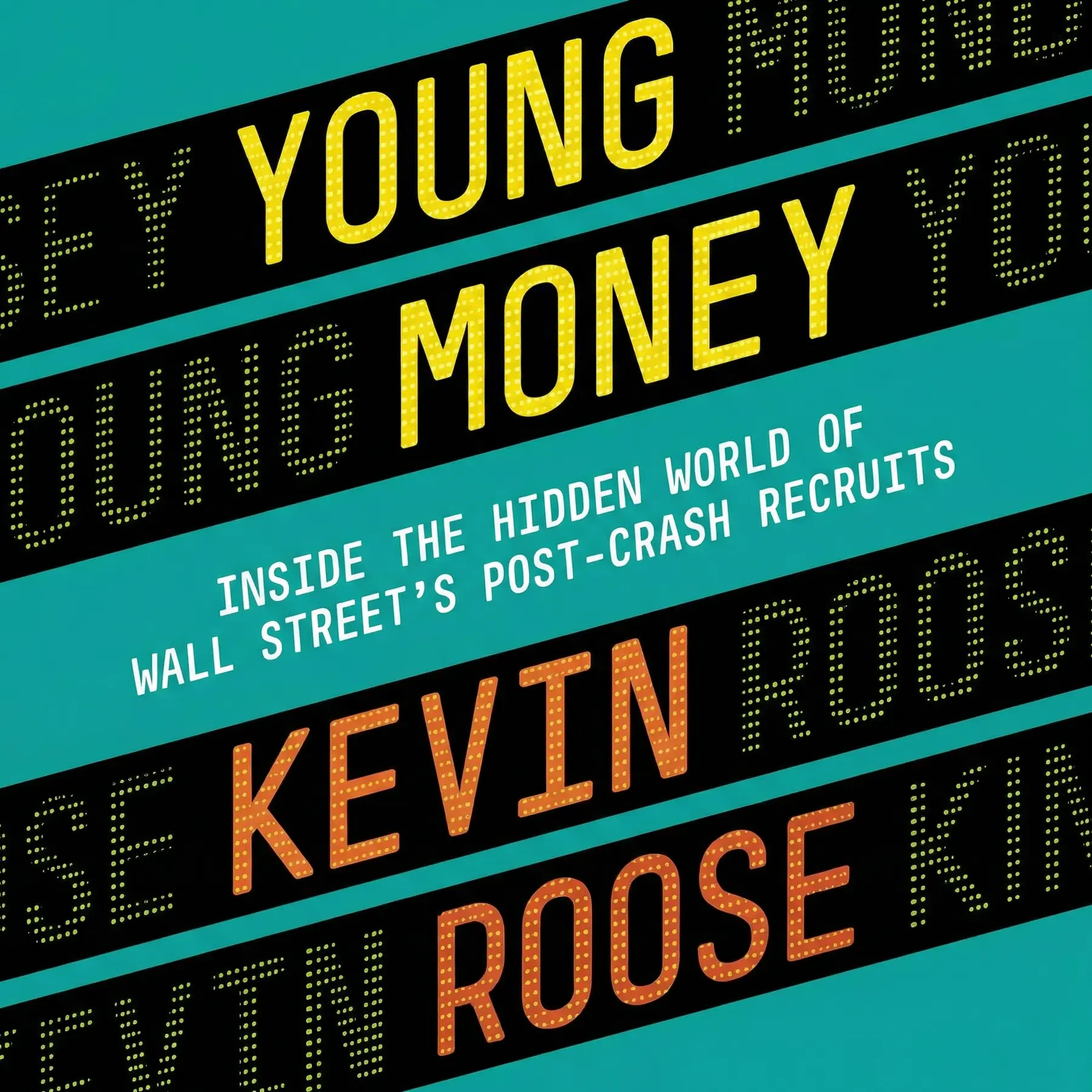
Young Money explores the grueling lives of junior Wall Street analysts post-2008. Journalist Kevin Roose reveals the high-stakes recruitment, punishing 100-hour weeks, and the profound personal costs of chasing a career in high finance.
1 min 36 sec
The skyscrapers of Manhattan have long been seen as temples of American prosperity, drawing in the brightest young minds with the promise of unimaginable wealth and status. However, the 2007 financial crisis shattered the illusion of stability and prestige that once defined Wall Street. In the years that followed, the industry underwent a massive transformation, yet the machine still needed fresh blood to keep its gears turning. This is where we meet the ‘Young Money’—the post-crash recruits who entered the financial world at its most scrutinized moment.
In this exploration of the junior banking world, we move past the boardroom meetings and the multi-million dollar deals to look at the people at the very bottom of the ladder. These are the analysts who do the grunt work, often laboring in the shadows of the giants who nearly brought the world economy to its knees. We will see how the recruitment process begins long before a student even holds a diploma, and why so many young people with no interest in finance end up behind a desk at a major investment bank.
Through the experiences of several real-life analysts, we will uncover the grueling reality of a hundred-hour work week and the psychological impact of working in an environment where your worth is measured solely by your output. This isn’t just a story about money; it’s a story about the cost of ambition and the search for identity in an industry that demands everything. As we walk through the halls of these massive financial institutions, we’ll see why the allure of the ‘one percent’ is fading and what happens when the dream of Wall Street turns into a waking nightmare.
1 min 46 sec
Wall Street firms don’t just wait for applicants; they launch high-octane recruitment campaigns on elite campuses to secure the brightest graduates before they even finish their degrees.
1 min 42 sec
Many young analysts don’t enter Wall Street out of a passion for finance, but because it offers a quick solution to student debt and post-graduation uncertainty.
1 min 43 sec
The prestige of a Wall Street job quickly fades when faced with the crushing reality of sixteen-hour workdays and the expectation of constant availability.
1 min 45 sec
Junior analysts often face a toxic management style where mistakes are met with public reprimands and success is met with silence.
1 min 41 sec
The demanding nature of Wall Street forces young recruits to choose between their careers and their most important personal relationships.
1 min 39 sec
Despite their high salaries, junior analysts often feel like cogs in a machine, sometimes even sympathizing more with the critics of Wall Street than their own bosses.
1 min 46 sec
Over time, the idealism of young graduates is replaced by a transactional view of the world and a cynicism that alters their very personalities.
1 min 39 sec
When you break down the high salaries of Wall Street by the actual hours worked, the financial reward is often surprisingly low, raising questions about the opportunity cost of the job.
1 min 32 sec
Since the 2008 crash, the prestige of Wall Street has declined, leading more graduates to seek careers in other industries where the work-life balance is more sustainable.
1 min 53 sec
As we look back at the journey of the ‘Young Money’ recruits, a clear and sobering picture emerges. The world of high finance is not just a place of high stakes and high rewards; it is a grueling testing ground that often breaks the very people it seeks to attract. We have seen how the recruitment process creates a pipeline of accidental financiers, and how the reality of the hundred-hour work week quickly erodes their health, their relationships, and their sense of self.
The throughline of this story is the tension between the allure of wealth and the fundamental human need for meaning and balance. For many young analysts, the ‘two and out’ plan becomes a lesson in the limits of endurance. They learn that while money can pay off debts and provide a comfortable life, it cannot buy back the time lost or the creativity suppressed. The cynicism and isolation that define the industry’s culture serve as a warning to anyone who believes they can enter that world without being changed by it.
However, there is a note of hope in the changing landscape of the post-crash era. The disillusionment of the junior class has led to a broader conversation about what constitutes a successful career. More young people are realizing that the prestige of a Wall Street title is not worth the sacrifice of their physical and mental well-being. If there is an actionable lesson to be taken from the experiences of these analysts, it is the importance of evaluating a career not just by its starting salary, but by its impact on your life as a whole. Before you sign that contract or accept that bonus, ask yourself what you are truly giving up in exchange. In the end, the most valuable currency you have is your time, and how you choose to spend it will define the person you become.
When the global economy collapsed in 2008, the world looked at Wall Street with a mix of fury and fascination. But while the headlines focused on CEOs and high-level corruption, a different story was unfolding in the lower ranks. Young Money takes us inside the lives of the young recruits who entered the financial sector during this turbulent era. These are the Ivy League graduates who were promised prestige and wealth, only to find themselves trapped in a world of extreme sleep deprivation and social isolation. The book follows several young analysts as they navigate the transition from idealistic students to exhausted cogs in the corporate machine. It promises an unfiltered look at the reality of the finance industry, moving past the glamorous stereotypes to show the physical and mental toll of the job. Readers will discover the aggressive tactics banks use to lure talent, the bizarre rituals of the financial elite, and the shifting landscape of an industry that is losing its grip on the next generation of bright minds. Ultimately, it is a journey of disillusionment and the search for meaning in a world dominated by the bottom line.
Kevin Roose is an accomplished journalist and author known for his immersive reporting. He wrote The Unlikely Disciple, a chronicle of his time spent undercover at a conservative Christian university. Roose has contributed his investigative skills to prominent publications including the New York Times and New York Magazine. Beyond his work in print, he has served as a senior editor and co-executive producer for Fusion, a joint media venture between ABC and Univision, where he continued to explore the intersections of business, culture, and technology.
Listeners consider this a vital resource for those aiming for a banking career, praising the quality of the prose and the engaging flow that centers on personal experiences. It delivers a balanced perspective on young Wall Street while sharing useful observations about how the investment banking world operates. Although listeners value the reporting style, some hold a biased perspective toward the investment banking industry.
Ever wonder what really happens behind the glass doors of those massive investment banks? Kevin Roose delivers a fascinating, fly-on-the-wall account that follows eight recruits as they navigate the soul-crushing reality of 100-hour work weeks. It’s a must-read for any college senior considering a career in finance. Roose manages to humanize a group of people often seen as corporate villains, showing the toll the industry takes on their physical and mental health. The storytelling is incredibly well-paced, making what could be dry financial jargon feel like a high-stakes drama. I found the sections on the social hierarchies particularly enlightening. While some might see these kids as privileged, the book highlights the immense pressure and the 'golden handcuffs' that keep them trapped. Truly an unbiased look at a world most of us will never see from the inside.
Show morePicked this up while looking for a companion to Liar’s Poker, and it did not disappoint. As someone who recently graduated, seeing the transition these analysts make from wide-eyed students to exhausted, cynical workers was incredibly moving. Roose isn't just writing about money; he's writing about the loss of identity in the pursuit of status. The reporting is top-notch, especially the undercover bit at the Kappa Beta Phi dinner—that scene felt like something out of a movie. It’s rare to find a book on finance that focuses so heavily on individual stories rather than just spreadsheets and market trends. The narrative flows smoothly and keeps you engaged through every pivot and career change. If you want to understand the modern Wall Street culture beyond the headlines, this is the book. Plus, the mention of Marina Keegan was a touching, if somber, inclusion.
Show moreWow, talk about a reality check. I went into this expecting a hit piece on greedy bankers, but what I found was a compassionate and deeply researched study of young people trying to find their way. The truth is, most of these kids aren't 'bad seeds'—they're just ambitious graduates who get sucked into a corrosive culture that prizes efficiency over everything else. Roose does an excellent job detailing the grueling hours and the intense psychological impact of the job. I appreciated how he followed them for years, showing the progression from the training programs to the eventual burnout or the jump to tech startups. It provides valuable insights into the investment banking system without being overly academic. The writing is punchy, authentic, and stays with you long after you finish the last chapter. Highly recommend for anyone curious about the human cost of the financial industry.
Show moreAs someone who survived a stint in corporate law, I found the descriptions of the 'Azkaban' feeling after quitting to be spot on. Kevin Roose has a real gift for capturing the specific brand of exhaustion that comes from being at the beck and call of a senior MD. The book follows eight distinct individuals, and while some are more likable than others, they all feel like real people you’d meet at a bar in the West Village. My only minor gripe is that tracking eight different narratives can get a little confusing at times—I found myself flipping back to remember who was at Goldman and who was at BofA. However, the journalistic approach is fantastic. It’s a breezy read that manages to be both entertaining and informative. It definitely sheds light on why our 'best and brightest' are consistently lured into these roles. It’s a solid addition to the literature of Wall Street.
Show moreFinally finished this over the weekend and I’m still thinking about the 'young money' lifestyle. The book is less about the mechanics of finance and more about the cultural induction into a world of status anxiety and Adderall-fueled nights. Roose is a talented writer who keeps the pace moving, even when he’s describing boring tasks like formatting Excel models at 3:00 AM. I particularly enjoyed the analysis of how Ivy League schools have become feeder tubes for these banks. It’s a bit of a tragedy, really, seeing all that talent go toward moving numbers around a screen. While the book is mostly unbiased, you can tell the author has some reservations about the industry's influence on society. It’s a great piece of reportage that feels very grounded in the post-2008 era. Definitely worth the read if you enjoy character-driven non-fiction.
Show moreNot what I expected from a book about Wall Street, in a good way. Instead of focusing on CEOs, we get the grunts—the analysts who are actually doing the work. Roose captures the transition from college to the real world with painful accuracy. The stories of Jeremy and the others are quite compelling, even if their complaints about 90k salaries can feel a bit tone-deaf to the average reader. To be fair, the author does acknowledge this discrepancy. The chapter on the secret society dinner was definitely a highlight, providing a rare glimpse into the 'Old Wall Street' that still lingers. It’s an insightful look at how the industry has changed, or hasn’t, since the financial crisis. The prose is clean and the pacing is excellent. It’s a very accessible book for those who don’t have a background in finance but want to understand the culture.
Show moreThe chapter where Jeremy breaks down on his roof is a perfect microcosm of this book—it's a bit melodramatic. Roose clearly spent a lot of time with these recruits, and while the access is impressive, the book lacks a strong central thesis. Is it a critique of capitalism? A coming-of-age story? A PR piece for banks to show they aren't all evil? It tries to be all three and ends up feeling a bit muddled. The writing is decent, and some of the anecdotes are genuinely funny, but the constant 'poor me' vibe from kids making more than most families is hard to stomach after a while. I was hoping for more talk about actual financial malfeasance rather than just complaints about mean bosses and lack of sleep. It’s a light, breezy read, but don't expect it to change your worldview or offer a deep policy analysis. It's okay, just a bit superficial.
Show moreFrankly, I think Roose is a much better writer when he sticks to tech topics. This book felt a little bit like he was trying too hard to make us feel sorry for people who chose to work in a high-stress, high-reward environment. We get it: the hours are long and the bosses can be jerks. But that's true in many industries that pay a fraction of what these analysts make. The book is well-paced and the individual stories are interesting enough to keep you turning the pages, but it lacks the 'bite' of something like Liar’s Poker. It feels more like a long-form magazine article stretched into a book. There are some gems of insight regarding the recruiting process on campuses, but I wanted more from the Kappa Beta Phi section. It felt a bit sensationalist without actually proving much. A decent read, but not a must-read.
Show moreLook, cry me a river about these kids making 90k right out of the gate and then complaining that they have to work hard. I found the 'whiny' tone of the subjects—and the author’s sympathetic framing of it—really grating. Roose wants us to believe that these are the 'best and brightest,' but most of them just seem like status-obsessed twenty-somethings who can't handle a demanding job. The book often reads like a PR piece designed to show that bankers are just 'normal people' who are misunderstood. Where is the actual investigative journalism? Where are the scandals? Instead of uncovering corruption, we get scenes of guys crying in the rain because they had to fix a spreadsheet. It’s remarkably boring for a book about the center of the global economy. If you want to learn about finance, watch paint dry instead. You’ll get more useful information.
Show moreTo be fair, the research into how Ivy League schools feed the banks is excellent, but the rest of the book falls flat. It’s incredibly repetitive. Every chapter is basically: an analyst works late, drinks too much coffee, feels sad, and wonders if they should move to San Francisco. Roose doesn't seem to have a point other than 'Wall Street is hard.' We knew that already. The supposedly 'secret' meetings he crashed felt like a distraction from the fact that nothing actually happens in the main narrative. I also struggled with how much the author inserted himself into the story, virtue-signaling about how 'decent' these kids were despite their jobs. It felt patronizing. If you're an aspiring banker, maybe you'll find some tips here, but for everyone else, it’s just a collection of anecdotes about privileged people being tired. I expected much more from a writer of Roose’s caliber.
Show moreRobin Ryan
Margaret Heffernan
AUDIO SUMMARY AVAILABLE
Get the key ideas from Young Money by Kevin Roose, plus 5,000+ more titles in English and Thai.







