
15 min 01 sec
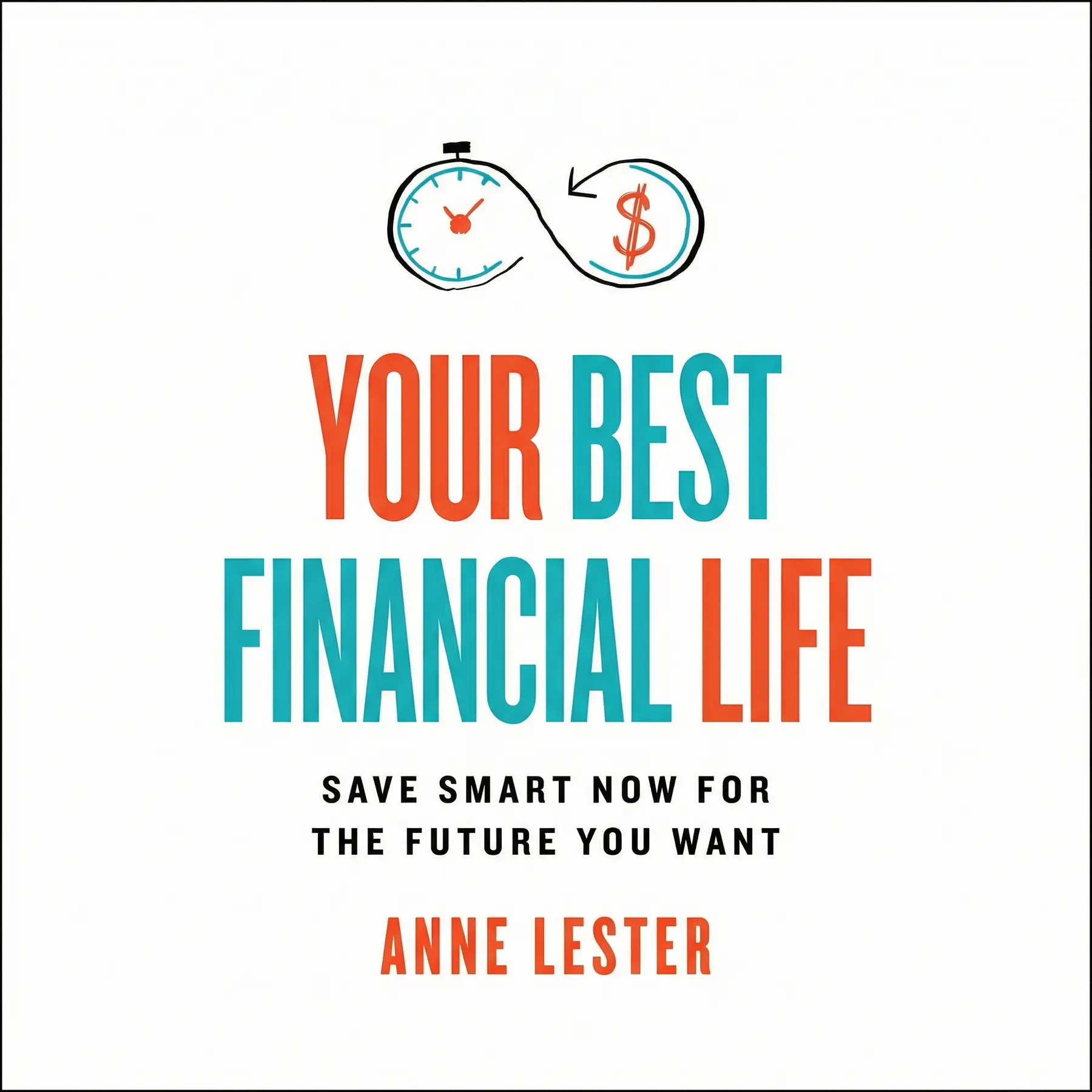
Your Best Financial Life: Save Smart Now for the Future You Want
By Anne Lester
Master your financial future by understanding the psychology of spending, leveraging the power of compound interest, and implementing a flexible, five-step strategy for long-term wealth and security.
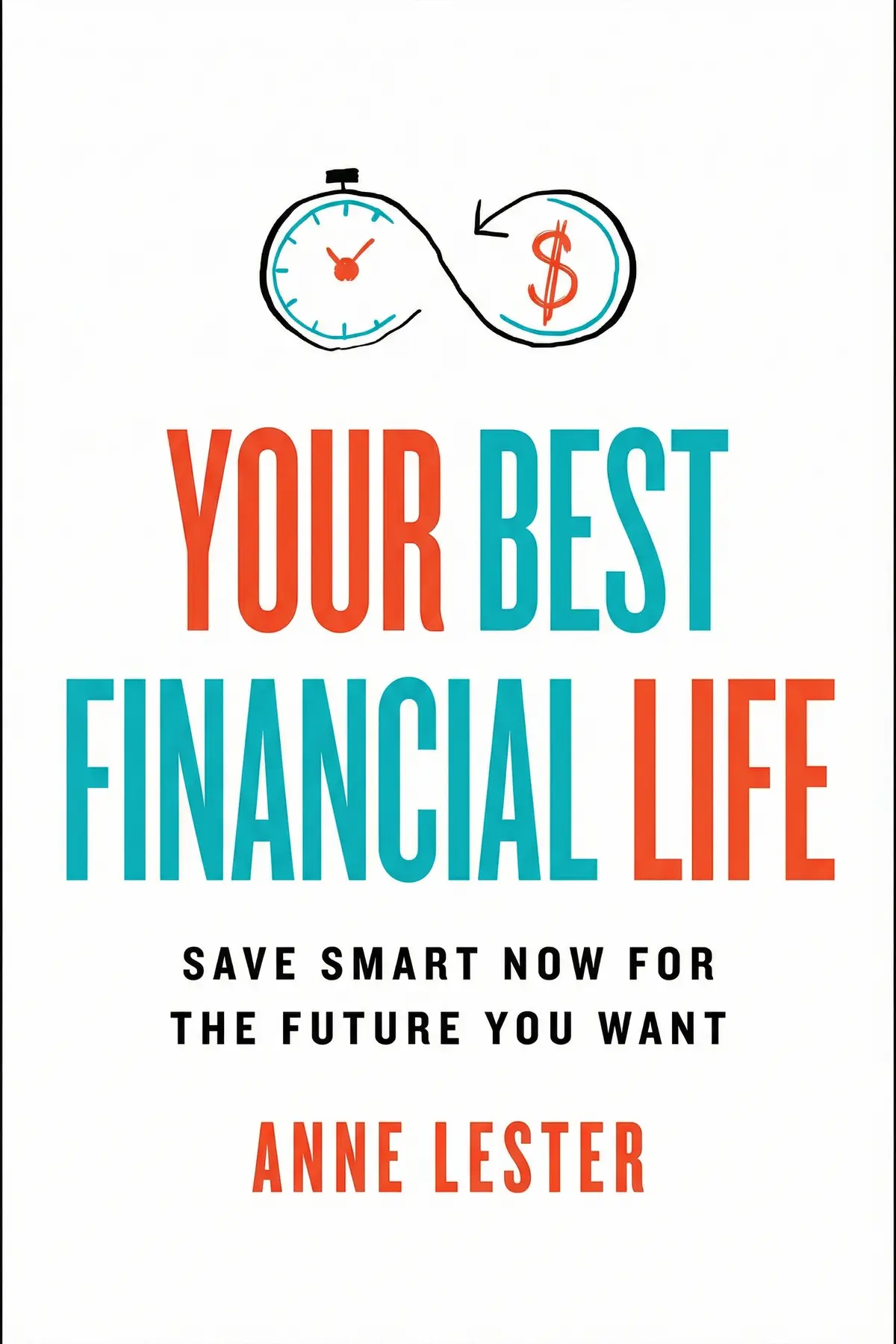
Table of Content
1. Introduction
1 min 28 sec
Imagine you are standing at the edge of a vast, open road. This is your financial journey, and the destination is a place of total freedom—a life where your choices aren’t dictated by the balance in your bank account, but by your own values and dreams. For many, this road seems shrouded in fog. We know we want to reach that distant peak of financial security, but the path is littered with confusing jargon, emotional traps, and the constant hum of a consumer culture telling us to spend now and worry later.
The reality is that most of us feel like we’re driving without a map. We might be making decent money, but we aren’t sure if we’re saving enough, or if we’re putting our money in the right places. We feel the tug-of-war between wanting to enjoy our lives today and needing to provide for the version of ourselves that will exist thirty or forty years from now. It’s a stressful balancing act, but it doesn’t have to be a mystery.
In this summary, we are going to clear the fog. We will explore how small choices made today can transform into massive wealth over time thanks to the quiet magic of compound growth. We’ll look at the psychological quirks that make saving so difficult and how you can hack your own biology to make better decisions. You will also learn a straightforward, five-step system called S.T.A.S.H. that acts as a blueprint for your financial life. This isn’t just about numbers on a spreadsheet; it’s about building a foundation that allows you to live your best life, both now and in the future. Let’s start the engine and look at how time itself is your greatest financial asset.
2. The Power of Starting Early
2 min 04 sec
Discover how the simple passage of time can turn modest savings into a massive fortune, and why your younger self holds the key to effortless wealth.
3. Identifying Common Financial Traps
2 min 02 sec
Learn to spot the subtle mistakes that can drain your long-term wealth, from missing out on employer benefits to the hidden costs of your dream home.
4. The Psychology of Modern Spending
1 min 59 sec
Explore the biological reasons behind our urge to splurge and how modern ‘pay later’ schemes exploit our ancient brain wiring.
5. Understanding Your Financial Identity
1 min 48 sec
Find out where you fall on the spender-saver spectrum and how to use your personality traits to your advantage rather than your detriment.
6. The S.T.A.S.H. Framework for Security
2 min 18 sec
Uncover a five-step system designed to balance your immediate financial needs with your long-term dreams of independence.
7. Maintaining Resilience Through Life's Changes
2 min 02 sec
Learn how to adapt your financial plan when life takes an unexpected turn, ensuring that setbacks don’t become permanent roadblocks.
8. Conclusion
1 min 20 sec
As we reach the end of this journey, it’s clear that achieving your best financial life isn’t about luck or having a massive inheritance. It’s about understanding a few fundamental truths and having the discipline to act on them consistently. We’ve seen how the simple math of compound returns can work miracles if you give it enough time, and we’ve explored the psychological landscape that often makes that waiting so difficult. By identifying your own financial persona and using the S.T.A.S.H. framework, you’ve moved from a place of uncertainty to having a concrete plan of action.
Remember that financial freedom is a marathon, not a sprint. There will be days when the temptation to spend is high, and there will be years when the market feels like it’s going nowhere. But the wisdom you’ve gained here—the importance of the emergency fund, the value of tax-advantaged saving, and the need for flexibility—will be your compass. The most important step you can take is the one you take today, whether that’s opening a retirement account, auditing your subscriptions, or finally building that safety net.
Your future self is waiting for you at the end of that road, and they are counting on you to make the choices that will give them security and peace. You now have the map and the tools. The road is open, and the destination is well within your reach. Start where you are, use what you have, and keep moving toward the future you want.
About this book
What is this book about?
This guide provides a comprehensive roadmap for navigating the complexities of personal finance in the modern world. It addresses the emotional and biological factors that often lead to poor money management, while offering a clear, actionable framework for building a secure retirement. Readers will learn how to maximize their savings through tax-advantaged accounts, protect themselves against life’s inevitable surprises, and strike a balance between future security and present enjoyment. The book introduces the S.T.A.S.H. method—a holistic approach to budgeting, debt management, and investing—while helping individuals identify their unique financial personalities. By focusing on the long-term benefits of compound interest and providing strategies to overcome common pitfalls like lifestyle inflation and underinsurance, the text promises to transform financial anxiety into a clear plan for lasting stability.
Book Information
About the Author
Anne Lester
Anne Lester is a financial expert and former head of retirement solutions for JPMorgan Asset Management, where she developed strategies to help individuals achieve a secure retirement. With a career spanning three decades, Lester is a trusted voice in personal finance, contributing her insights to leading financial publications including Forbes, the Wall Street Journal, and the New York Times.
Ratings & Reviews
Ratings at a glance
What people think
Listeners find the guide approachable and simple to follow, offering useful techniques for building savings and managing investments. Furthermore, the content is highly educational, as one listener pointed out the beneficial tips regarding the diversification of assets. They also enjoy the down-to-earth and funny style, with one review mentioning that it turns complicated money topics into something understandable. Listeners appreciate the core themes of the work, with one noting its emphasis on the optimistic side of handling personal finances.
Top reviews
Pichaya
Finally, a finance book that doesn't feel like a root canal or a lecture from a disappointed grandfather. Anne Lester manages to take the absolute dread out of retirement planning by using a tone that is actually conversational and, dare I say, funny. While most experts make you feel guilty for every latte, she focuses on a more positive management style that emphasizes automating your future. The advice on diversifying investments was particularly eye-opening for someone like me who usually just stares at their 401(k) options in total confusion. It is definitely geared toward a younger crowd—think 20s and 30s—but the core message about time being your biggest asset is universal. If you want a guide that simplifies the jargon without being patronizing, this is the one to grab. Just keep in mind it’s very US-focused regarding tax laws.
Show moreSiriporn
Picked this up on a whim after a friend recommended it, and I was pleasantly surprised by how much I actually learned about diversifying my portfolio. Lester has this unique way of explaining US investing vehicles like IRAs and 401(k)s that just clicks. The information is extremely informative, providing a roadmap that feels achievable rather than restrictive. I loved the section on 'paying yourself first' because it shifts the mindset from deprivation to building a foundation. Some might find the writing style a bit too slangy or 'young,' but honestly, I think that’s why it works for the target demographic. It’s relatable and keeps you turning the pages. It’s one of the few personal finance books I’ve actually finished cover-to-cover. Highly recommended for anyone just starting their career journey!
Show morePrayoon
The chapter on different spending and saving personalities was an absolute game-changer for my relationship with my bank account. It helped me realize that I’m not 'bad' with money; I just have specific triggers that I need to manage. Lester is humorous and intelligent, avoiding the droll tone that usually plagues this genre. I’ve read a lot of finance books, and this one stands out because it feels like a conversation with a very smart friend. She covers everything from emergency funds to the nuances of diversifying your investments. Everything is explained in a way that feels doable, not overwhelming. It’s very encouraging to see a book that focuses on what you *can* do rather than just telling you to stop buying lattes. This is easily one of the most informative and relatable finance books on my shelf.
Show morePraepimon
Anne Lester has managed to take the dread out of retirement planning with this fantastic guide. The book is incredibly informative, particularly when it comes to the strategies for saving and the importance of diversifying. I found her approach to be very relatable, especially her admission that finance is usually tedious and boring. She breaks that mold by being funny and using examples that actually make sense to someone in their 20s or 30s. Some might find the slang a bit heavy-handed, but I thought it made the book much more readable than the standard dry investment manual. The focus on automation and 'paying yourself first' is exactly the kind of practical advice people need to hear. This book gives you the tools to build a financial future without feeling like you're sacrificing your entire present life.
Show moreFah
As someone who has always found the stock market intimidating, I appreciated how this book broke down complex concepts into bite-sized, digestible pieces. The author’s humorous approach makes a normally dry subject quite engaging, and the practical strategies for saving are easy to implement immediately. I did notice she takes a few shots at the 'FIRE' movement and folks like Dave Ramsey, which felt a bit unnecessary even if I agree with her general points. To be fair, her 'Fireflies' nickname for early retirement seekers cracked me up, though I can see how it might offend some. My only real gripe is that the book assumes you have a decent chunk of change left over after your bills are paid. It doesn’t provide much of a roadmap for those living paycheck to paycheck on a tight budget. Still, it's a solid, informative read for any young professional.
Show moreMadison
Ever wonder why most money books are so incredibly boring? Anne Lester clearly did, because she wrote the opposite of a textbook. This is a reader-friendly guide that prioritizes accessibility over ego. I found the insights on diversifying investments to be some of the most helpful I’ve read in years. She makes a great case for starting early, even if you can only contribute a small amount to your retirement plan each month. The chapter on different spending personalities helped me understand why I struggle to save, which was an unexpected bit of psychology. My only caution is for my fellow Canadians. This book is 100% focused on the American system, so things like 401(k) and IRA details won't apply to us at all. If you can look past the US-specific tax info, the general philosophy is excellent.
Show moreCharles
Look, if you're already a pro at the stock market, you can skip this one. But if you’re a total novice who gets hives thinking about a budget, Lester is the guide you need. The writing is snappy and the advice is practical. I appreciated her focus on the positive aspects of financial management rather than just listing everything you’re doing wrong. She has a real talent for making complex financial concepts accessible to the average person. I did find the constant slang a bit much after a while, and her disdain for the 'Fireflies' was a little weird, but the core advice is solid. It’s a great gift for a college grad who is about to sign their first employment contract. It sets a foundation that will serve them well for decades to come. Worth the read for the investment tips alone.
Show moreSomsak
To be fair, Lester’s advice on US tax-advantaged retirement accounts is technically sound and very thorough for a beginner. However, I struggled with the math she proposed for savings. She suggests saving 40% of whatever is left after your essential expenses, but she never really defines what counts as 'essential.' For many young people in this economy, there isn't exactly a mountain of gold left over after paying rent and buying groceries. The book seems to assume a level of financial privilege that isn't universal. I also found the criticism of other financial experts to be a bit petty. While her writing is intelligent and certainly not dull, the organization felt a bit scattered at times. It’s a decent introductory text, but it lacks the depth needed for people facing real-world financial struggles or those living outside the United States.
Show moreGrace
Not what I expected given the broad title, as it's clearly laser-focused on a very specific American demographic. I picked this up hoping for some general principles but found myself skimming through pages of 401(k) and IRA talk that doesn't apply to me as a Canadian. Truth is, the author is a great writer—she's funny, engaging, and clearly knows her stuff. But the lack of information for anyone not in their early 20s or living in the States is a major drawback. I also felt like she brushed over the reality of people who are actually struggling to make ends meet. It’s easy to say 'save 40% of your extra money' when you have a high salary. That being said, her advice on the psychological side of spending was interesting. It’s a mixed bag depending on your personal situation.
Show moreWatcharee
The tone of this book really rubbed me the wrong way from the very first chapter. Lester uses excessive slang and profanity in what feels like a forced attempt to sound 'cool' for a younger audience, which I found distracting and unprofessional. Beyond the writing style, I was disappointed by how narrow the target audience is. If you aren't a 20-something American with a high-paying job and a bunch of spare cash, this isn't for you. She dismisses the early retirement movement and aggressive saving strategies as living in a 'garbage can' and eating 'rice and beans.' That felt incredibly dismissive to people who are actually disciplined. Furthermore, as a middle-aged reader, I found very little here that applied to my stage of life. It left me feeling more regretful about the past than empowered for the future. There are much better, more inclusive finance books out there.
Show moreFeatured in
Readers also enjoyed
AUDIO SUMMARY AVAILABLE
Listen to Your Best Financial Life in 15 minutes
Get the key ideas from Your Best Financial Life by Anne Lester, plus 5,000+ more titles in English and Thai.
- 5,000+ titles
- Listen as much as you want
- 7-day free trial
- Cancel anytime







