
14 min 44 sec
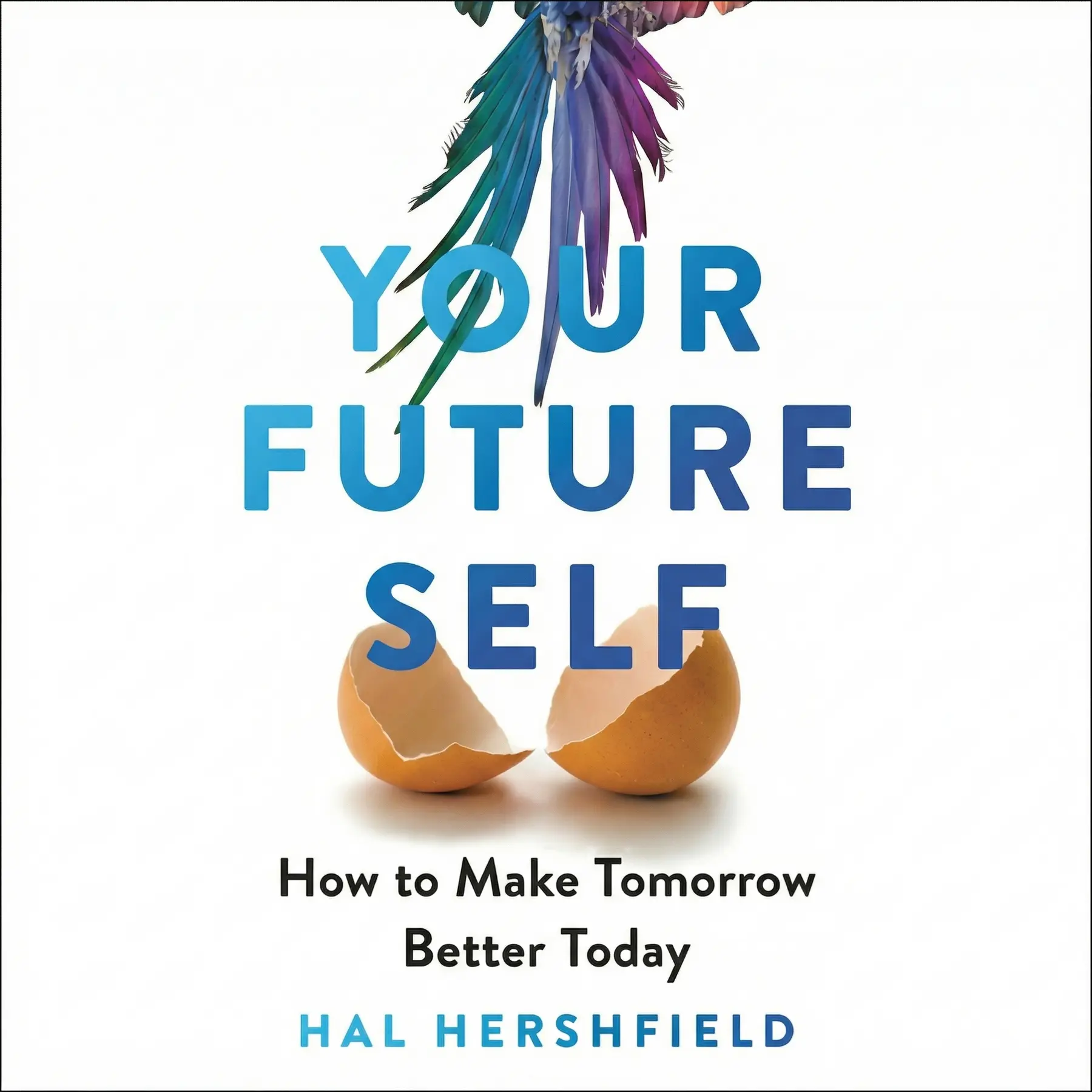
Your Future Self: How to Make Tomorrow Better Today
Explore the psychological distance between who you are today and who you will become. Learn how to bridge this gap to make better financial, health, and personal decisions for your future self.
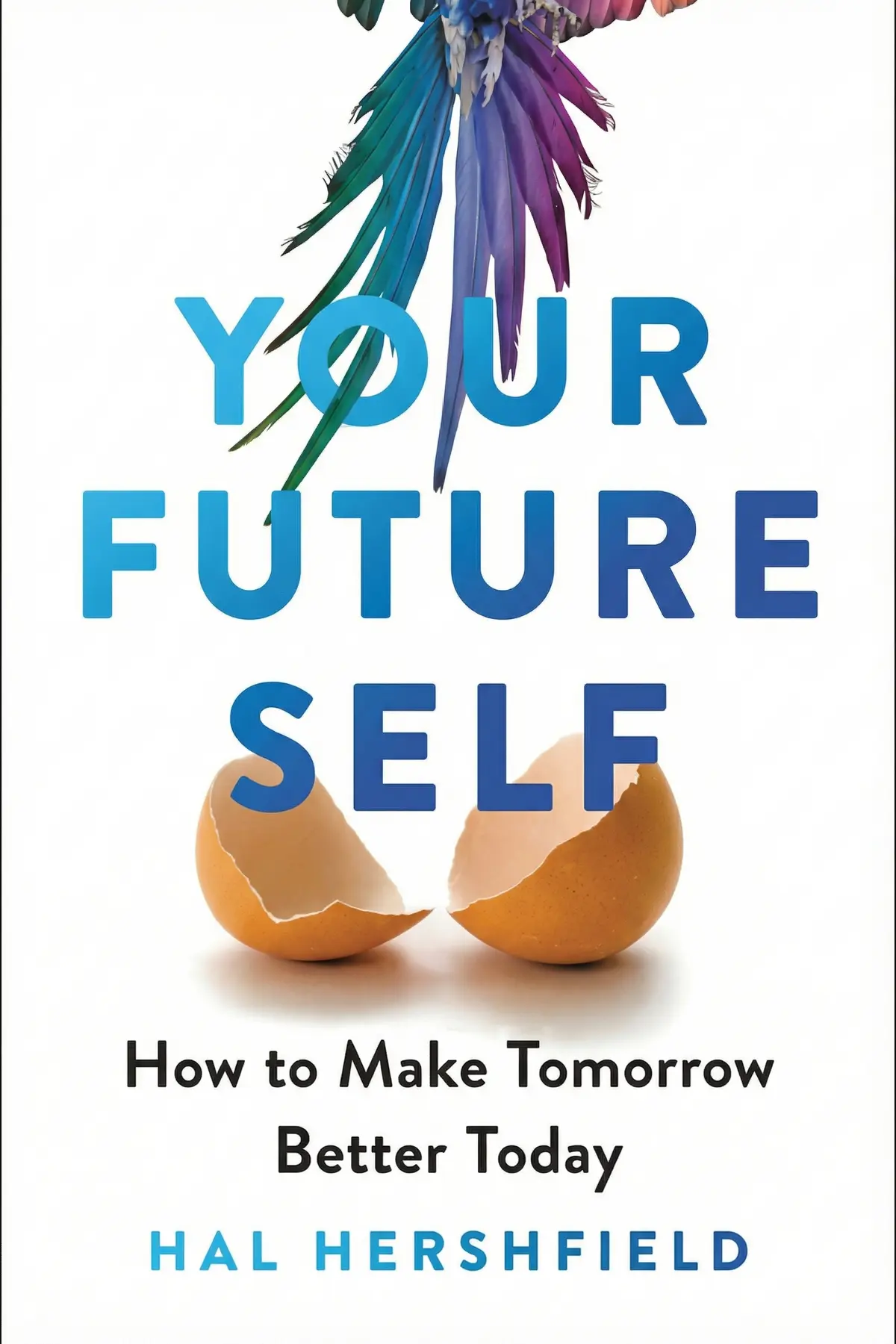
Table of Content
1. Introduction
1 min 28 sec
Imagine for a moment that you are sitting in a quiet cafe, waiting for a friend. A person walks in, sits down across from you, and begins to recite your deepest secrets, your most embarrassing memories, and your most private hopes. This person knows everything about your past because they were there for all of it. However, they look a bit older than you, perhaps a bit wiser, or perhaps a bit more tired. This stranger is you, ten or twenty years from now.
The question is: how well do you actually know this person? For most of us, the answer is ‘not very well at all.’ In fact, neurological studies suggest that when we think about our future selves, our brains light up in the same way they do when we think about a complete stranger. This mental gap is the root of many of our modern struggles, from the obesity epidemic to the global retirement savings crisis. We fail to do the hard work today because the person who will benefit feels like someone else entirely.
In this exploration of Your Future Self, we will look at the science of why we feel so disconnected from the version of us that hasn’t arrived yet. We will investigate the philosophy of identity, the psychology of temporal discounting, and the practical tools we can use to bridge that distance. By the end of this journey, you won’t just understand your future self better; you will start treating them like a dear friend who deserves your protection and care. Let’s dive into how we can stop living solely for the moment and start building a bridge to a better tomorrow.
2. The Evolution of Identity and the Moral Self
2 min 21 sec
Can a person truly become someone entirely new? Explore the fascinating relationship between physical change, memory, and the core ethical traits that define who we are.
3. Closing the Empathy Gap with Your Future Persona
2 min 11 sec
Why do we treat our future selves like strangers? Learn how the way we perceive time and distance affects our ability to make sacrifices today.
4. The Weight of the Present and the Anchor of Now
2 min 18 sec
Discover why the human brain is naturally biased toward immediate rewards and how this ‘anchoring’ effect can sabotage our long-term goals.
5. Overcoming the Illusions of Stability and Prediction
2 min 14 sec
We often believe that the person we are today is the person we will always be. Learn why this ‘end-of-history’ illusion leads to regret and procrastination.
6. Practical Blueprints for a Better Future
2 min 34 sec
Bridging the gap requires more than just willpower. Discover specific tools like temptation bundling and commitment devices to help your future self succeed.
7. Conclusion
1 min 38 sec
As we wrap up our look at Your Future Self, it’s helpful to return to that cafe where we imagined meeting our future identity. Only now, instead of seeing a stranger, you should see a partner. You should see someone who is counting on you, but also someone who understands that life is a balance.
The goal of connecting with your future self isn’t to live a life of total deprivation today so that you can be rich or healthy tomorrow. That would be just as lopsided as the life of a person who spends everything now and leaves nothing for later. True success lies in the balance. It’s about becoming a ‘good ancestor’ to yourself. It’s about making sure that when you eventually become that older version of yourself, you look back at the ‘you’ of today with gratitude rather than resentment.
Remember the key shifts we’ve discussed: recognize your moral continuity, close the empathy gap by humanizing your future, unhook yourself from the anchor of the present, and use systems rather than just willpower to stay on track. The distance between today and tomorrow might seem vast, but it is built one hour, one decision, and one heartbeat at a time.
By treating your future self as a friend, you stop fighting against time and start flowing with it. You begin to make choices that are easier, smarter, and more compassionate. So, the next time you face a difficult decision, take a breath and ask that person across the table: ‘Is this what’s best for us?’ The answer might just change the rest of your life. Start today, because your future self is already waiting for you, and they’re hoping you’ll make them proud.
About this book
What is this book about?
Have you ever wondered why it is so difficult to save money, exercise, or avoid procrastination, even when you know these actions benefit you in the long run? Your Future Self examines the cognitive disconnect that occurs when we think about the people we will eventually become. Often, our brains treat our future selves like total strangers, leading us to prioritize immediate gratification over long-term well-being. Hal Hershfield offers a deep dive into the intersection of psychology and economics to explain why we make these choices. The book promises to help you build a stronger, more empathetic connection with your future persona. By utilizing specific mental frameworks and practical strategies, you can learn to act as a better ancestor to yourself, ensuring that the 'you' of tomorrow inherits a life of health, wealth, and fewer regrets.
Book Information
About the Author
Hal Hershfield
Hal Hershfield is a distinguished professor at the UCLA Anderson School of Management. His work focuses on the fascinating crossroads of psychology and economics, specifically looking at how to improve long-term decision-making. Recognized as one of the top business school professors under 40, his research has been featured in the New York Times and used to advise major firms like Morgan Stanley.
Ratings & Reviews
Ratings at a glance
What people think
Listeners find this work practical and stimulating, noting its engaging narratives and compelling topics. The content is grounded in science, and one listener emphasizes its potential beyond financial decisions. They also value the book’s clear writing, with one individual mentioning it's worth several hours to read.
Top reviews
Om
Wow, this really changed my perspective on why I procrastinate. Hershfield argues that procrastination is essentially a battle between our past, current, and future selves, and that we often fail because we can’t visualize that future version of us vividly enough. I loved the section on "pre-commitment devices," like locking your phone away to force your future self to work. The blend of rigorous science and narrative storytelling makes the concepts stick. One of the most fascinating parts was the study on Alzheimer’s versus ALS patients and how our "moral self" defines who we really are. It’s rare to find a book that is both intellectually stimulating and immediately applicable to your daily routine. This is easily worth a few hours of your time if you want to understand your own decision-making better.
Show moreSombat
Ever wonder if you’re actually the same person you were when you were eight years old? This book dives deep into that riddle. Hershfield uses the concept of "memory" and the "moral self" to explain why we feel a thread of continuity even as our cells and preferences change. I was fascinated by the "projection bias" section—how we pack the wrong clothes for a trip because we can’t imagine feeling differently than we do right now. It’s a brilliant exploration of the human psyche. The storytelling is excellent, and the practical strategies for "befriending" your future self are actually doable. It's a must-read for anyone interested in why we struggle with long-term goals and how to finally overcome that gap.
Show moreTern
As someone who always puts off saving for retirement, this was a necessary wake-up call. Hal Hershfield explores the "temporal chasm" between who we are now and the person we'll become in twenty years. To be fair, I never realized that I treat my future self like a complete stranger. It’s a bit jarring to realize I’d rather have $990 today than $1000 in a few months, but the ship anchor metaphor explains that pull of the present perfectly. The writing is accessible and moves quickly, though some of the behavioral psych points felt familiar if you've read other popular habit books. Still, the specific focus on "mental time travel" provides a fresh lens on why we sabotage our own goals. It isn't just about money; it’s about identity and how we perceive our own evolution.
Show moreWillow
Finally got around to finishing this, and I’m glad I did. It’s a thought-provoking look at how our perception of time shapes our choices. I particularly appreciated the advice on "mental time travel" and using days instead of years to make the future feel closer. If you think about an event being 3,650 days away instead of 10 years, it suddenly feels more urgent. The book is full of these little practical "hacks" that go beyond simple financial planning. My only gripe is that it occasionally feels like a collection of studies stitched together. That said, the "vampire reference" about endless existence was a brilliant way to frame the question of who we’d be if time didn't matter. It’s a great read for anyone into behavioral psychology.
Show moreNam
This book manages to turn complex behavioral economics into something actually fun to read. I loved the comparison of our lives to a "ceaseless evolution." We aren't just one person; we are a collection of separate selves. The advice on using "commitment devices" with automatic punishments was a game-changer for my productivity. Not gonna lie, I’ve already started writing a letter to my future self to make that "stranger" feel more like a friend. The book is quite long and gets a bit bogged down in the middle, but the overall message is powerful. It’s practical, scientifically grounded, and makes you look at your daily calendar in a completely different way. Definitely worth the read.
Show moreGin
I had high hopes for this one because the premise of "befriending your future self" is so compelling. However, the execution felt a bit repetitive after the first hundred pages. The author uses a lot of cake analogies—if you eat the cake now, will your future hips thank you? It’s a bit reductive. Frankly, I was more interested in the deep philosophical questions about identity, like the "end-of-history illusion," than the constant focus on avoiding being "fat or poor." I wanted more on how to build a creative, expansive life, not just how to avoid worst-case scenarios. It’s a decent read with some solid science, but it could have been trimmed down significantly. It’s a good concept that gets a bit lost in its own length.
Show morePong
The research here is top-notch, but I’m not sure all the case studies hit the mark. For instance, the story about the serial killer Pedro Rodrigues Filho felt like an extreme way to illustrate that people can change. Did we really need a murderer's story to understand the concept of a "reborn" self? Look, the book offers plenty to ponder, especially the "yes/damn" effect—we’ve all agreed to a future party only to regret it when the day actually arrives. But the middle sections drag. I found myself skimming through some of the redundant explanations of projection bias. It's worth a read for the core takeaways, but don't expect to be gripped by every single chapter. It’s more of a 3.5-star experience for me.
Show moreSomboon
After hearing Hal on a podcast, I was excited to dive into the full text. As someone in my mid-fifties, the realization that my current choices will impact the "final third" of my life is becoming very real. I want to stay healthy and independent, yet I still find myself choosing the immediate reward over the long-term benefit. This book explores that "why" in great detail. The science is solid, and the writing style is very readable. However, I found it a bit too focused on avoiding negative outcomes like loneliness or poverty. I would have loved more discussion on pursuing dreams and growth. It’s a solid book, just a bit repetitive in its examples.
Show moreEleanor
Truth is, the concept here is better than the execution. I support the idea of thinking about the future self to motivate today’s actions, but the book spends too much time on the "how many parts of you need to change" philosophical debate. It felt a bit disjointed. On one hand, you have very practical tips for avoiding procrastination, and on the other, you have deep dives into the "vampire" existential crisis. It’s a bit of a mixed bag. I did appreciate the "yes/damn" effect explanation, as it explains so much of my social anxiety regarding over-committing. It's worth several hours of your time if you're a fan of psychology, but it didn't quite live up to the hype for me.
Show moreAroha
Not what I expected. While I appreciate the author's credentials, this felt like another "pop-psych" book that stretches a single good idea into far too many pages. The core message is simple: connect with your future self to make better choices. Do we really need twenty different ways to say that? I found the tone a bit patronizing at times, especially with the constant warnings about eating too much or not flossing. To be fair, there are some interesting bits about the "end-of-history illusion," but they are buried under layers of filler and those repetitive cake analogies. If you've read any other behavioral economics books lately, you can probably skip this one and just read a summary. It felt very repetitive by the end.
Show moreReaders also enjoyed
A Liberated Mind: How to Pivot Toward What Matters
Steven C. Hayes
Acting with Power: Why We Are More Powerful Than We Believe
Deborah Gruenfeld
Age of Propaganda: The Everyday Use and Abuse of Persuasion
Anthony Pratkanis
AUDIO SUMMARY AVAILABLE
Listen to Your Future Self in 15 minutes
Get the key ideas from Your Future Self by Hal Hershfield, plus 5,000+ more titles in English and Thai.
- 5,000+ titles
- Listen as much as you want
- 7-day free trial
- Cancel anytime







