
22 min 08 sec
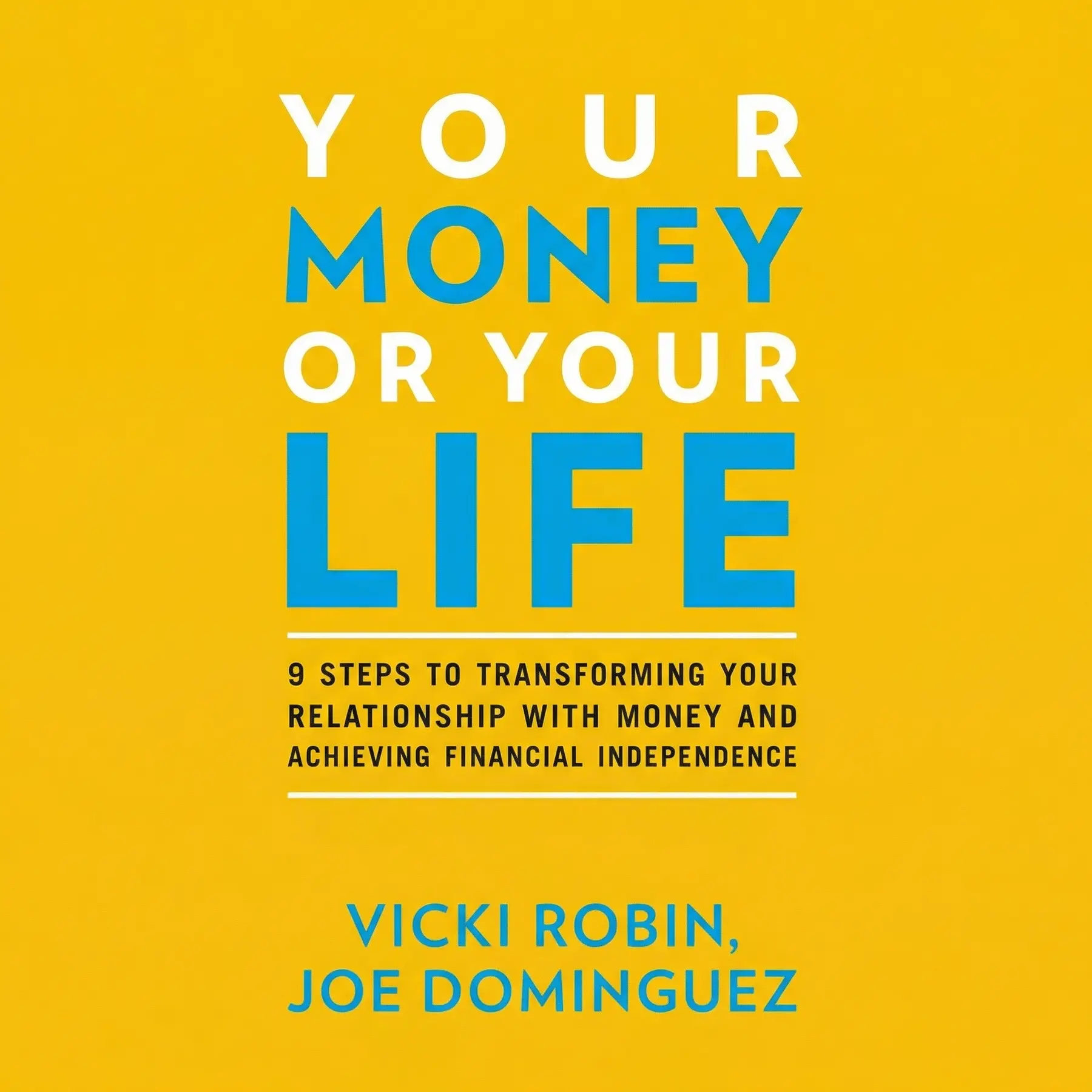
Your Money or Your Life: 9 Steps to Transforming Your Relationship with Money and Achieving Financial Independence
A comprehensive guide to achieving financial freedom by transforming your relationship with money, calculating the true value of your time, and aligning your spending with your deepest personal values.
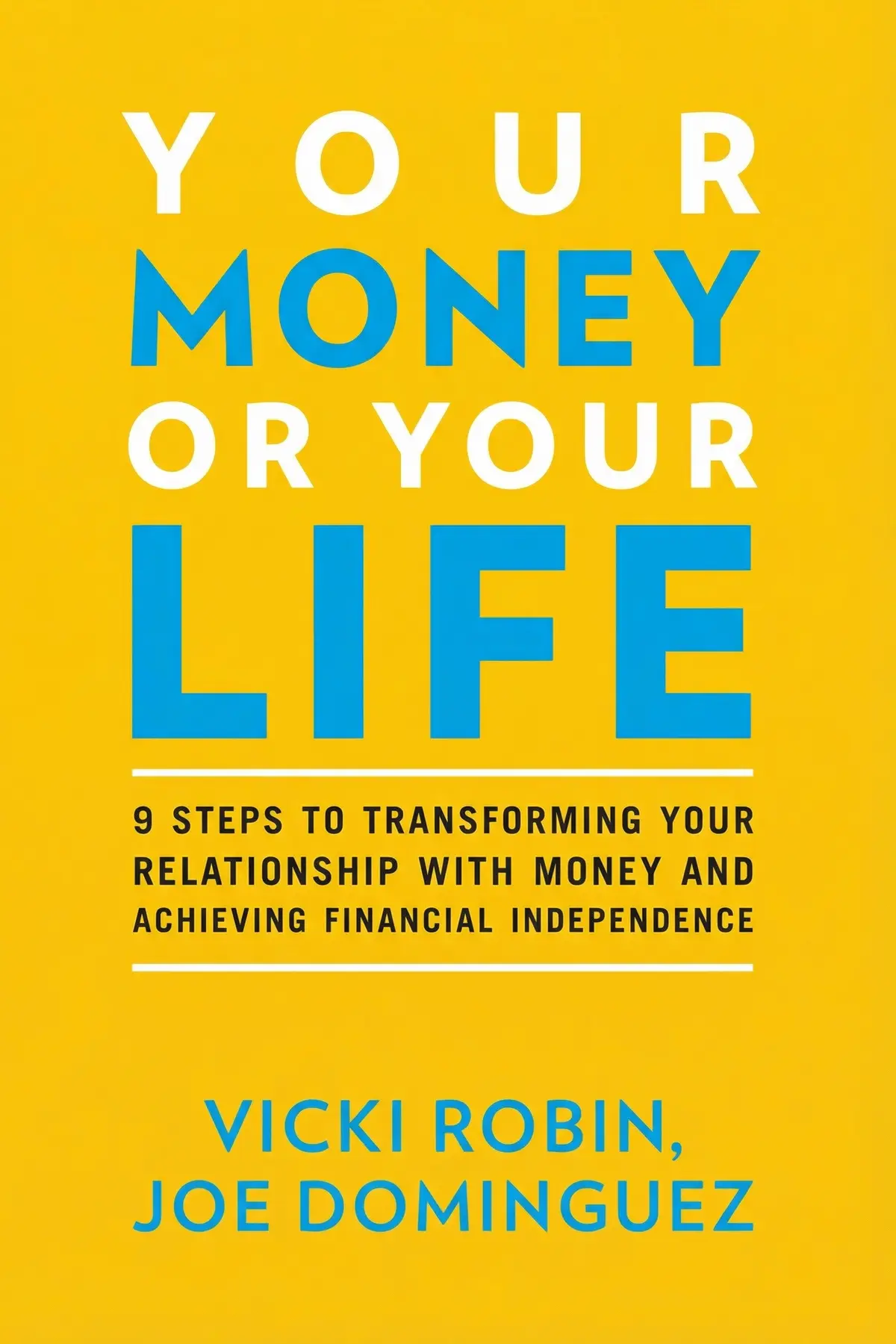
Table of Content
1. Introduction
1 min 40 sec
Imagine a scenario where someone confronts you and demands your money or your life. In that high-stakes moment, the choice is obvious. You would hand over your wallet in a heartbeat to save your skin. Yet, if we look closely at our modern daily existence, most of us are making the opposite choice every single day. We sacrifice our precious hours, our physical health, and our mental well-being for a paycheck. We spend the best years of our lives working in jobs we may not even like, all to buy things that don’t actually make us happy. We are, in a very literal sense, trading our lives for money.
This summary introduces a radical shift in how we perceive the role of capital in our lives. It’s not just about getting rich or learning how to pick stocks; it’s about a total transformation of your relationship with money. The goal is to reach a state of Financial Independence, which is defined here as the ability to dictate exactly how you spend your time without being tethered to a traditional job for survival.
Over the course of this narrative, we will explore a nine-step program designed to bring your financial reality into the light. We will see how to reconcile with your past, understand the true cost of your current employment, and build a system that eventually allows your money to work for you. By the end, you’ll have a clear understanding of the ‘crossover point,’ that magical moment when your investment income exceeds your lifestyle costs. This journey is about more than just numbers on a spreadsheet; it’s about reclaiming your ‘life energy’ and ensuring that every cent you spend is in service of your true purpose. Let’s begin by looking at how you can make peace with where you’ve been so you can decide where you’re going.
2. Reconciling Your Financial History
2 min 17 sec
What if you could see every dollar that ever passed through your hands? Discover why auditing your lifetime earnings is the first step toward true freedom.
3. The True Cost of Your Hourly Wage
2 min 11 sec
Your salary isn’t what you think it is. Learn how to calculate the hidden expenses of working and find out the real value of your time.
4. Mapping Your Monthly Flow
2 min 00 sec
Forget traditional budgeting and start tracking your life energy. Discover the power of categories that reflect your actual behavior.
5. The Three Questions of Fulfillment
2 min 07 sec
Is your spending actually making you happy? Use three specific questions to evaluate every expense against your personal values.
6. Visualizing the Path with a Wall Chart
2 min 01 sec
Transform your financial data into a powerful motivator. Learn why a physical graph of your income and expenses is essential for success.
7. The True Meaning of Frugality
2 min 16 sec
Frugality isn’t about being cheap; it’s about the ‘joy’ of having enough. Discover how to use your life energy intelligently.
8. Maximizing the Value of Your Labor
2 min 04 sec
Your job is a trade of life energy for money. Learn why seeking the highest possible pay is a key part of the path to independence.
9. The Magic of the Crossover Point
2 min 05 sec
There is a specific number that represents your freedom. Discover how to calculate your investment income and find your ‘crossover point.’
10. Securing Your Future Through Wise Investing
2 min 13 sec
Don’t leave your freedom to chance. Learn how to choose sustainable, low-cost investments that will support your independence for the long haul.
11. Conclusion
1 min 14 sec
The journey we’ve explored is about far more than just balancing a checkbook. It is a fundamental reassessment of what it means to live a good life. By moving through these nine steps—from auditing your past to reaching the crossover point—you are engaging in an act of profound self-liberation. You are choosing to stop seeing money as a mysterious, scarce resource and start seeing it as a tangible representation of your finite time on this earth.
As you move forward, the most important takeaway is the concept of ‘life energy.’ Every time you reach for your wallet, ask yourself if the item in front of you is worth the hours of your life you traded to get it. When you align your spending with your deepest values, you’ll find that ‘enough’ is much less than you previously thought. This realization is the secret key to the cage of the consumer treadmill.
The throughline of this entire process is intentionality. Whether you choose to retire at thirty-five or continue working because you love what you do, you are doing it on your own terms. You are no longer working because you have to, but because you choose to. Take that first step today: look at your bank statement, calculate your real hourly wage, and begin the process of buying back your freedom. Your life is waiting for you.
About this book
What is this book about?
This summary explores a transformative approach to personal finance that goes beyond simple budgeting. It introduces the concept of life energy, teaching you to view every dollar spent as a trade-off for a portion of your finite time on Earth. By following a structured nine-step program, you can move from financial confusion to a state of total independence. The promise of this approach is not just a larger bank account, but a more meaningful existence. You will learn how to audit your financial history, calculate your real hourly wage, and visualize your progress toward a crossover point where your investments cover your living expenses. Ultimately, it provides a roadmap to retire early or simply reclaim the freedom to choose how you spend your days.
Book Information
About the Author
Vicki Robin
Vicki Robin is a celebrated American author and speaker whose work on sustainable living has influenced millions. Her prominence grew significantly after an appearance on the Oprah Winfrey Show, helping her work reach best-seller status. Joe Dominguez was a successful Wall Street financial analyst who achieved the goal of retiring at the age of 31. He developed the foundational nine-step program that forms the core of this financial philosophy.
Ratings & Reviews
Ratings at a glance
What people think
Listeners find this title captivating and simple to understand, offering actionable tips and methods for achieving financial freedom. The work encourages people to re-evaluate their lives and transform their connection to finances, with one listener highlighting that it offers a new 25-year proven way to look at money. Listeners value the content's worth, with one mentioning how it helped them save for retirement, and consider it essential for novices aiming to lower their debt.
Top reviews
Ice
Finally got around to reading this classic, and it’s easy to see why it’s a cornerstone of the financial independence movement. The concept of 'life energy'—literally trading your limited time on earth for dollars—completely shifted my perspective on every single purchase. While the investment advice regarding US Treasury bonds is clearly a relic of the early 90s, the psychological framework remains incredibly potent. I spent the weekend tallying up every cent I've ever earned, which was both humbling and eye-opening. The book provides a practical 9-step program that helps you define what is 'enough' rather than just chasing more. It’s not just about penny-pinching; it’s about reclaiming your time from a soul-crushing job. Some sections feel a bit repetitive, and the writing style is definitely a product of its time, but the core message is timeless. If you want to turn around your relationship with money and stop the consumerist cycle, start here.
Show moreA
What sets this apart from other finance books is the deeply philosophical approach to our daily transactions. Instead of just giving tips on how to save, Robin and Dominguez ask us if our spending is actually aligned with our internal values. I found the exercise of calculating my 'real' hourly wage—subtracting commuting costs, work clothes, and decompression time—to be a total game-changer. It turns out I was making much less than I thought! The book is engaging and provides a new way to look at money as a tool for freedom rather than a status symbol. Is it a bit long-winded? Yes. Is the investment advice outdated? Absolutely. But the 9-step program is a solid foundation for anyone wanting to escape the rat race. It teaches you to value your time and live a life that is rich in experiences rather than just stuff. This is essential reading for anyone feeling burnt out by their career.
Show morePhu
Ever wonder where all your money actually goes? This book forced me to answer that question with brutal honesty. The 9-step program is systematic and demanding, but the results are undeniable if you actually do the work. I especially liked the section on maintaining your belongings and buying for quality to save in the long run. It’s a very environmental-friendly approach to finance that feels even more relevant today than in 1992. My only major gripe is the repetitive nature of the middle chapters; they really beat the same drum until you’re ready to skip ahead. Also, please ignore the advice about 6% Treasury bonds—that’s a fantasy in today's market! Stick to the chapters on mindset and expense tracking, and you’ll get plenty of value for your money. It’s a life-changing book that helps you stop the 'more is better' treadmill and finally find some peace.
Show moreCarter
As someone who has struggled with impulsive shopping, the idea of 'gazingus pins' really hit home for me. This book offers a 25-year proven strategy to re-examine your life and stop wasting your precious time on things that don't bring joy. I loved the emphasis on tracking every penny, even though the manual chart-making feels a bit archaic in the age of digital apps. To be fair, you have to take the investment section with a massive grain of salt. Recommending a portfolio of purely Treasury bonds in today’s economy is frankly dangerous advice that ignores the power of compounding. However, the first half of the book is absolute gold for beginners looking to reduce debt and find their 'crossover point.' It’s a challenging read that forces you to confront your values and the environmental impact of your spending. Despite the dated examples, the sentiment is engaging and easy to follow for anyone ready for a change.
Show moreNing
This book is a must-read for anyone drowning in debt or living paycheck to paycheck. It doesn't just offer quick fixes; it provides a comprehensive system to transform your entire financial life. I appreciated how the authors encourage you to look at your past earnings and see what you actually have to show for it. It’s a sobering task that makes you realize how much 'life energy' has been squandered on meaningless clutter. The 25-year proven method outlined here is easy to follow, even if some of the specific examples feel like they’re from a different planet. Truth is, the core strategies for maximizing income and minimizing spending are still the best ways to reach the crossover point. I’ve already started my line graph and it’s surprisingly motivating to see the gap between income and expenses grow. It’s a practical, soul-searching journey that I would recommend to any beginner looking for a fresh start.
Show moreEnd
After hearing about the FIRE movement for years, I finally picked up the book that started it all. It’s a fascinating read, though it definitely shows its age with the Dow Jones references and bond strategies. The 'gazingus pin' concept is a hilarious but accurate way to describe those little impulse buys that bleed us dry. I do worry that some of the advice leans toward 'living like a pauper' just to die with a high net worth. Where is the balance for things like travel or kids’ activities? The book touches on this briefly, but it mostly advocates for extreme thrift. Personally, I found the steps for tracking 'life energy' more useful than the actual investment plan. It’s a great companion to modern blogs like Mr. Money Mustache, providing the necessary psychological depth those sites sometimes lack. Even if you don't follow the 9 steps perfectly, it will change how you view your paycheck.
Show morePaisley
The chapter on 'Gazingus Pins' alone makes this worth the price of admission for a serial shopper like me. I’ve read a lot of finance books, but this one actually made me feel emotional about my bank account. It’s not just about numbers; it’s about your soul and how you spend your days. The authors help you realize that every dollar is a piece of your life you’ll never get back. I’ve started tracking my expenses and it’s amazing how much I was spending on 'convenience' that didn't actually make my life easier. Granted, the investment chapter is a historical curiosity at best, but the rest of the 9-step program is incredibly practical. It’s an engaging read that turned around my relationship with money in just a few weeks. If you’re looking for a sign to finally take control of your finances and your future, this is it.
Show moreApichat
Frankly, I found the 9-step program a bit daunting at first, but the results have been worth the effort. This book offers a 25-year proven way to look at money that is much more holistic than your average budget guide. It helps you find the 'crossover point' where your savings can finally support your lifestyle, which is the ultimate goal. I loved the emphasis on finding 'enough' rather than always wanting the next upgrade. My main criticism is that the writing is quite jumbled in places, and the authors can be a bit preachy about their lifestyle choices. It’s also important to remember that this was written before the internet, so some of the logistics of tracking are much easier now. Despite its flaws and the terrible advice on US Treasury bonds, the book’s value for money is high. It’s a foundational text for anyone interested in financial independence.
Show moreBun
Look, I understand why this was revolutionary in the 90s, but reading it today is a frustrating experience. The authors spend hundreds of pages repeating the same few points about 'life energy' without offering modern solutions. The most glaring issue is the suggestion that achieving financial independence is as simple as pouring everything into US Treasury bonds. In what reality does that work in 2024? There is zero mention of index funds, real estate, or the crushing reality of modern healthcare costs. I found the writing style jumbled and the anecdotal success stories felt highly suspicious, especially the one about a low-earning caterer retiring early. While the steps for tracking expenses are valid, you can find better, more updated versions of this advice on any personal finance blog for free. It’s an interesting historical document of the early FIRE movement, but as a practical guide, it’s severely lacking. Skip the fluff and just read a summary online.
Show moreWorawit
To be fair, I think I wasted more 'life energy' reading this than I'll ever save using its tips. The content is frustratingly repetitive and could have been a 20-page pamphlet. I was shocked to see it recommended so often given how dangerously outdated the investment advice is. Pouring all your savings into Treasury bonds might have worked for the authors, but it’s a recipe for poverty in an inflationary world. The book also seems to ignore the realities of modern life, like the soaring cost of housing and healthcare. Some of the testimonials felt like works of fiction, making it hard to take the authors seriously. If you’ve never thought about your spending before, maybe you’ll find some value here. But for anyone with a basic understanding of personal finance, this is a skip. There are much better, more realistic resources available today that don't require you to live like a monk.
Show moreReaders also enjoyed
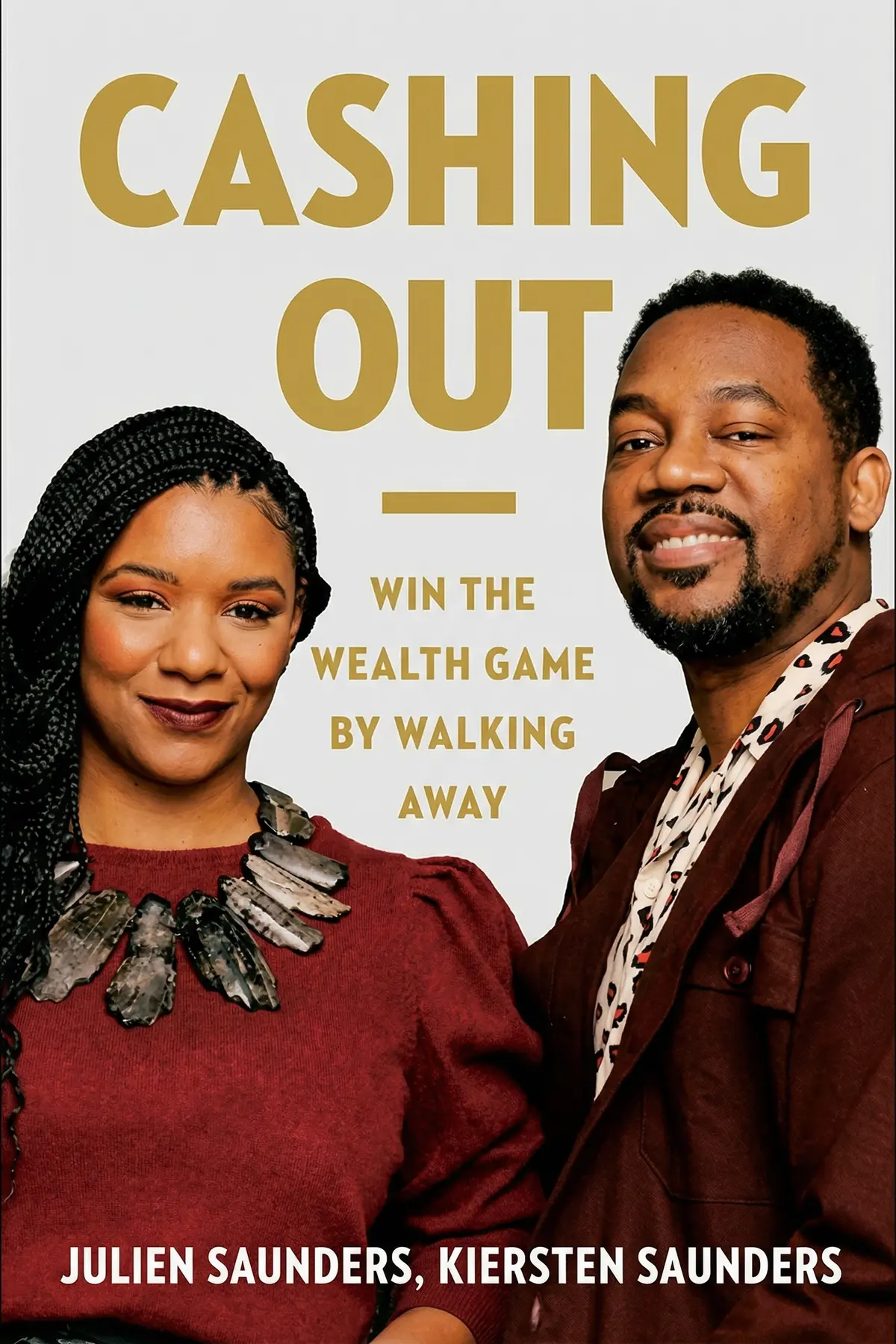
Cashing Out: Win the Wealth Game by Walking Away
Julien Saunders
Charlie Munger: The Complete Investor
Tren Griffin
Big Mistakes: The Best Investors and Their Worst Investments
Michael Batnick
AUDIO SUMMARY AVAILABLE
Listen to Your Money or Your Life in 15 minutes
Get the key ideas from Your Money or Your Life by Vicki Robin, plus 5,000+ more titles in English and Thai.
- 5,000+ titles
- Listen as much as you want
- 7-day free trial
- Cancel anytime







