

16 min 56 sec
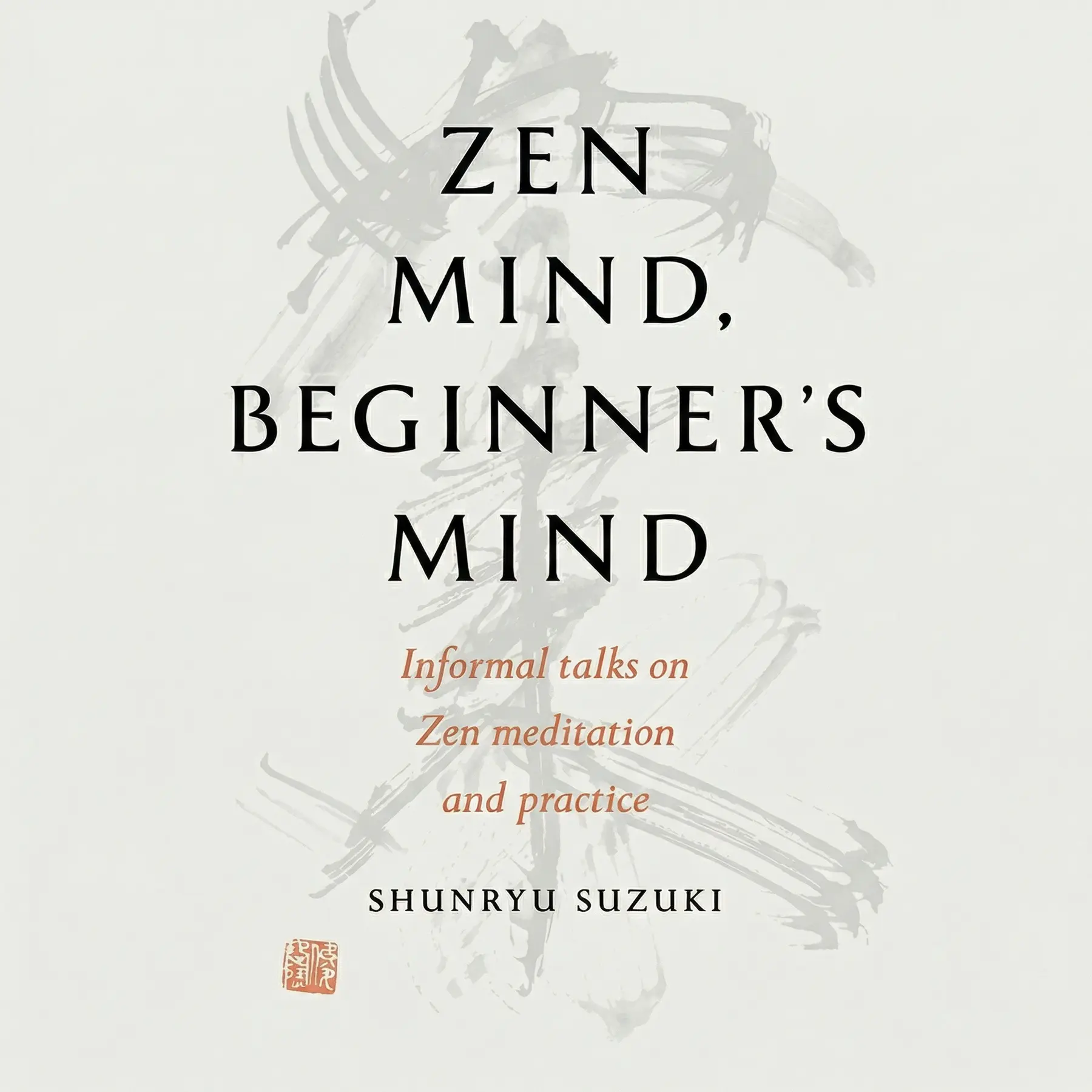
Zen Mind, Beginner’s Mind: Informal Talks on Zen Meditation and Practice
Explore the foundational teachings of Zen Buddhism through the lens of a beginner’s mind. This guide reveals how meditation, posture, and a shift in perspective can lead to profound inner peace.
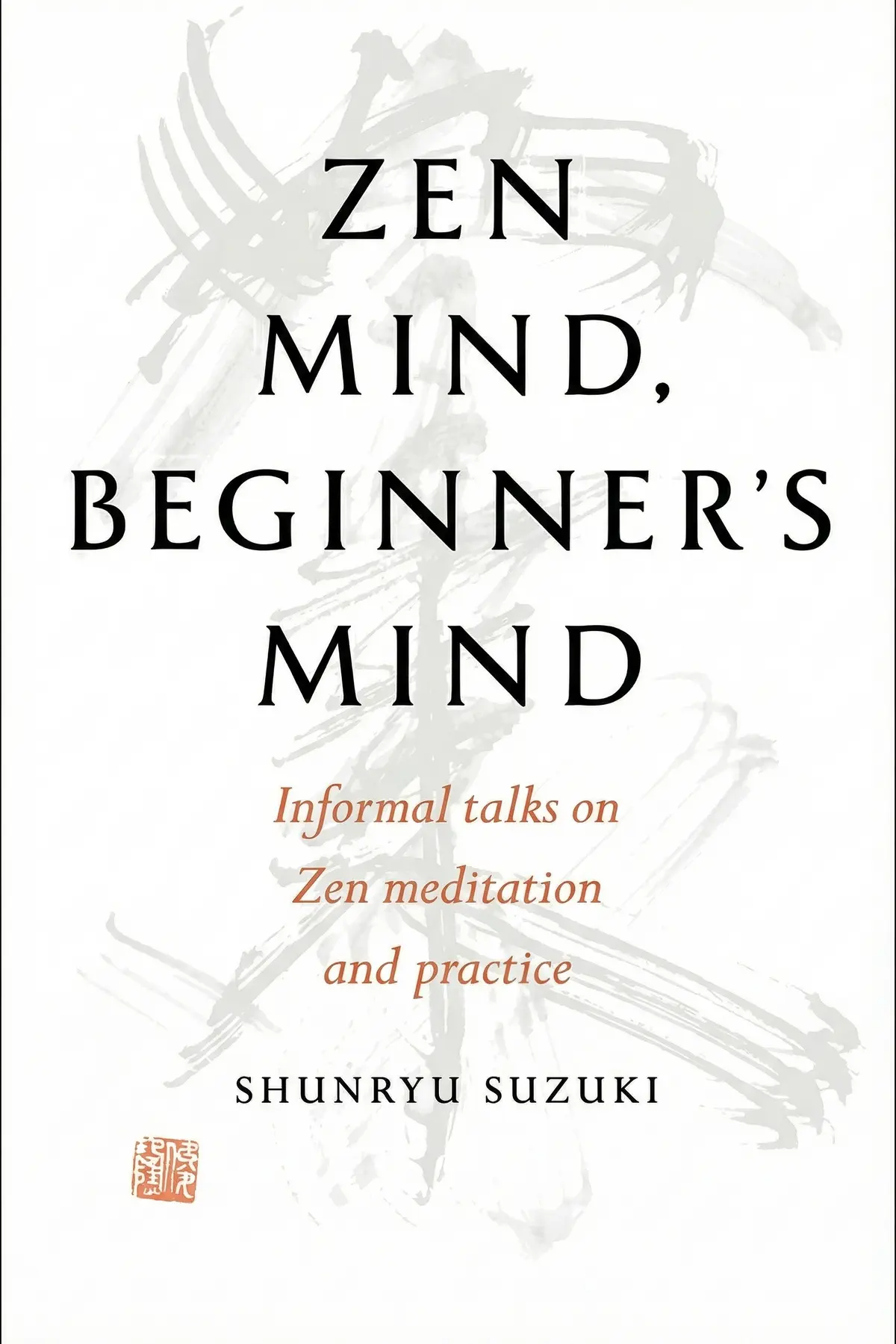
Table of Content
1. Introduction
1 min 39 sec
Have you ever noticed how, when we start something new, we are full of curiosity and excitement? We don’t have any expectations, so we are open to every possibility. But as we become ‘experts,’ our minds often close. We start to believe we know how things should work, and we lose that vital spark of openness. This is the central tension that Shunryu Suzuki addresses in his teachings. He suggests that the most profound wisdom isn’t found in complex theories or high-level mastery, but in returning to what he calls the ‘beginner’s mind.’
In our modern lives, we are constantly pushed to achieve, to improve, and to reach the next milestone. We treat our minds like tools to be sharpened and our lives like projects to be managed. This constant striving often leads to a deep-seated sense of anxiety and a feeling of being perpetually overwhelmed. We are so focused on the destination that we completely miss the journey. Zen offers a radical alternative: the idea that the practice itself is the goal.
This isn’t about escaping the world or reaching a state of constant bliss. Instead, it’s about a fundamental shift in how we relate to our own experiences. Throughout this exploration, we will look at how the way we sit, the way we breathe, and the way we view our mistakes can transform our daily existence. We will see how letting go of the need for ‘results’ actually opens the door to a more authentic and stable kind of happiness. By the end of this journey, the goal is to see that the peace we are searching for isn’t somewhere else—it is right here, in the very next breath we take.
2. The Spiritual Foundation of Physical Posture
1 min 56 sec
Discover why the way you sit during meditation is far more than a simple physical requirement, acting as a gateway to a unified state of being.
3. Finding Oneness in the Flow of Breath
1 min 57 sec
Explore how the simple act of breathing serves as a bridge between your inner world and the vast universe surrounding you.
4. The Power of Observation Over Control
1 min 48 sec
Learn why the secret to a calm mind lies not in suppressing your thoughts, but in giving them the space to exist without interference.
5. Transforming Adversity into Spiritual Fuel
1 min 54 sec
Understand how the struggles and distractions you face in your practice are actually the very things that help you grow.
6. The Wisdom of the Bad Horse
1 min 51 sec
Find out why being the ‘slowest’ student can often lead to the deepest understanding of life’s truths.
7. The Trap of Excitement and the Beauty of the Mundane
2 min 12 sec
Reconsider your pursuit of thrill and achievement as you discover the quiet joy hidden within your everyday routines.
8. Pure Activity as a Form of Generosity
2 min 12 sec
Uncover the secret to selfless action and how doing things for their own sake becomes a gift to the world.
9. Conclusion
1 min 27 sec
As we conclude our exploration of Shunryu Suzuki’s timeless wisdom, the central theme remains clear: the path to peace is found in the return to simplicity. We have seen that the beginner’s mind is not a stage to be moved past, but a state to be continually nurtured. It is the practice of remaining open, even when we feel we have seen it all, and staying humble, even when we have achieved much.
Zen reminds us that the most important things in life aren’t the grand gestures or the major milestones, but the quality of our attention in the present moment. Whether it is the way we hold our bodies, the way we follow our breath, or the way we handle the ‘weeds’ in our mental garden, every moment is an opportunity to practice. We don’t need to go to a mountaintop to find enlightenment; we just need to bring a little more awareness to the next thing we do.
In your daily life, try to notice when you are rushing toward a result or judging yourself for a ‘bad’ day. When that happens, remember the ‘bad horse’ and the ‘swinging door.’ Take a breath, feel your posture, and let go of the need for things to be different than they are. By embracing each moment exactly as it is, without the baggage of your expectations, you can move through the world with a sense of lightness and grace. This is the promise of Zen: not a life without challenges, but a mind that is stable enough to meet them with a clear and open heart.
About this book
What is this book about?
This summary delves into the core philosophy of Zen practice as taught by Shunryu Suzuki. It explores the paradoxical idea that the most advanced practitioners are those who maintain the openness and curiosity of a novice. By moving away from the desire for achievement and the trap of dualistic thinking, readers are shown how to find stability in the midst of life’s chaos. The book promises a path toward contentment that doesn't rely on external success or special spiritual experiences. Instead, it focuses on the power of zazen—seated meditation—and the importance of being fully present in every mundane activity. Through metaphors of horses, gardens, and swinging doors, it provides a framework for understanding how to live without the burden of ego, ultimately offering a way to experience the world with clarity and compassion.
Book Information
About the Author
Shunryu Suzuki
Shunryu Suzuki was a distinguished Japanese monk who moved to the United States in 1959. He became a pivotal figure in introducing Zen to the West, eventually founding the San Francisco Zen Center. Throughout his life, he mentored numerous students and authored influential works on Zen practice, including Branching Streams Flow in the Darkness.
Ratings & Reviews
Ratings at a glance
What people think
Listeners find this work deeply illuminating and a premier manual for Zen practice, as it encapsulates the core of this spiritual lineage. Furthermore, the material is highly accessible and rewards repeated listening, featuring a straightforward but deep methodology that strikes a chord with the audience. The writing is also praised as pure poetry, and listeners value the lucid and succinct presentation.
Top reviews
Pornpimon
This tiny volume is less of a manual and more of a mirror. Suzuki Roshi doesn’t hand you a map; instead, he describes the landscape of your own mind with a clarity that feels like pure poetry. I was struck by the insistence on the "beginner’s mind," the idea that having no preconceptions is the ultimate form of wisdom. In the expert’s mind there are few possibilities, but in the beginner’s mind there are many. This isn't just about meditation—it is about how to approach a bowl of soup or a difficult conversation with the same sincerity. The chapters are short, which is perfect because you really need to sit with each thought for a few days. It is deeply enlightening and deceptively simple. Truly, there is no need to strive for enlightenment when the practice itself is the goal.
Show moreSomporn
Suzuki Roshi’s words have a rhythmic, almost hypnotic quality that makes complex spiritual concepts feel like common sense. The way he discusses "Big Mind" as the source of all creativity really resonated with me as an artist. Frankly, I think this is one of those rare books you can revisit every year and find something entirely new. It’s not a book about Zen; it’s an invitation to engage in the practice itself. I particularly appreciated the sections on non-attachment—not as a way of being cold, but as a way of seeing the absolute value in everything. The prose is sparse and elegant, capturing the essence of the tradition without the heavy weight of dogma. It’s a beautiful reminder that we already have everything we need within our own pure nature.
Show moreSavannah
Rarely does a book demand so little while offering so much. There is no shocking denouement or complex system to memorize here. Instead, you get gentle encouragement to just sit, just bow, and just breathe. Suzuki’s focus on the ordinariness of Zen—the idea that cooking or cleaning is an expression of our sincerity—is what makes this book so accessible. It strips away the mystery and replaces it with a profound sense of presence. I found the "no thought of achievement" philosophy to be incredibly liberating for my anxiety. If you do something in the spirit of non-achievement, there is a good quality in it. This is a small jewel of a book that I’ll keep on my nightstand for a long time. It’s pure, poetic, and thoroughly enlightening.
Show moreCooper
The simplicity here is deceptive. At its heart, this book is about the courage to be exactly who you are without any extra effort. Suzuki's advice to "just do it" without even seeking spiritual joy is a masterclass in psychological health. I love his definition of calmness—not as the absence of activity, but as calmness within activity. That is true calmness. The writing style is stripped of all ego, which is refreshing in the world of self-help. It’s an excellent guide to Zen practice because it doesn't try to sell you anything. It just points you back to yourself. Whether you are a serious student or just curious, this book captures the spirit of Zen better than almost anything else I’ve read. It is a profound, essential work.
Show moreFelix
Picked this up after a stressful month and found the chapter on physical posture surprisingly grounding. It turns out that how you sit actually matters more than the philosophy you're trying to grasp. Suzuki makes it clear that Zen isn't about some flashy spiritual excitement, but rather the quiet concentration of our everyday routine. I loved the analogy of the teacher who was like a tiger in his youth but grew to be pleased with being like a cat. It’s a very domestic, ordinary kind of spirituality. Some parts get a little repetitive, and the transcribed lecture format means it lacks a traditional narrative arc, but that’s almost the point. You don’t read this to find out what happens at the end. You read it to learn how to be where you are right now. A solid, classic guide for anyone curious about the San Francisco Zen tradition.
Show moreYuki
After hearing about the "beginner’s mind" for years in corporate workshops, I finally decided to go straight to the source. The truth is, the real concept is much more radical than the buzzwords suggest. Suzuki argues against having an ideal to strive for, which feels completely counter-intuitive to our achievement-oriented Western culture. He says that practicing for the sake of joy or a goal is actually a "shabby" practice. That hit home. It’s a challenging read because it asks you to let go of the very things we usually use to motivate ourselves. The book is clear and concise, but don't let the length fool you—it's heavy. My only gripe is that a few sections feel a bit dated in their delivery, but the core message is timeless. It’s a foundational text for a reason.
Show moreChokdee
Look, if you're expecting a step-by-step "How to Meditate" manual with glossy photos, keep moving. This is a collection of transcribed talks, which means the structure is loose and the tone is conversational. Personally, I found this made the wisdom feel more authentic, like you're sitting in the room with Suzuki Roshi himself. He has a way of turning things inside out—telling you that your problems are actually the way to enlightenment. The chapter on "limitless teaching" was a highlight for me. It’s not always an easy read; some of the paradoxes about emptiness will make your head spin if you try to think your way through them. But if you just let the words wash over you, the essence of the practice starts to make sense. It's a classic for a reason, even if it's a bit "riddle-ish" at times.
Show moreKofi
Can we talk about how funny and human Suzuki can be in his own quiet way? He talks about how we shouldn't be too serious or we will lose our way, but we shouldn't play games either. It’s all about that middle path. I found the sections on the San Francisco Zen Center history very interesting—imagining all those 1960s seekers trying to find Nirvana. This book was their North Star. It’s a very domestic approach to Buddhism, focusing on the kitchen and the garden as much as the zendo. While a few of the metaphors felt a bit circular, the overall sentiment is one of deep kindness and encouragement. It’s a book that invites you to be a beginner every single day, which is a pretty great way to live. Definitely worth the read.
Show moreRohan
Is this really for beginners? To be fair, I found myself wading through a lot of semi-opaque discourse that felt more like a riddle than a guide. While Suzuki is undeniably a giant in the Zen world, his talks often circle around concepts of emptiness and non-duality that might leave a true novice feeling more confused than when they started. I was looking for something to help with the overwhelming stress of daily life, but this felt a bit detached from the grit of modern problems. There are definitely nuggets of wisdom here, especially regarding posture and breathing, but the writing style is very much that of an old master talking to his devoted students. If you aren't already sold on the benefits of sitting in Zazen, this might feel a bit dry or even boring. I'd recommend it only if you have some prior Buddhist context.
Show moreTum
Gotta say, I struggled to stay awake through some of the more abstract sections on the nature of being. While the Amazon reviews called it readable and concise, I found it somewhat repetitive. It feels like the same three or four ideas are being approached from fifty different angles. One minute he’s talking about how to breathe, and the next he’s deep into the 6 Paramitas and the Four Buddhist Vows. It’s a bit of a jump! To be fair, there are some beautiful lines about compassion and calmness in activity, but as a total beginner, I felt like I was missing the "why." I wanted more about how Zen helps with the pain and problems of everyday life, and less about the "universal nature" of bowing. It’s a decent book, but perhaps over-hyped for the casual reader.
Show moreReaders also enjoyed
A New Earth: Awakening to Your Life’s Purpose
Eckhart Tolle
Aflame: Learning from Silence
Pico Iyer
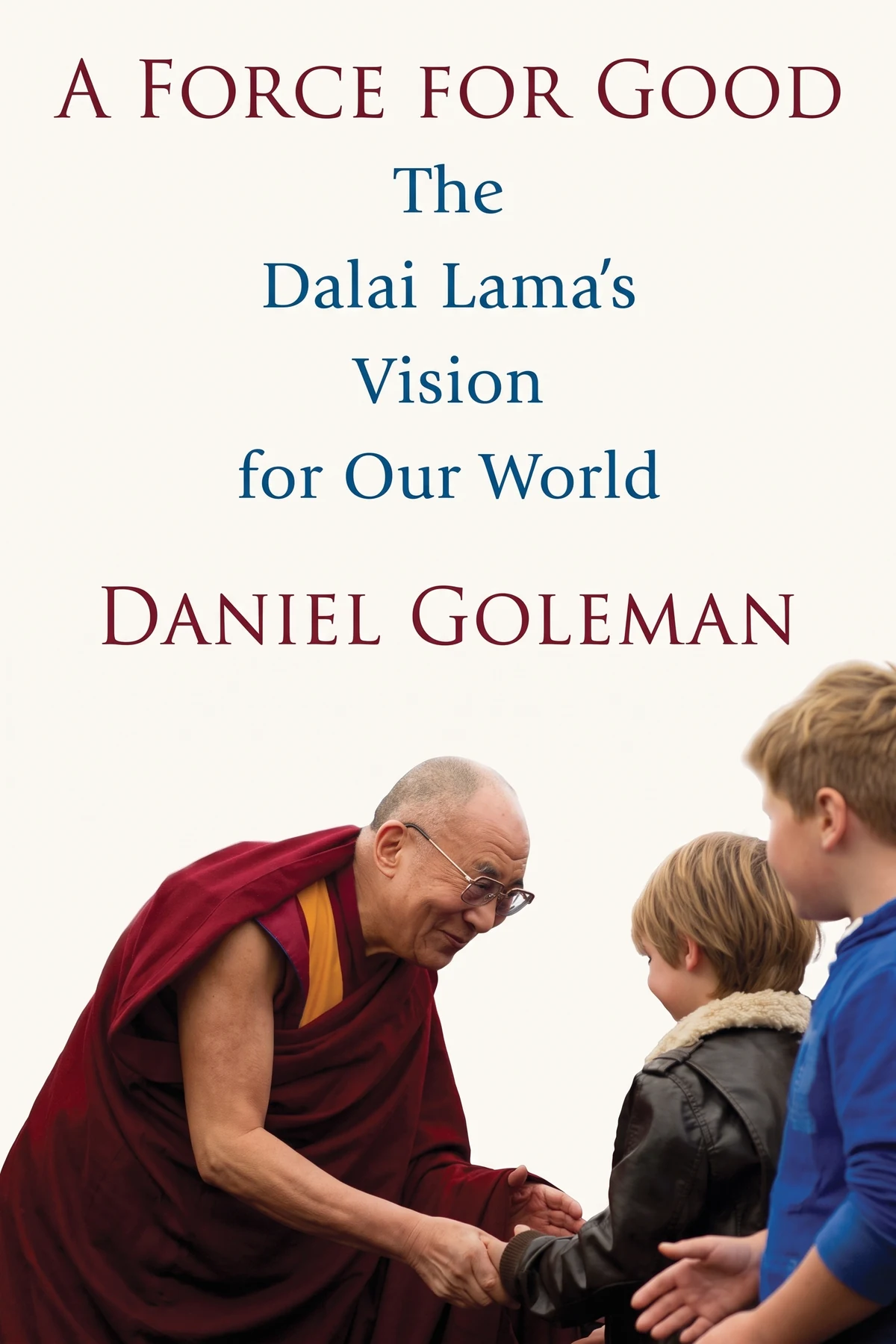
A Force for Good: The Dalai Lama's Vision for Our World
Daniel Goleman

A Return to Love: Reflections on the Principles of a Course in Miracles
Marianne Williamson
Abundance: The Inner Path to Wealth
Deepak Chopra

Alcoholics Anonymous
Alcoholics Anonymous World Services
AUDIO SUMMARY AVAILABLE
Listen to Zen Mind, Beginner’s Mind in 15 minutes
Get the key ideas from Zen Mind, Beginner’s Mind by Shunryu Suzuki, plus 5,000+ more titles in English and Thai.
- 5,000+ titles
- Listen as much as you want
- 7-day free trial
- Cancel anytime







