

A Life Decoded: My Genome: My Life
J. Craig Venter
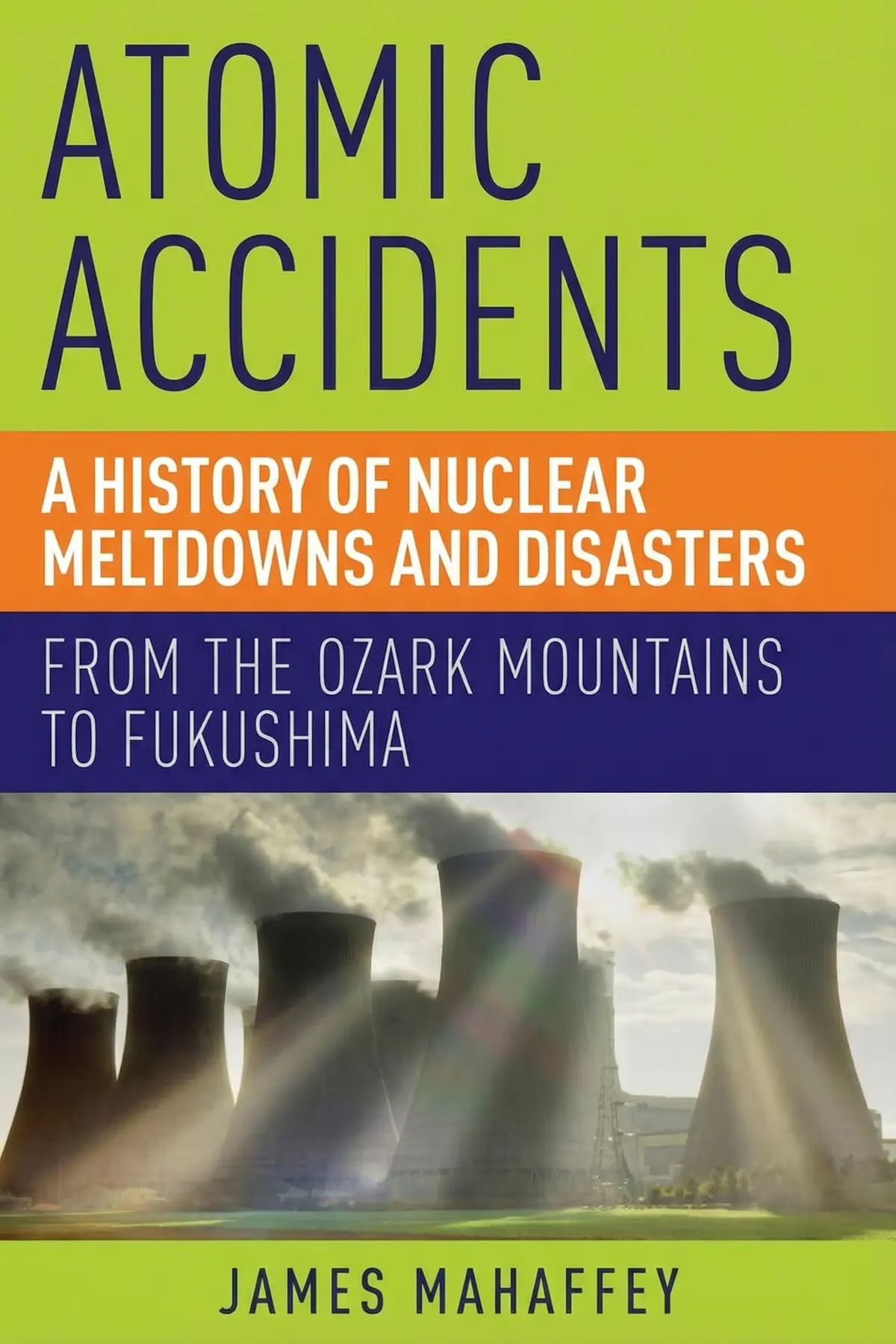
A comprehensive journey through the history of nuclear mishaps, Atomic Accidents explores the scientific, human, and political failures behind famous meltdowns while offering hope for a safer atomic future.
1 min 32 sec
In 2011, the world watched in horror as nature’s fury collided with human ingenuity. A massive earthquake followed by a towering tsunami struck the coast of Japan, leading to a catastrophic meltdown at the Fukushima Daiichi nuclear plant. This single event was so profound that it caused world leaders, like German Chancellor Angela Merkel, to completely reverse their stance on nuclear energy almost overnight. What was once heralded as the greenest solution for a power-hungry planet suddenly became a symbol of existential dread.
But the story of nuclear power isn’t just a series of random tragedies; it’s a history of learning through failure. In Atomic Accidents, nuclear engineer James Mahaffey takes us on a journey from the very first discovery of radiation to the cutting-edge reactor designs of tomorrow. By examining the chilling details of past disasters, we can begin to see a throughline: a path where every mistake, however tragic, has provided the data necessary to make the next generation of energy safer.
Over the course of this summary, we will explore the evolution of atomic science. We’ll look at the early pioneers who paid with their lives, the terrifying reality of ‘lost’ nuclear weapons, and the specific design flaws that turned Chernobyl and Fukushima into household names. Most importantly, we will look toward a future where a new kind of nuclear power might finally fulfill its promise of clean, safe, and abundant energy.
2 min 08 sec
Early researchers were captivated by the magical properties of radioactive elements, unaware that the very substances they studied were silently destroying their health.
2 min 03 sec
The high-stakes race to build the first atomic weapon during World War II pushed scientific experimentation to its most dangerous and destructive limits.
2 min 01 sec
History is littered with documented instances where nuclear weapons were lost, dropped, or crashed, revealing the terrifying frequency of military accidents.
2 min 05 sec
A combination of outdated technology, political isolation, and critical human error turned a routine test into the world’s worst nuclear disaster.
2 min 06 sec
Despite being located in a known earthquake zone, the Fukushima plant was left vulnerable by its aging infrastructure and ignored scientific warnings.
2 min 11 sec
By revisiting abandoned designs and exploring stable elements like thorium, the next generation of nuclear power could be virtually accident-proof.
1 min 25 sec
The history of nuclear energy is often written in the ink of tragedy, but as James Mahaffey demonstrates in Atomic Accidents, it is also a story of incredible resilience and evolution. We have seen how the early, deadly curiosity of the nineteenth century gave way to the high-stakes military gambles of the mid-twentieth century. We’ve analyzed how the isolation of the Soviet era and the aging infrastructure of the Japanese coast led to the industry’s darkest days.
What this long view reveals is that nuclear accidents are rarely the result of the technology being ‘evil’ or uncontrollable. Instead, they are the result of very human failings: the tendency to ignore warnings, the desire for secrecy, and the inertia of sticking with old designs because they are familiar.
The path forward requires us to be as bold as the early pioneers but with a much greater respect for safety and transparency. By moving toward inherently stable materials like thorium and learning from the structural differences between plants that failed and those that survived, we can fulfill the original promise of the atomic age. Nuclear power remains one of our most potent tools for a carbon-free future, provided we have the wisdom to look the ghosts of past accidents in the eye and build something better in their place.
Atomic Accidents explores the terrifying yet fascinating history of nuclear technology's greatest failures. From the early, glowing days of radium research to the modern-day crisis at Fukushima, nuclear engineer James Mahaffey provides a detailed look at how human error, political secrecy, and design flaws led to disaster. The book promises a balanced perspective: while it catalogs the haunting consequences of atomic mismanagement, it also reveals the path toward a safer, more sustainable future through advanced reactor designs like thorium-based systems. By analyzing these past mistakes, readers gain a deeper understanding of why nuclear power is feared and how it might yet be the key to our energy needs.
James Mahaffey is a distinguished nuclear engineer who previously served as a senior research scientist at the Georgia Tech Research Institute. His extensive professional background includes high-level work for the United States Defense Department’s Defense Nuclear Agency, as well as roles within the Air Force Air Logistics Center and the National Ground Intelligence Center. In addition to his research on nuclear mishaps, he is the author of Atomic Awakening: A New Look at the History and Future of Nuclear Power.
Listeners find the material both amusing and meticulously investigated, noting that the author balances specialized insights with a style that remains clear for the general public. The text offers a thorough examination of nuclear disasters, reaching back to events occurring before controlled fission, and listeners frequently highlight the effective use of humor. Nevertheless, the dense technical information draws varied opinions—while listeners admire the breakdown of difficult concepts, some think the book occasionally becomes overly detailed.
Mahaffey has a rare gift for turning terrifying nuclear catastrophes into a narrative that is both educational and unexpectedly funny. I spent several nights relaying the most bizarre incidents to my family, especially the stories about early radiation exposure that happened before people even understood the danger. The footnotes are a treasure trove of extra information and links that you shouldn't dare to skip. While some of the engineering details are dense, the author manages to keep the momentum going by focusing on the human element. It’s essentially a history of human error on a massive scale. If you have even a passing interest in science history, this is a must-buy for your collection.
Show moreAfter hearing several people rave about Mahaffey's technical storytelling, I finally decided to dive into this one. It’s an absolute masterclass in science writing that doesn't talk down to the reader. The way he traces the evolution of nuclear technology through its mistakes is a brilliant structural choice. I was particularly fascinated by the early history of the Ozark 'caves of death' and the radium dial workers. Those stories serve as a haunting backdrop for the more modern disasters like Three Mile Island. Even if you aren't a science geek, the stories of human stubbornness and bureaucracy are endlessly compelling. I simply couldn't put it down once I started.
Show moreWait until you get to the section on the Kyshtym disaster or the 'train wreck' comparisons in the introduction. Mahaffey has an incredible ability to make even the most technical descriptions feel like a high-stakes thriller. I loved the quirky details, like the part numbers for neutron generators and the bits of nuclear lore that haven't been published elsewhere. The footnotes are where his personality really shines through, offering witty asides and geeky jokes that made me laugh out loud. It’s rare to find a book that is this meticulously researched yet still manages to be genuinely entertaining. This is easily one of the best non-fiction books I’ve read in years.
Show moreWow, what an incredible journey through the history of atomic energy! I was hooked from the very first chapter about arranged train collisions and how that set the stage for nuclear testing. The author covers so much ground, including incidents I had never even heard of before. It’s terrifying to realize how many times we’ve come close to total disaster due to simple human laziness or arrogance. Mahaffey explains things like mass criticality in a way that feels urgent and understandable to a non-scientist like me. This book changed the way I think about power generation and the risks we take for progress. Highly recommended for any history buff.
Show moreDon't let the thickness of this book intimidate you because it's a surprisingly smooth read. Mahaffey writes with a passion that is contagious, turning what could have been a dry list of dates into a vivid history of the atomic age. I especially appreciated how he didn't just focus on the famous meltdowns but also looked at the early pioneers and their accidental discoveries. The tone is perfectly struck—respectful of the tragedy but appreciative of the scientific advancement. Even the most technical passages are peppered with enough humor and insight to keep you moving forward. It’s an eye-opening, brilliantly written volume that belongs on every history fan's shelf.
Show moreEver wonder how many ways a nuclear reactor can actually fail? This book provides a staggering amount of detail regarding every time we got it wrong, from minor laboratory slips to the horror of Chernobyl. Mahaffey writes with a specific brand of dry humor that keeps the mood from becoming too bleak, which I really appreciated. However, the chronological layout occasionally feels a bit disjointed when jumping between different reactor types across various continents. Some sections are definitely more engaging than others. Still, the level of insight into safety protocols and the reasoning behind these accidents is unparalleled. It's a solid 4-star read for anyone patient enough to handle a bit of jargon.
Show moreThis book is essentially Murphy’s Law on steroids, applied to the most powerful force humans have ever harnessed. Mahaffey breaks down the technical aspects of fission so well that I actually felt like I understood the mechanics for once. He makes a strong case for nuclear power being our future, despite the terrifying accidents he chronicles throughout the text. I did find the transition between certain chapters a bit jarring, as the book moves strictly by date rather than theme. A more thematic approach might have helped tie the bigger picture together more effectively for a casual reader. Regardless, it is a fascinating look at how we learn through catastrophe.
Show moreLook, if you’re looking for a sensationalized horror story about radiation, look elsewhere. This is a sober, analytical, and highly detailed look at how the nuclear industry has evolved through trial and error. Mahaffey doesn't shy away from the gore or the stupidity, but he always brings it back to the science and the engineering. I found his assessment of the Fukushima Daiichi incident particularly balanced, acknowledging both the natural disaster and the design flaws. My only real gripe is that the technical jargon can get overwhelming if you aren't paying close attention. It demands focus, but the payoff in knowledge is definitely worth the effort for the curious reader.
Show moreTo be fair, I went into this expecting a fast-paced disaster chronicle, but it felt much more like an intensive college course. While the author is obviously brilliant and can explain complex physics to a layman, the sheer volume of technical data was exhausting. I found myself skimming several chapters just to get to the actual accident part of the story. The narrative often gets buried under descriptions of valves, coolant systems, and isotopic weights. I also wish there was more focus on the long-term environmental impacts rather than just the immediate mechanical failures. It is highly informative, but it lacks the page-turner quality I was hoping for in a history book.
Show moreI struggled to stay awake during the middle sections of this book. I picked this up because I wanted to learn about the history of nuclear mishaps, but the writing is often as dry as an old textbook. There is way too much focus on the specific part numbers and mechanical schematics for my taste. Unless you are a nuclear engineer or a dedicated enthusiast, you might find your mind drifting during the long technical explanations. The author's pro-nuclear stance also felt a bit dismissive of the genuine fears people have about radiation. I was hoping for a gripping narrative but found a dense manual instead.
Show moreJ. Craig Venter
Andrew Ross Sorkin

Ben Macintyre
Carl Zimmer

Fay Bound Alberti

Ron Chernow
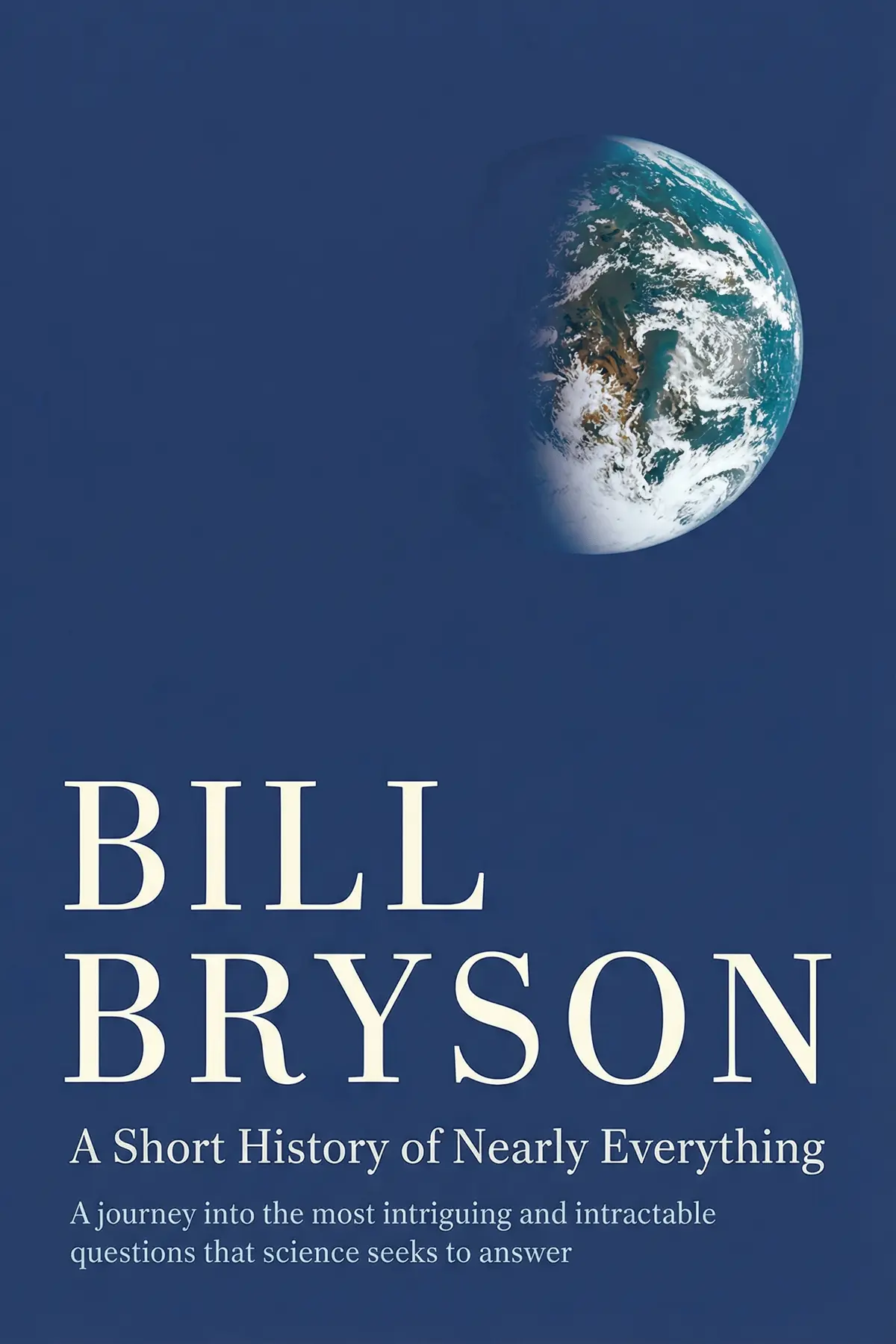
Bill Bryson
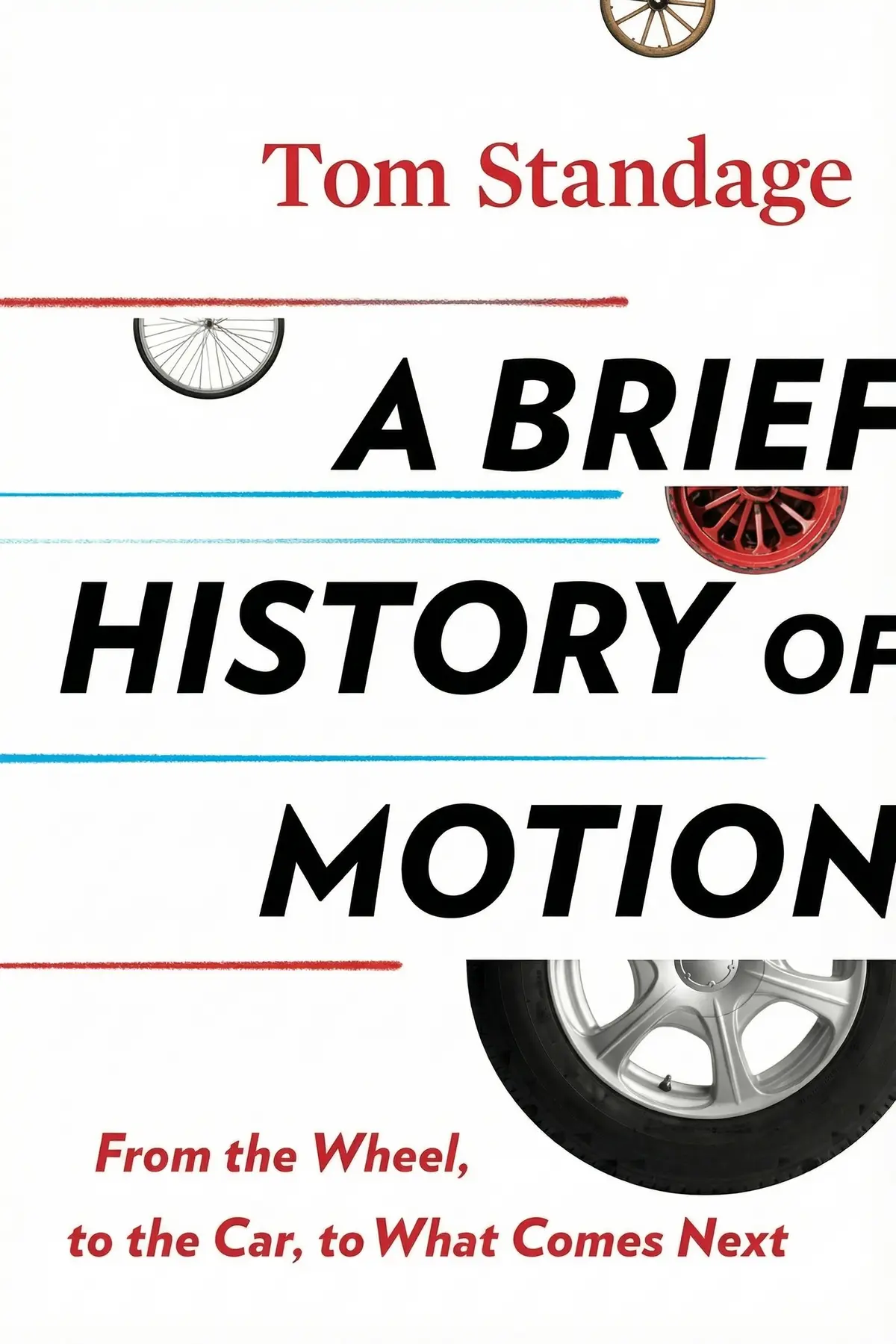
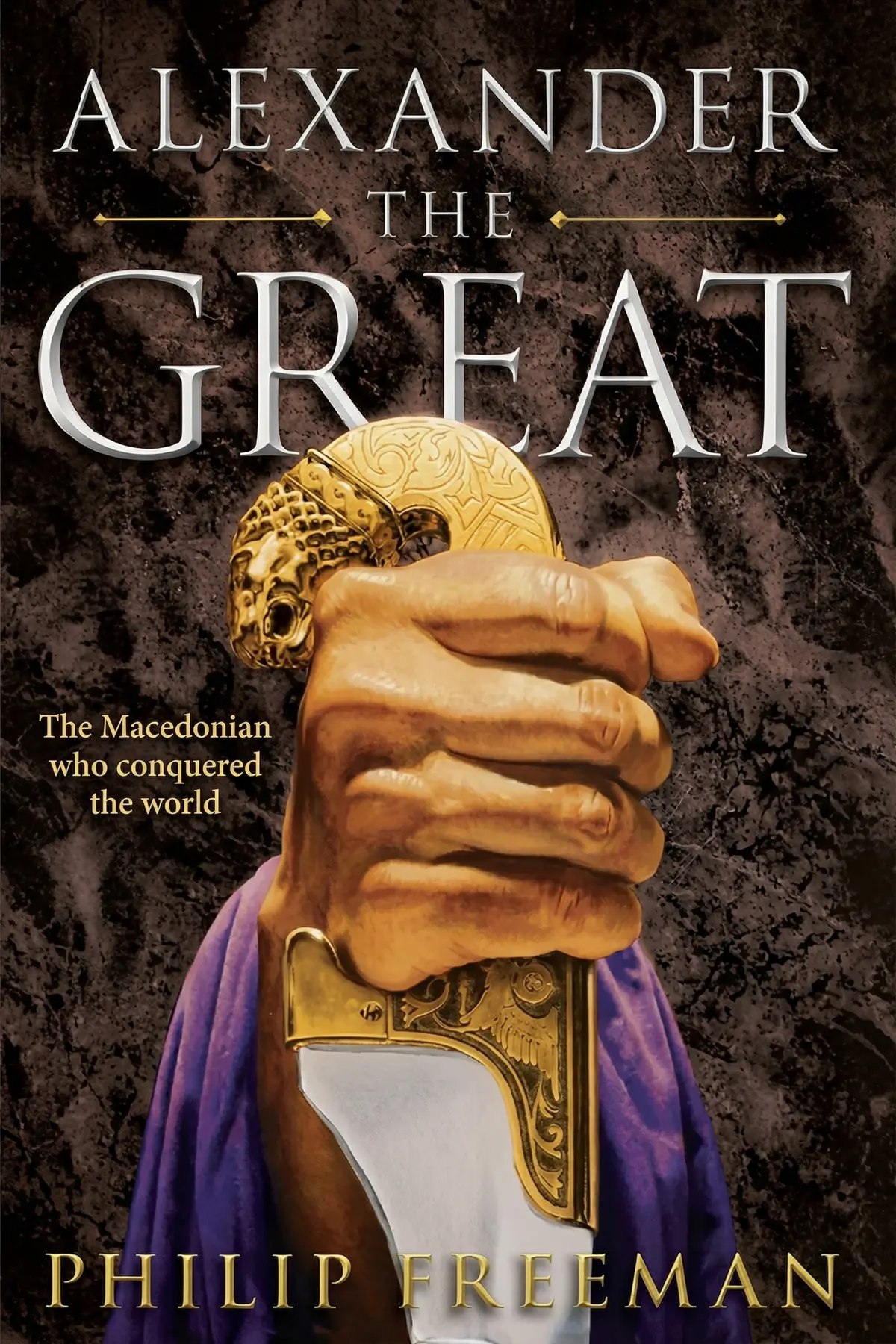
Philip Freeman
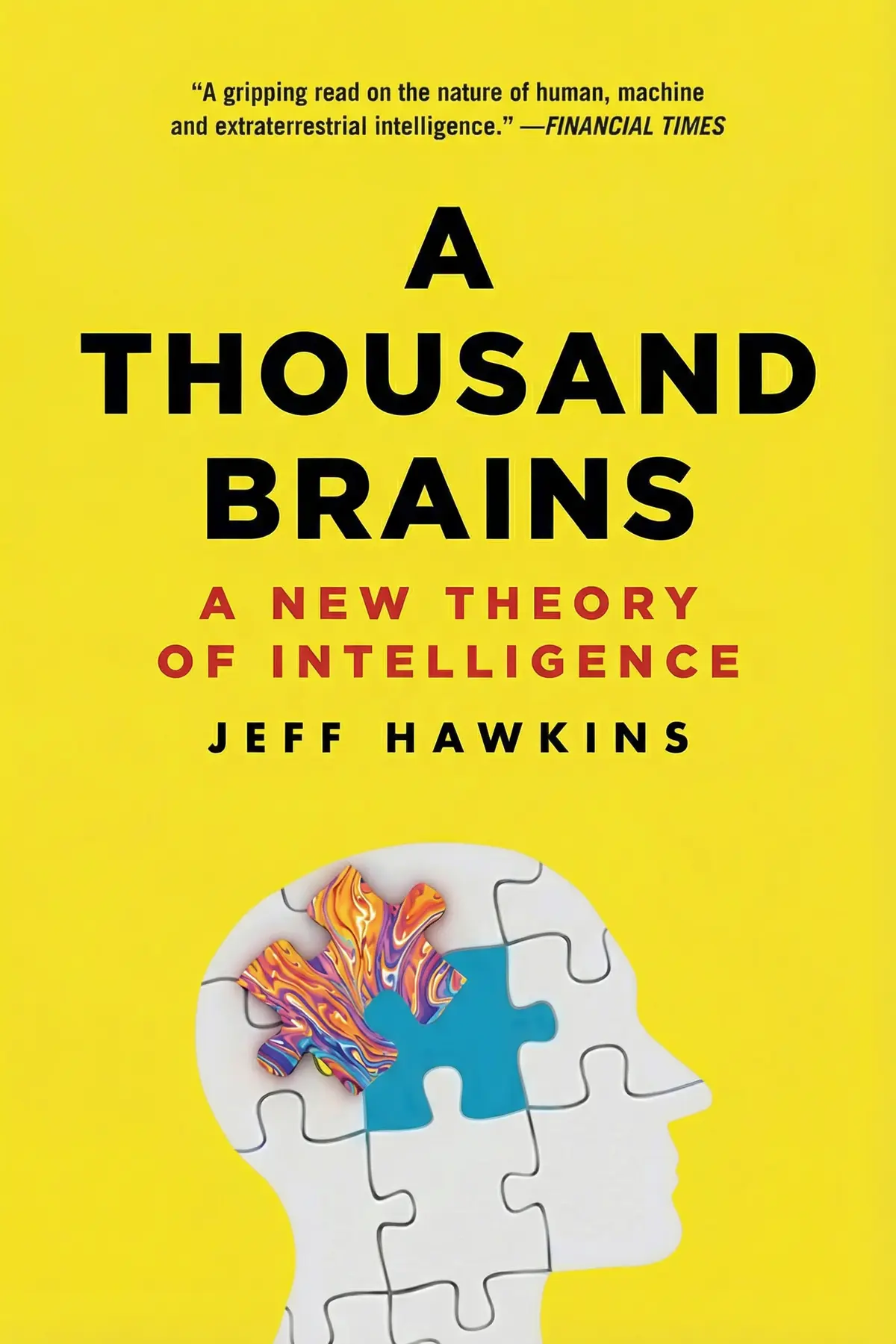
Jeff Hawkins
AUDIO SUMMARY AVAILABLE
Get the key ideas from Atomic Accidents by James Mahaffey, plus 5,000+ more titles in English and Thai.







