
17 min 22 sec
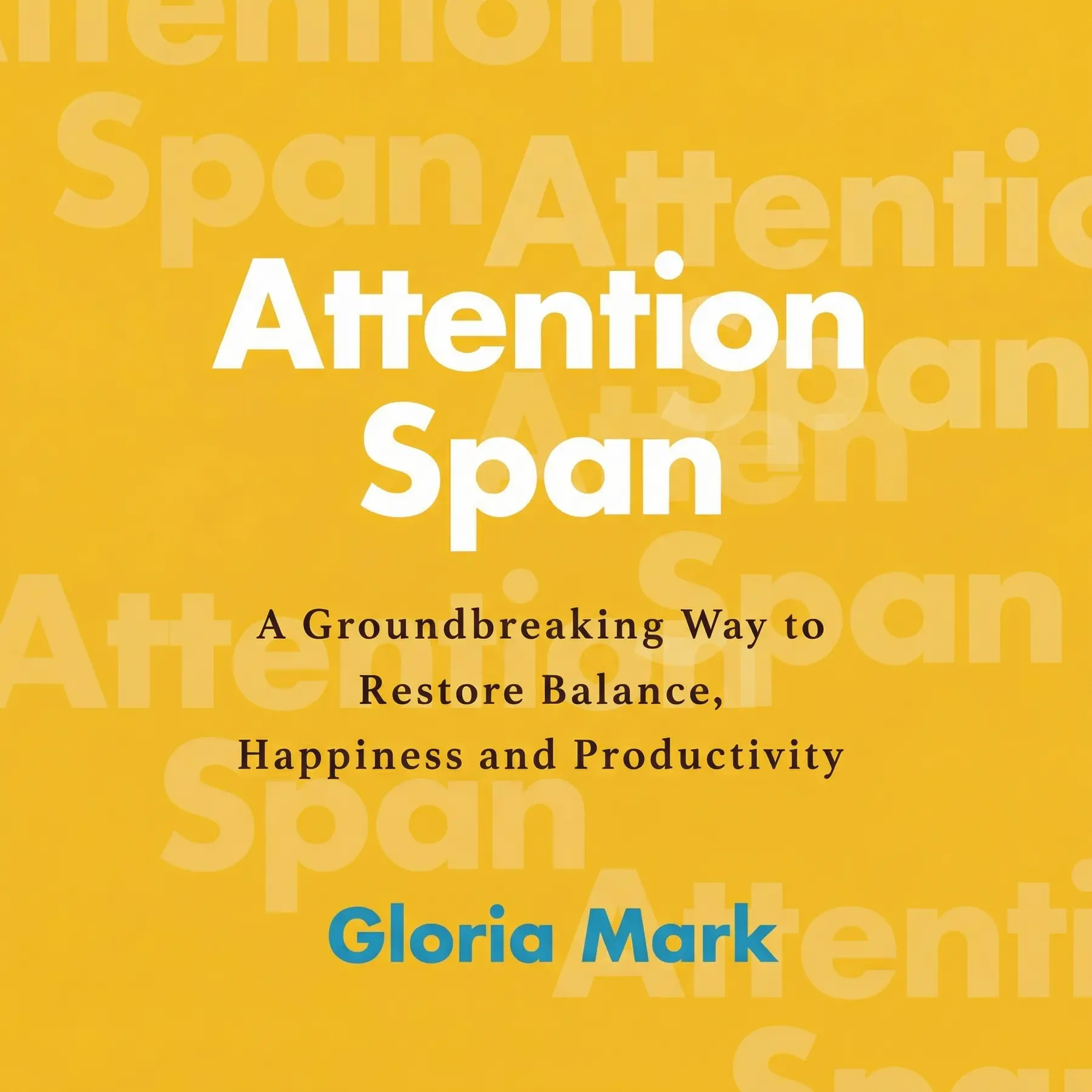
Attention Span: A Groundbreaking Way to Restore Balance, Happiness and Productivity
By Gloria Mark
A psychologist's exploration of our shrinking attention spans in the digital age, offering a research-based roadmap to regain focus, manage distractions, and balance productivity with mental well-being in an interconnected world.
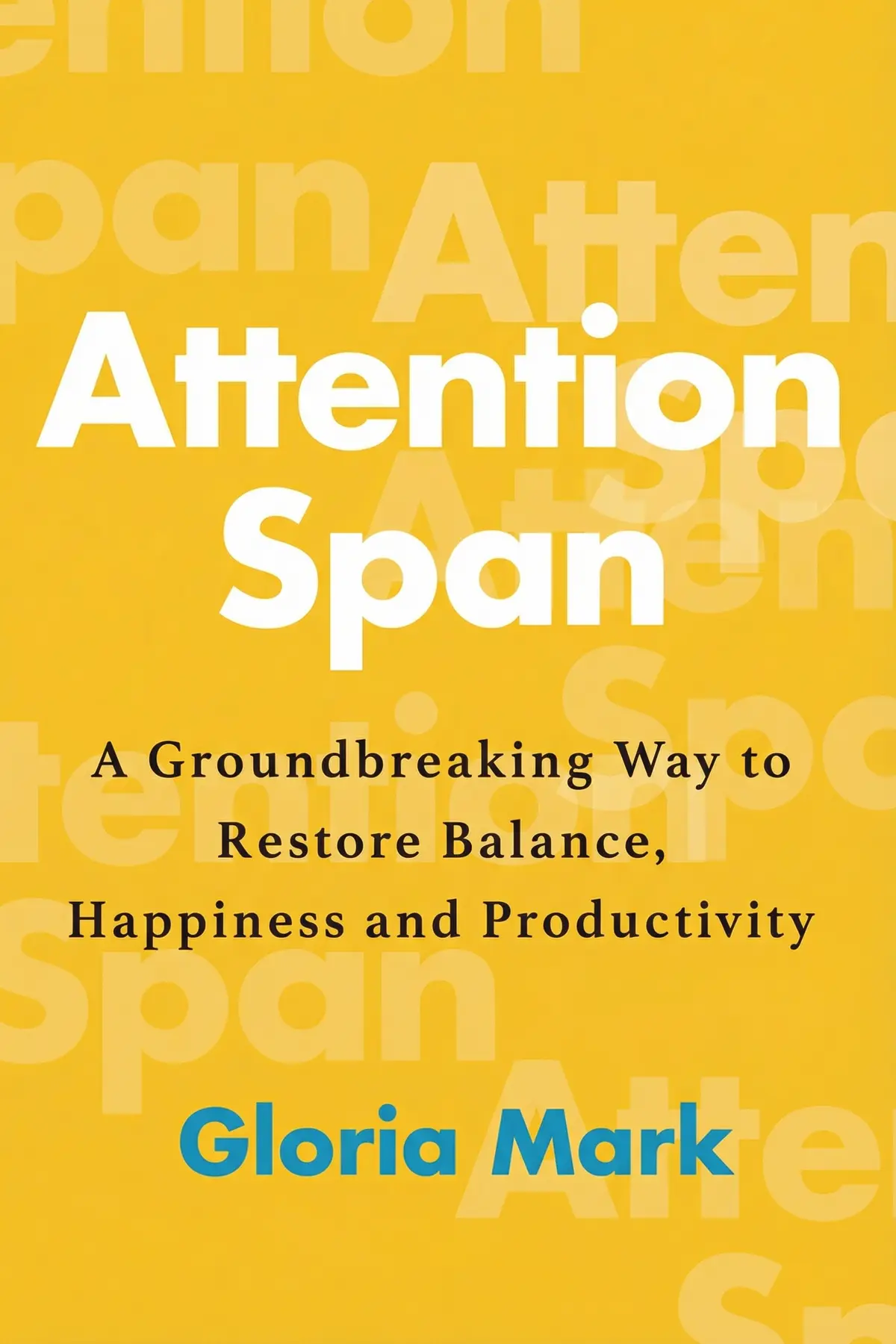
Table of Content
1. Introduction
1 min 51 sec
Have you ever found yourself reaching for your smartphone without even thinking about why? Or perhaps you’ve sat down to complete a simple task, only to realize forty minutes later that you’ve been scrolling through a social media feed or reading about a celebrity you don’t even like. If this sounds familiar, you aren’t alone. Our relationship with technology has shifted from a tool we use occasionally to a constant companion that demands our attention nearly every waking second. Over the last twenty years, the way we engage with the digital world has fundamentally altered how our brains function, creating an environment where focus feels like a rare commodity and stress is a constant background hum.
In this exploration of Gloria Mark’s research, we are going to look at the hard science behind why our concentration seems to be evaporating. Mark, a leader in the field of human-computer interaction, doesn’t just offer anecdotes; she provides data from years of observation in what she calls “living laboratories.” We will uncover the startling statistics regarding how often we switch tasks and, more importantly, the heavy price we pay for that fragmentation. But this isn’t a story of doom and gloom. Instead of suggesting we throw our devices into the ocean, we’ll learn how to understand our own cognitive rhythms. By the end of this journey, you’ll have a clearer picture of how to reclaim your digital agency. This isn’t about working harder or being more productive for the sake of your boss; it’s about restoring your happiness and mental balance in a world that is constantly trying to pull you away from yourself. Let’s dive into the mechanics of the modern mind and discover how to navigate the attention economy with intention.
2. The Vanishing Minute
2 min 48 sec
Explore the startling data behind how digital devices have fragmented our focus, shrinking our average task duration from minutes to mere seconds over the last two decades.
3. Mapping the Four States of Engagement
2 min 52 sec
Learn to distinguish between the different types of attention we experience daily and why even low-effort activities like gaming can serve a vital purpose in our mental recovery.
4. The Hidden Tax of Multitasking
2 min 46 sec
Understand the heavy cognitive price of trying to do too much at once and why our internal impulses are often more disruptive than external notifications.
5. The Design of Distraction
2 min 43 sec
Discover how the very structure of the internet and modern media is engineered to exploit our natural curiosity and keep us trapped in a cycle of short-form consumption.
6. Building Digital Agency
2 min 46 sec
Shift from being a passive consumer to an active director of your attention by developing meta-awareness and aligning your habits with your natural cognitive peaks.
7. Conclusion
1 min 36 sec
As we wrap up our look at Gloria Mark’s research, the central message is clear: our attention is one of our most valuable resources, and it is currently under immense pressure. We’ve seen how our digital habits have shortened our focus to less than a minute, how the internet’s design exploits our natural curiosity, and how the myth of multitasking is draining our mental batteries. But we’ve also seen that we aren’t helpless.
The path forward isn’t about achieving a state of perfect, unwavering focus every hour of the day. That is a biological impossibility. Instead, it’s about balance. It’s about understanding that our attention flows in rhythms and that even mindless activities have a place when used intentionally. By developing meta-awareness—stopping to ask why we are reaching for our devices—and by protecting our peak focus hours, we can start to reclaim our agency.
Remember, the goal of managing your attention isn’t just to be a more efficient worker. It’s to ensure that at the end of the day, you have enough mental energy left to enjoy your life, your family, and your hobbies. We don’t have to be at the mercy of our smart devices. By being a little bit smarter about how we use them, we can restore the balance, happiness, and productivity that the digital age has so often disrupted. Take it one question at a time, one intentional break at a time, and slowly but surely, you will find your focus returning.
About this book
What is this book about?
This book addresses the modern crisis of concentration, moving beyond the simple advice to put your phone away. Gloria Mark investigates why our attention spans have dwindled from minutes to mere seconds over the last two decades. She delves into the psychological mechanisms that make digital distractions so compelling and explains the biological limits of our cognitive resources. The promise of this work is not just to make you more productive, but to help you achieve a state of genuine well-being. By understanding how our brains interact with screens, readers can learn to work with their natural rhythms rather than fighting against them. It offers a path to reclaiming digital agency in a world designed to capture every spare second of our awareness, helping us find balance without needing to disconnect entirely from modern life.
Book Information
About the Author
Gloria Mark
Gloria Mark is a psychologist and professor of informatics at the University of California, Irvine. Initially trained as an artist, Mark later became an expert in the field of human-computer interaction. She has researched people’s daily interactions with technology for almost two decades, and her work has appeared in the New York Times, the Wall Street Journal, the Atlantic, NPR, and the BBC.
Ratings & Reviews
Ratings at a glance
What people think
Listeners find the work extensively researched and value its thorough explanation of the variables that influence our concentration. They describe it as an excellent title for alleviating mental tension and preventing exhaustion, with one listener remarking that it is essential reading for navigating the digital world. While the book is praised for its tactics regarding digital life management, listeners mention that it misses concrete strategies for restoring focus.
Top reviews
Max
Finally got around to reading this, and frankly, I feel so much less guilty about my digital habits now. Most productivity gurus act like focus is a moral failing, but this book uses hard data to show how the internet was literally designed to mimic our brain’s associative networks. It’s not just a lack of discipline; it’s an uphill battle against algorithms that know us better than we know ourselves. I particularly loved the section on 'rote attention.' Learning that mindlessly playing a simple game can actually help replenish our cognitive resources was a huge relief for my burnout-prone brain. Rather than pushing for an impossible 24/7 'flow state,' Mark suggests we work with our natural rhythms, peaking at 11:00 a.m. and taking intentional breaks when we dip. This is a must-read for anyone navigating the digital world who wants to understand the 'why' behind their stress.
Show moreJun
Picked this up to help with my chronic burnout and found the section on natural attention rhythms to be a total game-changer for my mental health. For years, I thought I was a failure because I couldn't maintain 'flow' for eight hours a day. Mark uses her extensive research to show that nobody can. Understanding that our cognitive resources are limited—and that we need to protect them like valuable real estate—has changed how I structure my entire day. I stopped checking emails first thing in the morning and started guarding my peak focus hours. The book is dense, and yes, it’s academic, but the validation I felt was worth every page. It’s a comprehensive guide to surviving the attention economy without losing your mind. If you feel overwhelmed by your devices, this is the scientific permission slip you need to slow down.
Show moreArthit
As someone who spends ten hours a day staring at a screen, Gloria Mark’s research felt like a personal attack in the best way possible. She perfectly captures that feeling of 'unresolved cognitive tension' we all get when we bounce between twenty different tabs. I hadn't realized that it takes an average of 25 minutes to fully return to a task after an interruption! That one stat alone changed how I view my morning workflow. Look, the book isn't a quick fix, and some might find the academic tone a bit heavy, but the comprehensive understanding of how we got here is invaluable. It’s less about 'hacks' and more about developing a meta-awareness of your own behavior. If you want to understand the architecture of the digital world and how it preys on your curiosity, pick this up. It’s a great read that provides much-needed context for our current mental health crisis.
Show morePensri
Gotta say, I appreciated the deep dive into the 47-second attention switch data, even if the author got a bit too personal with the memoir elements at times. Most books in this genre just tell you to put your phone in a drawer, which isn't realistic for most professionals. Mark is much more nuanced, suggesting we lean into our natural 'kinetic' attention. The idea that we should use mindless activities as 'daily mini-breaks' to replenish our limited cognitive resources was eye-opening. I’ve started timing my hardest work for that 11:00 a.m. peak she mentions, and it’s actually making a difference in my daily fatigue. It’s a bit wordy, and I could have done without the sections on her pregnancy in Germany, but the core science is solid. It’s a refreshing take that prioritizes well-being over raw productivity.
Show moreNongnuch
After hearing so much about the 'death of focus,' it was refreshing to read a scientist who doesn't just tell you to delete your apps and move to a cabin. Mark’s approach to 'digital agency' is much more realistic. She explains how 'chaos editing' in movies and fast-paced social media has conditioned our brains to expect a change every few seconds. It’s a bit terrifying to realize how much we interrupt ourselves—44 percent of the time without any external trigger! The book is a bit dry in the middle, and she uses the word 'we' far too much for my liking, but the insights into the 'work spheres' and the 25-minute recovery time are essential. It’s a great read for anyone who wants to understand the mechanics of their own mind. Just don't expect a quick fix; it's a slow burn.
Show moreWitthaya
Ever wonder why you feel absolutely drained after a day of 'easy' office work? Dr. Mark explains the science behind that exhaustion with incredible precision, detailing how every interruption creates a 'switching cost' that eats our mental energy. Personally, I found the concept of 'kinetic attention' fascinating—the idea that our focus naturally ebbs and flows. But the book suffers from a bit of an identity crisis. It fluctuates between being a scientific text and a personal memoir, with the author frequently inserting anecdotes about her time in Germany or NYC that didn't seem to add much to the core argument. The truth is, it’s a bit of a slog. I appreciated the validation that multitasking is a myth, but by the end, I still didn't feel like I had the tools to reclaim my 'agency.' It’s a solid 3-star read for the research alone, but don't expect it to change your life overnight.
Show moreKanokporn
The chapter on how the internet’s architecture mirrors our cognitive networks was absolutely brilliant, though the rest of the book was a bit of a slog. Mark makes a compelling case for why we get sucked into 'rabbit holes,' explaining that our brains crave the reward of new information hidden behind every link. However, the middle section of the book felt very repetitive. I lost count of how many times the word 'agency' was used without much practical application. To be fair, she does provide some strategies for managing our digital lives, like scheduling rote tasks for our afternoon slumps, but these felt like an afterthought compared to the mountains of research data. It’s a well-researched volume that definitely helps relieve some of the stress of feeling 'distracted,' but it lacks the punchy, actionable methods I was looking for. Good, but definitely not a page-turner.
Show moreEleni
Look, if you want a step-by-step manual like Atomic Habits, you are going to be disappointed by this one. This is a science book through and through. Dr. Mark spends a lot of time on the history of human-computer interaction and the 'Zeigarnik effect'—that nagging feeling of unfinished business that keeps us stressed. It’s fascinating stuff if you’re a nerd for psychology, but it doesn't leave you with a clear 'to-do' list. My biggest gripe is the lack of advice for people with low impulse control, like teenagers or those of us with ADHD. The author seems to think we can all just 'develop agency' through meta-awareness, which feels a bit optimistic given how addictive these apps are. It’s a well-researched piece of work, but it feels like it’s missing a final chapter on implementation.
Show moreTantipat
This book is essentially a dense literature review masquerading as a self-help guide. While Gloria Mark is clearly a brilliant researcher, the transition from lab data to the printed page feels clunky and overly academic. I was hoping for a tactical manual to help me stay focused at work, but instead, I got page after page of citations about task-switching and cognitive loads. To be fair, the statistic that our attention on screens has dropped to a mere 47 seconds is terrifyingly well-documented here. However, knowing the problem isn't the same as solving it. I found myself skimming the middle chapters just to find a single piece of actionable advice, but there was very little to be found. If you are writing a thesis on human-computer interaction, this is your gold mine. For the average person just trying to spend less time on TikTok, you might find more value in a twenty-minute TED talk.
Show moreSook
Not what I expected from a book titled Attention Span, as I struggled to pay attention to the book itself. The writing style is quite dry and repetitive, often circling back to the same points about 'agency' without ever defining a clear path toward achieving it. I was particularly annoyed by the frequent 'author-insertions' throughout the narrative. Do I really need to know about her sabbatical in Austria to understand how hyperlinks affect my concentration? It felt like the book was trying to reach a certain word count rather than delivering concise value. While the research on how task duration has plummeted since 2004 is undeniably important, the presentation is just too academic for a lay reader. It would have functioned much better as a long-form magazine article than a 300-page book. I’ll stick to James Clear for actual habit-building advice.
Show moreReaders also enjoyed
A Liberated Mind: How to Pivot Toward What Matters
Steven C. Hayes
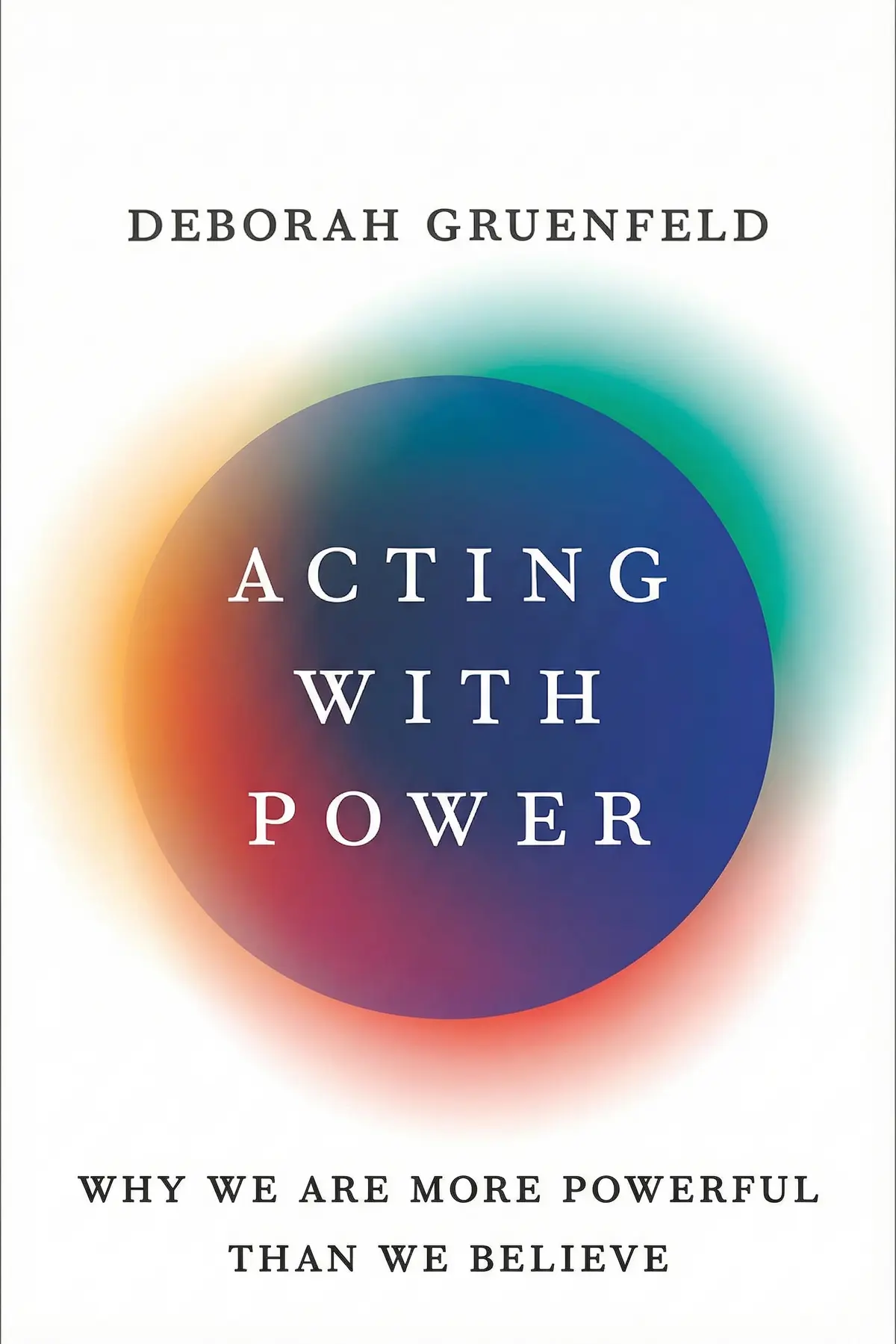
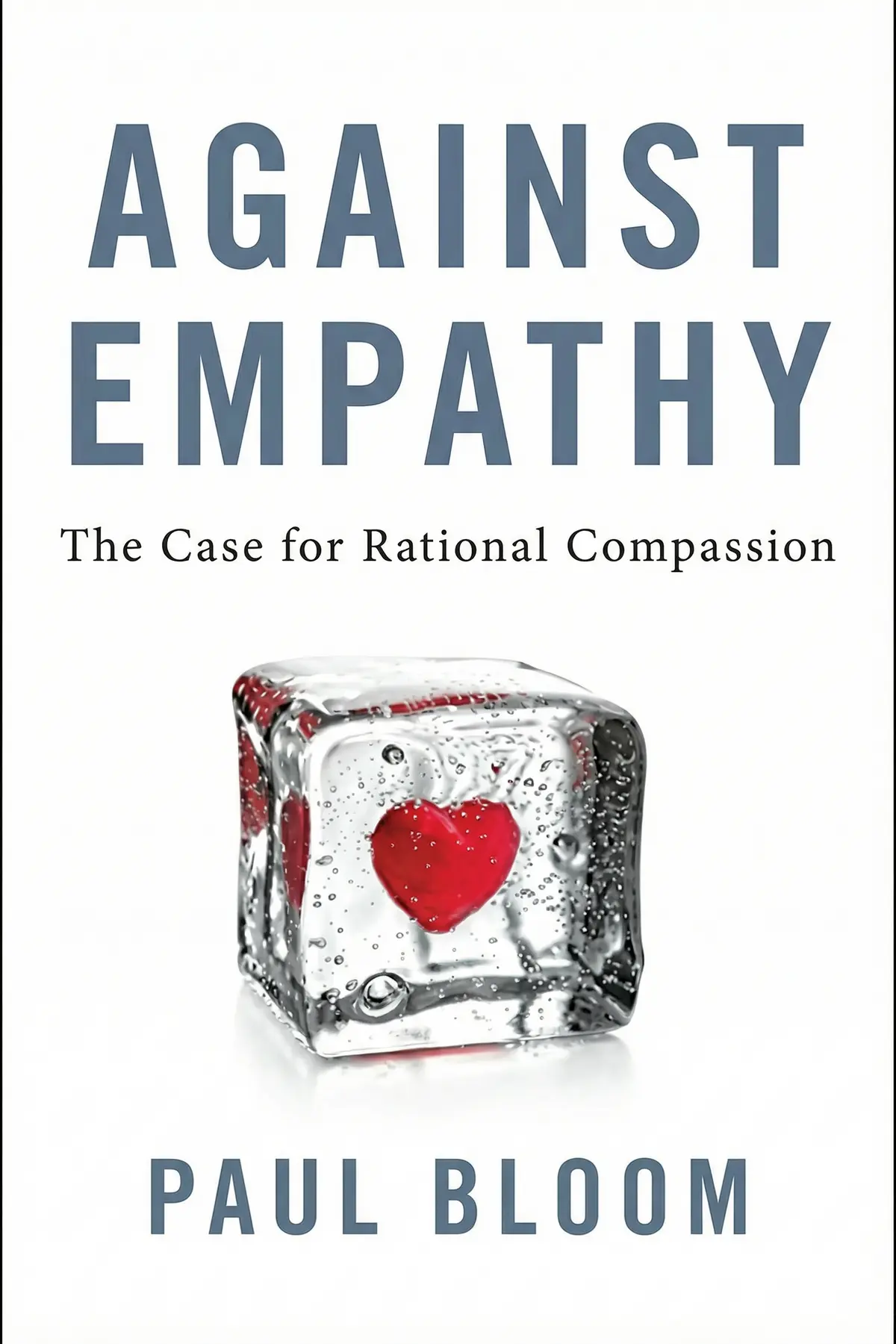
Acting with Power: Why We Are More Powerful Than We Believe
Deborah Gruenfeld
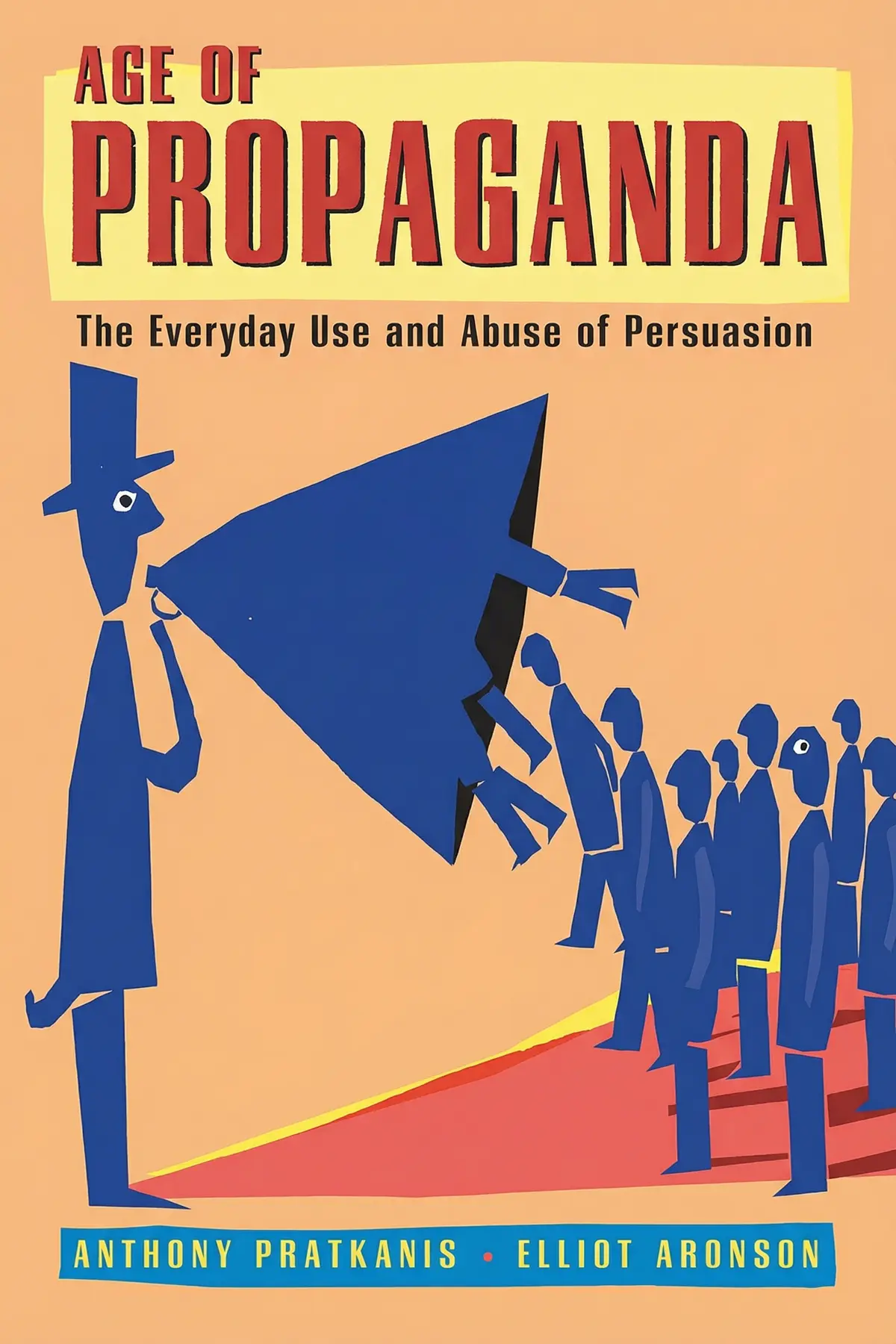
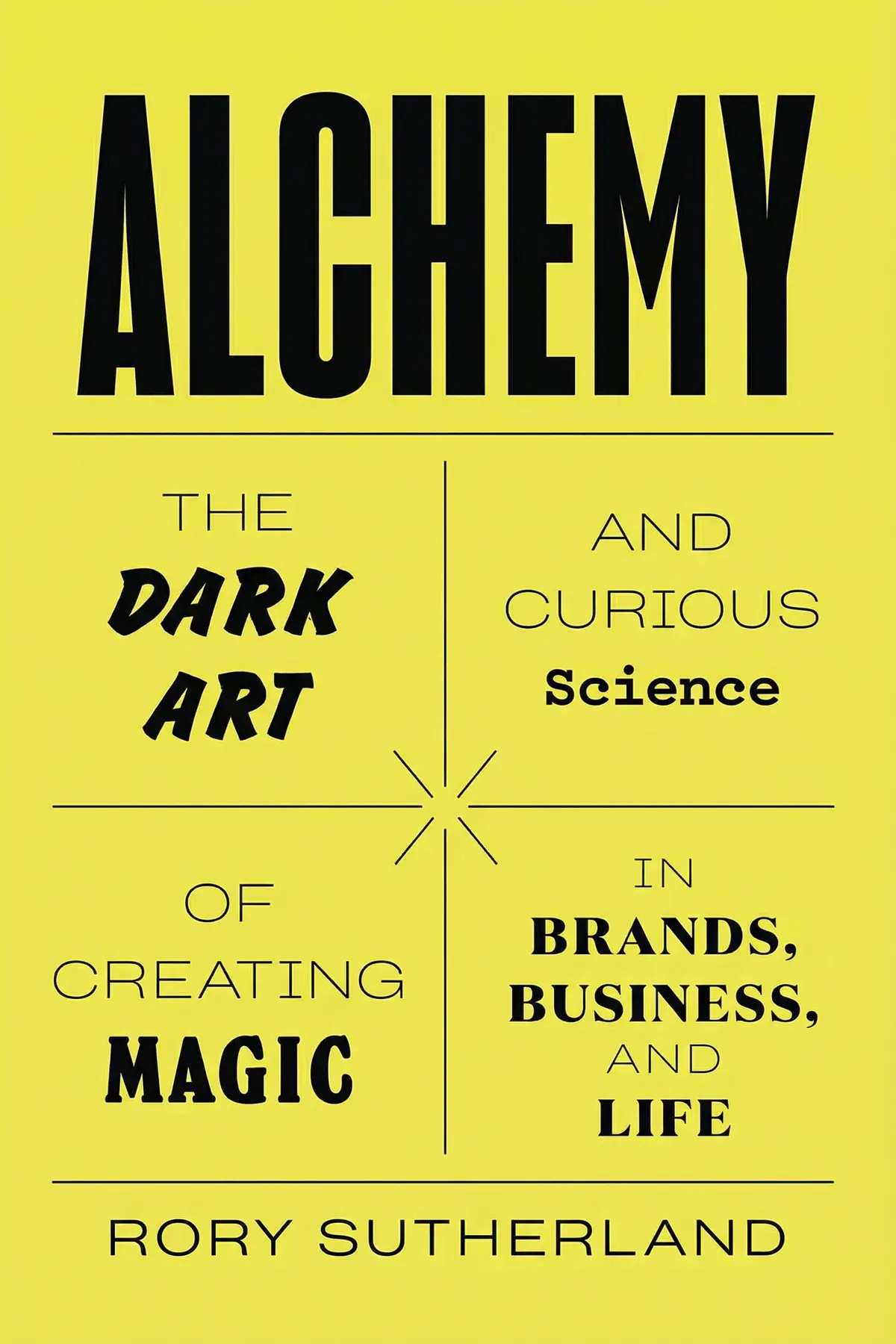
Age of Propaganda: The Everyday Use and Abuse of Persuasion
Anthony Pratkanis
AUDIO SUMMARY AVAILABLE
Listen to Attention Span in 15 minutes
Get the key ideas from Attention Span by Gloria Mark, plus 5,000+ more titles in English and Thai.
- 5,000+ titles
- Listen as much as you want
- 7-day free trial
- Cancel anytime







