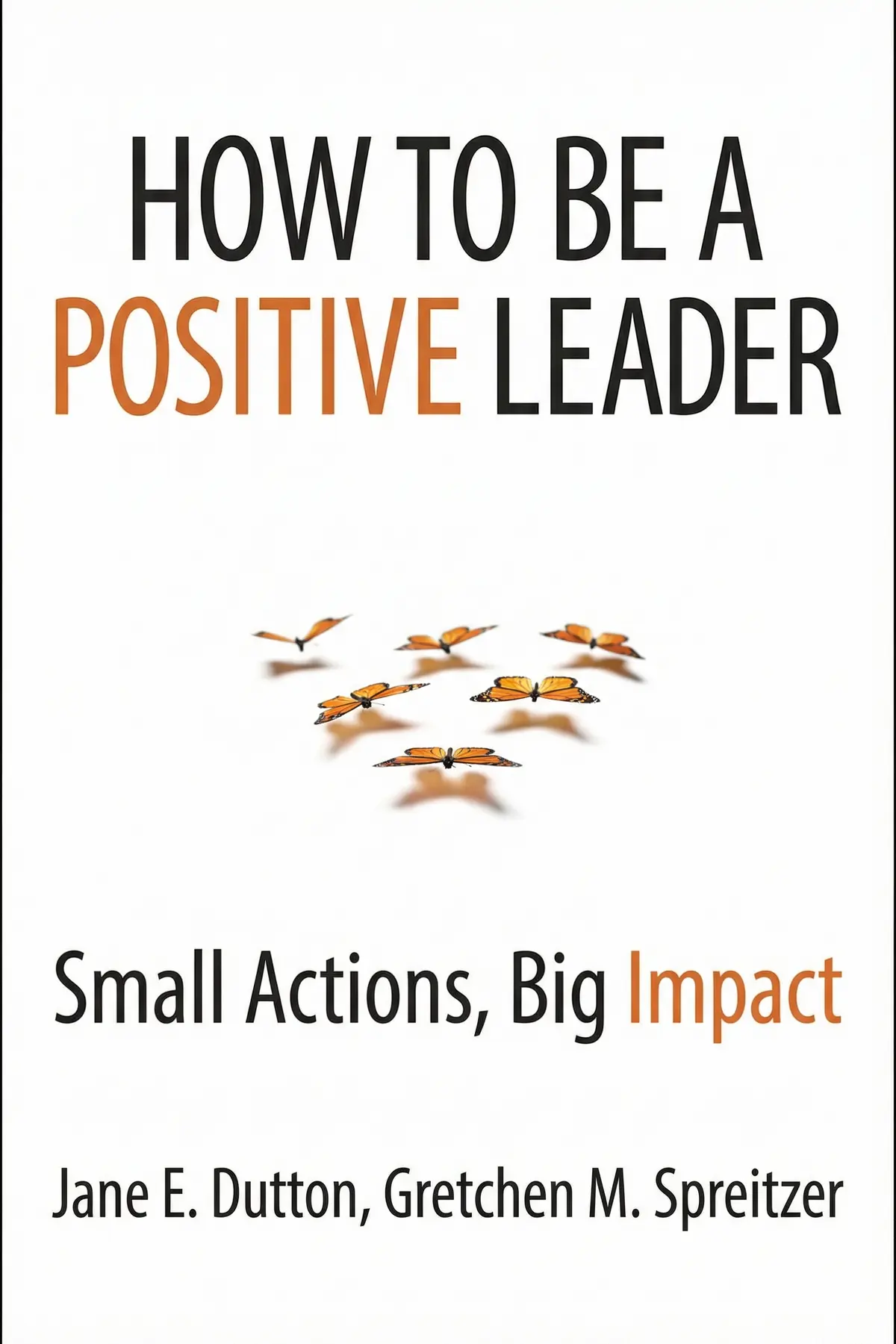
How to Be a Positive Leader: Small Actions, Big Impact
Jane E. Dutton
Discover how fostering a culture of empathy and support can transform organizational performance. This guide explores the strategic advantages of workplace compassion, offering practical frameworks for leaders to reduce suffering and boost innovation.
1 min 43 sec
Picture a typical Monday morning. For many, this isn’t a time of excitement or purpose, but a time of mounting dread. We’ve all seen it: the colleagues who count down every minute until five o’clock, the high turnover rates that leave teams feeling fragmented, and the heavy shroud of stress that seems to hang over the office like a fog. In many traditional business settings, suffering is treated as an inevitable byproduct of success. We are told to leave our personal lives at the door and to keep our heads down. But what if this approach is actually sabotaging our results?
In this exploration of the transformative power of empathy, we are going to look at why compassion is the most underutilized tool in the modern professional toolkit. Far from being a soft or secondary concern, compassion is a strategic imperative. When a company acknowledges the humanity of its workers, it unlocks a level of loyalty and creativity that no paycheck can buy.
Throughout this discussion, we will trace the journey of how empathy moves from a private feeling to a public, organizational strength. We’ll look at the specific psychological hurdles that stop us from helping one another and the structural changes that can make kindness a natural part of the workday. From the way we handle corporate restructuring to the way we support a grieving colleague, every interaction is an opportunity to strengthen the social fabric of our work. By the end of this journey, you’ll see that the most successful companies aren’t just the ones with the best products; they are the ones with the most heart. Let’s dive into how we can move beyond the rat race and begin awakening the power of care in our professional lives.
2 min 07 sec
Explore why stress and isolation are often baked into modern management, and how even well-intended structural changes can accidentally strip employees of their sense of belonging.
2 min 14 sec
Contrary to the ‘tough’ business stereotype, learn how empathy actually fuels productivity, enhances client retention, and fosters groundbreaking innovative models.
1 min 53 sec
Discover why suffering is so often hidden at work and how cultivating a sense of curiosity can help you spot the early signs of distress.
2 min 10 sec
Unpack the three dangerous ‘appraisals’ that kill empathy in the workplace and learn how to replace blame with a search for root causes.
2 min 02 sec
Learn why emotional empathy isn’t always enough and how ‘perspective-taking’ can help you support colleagues even when you don’t share their feelings.
2 min 05 sec
Empathy without action is incomplete. Discover how to turn your feelings into meaningful support through both major adjustments and small, daily gestures.
1 min 54 sec
Kindness shouldn’t depend on individual personalities. Learn how to build ‘support pods’ and subunits that make compassion a systemic feature of your company.
2 min 12 sec
Discover how the most effective leaders use vulnerability and personal connection to set the tone for an entire organization’s emotional health.
1 min 44 sec
As we reach the end of this exploration, the central message is clear: the most effective way to improve our workplaces is to recognize and respond to the human suffering within them. We have seen that compassion is not an obstacle to excellence, but its very foundation. By moving through the four stages—noticing, interpreting, feeling, and acting—we can transform a collection of stressed individuals into a resilient and innovative community.
The evidence is compelling. Compassionate workplaces enjoy lower turnover, higher productivity, and a much greater capacity for innovation. They are places where people feel safe to take risks, safe to be vulnerable, and safe to be themselves. This shift doesn’t require a massive budget or a complete overhaul of your product line; it requires a shift in perspective. It requires us to trade our habits of blame for habits of curiosity and our focus on ‘me’ for a focus on ‘us.’
As you head back into your own professional environment, I challenge you to take one small, compassionate step. Perhaps it’s taking an extra five minutes to truly listen to a colleague who seems off. Maybe it’s pausing before you judge someone for a mistake and wondering what might be going on in their life. Or, if you are in a leadership position, perhaps it’s looking at your team’s structure and asking where you can build in a little more support. Compassion is a muscle; the more we use it, the stronger it becomes. By awakening this quality in ourselves and our organizations, we don’t just build better businesses—we build a better world, one workday at a time.
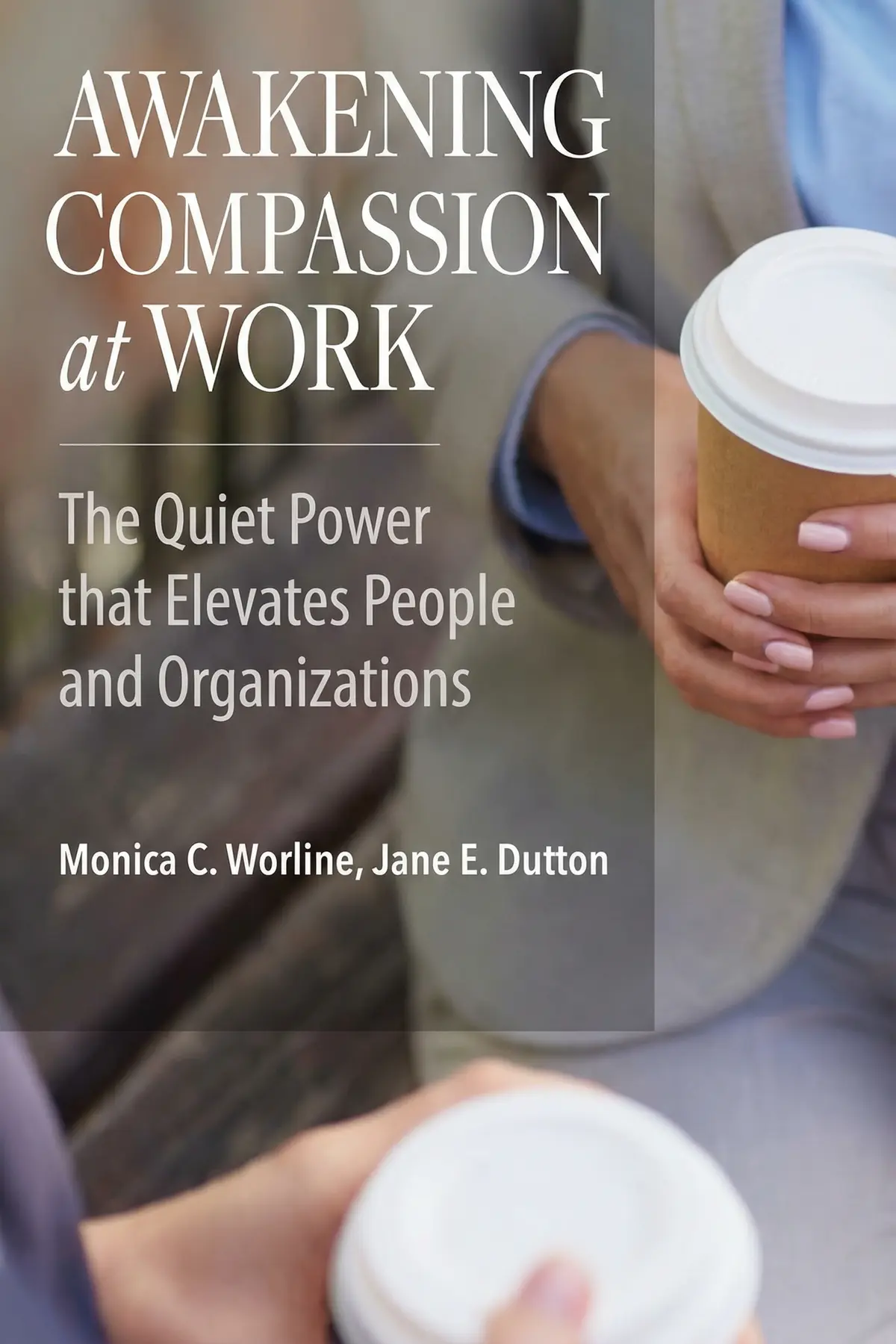
Modern professional life is often synonymous with stress, burnout, and emotional exhaustion. However, it doesn't have to be this way. This summary explores the profound impact of integrating compassion into the core of business operations. It posits that compassion is not a sign of weakness or a distraction from productivity, but rather a vital engine for organizational success, resilience, and innovation. Listeners will learn the four-step process of awakening compassion: noticing distress, interpreting it without judgment, feeling empathy, and taking decisive action. Through real-world examples ranging from healthcare systems in India to corporate offices in the United States, the text demonstrates how compassionate leadership reduces turnover and enhances employee engagement. It provides a blueprint for creating 'support pods' and smaller work units that facilitate genuine human connection. By the end, you will understand how to shift from a culture of blame to a culture of care, ultimately creating a workplace where both people and profits can thrive simultaneously.
Monica C. Worline is a dedicated research scientist based at Stanford University’s Center for Compassion and Altruism Research and Education. Her work focuses on the intersection of psychology, altruism, and professional environments. She also serves as the CEO of EnlivenWork, where she helps organizations develop compassionate leadership strategies. Jane E. Dutton is a University Professor of Business Administration and Psychology at the University of Michigan’s Ross School of Business. As a cofounder of the Center for Positive Organizations, she has spent her career investigating how human connections and positive emotions can improve organizational life.
Jane E. Dutton
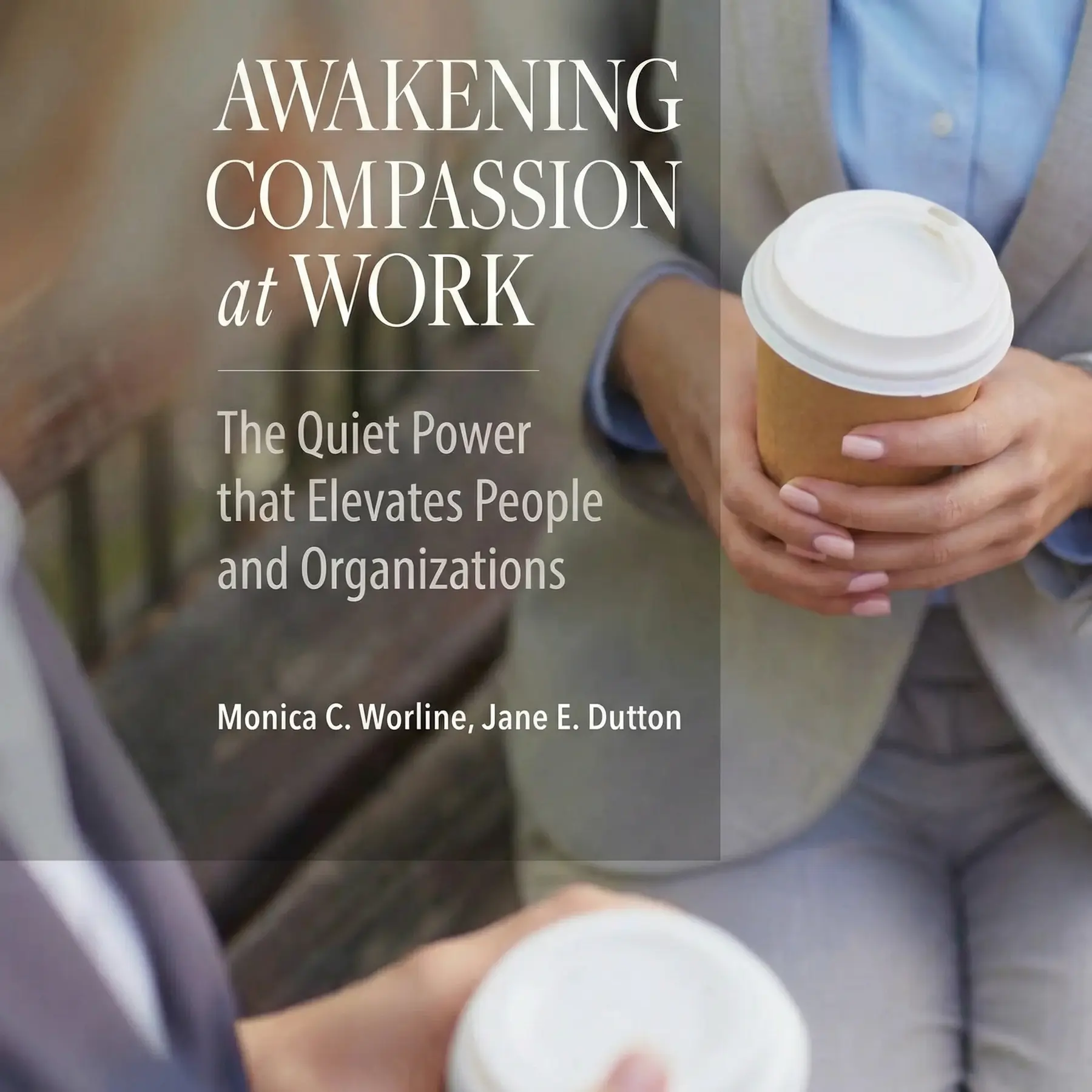
Listeners describe the work as captivating and skillfully written, with one person noting its approachable, conversational tone. Furthermore, the quality of the research is highly regarded; one listener emphasizes how it distills decades of study and offers two invaluable sets of roadmaps. Listeners also appreciate how the text fosters empathy within organizations and promotes emotional intelligence, while remaining both functional and beneficial.
Finally, a business book that recognizes we aren't just cogs in a machine! I found this to be an incredibly moving and intellectually stimulating read that should be mandatory for every MBA program. The way the authors unpack the quiet power of compassion is nothing short of brilliant, showing how it elevates both the individual and the entire organization. We live in such a fast-paced, often cold world, so reading a text that validates the fundamental dignity of all people feels like a breath of fresh air. The case study about the ten-year employee who hit a rough patch really resonated with me because it highlights how much we lose when we choose 'efficiency' over humanity. This book doesn't just encourage you to feel; it empowers you to take action and change the systems you work within. It is a rare gift to find authors who write with such passion, intelligence, and a dash of spunk. This is a five-star contribution to the world of work.
Show moreLook, I’ve read my fair share of 'fluffy' HR books, but Worline and Dutton actually back their claims with years of rigorous research and clear, actionable blueprints. This isn't just a collection of feel-good stories; it is a serious look at how compassion acts as a catalyst for resilience and innovation. The authors provide two invaluable sets of roadmaps—one for the individual and one for the organization—that help you understand exactly where your strengths and weaknesses lie. I was particularly struck by the idea that compassion is a collective effort rather than just an individual burden. When an organization has 'high compassion competence,' it can respond to suffering with a speed and magnitude that a single person never could. The prose is approachable and engaging, making it easy to see how these principles apply to your own office. It’s an amazing contribution to the field and a must-read for anyone who wants to lead with both their head and their heart.
Show moreEver wonder why some offices feel like morgues while others thrive despite high pressure? This book provides the answer by looking at how we handle human suffering. I loved how the authors took the concept of compassion and broke it down into four distinct, trainable steps that anyone can learn. The research quality is top-notch, yet the book never feels like a dry academic text because the tone is so warm and conversational. It challenges the old 'macho' way of doing business and suggests that a more empathetic, feminine approach is actually what leads to long-term success. The blueprints for awakening compassion are incredibly practical, offering clear next steps for anyone ready to make a change. I felt empowered after reading this, realizing that I don't have to check my humanity at the door when I clock in. This is a critical foundational piece of literature that will hopefully change the way we think about work for years to come.
Show moreAs someone who consults for mid-sized firms, the roadmaps provided in the latter half of this book are actually quite invaluable for systemic change. We often treat emotional intelligence as a soft skill that individuals either have or they don't, but this text argues it's a competence that can be built into the very fabric of an organization. The authors move beyond simple 'be nice' platitudes to offer a rigorous empirical grounding for why compassion actually drives productivity and lowers turnover. I particularly liked the focus on how legal and HR departments can shift from a defensive stance to one that acknowledges human dignity. While some of the case studies felt a bit brief, the overall message is powerful: compassion is a functional requirement for any group that wants to learn and adapt in a high-stress environment. It isn't just about feeling good; it is about building a social architecture that allows people to do their best work without being crushed by the system.
Show moreThe authors do a fantastic job of illustrating how 'noticing' suffering is the essential portal to changing a toxic office culture. I’ve worked in environments where people were afraid to even mention a family emergency for fear of looking 'uncommitted,' and this book explains exactly why that is a recipe for disaster. By using a blend of academic findings and real-world examples, Worline and Dutton prove that a compassionate response actually strengthens the entire team. Not gonna lie, some of the examples about coworkers donating their own resources to help each other made me wish the companies themselves would do more, but the underlying theory is sound. It’s a well-written piece of literature that makes an undeniable case for empathy as a competitive advantage. I would recommend this to any manager who feels like their team is burning out. The conversational tone makes the heavy research much more digestible than your standard business textbook, and the practical blueprints are ready to be implemented immediately.
Show moreAfter hearing a lot about 'Positive Organizational Scholarship,' I decided to dive into this book to see if it lived up to the hype. Personally, I was impressed by how the authors managed to take a concept that is usually dismissed as 'fluff' and turn it into a concrete set of competencies. They don't just say compassion is good; they show you how to design routines and networks that make it a part of daily work. The chapter on leading for compassion was especially eye-opening, as it highlights how leaders must create the space for others to act compassionately. There are some minor criticisms to be made regarding the pacing, and a few sections felt a bit repetitive, but the overall impact is significant. It provides a bridge between the heart and the bottom line that most business books completely miss. If you want to foster a culture of psychological safety where employees feel seen and valued, this is a fantastic place to start.
Show moreThe framework here is undeniably solid, but the execution left me wanting a bit more cohesion throughout the middle chapters. Worline and Dutton have clearly put in the work to unpack years of psychological research, focusing on the four steps of noticing, interpreting, feeling, and acting. Truth be told, I appreciated the self-assessment tools at the end more than the actual text of the chapters themselves. The 'social architecture' concept is interesting, though it occasionally gets buried under too much jargon and corporate-speak that might alienate a casual reader. I found myself nodding along to the ideas of psychological safety while simultaneously checking how many pages were left because the pacing is quite slow. It’s a decent resource for HR professionals or consultants who want a rigorous model, but for the average manager, it might feel like a bit of a grind. It is a necessary contribution to the field that just happens to be a very dense read.
Show morePicked this up on Audible and, truth be told, the structure made it difficult to follow without having the physical charts in front of me. The authors are clearly brilliant, and their passion for humanizing the workplace shines through, but the book feels like an expanded academic paper rather than a conversational guide. I found the section on 'interpreting suffering' to be the most useful, as it challenges us to stop jumping to negative conclusions when an employee's performance suddenly slips. We often assume someone is being lazy when they might be dealing with a personal crisis, and that shift in perspective is valuable. However, the book tends to repeat itself quite a bit, making it feel longer than its page count would suggest. It provides a good roadmap, but you have to be willing to sit through a lot of theory to get to the actionable parts. It is a three-star experience for a five-star concept.
Show moreNot what I expected from the title, as I found the narrative structure remarkably fragmented and difficult to stay engaged with for more than ten minutes. While the core idea that we should be nicer to each other at work is fine, the execution here feels like a dry academic slog masquerading as a business guide. In my experience, the best leadership books tell a cohesive story, but this one relies on dozens of tiny, underdeveloped case studies that never truly breathe. To be fair, the research mentioned seems legitimate, yet the authors fail to synthesize it into something that feels urgent or alive. I also tried the audio version and it was a mistake; the narrator’s tone was so clinical that it made the already dense material feel even more like a robotic lecture. If you are looking for practical, high-energy advice on team building, you should probably look elsewhere. It’s an important subject, but the delivery is just too muddled to be effective.
Show moreWait, so we are actually expected to just accept that companies won't pay a living wage? I found the examples in this book absolutely infuriating and fundamentally regressive. The authors describe a scenario where a struggling mother receives anonymous groceries from a coworker as if it’s a beautiful triumph of the human spirit. Frankly, it is a systemic failure of the organization to pay its employees enough to eat. Why is the burden of compassion placed on the low-level worker rather than the executives who set the salary scales? Then there is the story about employees donating their own hard-earned PTO so a sick colleague can recover without losing their house. That isn't 'awakening compassion'; it is a corporate shell game that lets the company avoid providing basic short-term disability. This book provides a blueprint for shifting responsibility away from power and onto the backs of those with the least. I felt like I was being gaslit by a management manual.
Show more
Joseph A. Maciariello



Deborah Gruenfeld
AUDIO SUMMARY AVAILABLE
Get the key ideas from Awakening Compassion at Work by Monica C. Worline, plus 5,000+ more titles in English and Thai.