
14 min 07 sec
Be Here Now
By Ram Dass
Be Here Now explores the profound journey from academic success to spiritual awakening. It provides timeless wisdom on mindfulness, non-attachment, and practical Eastern techniques to find lasting peace in the present moment.
Table of Content
1. Introduction
1 min 26 sec
In our modern landscape, we are often conditioned to believe that the next milestone is the one that will finally satisfy our souls. We chase promotions, acquisitions, and accolades, convinced that happiness is a destination just over the horizon. But what happens when you reach the top of that mountain and still feel empty? This is the starting point for one of the most significant spiritual narratives of the twentieth century. It is the story of a man who had reached the heights of Western success only to realize that he was essentially starving for something the material world couldn’t provide.
This journey doesn’t just chronicle a personal change of heart; it serves as a bridge between two very different worlds. It takes the analytical, achievement-oriented mindset of the West and introduces it to the ancient, contemplative wisdom of the East. The core message is deceptively simple, yet it requires a lifetime to master: the only place where life actually happens is right here, in this very moment. Everything else—the regrets of the past and the anxieties of the future—is merely a mental construct that keeps us from experiencing our true nature.
In the following sections, we will explore how this transition occurred and, more importantly, how the lessons learned along the way can be applied to your own life. We will look at the mechanics of the ego, the power of silence, and the practical tools you can use to begin your own process of awakening. The goal is to move beyond mere intellectual understanding and into a direct, lived experience of the present.
2. The Evolution of Consciousness
2 min 13 sec
Explore the limits of material success and the initial, fleeting glimpses of higher awareness that sparked a radical quest for permanent spiritual grounding.
3. A Miraculous Meeting in the East
2 min 16 sec
Witness the moment a skeptical academic encounters a presence that defies rational explanation, opening his heart to ancient truths.
4. The Path of Non-Attachment
2 min 20 sec
Understand the shift from ego-driven identity to universal unity, and how to live in the world without being bound by its illusions.
5. The Breath as a Gateway
2 min 13 sec
Discover how the simple act of breathing can become a powerful tool for quieting the mind and accessing super-consciousness.
6. The Alchemy of the Mantra
2 min 14 sec
Learn how the repetition of sacred sounds can bypass the intellect and transform the heart, facilitating an inevitable spiritual unfolding.
7. Conclusion
1 min 25 sec
The journey from Richard Alpert to Ram Dass serves as a profound testament to the human capacity for change. It reminds us that no matter how entrenched we are in our societal roles or material comforts, there is always a deeper layer of existence waiting to be explored. The core takeaway of this wisdom is that the peace we seek is not a prize to be won in the future, but a reality to be recognized in the present. By shifting our focus from the ‘somebody’ we are trying to be to the ‘nobody’ that is one with everything, we unlock a source of joy that is independent of external events.
To integrate these lessons, start small. You don’t need to move to India or find a guru to begin. You can start by simply noticing your breath as you sit in traffic or by silently repeating a word of peace during a stressful meeting. The practice is about returning, over and over again, to the ‘now.’ It is about recognizing that every moment is a fresh opportunity to wake up. As you move forward, carry with you the understanding that you are part of a divine dance that has no beginning and no end. By being here now, you aren’t just improving your life; you are finally beginning to live it. The path is open, the tools are in your hands, and the destination is exactly where you are standing.
About this book
What is this book about?
This summary explores the remarkable transformation of a prominent Harvard psychologist into a world-renowned spiritual guide. It follows the narrative of a man who seemingly had it all—prestige, wealth, and intellectual mastery—yet found himself grappling with a deep, internal void. His quest for meaning led him across the globe to India, where he encountered ancient wisdom that challenged his entire worldview. Through this exploration, you will discover the core tenets of Eastern spirituality adapted for a Western audience. The text delves into the concept of the ego, the illusion of time, and the methods used to transcend worldly attachments. It offers practical guidance on meditation, breathwork, and the use of mantras to quiet the mind and connect with a higher state of consciousness. The promise of this work is a pathway to internal freedom, teaching that fulfillment is not found in future achievements but in the radical acceptance of the current moment. By shedding the layers of the individual self, one can find a sense of unity with the entire universe.
Book Information
About the Author
Ram Dass
Ram Dass was an influential American spiritual teacher, psychologist, and author who played a pivotal role in introducing Eastern philosophy to the Western world. Formerly known as Richard Alpert during his time as a Harvard professor, he shifted his focus toward mindfulness and devotion after a life-altering journey to India. His literary contributions, including works like Still Here and Be Love Now, have served as foundational texts for generations of seekers looking to integrate spiritual practice into modern life.
Ratings & Reviews
Ratings at a glance
What people think
Listeners regard this book as a permanent masterpiece of spiritual insight that strengthens curiosity about Eastern philosophy and offers amazing artwork. The winding nature of the writing gets positive marks, and listeners value the way it lowers anxiety and settles racing thoughts. Though many see it as an essential guide for seekers, some find it a tough read.
Top reviews
Chamlong
Picked this up during a particularly turbulent month, and the visual layout alone did wonders for my racing thoughts. The middle section, printed on those iconic brown paper bag pages, forces you to slow down and actually experience the words rather than just skimming them. Truth be told, Alpert’s transition from a high-strung Harvard professor to a centered spiritual seeker is both hilarious and deeply moving. I found the metaphors about emotions being like waves in a vast ocean to be a perfect tool for my own anxiety. Some might find the psychedelic history a bit much, but it provides necessary context for his eventually finding a 'natural' high. This is less of a book and more of a manual for staying grounded when the world feels like it is spinning out of control. It is a timeless masterpiece of spiritual guidance that I will keep on my nightstand forever.
Show moreAir
Wow. This isn't just a book; it's a doorway into a different way of perceiving reality. The artwork is fantastic and deeply impactful, creating a sensory experience that standard text just cannot replicate. I particularly loved the concept that we are all 'hollow bamboos' for the divine to flow through, even if it sounds a bit far out at first. It helped me realize that my constant planning for the future was actually a form of self-inflicted suffering. Ram Dass writes with a raw honesty about his own neuroses and failures, which makes his eventual peace feel attainable rather than just some distant dream. The way he describes the guru relationship in India is fascinating, even for a skeptic like me. If you are a spiritual seeker looking to deepen your interest in Eastern philosophy, this is the definitive starting point. Just be ready to have your rational mind challenged at every turn.
Show morePriya
Ever wonder what happens when a neurotic academic loses his mind to find his soul? Ram Dass provides the answer in this beautifully chaotic guide to consciousness. I found it at the exact moment I needed it, which I suppose is the whole point of the 'here and now' philosophy. The visual explanations are so much more effective than a standard self-help book because they bypass the analytical brain and go straight to the heart. I’ve started using the meditation techniques from the cookbook section, and the change in my daily stress levels is noticeable. It teaches you that you don't have to 'get high' when you can simply learn to 'be high' through presence. This book is a must-read for anyone feeling trapped by their own thoughts. It is a profound, life-altering experience that stays with you long after the final page.
Show morePat
After hearing so much about the counterculture movement, I finally delved into this winding, illustrated journey. It is truly a timeless masterpiece. The way Ram Dass describes his encounter with Maharaj-ji in India is soul-stirring and makes you question the limits of the rational mind. I loved the emphasis on how we can 'God-ify' even the most mundane tasks, like emptying the garbage or doing the dishes. The artwork is just fantastic; I find myself flipping to random pages just to look at the designs when I need a moment of peace. It has significantly deepened my interest in Eastern spirituality without feeling like a boring textbook. While some of the 'hippie' language is a bit silly, the core truth of the book—that we are all part of the same energy—is handled with such grace and beauty. This is a life-changing piece of literature.
Show morePensri
The chapter on his transformation in India is where the book really finds its heartbeat. Watching a brilliant, neurotic Harvard professor get completely humbled by a guy in a blanket is exactly the kind of story I needed. Ram Dass doesn't just preach; he shares his own messy process of waking up. The visual format makes the concepts of Hinduism and Buddhism feel accessible rather than academic. I’ve found that my 'is-ness' has improved just by keeping the mantra of the title in my head during stressful work meetings. You've got to go at the rate you can go, and this book respects that journey. It is a profound exploration of consciousness that manages to be both deep and lighthearted at the same time. This is the ultimate guide for anyone who wants to stop overthinking and start living.
Show moreRome
Is it possible to be both enlightened and a bit frustrating? This book suggests so. The 'Cookbook for a Sacred Life' at the end is full of practical, if occasionally extreme, advice on how to live an enlightened lifestyle through yoga and meditation. I struggled with the sections suggesting we should give up all worldly desires, especially the bit about avoiding spicy food—life is too short for bland meals! However, the core message of 'is-ness' and being present really resonated with my current state of mind. The winding prose can be difficult to navigate at times, yet it possesses a strange, hypnotic rhythm that eventually settles your ego. While the 1970s hippie lingo is dated, the psychological principles beneath the surface are surprisingly robust. It’s a groovy trip that actually has some intellectual weight to it if you’re willing to look past the incense smoke.
Show moreTum
Finally got around to reading this classic, and I was struck by the raw honesty of Richard Alpert’s descent from Harvard prestige into spiritual 'is-ness.' The first section, detailing his life before India, is genuinely compelling and often very funny. He doesn't shy away from his 'corrupt' or 'impure' thoughts, which makes his transformation feel more human. My only real gripe is that some of the hand-drawn sections are physically difficult to read, which can be annoying when you're trying to stay in the flow. Look, some of the advice is definitely 'far out' and leans into that cult-ish hippie vibe that doesn't always translate to a 9-to-5 life. But the underlying message about decreasing anxiety by surrendering the need to control everything is solid. It’s a winding, trippy journey that requires a total suspension of disbelief, but the payoff for your mental health is worth the effort.
Show moreKanchana
Not what I expected, but exactly what I needed. The prose is winding and the style is definitely unconventional. One moment you're reading about Timothy Leary and LSD, and the next you're looking at a drawing of a lotus flower. It works, though. It actually works. This book helped me realize that my fear of death was really just a 'brittleness of the ego,' which was a massive perspective shift for me. I do think he oversimplifies some things, especially the idea that we can always be in a state of bliss. To be fair, being a 'normal' human involves a lot of emotions that aren't just calm waves. Still, the artwork and the message of radical acceptance are incredibly powerful tools for anyone struggling with a racing mind. It’s a strange, beautiful relic of the sixties that still feels surprisingly relevant today.
Show moreLek
To be fair, the 'hippie' language can be a bit thick at times, bordering on the pretentious. I found myself rolling my eyes at words like 'groovy' and 'astral trip' peppered throughout the spiritual lessons. However, if you can push past the 1971 lingo, there is some serious wisdom here. The idea that we are 'doers' who need to step back from the 'drama' of life is a great way to view modern stress. It isn't always easy to read, and some of the black-and-white views on 'purity' felt a bit rigid for my taste. But the overall impact was positive. It helped me quiet my internal monologue and focus on the physical sensations of the present. Not a perfect book by any means, but it’s a very cool, thought-provoking piece of history that offers genuine comfort for those with heavy hearts.
Show moreRung
Let's be real: this reads like the incoherent scribblings of someone who spent way too much time experimenting with LSD in the 60s. While I appreciate the historical significance of Richard Alpert's journey, the delivery is often condescending and lacks any real empathy for people living in the modern world. He makes these grand claims about how parents having jobs 'destroys the family union,' which is just delusional and insulting to working families. The book is heavily male-dominated, with almost zero mention of female spiritual influences, making it feel very narrow and dated. Many of the 'wisdom bombs' are just recycled platitudes that offer zero explanation of how to actually achieve the calm center he keeps bragging about. It’s a collection of mindless drivel that appeals mostly to the stoned or the hopelessly naive. I was not impressed, and frankly, I was happy to finally be done with it.
Show moreFeatured in
Readers also enjoyed
A Force for Good: The Dalai Lama's Vision for Our World
Daniel Goleman
A Return to Love: Reflections on the Principles of a Course in Miracles
Marianne Williamson
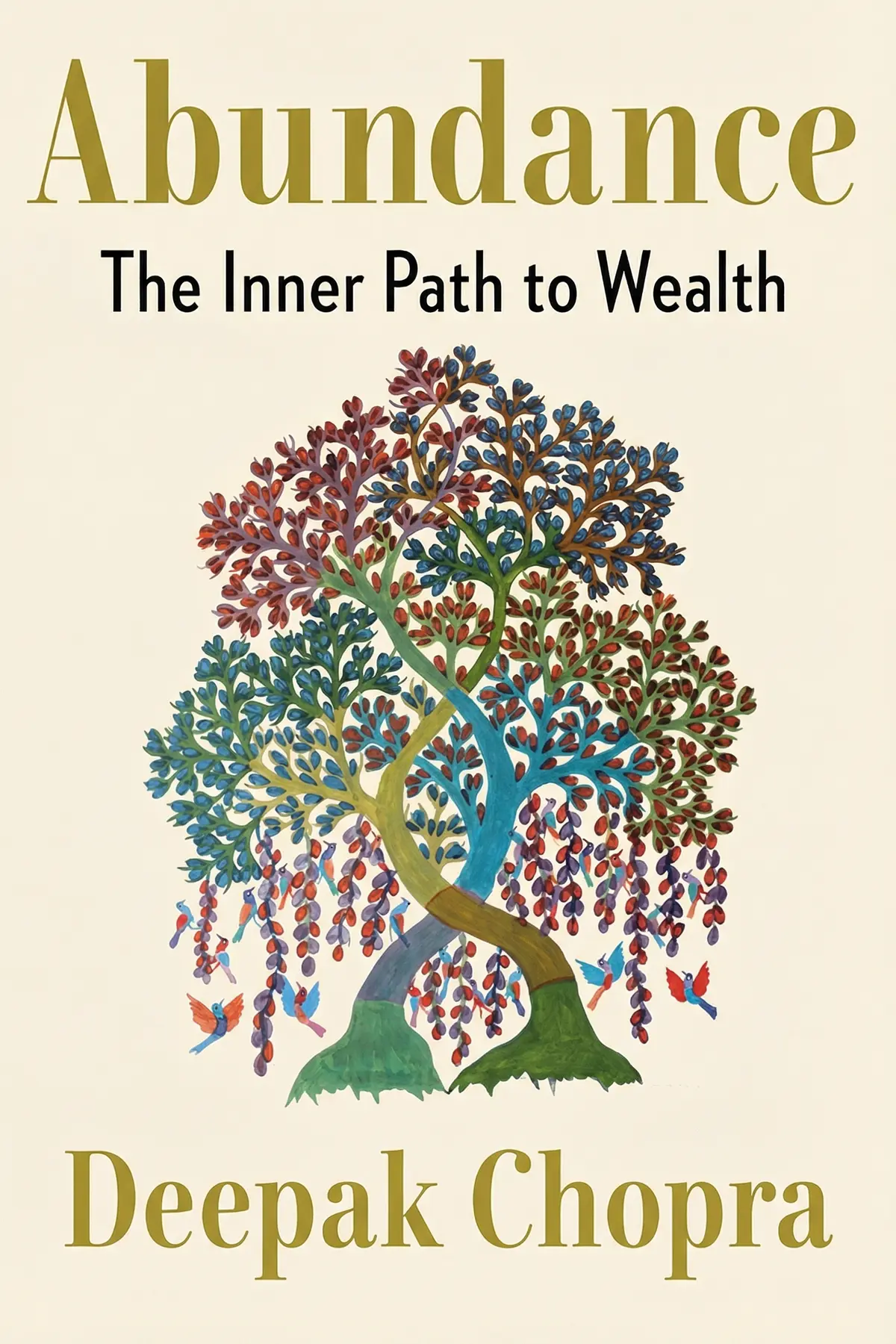
Abundance: The Inner Path to Wealth
Deepak Chopra
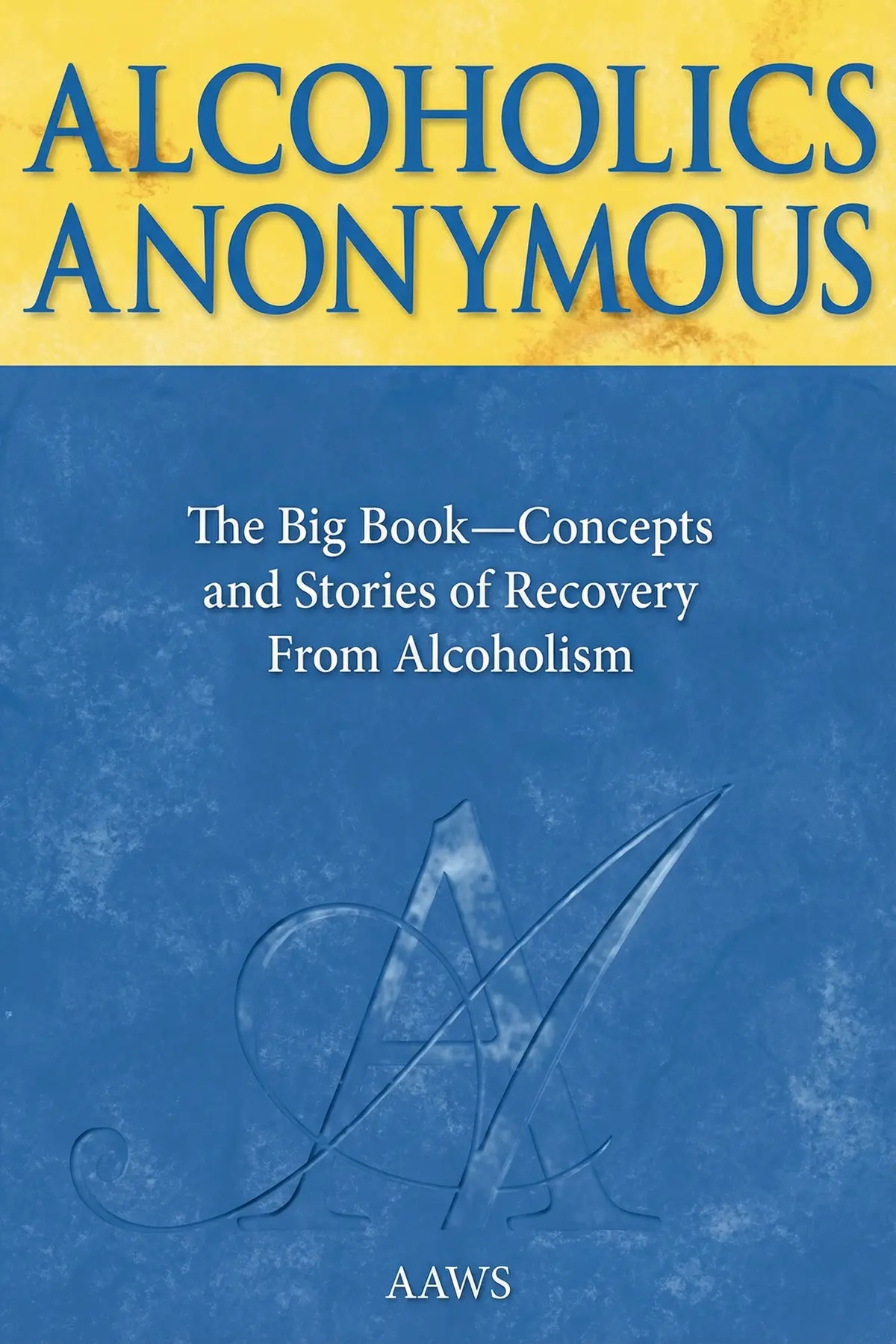
Alcoholics Anonymous
Alcoholics Anonymous World Services
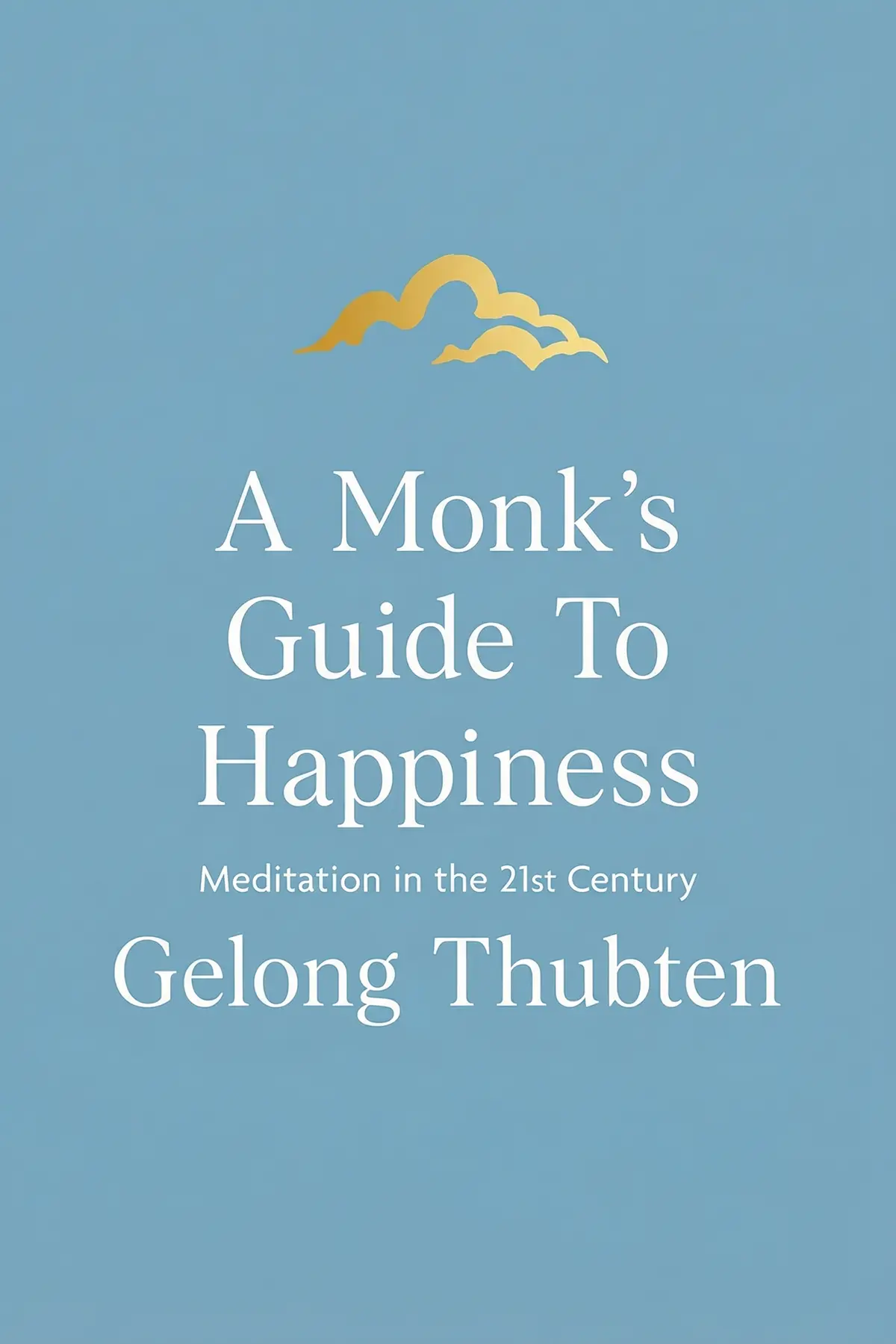
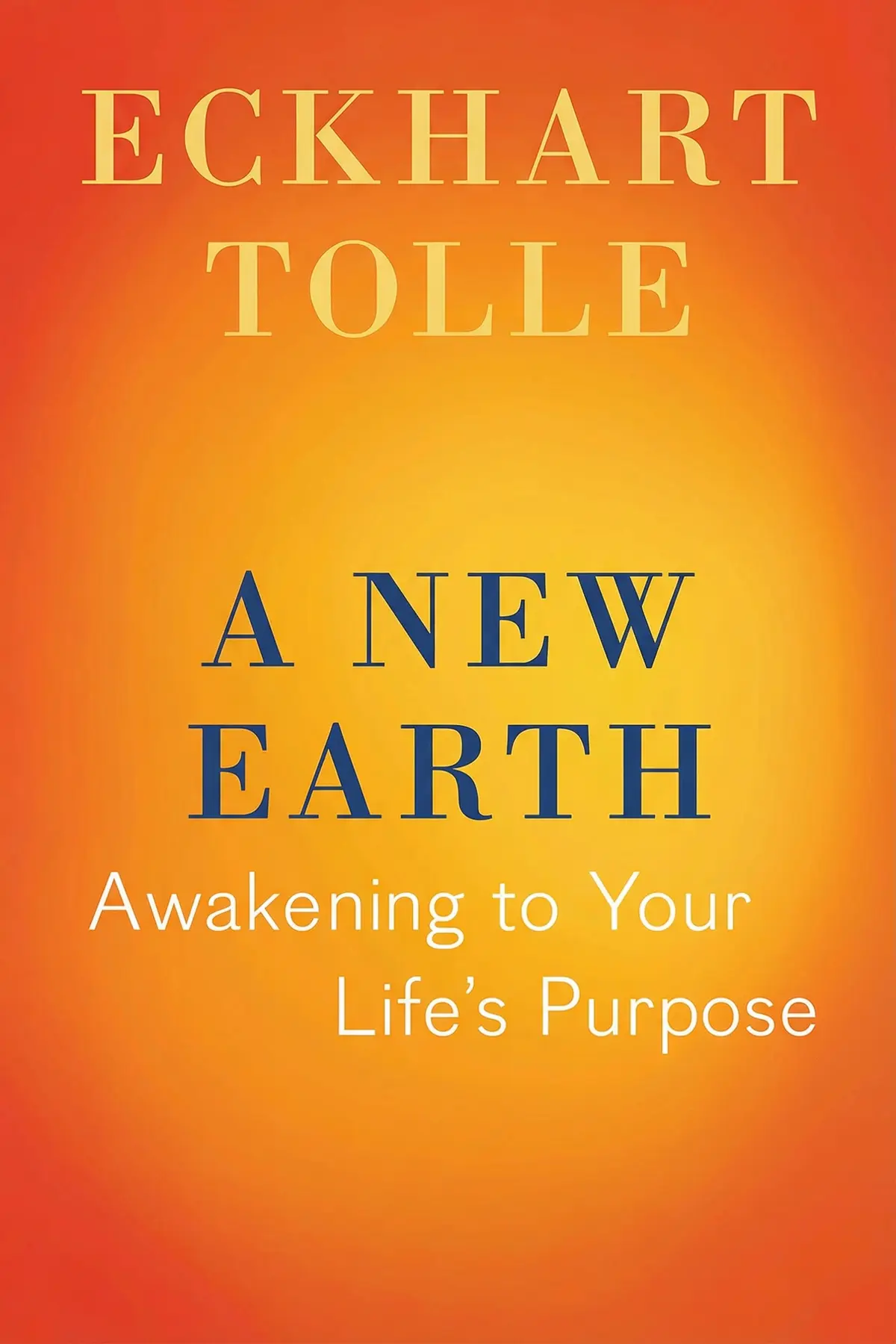
A New Earth: Awakening to Your Life’s Purpose
Eckhart Tolle
Aflame: Learning from Silence
Pico Iyer
AUDIO SUMMARY AVAILABLE
Listen to Be Here Now in 15 minutes
Get the key ideas from Be Here Now by Ram Dass, plus 5,000+ more titles in English and Thai.
- 5,000+ titles
- Listen as much as you want
- 7-day free trial
- Cancel anytime







