

21 min 51 sec
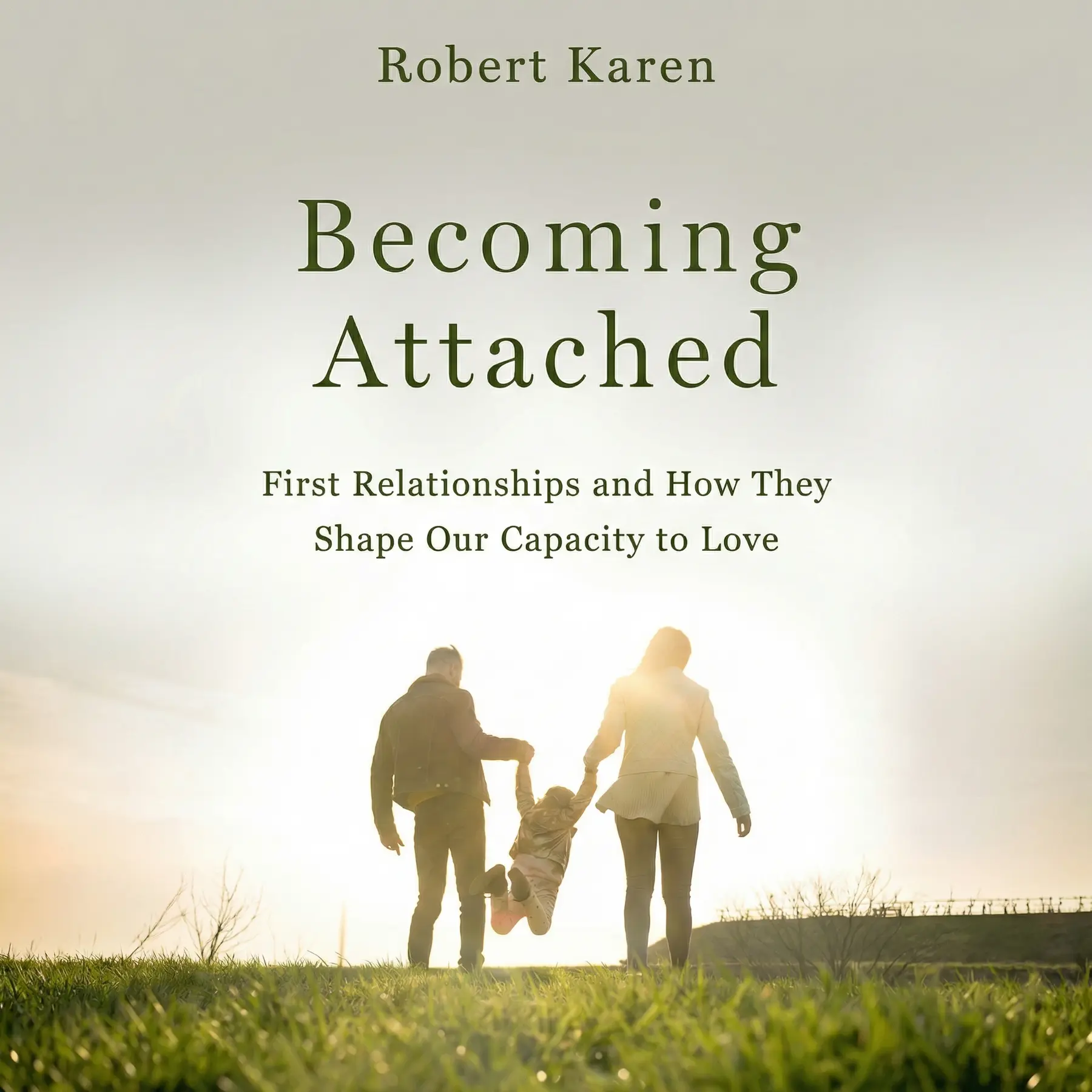
Becoming Attached: First Relationships and How They Shape Our Capacity to Love
By Robert Karen
Explore the foundational science of attachment theory. This summary explains how our earliest bonds with caregivers create a lifelong blueprint for how we experience intimacy, handle conflict, and build adult relationships.
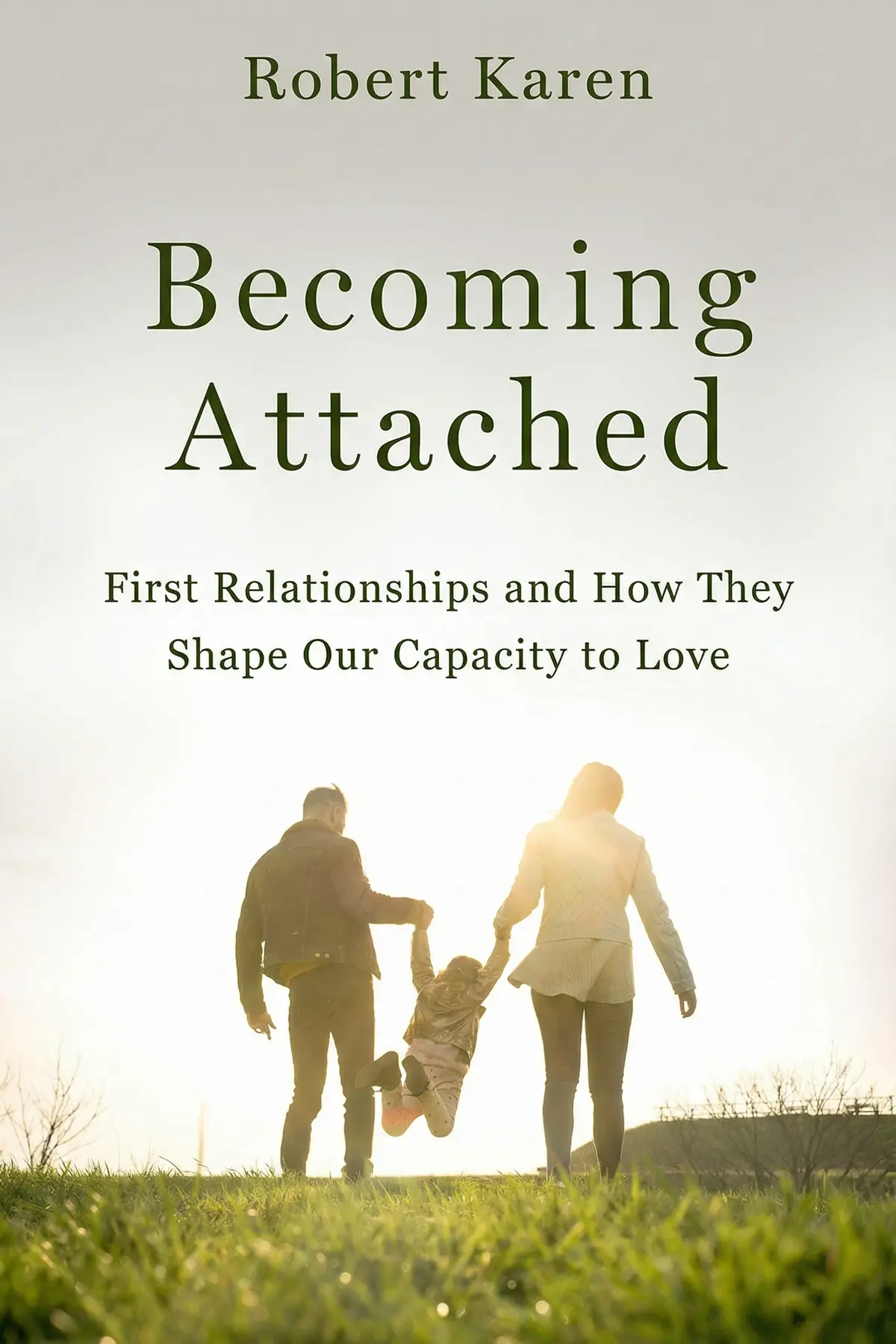
Table of Content
1. Introduction
1 min 35 sec
Every one of us carries a blueprint for how to love, how to trust, and how to handle being alone. We often think of our romantic choices or our social anxieties as personal quirks, but psychology suggests they are rooted much deeper in our history. They are the echoes of our very first relationship. The bond between a child and their primary caregiver isn’t just a part of growing up; it is the fundamental framework upon which our entire psychological house is built. This is the core premise of attachment theory, a field that has revolutionized our understanding of human development.
In this summary of Becoming Attached, we are going to explore the evolution of this theory and what it means for our lives today. We will look at how researchers moved beyond the idea that babies only need food and shelter to realize that emotional warmth is a biological necessity. We will delve into the specific ways that different types of parenting lead to different personality traits in children—traits that often persist well into adulthood.
Throughline is simple but profound: the way we were held, heard, and comforted as infants creates a ‘secure base’ from which we explore the world. When that base is shaky, our journey through life becomes more fraught with fear and confusion. But as we will also discover, understanding these patterns is the first step toward changing them. Whether you are a parent looking to provide the best environment for your child, or an adult trying to make sense of your own relationship patterns, these insights offer a powerful lens for self-discovery and healing. Let’s begin by looking at the raw, biological drive that brings us together in the first place.
2. The Biological Imperative of Human Bonding
2 min 36 sec
Discover why infants crave connection even more than nourishment and how early researchers proved that warmth is a fundamental survival requirement.
3. The Concept of the Secure Base
2 min 31 sec
Learn how a caregiver acts as a psychological launching pad, allowing children to explore the world while remaining tethered to safety.
4. The Trauma of Early Separation
2 min 29 sec
Explore the historical shift in how we understand the psychological impact of being apart from a caregiver and the lasting effects of short-term absences.
5. The Three Patterns of Attachment
2 min 36 sec
Not all bonds are created equal. Learn about the specific categories—Secure, Ambivalent, and Avoidant—that define our relational styles.
6. The Strange Situation and the Power of Reunion
2 min 18 sec
Step into the laboratory to see the famous experiment that revealed how we truly feel about the people we love when they leave and return.
7. The Intergenerational Cycle of Attachment
1 min 58 sec
Explore why we are often destined to repeat our parents’ mistakes and how our ‘internal working models’ are passed down through the generations.
8. The Controversy and Reality of Day Care
2 min 06 sec
Navigating the heated debate over early childcare: learn what the research actually says about the impact of day care on a child’s security.
9. Breaking the Pattern Through Self-Awareness
2 min 13 sec
Is your attachment style set in stone? Discover how counseling and reflection can help parents and adults rewrite their emotional futures.
10. Conclusion
1 min 29 sec
We have traveled from the early, chilling experiments with monkeys to the complex world of adult relationships, and the message throughout has been clear: our capacity to love and be loved is deeply rooted in our earliest experiences. Attachment is not just a childhood phase; it is the invisible thread that connects our past to our present.
We’ve learned that a secure base is the essential launching pad for a fulfilling life. We’ve seen how different patterns of parenting—secure, ambivalent, and avoidant—create the internal maps we use to navigate intimacy. And perhaps most importantly, we’ve seen that while these patterns are powerful, they are not our destiny.
The most actionable advice we can take from this exploration is to cultivate a habit of reflection. If you are a parent, strive for consistency and responsiveness, but also give yourself the grace to be imperfect. What matters most is the ‘repair’—the act of coming back together after a conflict. If you are an adult looking at your own life, remember that understanding your attachment style is the key to transforming your relationships. By making sense of your history, you can start to build a more secure future.
Ultimately, Becoming Attached is a book about hope. It suggests that human beings are remarkably resilient and that the drive for connection is so strong that it can overcome even the most difficult beginnings. By valuing the bond, we value our very humanity.
About this book
What is this book about?
Have you ever wondered why some people navigate relationships with ease while others seem perpetually anxious or distant? Becoming Attached explores the fascinating world of attachment theory, a branch of psychology that traces our adult emotional patterns back to our very first interactions with our parents. The book provides a comprehensive look at how the quality of care we receive as infants—whether consistent, erratic, or neglectful—shapes the internal working models we use to perceive the world and the people in it. Through the lens of landmark experiments and clinical observations, this summary reveals the mechanics of human connection. You will learn about the pivotal research involving rhesus monkeys that proved comfort is as essential as food, the laboratory 'Strange Situation' that identified specific bonding styles, and the profound ways our own childhoods influence how we raise the next generation. This isn't just a book about parenting; it is a roadmap for understanding the human capacity to love and the psychological roots of our emotional security. It promises to deepen your self-awareness and provide a clearer perspective on the bonds that define us.
Book Information
About the Author
Robert Karen
Robert Karen is a clinical psychologist and the author of several successful books on psychology, the most recent of which is The Forgiving Self: The Road from Resentment to Connection. He is also assistant clinical professor at the Derner Institute of Advanced Psychological Studies.
Ratings & Reviews
Ratings at a glance
What people think
Listeners find that opinions are split on the book's intense focus on academic history, with some feeling the thorough detail on theoretical disagreements makes the text read more like a textbook than a practical guide. However, many appreciate the clear and accessible manner in which Robert Karen tracks the growth of attachment theory through the foundational studies of John Bowlby and Mary Ainsworth. Furthermore, they emphasize the engaging and emotionally stirring accounts of child development, with one listener noting that the stories of children in mid-century hospitals and orphanages are especially powerful. Additionally, listeners value the work as a broad resource for understanding how early bonds form lifelong attachment styles.
Top reviews
Levi
Wow, the gut-wrenching accounts of toddlers in 1950s hospital wards actually brought me to tears. Robert Karen masterfully illustrates the horrific consequences of old-school parenting advice that discouraged parents from consoling their own crying children. By tracing the foundational work of Bowlby and Ainsworth, the book reveals why consistent, loving care is a biological necessity rather than a luxury. Even though it is quite long, the emotional resonance of these historical case studies kept me turning the pages. It is a powerful reminder of how much we have learned about the fragility of the infant psyche. This is a must-read for anyone who cares about child welfare.
Show moreJan
Finally got around to finishing this massive volume, and I feel like I've just completed a masterclass in developmental psychology. Karen’s ability to weave together biography, history, and complex theory is truly impressive. He makes the evolution of attachment theory feel like a high-stakes drama where the lives of children were at the center of the debate. I was especially gripped by the sections on Mary Ainsworth’s 'Strange Situation' and how it revolutionized our view of infant behavior. Despite its age, the book’s core insights regarding the stability of attachment styles through life remain incredibly relevant. It is a dense, brilliant, and ultimately hopeful look at the power of human connection.
Show moreSupranee
Personally, I found the narrative flow of this book to be far more engaging than your typical dry social science text. The author manages to explain why the bond between a caregiver and a child is the cornerstone of a healthy adult life. I loved learning about the professional rivalries and the struggle to get these ideas accepted by the mainstream medical community. It is a thick book, but the jargon-free writing makes the complex topics of secure, anxious, and avoidant attachment very easy to grasp. For a layperson, this is probably the best comprehensive history of the subject available. I will be recommending this to every parent-to-be in my social circle.
Show moreChloe
Look, the reality is that this book functions much more like a comprehensive history of an idea than a modern self-help manual. If you want a quick guide to your own attachment style, you should probably look elsewhere for a summary. However, for those willing to trudge through the academic weeds, Karen provides an unparalleled look at the growth of these psychological concepts. He details the 'daycare wars' and theoretical battles with impressive nuance, even if some Freudian elements feel a bit dated. It is a slow burn. The intellectual payoff, however, is massive. It changes how you see every relationship in your life.
Show moreSuwit
This book is absolutely essential for anyone looking to understand the core of human connection and early emotional development. It explains how our earliest bonds create an internal working model that dictates our behavior in adult relationships. While Karen is clearly a fan of classical psychoanalysis, his writing remains accessible and jargon-free for the most part. I was particularly struck by the discussion of secure versus avoidant styles and how they manifest in adulthood. It is a thick read. However, the depth of research is staggering. This should be required reading for policy makers and educators everywhere.
Show moreDaranee
After hearing my therapist mention Bowlby, I decided to dive into the history of attachment styles. Robert Karen does a fantastic job of tracing how we moved away from the sterile, behaviorist views of the 1940s. It is fascinating to see how Mary Ainsworth’s observations in Uganda and Baltimore eventually led to our understanding of secure and avoidant patterns. To be fair, there are moments where the author gets a bit lost in 'Freudian fugues' that don't seem to fit with modern data. However, the overarching story of how we learned that babies actually have feelings is quite powerful. This is a dense but rewarding read for any serious student of human nature.
Show moreSirichai
As a working mother, the sections regarding the 'daycare wars' and early childhood independence were incredibly grounding. This volume provides much-needed context for the guilt many parents feel, showing how these theories evolved through intense professional conflict. Karen writes with a clear, accessible style, though he definitely doesn't shy away from the technical details of developmental psychology. My only gripe is that the book is quite long and could have been edited down by at least a hundred pages. Some of the historical detours regarding British psychoanalysis felt like filler. Still, it is a comprehensive resource for anyone wanting to understand the foundations of how we bond with our children.
Show morePaiboon
Picked this up on a recommendation and was surprised by how much the historical narrative pulled me in. The book acts as a bridge between the clinical world and the general public, explaining the 'internal working model' in a way that makes sense. I found the discussion of how early trauma can impact adult romantic relationships to be particularly enlightening and thought-provoking. Some might find it too academic, but I enjoyed the deep dive into the lives of the researchers themselves. It makes the science feel more human. While it doesn't offer a '10-step plan' for better parenting, it provides the deep understanding necessary to make your own informed choices.
Show moreFinn
Ever wonder why certain parenting trends shift so dramatically over the decades? The truth is that the academic squabbles between giants like Melanie Klein and John Bowlby take up far too much space for a casual reader. While the information is organized clearly, the narrative often gets bogged down in the 'history of ideas' rather than getting to the point. I appreciated the sections on the 'Strange Situation' test, but the book feels overall like a dry academic text. It is informative, certainly. Yet, it lacks the 'page-turner' quality I was hoping for based on the glowing recommendations. It is a solid three-star reference for the history-inclined student.
Show moreEnd
Not what I expected from the teaser questions on the back of the cover, which promised actionable insights for parents. This felt like an antiquated textbook that prioritized the biography of dead scientists over actual, usable advice for a modern parent like myself. Frankly, the heavy reliance on Freudian analysis made several chapters feel like they belonged in a museum rather than a modern clinical setting. It is far too dense for the average layperson and spends an eternity discussing obscure academic rivalries from sixty years ago. Unless you are a professional psychologist interested in the history of the field, this is probably a skip. The information is simply too dated to be relevant today.
Show moreReaders also enjoyed
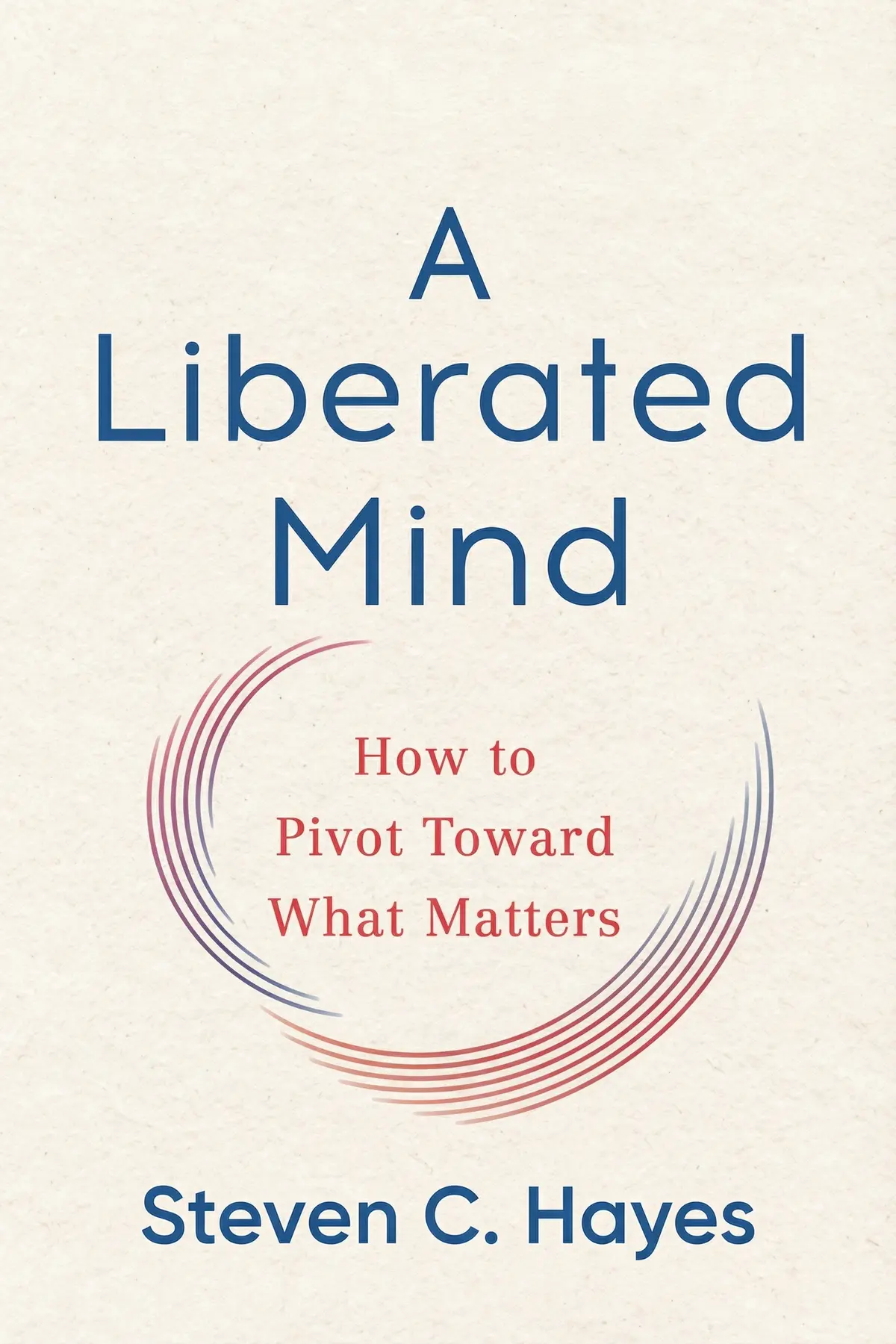
A Liberated Mind: How to Pivot Toward What Matters
Steven C. Hayes
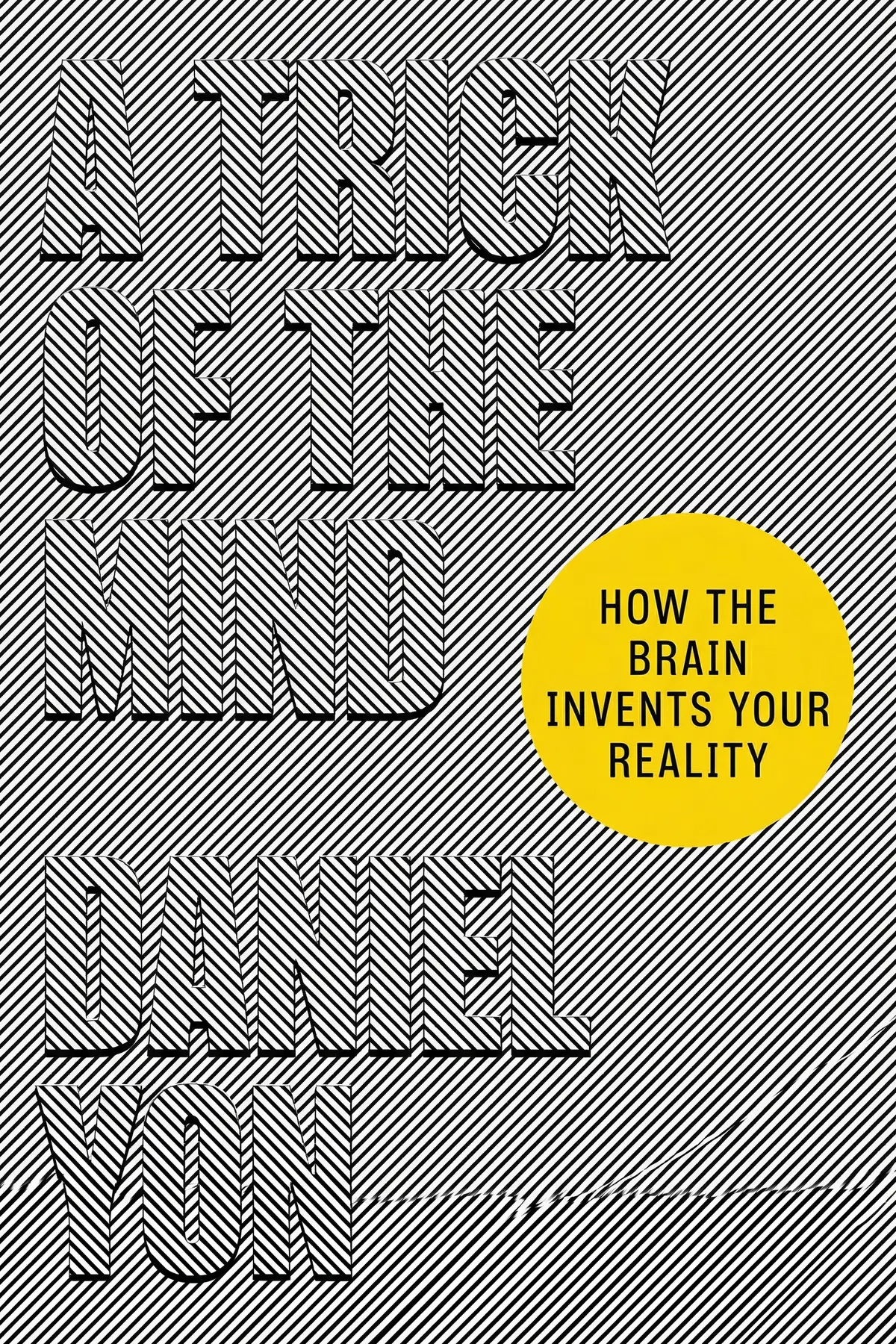
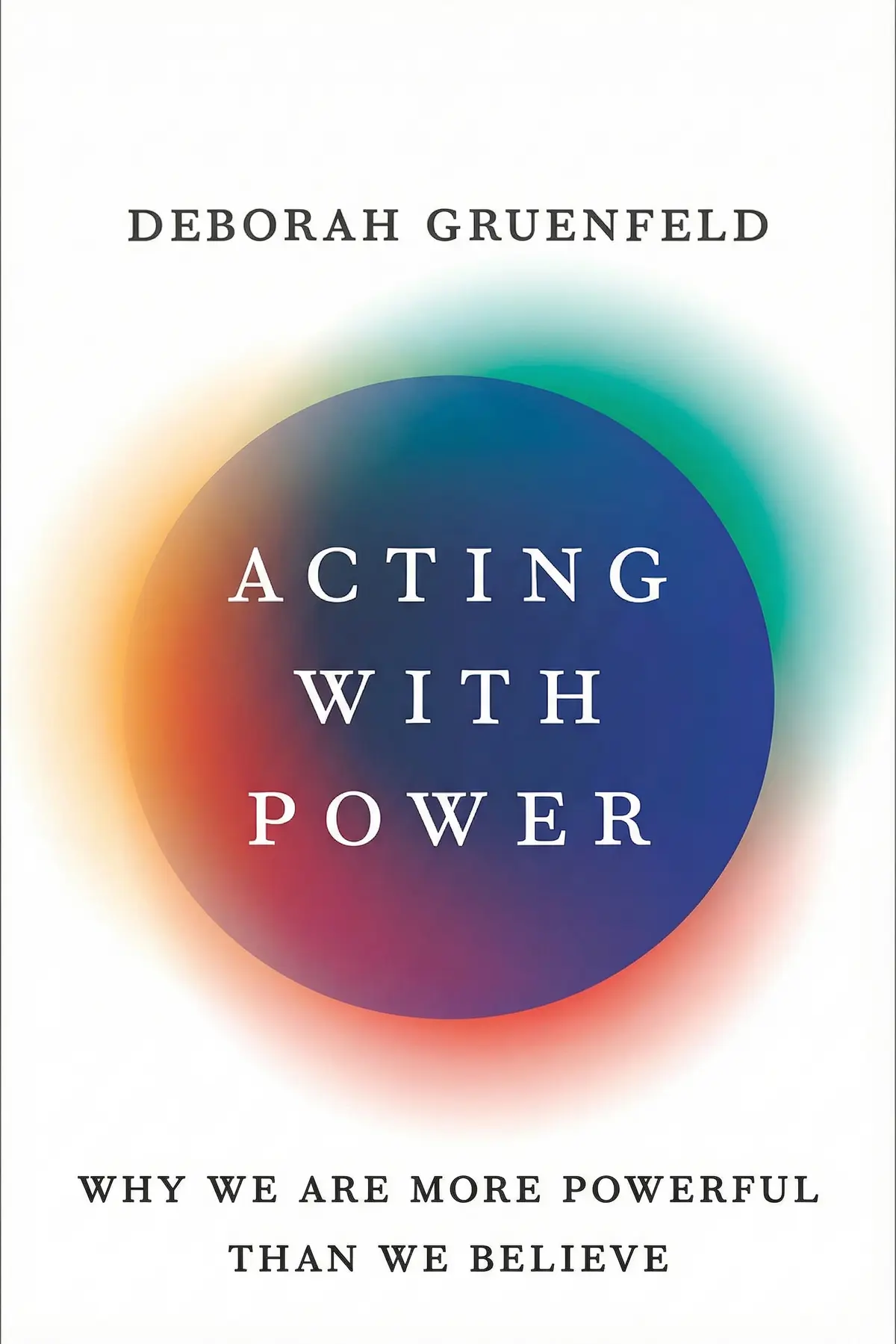
Acting with Power: Why We Are More Powerful Than We Believe
Deborah Gruenfeld
Age of Propaganda: The Everyday Use and Abuse of Persuasion
Anthony Pratkanis
AUDIO SUMMARY AVAILABLE
Listen to Becoming Attached in 15 minutes
Get the key ideas from Becoming Attached by Robert Karen, plus 5,000+ more titles in English and Thai.
- 5,000+ titles
- Listen as much as you want
- 7-day free trial
- Cancel anytime







