

16 min 13 sec
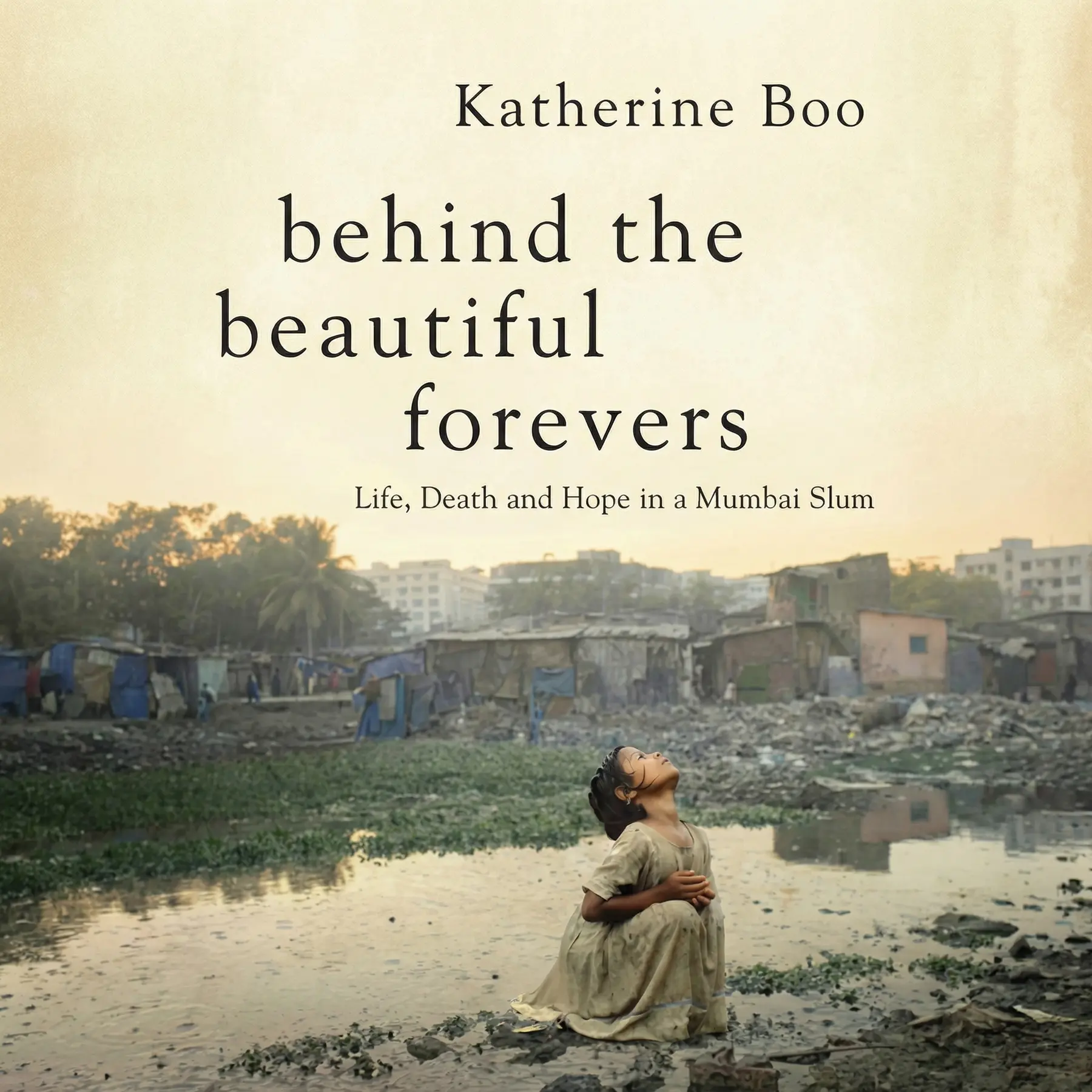
Behind the Beautiful Forevers: Life, Death and Hope in a Mumbai Slum
Katherine Boo provides a deep, investigative look into Annawadi, a Mumbai slum. The narrative reveals the complex lives of residents struggling against systemic corruption, poverty, and the fragility of their dreams in modern India.
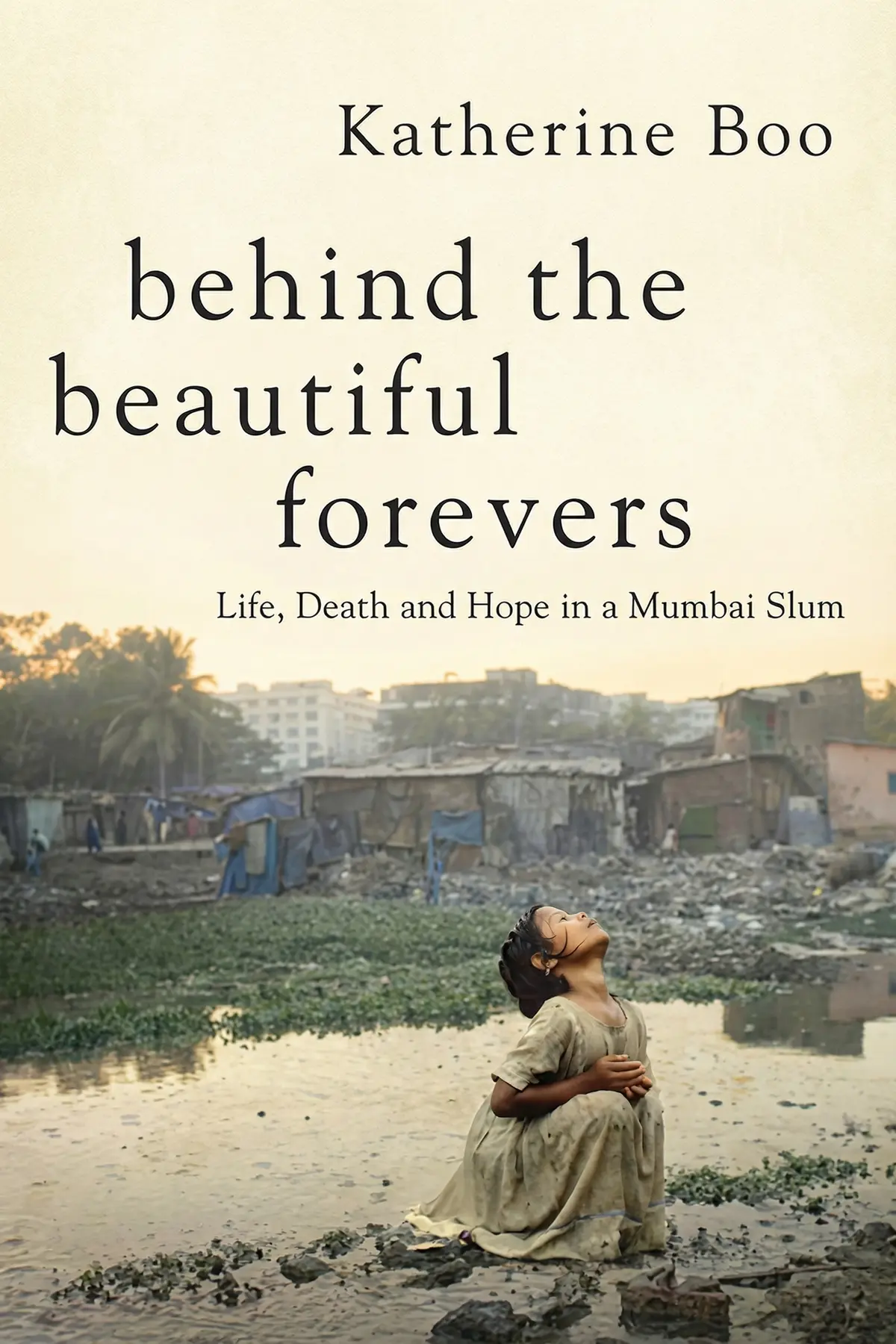
Table of Content
1. Introduction
1 min 35 sec
Imagine landing at the glittering international airport in Mumbai. As you step off the plane, you are surrounded by the signs of a rising global power: luxury hotels, sleek glass buildings, and the promise of a bright, modern future. But just beyond the airport’s edge, separated by a tall wall, lies a world that the brochures don’t show. This is Annawadi, a sprawling, illegal settlement where thousands of people live in the literal shadow of India’s economic boom. In this summary of Katherine Boo’s investigative masterpiece, we are going to pull back the curtain on that hidden world.
Behind the Beautiful Forevers isn’t just a report on poverty; it is a deeply personal chronicle of life, death, and the desperate hope that keeps people moving forward when the odds are stacked against them. Through the eyes of the residents themselves, we will see how the smallest events—a neighborhood dispute, a casual bribe, or a change in the weather—can mean the difference between climbing out of the slum or being crushed by it. This is a journey through a landscape where corruption is the air everyone breathes and where the struggle to stay ethical is often a luxury the poor cannot afford.
Over the course of this exploration, we’ll see how a family’s hard-won success can vanish in an instant due to a single false accusation. We will look at the physical toll of living in an environment without basic sanitation, and the systemic ways that institutions—from hospitals to police stations—fail those who need them most. Ultimately, we’ll ask what it means to strive for a better life in a system that seems designed to keep you exactly where you are.
2. The Fragile Ladder of Progress
2 min 27 sec
Discover how a single household renovation project leads to a catastrophic chain of events for a family attempting to escape extreme poverty.
3. Living in a Toxic Ecosystem
1 min 55 sec
Uncover the harsh environmental realities of Annawadi, where every breath and every drop of water carries the threat of disease.
4. The Commodities of Corruption
2 min 08 sec
Learn why basic rights and public services in the slum are not guaranteed, but are instead sold to the highest bidder.
5. The Mirage of Social Mobility
1 min 49 sec
Examine the heavy obstacles facing those who attempt to use education as a way out of the slums.
6. A Childhood Without a Safety Net
2 min 20 sec
See the world through the eyes of the slum’s children, who must navigate extreme dangers without the protection of adults or the law.
7. The Ethical Cost of Survival
2 min 02 sec
Reflect on the moral compromises individuals are forced to make when every day is a battle for existence.
8. Conclusion
1 min 57 sec
As we conclude our journey through the alleys of Annawadi, we are left with a powerful and unsettling picture of the modern world. The title of the book, Behind the Beautiful Forevers, refers to a luxury billboard that stands between the slum and the airport. The billboard advertises floor tiles that will stay “beautiful forever,” but its real purpose is to hide the poverty of the slum from the eyes of the wealthy travelers passing by. This image perfectly encapsulates the themes we’ve explored: the vast gap between the shiny promise of global progress and the gritty, difficult reality of those whose labor makes that progress possible.
We’ve seen through the story of the Husain family that even the most industrious people can be undone by a system that prioritizes bribes over justice. We’ve witnessed how the physical environment of the slum acts as a constant drain on the health and hope of its inhabitants. And we’ve seen the tragic toll on the youth, who find that even education and hard work are often not enough to break the chains of their social status.
But the throughline of this story isn’t just one of despair; it is one of incredible, almost incomprehensible resilience. Despite the corruption, the disease, and the constant threat of violence, the people of Annawadi continue to dream, to plan, and to strive for something better. Their lives remind us that poverty is not a lack of character or ambition, but a lack of opportunity and justice.
The actionable takeaway from this narrative is a call for a deeper kind of awareness. It challenges us to look beyond the “billboards” of our own society and to recognize the human cost of the systems we participate in. It asks us to consider what justice really looks like when it is not for sale, and to remember that the drive for dignity is universal, no matter how hidden it may be from the main road. The story of Annawadi is a reminder that as long as progress for some is built on the systematic exclusion of others, our “beautiful forevers” will remain an unfinished promise.
About this book
What is this book about?
Behind the Beautiful Forevers takes listeners into the heart of Annawadi, a makeshift settlement sitting in the literal shadow of Mumbai’s luxury hotels and international airport. The book follows the lives of families like the Husains, who find a way to survive by recycling the trash of the wealthy, and individuals like Asha, who seeks power through the only means available to her: corruption. It is a story of how global economic shifts and local governmental failures intersect to create a world where the poor are forced to compete against one another for the smallest crumbs of progress. The narrative promise of this work is an unflinching look at the reality of the 21st-century city. It explores the themes of social inequality, the lack of basic human rights, and the psychological toll of living in a place where justice is a commodity. By examining the dreams of the slum’s youngest residents and the harsh realities that often crush them, the book provides a profound meditation on the resilience of the human spirit and the structural barriers that keep poverty entrenched.
Book Information
About the Author
Katherine Boo
Katherine Boo is an investigative journalist who focuses on themes of social justice and poverty. In order to research Behind the Beautiful Forevers, she spent over three years in the Annawadi slum. She won the Pulitzer Prize for Public Service in 2000.
Ratings & Reviews
Ratings at a glance
What people think
Listeners consider this work to be a gripping and influential tale of hope, featuring exquisite prose that reads like high-quality fiction. The book offers deep perspectives on those living in poverty through vivid depictions of life in Indian slums, and listeners value the extensive research that offers a fresh outlook on life. Though some listeners say the narrative isn't gloomy, others find the account to be deeply tragic.
Top reviews
Dome
Picked this up after seeing it on several 'must-read' lists, and I wasn't prepared for how much it would stick with me. Katherine Boo has a remarkable gift for narrative non-fiction; it honestly reads like a fast-paced novel rather than a dry sociological study. Watching Abdul navigate the cutthroat world of garbage recycling while trying to maintain his integrity broke my heart and inspired me simultaneously. The way Boo describes the 'Beautiful Forevers' wall hiding the reality of Annawadi from the airport travelers is a metaphor that will haunt my thoughts for a long time. It is a stunning, deeply researched look at the friction between global wealth and local survival. Absolutely essential reading for anyone trying to understand the human cost of the 21st-century economy.
Show moreJavier
As someone who usually sticks to fiction, I was stunned by how Boo transforms years of investigative reporting into a narrative that flows with such lyrical intensity. The story of the Husain family and the false accusations they faced is more gripping than any legal thriller I’ve read this year. What struck me most was the lack of easy heroes; everyone is just trying to survive in a system that is rigged against them at every single turn. The descriptions of life behind the airport—the smells, the colors, the constant threat of the 'liquid city'—were so visceral I felt like I was there. It’s a powerful testament to human resilience. This isn't just a book about poverty; it’s a profound meditation on what it means to try to be good when the world is crumbling around you.
Show moreEnd
This book provides a visceral, unfiltered look at life in the Mumbai slums that news reports simply can't capture. Katherine Boo spent years living alongside these people, and that proximity shows in every sentence. The way she handles the death of Fatima and the subsequent fallout for the Husains is handled with incredible nuance. It’s not just about the lack of money; it’s about the lack of justice and the way the law is used as a weapon against the vulnerable. I found the author’s note at the end to be a crucial piece of the puzzle, explaining her methodology and the 'interpretive' style she chose. It changed the way I look at global inequality. A masterpiece of modern reporting that feels both urgent and timeless.
Show moreBella
Rarely does a piece of non-fiction manage to be both a rigorous social critique and a deeply moving human drama. Katherine Boo has achieved something special here by giving a voice to those who are usually silenced by the noise of India's 'rising' economy. Personally, I was most moved by Manju’s struggle to get an education while her mother used her as a pawn in local power plays. The juxtaposition of the 'Beautiful Forevers' advertisement with the open sewers of the slum is a searing image that defines the book. It’s a story of incredible hope, not because things get better, but because people keep trying anyway. If you want a book that will broaden your perspective and challenge your assumptions about poverty, this is it. Five stars without a doubt.
Show moreSuthee
Wow. I finished this in two sittings and felt like I needed a long walk to process everything I’d just encountered. The book doesn't offer the easy, feel-good 'slumdog' narrative many Western readers might expect. Instead, it’s a gritty, realistic portrayal of how systemic corruption poisons even the smallest interactions between neighbors. Seeing Asha’s ruthless climb for political power contrasted with the younger generation’s dwindling hope was incredibly effective. My only gripe is that the style can feel a bit like 'poverty porn' if you aren't careful, but the author's obvious dedication to her subjects shines through enough to mitigate that. It's an uncomfortable, necessary mirror held up to the rise of modern India. Definitely grab this one, but prepare to be politically appalled.
Show moreCaleb
Finally got around to reading this, and it’s definitely a heavy lift emotionally. The truth is, the book provides a perspective on Mumbai that you won’t find in any travel brochure or glossy magazine. I was particularly fascinated by the children of Annawadi, who seemed to possess a moral clarity that the adults had long since lost to the grind of survival. The pervasive corruption of the police and medical staff was the most infuriating part—it's like a 'tax' on being poor. My only minor complaint is that the beginning is a bit slow as she introduces a massive cast of characters. Once you get the families straight, however, it becomes impossible to put down. It's a tragic but beautifully written account of life on the margins.
Show moreAnong
Ever wonder what happens to the trash you see at luxury airports? This book follows that garbage into the hands of teenagers like Sunil and Abdul, and in doing so, it reveals the entire machinery of a hidden city. I loved how Boo highlighted the entrepreneurial spirit of the slum-dwellers without romanticizing their struggle. They aren't saints; they are people making impossible choices in an environment that rewards the ruthless. The chapter on the mock elections and Asha’s political schemes was eye-opening. While the ending felt a bit abrupt and left me wanting more closure, I suppose that’s the point—life in Annawadi doesn’t have neat resolutions. It’s a complex, heart-wrenching, and ultimately vital piece of work.
Show moreOtt
The level of immersion Katherine Boo achieves is undeniably impressive, but I found the 'interpretive language' she mentions in the author's note a bit distracting at times. To be fair, the research is top-notch, yet the dialogue occasionally felt a little too polished for the setting she was describing. I struggled with the cynicism of the residents; the book paints a picture where the poor are often their own worst enemies, constantly sabotaging one another for the smallest advantage. It’s a dense, verbose read that requires a lot of emotional energy. While I appreciate the glimpse into a world I’ll never experience, the repetitive descriptions of corruption and filth felt like they were hammering the same point home for 200 pages. It's a solid 3.5-star effort that just didn't quite reach the 'masterpiece' status for me.
Show moreSupatra
In my experience, books that receive this much hype rarely live up to it, and while this was good, I have some reservations. The prose is beautiful, sure, but I felt like a 'gawking rubbernecker' at times, peering into these people's tragedies from the comfort of my couch. Boo’s style is very American journalese—high-octane and a bit dramatic—which occasionally felt at odds with the bleakness of the subject matter. I also wanted more direct quotes; the 'interpretive' dialogue made me wonder how much was the residents and how much was the author’s creative license. That said, the section on the global economic crash’s impact on the price of recyclable plastic was fascinating. It’s a worthwhile read, just a bit overly stylized for my personal taste.
Show moreChan
Look, I know this is a Pulitzer winner, but the narrative felt incredibly repetitive and dense for no reason. I found myself skimming long sections about the intricacies of scrap metal trading and the various levels of police bribery because they just didn't move the story forward. Frankly, it felt like the author was being paid by the word. I also had a hard time connecting with the subjects because the third-person perspective felt so clinical and detached, almost like I was watching a nature documentary. The misery is unrelenting, and while I understand that’s the reality, the lack of any narrative arc made it a slog to finish. I respect the research, but as a reading experience, it was more exhausting than enlightening.
Show moreReaders also enjoyed

All About Love: New Visions
bell hooks

A Biography of Loneliness: The History of an Emotion
Fay Bound Alberti
A Force for Good: The Dalai Lama's Vision for Our World
Daniel Goleman


A Room of One’s Own
Virginia Woolf
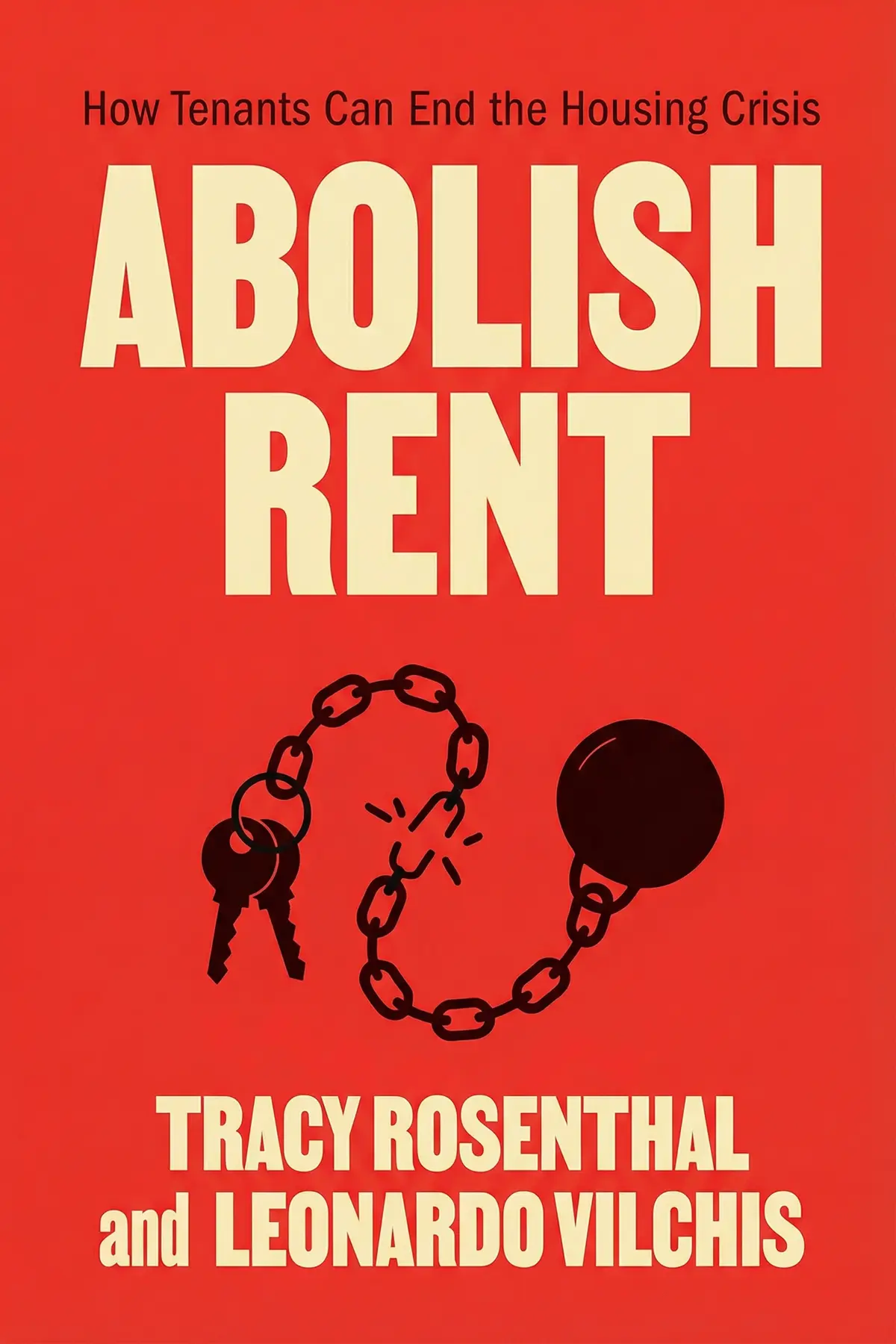
Abolish Rent: How Tenants Can End the Housing Crisis
Tracy Rosenthal
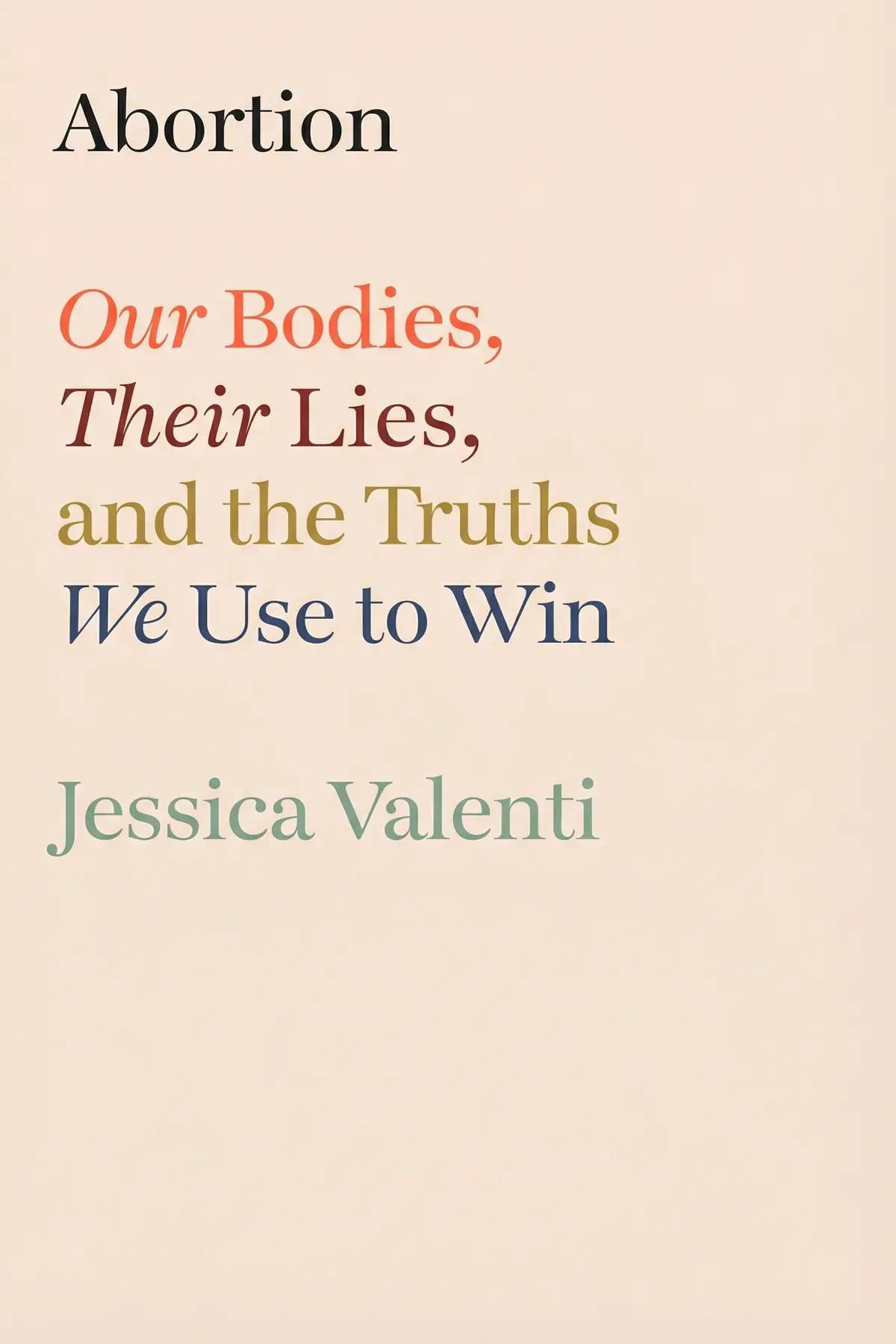
Abortion: Our Bodies, Their Lies, and the Truths We Use to
Jessica Valenti
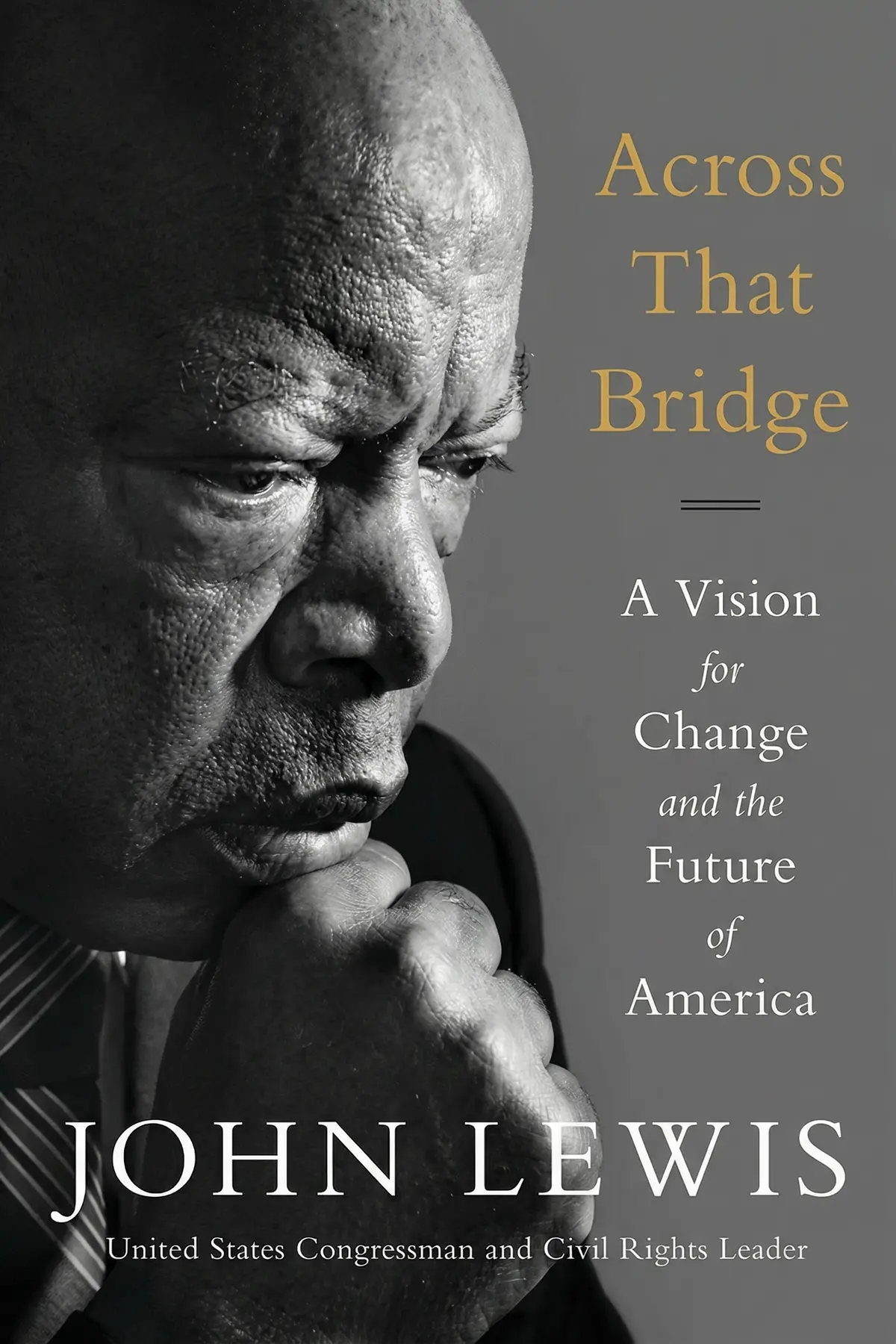
AUDIO SUMMARY AVAILABLE
Listen to Behind the Beautiful Forevers in 15 minutes
Get the key ideas from Behind the Beautiful Forevers by Katherine Boo, plus 5,000+ more titles in English and Thai.
- 5,000+ titles
- Listen as much as you want
- 7-day free trial
- Cancel anytime







