
15 min 31 sec
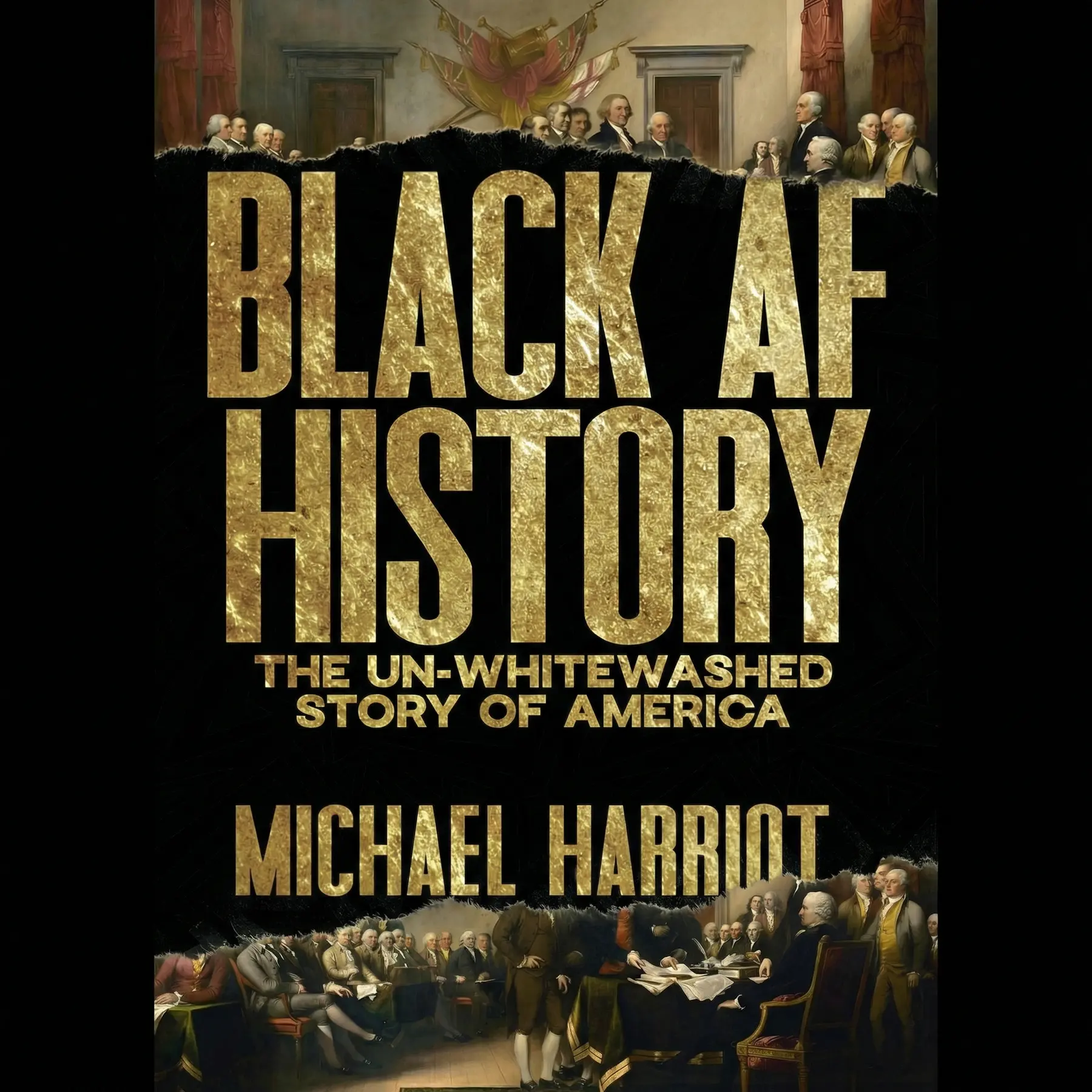
Black AF History: The Un-Whitewashed Story of America
Black AF History presents an unfiltered, deeply researched exploration of the American narrative, highlighting the essential roles of Black people whose contributions were systematically erased from traditional historical records.
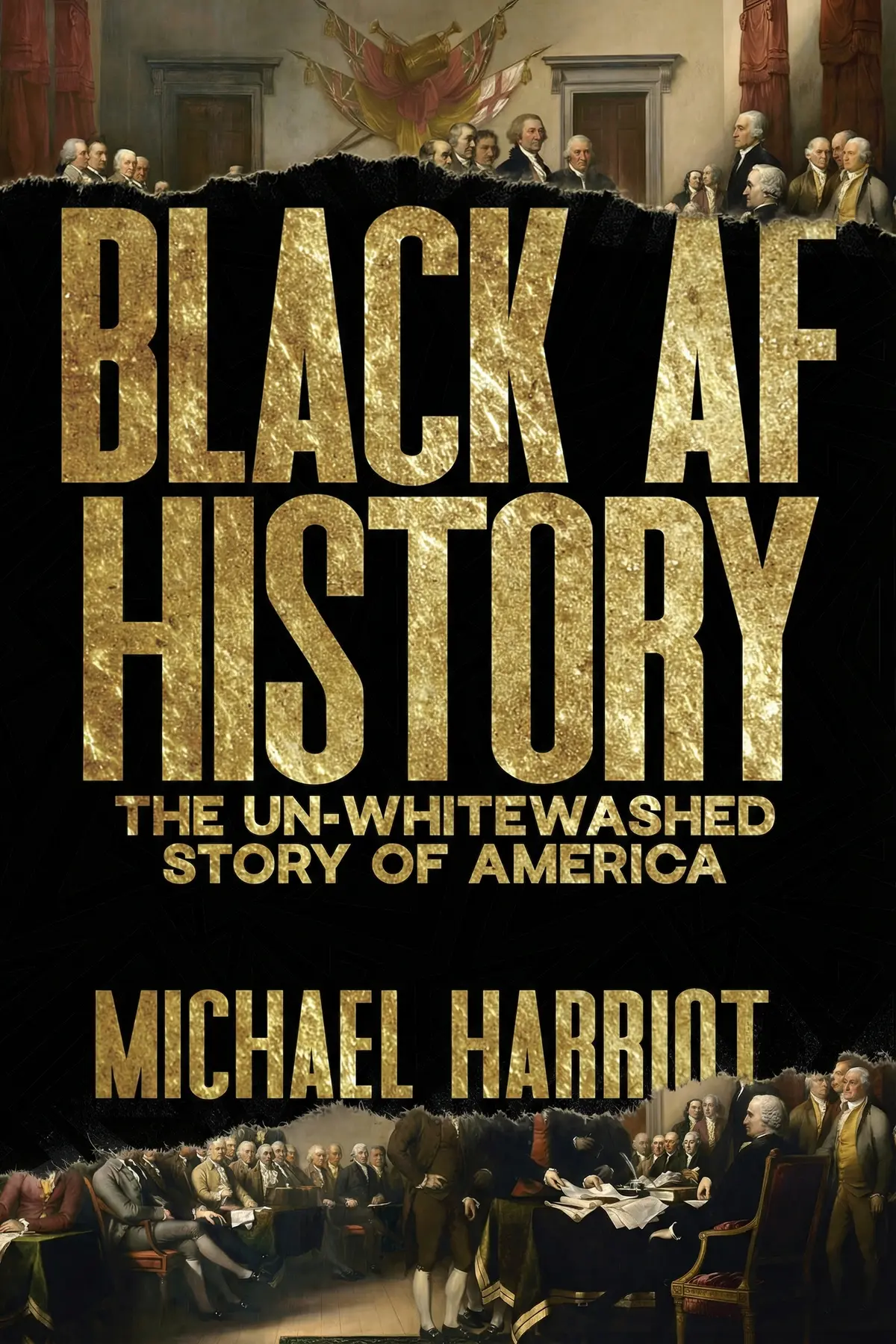
Table of Content
1. Introduction
1 min 55 sec
The history of America is often framed as a series of grand ideals—liberty, equality, and the pursuit of happiness. We are taught stories of midnight riders and tea parties in Boston harbor, all centered on a group of European men seeking to build a new world. But for a significant portion of the population living on this land, those grand declarations felt like contradictions. While the founding documents spoke of self-evident truths regarding equality, the reality was a nation constructed on the labor and stolen intellectual property of people who were denied those very rights.
This exploration isn’t just about pointing out inconsistencies; it’s about restoring the voices that have been deliberately silenced. Imagine a history where we talk about the Ashanti warriors who established early democratic structures on the coast of the Carolinas, or the strategic genius of Toussaint Louverture, whose revolutionary spirit in the Caribbean fundamentally altered the trajectory of the American South. Think about the scientific contribution of Onesimus, a man living in the household of Cotton Mather, who provided the medical knowledge necessary to save the Massachusetts colonies from a smallpox outbreak that threatened their existence. These aren’t footnotes; they are the foundation.
The throughline of this summary is that the true history of the United States is a multi-hued tapestry, far more complex and colorful than any standard textbook would suggest. For centuries, the narrative has been carefully curated to protect the concept of white supremacy, casting Black Americans as passive subjects rather than the active architects of the nation. By uncovering the stories of the revolutionaries, inventors, and activists who were edited out of the official record, we can finally see the American story for what it really is: an ongoing struggle for freedom led by those to whom it was most consistently denied. Here, we will look at how the colonies survived, how the economy truly boomed, and how the fight for independence was actually a two-front war.
2. The Survival of Early Colonies Through African Knowledge
2 min 29 sec
Traditional stories say English settlers conquered a new land with grit, but the truth involves starvation, cannibalism, and a desperate reliance on kidnapped experts.
3. The Architecture of a Race-Based Economic System
2 min 24 sec
Learn how the American dream was originally a get-rich-quick scheme designed for white landowners by institutionalizing the theft of African expertise.
4. The Hidden War for Black Independence
2 min 18 sec
While the colonists fought the British for ‘liberty,’ enslaved people were fighting their own revolution, often choosing the side that actually promised freedom.
5. Self-Emancipation and the Strategic Fall of Slavery
2 min 06 sec
The Civil War is often framed as a gift of freedom from the North, but the true story is about Black people forcing the nation’s hand through rebellion and service.
6. The Systematic Erasing and Rewriting of the Past
2 min 34 sec
After the Civil War, a coordinated effort by revisionists sought to bury the truth of Black success, but the spirit of resistance found new ways to organize.
7. Conclusion
1 min 45 sec
The history of the United States, when viewed through an un-whitewashed lens, is a story of incredible resilience and hidden mastery. We have seen how the very survival of the first English colonies depended on the intellectual property and specialized skills of kidnapped Africans. We have traced the architecture of an economic system that was designed to exploit that knowledge while legally erasing the humanity of the experts who provided it. We have also seen how, in every major conflict, Black Americans were not just participants, but strategic leaders who used the chaos of war to drive their own emancipation.
What this means for us today is that our understanding of the American identity is incomplete if it doesn’t center the Black experience. The story of this nation is not one of a slow, inevitable march toward progress granted by the benevolence of the founders. It is a story of a hard-fought, continuous battle for dignity and recognition, waged by people who built the infrastructure, cultivated the land, and defended the ideals of a country that often didn’t want them.
Michael Harriot’s work reminds us that the suppression of history is a tool of power, and the restoration of that history is an act of liberation. By acknowledging the revolutionaries like Titus Cornelius, the strategists like Harriet Tubman, and the organizers like Ella Baker, we aren’t just adding names to a list. We are fundamentally changing the narrative of what it means to be American. The actionable closing here is to keep questioning the ‘official’ versions of the past. Seek out the voices that were muted and the stories that were edited out. Because only by understanding the full, complex, and often uncomfortable truth of our history can we hope to build a future that actually lives up to the promises of equality and liberty for all.
About this book
What is this book about?
This book serves as a radical correction to the sanitized version of American history found in standard textbooks. Michael Harriot moves past the traditional myths of the founding fathers to reveal a nation built through the intellect, labor, and resistance of Black people. From the actual survival of the earliest colonies to the strategic brilliance of the Revolutionary and Civil Wars, the book promises to un-whitewash the national story. By examining the past through a lens of wit and scholarship, the narrative uncovers stories of revolutionaries, scientists, and agricultural experts who were previously sidelined. It offers a promise of a more honest understanding of the American experiment, highlighting how Black agency and self-emancipation were the true drivers of progress and freedom in a country that often sought to deny both to its most essential builders.
Book Information
About the Author
Michael Harriot
Michael Harriot is a journalist and columnist who chronicles the intersection of politics, race, and culture. He’s a regular columnist for TheGrio, and his political commentary is often featured on news programs on MSNBC, BET, and CNN, along with publications like the Atlantic and the Washington Post. Additionally, he's both creator and host for the popular podcast Drapetomaniax: Unshackled History, and he’s been honored by the National Association of Black Journalists for his work.
Ratings & Reviews
Ratings at a glance
What people think
Listeners describe this history title as an accessible yet captivating experience that blends extensive research with a sense of humor. They value its informative nature and honest perspective on the American past, with one listener highlighting the masterful way it simplifies intricate topics. Its approachable prose receives high marks, and listeners characterize the work as poignant, with one individual pointing out how it explores the complexities of generational trauma.
Top reviews
Siriphen
Picked this up because I follow Harriot’s work online, but I wasn't prepared for how much I'd actually laugh while reading about genocide. It sounds dark, but his signature "dark humor" is exactly what’s needed to swallow the bitter pill of American history. I specifically loved the "Unit Reviews" at the end of the chapters; they are so tongue-in-cheek and biting. Harriot masters the art of making complex, ignored history accessible without stripping it of its weight. You get stories of people like Juan Garrido that were completely left out of my high school education. It’s enlightening and frankly, it makes you realize how much we’ve been lied to. The writing style keeps you turning pages even when the subject matter gets heavy. Essential for anyone tired of the same old whitewashed fables.
Show morePun
Wow. This is the history book Ron DeSantis is terrified of, and for good reason. Michael Harriot takes the fables we were taught in grade school and burns them to the ground with receipts. He proves that America wasn't built on just hard work, but on human trafficking and systematic theft. I found myself raging and laughing in the same breath. The way he breaks down how "states' rights" was always a dog whistle for slavery is masterfully done. It’s not just about the South either; he correctly points out that white supremacy is an American brand, not a regional one. The humor helps with the emotional toll, but the facts remain chilling. This should be mandatory reading in every college in the country. We can't fix what we refuse to acknowledge.
Show moreOrathai
Finally got around to this after hearing Harriot on his Drapetomania podcast, and it’s even more gut-wrenching in print. There’s a specific section on the health disparities and maternal death rates for Black women that left me in tears. Harriot manages to unpack generational trauma without making the reader feel hopeless, which is a rare feat. The writing is incredibly engaging—it’s like having a conversation with your smartest, funniest cousin. He doesn't sugarcoat the facts about how churches participated in the slave trade or how Black newborns fare under certain care. It’s a truthful, brutal, and yet strangely loving look at Black American life. I felt seen and heard in ways that traditional history books never allow. It’s emotional, enlightening, and absolutely masterfully written. Truly top-quality work.
Show moreFatou
Stop what you're doing and buy this book immediately. Harriot turns what could be a dry, academic subject into a page-turner filled with biting wit and undeniable truths. I loved the family anecdotes he sprinkled throughout—they made the history feel personal rather than distant. It’s a comprehensive look at how this country was actually built on the backs of people who were never intended to be free. Truth is, we’ve been fed a sanitized version of the past for far too long. This book is the antidote to that. It’s smart, funny, and deeply researched. I found the supplemental reading suggestions at the end of each chapter especially helpful for diving deeper into specific eras. This is history as it should be taught.
Show moreWacharapol
After hearing the audiobook narrated by Harriot himself, I knew I had to get physical copies for my family. His voice brings a unique rhythm to the text that you just don't get from a standard textbook. The way he dismantles the "Thanksgiving myth" is a masterclass in historical deconstruction. It’s rare to find a book that is this well-researched yet remains so engaging for people who usually find history boring. He explains how slave labor wasn't just about muscle, but about the intelligence and agricultural expertise these people brought with them. It’s an enlightening look at the contributions that have been erased. Harriot’s writing style is accessible and punchy. He manages to balance the weight of generational trauma with stories of resilience that are genuinely inspiring. Revolutionary stuff.
Show moreIsabelle
Why aren't we taught this in school? That was the question I kept asking myself on every page of Black AF History. Michael Harriot exposes the "fables" of the Founding Fathers with sharp wit and heavy research. I gotta say, the humor is definitely needed because some of the facts about the transatlantic slave trade are just devastating. The inclusion of his family stories from "Sous Corolina" provided a nice bit of levity among the heavier chapters. It’s a very comprehensive presentation of the Black experience that doesn't shy away from the ugly parts. Not gonna lie, it’s an emotional roller coaster, but it is masterfully written. It’s a truthful reckoning that every American needs to face if we ever want to move forward. Essential reading for all.
Show moreAnthony
The chapter on the genetic marker "IDGAF" for Ida B. Wells is worth the price of the book alone. Harriot’s tone is perfectly balanced—angry where it needs to be, but hilariously observant throughout. He takes the complex subject of systemic racism and makes it digestible without watering down the truth. This isn't just a book about suffering; it's a book about the incredible resilience and brilliance of Black people who built a nation that hated them. Not gonna lie, it made me look at my own education in a completely different light. It’s emotional, it’s masterfully written, and it’s unapologetically Black. Five stars for the humor, the heart, and the hard truths that keep racist folks up at night.
Show moreLogan
As someone who has explored a lot of Black history, I was surprised by how many new names I encountered in these pages. Harriot doesn't just stick to the "safe" figures we usually hear about during February. The chapter "So Devilish a Fire" highlighting Black women like Mary Church Terrell was a standout for me. I also never knew about Sister Rosetta Tharpe’s foundational role in rock 'n roll! To be fair, the author narrates the audiobook himself and while I loved the personality, a professional narrator might have been smoother for some. Still, the content is masterfully unpacked. It’s a necessary reeducation that addresses generational trauma with both grace and a middle finger to the status quo. I wish there was more focus on the post-1970s era, as that felt a little rushed.
Show moreBam
Ever wonder why our history books start in 1619 as if Black people didn't exist here before that? This book opens up a whole new world of facts, like the presence of Juan Garrido and other Africans long before the Mayflower landed. I appreciated the deep dive into slave resistance and the specific names like Kwaku and Kwamina. The author’s ability to weave these stories into the larger American narrative is impressive. Personally, I found some of the analogies to modern pop culture a bit distracting, but they definitely make the book more accessible to a younger audience. It’s an easy read that doesn't sacrifice intellectual rigor. The chapter on religions was particularly eye-opening for me. A solid 4-star read that I’ll be recommending to my book club.
Show moreArthit
Not what I expected based on the hype, though I can't deny the research is solid. My main issue is that it feels quite redundant in the middle sections, repeating points about the hypocrisy of the Founding Fathers that we already grasped in the first few chapters. The textbook structure with the questions at the end is a fun gimmick at first, but it started to feel a bit distracting for a casual read. Look, I learned a lot about Forest Joe and the resistance movements, which was great. However, the tone shifts from academic to extremely informal so quickly it gave me whiplash. I also felt the book let up too much after the civil rights era; the modern section lacked the depth of the colonial era. It’s a good resource, but maybe not the life-changing experience others are describing.
Show moreReaders also enjoyed
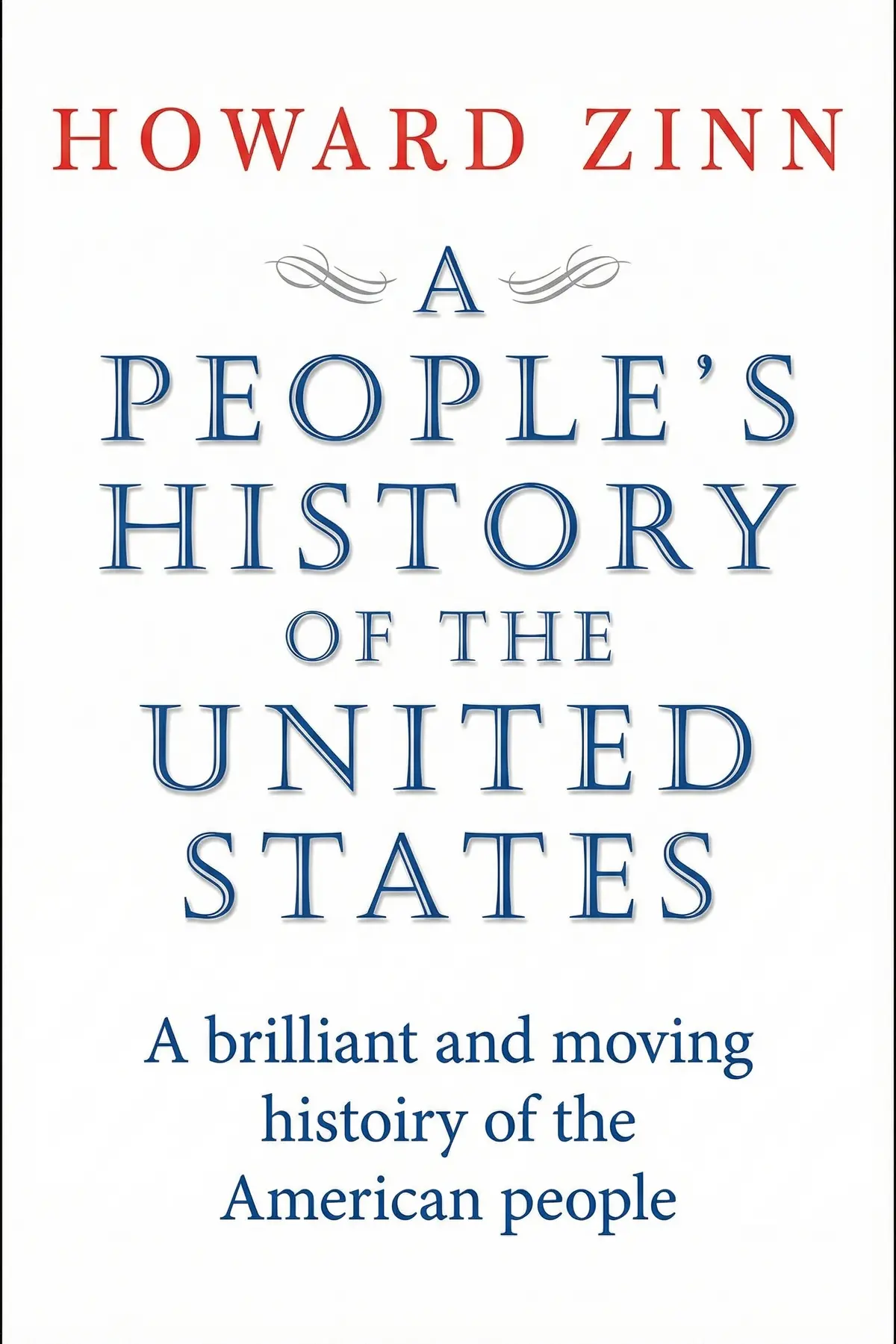
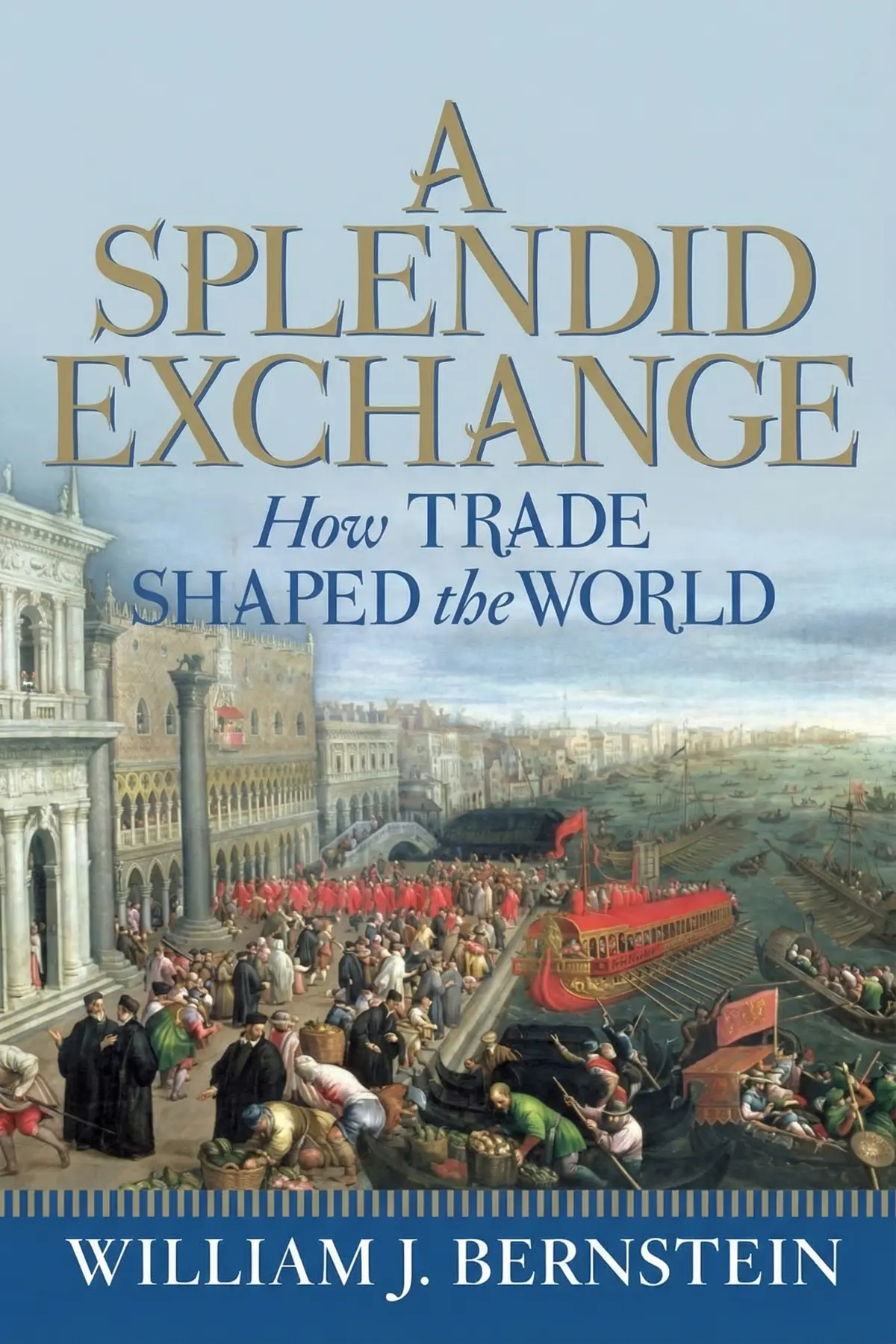
A Splendid Exchange: How Trade Shaped the World
William J. Bernstein
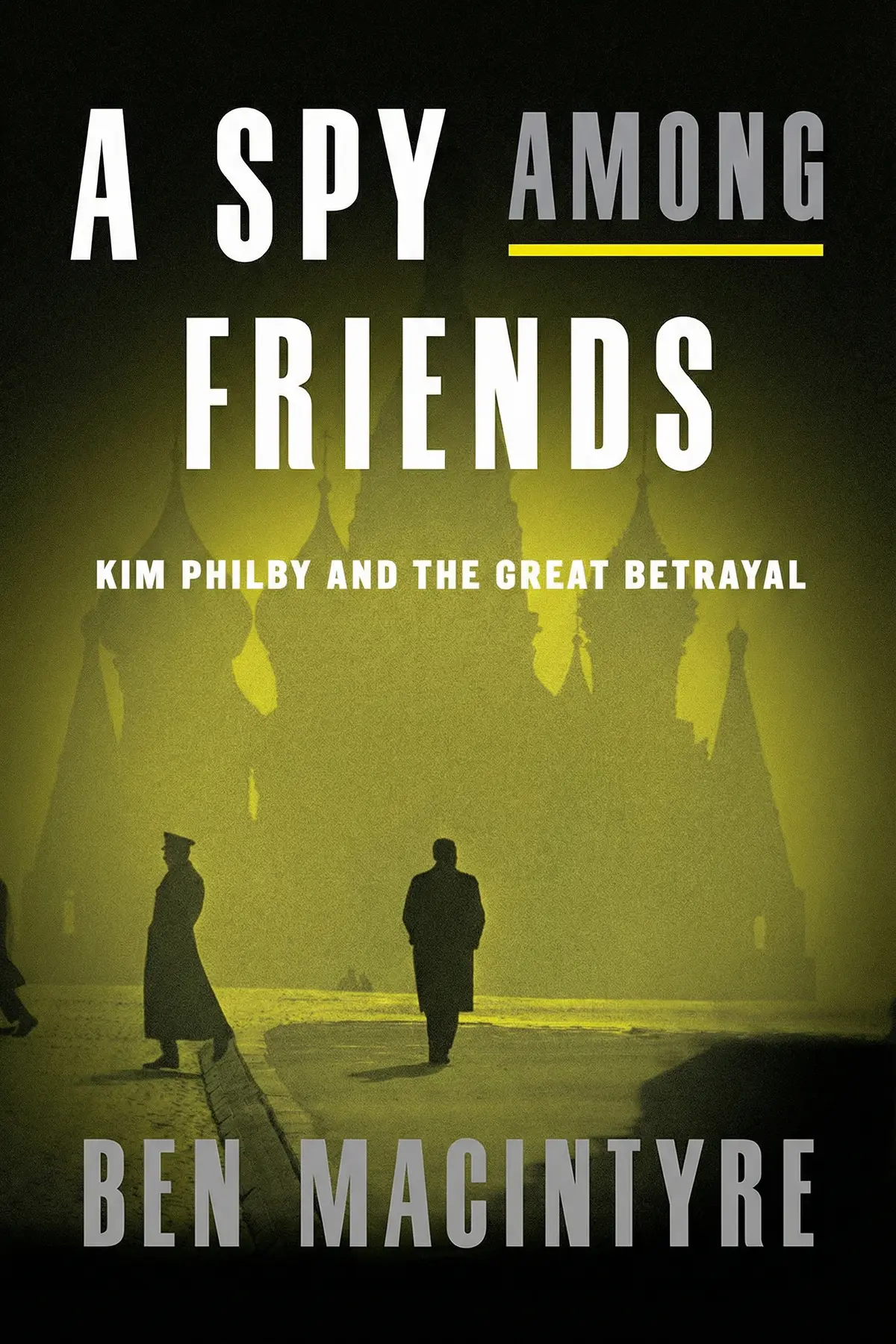
A Spy Among Friends: Philby and the Great Betrayal
Ben Macintyre
1491: New Revelations of the Americas Before Columbus
Charles C. Mann
A Year in the Life of William Shakespeare: 1599
James Shapiro
AUDIO SUMMARY AVAILABLE
Listen to Black AF History in 15 minutes
Get the key ideas from Black AF History by Michael Harriot, plus 5,000+ more titles in English and Thai.
- 5,000+ titles
- Listen as much as you want
- 7-day free trial
- Cancel anytime







