
23 min 09 sec
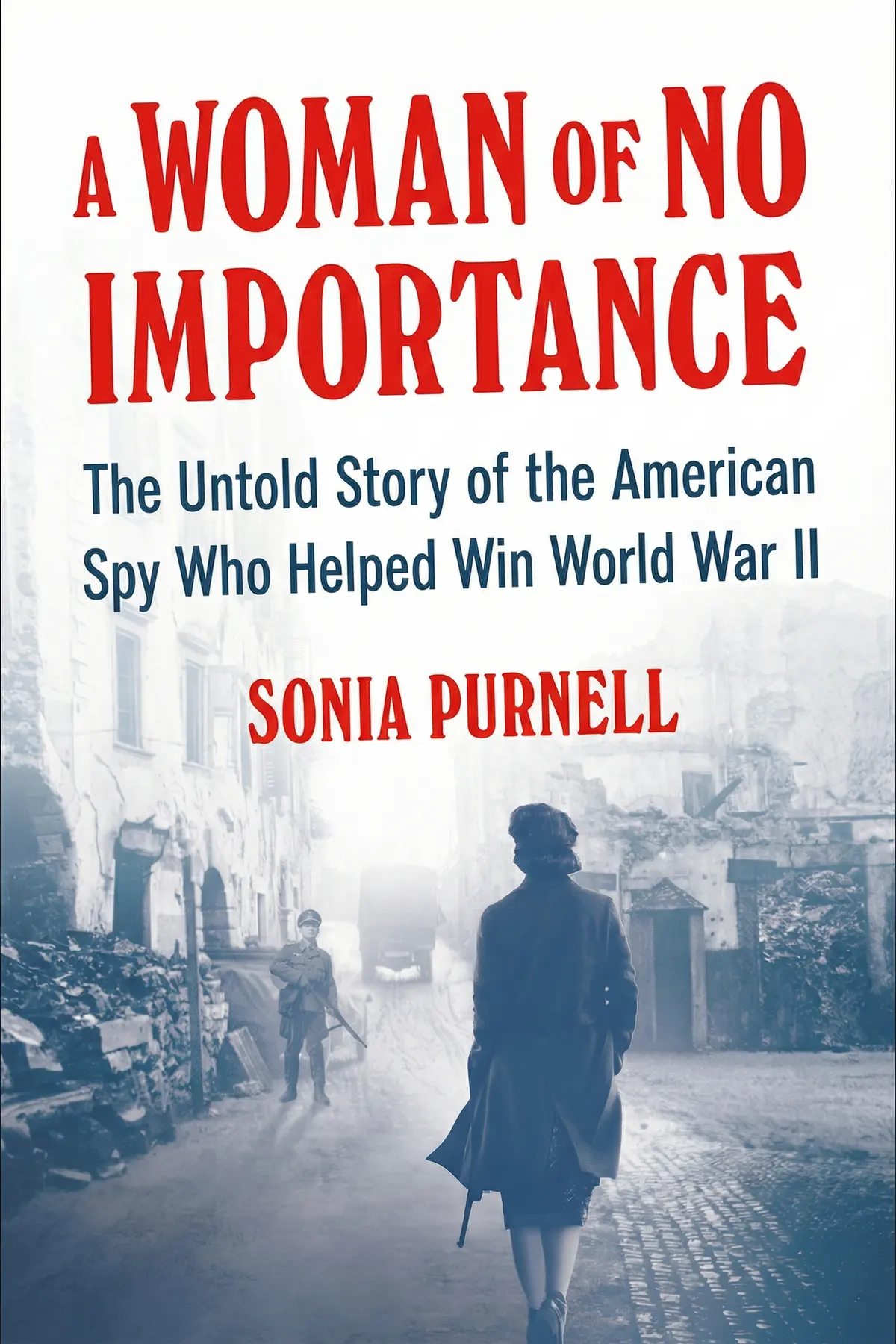
Black and British: A Forgotten History
David Olusoga presents a comprehensive exploration of the African presence in the British Isles. He challenges the myth that Black history began with modern migration, revealing a deep, centuries-old intertwining of cultures.
Table of Content
1. Introduction
2 min 13 sec
For many, the history of the United Kingdom is often visualized as a series of events involving a largely homogenous population, with diversity appearing only as a recent, post-war phenomenon. This perspective, however, is not just an oversight—it is a fundamental misunderstanding of the nation’s heritage. To truly understand the identity of modern Britain, one must look back much further than the arrival of the Empire Windrush in 1948. The reality is that the presence of people of African descent is woven into the very fabric of the British story, stretching back to the Roman Empire and continuing through every major era of the country’s development.
In recent years, political and social shifts, such as the debates surrounding Brexit, have often relied on a binary logic of ‘us’ versus ‘them.’ This rhetoric suggests a clear boundary between a traditional white Britain and those perceived as newcomers. But as we will explore in the following segments, this distinction is largely a historical fiction. By revisiting the forgotten archives and archaeological sites that document Black lives in Britain, we can see that the relationship between these cultures is deep, complex, and inseparable.
We are going to move through a narrative that spans centuries. We’ll look at the soldiers who guarded the northern frontiers of the Roman Empire and the high-status women of the third century whose remains tell a story of a connected, cosmopolitan world. We will navigate the contradictions of the Elizabethan era, where Black individuals could be found in the royal court even as the first seeds of the slave trade were being sown. We will also confront the brutal economic realities of the eighteenth and nineteenth centuries, examining how the British economy was built on the backs of enslaved people, and how the subsequent struggle for abolition was led by both Black and white activists.
This is more than a chronological list of events; it is a journey into how identity is formed and how history is often curated to serve specific narratives. By the end of this summary, you will see that Black British history is not a separate sub-topic or a niche interest. It is, quite simply, British history. Let’s begin by uncovering the surprising evidence of an African presence in Britain that predates even the English language itself.
2. The Deep Roots of the Roman Era
2 min 07 sec
Think Black history in Britain started recently? Think again. Centuries ago, African soldiers and high-status women were already calling the British Isles home under the Roman banner.
3. Prestige and Contradiction in the Tudor Court
2 min 18 sec
During the age of the Tudors, Black individuals held roles ranging from royal musicians to domestic staff, existing in a society that was both curious and increasingly cautious about race.
4. The Brutal Shift to Racial Stratification
2 min 14 sec
As the sugar trade boomed, a new and dangerous ideology emerged. Discover how economic greed led to the creation of laws that split society by skin color.
5. The Legal Crack in the Foundation of Slavery
2 min 03 sec
One man’s escape and a high-stakes court case in London challenged the legality of slavery on British soil. Was an enslaved person truly free once they stepped onto the island?
6. Abolition as a Grassroots and Global Movement
2 min 10 sec
The fight to end the slave trade wasn’t just won in Parliament. It was fueled by public outrage, mass boycotts, and the powerful testimonies of former enslaved people.
7. The Invisible Threads of Cotton Slavery
2 min 07 sec
Even after Britain abolished slavery, its economy remained deeply tied to the plantations of the American South. How did the Industrial Revolution depend on unfree labor?
8. The Scramble for Africa and the New Imperialism
2 min 05 sec
In the late 19th century, European powers sat at a table in Berlin and divided an entire continent. Britain emerged as a dominant force, but at a great cost to African sovereignty.
9. Sacrifice and Betrayal in the World Wars
2 min 05 sec
During the great conflicts of the 20th century, Black soldiers from across the empire stepped up to defend Britain. But what kind of welcome did they receive when the guns fell silent?
10. The Windrush Era and the Struggle for Belonging
2 min 10 sec
The arrival of the Empire Windrush in 1948 marked a new chapter for Black Britain. Explore the resilience of a generation that faced both open hostility and subtle exclusion.
11. Conclusion
1 min 37 sec
As we reflect on the vast span of history we’ve covered, one truth becomes undeniable: the story of Britain is, and has always been, a global one. From the Roman soldiers on the Cumbrian frontier to the activists who fought for abolition and the workers who arrived on the Windrush, people of African descent have played an essential role in every stage of the nation’s journey. This is not a ‘hidden’ history because it was secret, but because it has often been deliberately or accidentally set aside in favor of a simpler, more homogenous narrative.
To understand modern Britain, we must acknowledge the complexities of its past—the moments of shared achievement and the long shadows of slavery and colonialism. We have seen how racial ideologies were constructed for economic gain and how they were challenged by individuals who believed in the legal and moral principles of freedom. We have seen that the contribution of Black Britons was not just a post-war addition, but a foundational element of the country’s military, cultural, and industrial success.
As an actionable takeaway, let this summary serve as an invitation to be more critical of the history you consume. When you watch a period drama or read a textbook that presents a world without diversity, ask yourself what might be missing. Look for the stories that are often relegated to the footnotes, because as we have seen, those stories are often the very ones that give the full picture its depth and meaning. Understanding our shared past is the only way to navigate the challenges of our present and build a more inclusive future. Black British history is not a separate chapter; it is the very ink with which the history of these islands is written.
About this book
What is this book about?
Black and British: A Forgotten History provides a necessary corrective to the standard narrative of the United Kingdom’s past. It spans two millennia, beginning with the Roman occupation when North African soldiers guarded Hadrian’s Wall, and moving through the Tudor courts where Black musicians and servants lived long before the peak of the slave trade. David Olusoga demonstrates that Black people were never peripheral to the British story; rather, they were at its very heart, participating in global explorations, major naval battles, and the industrial developments that defined the nation. The book also confronts the darker chapters of the British Empire, including the lucrative and devastating transatlantic slave trade and the subsequent period of colonial expansion in Africa. By examining legal milestones like the Somerset case and the social shifts following both World Wars, Olusoga reveals how racial ideologies were constructed and reinforced. This summary promises a deeper understanding of how the Black experience is not an addition to British history, but an essential, inseparable component of it. It is a story of resilience, legal struggle, and the enduring quest for belonging.
Book Information
About the Author
David Olusoga
David Olusoga is a British-Nigerian historian, broadcaster, and filmmaker who serves as the Professor of Public History at the University of Manchester. A prominent figure in British media, he has written several acclaimed books, including The World’s War, which earned the First World War Book of the Year award. He is also the author of The Kaiser’s Holocaust: Germany’s Forgotten Genocide and the Colonial Roots of Nazism, which explores the historical connections between colonialism and later European conflicts.
Ratings & Reviews
Ratings at a glance
What people think
Listeners characterize this work as an exceptional and deeply investigated chronicle that exposes long-neglected facets of Britain's past. They value the way the author integrates significant historical milestones with individual accounts, stretching from the Roman era to the present day. Additionally, the prose is described as both informative and empathetic, with one listener remarking that the content highlights "voices that go so often unheard or ignored," including those of the Sons of Africa. Many reviewers also emphasize the book’s capacity to confront conventional teaching by uncovering the global intricacies of the industrial revolution and the slave trade. While some find the heavy detail leads to a slower experience at points, they ultimately label the book indispensable for grasping both the past and the present.
Top reviews
Phichai
This book is a sweeping, necessary correction to the narrative of these islands. David Olusoga manages to bridge the gap between Roman legionaries and the Windrush generation with such grace that the history feels vibrant rather than dusty. I was particularly struck by how the author highlights the 'global' nature of British identity, tracing links between African coasts and Lancashire cotton mills. It’s a dense read, no doubt about it, but the personal stories humanize the cold statistics of the slave trade. Frankly, I felt a bit cheated by my own school education after finishing this. We were taught about Wilberforce as a lone savior, yet the reality of the Sons of Africa and their tireless campaigning is so much more compelling. Every chapter feels like another piece of a puzzle falling into place.
Show moreSureerat
Finally got around to reading this and I’m genuinely overwhelmed by the sheer scale of research David Olusoga poured into these pages. The focus on Granville Sharp was eye-opening for me because he’s someone who rarely gets the spotlight in standard textbooks. Truth is, seeing the names and hearing the actual voices of the enslaved people who fought for their own freedom changed my entire perspective on abolition. The writing is incredibly clear and humane, making a 500-page tome feel like a fast-paced narrative. I appreciated the unflinching look at how the industrial revolution was essentially fueled by the suffering in the cotton fields. It isn’t always a comfortable read, but it is an essential one for anyone living in Britain today.
Show moreDuangjai
Ever wonder why the Spinning Jenny is the only thing we learn about the Industrial Revolution in school? This book pulls back the curtain on the raw materials and the human cost that actually funded Britain's rise to global power. David Olusoga’s ability to weave together the macro-history of empires with the micro-histories of individual black lives is nothing short of masterful. I found the segments on the American Civil War and its impact on the British economy to be totally revelatory. Looking back, it’s shameful how these stories were systematically erased from our national consciousness. It’s a hefty book, but the prose is so engaging that I finished it much faster than expected. A vital contribution to our understanding of modern Britain.
Show moreSukit
Wow. This is an absolute masterpiece of historiography that manages to be both deeply academic and profoundly moving. Olusoga shifts the focus away from the "great white men" of history to show a more inclusive, complex version of our island story. I was particularly moved by the accounts of the black soldiers who fought in the World Wars only to be excluded from victory celebrations. It's a harrowing reminder of how memory can be curated by those in power. Personally, I found the chapter on the early African presence in Roman York to be a brilliant way to start the journey. It effectively dismantles the idea that black presence in Britain is a "modern" phenomenon.
Show morePetch
The section on the two World Wars alone makes this book worth the price of admission. It is enraging to read about the deliberate "de-memorialization" of black contributions to the defense of the British Empire. Olusoga writes with a calm authority that makes the more shocking revelations even more impactful. I especially loved the details about mixed-race marriages in the 19th century and how they were viewed at the time. It’s a rich, humane history that doesn't shy away from the darker corners of our national heritage. While it’s quite a long read, the chapters are broken up well enough to keep you turning the page. It’s the kind of history book that actually changes the way you look at the world around you.
Show moreMoo
Picked this up after seeing the TV series and the book is even more detailed and immersive than the show. I was fascinated by the story of the Sons of Africa and the way they toured the country to turn public opinion against slavery. It makes the traditional "Wilberforce-only" version of history look incredibly thin and misleading. The author has a real talent for finding these lost voices and giving them the platform they deserved centuries ago. I also found the discussion on "racial theories" and Social Darwinism in the Victorian era to be quite enlightening. It explains so much about the roots of modern prejudice. This isn't just a book about the past; it's a guide to the present.
Show moreCharles
After hearing so much hype about this book, I finally understand why it’s considered a modern classic. It is a stunning achievement that manages to feel both comprehensive and personal at the same time. The way Olusoga handles the complex relationship between Britain and the West African slave ports is exceptionally well-done. I also appreciated the attention given to the black sailors on Nelson’s column and other "hidden in plain sight" artifacts. It’s a powerful reminder that our history is much more diverse than the movies or old textbooks would have us believe. It’s an essential addition to any bookshelf, regardless of how much you think you already know.
Show moreMia
As someone who considers themselves well-read in history, I was shocked by how much I didn't know about our country’s past. Olusoga doesn't just list dates; he builds a comprehensive web of connections between Africa, America, and Britain. The legal contradictions of the Georgian era—where men were "free" in London but property in the colonies—were particularly fascinating to me. To be fair, the middle sections can get a bit bogged down in legislative detail which slows the momentum. However, the emotional payoff of the final chapters makes every page worth the effort. It’s an illuminating look at the fingerprints of empire that remain hidden in plain sight across our architecture and street names.
Show morePong
Not gonna lie, I went into this expecting a dry academic text but came away feeling like I’d read a gripping saga. Olusoga’s writing style is sophisticated yet accessible, which is a rare feat for a book of this size. The connection he draws between the wealth of the British aristocracy and the plantation economy is presented with undeniable evidence. It was particularly interesting to see how the British government paid massive compensation to slave owners, not the enslaved, upon abolition. That fact alone should be common knowledge, but it’s tucked away in the shadows of our history. The book is an emotional rollercoaster, ranging from deep shame to genuine inspiration.
Show moreNikolai
To be fair, this is an incredibly important piece of work, even if the pacing didn't always work for me. The research is impeccable and the author’s passion for the subject is evident on every single page. That said, I found some of the sections on legal battles and 18th-century parliamentary debates to be a bit dry and repetitive. It’s a lot of information to process, and I had to take frequent breaks to keep from feeling overwhelmed. Look, I’m glad I read it and I definitely learned things I should have known years ago, but it’s a dense slog at times. If you're looking for a light summary, this probably isn't the book for you.
Show moreReaders also enjoyed
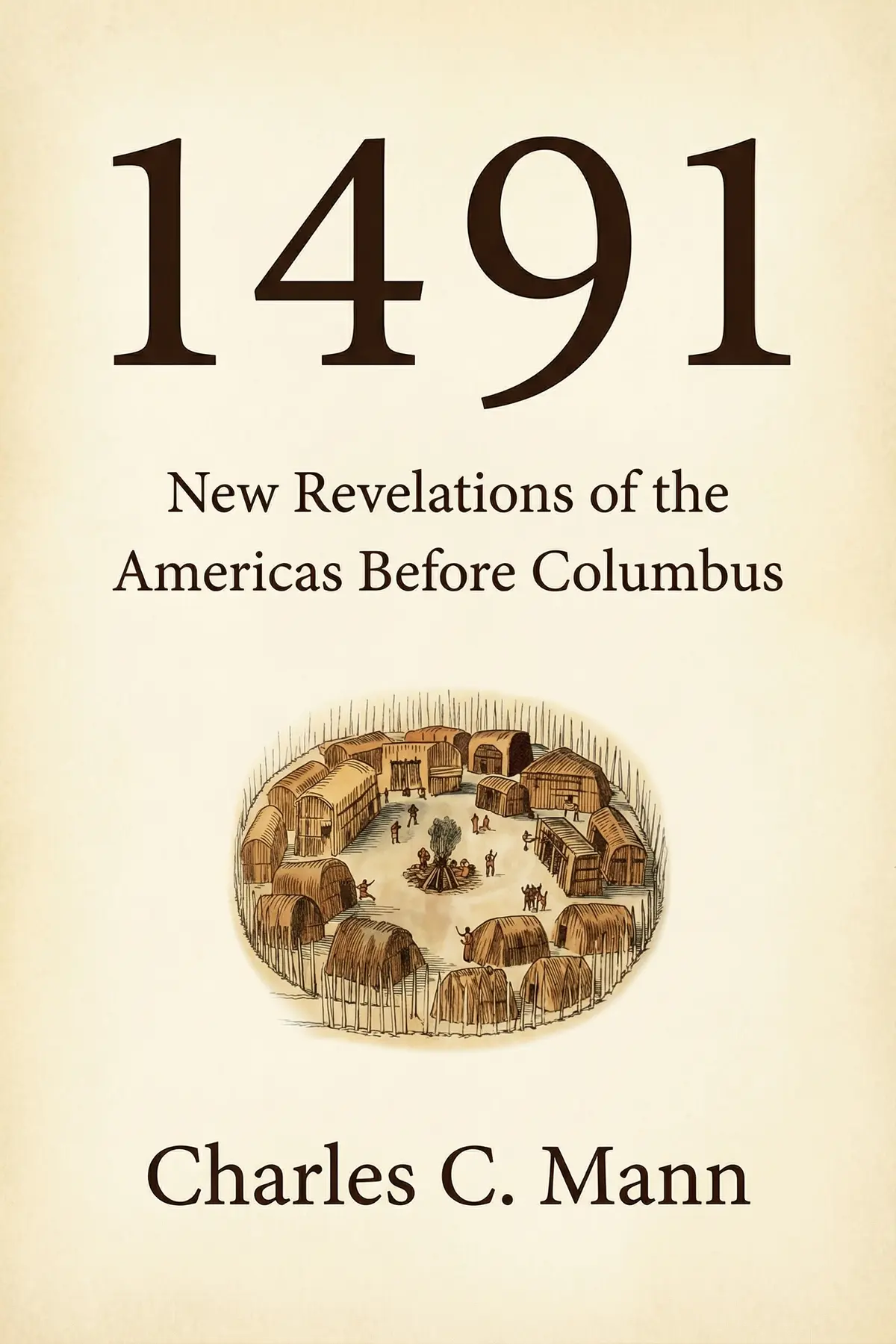
1491: New Revelations of the Americas Before Columbus
Charles C. Mann
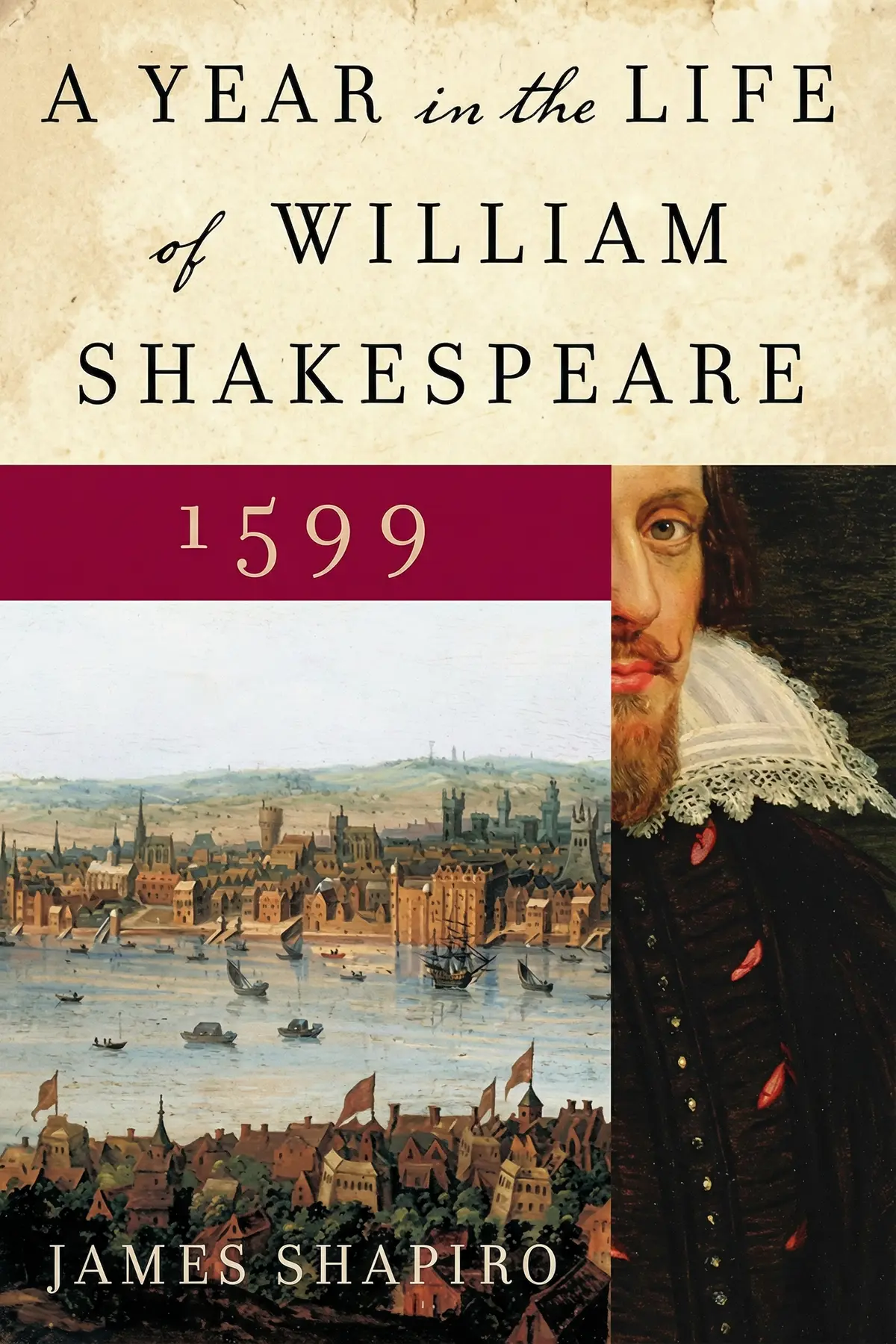
A Year in the Life of William Shakespeare: 1599
James Shapiro
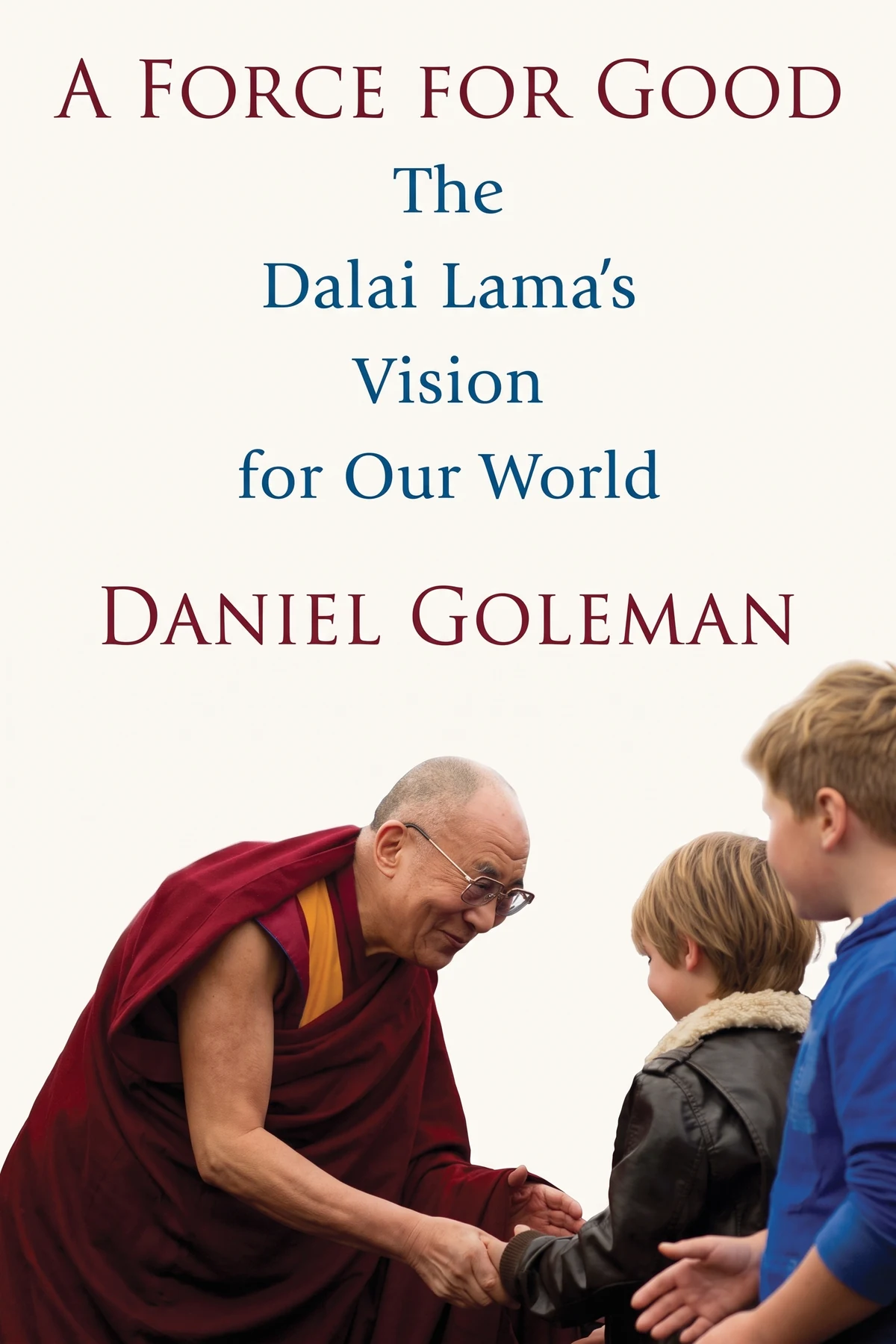
A Force for Good: The Dalai Lama's Vision for Our World
Daniel Goleman
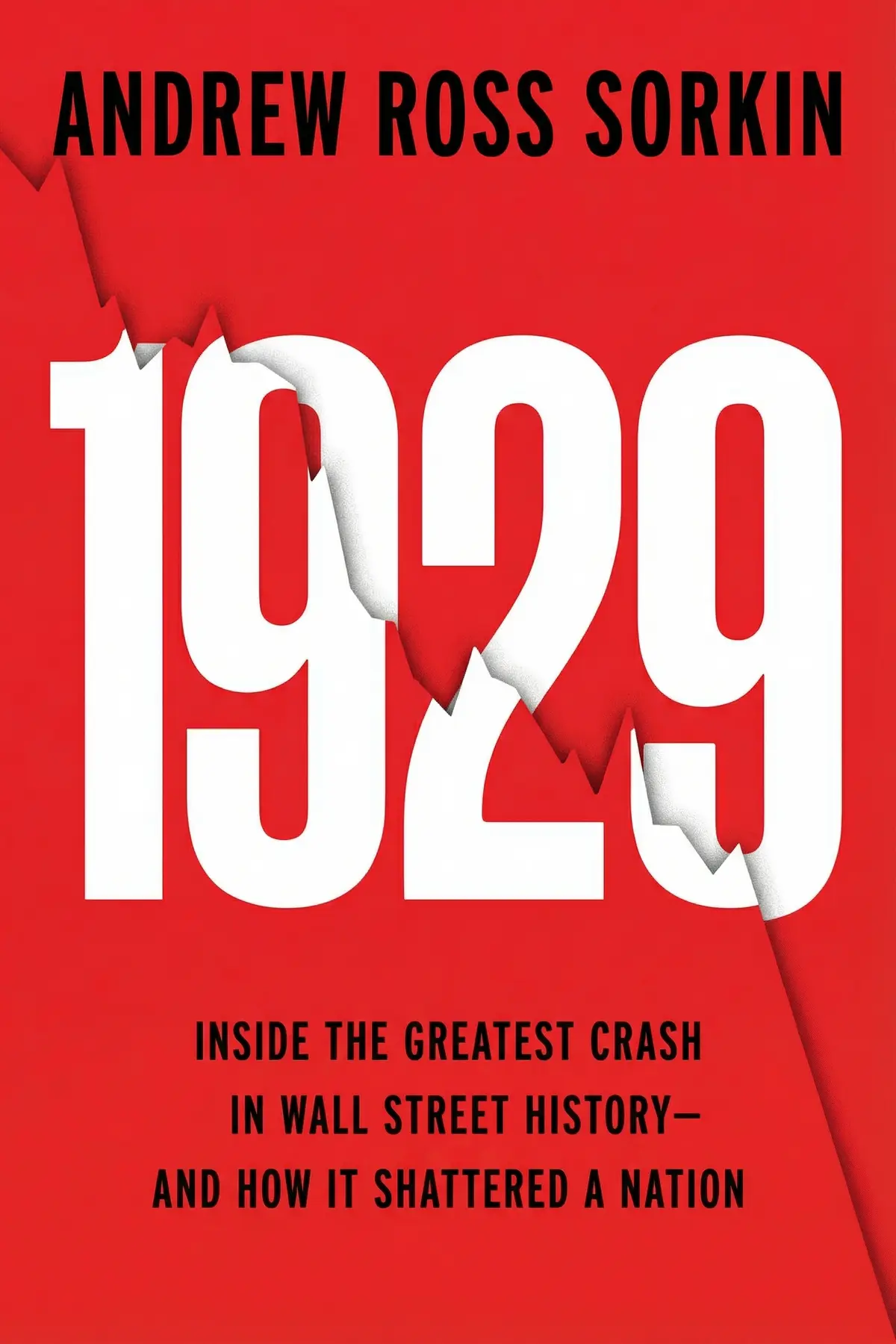
1929: Inside the Greatest Crash in Wall Street History--and How It
Andrew Ross Sorkin
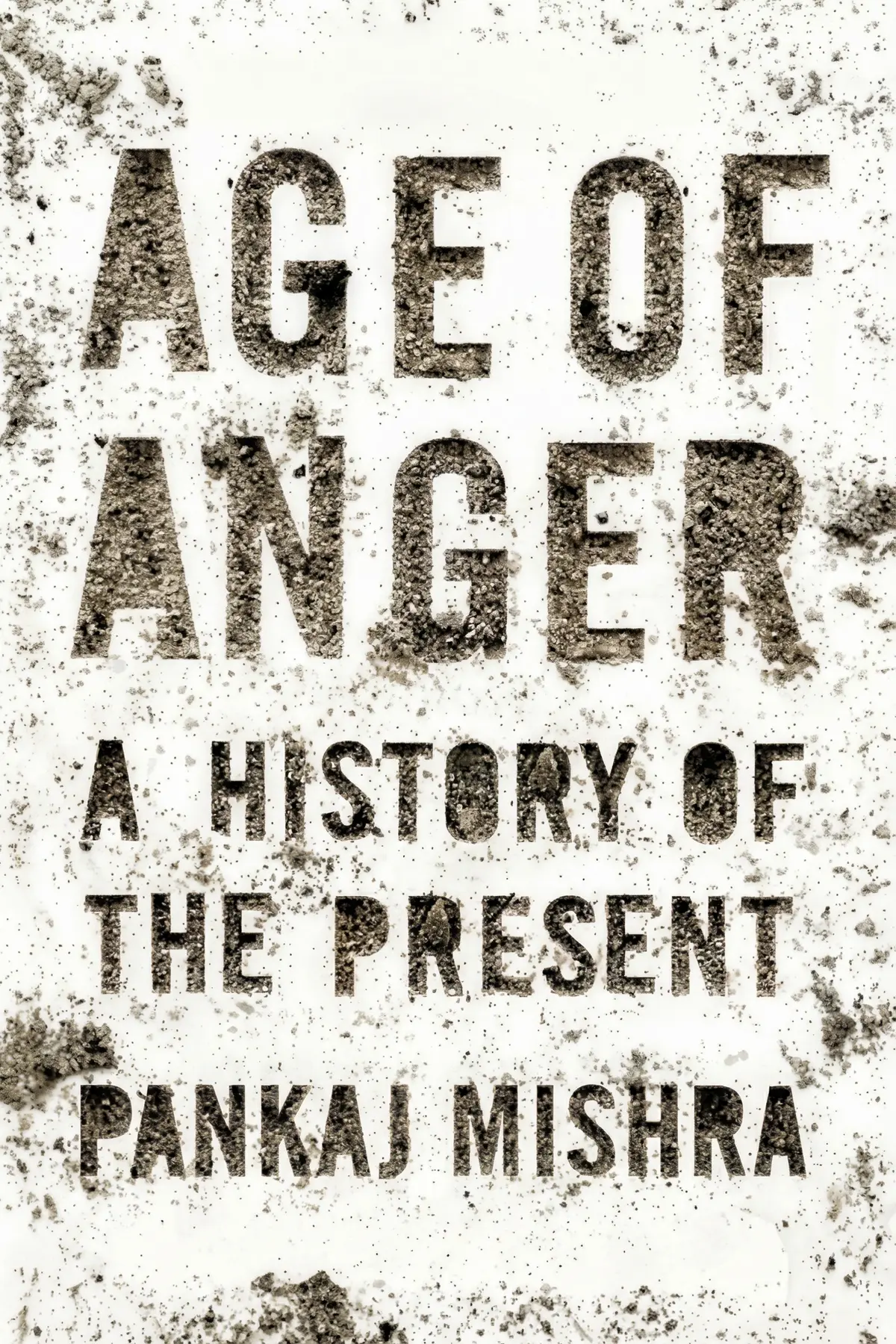
Age of Anger: A History of the Present
Pankaj Mishra
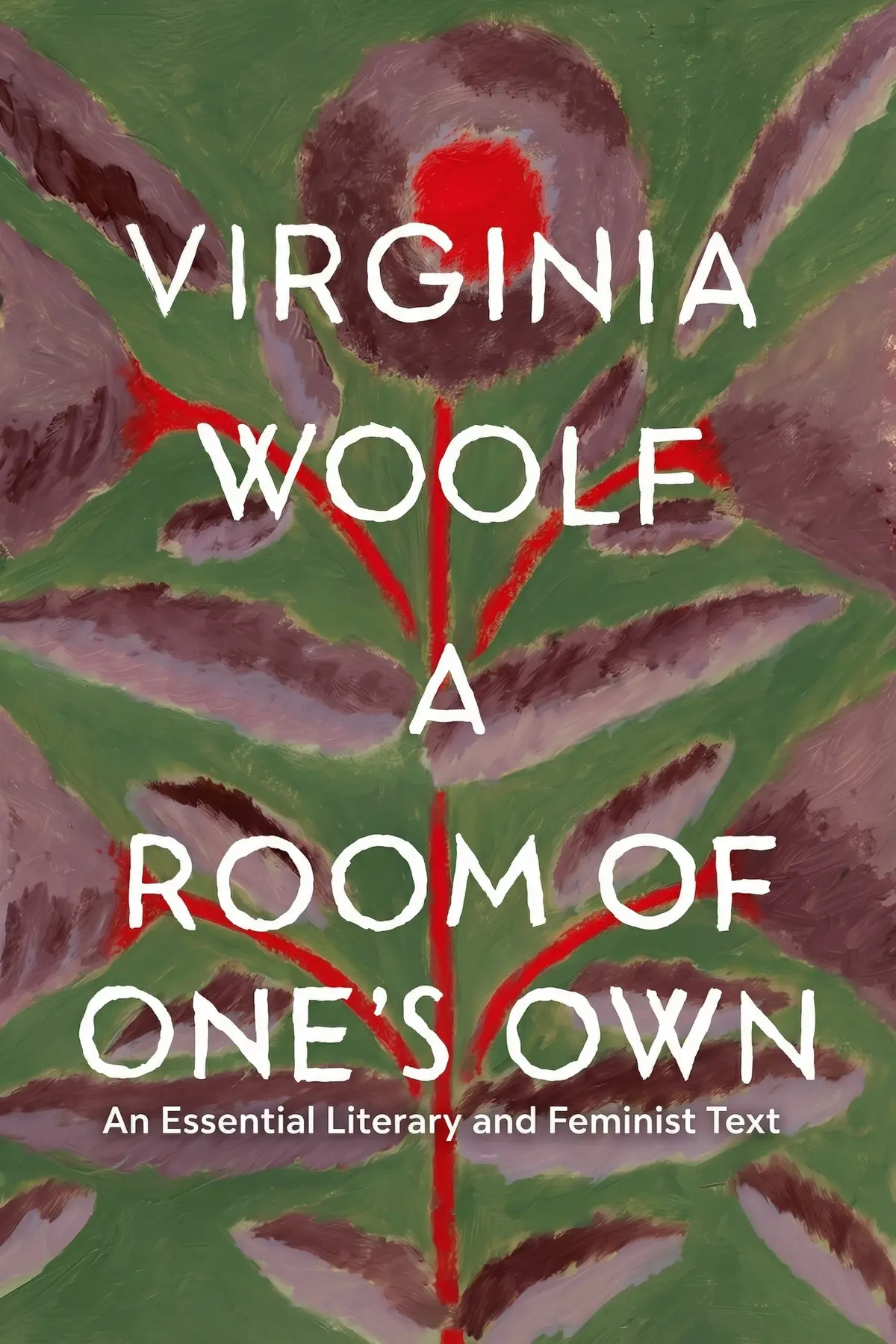
A Room of One’s Own
Virginia Woolf
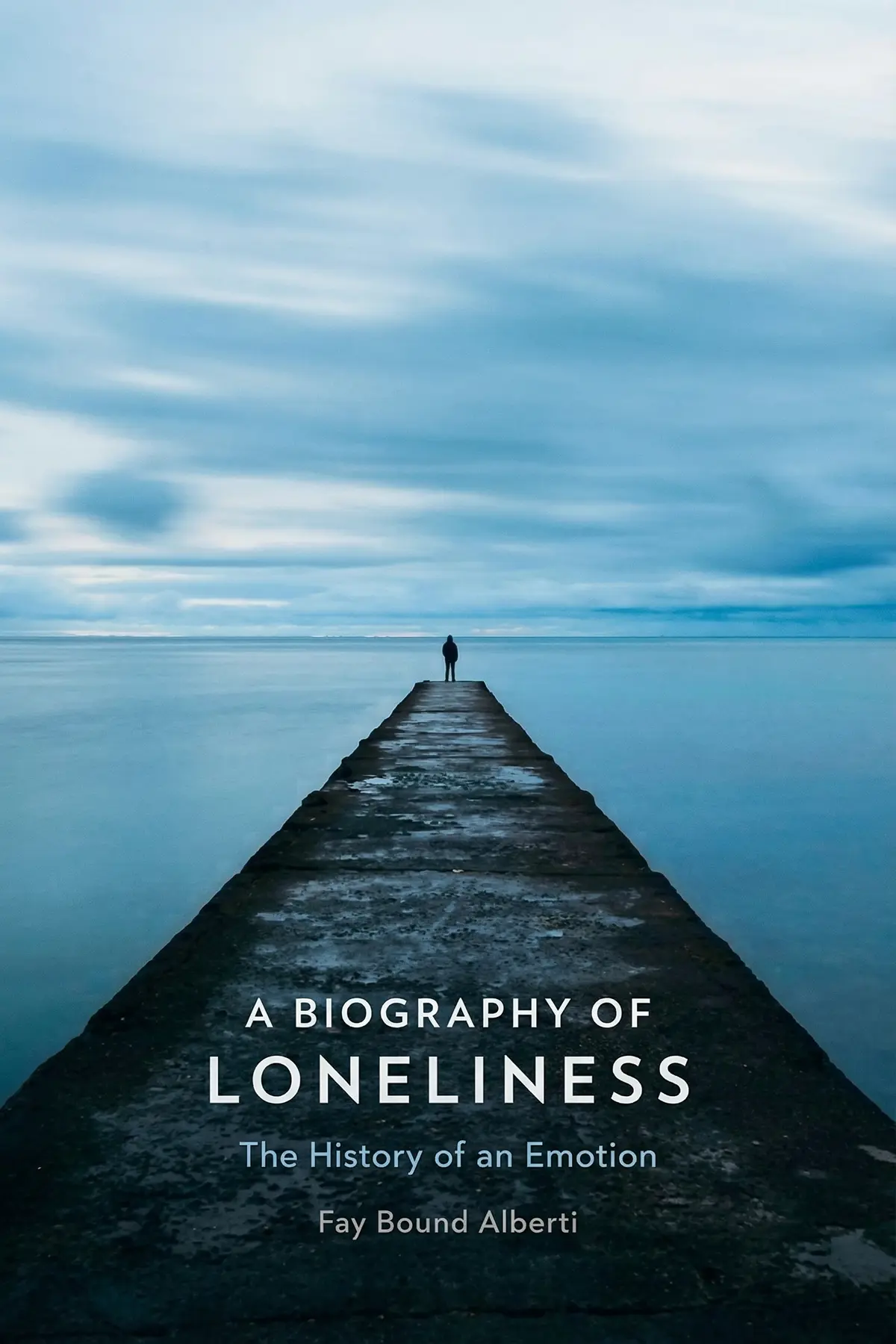
A Biography of Loneliness: The History of an Emotion
Fay Bound Alberti
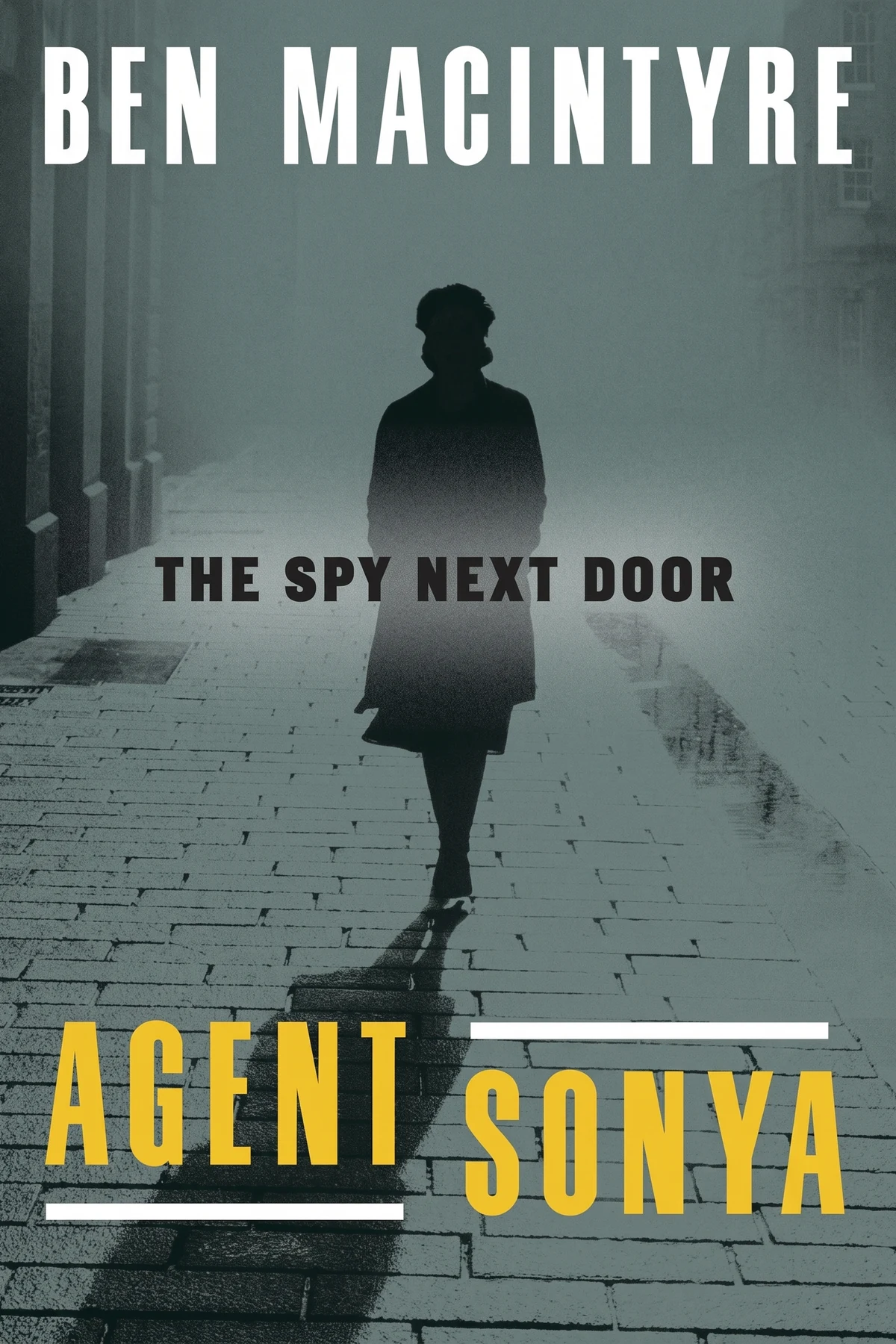
Agent Sonya: The Spy Next Door
Ben Macintyre
AUDIO SUMMARY AVAILABLE
Listen to Black and British in 15 minutes
Get the key ideas from Black and British by David Olusoga, plus 5,000+ more titles in English and Thai.
- 5,000+ titles
- Listen as much as you want
- 7-day free trial
- Cancel anytime







