
Prequel: An American Fight Against Fascism
Rachel Maddow
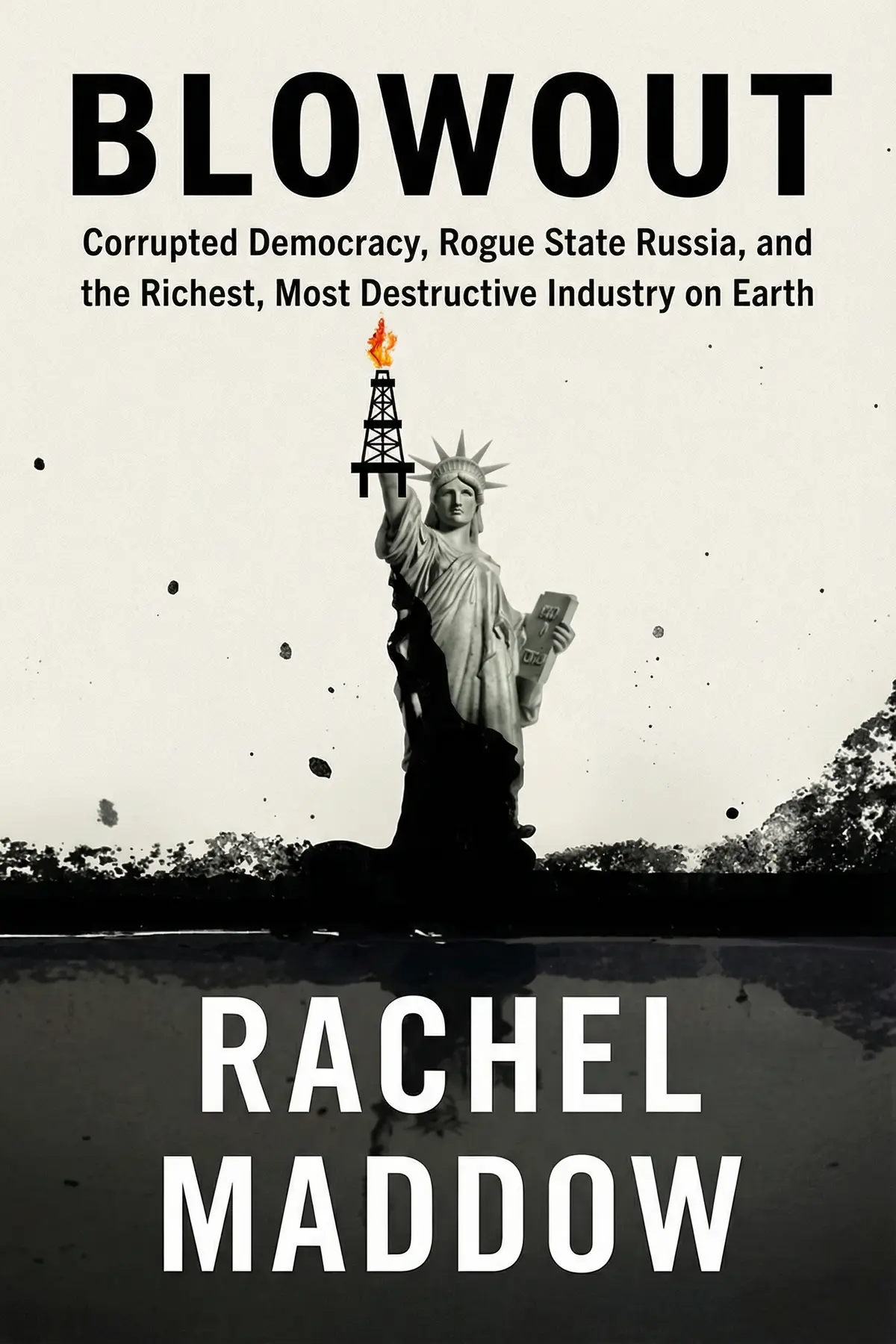
Blowout explores the global impact of the oil and gas industry, revealing how its immense wealth and political influence undermine democracy, fuel corruption in Russia, and cause catastrophic environmental damage worldwide.
1 min 53 sec
When we think about the oil and gas industry, we often picture vast fortunes, massive rigs, and the gas pumps that fuel our daily lives. But beneath the surface of this multi-billion-dollar enterprise lies a much darker reality. In Blowout, we are invited to look past the corporate logos and see the industry for what it truly is: a force that reshapes global politics, compromises national security, and leaves a trail of environmental devastation in its wake.
Consider the silent disasters that never make the evening news. While household names like the Exxon Valdez or the Deepwater Horizon are etched into our collective memory, there are countless other catastrophes unfolding right now. For instance, a rig off the Louisiana coast toppled during a hurricane in 2004 and has been leaking hundreds of barrels of oil every single day for over a decade. It is a slow-motion environmental tragedy that persists largely because the industry’s power allows it to operate with a degree of impunity that is almost hard to fathom.
This exploration isn’t just about oil spills, though. It’s about a fundamental imbalance of wealth and power. We will see how the hunt for fossil fuels has fueled the rise of rogue states and corrupted democratic institutions. We’ll look at the specific case of Russia, a nation that has gambled its entire future on its energy exports, and how that decision has forced it to adopt increasingly aggressive and subversive tactics on the world stage.
Through this narrative, we’ll uncover the throughline that connects a small farm in Pennsylvania to the high-stakes world of international sanctions and election interference. The goal is to understand how the most lucrative industry on Earth became the most destructive, and what that means for the future of our planet and our democracy. As we move through these key insights, we’ll see that the story of oil is, in many ways, the story of modern power—who has it, how they use it, and what happens to everyone else when it’s handled without accountability.
2 min 14 sec
How a simple discovery on a Pennsylvania farm evolved into a global monopoly, setting the stage for a business culture defined by extreme efficiency and political manipulation.
2 min 16 sec
A bizarre chapter in history where the U.S. government and oil companies attempted to use nuclear bombs to unlock natural gas reserves with dangerous consequences.
2 min 12 sec
The invention of hydraulic fracking changed the energy world forever, but it brought with it a hidden cocktail of chemicals that threatened public health and water safety.
2 min 05 sec
The industry’s track record reveals a disturbing inability to manage the risks it creates, from preventable spills to inadequate emergency response plans.
2 min 03 sec
Inside the paradox of a state rich in resources but failing in its public services, as the industry fights to keep its taxes low and its secrets buried.
2 min 02 sec
ExxonMobil’s involvement in Equatorial Guinea highlights the industry’s willingness to ignore extreme corruption and human rights abuses in exchange for oil.
2 min 08 sec
How Vladimir Putin consolidated the Russian oil and gas industry to use as a tool of political coercion and international leverage.
2 min 02 sec
ExxonMobil’s pursuit of a massive Arctic deal with Russia led to a direct conflict with U.S. foreign policy and international sanctions.
2 min 11 sec
How the U.S. Congress intervened to protect democratic norms against the influence of the oil industry, highlighting the ongoing need for transparency.
1 min 58 sec
In the end, Blowout leaves us with a stark and unsettling picture of the world we live in. We have seen how the oil and gas industry, born from a desire for efficiency and wealth, has morphed into a global behemoth that often operates outside the bounds of traditional law and ethics. From the radioactive experiments of the 1960s to the man-made earthquakes in Oklahoma and the corridors of power in the Kremlin, the throughline is clear: the pursuit of fossil fuels has a way of corrupting everything it touches.
This isn’t just a story of corporate greed; it’s a story of a systemic failure to prioritize the common good over private profit. We’ve seen that the industry’s refusal to take responsibility for its environmental disasters and its willingness to partner with the world’s most oppressive regimes are not bugs in the system—they are features of a business model that views nature and democracy as obstacles to be overcome. The immense wealth generated by this industry acts as a shield, allowing it to bypass regulations and exert an outsized influence on our political processes.
Yet, there is a reason for cautious optimism. The bipartisan pushback in the U.S. Congress against the lifting of Russian sanctions proves that the industry’s power is not absolute. When people and their representatives stand up for the integrity of their institutions, they can win. But as we’ve seen with the withdrawal from transparency initiatives and the ongoing environmental neglect, the battle is far from over.
The takeaway is that we cannot afford to be passive observers. The energy we use and the companies that provide it are deeply intertwined with the stability of our world. Holding this industry accountable—demanding transparency in its financial dealings, enforcing strict environmental protections, and protecting our political systems from its influence—is one of the most important challenges of our time. The story of oil and gas has been one of destruction and corruption, but the next chapter is still being written, and its outcome depends on our collective ability to demand a more just and sustainable future.
Blowout is an in-depth investigation into the world’s most powerful and destructive industry: fossil fuels. Rachel Maddow traces the history of oil and gas from its humble beginnings in the 19th century to its current role as a geopolitical weapon. The book exposes the industry’s pattern of prioritizing profit over safety, law, and environmental health. Readers are taken from the fracking fields of Oklahoma to the corridors of power in the Kremlin, showing how the search for 'black gold' has corrupted political systems and destabilized international relations. The promise of the book is to pull back the curtain on why this industry is so resilient against regulation and how its marriage to authoritarian regimes, particularly in Russia, poses a direct threat to global democratic stability.
Rachel Maddow is a political commentator and host of the long-running and award-winning Rachel Maddow Show on MSNBC. She has a doctorate in political science from Oxford University and is also a best-selling writer whose work includes the book Drift: The Unmooring of American Military Power (2012).
Rachel Maddow
Listeners find this work extensively researched and skillfully written, featuring an accessible narrative flow that reads like a spy novel. Furthermore, they value the way the author utilizes real-world scenarios to explain intricate narratives, resulting in a significant and captivating experience. The title is also lauded for its informative nature, assisting listeners in grasping complicated topics, and one listener highlights that every single chapter is thoroughly documented.
Rachel Maddow has a gift for taking the most convoluted geopolitical messes and turning them into a narrative that feels like a high-stakes thriller. This book is a deep dive into how the oil and gas industry acts as a global wrecking ball, specifically focusing on the 'Resource Curse' that transforms nations into kleptocracies. To be fair, her writing style is very much like her show—full of long, winding setups that eventually snap into a clear, terrifying picture. I was particularly fascinated by the history of Standard Oil and how those same predatory patterns repeat today in places like Equatorial Guinea. The way she connects the dots between ExxonMobil’s corporate greed and Vladimir Putin’s rise to power is nothing short of brilliant. It is a dense read, but her signature wit keeps the pages turning. Frankly, it’s the most important thing I’ve read this year regarding the fragility of our democracy.
Show morePicked this up after listening to the podcast version, and the transition from screen to page is seamless. Maddow manages to make the history of oil extraction feel like a spy novel, complete with villains, sleepers, and massive explosions. The chapter on the Russian sleeper cells living the suburban American dream was both hilarious and disturbing. More importantly, she makes a compelling case for why Russia’s interference in the 2016 election was essentially one giant oil play. The level of detail regarding the sanctions and how they crippled Putin’s Arctic ambitions provides a context you just don’t get from the daily news cycle. Personally, I found the story of the Oklahoma teachers' strike to be the one ray of hope in an otherwise dark look at corporate capture. It’s a masterful piece of journalism that demands your full attention. If you care about the future of fair elections, you need to read this.
Show moreAs someone who usually finds energy policy incredibly dry, I was shocked by how much I enjoyed this. Rachel Maddow writes with a frantic, infectious energy that makes you want to keep digging. The stories about the early days of fracking and the literal 'blowouts' are visceral and terrifying. I particularly appreciated the deep dive into the 2014 invasion of Ukraine and how it was fundamentally tied to fossil fuels. It explains so much about the current geopolitical landscape in a way that feels urgent and necessary. Look, the book doesn't pull any punches when it comes to the giants of the industry. She paints a picture of a sector that has outgrown the control of any single government. It’s a brilliant, well-written, and often funny look at a very dark subject. This belongs on everyone's shelf regardless of their political affiliation.
Show moreFinally got around to reading this, and it provides a vital roadmap for understanding why global politics are so chaotic right now. Maddow argues that democracy and the oil industry are fundamentally at odds, and the evidence she presents is overwhelming. From the 'Resource Curse' in Africa to the earthquake swarms in the American Midwest, the destruction is everywhere. What I loved most was the way she characterized Putin—not as a genius chess player, but as a desperate leader of a failing petro-state. The documentation in the back is incredible; you can tell she didn't just summarize news clips but actually did the legwork. In my experience, most political books are forgotten in a week, but the themes in Blowout are going to be relevant for decades. It is a triumph of investigative journalism that reads like a thriller.
Show moreEver wonder how Oklahoma became the earthquake capital of the United States? This book answers that question with chilling detail, tracing the rise of fracking and the seismic instability it caused. Maddow’s reporting on Aubrey McClendon and the culture of the energy titans is incredibly eye-opening. While the storytelling is top-notch, the prose can be a bit meandering at times. She spends a lot of time on backstories that don't always feel immediately relevant, though they usually pay off in the final act. Truth is, the sections on Rex Tillerson were my favorite, illustrating a man caught between his 'Boy Scout' image and the ruthless demands of his industry. It’s an informative and often infuriating look at how money can effectively silence science and manipulate government. I would have liked a bit more focus on solutions, but as a diagnostic tool for our current political climate, it’s indispensable.
Show moreThe sheer scale of the corruption detailed in these chapters is enough to make your blood boil. Maddow’s exploration of how oil wealth turns governments into 'gangster states' is particularly relevant given the current state of global affairs. She writes with a conversational tone that makes even the densest economic data easy to digest. However, I must say that the book is quite long and sometimes repeats its core themes more than necessary. The section on the 'T-Rex'—Rex Tillerson—and his relationship with Igor Sechin was a highlight for me. It shows how corporate interests can completely diverge from national interests without anyone noticing until it’s too late. It is a very educational read that successfully bridges the gap between historical context and current events. Just be prepared for a lot of preamble before you get to the main point of each chapter.
Show moreFew authors can make the history of standardized oil extraction sound like a page-turner, but Maddow manages it with ease. By focusing on real-world situations and specific personalities, she humanizes a subject that usually feels abstract and distant. I was especially struck by the 'Resource Curse' theory and how it applies not just to developing nations, but to American states like North Dakota and Texas. The book is thoroughly researched, and it’s clear that a massive amount of work went into connecting these disparate stories. My only real gripe is that her political leanings are very much on display, which might alienate some readers who could otherwise benefit from the facts presented. Still, the insight into Putin’s motivations and the fragility of the Russian economy is invaluable. It’s an engaging read that left me much more informed about the literal energy that powers our world.
Show moreThe intersection of big oil, rogue states, and crumbling democratic norms is laid bare here in a way that is both enlightening and scary. Maddow’s style is very conversational, which helps when you’re trying to understand things like injection wells or international sanctions. I loved the focus on the Oklahoma teachers' strike toward the end, as it provided a much-needed sense of agency after chapters of feeling helpless. Some of the segments on the Russian oligarchs got a little bogged down in names and dates, making it hard to keep everyone straight. However, the overall message about the corrupting influence of 'easy money' from the ground is impossible to ignore. It is an important, well-researched book that successfully translates complex global issues into stories about real people. It’s not a light read, but it’s a necessary one for anyone trying to make sense of the modern world.
Show moreWhile the research here is clearly exhaustive, the structure of the book felt a bit disjointed to me. Maddow is a talented writer, but the leap from small-town Oklahoma earthquakes to the inner workings of the Kremlin felt jarring at points. Each chapter is documented meticulously, but they often read like a collection of separate long-form articles rather than a cohesive book. Not gonna lie, if you aren't already a fan of her specific brand of snark, you might find the tone a bit grating. The information regarding Project Plowshare and the use of nuclear bombs for fracking was absolutely wild, though. I learned a lot, yet I felt the narrative threads were tied together a bit too loosely in the end. It's a solid 3.5-star effort that probably could have used a tighter edit to keep the momentum going.
Show moreLook, there is no denying that the author is brilliant and the prose is sharp, but this book is a lot to take in. It often feels like you are watching a 15-hour version of her MSNBC A-block. The meandering style works well on television where she can use visual aids, but in print, it can feel a bit repetitive. I found myself wishing she would just get to the point about the Russian sanctions instead of giving me a 40-page history of the SEC first. To be fair, the individual stories are fascinating—especially the stuff about the crazy nuclear fracking experiments in the 60s. But as a whole, the book felt like it was trying to cover too much ground at once. It’s a good resource, but it requires a lot of patience to get through the fluff.
Show more
Miles Taylor
Tracy Rosenthal
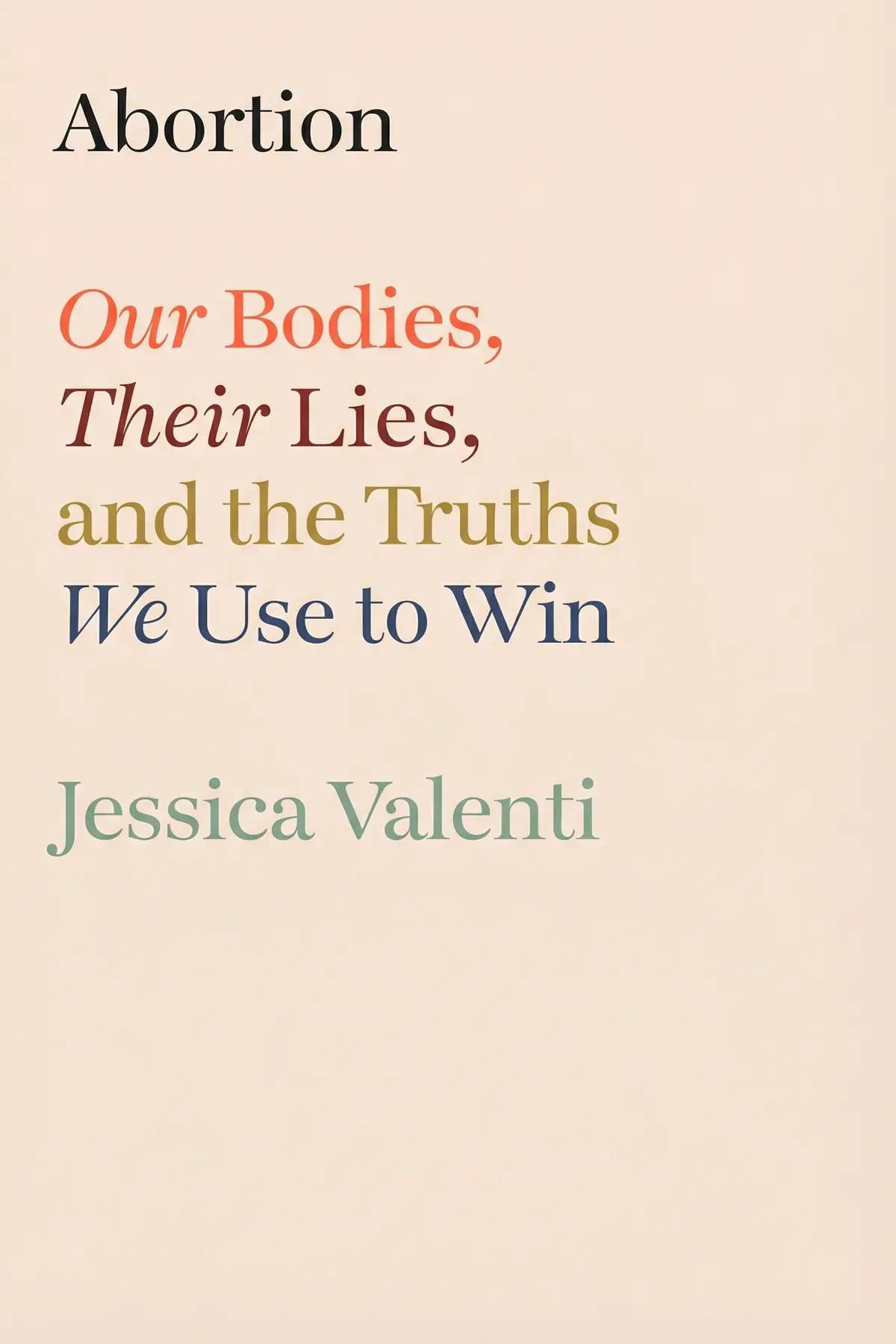
Jessica Valenti

Yanis Varoufakis
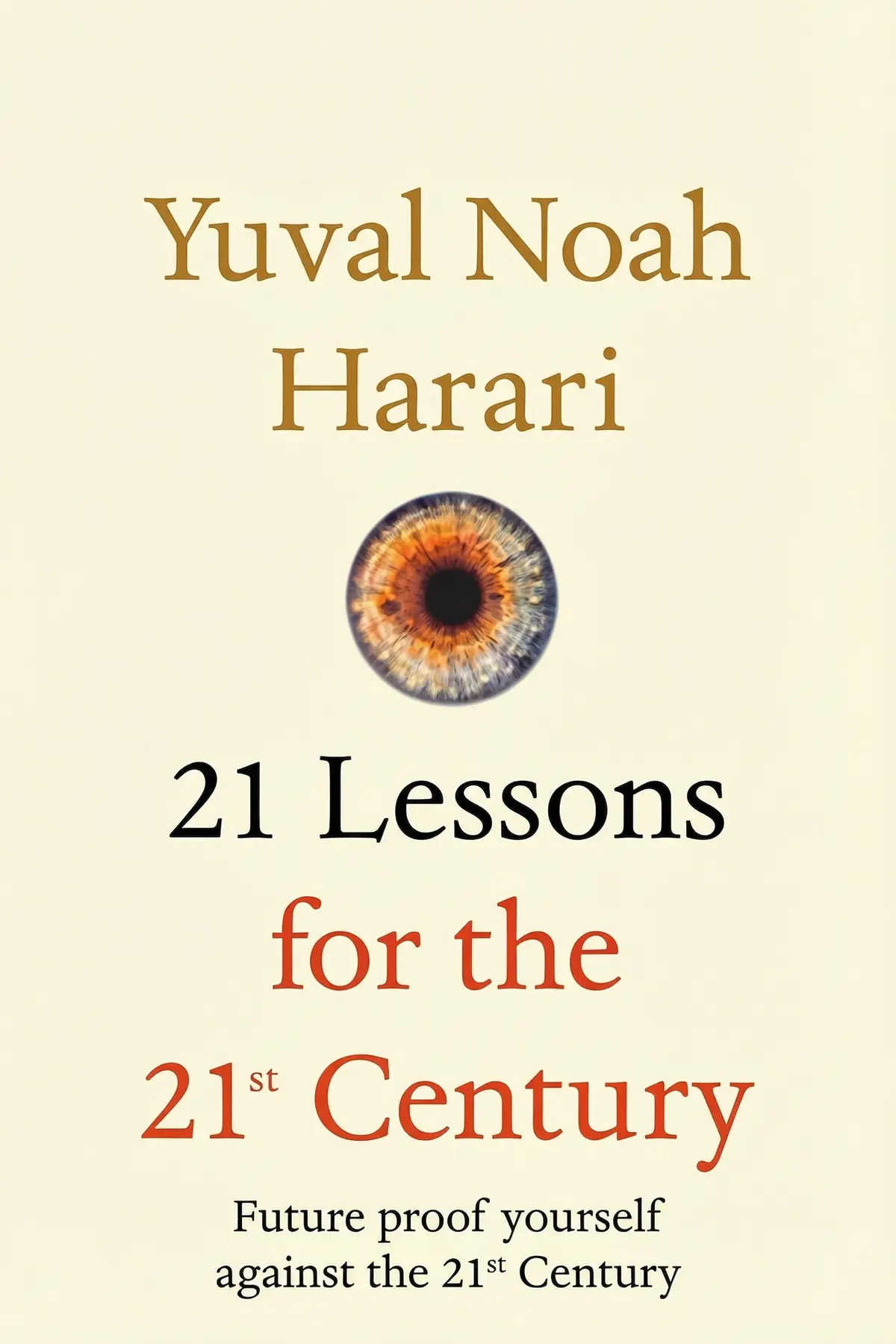
Yuval Noah Harari
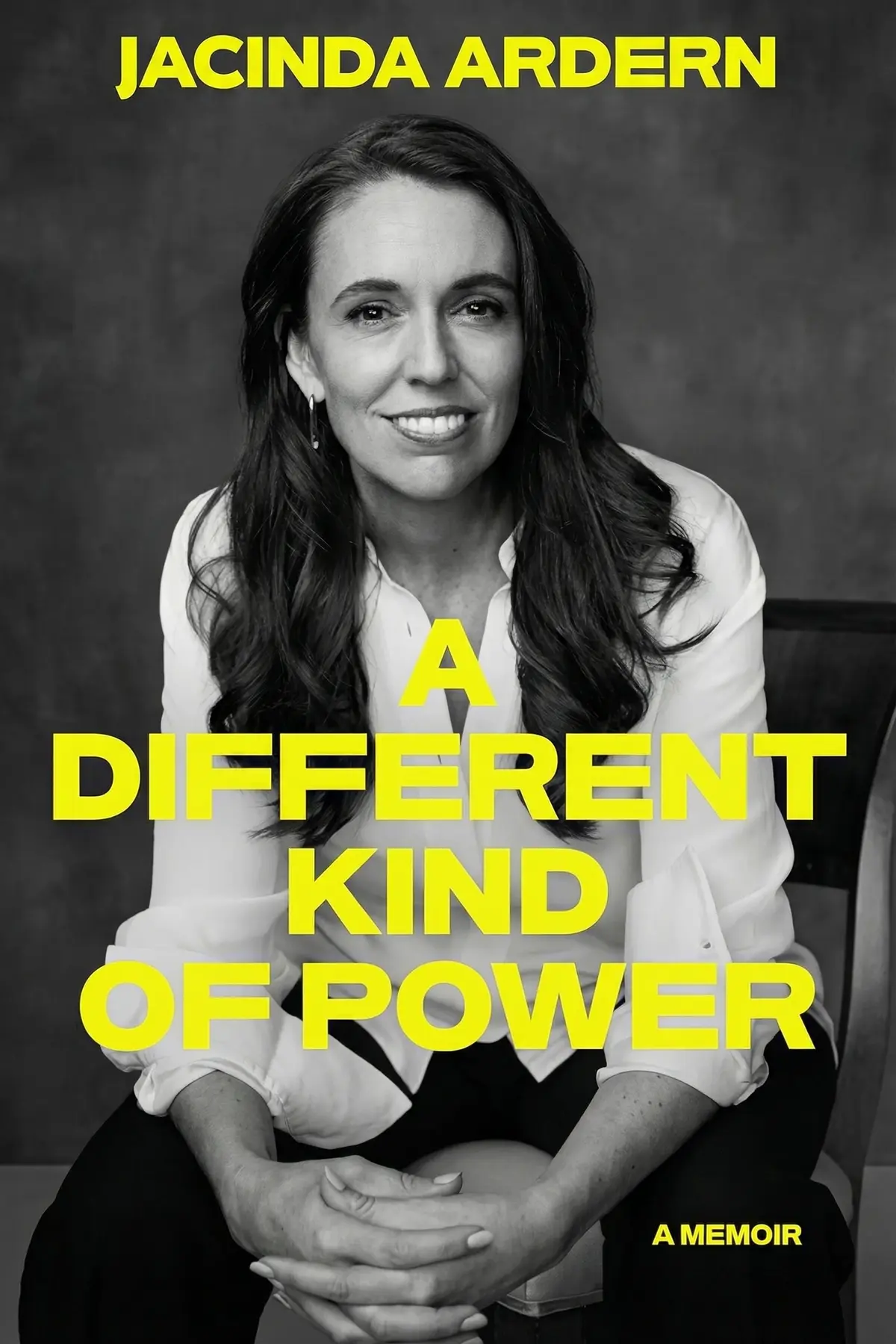
Jacinda Ardern
AUDIO SUMMARY AVAILABLE
Get the key ideas from Blowout by Rachel Maddow, plus 5,000+ more titles in English and Thai.







