
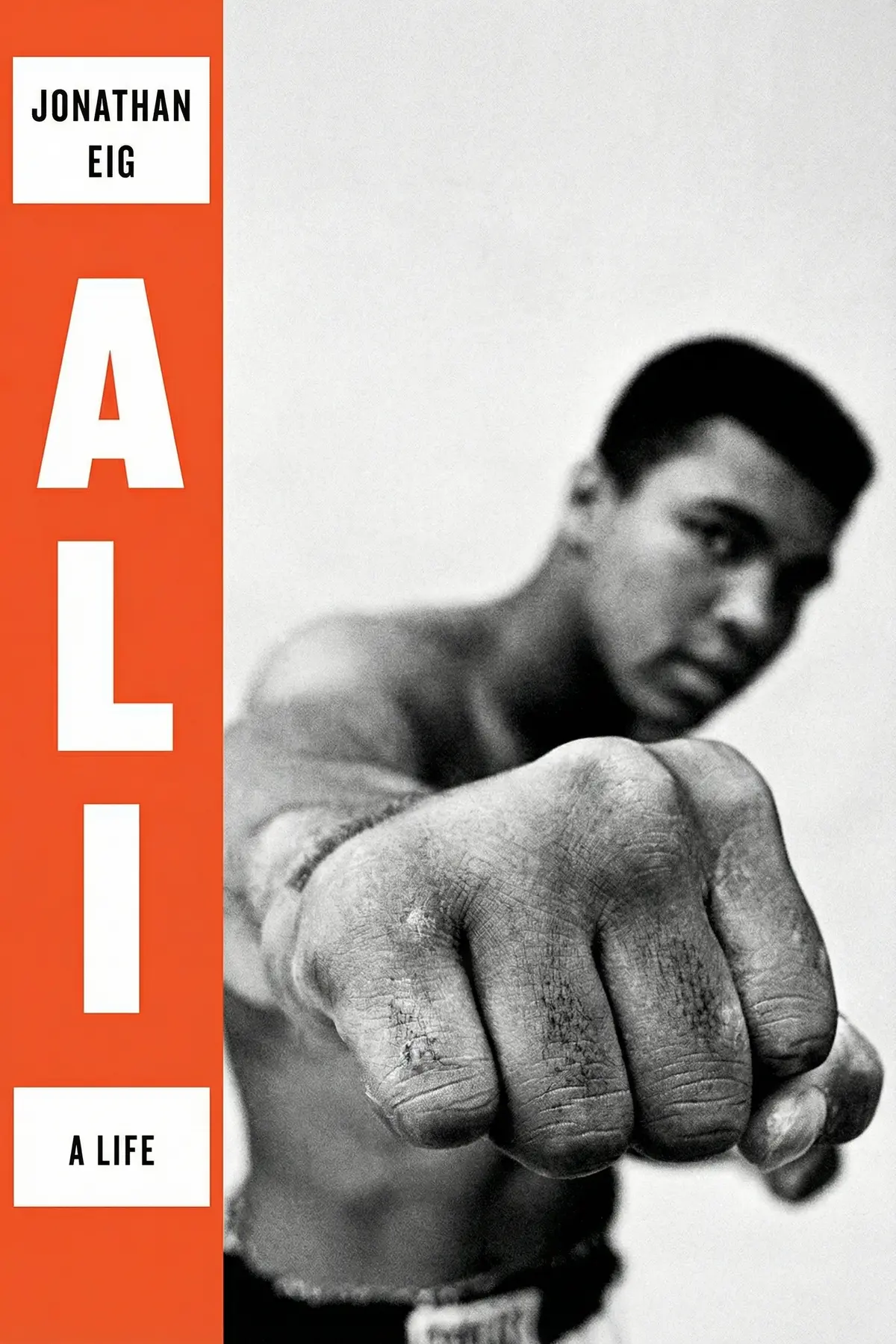
Ali: A Life
Jonathan Eig
Explore the incredible world of the Tarahumara tribe and discover how humans evolved as the ultimate long-distance runners, revealing why modern footwear might be holding our natural athletic potential back.
2 min 03 sec
Why does my foot hurt? It is a simple, frustrating question that millions of people ask their doctors every year. For journalist Christopher McDougall, this question wasn’t just a medical annoyance; it was the starting point for an epic quest that would take him from high-tech sports laboratories to the most remote, dangerous canyons in North America. He was a man who wanted to run but found himself constantly sidelined by the very activity he craved. The medical establishment told him his body simply wasn’t built for the abuse of the road, suggesting he give up and find a lower-impact hobby. But McDougall couldn’t shake the feeling that something was fundamentally wrong with that advice. How could an activity so central to the human experience be so inherently damaging?
This curiosity led him to the Tarahumara, a reclusive tribe living in Mexico’s Copper Canyons, who are arguably the greatest long-distance runners on the planet. These people don’t just run marathons; they run hundreds of miles at a time for the sheer joy of it, often well into their old age, and remarkably, they do so without the high-tech gear or the chronic injuries that plague modern athletes. In the pages that follow, we are going to explore the throughline of McDougall’s adventure. We will look at the history of running as a survival mechanism, the biology that makes us unique in the animal kingdom, and the cultural secrets that allow the Tarahumara to maintain their health and serenity through extreme physical exertion.
By the end of this journey, you will see that running is not just a form of exercise or a way to lose weight. It is a fundamental part of what it means to be human. We are going to deconstruct the myths of the modern shoe industry, dive into the nutritional powerhouses of the canyon diet, and witness a legendary showdown between modern super-athletes and ancient masters. Prepare to change everything you think you know about your own physical limits. You weren’t just designed to walk or sit; as the evidence will show, you were quite literally born to run.
2 min 38 sec
Discover why humanity turns to the trail during times of national struggle and how running serves as both a survival tool and a source of deep joy.
2 min 34 sec
Enter the dangerous Copper Canyons to meet a tribe that views running not as a sport, but as the very core of their cultural identity.
3 min 05 sec
Understand the biological superpowers, from sweating to bipedalism, that make humans the most formidable long-distance predators on Earth.
2 min 49 sec
Follow the journey of a lone wanderer who discovered that the secret to mastering the trail is learning to love the struggle.
3 min 01 sec
Explore the nutritional secrets of the world’s best endurance athletes and why a plant-based approach might be the key to faster recovery.
2 min 52 sec
Uncover the surprising truth about how modern cushioned running shoes may actually be causing the very injuries they claim to prevent.
2 min 39 sec
Learn how the ‘meditation of the trail’ can transform a chaotic mind into a state of Zen-like focus and personal growth.
2 min 51 sec
Witness the thrilling climax as elite modern runners face off against the legendary Tarahumara in a race that tests the limits of human potential.
2 min 36 sec
Apply the lessons from the Copper Canyons to your own life and rediscover the innate athlete that lives within every human being.
2 min 03 sec
As we reach the end of this exploration into the world of the Tarahumara and the science of human endurance, it is worth reflecting on the core lesson that Christopher McDougall brought back from the Copper Canyons. The secret to the world’s greatest runners isn’t found in a laboratory or a shoe factory. It isn’t a secret at all; it is an inheritance that belongs to every single human being. We are the products of millions of years of evolutionary engineering that designed us to move, to sweat, and to endure. When we embrace this, the chronic injuries and the misery we often associate with running begin to fade away.
To truly unleash your inner runner, you must stop hindering the gifts nature gave you. This means stripping away the unnecessary—the over-cushioned shoes that weaken your feet, the heavy diets that slow your recovery, and the mental barriers that tell you running is a chore. Instead, look to the example of the Rarámuri. Find your own version of iskiate to fuel your body. Practice the meditation of the trail to quiet your mind. And most importantly, find the joy in the movement.
A great way to start is to think like a kindergartner. Watch how children run—they are light, they are upright, and they are almost always smiling. They haven’t been taught that running is hard work; they just know that it feels good. You can reclaim that feeling by focusing on a quick, light stride and staying within a comfortable effort level where you aren’t gasping for air. This teaches your body to burn fat for fuel and allows you to go much further than you ever thought possible. It might feel strange at first as you wake up muscles that have been dormant for years, but stay patient. You are not just learning a new skill; you are returning to your true self. The journey of a thousand miles, or even just a few around the block, begins with the simple realization that you were born to run. Now, go out there and enjoy the gift.
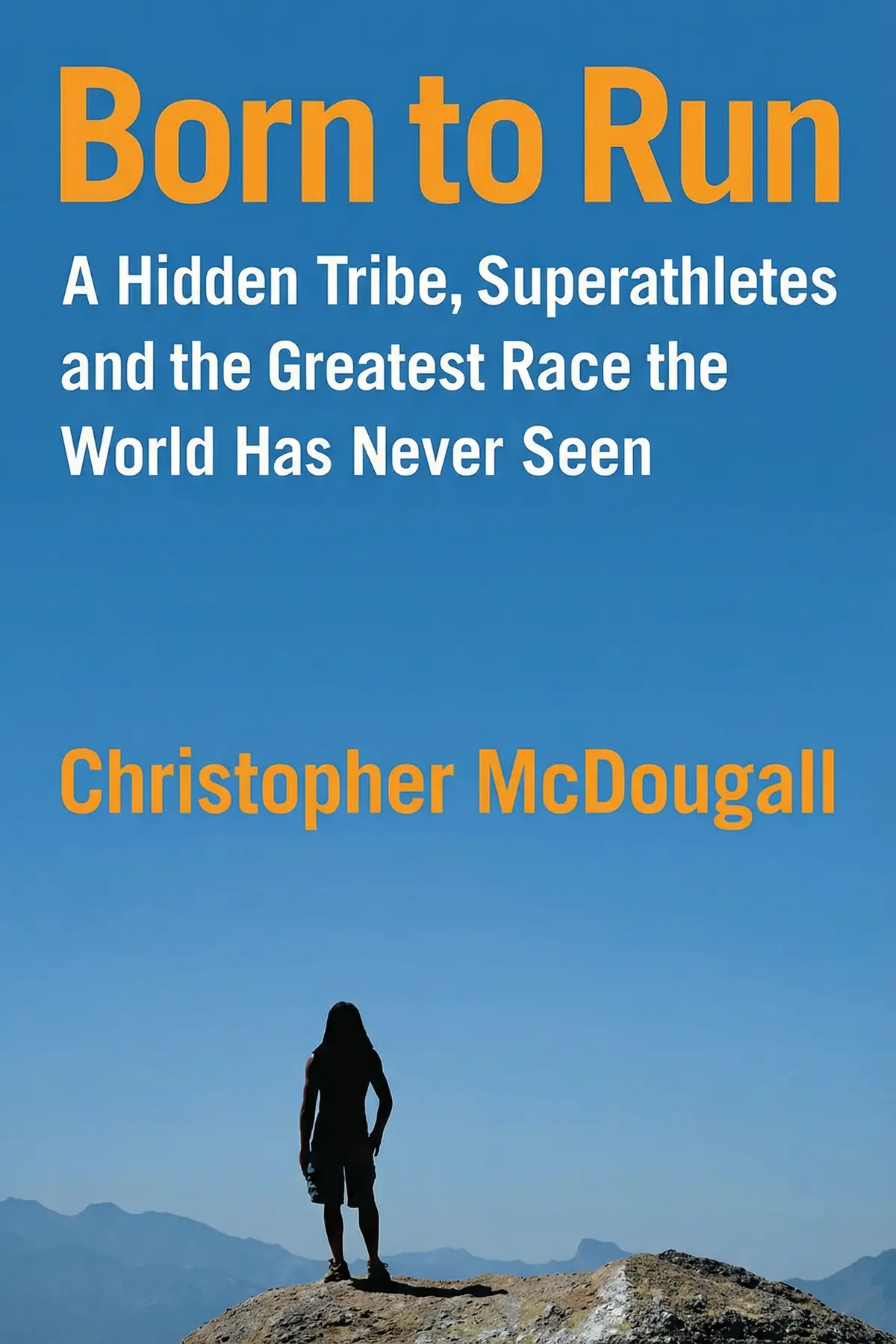
Born to Run follows journalist Christopher McDougall's journey into the remote Copper Canyons of Mexico to find the Tarahumara, a tribe capable of running hundreds of miles without injury or exhaustion. The book investigates the mystery of human endurance, combining a high-stakes adventure story with scientific research into human evolution and biomechanics. It challenges the conventional wisdom of the multibillion-dollar running shoe industry and explores how our ancestors used persistence hunting to survive. Through the lens of a legendary fifty-mile race between world-class ultramarathoners and the Tarahumara, McDougall reveals the physical and psychological secrets of the world's greatest runners. The narrative promises to transform your understanding of your own body, suggesting that running is not a chore to be endured but a primal joy and an evolutionary superpower that is accessible to everyone, regardless of age.
Christopher McDougall is an American author, TED speaker and journalist who has written for Esquire, New York Times Magazine, Men’s Journal, New York and Outside. He’s also acted as a contributing editor for Men’s Health.
Listeners find this book captivating and fast-paced, offering an excellent narrative that blends adventure with an inspirational message. Furthermore, the prose is smooth and backed by thorough research, delivering practical advice and techniques for athletes. In addition, the work highlights unforgettable individuals and investigates numerous facets of the sport, ensuring it remains an essential tool for runners of every experience level.
Wow. This book is more than just a training manual; it’s a visceral journey into the heart of Mexico’s Copper Canyons. McDougall weaves a narrative that feels like a high-stakes thriller, yet it’s grounded in the fascinating reality of the Tarahumara people. I found myself completely swept up in the mystery of Caballo Blanco and the sheer grit displayed by runners like Scott Jurek. To be fair, the prose can lean into hyperbole at times, especially when he’s railing against the big shoe companies. But the inspiration I felt after finishing was undeniable. It makes you want to throw off your sneakers and see what your body is truly capable of when stripped of modern gadgets. Even if you aren't a marathoner, the storytelling here is world-class and deeply engaging.
Show morePicked this up on a whim and ended up finishing it in two sittings. Born to Run is an absolute masterclass in narrative non-fiction. McDougall takes what could have been a dry subject—distance running—and turns it into a legendary quest for a hidden tribe of super-athletes. The Tarahumara are portrayed with such reverence that you can’t help but be fascinated by their corn-beer-fueled endurance. I particularly loved the chapters detailing the history of the Leadville Trail 100; the drama of those races is palpable. Look, some people might find the barefoot is best evangelism a little grating after a while, but the core message of finding joy in movement is universal. It changed the way I think about my morning jog and even pushed me to try those chia seeds he raves about. A must-read for anyone feeling stuck.
Show moreAfter hearing about the legendary Tarahumara for years, I finally dove into McDougall’s account. This is one of those rare books that actually lives up to the reputation. The way the author traces the evolution of human endurance alongside the personal stories of these wild American ultrarunners is nothing short of brilliant. You get to know people like Barefoot Ted and Ann Trason in a way that feels intimate and raw. The book manages to be both a technical resource for better running form and a spiritual guide for why we run in the first place. Personally, the chapter on how humans evolved to shed heat through sweating while other animals pant was a total revelation. It’s a fast, fluid read that combines history, biology, and a really heartwarming climax. If you need a spark to get back on the trail, this will provide the flame.
Show moreFinally got around to this classic and I’m kicking myself for waiting so long. There’s a reason this book started a whole movement. It’s not just about running; it’s about what it means to be human and how we’ve lost touch with our natural instincts. The stories of Jenn and Billy’s chaotic energy contrasted with the stoic endurance of the Tarahumara created such a compelling dynamic. I loved how the book culminates in a race that isn't about prize money or fame, but about mutual respect and the pure love of the sport. Gotta say, the ending actually made me a bit emotional. It’s rare to find a non-fiction book that captures the spirit of adventure so perfectly while still providing useful strategies for your own fitness. It’s an essential addition to any athlete’s bookshelf.
Show moreRunning through the pages of this book felt like a marathon in itself. From the very first page, McDougall hooks you with the mystery of a man who vanished into the Mexican canyons. The search for Caballo Blanco is the perfect framing device for a deep dive into the world of extreme athletics. I was fascinated by the descriptions of the Tarahumara’s diet and their ability to run hundreds of miles on little more than pinole and lime juice. While the author definitely has a flair for the dramatic—sometimes bordering on the legendary—it fits the larger-than-life subject matter. It’s a quick, engaging read that makes you reconsider every piece of expensive gear you’ve ever bought. Truth is, it’s one of those books that changes your perspective on what is physically possible for the human body.
Show moreEver wonder why our ancestors could outrun a deer without fancy Nikes? Christopher McDougall explores that exact question through the lens of persistence hunting and evolutionary biology. The "running man" theory presented here is absolutely gripping, suggesting that we didn't just stumble into civilization, but ran our way there. While his journalistic style is punchy and keeps the pages turning, I did find some of his scientific claims a bit thin on actual data. He definitely has an agenda against the athletic shoe industry, which is entertaining but perhaps a little biased. Still, the characters like 'Bonehead' Billy and Jenn Shelton bring a chaotic, human energy to the world of ultra-marathons that I haven't found elsewhere. It’s a great mix of travelogue and athletic philosophy that kept me engaged until the very last mile.
Show moreThe chapter on the persistence hunt in the Kalahari was worth the price of admission alone. McDougall does a fantastic job of connecting ancient history with modern athletic feats. I appreciated the practical tips buried within the narrative, like the focus on easy, light, smooth, and fast movement. It’s a very tactical book masquerading as a travel adventure, which makes it incredibly useful for hobbyist runners. My only real gripe is that the timeline jumps around quite a bit, which can be disorienting if you aren't paying close attention. Also, the portrayal of the Tarahumara can feel a bit like the noble savage trope at times, which felt slightly dated. However, the energy of the book is infectious. It convinced me to stop obsessing over my pace and start focusing on the actual feeling of the ground beneath my feet.
Show moreAs someone who has struggled with chronic running injuries, this book felt like a ray of hope. I initially picked this up for the tips on minimalist running, but I stayed for the incredible story. The way McDougall deconstructs the rise of Nike and the modern running shoe industry is eye-opening, even if it feels a little one-sided at times. To be fair, he makes a very compelling case for why our modern lifestyles are at odds with our biology. The characters are vibrant, though some of the dialogue feels a bit reconstructed for dramatic effect. Still, the core message about rediscovering the joy of running like a child is something I really needed to hear. It’s a solid blend of investigative reporting and personal memoir that provides plenty of food for thought for runners of all levels.
Show moreNot what I expected after hearing all the massive hype from my running group. Frankly, I have mixed feelings about this one. On one hand, the story of the Copper Canyon race is legitimately exciting and the descriptions of the Mexican landscape are vivid. On the other hand, McDougall’s writing style feels very much like a bloated magazine feature. He uses way too many exclamation points and seems to make everyone into a cartoon character, from the eccentric Caballo Blanco to the evil shoe executives. The truth is, the science parts felt cherry-picked to support his specific barefoot-running narrative. I also struggled with how he dismisses elite athletes like Lance Armstrong just to prop up his own favorite characters. It's a fun adventure story if you don't take it too literally, but it’s definitely not the running bible I was promised.
Show moreThis book is definitely an entertaining ride, though I’d take the science with a massive grain of salt. As a casual runner, I enjoyed the colorful cast and the build-up to the big race in Mexico. McDougall is a talented storyteller who knows how to keep a plot moving. However, the tone often shifts into a weird, cult-like obsession with barefoot running that felt a bit pushy. He tends to gloss over the fact that some people actually need structured shoes to avoid injury. I also found his all-knowing narrative voice a bit annoying; he describes people’s internal thoughts from years ago as if he were actually there. In my experience, it works better as a piece of gonzo journalism than as a serious look at human physiology. It’s worth a read for the adventure, but don't expect a balanced view of the sport.
Show moreJonathan Eig

Billie Jean King
Ben Reiter
Des Linden
AUDIO SUMMARY AVAILABLE
Get the key ideas from Born to Run by Christopher McDougall, plus 5,000+ more titles in English and Thai.







