
26 min 35 sec
Brit(ish): On Race, Identity and Belonging
By Afua Hirsch
A compelling examination of race and belonging in modern Britain, merging personal memoir with hidden history to challenge the national narrative of color-blindness and uncover the deep-seated roots of contemporary prejudice.
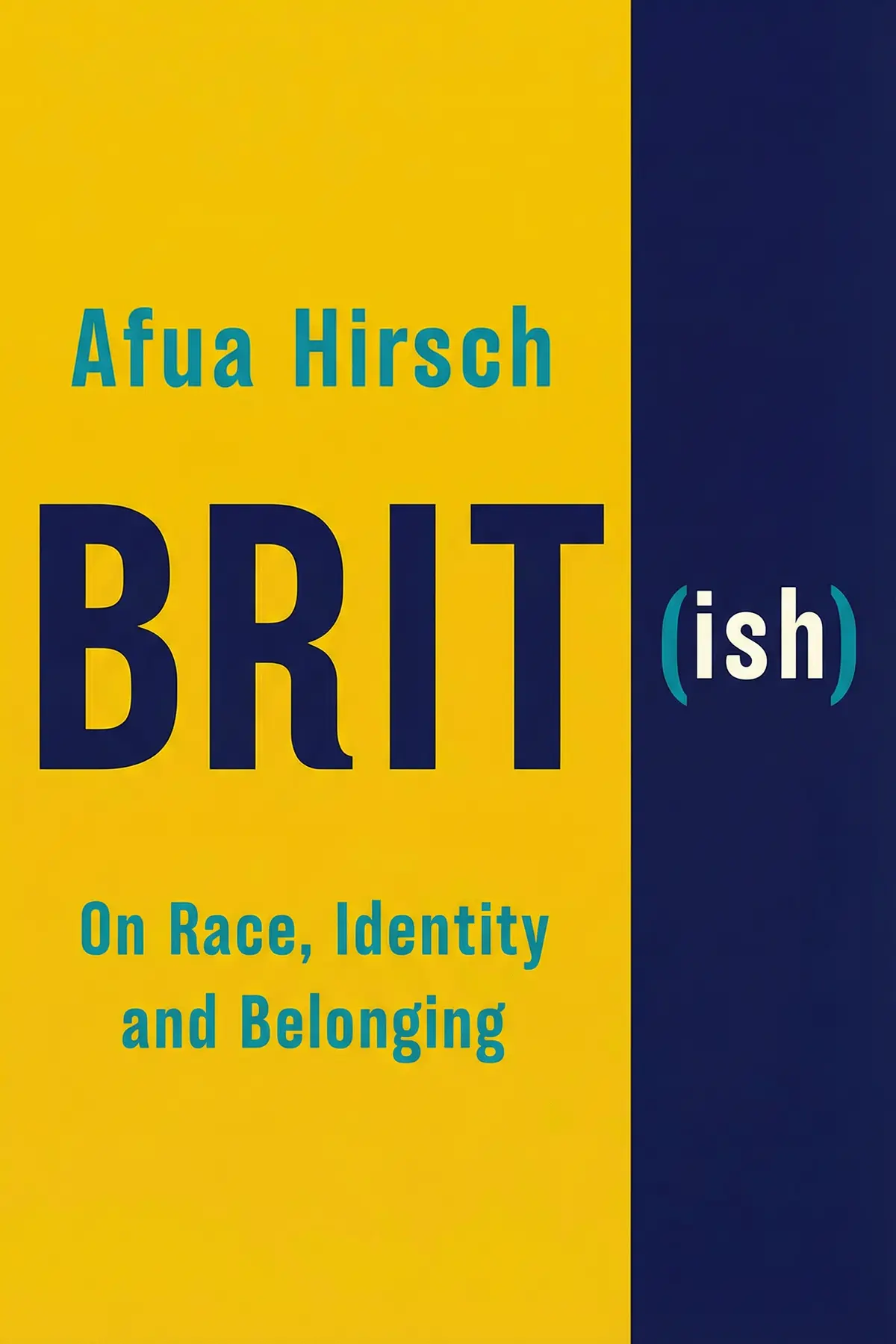
Table of Content
1. Introduction
1 min 55 sec
Picture a person who embodies the traditional markers of success in British society. They were raised in an affluent London suburb, educated at Oxford, and have built a high-profile career at some of the nation’s most prestigious institutions. By every institutional metric, this person is as British as one can be. Yet, for Afua Hirsch, these credentials are often insufficient to prevent a single, recurring question from being directed her way: “Where are you from?”
This question isn’t usually born of malice; more often, it is a product of simple curiosity. However, its repetition points to a much deeper fissure in the national consciousness. Because Hirsch is biracial—with a heritage that is both German-Jewish and Ghanaian—her brown skin and curly hair signal to many of her compatriots that she must belong somewhere else. This persistent “othering” serves as the starting point for a profound investigation into the soul of a nation that often prides itself on having moved past its racial history.
In the following pages, we are going to explore why that question is so heavy with unspoken assumptions. We will look at how British identity is constructed, who is allowed to claim it, and how the country’s past continues to haunt its present. This isn’t just a personal memoir, though Hirsch’s own story provides the emotional heartbeat of the narrative. It is a mirror held up to British society, asking us to look past the official version of tolerance and pluralism to see the complicated, messy reality of how race actually functions in the United Kingdom today.
We will trace the lines from the 2016 Brexit vote back to the days of Queen Elizabeth I and the height of the transatlantic slave trade. We will see how beauty standards, sexual stereotypes, and professional barriers are all part of a larger architecture of exclusion. By the end of this journey, the goal is to understand that being British isn’t about looking a certain way, but about acknowledging the diverse and often difficult history that has shaped everyone on the island.
2. The Duality of Identity
1 min 39 sec
Explore the intricate ways we define ourselves through individual traits and social groups, and why national identity often becomes a point of deep ideological friction.
3. The Fissures Exposed by Brexit
1 min 45 sec
Discover how the 2016 referendum acted as a catalyst, revealing deep-seated divisions in how different citizens envision the future and the face of the nation.
4. The Deep History of British Xenophobia
1 min 43 sec
Uncover the centuries-old roots of anti-immigrant sentiment in the UK, showing that modern tensions are part of a long-standing national pattern.
5. Post-War Migration and the Official Backlash
1 min 40 sec
Trace the shift from welcoming labor to enacting restrictive laws, and see how both major political parties have historically pandered to anti-migrant fears.
6. The Trap of Color-Blindness
1 min 38 sec
Critique the popular idea that ignoring race is the path to equality, revealing how this mindset actually erases culture and avoids addressing systemic issues.
7. Growing Up in the Shadow of Whiteness
1 min 38 sec
Follow the personal journey of a child in a wealthy, mostly white environment, and understand how early experiences of ‘otherness’ shape a person’s self-image.
8. The Historical Roots of Modern Dehumanization
1 min 34 sec
Connect contemporary insults and stereotypes to the 18th-century intellectual efforts used to justify slavery and the dehumanization of Black people.
9. The Invisible Prison of White Beauty Standards
1 min 32 sec
Examine how media and advertising reinforce a narrow definition of beauty, and the profound impact this has on the self-esteem and choices of women of color.
10. Stereotypes of Hypersexuality and Danger
1 min 38 sec
Learn about the dual nature of sexual stereotypes, where Black bodies are both feared and fetishized, and how these myths persist in modern social dynamics.
11. Professional Marginality and the 'All Look Alike' Myth
1 min 35 sec
Analyze the barriers faced by people of color in elite professional spaces, from being mistaken for staff to the erasure of individual identity.
12. The Quest for Belonging in the Diaspora
1 min 41 sec
Journey to Ghana with the author as she seeks a sense of home, only to discover that her identity is more complex than just ancestry and DNA.
13. The Selective Memory of the British Empire
1 min 46 sec
Challenge the national narrative regarding the abolition of slavery, looking at the continued economic benefits and the UK’s role as a primary supplier.
14. Reclaiming Black British History
1 min 36 sec
Discover the ‘hidden’ figures of British history, like the Sons of Africa, and why integrating their stories is essential for a complete national identity.
15. The Stark Realities of Racial Inequality
1 min 35 sec
Compare the experiences of the wealthy and the impoverished to see how race and class intersect to create a persistent system of disadvantage in the UK.
16. Conclusion
1 min 40 sec
As we come to the end of this journey through the complexities of British identity, the primary takeaway is that the nation’s sense of itself is in need of a serious update. For too long, the UK has leaned on a comfortable narrative of tolerance and “color-blindness,” a story that allows the majority to ignore the persistent reality of racial prejudice. But as we’ve seen through Afua Hirsch’s own life and the broader history of the country, this silence doesn’t create harmony; it only deepens the sense of displacement for those who are seen as “other.”
True belonging doesn’t come from ignoring our differences or pretending that history didn’t happen. It comes from an honest accounting of the past and a commitment to seeing the present as it truly is. We have seen how beauty standards, sexual myths, and professional biases are not just random personal prejudices, but are the direct descendants of an imperial history that favored whiteness. We’ve also seen that the solution isn’t to look for home in a distant land of ancestors, but to fight for the right to be fully home in the place where you were born.
The challenge for the modern UK is to build a national story that is broad enough to include everyone. This means moving beyond the “white savior” myths of abolition and integrating the centuries of Black contribution into the core of British history. It means acknowledging that a person can be biracial, can have a complex heritage, and can still be fundamentally, undeniably British. By letting go of the myth that we don’t see race, we can finally start seeing each other as individual human beings, each with a valid and vital claim to the future of the nation. The question “Where are you from?” should no longer be a boundary, but a bridge to understanding the rich, diverse tapestry of what it truly means to be British today.
About this book
What is this book about?
This exploration of identity takes a hard look at what it means to be British today, particularly for those whose heritage isn't exclusively white. It centers on the experiences of a woman who, despite having every credential of British success—an Oxford education and a career in prestigious media—still finds herself treated as a foreigner in her own home. The narrative moves seamlessly between personal anecdotes from a middle-class childhood in Wimbledon and the broader, often ignored history of the British Empire's involvement in the slave trade and systemic racism. The book promises to pull back the curtain on the UK's self-image as a post-racial, tolerant society. By examining everything from the 2016 Brexit referendum to the daily microaggressions of professional life, it reveals how the nation’s history is inextricably linked to the diverse people who now call it home. It challenges the reader to move past the comfortable myth of color-blindness to see how historical prejudices about beauty, criminality, and intelligence still shape the lives of millions. Ultimately, it is a call for a more honest national story that allows every citizen to see themselves reflected in the country’s identity.
Book Information
About the Author
Afua Hirsch
Afua Hirsch is an accomplished barrister, broadcaster, and journalist who has served as a correspondent for Sky News and The Guardian. She continues to contribute to The Guardian as a columnist and currently holds the Wallis Annenberg Chair in Journalism and Communication at the University of Southern California. Her debut work, Brit(ish), achieved Sunday Times bestseller status and was honored with the Royal Society of Literature Jerwood Prize for Non-Fiction.
Ratings & Reviews
Ratings at a glance
What people think
Listeners find that while perspectives differ regarding the author’s focus on her own advantaged background, most value the book as a vital and thorough investigation into British identity and "polite" racism. Additionally, listeners appreciate the gripping mix of personal narrative and historical study regarding the British Empire’s impact. They also point out the text’s relevance and approachable style, with one listener stating that it "makes very good points about race in Britain" that are typically ignored in general conversations.
Top reviews
Oat
Afua Hirsch has delivered a piercing critique of Britishness that feels long overdue. She dismantles the myth of a post-racial society with a forensic precision that only a trained barrister could manage. I was particularly struck by her exploration of the 'polite' racism that permeates middle-class life, proving that silence isn't neutrality. While some might find her focus on her own upbringing in Wimbledon a bit much, it serves as a necessary anchor for the broader historical analysis. She isn't just venting; she is connecting the dots between the profits of the slave trade and the modern-day identity crisis. This is a dense, challenging read that refuses to let the reader off the hook. It is the kind of book that makes you look at every 'Where are you from?' question through a completely different lens.
Show moreNam
Wow, this book really pulls back the curtain on the 'polite' racism we often ignore in middle-class circles. It’s a gut punch of a read that forces you to acknowledge how deeply the roots of Empire still choke our modern institutions. I loved the way Hirsch weaves her time in Senegal and Ghana into the narrative to show how identity isn't just about where you live, but how you’re perceived. The title is absolute genius—it perfectly captures that sense of being 'sort of' British but never quite enough for the gatekeepers of national identity. It’s a heavy book, but the prose is so engaging that I flew through it in a weekend. Everyone who thinks Britain is 'over' racism needs to read this immediately.
Show moreVipawan
As someone who grew up in the UK, I found Hirsch's forensic analysis of our national identity crisis both uncomfortable and essential. She doesn't just talk about race; she talks about the psychology of a nation that has forgotten its own history. The way she contrasts her upbringing in Wimbledon with her husband’s life in Tottenham provides a sharp look at how class and race intersect in London. It’s not an easy read, especially when she’s calling out the 'well-meaning' liberals who claim to be color-blind. The truth is, we’ve built our identity on a lie of exceptionalism that ignores the four centuries of exploitation that funded it. This book is a necessary first step toward a more honest conversation about our past and our future.
Show moreThanakorn
Ever wonder why Britain struggles so much with its colonial legacy? Hirsch provides the answers in this brilliant, sprawling look at the cracks in our national facade. She highlights how we congratulate ourselves for ending the slave trade while ignoring the centuries we spent profiting from it. The writing is sharp and the research is meticulous, reflecting her background as a barrister and a journalist. I found the section on 'black hair' and the pressure to conform to white standards of beauty to be particularly moving. It’s a book that demands your full attention and rewards it with a much deeper understanding of the Brexit-era social divide. Essential reading for anyone trying to make sense of modern Britain.
Show moreApichat
After hearing Hirsch speak on a podcast, I knew I had to read the full text of Brit(ish). It did not disappoint. The way she deconstructs the idea of 'whiteness' as a default setting in British culture is nothing short of masterful. She challenges the reader to move beyond the superficial 'celebration' of diversity and actually look at the structural inequalities that remain. I found her writing style to be incredibly compelling—it's got that perfect mix of intellectual rigor and emotional resonance. This isn't just a book about race; it's a book about the soul of a nation that is currently at war with its own identity. A total must-read for anyone interested in the legacy of the Empire.
Show moreThawee
Picked this up after seeing it on so many 'must-read' lists, and I can see why it’s sparking such debate. The writing is incredibly accessible for such a heavy topic, mixing personal anecdotes with a deep dive into the legacy of the British Empire. Hirsch is frank about her own privilege, which I found refreshing, even if it occasionally felt like she was over-explaining her background. The sections on hair and the performative nature of 'not seeing race' were eye-opening and deeply relatable. However, I did find myself comparing it to Akala’s Natives, which felt slightly more punchy in its delivery of class dynamics. Still, this is a vital contribution to the current conversation about what it actually means to be British today.
Show moreOrawan
Finally got around to this, and the chapter on the 'Question'—where are you from—really hit home for me. Hirsch does a fantastic job of explaining why that seemingly innocent inquiry can feel like a microaggression when it’s asked of the same people over and over. Her analysis of the BAME label was also particularly enlightening, showing how it often masks more problems than it solves by grouping vastly different experiences together. My only real complaint is that the middle sections felt a little repetitive, hitting the same notes about her childhood a few too many times. But look, the historical context she provides about the British Isles before the Anglo-Saxons is worth the price of the book alone.
Show moreSatit
The blend of personal memoir and rigorous research makes this more than just another political manifesto. Hirsch uses her own life as a case study for the broader issues of belonging and 'otherness' in a country that prides itself on multiculturalism. I appreciated her honesty about trying to find a home in Africa and realizing that her Britishness was more ingrained than she thought. It’s a vulnerable piece of writing that manages to be both academic and deeply human at the same time. I did feel that the methodology of her interviews was a bit vague, making some of her broader sociological claims feel more anecdotal than scientific. Nevertheless, the points she makes about the education system’s failure to teach colonial history are undeniably powerful.
Show moreJan
In my experience, this book works better as a history text than as a memoir. The chapters where Hirsch dives into the actual archives of the British Empire are fascinating and well-reasoned, shedding light on things I never learned in school. However, the personal sections often felt somewhat disconnected from the reality of most non-white Brits who didn't attend Oxford or grow up in wealthy suburbs. There is a lot of focus on the 'micro' level of polite snobbery, which is valid, but I missed a more sustained look at systemic economic struggle for the working class. It's a solid four stars for the research and the timeliness, but the tone can feel a bit narrow at times.
Show moreLevi
While I appreciate the historical deep-dive into the slave trade, I struggled to connect with the author's specific perspective. Hirsch writes with obvious intelligence and her research is undeniably thorough, yet the memoir aspects felt a bit self-indulgent at times. Her shock at being treated as an 'other' in Ghana, despite her very British, Oxford-educated upbringing, seemed slightly naive for a journalist of her caliber. I wanted more of the intersectional analysis involving gender and working-class experiences, which felt sidelined in favor of her personal journey. It’s an important book, don’t get me wrong, but it lacks the raw energy of Reni Eddo-Lodge’s work. I’d recommend it for the history, but the constant focus on her own elite privilege makes it a frustrating read.
Show moreReaders also enjoyed
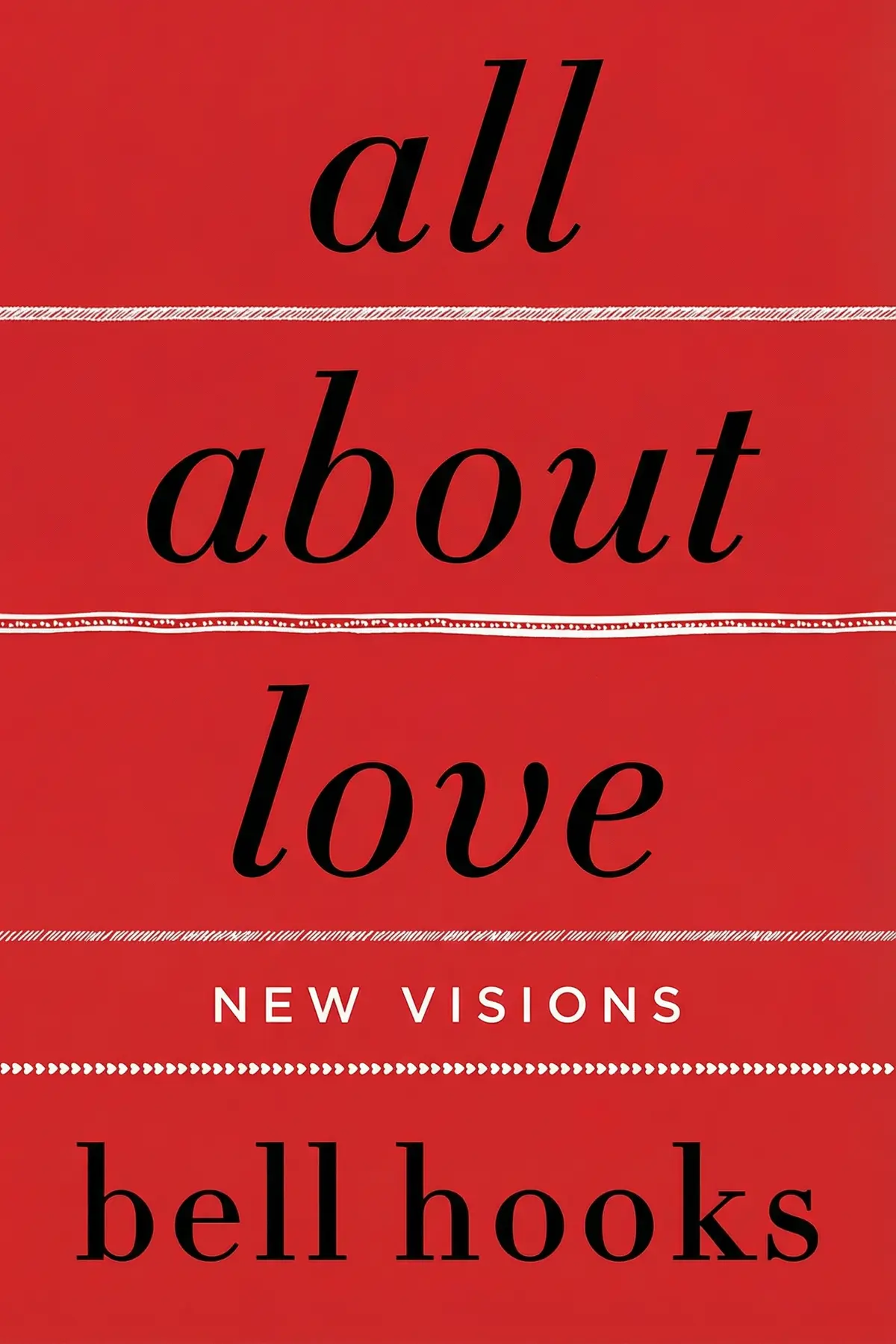
All About Love: New Visions
bell hooks

A Biography of Loneliness: The History of an Emotion
Fay Bound Alberti
A Force for Good: The Dalai Lama's Vision for Our World
Daniel Goleman
A Room of One’s Own
Virginia Woolf
Abolish Rent: How Tenants Can End the Housing Crisis
Tracy Rosenthal
Abortion: Our Bodies, Their Lies, and the Truths We Use to
Jessica Valenti
AUDIO SUMMARY AVAILABLE
Listen to Brit(ish) in 15 minutes
Get the key ideas from Brit(ish) by Afua Hirsch, plus 5,000+ more titles in English and Thai.
- 5,000+ titles
- Listen as much as you want
- 7-day free trial
- Cancel anytime







