
A Theory of Justice
John Rawls
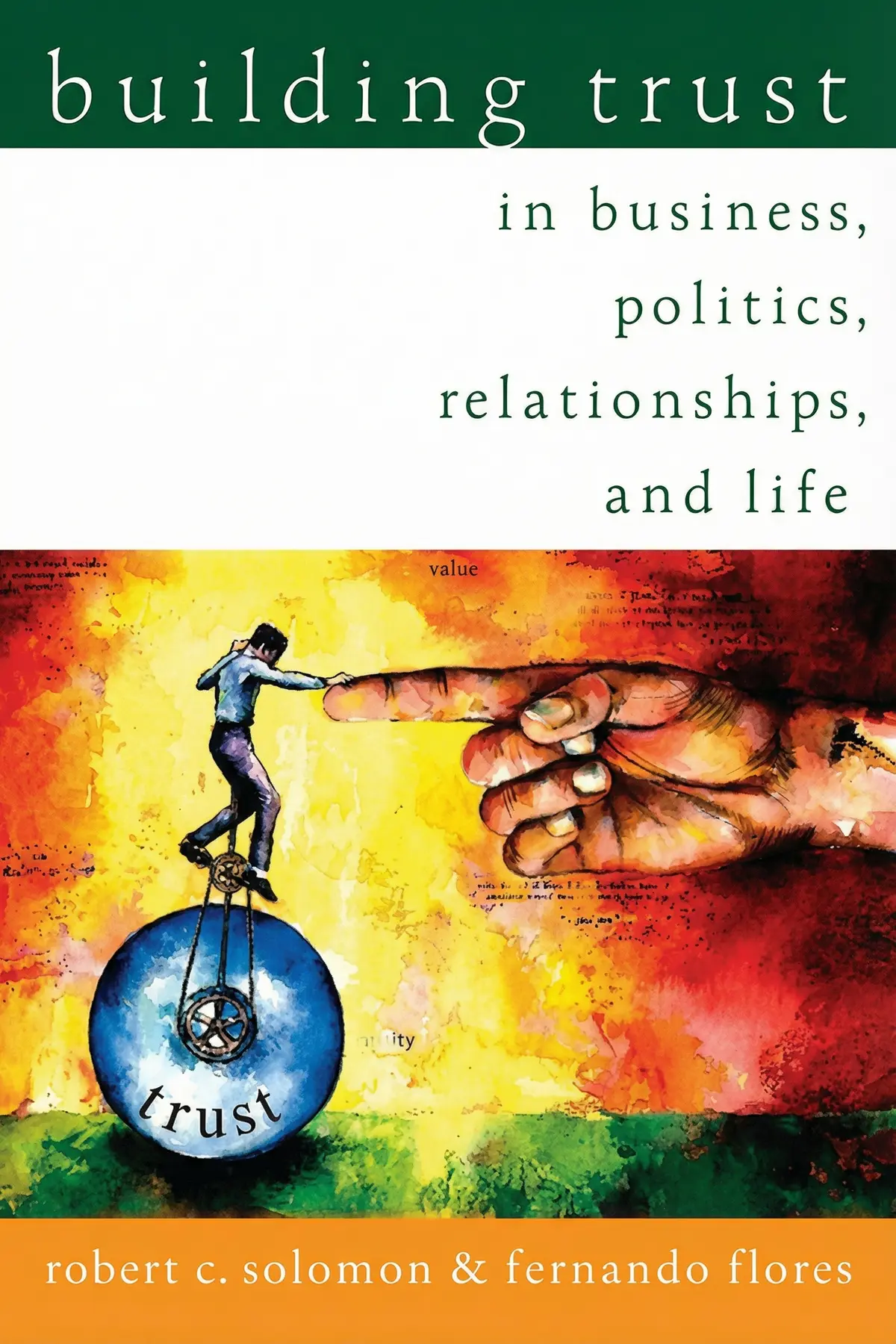
Building Trust explores how trust is an active choice, not a passive state. It provides a framework for creating authentic connections through vulnerability, communication, and commitment in business and life.
1 min 33 sec
Think about the most successful relationship in your life, whether it’s with a partner, a close friend, or a long-term colleague. At the center of that bond, you’ll find trust. It’s the invisible glue that holds everything together, making cooperation possible and communication meaningful. But how often do we actually stop to consider what trust is, or how it’s made? Most of us treat trust like the air we breathe—we only notice it when it’s gone or when the environment becomes toxic.
In this exploration of Building Trust, we dive into the philosophy and practical reality of how human beings rely on one another. Many people believe that trust is something that either exists or it doesn’t, like a switch that is either on or off. However, the throughline we will follow today suggests something far more empowering: trust is a skill. It is an active, ongoing process that requires constant attention, integrity, and a willingness to be vulnerable. It isn’t just a byproduct of a good relationship; it is the very foundation you must consciously construct.
We’ll look at why so many modern institutions and relationships are currently suffering from a crisis of confidence. From the boardrooms of major corporations to the intimate dynamics of the home, the absence of trust leads to a reliance on control, fear, and suspicion. But by understanding the different layers of trust—how it begins in infancy and how it can be restored even after a devastating betrayal—you can begin to move toward a more authentic way of living and working. Let’s explore how to transform trust from a passive assumption into a powerful, active commitment.
2 min 17 sec
Discover why organizations that rely on strict oversight and fear often stifle the very innovation and loyalty they need to survive in a competitive world.
2 min 03 sec
From the cradle to the global marketplace, learn how trust evolves from a basic biological necessity into a complex web of social contracts.
2 min 01 sec
Unspoken expectations are often the silent killers of relationships. Learn why assuming trust is present is the quickest way to lose it.
2 min 21 sec
Is trust something people must earn, or is it a gift you must give first? Explore the dynamic interplay between action and character.
2 min 16 sec
True trust isn’t the absence of doubt; it’s the decision to move forward despite it. Learn how to build relationships that are both honest and resilient.
2 min 33 sec
You cannot truly trust others if you are at war with yourself. Explore the vital link between personal confidence and organizational success.
1 min 35 sec
As we conclude our journey through the essential dynamics of Building Trust, the most important takeaway is that trust is not a gift we receive, but a world we build. Robert C. Solomon and Fernando Flores remind us that we have much more agency in this process than we often realize. We don’t have to be victims of a cynical world or a suspicious workplace. Instead, we can choose to be the architects of a different kind of environment—one where promises mean something and where vulnerability is seen as a strength rather than a liability.
We’ve seen that moving from ‘simple’ or ‘blind’ trust to ‘authentic’ trust requires us to embrace the uncomfortable reality of doubt and risk. It requires us to stop relying on silent assumptions and start having the brave, clear conversations that define our expectations. Whether you are leading a massive corporation or trying to deepen the connection in your own home, the path forward is the same: act with integrity, take responsibility for your own self-trust, and be willing to extend a hand first.
Trust is the foundation of everything that makes life worth living. It is what allows us to dream big, to collaborate on a global scale, and to find true intimacy with another person. It is fragile, yes, but it is also incredibly resilient when it is tended to with care and honesty. As you step back into your daily life, consider where you might be holding back out of fear, and where a single honest conversation might start the process of building something lasting. Trust is a choice. Every day, through every promise kept and every concern addressed, you are making that choice. Make it a conscious one.
Building Trust challenges the common assumption that trust is a fixed asset that either exists or doesn't. Instead, authors Robert C. Solomon and Fernando Flores argue that trust is a dynamic process—something we must "build" through our conversations, promises, and actions. The book examines the devastating impact of fear-based environments and the limitations of "simple trust" that we inherit from childhood. It moves toward a more robust concept called "authentic trust," which doesn't ignore doubt but rather works through it. The promise of this work is a shift in perspective. Readers learn that trust isn't just about finding reliable people; it's about being the kind of person or leader who fosters reliability through clear expectations and emotional intelligence. By looking at examples from corporate layoffs to marital struggles and international banking, the text offers a path to restore broken bonds. It provides the tools to move away from rigid, control-heavy structures toward collaborative, high-performance relationships built on mutual commitment and self-trust.
Robert C. Solomon was a philosopher and business ethicist who served as a distinguished teaching professor of business and philosophy at the University of Texas in Austin for over 30 years. He was known for his work in emotions, virtue ethics, and business philosophy, authoring more than 45 books. Fernando Flores is a scholar and entrepreneur recognized for his contributions to business process design, commitment management, and innovation. A former Minister of Economics and Finance in Chile, he pursued research at Stanford University and earned a PhD from the University of California Berkeley. His works often focus on the intersection of computers, cognition, and organizational design.
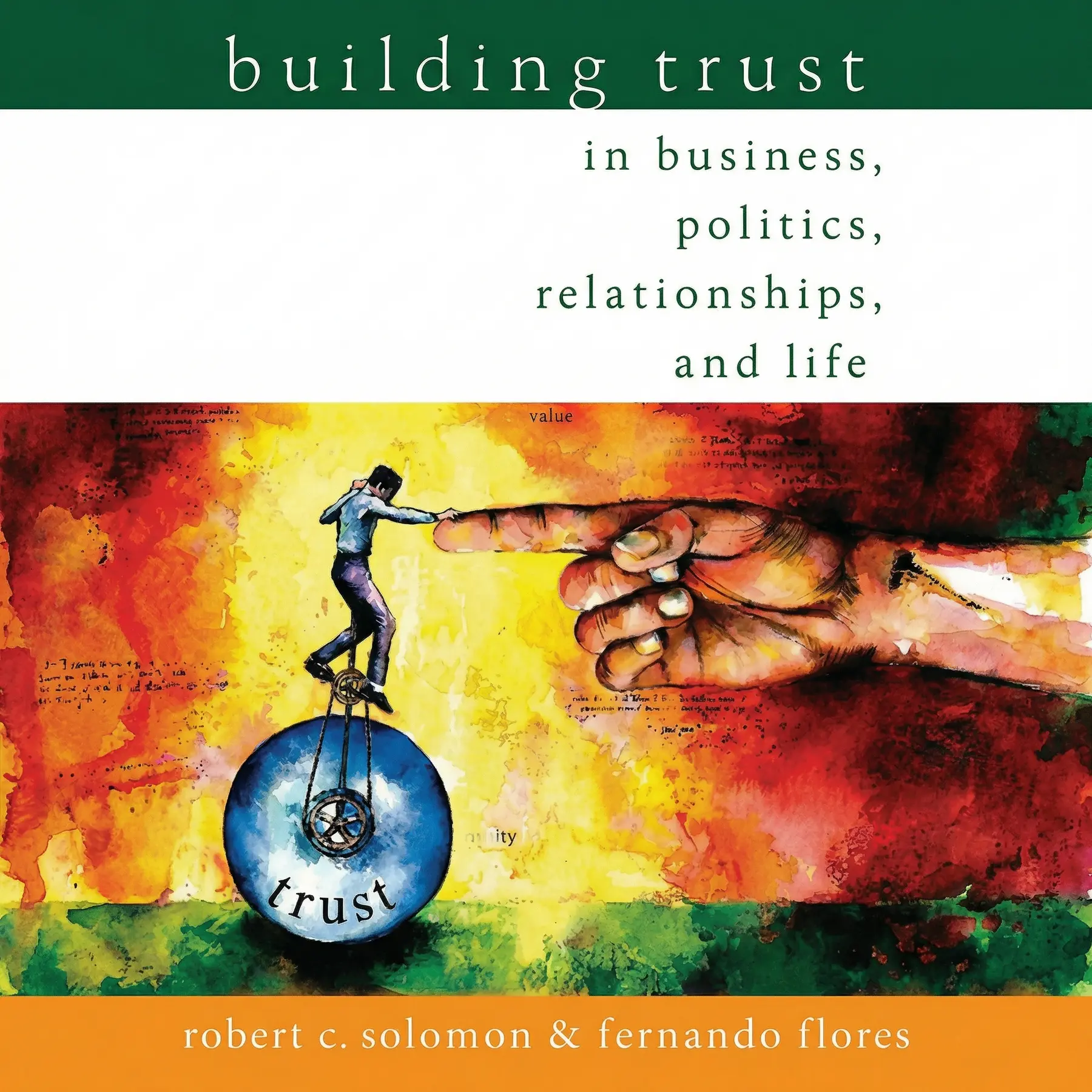
Listeners find the text accessible and value the discussions regarding trust, including one who highlights how it provides a sense of peace. The book also delivers clear insights into the significance of trust and offers deep nuances that are helpful for cultivating relationships. Furthermore, listeners regard the material as highly worthwhile.
This book completely reframes trust from a passive feeling into a rigorous social practice. Solomon and Flores argue that 'authentic trust' isn't naive; it is a conscious choice made with full awareness that betrayal is possible. I found the distinction between simple, unquestioning trust and the mature version we need in business incredibly helpful. Instead of treating trust as a fragile antique that breaks once, they show it as something dynamic that requires constant work. The prose is a bit academic, but the depth of insight into how we 'attune' to others' concerns is worth the effort. It’s a short read at 150 pages, but it packs a punch for anyone trying to lead with more than just fear and control.
Show moreFinally got around to this classic and it brought me a surprising amount of peace. We often treat trust as something that is either there or it isn't, but this book argues it is a 'mood' we can cultivate. I loved the idea that trust is a gift you offer before it is earned—that’s a radical thought in today’s cynical world. By focusing on 'authentic trust,' the authors give you permission to be both vulnerable and wise. The chapter on self-trust was a highlight for me. If you don't trust your own judgment, you'll always be micromanaging others out of fear. It’s a brief, moving argument for a better way to live and work.
Show moreLook, most leadership books are just collections of 'hacks,' but this is a deep meditation on what it means to be human in a community. It treats trust as the foundation of everything—from your marriage to the global stock market. The authors don't promise it's easy; they actually emphasize how difficult and emotionally charged rebuilding broken trust is. I found the section on self-trust especially convicting. When we lack confidence, we create systems of suspicion that stifle everyone around us. This book provides a rich vocabulary for talking about these dynamics. It is a highly valuable resource for anyone who wants to move beyond compliance and toward genuine commitment in their relationships.
Show morePicked this up because I was tired of the usual HR fluff about 'teamwork' and wanted something with more substance. Solomon and Flores deliver a philosophical yet practical look at how trust functions as the bedrock of the global economy. I particularly liked the section on Andy Grove and the idea that a lack of trust actually stifles innovation. When employees are afraid to make mistakes, they stop trying. The book is easy to read in a weekend, which I appreciated. My only gripe is that it gets repetitive in the middle sections. To be fair, the core message is vital: trust is an action, not just a sentiment. It has certainly changed how I approach my team.
Show moreAs a philosophy buff, I loved seeing Heidegger's concepts of 'care' and 'attunement' applied to the modern workplace. Trust isn't just about contracts; it’s about sharing in another person's concerns. The authors do a great job of explaining why 'congenial hypocrisy'—pretending things are fine when trust is gone—is so damaging to organizations. While the writing style is a bit dry and academic, the distinctions between 'blind trust' and 'authentic trust' are genuinely useful. You start to see trust as a choice you make every day. I deducted one star because the examples involving international banking felt a little dated and lacked cultural depth, but the core logic remains incredibly solid.
Show moreThe takeaway here is that trust is a gamble you have to take before you see the payoff. I've read plenty of leadership books, but few address the emotional weight of betrayal as an inevitable part of the process. Solomon and Flores argue that if you aren't open to the possibility of being let down, you aren't really trusting. That’s a tough pill to swallow but feels authentic. The book provides clear explanations for why communication breaks down and how to start the repair process through accountability. It’s a bit repetitive in the first two parts, and they could have used fewer anecdotes about fictional managers, but the underlying philosophy is excellent.
Show moreEver wonder why some people are naturally suspicious while others are open books? The authors lean heavily on Erik Erikson’s developmental theories to explain this, suggesting our childhood caregivers set our trust blueprints. While interesting, it felt a bit deterministic and ignored how much adults can grow through new experiences. I appreciated the critiques of fear-driven leadership, especially the references to Machiavelli’s legacy in modern offices. However, the solutions offered—like 'be more transparent'—felt like slogans I've heard a thousand times before. It’s a decent meditation on the subject, but don't expect a step-by-step manual. The stories about managers like David and Alex felt a bit too neat for the messy reality of corporate politics.
Show moreTo be fair, Solomon and Flores make a very clear distinction between trust and trustworthiness that most people miss. One is an action you take, the other is a quality you build. That alone was worth the read. However, I found the book's dismissal of fear-based systems a bit one-sided. In some high-stakes industries, strict control and 'command-and-control' structures exist for legal and safety reasons, not just because a leader is insecure. The authors tend to moralize trust, making it seem like the only enlightened choice while demonizing self-protection. It's a bit too idealistic for my taste, though the insights into how suspicion becomes a self-fulfilling prophecy were quite sharp.
Show moreFrankly, 150 pages felt simultaneously too short and yet somehow too long. The authors repeat their main points about integrity and follow-through so many times that I started skimming by chapter four. The section on childhood development felt out of place and a bit reductive for a book that is otherwise about professional and political life. That said, I did appreciate the discussion on 'cynicism' as a socially acceptable form of distrust. It helped me realize how much negativity I was bringing to my own office. There’s some good fruit here, but you have to peel through a lot of academic jargon and repetitive moralizing to get to it.
Show moreNot gonna lie, I struggled to find the 'transformative' value here that others mention. The book is basically a long-form essay stretched into a small volume. It boils down to a few basic themes: companies should trust people more, and being trustworthy is good. The hypothetical scenarios, like the story of Charlotte and Rahul, felt like oversimplified parables that didn't account for real-world risks. What happens when that trust is actually exploited? The authors gloss over the fallout. It’s full of meaningless sentences that sound deep but offer little practical guidance for someone in a truly toxic environment. If you want a blog post on why trust matters, this is fine, but it’s not a deep dive.
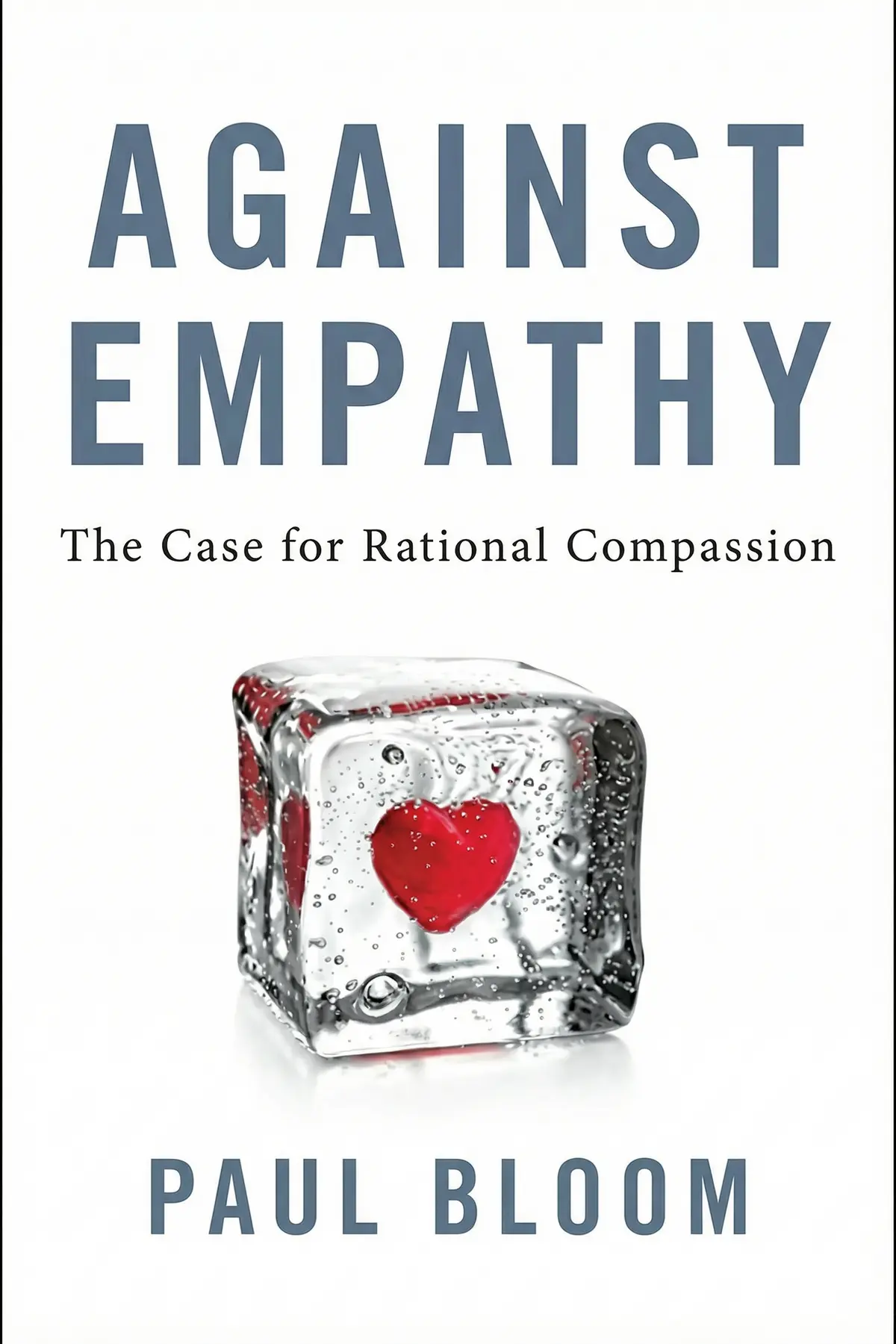
Show moreJohn Rawls

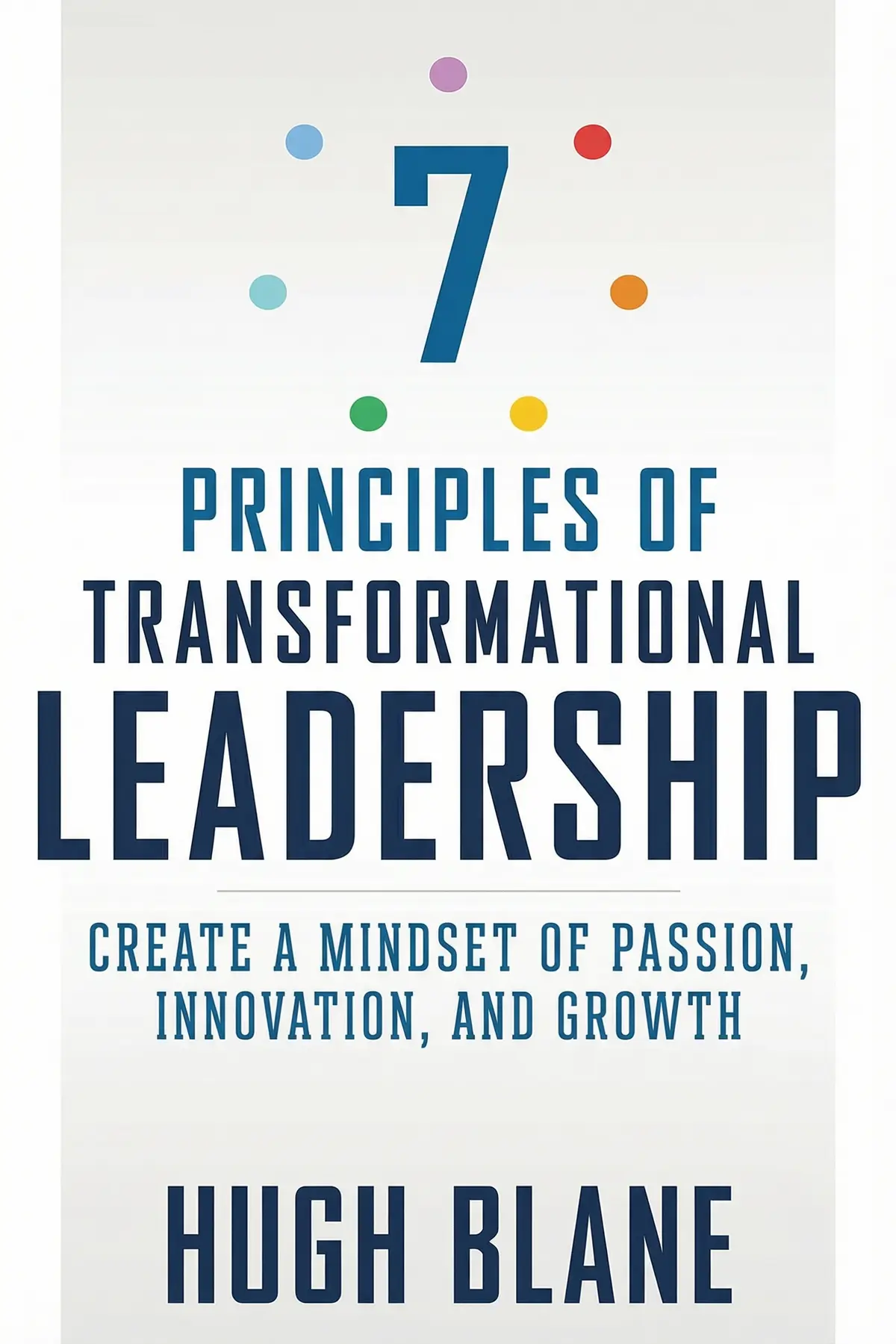
Hamilton Helmer
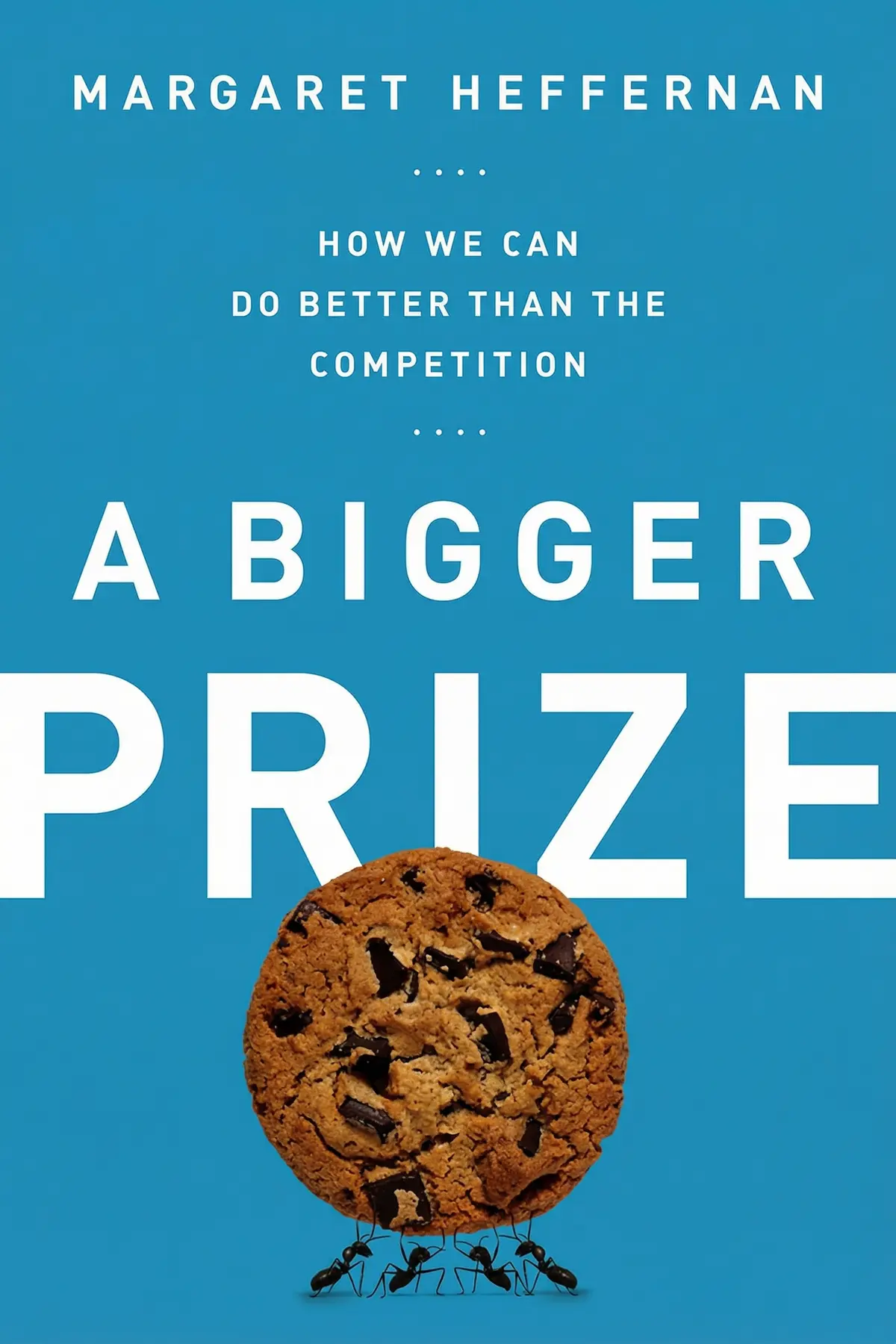
Margaret Heffernan
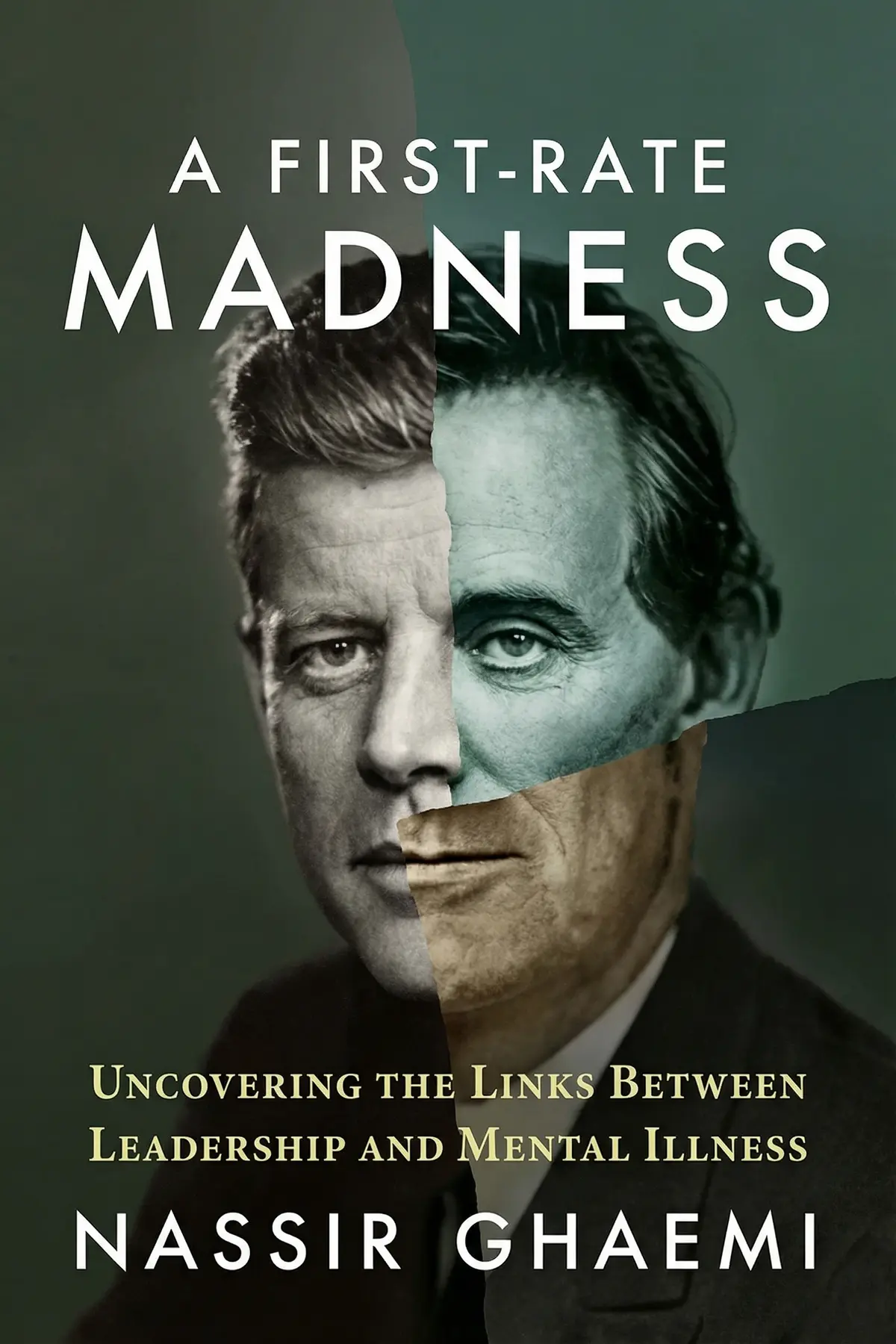
AUDIO SUMMARY AVAILABLE
Get the key ideas from Building Trust by Robert C. Solomon, plus 5,000+ more titles in English and Thai.







