
18 min 25 sec
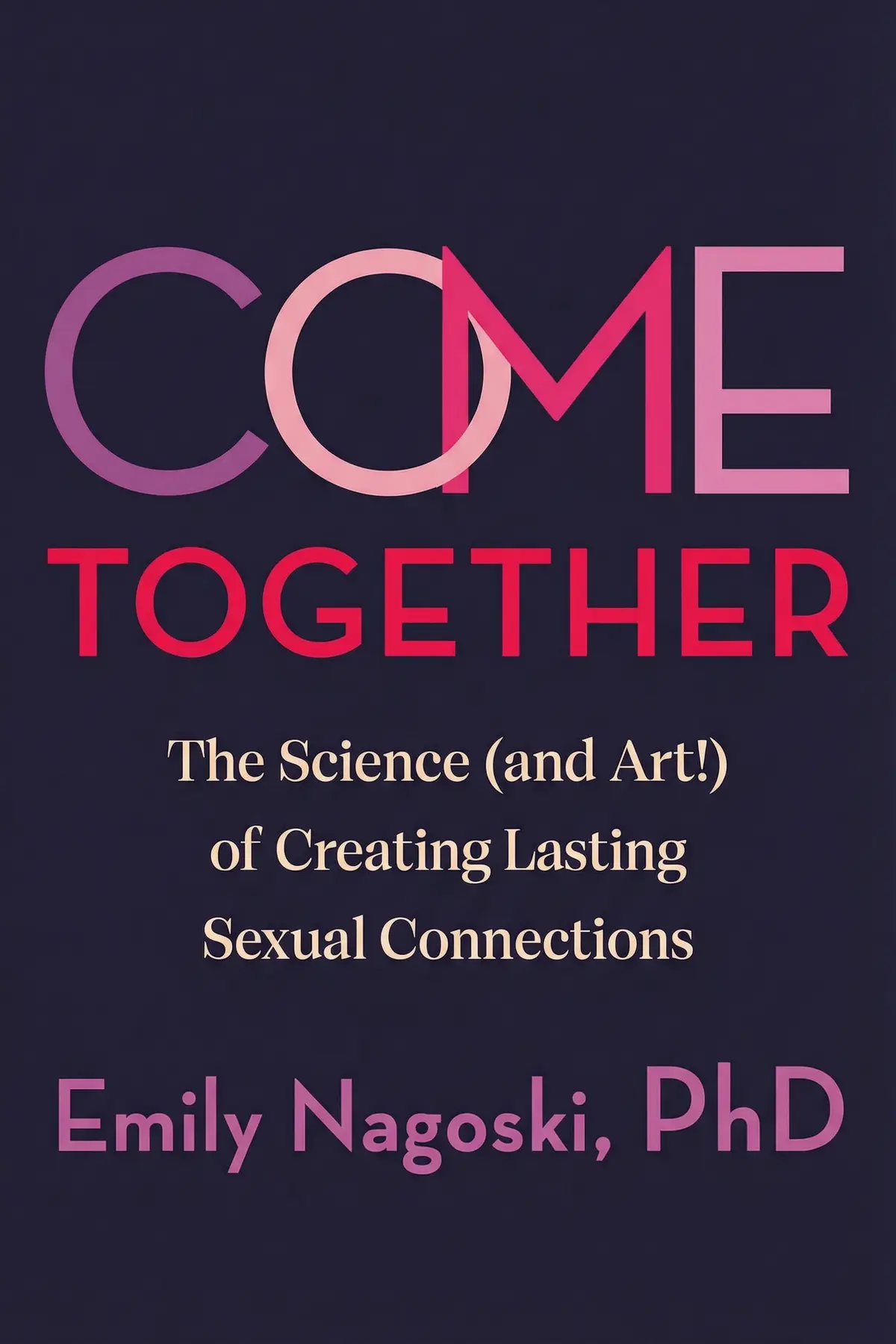
Burnout: The Secret to Unlocking the Stress Cycle
Burnout offers a science-based approach for women to navigate chronic stress. It explores how to complete the stress cycle, manage unrealistic social expectations, and reclaim well-being through rest and connection.
Table of Content
1. Introduction
1 min 55 sec
In a world that constantly demands more, the feeling of being utterly depleted has become an all-too-common baseline for many women. We are often told that the remedy for this exhaustion lies in consumer-driven ‘self-care’—things like scented candles, expensive bath salts, or a quick afternoon at the spa. But if you’ve ever tried those things and found that the underlying sense of dread and depletion remained exactly where you left it, you aren’t alone. The truth is that burnout isn’t just a feeling of being tired; it’s a physiological and emotional state rooted in how our bodies process the world around us.
In this exploration of the work by Emily and Amelia Nagoski, we are going to dive deep into the actual science of why we feel this way and, more importantly, how we can actually fix it. The Nagoski sisters bring a unique blend of health behavior expertise and communications science to the table, offering a roadmap that isn’t about adding more tasks to your to-do list. Instead, it’s about understanding the ‘stress cycle’—a biological process that many of us are living through without ever reaching the finish line.
We will look at why modern life keeps us stuck in a state of ’emotional exhaustion’ and how the structures of our society, from unrealistic body standards to the expectation that women should be ‘givers’ to everyone but themselves, contribute to this crisis. Through this journey, you’ll discover that the solution to burnout isn’t found in a shopping cart, but in the way we relate to our bodies, our rest, and our connections with others. We’re going to move past the surface-level advice and look at the neurological and physiological shifts required to reclaim your energy and your joy. By the end of this, you will have a clearer understanding of how to navigate the ’emotional tunnels’ of your life and how to signal to your nervous system that you are finally, truly safe.
2. Defining the Components of Burnout
2 min 38 sec
Burnout is more than just tiredness; it is a three-part condition involving exhaustion, a lack of empathy, and a feeling of futility.
3. The Necessity of Completing the Stress Cycle
2 min 34 sec
Stress is a physical response to a perceived threat, and your body needs a physical signal to know the danger has passed.
4. Managing the Mind’s Internal Monitor
2 min 18 sec
An internal mechanism in your brain constantly measures your effort against your progress, and managing its expectations is key to reducing frustration.
5. Unpacking the Social Rigging: Human Giver Syndrome
2 min 38 sec
Society often pressures women to be ‘givers’ whose only purpose is to support others, a trap that fuels systemic burnout.
6. The Vital Role of Rest and Connection
2 min 18 sec
True resilience is built through high-quality relationships and the brain’s ‘default mode’ during periods of rest.
7. Taming the Inner Critic with Self-Compassion
2 min 10 sec
Naming your ‘inner madwoman’ and practicing radical self-kindness allows you to move past perfectionism and toward lasting joy.
8. Conclusion
1 min 54 sec
As we wrap up our journey through the science of burnout, it becomes clear that the path to well-being isn’t about doing more, but about understanding our biology and the social forces that shape us. We’ve learned that burnout is a complex state of emotional exhaustion, depersonalization, and a lack of accomplishment, often caused by getting ‘stuck’ in the middle of our emotional tunnels. The solution isn’t found in superficial fixes, but in the physical act of completing the stress cycle through movement, creativity, and connection.
We’ve also seen how societal myths like Human Giver Syndrome and the Bikini Industrial Complex create a rigged game for women, piling on invisible stressors that we are then blamed for not managing perfectly. By recognizing these systemic pressures, we can stop the cycle of self-blame and start reclaiming our right to rest and autonomy. We’ve explored the necessity of sleep and the power of the default mode network, as well as the life-saving importance of high-quality relationships. Finally, we’ve looked at how to tame the inner critic by externalizing the ‘madwoman’ and replacing her voice with one of radical self-compassion.
The throughline of this entire exploration is that your body is your greatest ally, if you learn to listen to it. You don’t need to ‘win’ at life by burning yourself out; you need to live a life that is aligned with your own sense of meaning and supported by the physical reality of what your body needs. The next time you feel that familiar weight of exhaustion, remember that it’s not a sign of failure. It’s a signal from your nervous system that it’s time to move, to connect, and to rest. By taking these science-backed steps, you aren’t just preventing burnout—you are clearing the way for a life of genuine joy and lasting strength.
About this book
What is this book about?
This summary explores the biological and social roots of why women feel persistently overwhelmed. It moves beyond superficial self-care tips like spa days, instead focusing on the neurological mechanisms of the stress response. You will learn the difference between a stressor and the physical state of stress itself, and why your body needs specific signals to return to a state of safety. The authors examine the cultural phenomenon of Human Giver Syndrome and the Bikini Industrial Complex, explaining how systemic pressures create a cycle of exhaustion. By understanding the brain’s internal monitoring systems and the critical role of the default mode network during rest, listeners gain practical strategies to manage frustration, improve physical health, and foster genuine self-compassion. The promise of this guide is a path toward joy and resilience through evidence-based lifestyle shifts.
Book Information
About the Author
Emily Nagoski
Emily Nagoski holds a PhD in health behavior from Indiana University and serves as the director of wellness education at Smith College. She has over twenty years of experience as a sex educator. Amelia Nagoski is a professor of music at Western New England University and a communications science expert who conducts educational seminars on embodied wellness for conductors. She is Emily’s identical twin sister.
Ratings & Reviews
Ratings at a glance
What people think
Listeners find this book to be an essential guide providing actionable techniques and plans for managing burnout and stress. They value the research-driven data and the way it shifts their perspective on mental and physical well-being, with one listener noting how it makes difficult scientific concepts easier to understand. The material is accessible and relatable, with one listener highlighting its unique focus on women's unique stressors. Feedback regarding the prose is divided; some listeners find it practical, while others describe it as horrid.
Top reviews
Kan
Finally got around to reading this after seeing it everywhere on Instagram, and it absolutely lived up to the hype. The distinction between the "stressor" and the physical "stress cycle" was a total lightbulb moment for me. I realized I was trying to solve my life problems without ever letting my body know it was actually safe. The Nagoskis use real science to explain why we feel so fried, making the biology of burnout surprisingly accessible. I appreciate that they didn't just provide a list of chores; they gave a framework for living. While the tone is a bit "ra-ra" at times, the core message about completing the cycle through movement or breathing is life-altering. It’s not just about self-care; it’s about survival.
Show moreDek
As someone who has lived in a state of constant "on" for years, this book felt like a permission slip to finally stop. I always thought that if I just worked harder or organized my calendar better, the stress would disappear. The Nagoskis taught me that the stress is a physical reality in my body that needs to be processed, regardless of the situation at work. Their explanation of how "givers" are expected to sacrifice everything was eye-opening. I’ve started implementing the 20-second hug and the deep breathing exercises, and I can actually feel a difference in my heart rate. It’s a rare self-help book that is both deeply compassionate and backed by rigorous research. Truly a must-read for every woman I know.
Show moreMaja
Everything about this resonated. I was at my wit's end, feeling like I was failing at everything, and this book gave me the science to understand why. It isn't just "relax and have a bubble bath" advice; it’s a deep dive into how our brains function under pressure. The Nagoskis are brilliant at making complex biology feel intuitive. I especially loved the focus on "joy" versus "happiness" and how to find meaning even when things are tough. It’s a refreshing change from the typical "hustle culture" self-help books. If you’re feeling fried and don’t know why, please read this. It might just save your sanity.
Show moreAudrey
The chapter on the "Bikini Industrial Complex" was worth the price of the book alone. Seeing the history of the BMI and how it was essentially manufactured for profit was incredibly validating. For years, I’ve felt like my stress was a personal failure, but this book shifts the perspective toward systemic issues and body acceptance. The sisters have a great dynamic, and their advice on "Human Giver Syndrome" hit home. I did find the "tl;dr" sections a bit redundant since the chapters aren't that long anyway, but they are handy for quick reference later. It's a solid 4 stars, only losing a point because the middle sections tend to drag on with repetitive examples that feel a bit like filler.
Show moreRoongsak
Picked this up after hearing the Nagoski sisters on a podcast and decided to go with the audiobook version. It was a great choice! They narrate it themselves, and their chemistry makes the scientific concepts easy to swallow. I loved the practical tips, like how movement is the most efficient way to signal to your brain that the "lion" is gone. It’s not about losing weight; it’s about nervous system regulation. My only gripe is that some of the "Human Giver" sections felt a little repetitive by the end of the book. Still, the advice on finding "something larger" and the importance of rest is something I’ll be thinking about for a long time.
Show moreKiattisak
Truth is, I didn't expect a science book to make me cry. The way they describe the "Human Giver Syndrome"—the idea that women are expected to be pretty, happy, and selfless at all times—described my entire life perfectly. It’s incredibly validating to hear that my exhaustion isn’t because I’m "weak," but because I’m living in a system designed to drain me. The authors provide real tools for navigating these challenges, though some of the scenarios felt a bit staged. It’s a very accessible read, though people looking for a dry, academic textbook will be disappointed. It’s more of a warm, science-backed pep talk for the modern woman.
Show moreOscar
Why didn't anyone tell me about the 20-second hug before now? This book is full of small, actionable strategies that actually make sense for a busy life. I’ve read so many productivity books, but this is the first one that focused on the physiological side of burnout. The Nagoskis explain how our bodies get stuck in "fight or flight" and how to nudge ourselves back into a state of rest. I found the section on the "Bikini Industrial Complex" fascinating, even if it made me a little angry at the diet industry. It’s a very inclusive, modern take on mental health. I’m recommending it to my whole friend group, even if the "patriarchy" talk is a bit heavy-handed at times.
Show moreWararat
Is it helpful? Yes, but you have to wade through a lot of fluff to get to the gold. The central premise—that we need to physically "complete" our stress cycles—is brilliant and scientifically sound. However, the authors' tone is very "Tumblr-lite," using phrases like "feels" and quoting YA novels, which might not sit well with everyone. I also felt that the focus was so exclusively on "female-identifying" people that it ignored the universal nature of burnout. There are some great gems here about the importance of sleep and social connection, but the "bubble of love" stuff felt a bit too "woo-woo" for my taste. It's a decent read, just be prepared for a very specific, agenda-driven narrative style.
Show moreSaranya
Great concepts, questionable delivery. I really appreciated the core message about the "stress cycle" vs the "stressor," which is a distinction I hadn't considered before. That said, the writing style is very informal—almost like reading a long series of blog posts or tweets. The constant use of "ugh" and "tl;dr" was a bit distracting for me. I also found the fictional narratives of "Sophie" and "Julie" to be a bit over-the-top and hard to relate to. While the advice on completing the cycle through physical activity is excellent, it’s buried under quite a bit of social commentary. It’s a 3-star read for me; the science is 5 stars, but the presentation is a 2.
Show moreLook
Look, I really wanted to like this given the glowing recommendations, but the execution left me cold. The book spends far too much time blaming the "patriarchy" for every single ounce of female exhaustion. While I agree that societal expectations are a factor, I was looking for a biological toolkit for my nervous system, not a political manifesto. The writing style is also incredibly grating—lots of "ughs" and cutesy "fandom" language that feels out of place for a PhD-authored work. I found the fictionalized case studies to be thin and somewhat patronizing. If you want a deep dive into science, you might be disappointed. Frankly, you can get the gist of the advice—exercise, sleep, and connect—from a five-minute summary online without the 200 pages of venting.
Show more
Readers also enjoyed
Alcoholics Anonymous
Alcoholics Anonymous World Services
A Liberated Mind: How to Pivot Toward What Matters
Steven C. Hayes
ADHD an A-Z: Figuring It Out Step by Step
Leanne Maskell
AUDIO SUMMARY AVAILABLE
Listen to Burnout in 15 minutes
Get the key ideas from Burnout by Emily Nagoski, plus 5,000+ more titles in English and Thai.
- 5,000+ titles
- Listen as much as you want
- 7-day free trial
- Cancel anytime







