
1929: Inside the Greatest Crash in Wall Street History--and How It
Andrew Ross Sorkin
A foundational exploration of why economic freedom is the bedrock of political liberty, arguing for minimal government intervention, market-based solutions, and the protection of individual choice in every aspect of life.
2 min 03 sec
In the modern era, we often think of our lives as being divided into two distinct boxes. In one box, we have our political lives—the rights we have to vote, to speak our minds, and to live without fear of oppression. In the other box, we have our economic lives—the jobs we work, the things we buy, and the money we save. It is a common belief that these two boxes can be managed separately, that a society can tighten its grip on the economy while remaining a bastion of political freedom.
However, the central argument we are exploring today is that these two boxes are actually connected by a single, vital thread. This thread is the concept of individual liberty. When the government begins to pull on that thread in the economic sphere—by telling people what they can produce, how they must spend, or how much they can earn—it inevitably begins to unravel the fabric of political liberty as well.
During the middle of the twentieth century, the world was locked in a battle of ideas. On one side was the vision of a state-planned society where the government directed the flow of resources for the supposed good of the collective. On the other was the vision of the free market, where individuals make their own choices. As we look back on these arguments, we see a powerful defense of the idea that freedom is indivisible. If you aren’t free to spend your money as you wish, are you truly a free citizen?
Over the course of this exploration, we will look at how this philosophy applies to the most pressing issues of our time, from the way our schools are run to how we support the most vulnerable members of society. We will see why the best intentions of policymakers often lead to the worst outcomes, and why the most compassionate thing a government can do is often to simply step out of the way. By the end, you’ll have a new perspective on why the market is more than just a place to trade goods—it is the very foundation of a free society.
2 min 49 sec
Discover why you cannot have political freedom without financial independence and how government control over your wallet eventually leads to control over your life.
2 min 39 sec
Learn why the popular idea that government spending can jumpstart a stalled economy is often based on flawed theories and slow-moving bureaucracy.
2 min 29 sec
Explore how the government’s mismanagement of the money supply can turn small setbacks into major disasters and why a fixed rule is better than bureaucratic discretion.
2 min 38 sec
Why the government should fund basic literacy but stop at the university gate, and how a voucher system could revolutionize how we educate our children.
2 min 40 sec
Uncover why many of the biggest threats to a free market are actually created by the government and why true competition is about choice, not just size.
2 min 32 sec
Why trying to force everyone to have the same income actually makes everyone less free and why a flat tax is the fairest way to fund a limited state.
2 min 50 sec
Discover how a negative income tax could replace the broken and patronizing welfare state with a system that actually helps people while respecting their dignity.
1 min 34 sec
As we look back at the ideas we’ve explored, a single, clear theme emerges: the most powerful tool for human progress is the freedom of the individual. We have seen how the market is not just a mechanism for efficiency, but a vital shield that protects our political rights from the overreach of the state. When we try to use the government to solve every problem—whether it’s managing the money supply, running our schools, or redistributing wealth—we often end up creating new problems that are even harder to fix.
By moving toward a more limited government, we don’t abandon our fellow citizens. Instead, we empower them. By replacing bureaucratic monopolies with competition and choice, we create a world where everyone has a better chance to succeed. Whether it’s through a flat tax, a school voucher system, or a negative income tax, the goal is always the same: to treat people as responsible adults who are capable of making their own decisions.
The ultimate lesson is one of humility. It is a reminder that no group of experts or politicians can ever know as much as the millions of individuals who make up a society. When we give those individuals the freedom to pursue their own dreams, the result is not chaos, but a spontaneous order that produces more wealth, more innovation, and more liberty than any central plan ever could. As you move forward, keep this in mind: the best way to ensure a free and prosperous future is to protect the freedom of the market today.
This summary explores the profound connection between the marketplace and the voting booth. It challenges the conventional wisdom that the state must manage the economy to ensure stability or fairness, arguing instead that such interventions often lead to unintended negative consequences. Through an examination of monetary policy, education, and social welfare, it provides a compelling case for a society built on voluntary exchange. You will learn why a limited government is the best guarantor of freedom and how tools like school vouchers and a negative income tax could create a more efficient and just society than the current bureaucratic status quo.
Milton Friedman (1912-2006) was a towering figure in twentieth-century economics and a Nobel Memorial Prize winner in 1976. A student of mathematics and economics at Rutgers University during the Great Depression, he spent decades at the University of Chicago, where he became a leading advocate for the free market. His influential theories provided the intellectual framework for the economic shifts seen in the governments of Ronald Reagan and Margaret Thatcher.
Listeners find this book to be a remarkable resource that provides profound perspective on the economy and its underlying mechanics. Furthermore, the work acts as a roadmap for liberty, highlighting the crucial tie between economic systems and personal freedom, and is widely considered a scholarly staple that students should study. That said, the prose style results in varying feedback; while some consider it well-crafted, others suggest it is written in an obtuse manner.
This foundational text offers a striking blueprint for how we should view the relationship between the state and the individual. Friedman argues with a level of clarity that makes it obvious why he is considered an academic classic. Personally, I found the connection he draws between economic freedom and political liberty to be the most compelling part of the entire work. If you don't have the right to spend your own money, do you really have any rights at all? He tackles big subjects like the Federal Reserve and international trade with a confidence that is refreshing. While the book was written in 1962, the arguments feel incredibly relevant to our current national debt crisis. It is an amazing read that provides deep insight into the economy without being overly bogged down in math. Every student should read this to understand the roots of modern liberalism.
Show moreRarely do I encounter a work that so effectively bridges the gap between high-level economic theory and the practicalities of personal liberty. Friedman is a master of logic. He doesn't just preach about the free market; he explains exactly how government intervention in areas like education and occupational licensure actually hurts the very people it's supposed to help. His proposal for school vouchers was decades ahead of its time. To be fair, some of the chapters are quite dense and require a slow pace to fully absorb the weight of his claims. However, the effort is well worth it for the sheer volume of insight provided. This isn't just a book about capitalism; it's a manual for human dignity. I finally understand the 'market-based' solutions everyone is always arguing about on the news. This is essential reading for anyone who values freedom.
Show moreWow, I didn't realize how much of our current understanding of the Federal Reserve and international trade was shaped by this single volume. This book serves as an incredible blueprint for freedom by highlighting the inextricable link between our economic choices and our personal liberties. Friedman’s arguments are logically consistent and presented with a level of respect for the opposition that is sorely missing today. Even when discussing radical ideas like the negative income tax, he remains grounded in a desire for efficient, limited government. It’s an academic classic that every student of history or economics should have on their shelf. Truly an amazing read that offers deep insight into the workings of our world. It changed the way I think about 'social responsibility' and the role of the state. Simply brilliant.
Show morePicked this up after seeing it referenced in almost every political debate I’ve witnessed lately. Frankly, it’s a lot more nuanced than I expected. Friedman provides a clear insight into the economy and how government intervention often does more harm than good. I especially liked his take on the Great Depression and the role of the Federal Reserve. It’s an academic classic for a reason. However, some sections are definitely written in an obtuse manner that makes you reread pages. This isn't a quick beach read. Still, the connection he draws between economics and personal freedom is essential for understanding modern politics. It helped me see the logic behind 'market-based' solutions. Even if you don't agree with every point, the intellectual journey is rewarding. It's a meaty work that challenges your assumptions.
Show moreIs it possible for a book to be both incredibly influential and somewhat frustrating in its prose? Friedman is a genius, but the truth is that his writing style can be a bit of a slog. He moves from printing money to registering doctors with a speed that can leave you dizzy. Despite the occasionally obtuse phrasing, the core message is a powerful blueprint for freedom. He makes a passionate case for why the government should stay out of our wallets and our lives. I found the chapter on the distribution of income particularly fascinating, especially his early thoughts on a flat tax. It’s an amazing read if you have the patience for it. You can see his fingerprints on almost every major economic policy of the last forty years. This book is a true heavyweight of the 20th century.
Show moreThe chapter on occupational licensure was the real standout for me, even if I’m not entirely sold on his radical proposal to deregulate the medical field. Friedman is at his most provocative here, arguing that even doctors shouldn't need a state license to practice. It’s a bold stance that highlights his absolute commitment to free-market competition over state-mandated barriers. Gotta say, I appreciated how he addressed the 'social responsibility' of business, essentially arguing that a company's only duty is to its shareholders. While some might find that cold, his logic is remarkably consistent throughout the entire book. This is a foundational text for anyone trying to understand why our economy operates the way it does. The insight provided here is invaluable for understanding the push for limited government. It’s a dense read but highly recommended for those interested in policy.
Show moreAfter hearing so much about neoliberalism, I wanted to go straight to the source to see what all the fuss was about. Milton Friedman is certainly a radical, seeking to overturn much of what we take for granted regarding government activity. He rails against monopolies, but only when they are backed by the state or trade unions. Look, his focus on the individual over the collective is the heartbeat of this book. While I found some of his arguments about the Nuremburg laws and discrimination laws a bit extreme, his devotion to principle is impressive. The writing can be dry, but the logic is usually quite tight. It provides a fascinating blueprint for freedom that values the market above all else. This book helped me realize how much our current system is built on these 1960s ideas. Definitely worth a look.
Show moreTo be fair, Friedman is a much more respectful debater than the modern pundits who claim to follow in his footsteps. I found his analysis of 'neighborhood effects' and the role of government in education quite thought-provoking, even if I’m not ready to fully embrace the voucher system. Look, the prose is a bit dry and can feel like a slog at times, which makes the more complex theories even harder to digest. He rails against equality in a way that feels somewhat mean-spirited to a modern reader. However, the intellectual rigour he brings to the table is undeniable. It’s a dense, meaty work that forces you to re-evaluate your stance on the Federal Reserve and the necessity of occupational licensure. Not perfect, and certainly written in an obtuse way at times, but definitely educational. It's a classic for a reason.
Show moreEver wonder how one man’s ideas could shift the entire global financial landscape over the course of a few decades? This book is that catalyst. While I appreciate the insight into the economy and the call for floating exchange rates, I struggled with Friedman’s utopian vision. It feels a bit like sophistry at times, where the market is treated as a perfect god and the government as a bumbling demon. In my experience, reality is usually somewhere in the middle. The writing is academic and frequently obtuse, which might turn off casual readers looking for a quick summary. That said, it is a blueprint for freedom that everyone should at least be familiar with. You can't understand modern America without understanding Friedman. Just be prepared for a difficult read that ignores the reality of wealth inequality.
Show moreNot what I expected from a supposed 'classic' of economic literature. While Friedman is clearly brilliant, the truth is that much of this feels like high-level sophistry designed to protect the interests of the wealthy under the guise of 'freedom.' I struggled with his dismissive tone regarding trade unions and his insistence that the market can solve deep-seated issues like racial discrimination. The writing style is frequently obtuse, making it a difficult slog for anyone not already steeped in 1960s economic jargon. Frankly, I think we've seen the consequences of these theories in our modern era, and the resulting inequality is hard to ignore. It’s an important historical document, but it’s certainly not the perfect roadmap many claim it to be. If you want a one-sided ideological exercise, this is it. Otherwise, look elsewhere for actual economic science.
Show moreAndrew Ross Sorkin
James Comey
Ha-Joon Chang
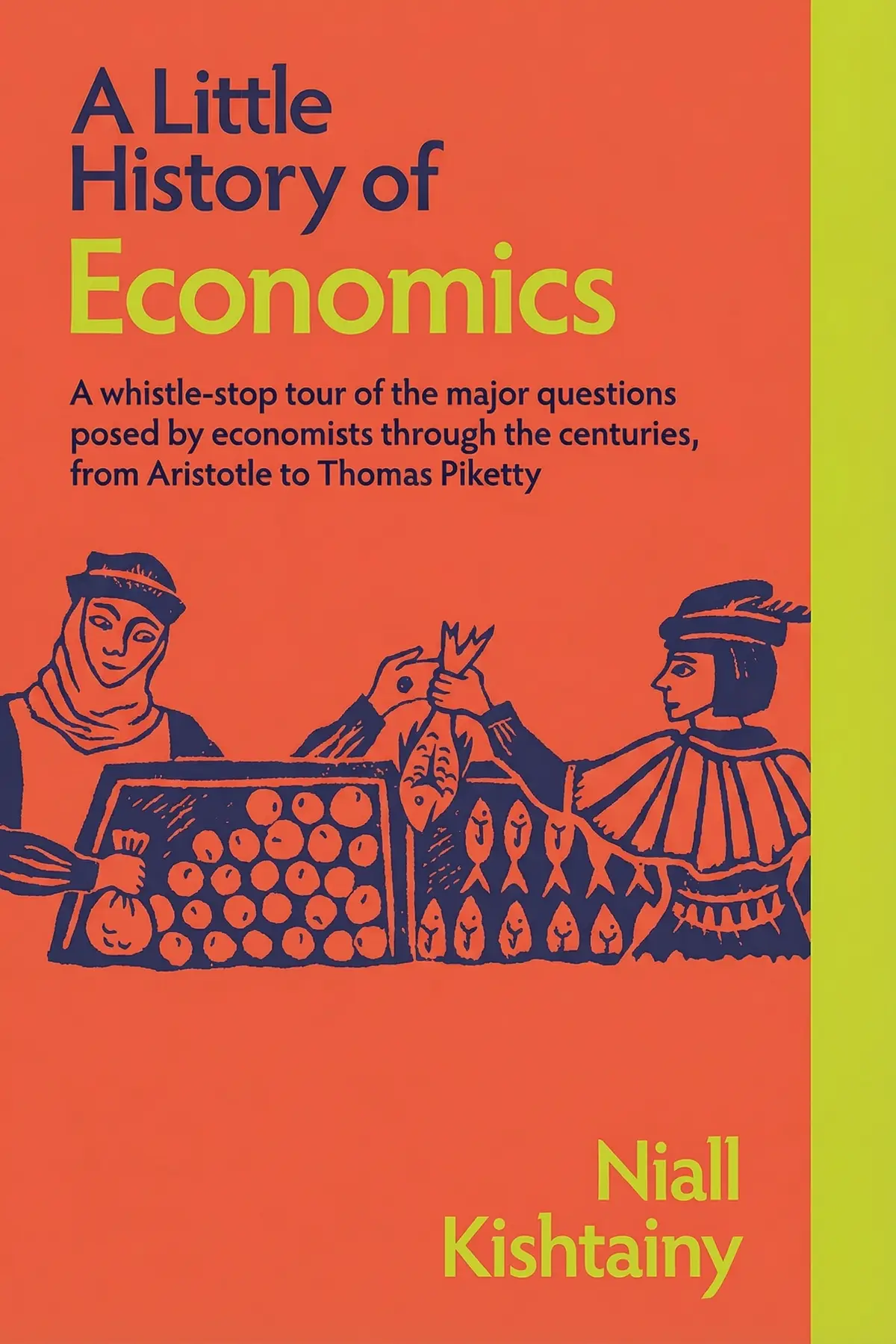
Niall Kishtainy
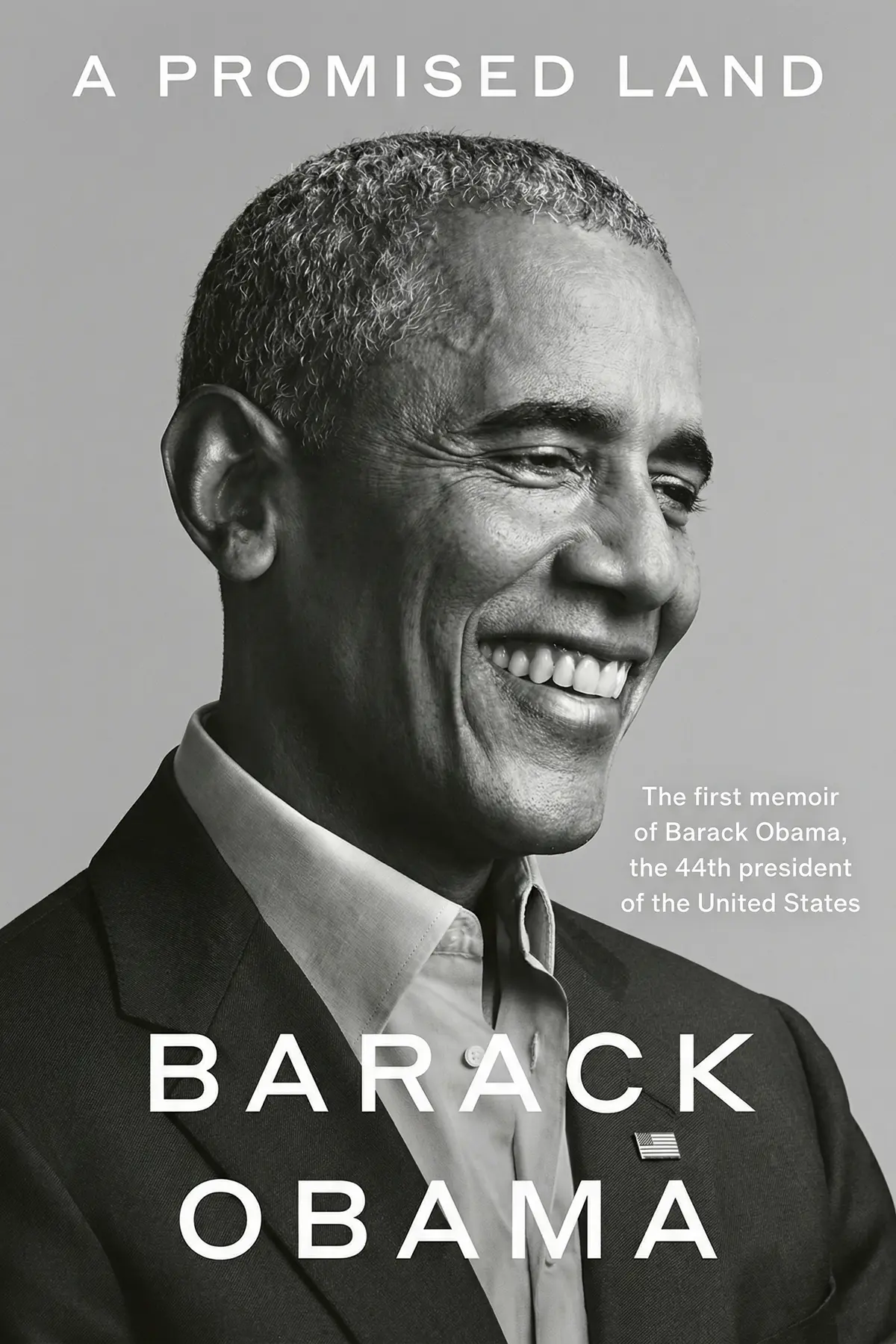
Barack Obama
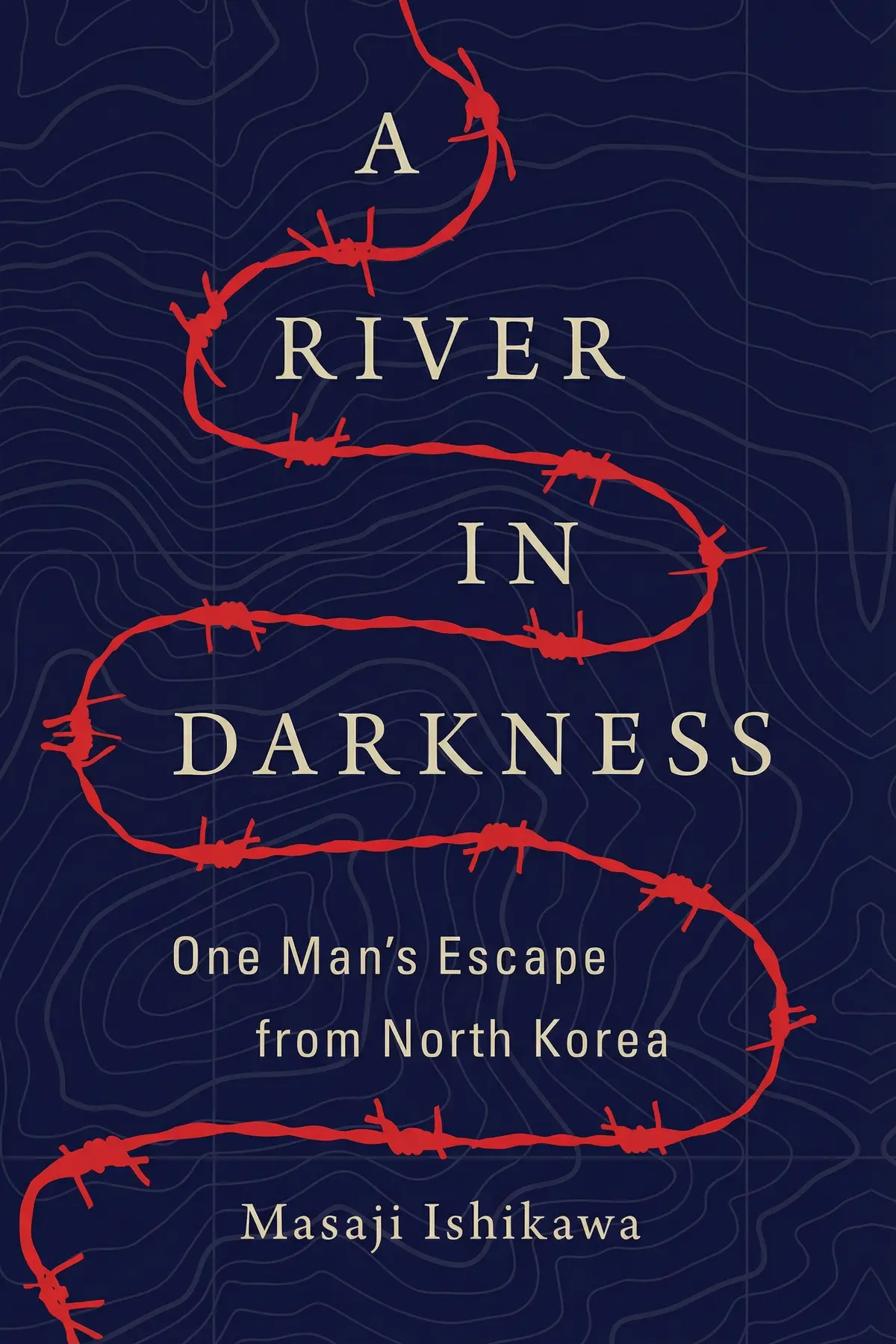
Masaji Ishikawa
AUDIO SUMMARY AVAILABLE
Get the key ideas from Capitalism and Freedom by Milton Friedman, plus 5,000+ more titles in English and Thai.







