
18 min 13 sec
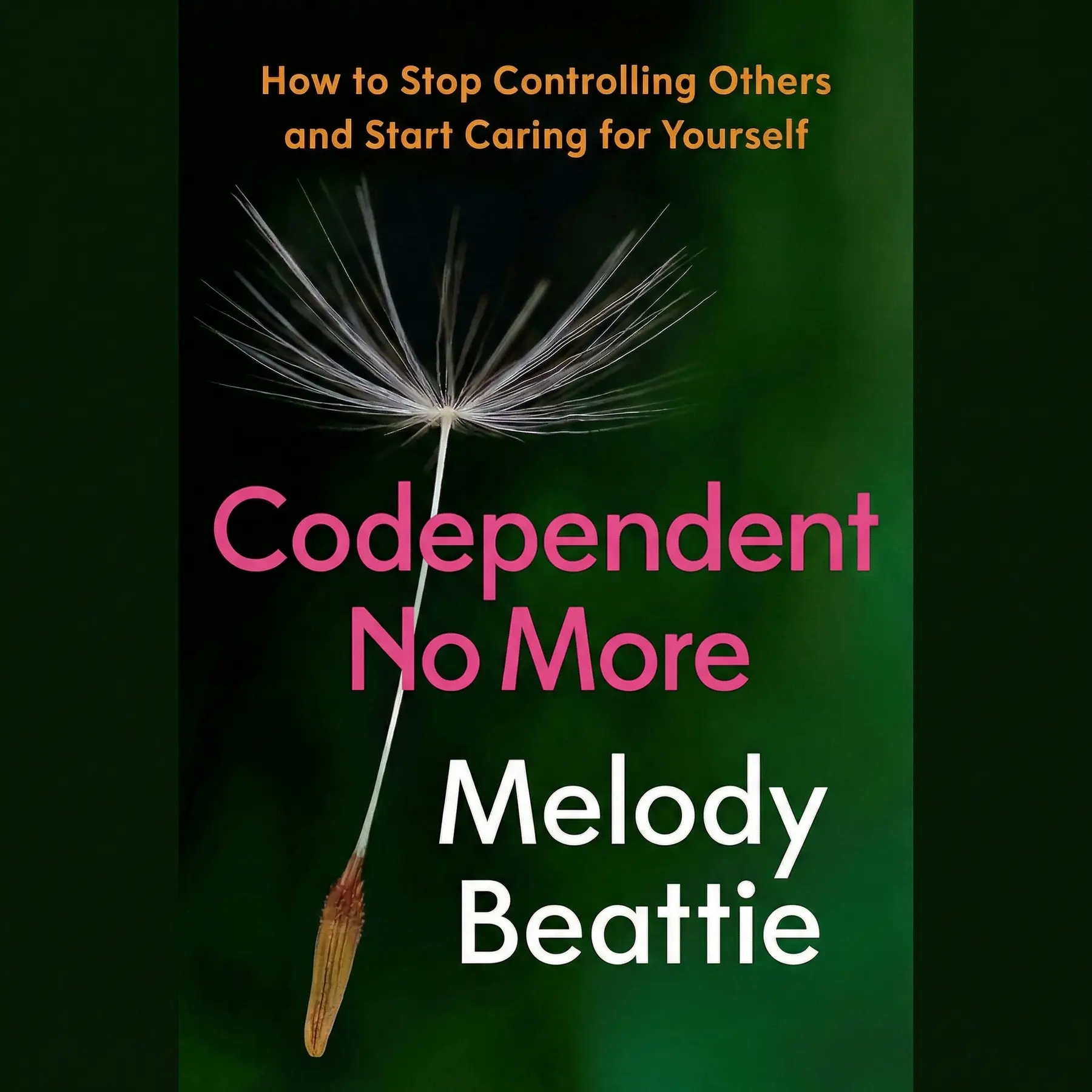
Codependent No More: How to Stop Controlling Others and Start Caring for Yourself
Explore the path to emotional independence. This summary reveals how to stop obsessing over others’ problems and start focusing on your own growth and well-being through self-care and detachment.
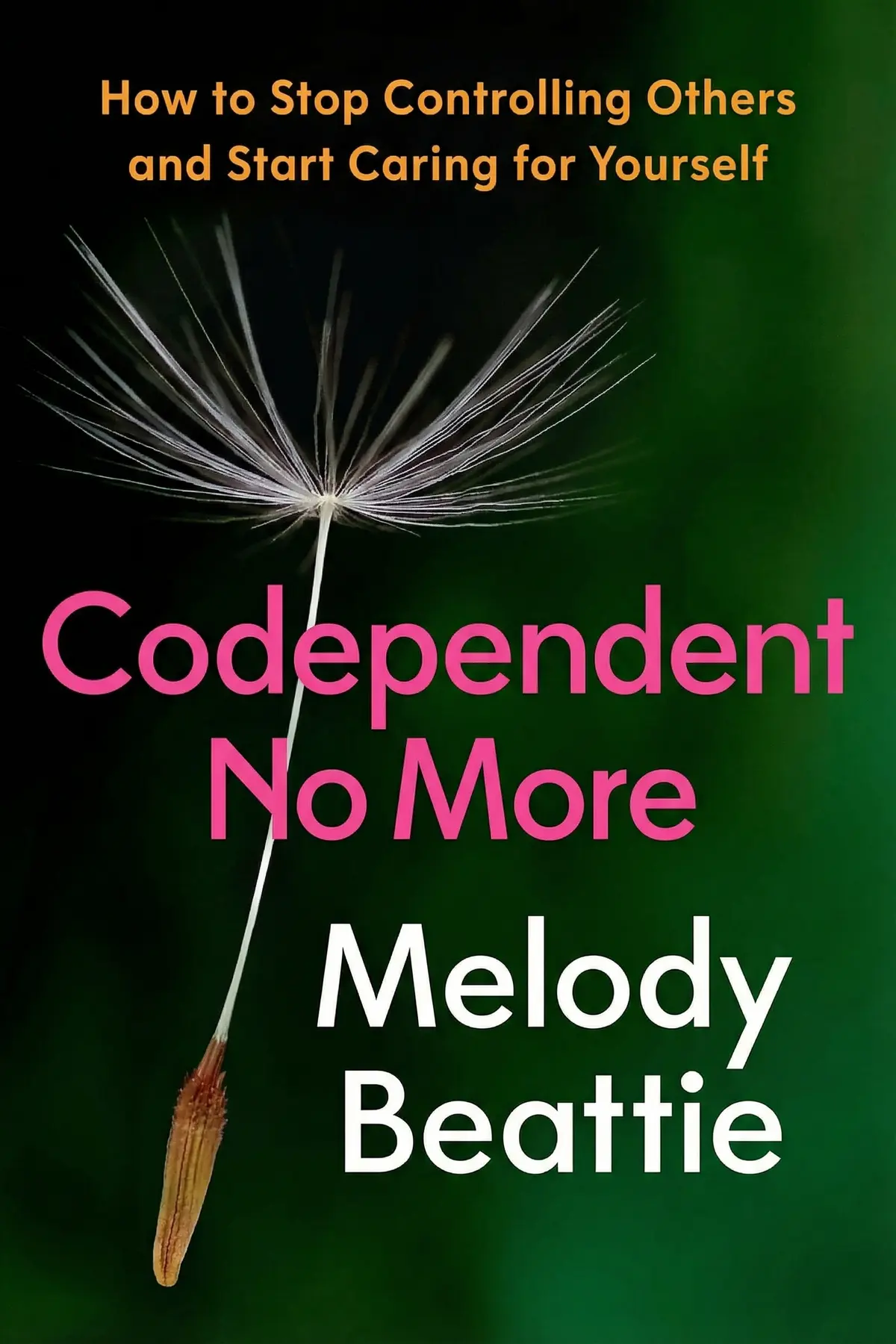
Table of Content
1. Introduction
1 min 31 sec
Imagine living your life as if you were a passenger in a car driven by someone who is constantly swerving off the road. You spend every second gripping the dashboard, screaming instructions, and trying to grab the steering wheel from the passenger seat. You are exhausted, terrified, and completely focused on the driver’s erratic behavior. But here is the startling realization: you aren’t actually in their car. You are in your own car, driving right next to them, but you’ve been so busy staring through their window that you haven’t noticed your own vehicle is running out of gas and drifting toward the shoulder.
This is the essence of the struggle we are exploring today. Many of us find ourselves locked in a cycle where our happiness, our peace of mind, and our daily schedule are entirely dictated by the actions of another person. We become reactionaries, responding to every crisis and mood swing of those around us while ignoring our own needs. We think we are being helpful, loving, and supportive, but in reality, we are losing ourselves in a condition known as codependency.
In this journey, we’re going to look at the throughline of recovery: the shift from external control to internal responsibility. We will explore why we developed these habits as survival mechanisms and why they no longer serve us. More importantly, we will uncover the tools needed to detach from the chaos, embrace our true feelings, and finally take responsibility for the one life we actually have the power to change—our own. By the end of this session, you’ll see that the path to helping others actually begins with the radical act of caring for yourself.
2. The Roots and Progression of Codependency
2 min 16 sec
Discover why the habit of obsessing over others is actually a learned survival tactic and how it evolves into a progressive condition that demands a conscious choice to heal.
3. The Liberating Power of Detachment
2 min 19 sec
Learn the vital difference between cold withdrawal and healthy detachment, and how letting others face their own consequences is actually an act of respect and love.
4. Moving from Reaction to Purposeful Action
2 min 16 sec
Explore why the impulse to ‘rescue’ others is often an illusion of control and how stepping back allows you to act in your own best interest.
5. Nurturing Self-Worth and the Inner Child
2 min 07 sec
Uncover the hidden fears that drive codependency and learn how focusing on your own needs can heal the abandoned child within.
6. Facing the Reality of Your Own Feelings
2 min 03 sec
Break through the habit of emotional suppression and learn why identifying your own joy and pain is essential for a truthful, vibrant life.
7. The Strength Found in Shared Experience
2 min 08 sec
See how 12-step programs and support communities offer a roadmap for rebuilding a shattered life through honesty and connection.
8. Taking Life One Day at a Time
2 min 03 sec
Understand why recovery is a slow, steady process of building new habits rather than an overnight transformation.
9. Conclusion
1 min 30 sec
As we wrap up this exploration of moving beyond codependency, the single most important lesson to carry forward is that your primary responsibility is to yourself. You are the only person you have the power to truly change, and you are the only one whose life you are actually meant to manage. You didn’t cause the struggles of the people in your life, you cannot control them, and you certainly cannot cure them. Trying to do so only leads to a cycle of exhaustion and resentment.
Healing is a process of reclaiming your own identity from the shadows of other people’s problems. It’s about learning to detach with compassion, facing your true emotions without fear, and nurturing the part of you that has been neglected for too long. This doesn’t mean you become a solitary island; it means you become a whole person who can participate in healthy, balanced relationships based on love rather than need.
As an actionable final step, I encourage you to seek out a community of support. Whether it’s Al-Anon, Codependents Anonymous, or another support group, finding people who speak this language of recovery is vital. A simple search for meetings in your area can be the beginning of a whole new chapter. Remember, take it one day at a time. Be gentle with yourself as you learn these new skills, and trust that the serenity you are looking for is already within your reach, waiting for you to simply stop, breathe, and turn your focus inward.
About this book
What is this book about?
Do you find yourself constantly drained by the needs of others? Many people spend their lives reacting to the crises of loved ones, hoping that if they just try hard enough, they can fix everything. This guide dives into the classic principles of recovery, explaining why this drive to control is actually a response to deep-seated stress. It promises a way out of the chaos by shifting the focus back to the only person you can truly change: yourself. You will learn how to set healthy boundaries, why your worth isn't tied to someone else's behavior, and how to stop being a martyr for people who aren't ready to help themselves. By the end, you'll understand how to navigate relationships with more peace and less resentment, turning your attention toward personal fulfillment and long-term serenity.
Book Information
About the Author
Melody Beattie
Melody Beattie is a pioneer of self-help literature, a former recovery counselor, and a recovering alcoholic and codependent. Her other works include Beyond Codependency and The Language of Letting Go.
Ratings & Reviews
Ratings at a glance
What people think
Listeners find this book both useful and functional, offering perceptive material that promotes introspection through its included questions. The work is transformative, especially for individuals navigating difficult circumstances, and is viewed as a must-read for anyone tackling codependency. Listeners value the accessible and clear presentation, with one listener mentioning that revisiting the text provides even more profound insights. They appreciate the healing method used to confront issues alongside its polished and personal writing style.
Top reviews
Ella
Wow. I didn’t realize how much I needed this until I hit the chapter on detachment. It felt like Beattie was reading my private thoughts, especially the parts about losing your own identity in someone else’s crisis. The writing is incredibly intimate and doesn’t feel like a cold lecture from a doctor. Instead, it’s a supportive guide through the messy reality of loving someone who is struggling. Truth is, I used to think putting myself first was selfish, but this book taught me that it’s actually a requirement for survival. The self-reflection questions were tough to answer but so necessary for my growth. I feel like I finally have permission to be my own person again. It’s a life-changing resource for anyone feeling drained by their relationships.
Show moreWatchara
Finally picked this up after my sister wouldn't stop raving about it, and now I'm the one pushing it on people. This book is absolutely essential reading for anyone who feels like they’ve lost themselves in their partner’s drama or their family’s expectations. Beattie’s writing is gentle yet firm, and she has this incredible way of making you feel understood without making you feel like a victim. Look, the religious stuff is there, but you can easily translate it into your own secular philosophy if that’s your vibe. The most important thing is the message of self-responsibility. I’ve started setting boundaries I never thought possible, and my anxiety has dropped significantly. It truly is a transformative piece of literature.
Show moreWorawit
To be fair, I went into this skeptical of the whole self-help genre, but Beattie’s voice is so grounding and empathetic that I couldn't help but feel seen. She tackles the heavy stuff—like the compulsive need to control others—with a grace that makes it easier to admit your own flaws. I found the questions at the end of each chapter to be the most helpful part of the experience. They act as a mirror, showing you exactly where you are neglecting your own needs. It’s written in an intimate, accessible way that doesn’t require a degree in psychology to understand. Even though it's an older book, the advice on healthy detachment remains incredibly relevant today.
Show moreSuwit
After hearing the term 'codependency' thrown around for years, I decided to go to the source, and it's clear why this is the gold standard. This book is a masterpiece of self-discovery. It doesn't just point out what’s wrong; it gives you the tools to actually heal. The way Beattie describes the 'compulsion to help' hit me right in the gut. I’ve realized that I can’t change anyone else, but I have total control over my own happiness. The intimate, conversational style made it feel like I was in a private session with a world-class counselor. It is an essential, life-changing read for anyone who wants to stop living for others and start living for themselves.
Show moreMoo
As someone who has spent years putting everyone else's needs before my own, this was a difficult but necessary pill to swallow. I’ve always been the 'fixer' in my family, and seeing those behaviors laid out so clearly was a massive wake-up call. The book is very easy to read, with a therapeutic tone that feels like talking to a wise friend. I particularly appreciated the practical exercises at the end of the chapters because they forced me to actually apply the concepts rather than just skimming. Not gonna lie, some of the alcoholic-specific examples didn’t apply to my situation, but the underlying psychological principles certainly did. It’s a very solid guide for reclaiming your own life.
Show moreFatima
The section on the Karpman Drama Triangle was a total game-changer for me. Seeing the cycle of Rescuer, Persecutor, and Victim written out helped me identify why my past relationships always felt like they were on a loop. This book provides a very clear roadmap for breaking those patterns. While I found the writing style a bit repetitive in the middle, the overall impact was profound. I did find the focus on alcoholics a bit narrow, as codependency can stem from so many different types of toxic dynamics. However, the core message about detaching with love is universal. It’s an insightful read that encourages a lot of deep self-reflection. I’d recommend it to anyone feeling stuck.
Show moreMo
Not what I expected from a book written decades ago, as many of the insights into boundary-setting still feel incredibly fresh and urgent. I struggled a bit with the heavy Al-Anon slant, as that wasn't exactly what I was looking for, but I can't deny how helpful the general advice was. The book is well-written and flows naturally from one concept to the next. Personally, I found the chapter on 'removing the victim' to be the most challenging and rewarding. It’s a book you can read once and then keep on your nightstand to revisit when you feel yourself slipping back into old habits. It definitely earns its status as a classic in the field.
Show moreChamp
Picked this up during a really rough patch in my relationship and found the structured questions at the end of each chapter remarkably grounding. The truth is, I didn't even know what the word 'codependent' meant until I started reading, but I saw myself on almost every page. Beattie writes with such kindness that you don't feel judged for your mistakes. Instead, you feel empowered to fix them. My only real gripe is that it feels a bit dated in its terminology and its heavy reliance on spirituality. But if you can look past the 80s vibes, there is a wealth of practical knowledge here for anyone struggling with their self-worth. It helped me find my voice again.
Show moreBee
Is this a classic, or just a product of its time? I picked this up hoping for a modern look at relationship boundaries, but found it very deeply rooted in the 1980s recovery movement. While there are some gems of wisdom regarding self-care, the constant references to 'God' and the 'Higher Power' were a bit much for me. To be fair, she mentions that you can interpret this however you want, but the tone remains undeniably religious. I also didn't love how she seemed to downplay the role of professional therapy in some sections. It’s an okay starting point if you want to understand the origins of the term 'codependent,' but I think there are better, more inclusive books out there now.
Show moreYulia
The lack of scientific rigor here is glaring, especially when the author starts listing traits that directly contradict one another. For instance, being told that codependents are both 'extremely responsible' and 'extremely irresponsible' in the same breath made me question the credibility of the entire framework. Frankly, it feels like Beattie is casting such a wide net that literally every human behavior could be labeled a symptom of this supposed 'disease.' I also found the heavy-handed emphasis on the 12-step program and religious themes quite alienating. If you aren't comfortable with 'Higher Powers' or a heavy Al-Anon influence, you might struggle to finish this. It feels dated and far too focused on partners of alcoholics to be universally applicable today.
Show moreReaders also enjoyed
ADHD an A-Z: Figuring It Out Step by Step
Leanne Maskell
Alcoholics Anonymous
Alcoholics Anonymous World Services
AUDIO SUMMARY AVAILABLE
Listen to Codependent No More in 15 minutes
Get the key ideas from Codependent No More by Melody Beattie, plus 5,000+ more titles in English and Thai.
- 5,000+ titles
- Listen as much as you want
- 7-day free trial
- Cancel anytime







