
19 min 17 sec
Common Sense Pregnancy: Navigating a Healthy Pregnancy & Birth for Mother and Baby
This guide offers practical, no-nonsense advice for navigating pregnancy and childbirth, helping mothers-to-be make informed decisions with confidence and clarity throughout their entire journey and beyond.
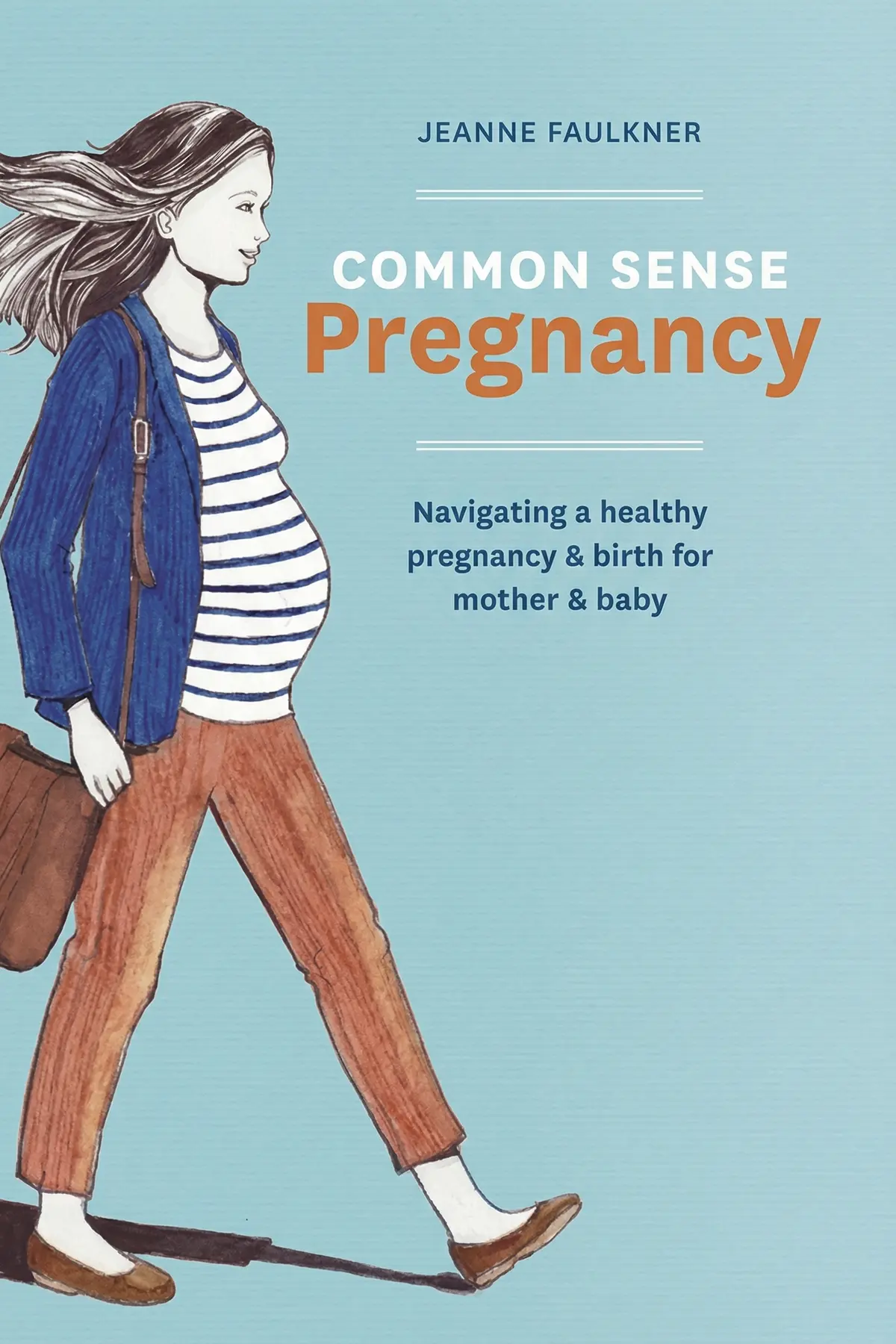
Table of Content
1. Introduction
1 min 15 sec
The moment you realize you are pregnant, the world seems to change overnight. Suddenly, your body isn’t just your own anymore; it’s a developing environment for a new life. Along with that excitement comes a tidal wave of questions and, often, a fair amount of anxiety. You might find yourself wondering about everything from your diet to which medical professional you should trust. The modern world of pregnancy can feel like a minefield of ‘dos’ and ‘don’ts’ that leave many parents feeling overwhelmed rather than overjoyed.
This is where a common-sense approach becomes invaluable. The journey through pregnancy, birth, and the postpartum period is one of the most significant transitions a person can undergo, and it requires more than just clinical checklists. It requires a sense of empowerment and the tools to make informed decisions that feel right for you and your baby. This summary will guide you through the essentials of navigating this path with confidence. We will explore the timing of medical care, the differences between various birth professionals, and the reality of what happens both during labor and in the quiet, challenging weeks that follow. By the end, you’ll have a clearer understanding of how to manage the hurdles and embrace the wonders of becoming a parent, armed with practical wisdom and a balanced perspective.
2. The Virtue of Patience in Early Pregnancy
2 min 11 sec
Discover why that initial rush to the doctor might not be necessary and how to handle the first few weeks of pregnancy with patience and wisdom.
3. Designing Your Support Team
2 min 13 sec
Explore the differences between obstetricians, midwives, and doulas to build a support team that truly aligns with your personal health needs and birth goals.
4. Nutritional Wisdom for a Modern World
2 min 00 sec
Learn how modern diets have complicated the pregnancy experience and what you can do to return to a simpler, healthier way of eating for two.
5. The Critical Role of Amniotic Fluid
1 min 52 sec
Understand the critical role of amniotic fluid and why regular checkups are vital for monitoring the delicate balance of your baby’s environment.
6. The Risks and Realities of Labor Induction
2 min 02 sec
Examine the rise of labor induction and why waiting for nature to take its course is often the safest path for both mother and child.
7. Distinguishing Real Labor from the Prelude
2 min 01 sec
Find out how to distinguish between the deceptive signals of pre-labor and the unmistakable intensity of the real thing to save yourself unnecessary stress.
8. Tools for Managing the Intensity of Birth
2 min 02 sec
Master the art of rhythmic breathing and the soothing power of water to manage the intense physical demands of the labor process effectively.
9. The Reality of the Postpartum Period
2 min 15 sec
Prepare for the often-overlooked challenges of the postpartum period, from physical recovery to the realities of sleep deprivation and nursing care.
10. Conclusion
1 min 26 sec
Navigating a pregnancy is a journey of both biological wonder and practical challenges. As we have explored, the key to a successful experience isn’t about following a rigid set of rules, but about applying a common-sense approach to the many decisions you will face. From the patience required in the early weeks to the careful selection of a supportive birth team, your role is to be an informed advocate for your own well-being. By understanding the signs of real labor, the risks of unnecessary medical interventions like induction, and the importance of monitoring vital indicators like amniotic fluid, you move from a place of uncertainty to one of empowerment.
As you move forward, remember that your health and your baby’s health are a partnership. Listen to your body, trust the expertise of the professionals you’ve chosen, but never be afraid to ask ‘why.’ The postpartum period will bring its own set of tests, but with the right recovery tools and a realistic mindset, you can handle the transition into parenthood. Pregnancy is rarely perfect, and it is almost always demanding, but by staying grounded in practical wisdom, you can ensure that the arrival of your child is a moment defined by confidence and love rather than confusion. Take these insights with you, stay curious, and trust in your ability to handle the incredible transformation that lies ahead.
About this book
What is this book about?
Common Sense Pregnancy serves as a vital companion for anyone navigating the complexities of modern maternity. Written by an experienced labor nurse, the book seeks to strip away the noise of conflicting advice and medical over-intervention, offering instead a grounded, evidence-based approach to having a healthy baby. It covers everything from the very first positive test result to the challenging weeks following delivery. The promise of this guide is empowerment. It provides readers with the knowledge needed to advocate for themselves in a hospital setting, the wisdom to choose the right healthcare team, and the practical tools to manage the physical toll of pregnancy. By blending clinical expertise with relatable stories, it helps expectant parents move from a state of anxiety to a state of prepared confidence, ensuring they are active participants in their own birth experiences rather than just passive patients.
Book Information
About the Author
Jeanne Faulkner
Jeanne Faulkner is an expert in women’s health with years of experience as a labor nurse. She is also the mother of four children, bringing both professional and personal perspectives to her work. Her writing and health advice can be found at FitPregnancy.com.
Ratings & Reviews
Ratings at a glance

What people think
Listeners find this pregnancy resource both knowledgeable and simple to grasp, and one listener highlights how it offers useful advice. They value how easy it is to read, with one listener noting it is particularly good for first-time readers. The book earns praise for its perspective on the journey, with one listener characterizing it as a refreshing take on the subject.
Top reviews
Prapaiwan
Picked this up after seeing it recommended on a forum, and it was exactly the refreshing take I needed. Faulkner writes with the authority of an experienced nurse but maintains a gentle, non-judgmental tone that is so rare in the pregnancy space. I particularly loved the detailed breakdown of the postpartum period—what she calls the 'new little blob' phase. While most books stop at the delivery, this one guides you through the logistics of pumping and your own physical recovery. The way she explains the stages of labor made me feel prepared rather than terrified. It’s incredibly easy to digest, which is perfect when you have pregnancy brain and can't focus on dense medical journals. To be fair, it is very American-focused, but the core advice on handling the 'Mommy Wars' is universal. This is officially my go-to gift for first-time moms.
Show morePrim
Finally got around to reading this in my second trimester, and I wish I’d started it sooner! For a first-time reader, the world of pregnancy advice is a total minefield of judgment and fear-mongering. Faulkner is like that cool aunt who also happens to be a veteran labor nurse. She breaks down the stages of labor with such clarity that I finally feel like I understand what my body is going to do. The writing style is breezy and readable, making it easy to finish in just a few sittings. I loved that she doesn’t have a hidden agenda; whether you want a natural birth or a scheduled C-section, she provides the facts you need to make an informed decision. The 'common sense' branding is spot on because it helps you filter out the screaming alarmism found on the internet. It’s just straightforward, compassionate guidance that prioritizes the mother’s well-being as much as the baby’s.
Show moreChanon
Ever wonder why everyone talks about C-section rates in such a panic? Faulkner dives into these topics with a level head, providing a refreshing take that moves past the judgment often found in birth-plan-heavy circles. As an L&D nurse, her perspective is invaluable for anyone planning a hospital birth. She explains the 'why' behind interventions without being an alarmist. I found the chapter on grief and loss particularly moving and necessary, as many books tend to gloss over the harder parts of the journey. The language is accessible and the structure makes it easy to jump around to the topics you're currently worried about. Personally, I think this should be required reading alongside the more data-heavy books. It gives you the 'heart' of the experience while still being well-informed about the medical realities of childbirth in America. It’s compassionate, thorough, and truly helpful.
Show moreMats
Wow. This is easily the best pregnancy book I’ve read during my journey. Faulkner covers everything from the first positive test to the nuances of breastfeeding with such grace and wisdom. What sets this apart is the non-judgmental tone; she really empowers you to make your own decisions rather than pushing a specific agenda. The section on child loss and grief was unexpected but so important, showing her deep compassion for all outcomes. The book is incredibly easy to navigate and the advice is practical, not just theoretical. I felt like I was getting a private consultation with a veteran labor nurse. It cuts through the BS and provides a straight-forward roadmap for what to expect. If you’re looking for a guide that is well-informed but also feels like a warm hug, this is the one. I’ll be recommending this to everyone in my local mom group.
Show moreElena
As someone who prefers cold hard facts, I initially gravitated toward Emily Oster, but Faulkner’s book offers a different kind of value. It’s less about statistical significance and more about the practical, boots-on-the-ground experience of a nurse who has seen it all. I appreciated how she navigated the controversial topics like C-sections and epidurals without making me feel guilty for my choices. The section on Group B Strep was enlightening, even if she occasionally veers into suggesting alternative therapies that lack heavy scientific backing. Look, you might find some parts slightly medicalized, but the overall message is one of empowerment and common sense. It helps cut through the noise of those terrifying online forums. My only gripe is that it feels a bit dated in its specific workplace advice, though the sentiment remains vital. It's a solid, compassionate guide for anyone navigating the wild ride of their first pregnancy.
Show moreJune
This book is a breath of fresh air compared to the 'fourth ring of hell' pregnancy forums I’ve been frequenting lately. Jeanne Faulkner has a way of explaining complex medical procedures, like the insertion of an epidural, in a way that feels manageable and normal. Frankly, the most valuable part for me was the section on navigating your rights at work and the logistics of pumping milk. It’s sad that we need a 'pep talk' to advocate for ourselves in a patriarchal system, but Faulkner provides exactly that. While I do think she relies a bit heavily on anecdotal evidence rather than raw data, her experience as a nurse shines through in every chapter. She manages to stay neutral in the middle of the 'Mommy Wars,' which is no small feat. It’s a very practical manual that treats you like an adult capable of making your own choices. A few sections felt a bit repetitive, but the overall quality is excellent.
Show moreSupaporn
The chapter on the postpartum period alone makes this book worth the purchase. It covers the 'fourth trimester' with such honesty, detailing everything from physical recovery to the realities of feeding a newborn. Faulkner calls it the 'new little blob' stage, which perfectly captures that exhausting, beautiful blur of the first few weeks. I appreciated the straightforward information regarding breastfeeding rights and the logistics of returning to work. The writing is very easy to understand, avoiding the dense jargon that makes other medical books a chore to read. While it is heavily skewed toward the American healthcare experience, the advice on navigating hospital interventions is universally applicable. I did find the 'snappy comebacks' for judgmental people a bit cheesy, but the sentiment behind them is appreciated. Overall, it’s a solid, reliable resource that helped lower my anxiety levels significantly as I approached my due date.
Show moreZoe
What I appreciated most was the balanced view Faulkner provides on birth plans and medical interventions. She explains the risks of things like the GBS infection clearly but doesn't lean into the 'screaming alarm' style of many online blogs. Instead, she offers a gentle, well-informed perspective that acknowledges there is no single 'right' way to give birth. The information on how an epidural works was particularly detailed and helped demystify the process for me. It’s a very readable book, though I would have liked to see more charts or raw data to back up some of the claims. In my experience, this book works best as a companion to a more clinical text. It provides the human element and the practical advice that doctors often forget to mention. It’s a refreshing take on the subject that manages to be supportive without being overly 'granola.' Definitely a helpful addition to my pregnancy bookshelf.
Show moreChon
Not what I expected based on the title, truth be told. While there is definitely some well-informed advice here, the tone felt a bit condescending at times, almost like a 'nurse knows best' lecture. I was looking for something that cut through the typical medical BS, but this felt very entrenched in the American hospital system. If you are delivering outside of the US, a lot of the logistical stuff about insurance and workplace rights won't apply to you at all. I did find the labor and delivery section helpful—the explanation of how an epidural is actually inserted was quite detailed. However, I struggled with the way she presents non-scientific options like garlic for GBS alongside actual medicine. It felt like she was trying too hard to please every ideological camp. It’s a decent enough overview, but I think there are more objective, science-heavy books out there that better suit my personality.
Show moreYui
After hearing so much about this book on a podcast, I had high hopes. It’s fine, but I still much prefer Emily Oster’s work for its reliance on statistical significance and economics research. Faulkner is clearly an expert in her field, but the tone of the book feels a bit like it’s catering to 'magical thinking' at times. For instance, mentioning garlic for GBS in the same breath as antibiotics just rankles me. It gives a false sense of security that isn't backed by medical literature. To be fair, her descriptions of the actual mechanics of labor are quite good and very detailed. But the 'common sense' approach sometimes feels like an excuse to avoid deep-diving into the actual science. If you want a comforting voice, this is great. If you want cold hard facts and decision theory, you might find yourself frustrated by the lack of data. It’s a middle-of-the-road guide that tries to please everyone but ends up feeling a bit thin in the research department.
Show moreReaders also enjoyed


Bad Therapy: Why the Kids Aren't Growing Up
Abigail Shrier

Battle Hymn of the Tiger Mother
Amy Chua
An American Sickness: How Health Became Big Business and How You Can Take
Elisabeth Rosenthal
AUDIO SUMMARY AVAILABLE
Listen to Common Sense Pregnancy in 15 minutes
Get the key ideas from Common Sense Pregnancy by Jeanne Faulkner, plus 5,000+ more titles in English and Thai.
- 5,000+ titles
- Listen as much as you want
- 7-day free trial
- Cancel anytime







