
19 min 23 sec
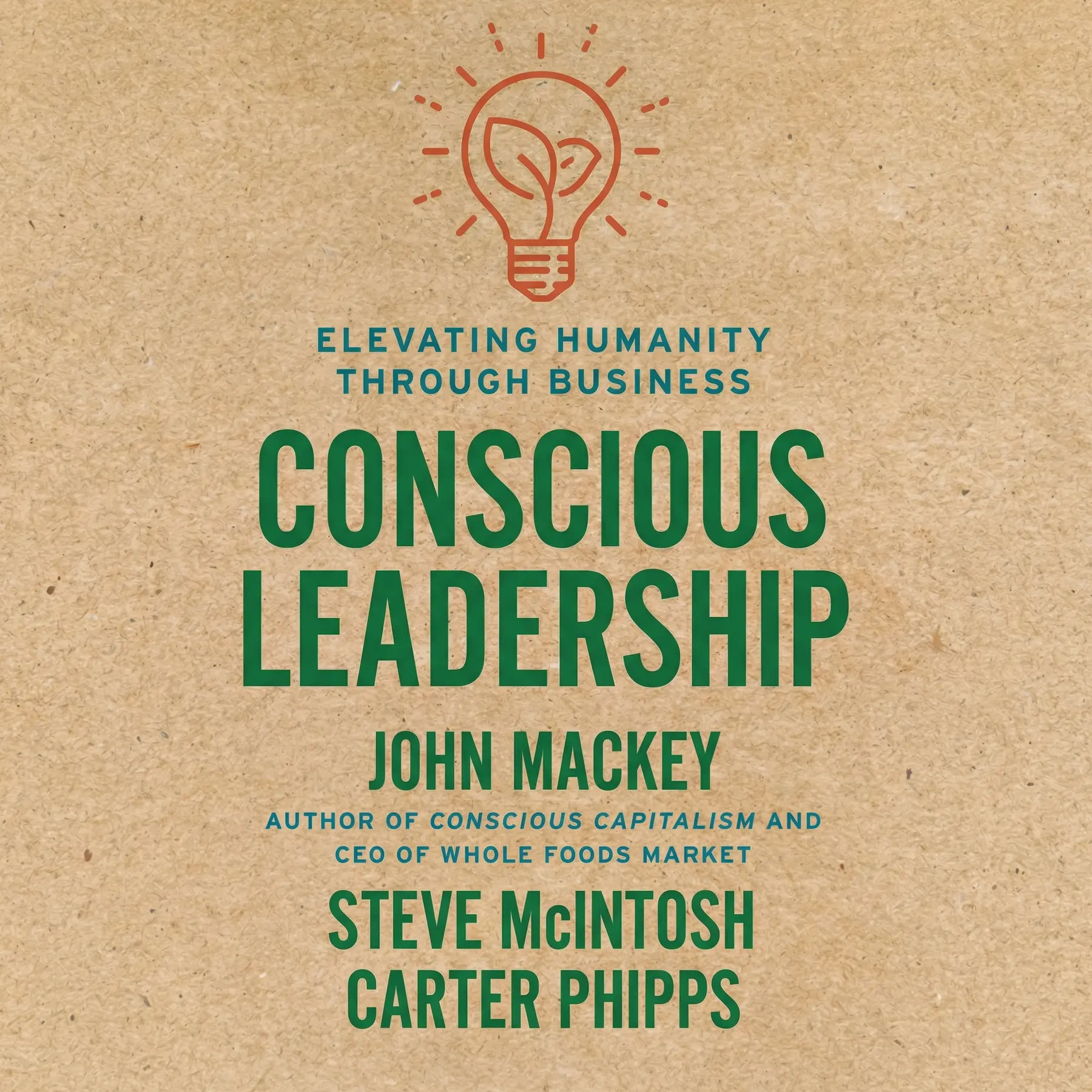
Conscious Leadership: Elevating Humanity Through Business
Explore how businesses can transcend simple profit-seeking to become forces for global good. This summary details how integrity, higher purpose, and conscious leadership transform organizations into sustainable, ethical, and highly successful enterprises.
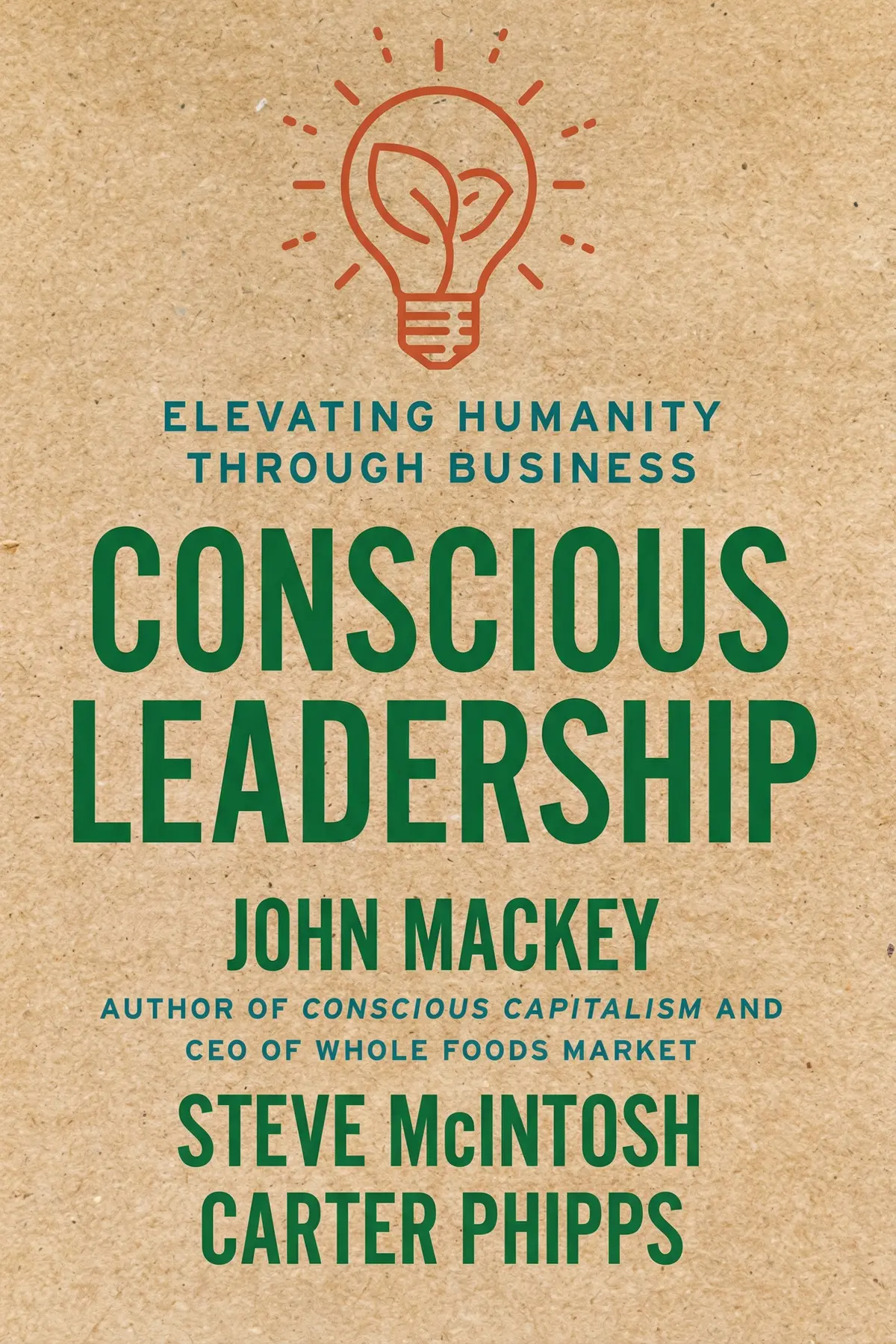
Table of Content
1. Introduction
1 min 53 sec
In the modern world, there’s a persistent myth that the machinery of commerce is fueled solely by greed. We’ve been conditioned to believe that for a business to thrive, it must be a cold, calculating entity focused entirely on the next quarterly report. But what if that perspective is not only cynical but actually counterproductive? What if the most successful companies of the future are those that recognize a much wider responsibility? This is the core invitation of the conscious leadership movement. It asks us to look beyond the immediate exchange of currency and see the potential for business to act as a profound vehicle for human elevation.
To lead in this way requires more than just a new set of management tools; it requires a fundamental shift in how a leader views their own role and the purpose of their organization. It’s about moving from a mindset of scarcity and competition to one of abundance and contribution. This journey toward conscious leadership isn’t just about being ‘nice’; it’s a rigorous, intentional path that demands high levels of integrity, social awareness, and a willingness to evolve personally. It suggests that when a leader takes responsibility for the well-being of their employees, their customers, and the environment, the financial results often follow in ways that were previously unimaginable.
Over the course of this exploration, we will dive into the essential qualities that define a conscious leader. We’ll see how personal transformation serves as the bedrock for organizational change, why the language we use to describe business needs a total overhaul, and how to navigate the complex web of relationships that define a modern company. From the boardrooms of global retailers to the small startups trying to solve environmental crises, the throughline is the same: leadership is a sacred trust. When we step up to that trust with consciousness and care, we don’t just build better businesses—we help build a better world for everyone. Let’s begin by looking at how this shift often starts with a moment of crisis and a return to the basics.
2. The Path of Personal Evolution
2 min 02 sec
Discover how a moment of professional crisis can lead to a profound realization of purpose and a total transformation of leadership style.
3. Merging Profit with Higher Purpose
2 min 06 sec
Uncover the philosophy that suggests financial success and social good are not opposing forces, but rather two sides of the same coin.
4. The Long Search for a Driving 'Why'
1 min 55 sec
Explore why finding your company’s true reason for existing is a lifelong practice that often requires looking toward your own heroes.
5. Integrity as the Foundation of Success
1 min 55 sec
Learn how the ‘triple bottom line’ and a commitment to radical honesty can redefine what it means to be a successful leader.
6. The Power of Authenticity and Truth
1 min 49 sec
Examine why truth-telling is a leadership superpower and how being your real self can build unbreakable trust within an organization.
7. Creating Win-Win-Win Solutions
2 min 02 sec
Move beyond the ‘dog-eat-dog’ mentality to a collaborative approach that creates value for every person and community involved.
8. The Strategic Advantage of Long-Term Thinking
1 min 58 sec
Understand why chasing short-term gains can lead to disaster and how a multi-decade perspective ensures lasting prosperity.
9. Nurturing a Conscious Corporate Culture
1 min 59 sec
Learn the art of hiring ‘up’ and why maintaining the ‘chemistry’ of your team is just as important as the bottom line.
10. Conclusion
1 min 44 sec
As we reach the end of this journey through the principles of conscious leadership, the central message is clear: the way we do business is a reflection of who we are as people. To lead a conscious organization, you must first be willing to embark on a never-ending journey of personal growth. You must be the one to bridge the gap between profit and purpose, ensuring that every dollar earned is a testament to the value you have added to the world. It requires a relentless commitment to integrity, a dedication to truth, and the creativity to seek out outcomes where everyone involved can truly win.
Remember that leadership is not about having all the answers or maintaining a facade of perfection. It’s about having the courage to stay true to your ‘why,’ even when the path is difficult. It’s about building a culture of trust and seeing the potential in your people that they might not even see in themselves. When you commit to these principles, you aren’t just managing a business; you are participating in the vital work of elevating humanity. You are showing that capitalism can be a force for healing, innovation, and profound social progress.
As a final piece of actionable advice, remember that you cannot pour from an empty cup. To be a conscious leader, you must also be conscious of your own needs. In the pursuit of a higher purpose, it is all too easy to fall into the trap of burnout. Take the time to step away from the noise. Disconnect from the digital world and spend time in the natural world. This isn’t a luxury; it’s a strategic necessity. By nourishing your own soul, you ensure that you have the clarity and energy to continue leading others toward a brighter future. Start today by looking at one area of your business where you can bring more integrity or more purpose, and take that first brave step forward.
About this book
What is this book about?
For generations, the standard narrative of business has been one of ruthless competition and narrow focus on the bottom line. Conscious Leadership challenges this antiquated view, proposing that the most effective way to lead is by aligning commercial success with a deeper commitment to humanity. Through the lens of seasoned entrepreneurs and thinkers, this work explains that profit and purpose are not rivals but partners that can fuel each other to create a better world. You will learn the specific internal shifts required to move from a traditional manager to a conscious visionary. By examining the roles of personal transformation, stakeholder integration, and long-term thinking, the book provides a roadmap for building a corporate culture rooted in trust and authenticity. The promise is clear: when leaders elevate their consciousness, they don't just improve their companies; they contribute to the evolution of capitalism itself, making it more inclusive, sustainable, and impactful for everyone involved.
Book Information
About the Author
John Mackey
John Mackey is the cofounder and former CEO of Whole Foods Market and a leading voice in the movement for ethical business as the cofounder of the nonprofit Conscious Capitalism. Steve McIntosh serves as the president and cofounder of the Institute for Cultural Evolution; he is a noted author whose works include Developmental Politics. Carter Phipps is an author and speaker who also cofounded the Institute for Cultural Evolution. His background includes serving as the executive editor of EnlightenNext magazine and writing the book Evolutionaries.
Ratings & Reviews
Ratings at a glance
What people think
Listeners find this book insightful, with one listener noting its applicability to organizations of any size. They appreciate the authentic portrayal of conscious leadership and the author's practical, real-world experience. The work is praised for being highly readable, while one listener suggests it should be considered required reading for CEOs.
Top reviews
Som
As a small business owner, I found Mackey’s insights remarkably grounding. Many leadership books focus strictly on scaling or maximizing profit, but this one treats the organization as a living ecosystem that requires a more nuanced touch. The emphasis on prioritizing stakeholder well-being—not just shareholders—is a vital lesson for anyone trying to build something that actually lasts. I appreciated the honest account of his time at Whole Foods, including the mistakes he made along the way. It’s rare to see a high-level executive speak so candidly about the need for personal growth and empathy in the boardroom. This should be required reading for anyone in a management position. It changed how I view my team and our collective purpose.
Show moreRatree
Finally got around to reading this, and it’s a masterclass in modern organizational health. The authors argue that a leader’s primary job is to cultivate a positive impact on both the individual and the broader corporate culture. I found the focus on self-awareness and personal growth to be refreshing, as those are often the first things sacrificed in high-pressure environments. The book provides a holistic approach that integrates ethical decision-making with a clear, sustainable purpose. It’s a compelling look at how empathy can be a competitive advantage rather than a weakness. I’ve already started implementing some of the collaboration techniques with my own department, and the feedback has been overwhelmingly positive. Truly an insightful and necessary addition to any leader's library.
Show moreSayan
Wow. This book offers a vision of the future where business is a force for good. I loved the way it connects personal well-being—like getting enough rest and meditating—directly to the quality of one's leadership. It makes so much sense that we cannot lead others effectively if we are not taking care of ourselves first. The emphasis on collaboration and ethical decision-making felt very authentic, likely because it’s backed by Mackey’s decades of experience building a global brand. It’s more than just a motivational book; it’s a call to action for leaders to step up and take responsibility for the world they are creating. It’s insightful, readable, and genuinely inspiring for anyone who believes that purpose and profit can go hand-in-hand.
Show moreTalia
After hearing Mackey on a podcast, I had high hopes, and the book actually delivered on its promise. It’s an honest, first-hand account of what it takes to lead a purpose-driven, sustainable business in a world that often demands the opposite. I found the real-world experiences from the Whole Foods journey to be incredibly insightful for anyone managing a large organization. It’s a very readable guide that doesn't just stick to theory but offers practical advice on cultivating self-awareness and prioritizing the well-being of every stakeholder. This is required reading for any CEO or aspiring manager who wants to build a corporate culture that is both responsible and successful. Not gonna lie, it's one of the better business books I've picked up this year.
Show moreYanin
The behind-the-scenes look at Whole Foods' toughest decisions was the highlight for me. While some parts of the narrative feel a bit scattered, the real-world case studies provide a practical framework for what 'conscious leadership' looks like in practice. I liked how the authors didn't just discard profit but showed how it can coexist with a higher mission. The concept of minimizing trade-offs through innovative thinking was particularly enlightening. Truth is, business is messy, and Mackey doesn't shy away from the complex reality of irreconcilable stakeholder needs. It’s a thoughtful guide for anyone who wants to lead with integrity without losing their edge in a competitive market. A very solid read for those who appreciate a blend of theory and memoir.
Show moreNoo
Leadership isn't just about the bottom line anymore, and this book proves it. Mackey explores how a broader definition of stakeholders can lead to more fulfilling organizational success. The writing style is accessible and generally engaging, even if it leans into clichés a bit too often for my liking. What I appreciated most was the emphasis on the 'conscious' part of the title—developing a deep sense of awareness regarding how every decision ripples through the community. It’s a value-centered approach that feels very relevant to our current cultural dialogue about corporate responsibility. It isn't a perfect manual, but it’s an honest one that challenges you to think about why you lead in the first place. I’d recommend it to anyone looking for a more principled way to do business.
Show moreNarut
Ever wonder if these corporate manifestos are just repeating the same three ideas? To be fair, this book is well-written and covers the essentials of modern stakeholder theory quite effectively. However, very little of the content feels truly original or groundbreaking if you’ve kept up with business literature over the last decade. It’s a solid synthesis of ideas like servant leadership and ethical decision-making, but it lacks a unique 'hook' that sets it apart from the pack. I did find the sections on staying humble and maintaining physical health through rest and meditation to be a nice touch. It serves as a decent introductory text for a new manager, but seasoned leaders might find themselves skimming through the more familiar platitudes.
Show moreTang
To be fair, the book feels a bit disorganized in the middle chapters. I was expecting a more structured case study approach, but it often meanders between personal philosophy and specific Whole Foods history. While some of the stories are decent and provide good context, the overall flow is a bit jarring at times. I also felt the sudden shift away from the spiritual or 'God' discourse mid-way through was a bit of a letdown for a book that claims to be so holistic. That being said, the Appendix on Cultural Intelligence is worth the price of admission alone. It contains the kind of practical, high-level analysis I was hoping to see throughout the rest of the book. It's a mixed bag, but there are definitely enough gems hidden inside.
Show morePrinya
Gotta say, the 'leading with love' sections felt more like a lifestyle blog than a business strategy. I picked this up hoping for a rigorous deep dive into organizational psychology, but instead, I got something that reads like a Cosmo article for the corporate set. The tone is frequently trite, pushing the 'all you need is love' mantra without providing enough structural evidence to support it. It’s incredibly disappointing because the premise of a more ethical business model is so important. While the Appendix on Cultural Intelligence actually had some meat to it, the rest of the book was just too fluffy for my taste. It felt like a collection of anecdotes designed to make the author look good rather than a tool for genuine leadership development.
Show moreAey
This was a total slog. I’ve rarely encountered an introductory chapter that felt so overwhelmingly ego-centric, which is truly bizarre given the title claims to be about conscious awareness. The author presents himself as some kind of enlightened savior of the corporate world, lecturing readers from a pedestal that feels unearned. It’s hard to take advice on humility and empathy when the tone is this condescending and self-congratulatory throughout the entire text. Most of the 'wisdom' is just a series of cliches that you could find on any generic motivational poster in a breakroom. If you enjoy being talked down to by a billionaire who thinks he’s discovered the secret to human kindness, then you might like it. Otherwise, save your money and your time for something more substantial.
Show moreFeatured in
Readers also enjoyed
A Year with Peter Drucker: 52 Weeks of Coaching for Leadership Effectiveness
Joseph A. Maciariello

Acting with Power: Why We Are More Powerful Than We Believe
Deborah Gruenfeld
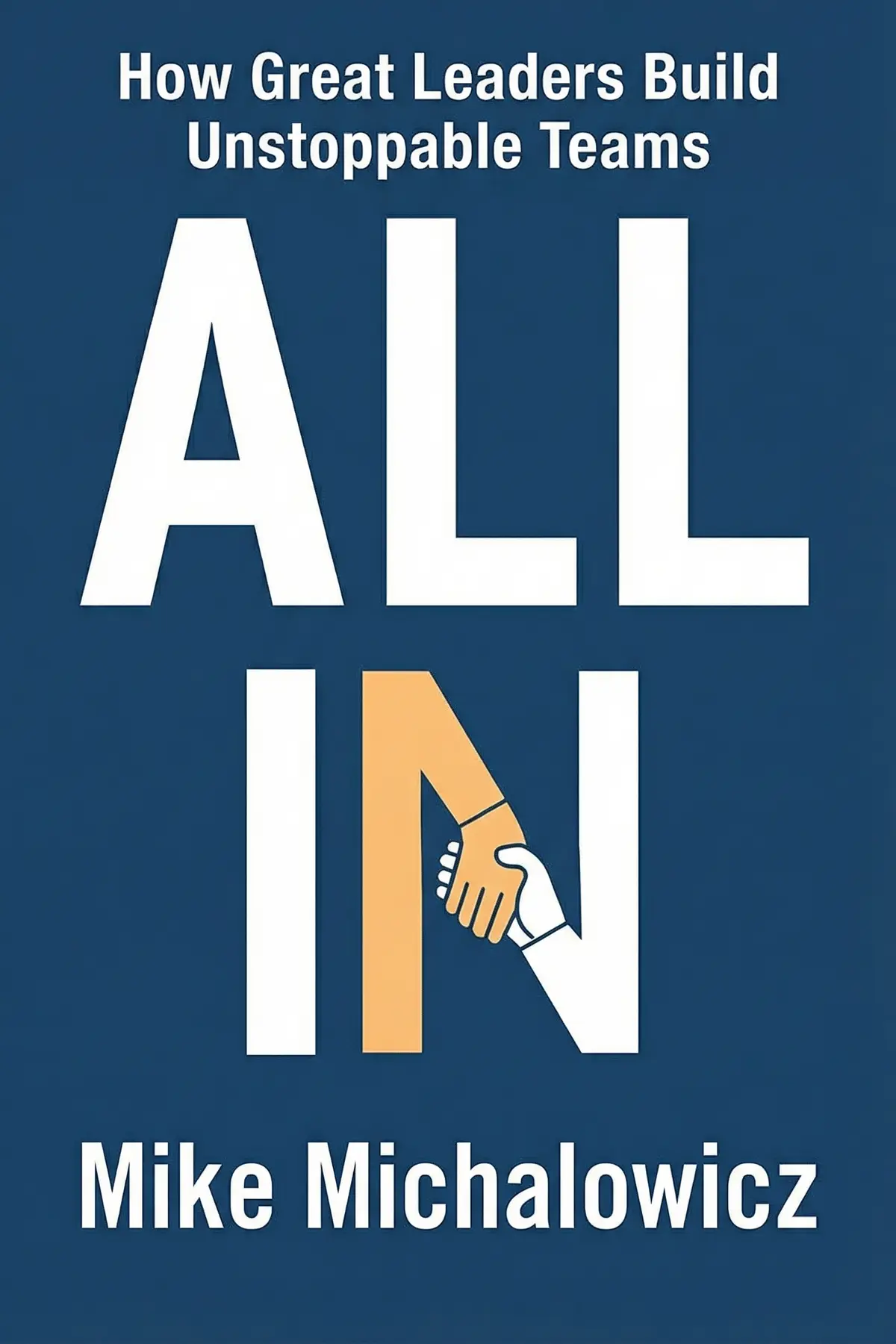
All In: How Great Leaders Build Unstoppable Teams
Mike Michalowicz
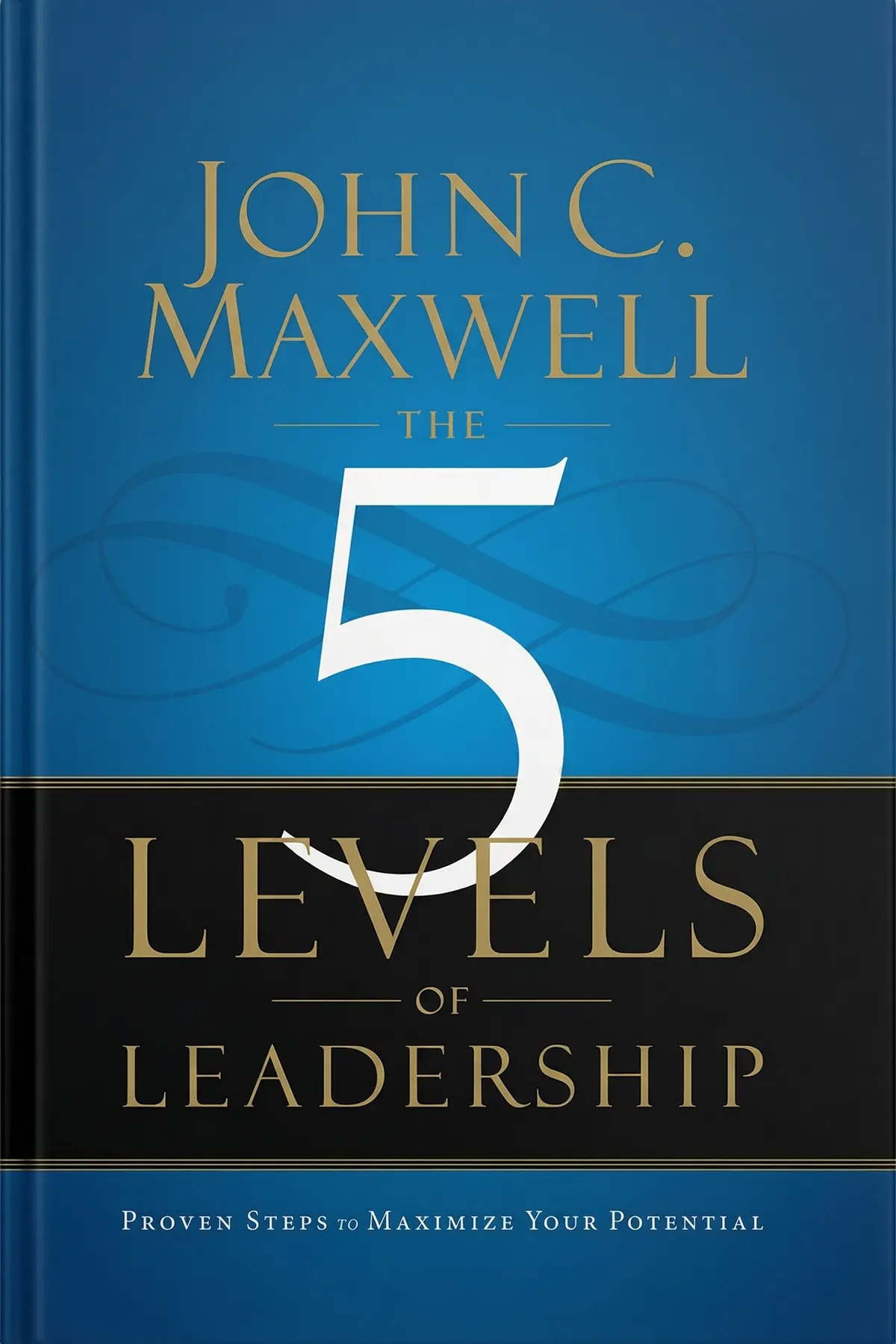
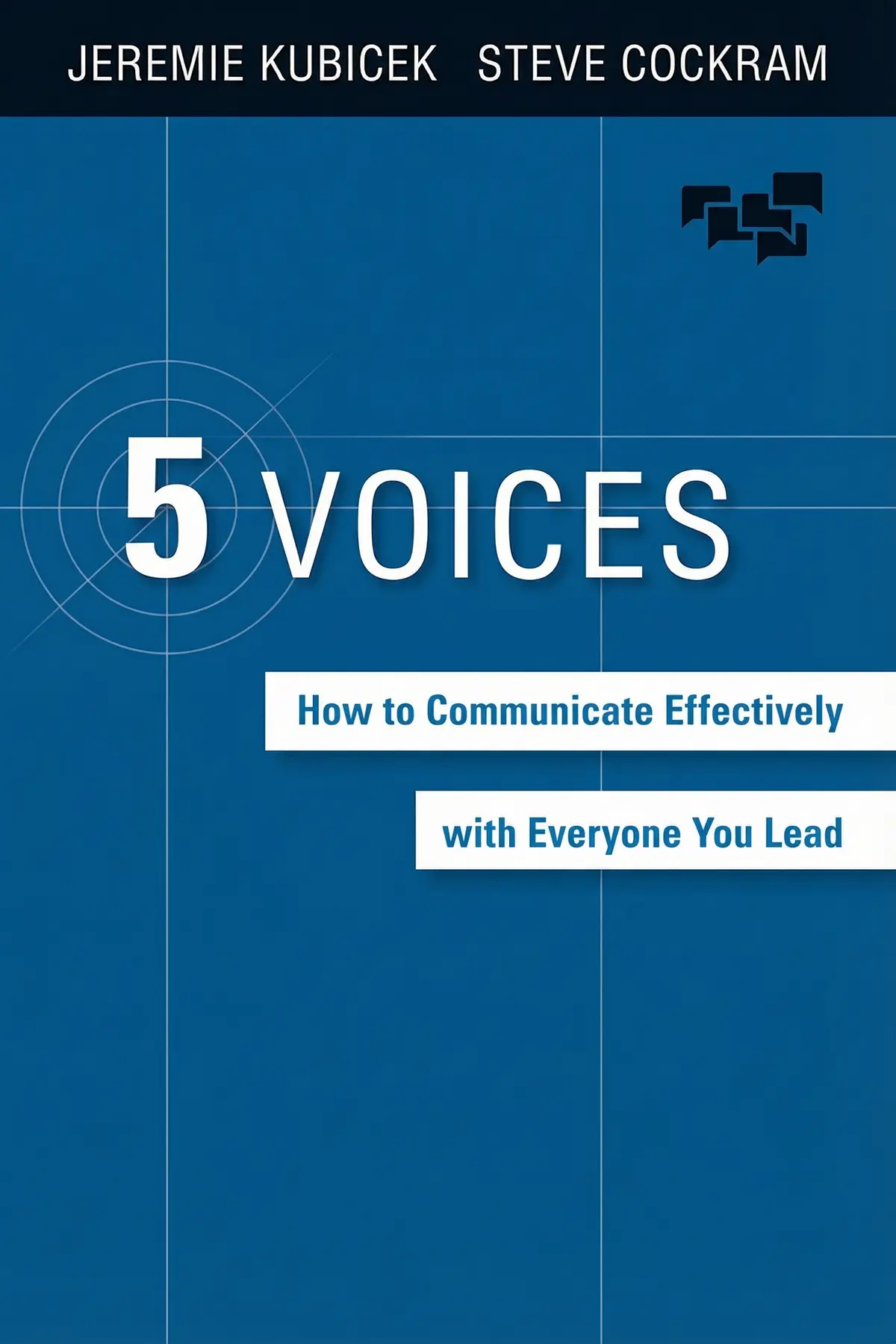
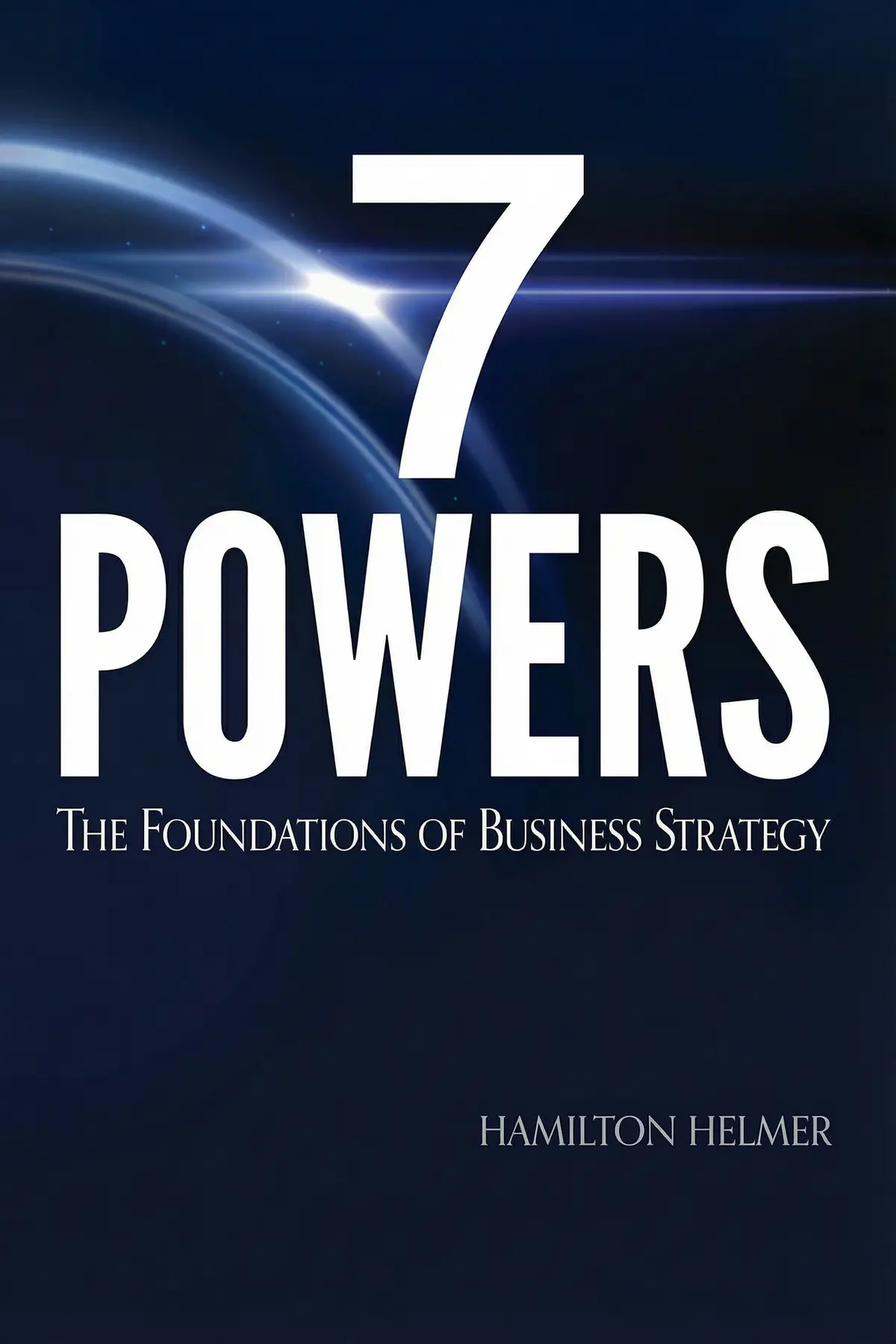
7 Powers: The Foundations of Business Strategy
Hamilton Helmer
A Bigger Prize: How We Can Do Better Than the Competition
Margaret Heffernan
AUDIO SUMMARY AVAILABLE
Listen to Conscious Leadership in 15 minutes
Get the key ideas from Conscious Leadership by John Mackey, plus 5,000+ more titles in English and Thai.
- 5,000+ titles
- Listen as much as you want
- 7-day free trial
- Cancel anytime







