Noise: A Flaw in Human Judgment
Daniel Kahneman
Cracked it! offers a comprehensive, structured approach to solving complex business problems. By utilizing the 4S method, readers learn to define, structure, solve, and persuasively communicate solutions like elite strategy consultants.
1 min 52 sec
In our professional lives, we are constantly bombarded with challenges that feel like Gordian knots—tangled, intimidating, and seemingly impossible to unravel. Most of us have been there: sitting in a meeting, staring at a set of declining numbers or a failing project, and feeling the pressure to provide an immediate answer. Our natural instinct is to rely on what worked before, to lean on our gut feelings, or to look for a quick fix that stops the bleeding. But as any seasoned leader will tell you, the quickest solution is rarely the most effective one, and intuition, while powerful, is a double-edged sword that can lead us straight into a trap.
This is where the principles found in Cracked it! come into play. This guide isn’t just about finding answers; it’s about mastering a process. It’s about learning to think like a top-tier strategy consultant—the kind who can walk into a chaotic situation, bring order to the madness, and emerge with a solution that isn’t just smart, but implementable. The authors argue that problem-solving is a skill that can be taught and refined through a disciplined framework known as the 4S method. This method—comprising the stages of State, Structure, Solve, and Sell—serves as a comprehensive roadmap for navigating the complexities of any big problem.
Throughout this summary, we will explore why our brains are often our own worst enemies when it comes to logic, and how we can override our cognitive biases. We’ll look at the vital importance of defining a problem before we ever try to fix it, and we’ll dive into the specific tools used by professionals to break down massive obstacles into manageable parts. Finally, we’ll see how the best ideas in the world are useless unless you can communicate them in a way that moves people to action. By the time we’re finished, you’ll have a new perspective on how to approach the toughest dilemmas in your career and life, ensuring that when you finally say you’ve ‘cracked it,’ the solution is built to last.
2 min 17 sec
Discover why our natural intuition often leads us astray and how specialized expertise can actually become a barrier to innovative problem-solving.
2 min 15 sec
Learn why the first step to a solution isn’t action, but a rigorous definition of the problem using the TOSCA framework.
2 min 32 sec
Explore the two primary ways to break down complex problems and the importance of being mutually exclusive and collectively exhaustive.
2 min 28 sec
Understand why a great solution is worthless without a great pitch and how to use the Pyramid Principle to convince decision-makers.
1 min 35 sec
As we wrap up our journey through the 4S method, it’s clear that high-level problem-solving is far more than just having a high IQ or years of experience. It is a disciplined, repeatable process that requires us to fight against our own biological instincts. We’ve seen how the ‘solution-jumping’ trap and the ‘expertise trap’ can lead us astray, and how the simple act of slowing down can save us from costly mistakes. By using the TOSCA framework to state our problems, we ensure we are aiming at the right target. By structuring our approach—whether through hypotheses or issue trees—we ensure our analysis is both thorough and organized. And finally, by mastering the Pyramid Principle, we ensure that our hard work actually leads to real-world impact.
The throughline of Cracked it! is that while problems are getting more complex, our ability to handle them can grow to match. You don’t need to be a genius to solve big problems; you need a system. The next time you are faced with a daunting challenge, resist the urge to shout out the first answer that comes to mind. Instead, take a breath. Define the trouble. Identify the owner. Set the success criteria. Map out the issues. And when you finally have your answer, lead with it. By following this roadmap, you’ll find that even the most ‘unsolvable’ problems start to show their cracks. You won’t just be giving advice; you’ll be delivering solutions that are ‘cracked’ in the best possible way—completely solved, clearly communicated, and ready for action.
The modern professional world is rife with complex, messy problems that don't have obvious answers. Most people rely on intuition or past experience, but these shortcuts often lead to biased decisions and failed projects. Cracked it! provides a rigorous alternative to guesswork by introducing the 4S method: State, Structure, Solve, and Sell. The book promises to turn anyone into a more effective problem solver by blending analytical discipline with creative design thinking. It bridges the gap between identifying a challenge and convincing stakeholders to adopt a solution. By following this roadmap, you can avoid the common traps of 'analysis paralysis' or jumping to conclusions, ultimately delivering results that are both logically sound and easy to pitch.
Corey Phelps is a professor and the Fred E. Brown Chair at the University of Oklahoma, where he focuses on innovation and corporate growth. He is a frequent global speaker and recipient of multiple teaching awards. Bernard Garrette is a strategy professor at HEC Paris and a former McKinsey consultant. He is an award-winning case study writer and a fiction author. Olivier Sibony is a professor at HEC Paris and an associate fellow at Saïd Business School. With 25 years of experience at McKinsey, he is an expert in strategic decision-making and has collaborated with Nobel laureate Daniel Kahneman on behavioral bias research.
Listeners value the approach to solving problems and find the material straightforward to follow. They consider it a highly suggested and practical resource, while one listener mentions how effectively it applies to challenges in the business world.
Finally a book that doesn’t just recycle old MBB mantras without providing a roadmap. Garrette and his co-authors have crafted a remarkably clear guide to complex problem-solving that feels both academic and grounded. The TOSCA framework alone is worth the price of admission because it forces you to define the 'Trouble' and 'Owner' before diving into data. I found the distinction between hypothesis-driven and design thinking paths to be particularly illuminating for my current project. While some chapters are denser than others, the structured approach to structuring—no pun intended—is top-tier. It is easily one of the most practical toolkits I’ve added to my shelf this year.
Show moreWow, this actually delivers on the promise of teaching you how to think like a top-tier strategist. Most business books are 200 pages of fluff surrounding a single good idea, but the depth here is impressive. I was particularly fascinated by the case study involving the causes of obesity—comparing fat versus glucose—which serves as a perfect masterclass in framing. The authors show how easy it is to 'sell' a solution that doesn't actually address the root truth of the problem. It’s a must-read for anyone in a leadership role who needs to navigate ambiguous challenges. Just be prepared to spend some real time with the issue trees and hypothesis pyramids.
Show morePicked this up for a grad course and ended up keeping it on my desk for daily reference at work. The way Garrette, Phelps, and Sibony break down the 4S method makes complex consulting techniques accessible to the rest of us. I specifically liked the distinction between being issue-led versus hypothesis-led. It’s rare to find a book that balances the 'Solve' and 'Sell' phases so effectively without losing sight of the analytical rigor required. The case studies ring true to the types of messy, political problems I encounter in my own industry. It is significantly better than most of the airport business trades I've picked up recently.
Show moreThe 4S method is a game changer for anyone tired of the 'guess and check' method of management. Instead of flailing around with data, this book teaches you to structure your thinking using pyramids and issue trees. I’ve read a lot of strategy books, including 'Good Strategy Bad Strategy,' and this earns a place right alongside them. The authors do a nice job of outlining a reasonable process and then showing you exactly how to apply it in varied situations. It is ambitious and dense, but the clarity of the writing keeps you moving through the frameworks. This is an elite guide for anyone serious about professional problem-solving.
Show moreAs a junior consultant, I’ve waded through countless strategy guides, but this one stands out for its clarity. The authors do a fantastic job of outlining the 4S method: State, Structure, Solve, and Sell. Truth is, the first few sections on framing and the five pitfalls of problem-solving are absolute gold. I did feel like the momentum slowed down significantly toward the end, where it started to feel a bit like filler material. However, the 'Eight Degrees of Analysis' section provided a much-needed reality check on how we use assumptions. It’s a solid addition to any professional library, even if the latter half lacks the punch of the opening chapters.
Show moreThe chapter on the five pitfalls is a wake-up call for anyone who thinks they are a natural problem solver. We often jump to solutions before we even understand the 'Trouble' or the 'Actors' involved in the situation. This book systematically breaks down that impulse through the TOSCA framework. Personally, I appreciated the way it integrates design thinking into a traditional consulting toolkit, which is something you don't see often. The writing is accessible, though the case studies can get a bit bogged down in the weeds at times. It’s not a breezy beach read, but it provides a rigorous mental model that I’ve already started applying to my team's weekly sprints.
Show moreLook, business books are usually hit-or-miss, but this one leans heavily toward being a hit. The 4S method provides a coherent bridge between theory and the messy reality of corporate decision-making. I’ve been using the TOSCA acronym to vet my project briefs, and it has already saved me hours of redundant work. To be fair, the section on 'Selling' the solution felt a little less original compared to the brilliant breakdown of problem structuring. It’s a bit dry in spots, yet the sheer utility of the 4S paths outweighs the occasional academic tone. It feels like a textbook that actually wants you to succeed in the real world.
Show moreEver wonder why some 'solutions' never actually fix the problem they were meant to solve? This book answers that by highlighting flawed problem definition as the primary culprit. The authors provide a toolkit that is simple to understand but requires discipline to execute properly. I found the 'Eight Degrees of Analysis' to be a particularly clever way to categorize how much we actually know versus what we are just assuming. My only gripe is that it can feel a bit mechanical at times, losing the human element of intuition. Still, for anyone needing a structured way to approach strategy, this is a highly recommended resource.
Show moreFrankly, the first half of this book is some of the best strategy writing I’ve encountered in years. The way they deconstruct the TOSCA framework and use it to frame the 'State' phase is masterfully done. However, I have to agree with other reviewers that the second half loses some of that initial magic and starts to feel a bit derivative. It’s almost like the authors ran out of their own original insights and started pulling from a standard consulting deck. That being said, the first 100 pages alone are worth 5 stars, which brings my overall experience to a very solid 4. It’s a great effort that just needed better editing toward the end.
Show moreNot what I expected after seeing all the hype on LinkedIn. While the first couple of chapters on the 'five pitfalls' were decent, the rest of the book felt like a disjointed compilation of things I’ve already read elsewhere. It all started to melt together after a while, and the writing style became increasingly repetitive. I found the frameworks like TOSCA a bit too rigid for the fast-paced environment I work in. Honestly, it feels like it was written for a very specific type of classroom setting rather than a practical business environment. It has some good points, but there is just too much pulp fiction filler to justify the length.
Show more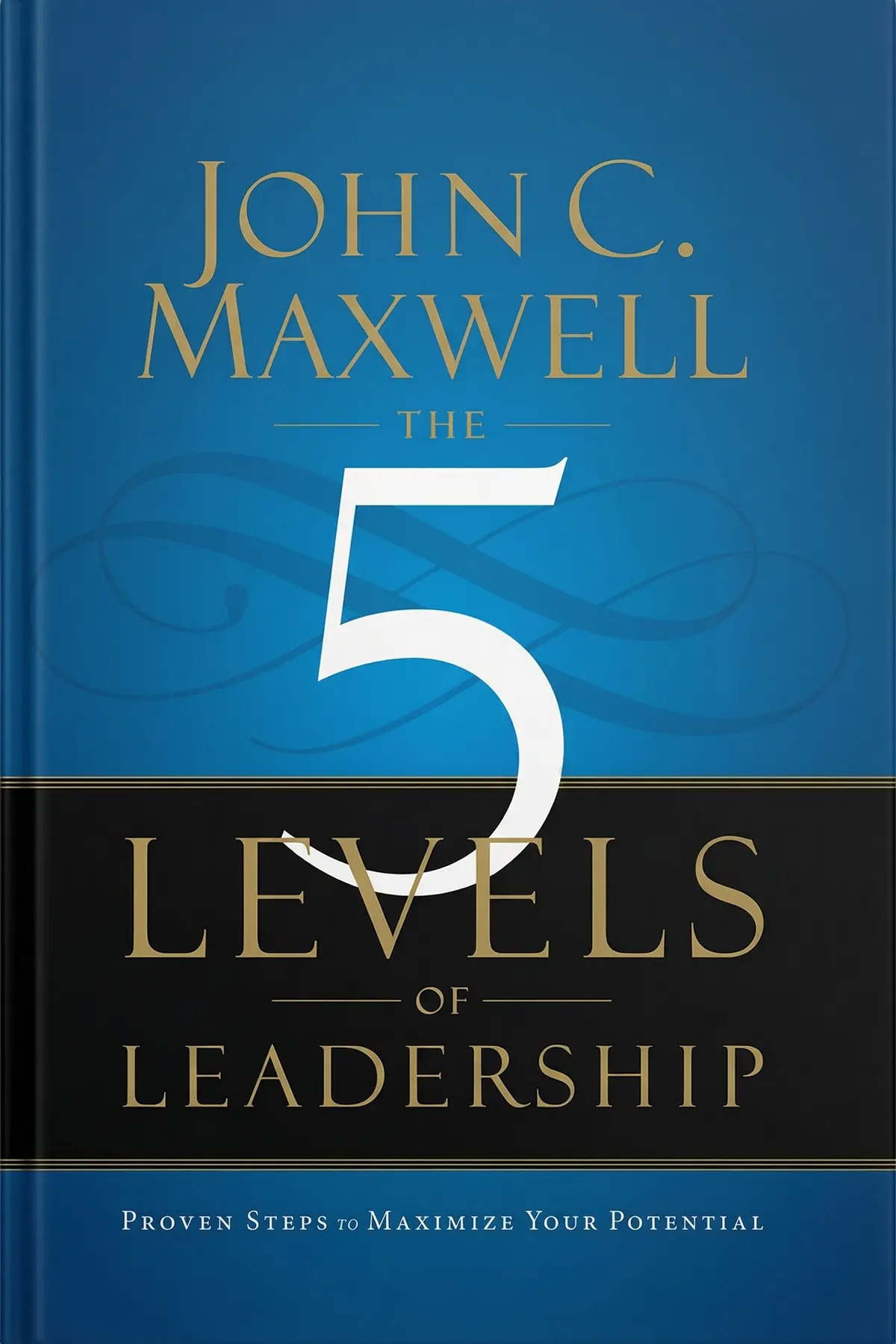
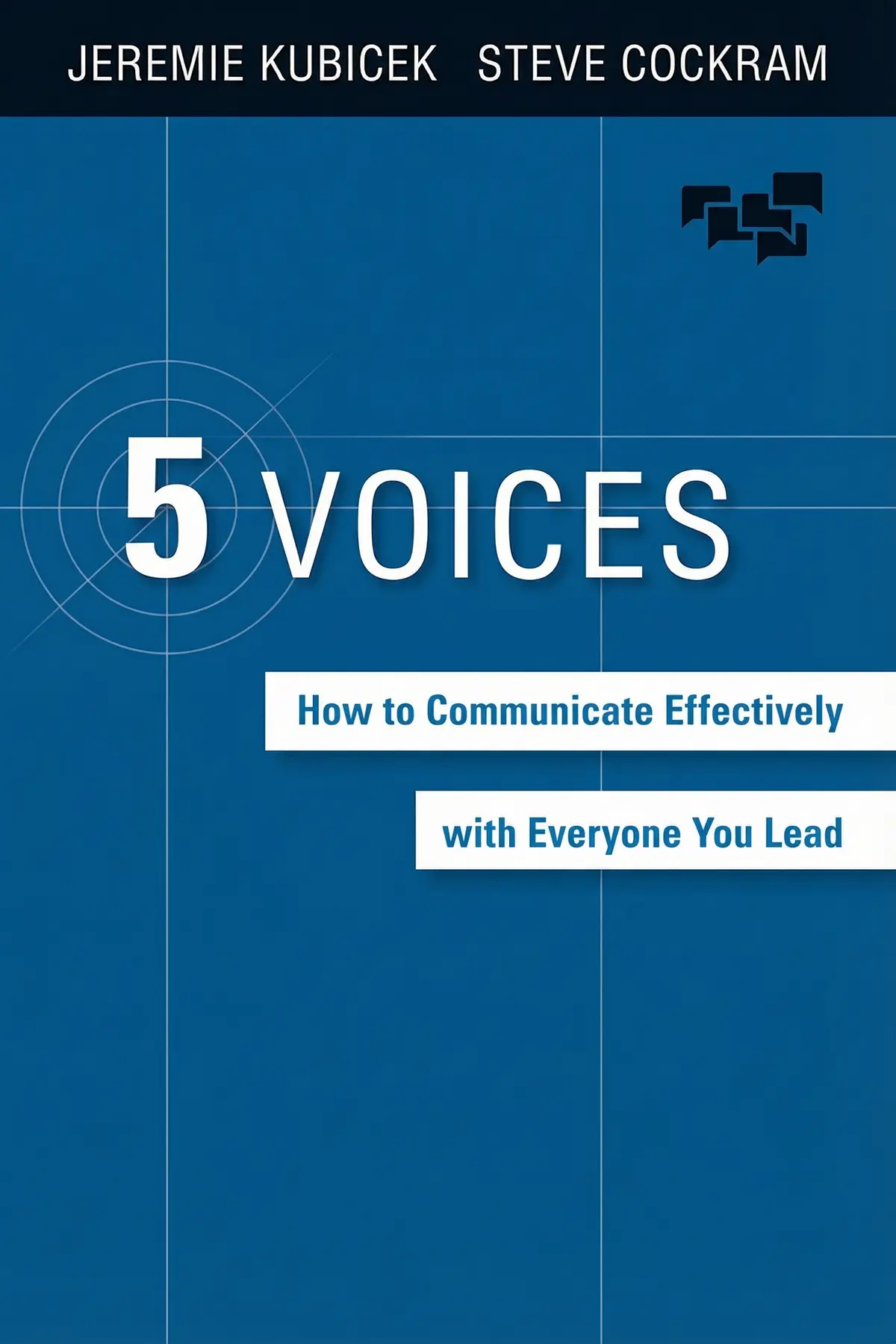
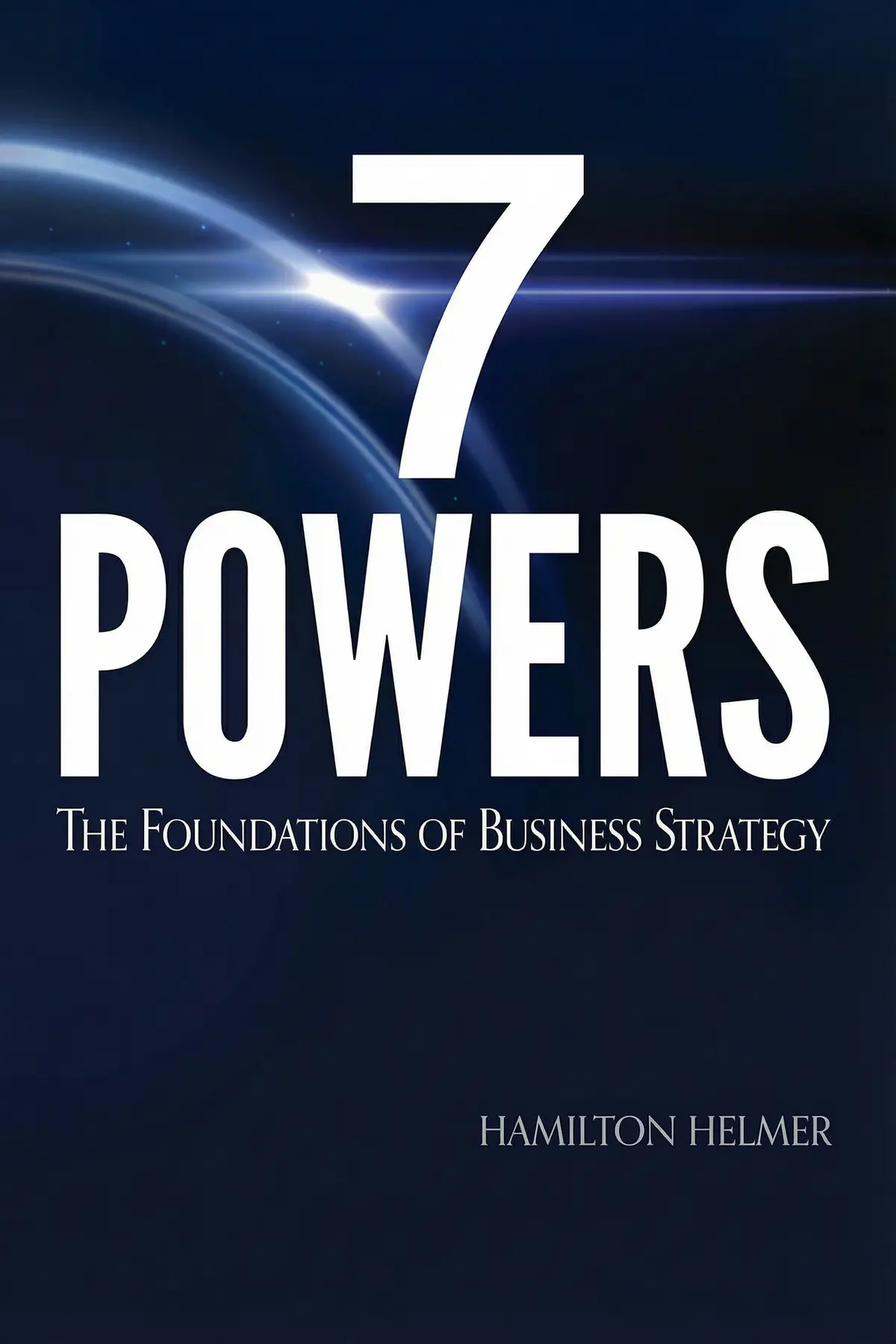
Hamilton Helmer
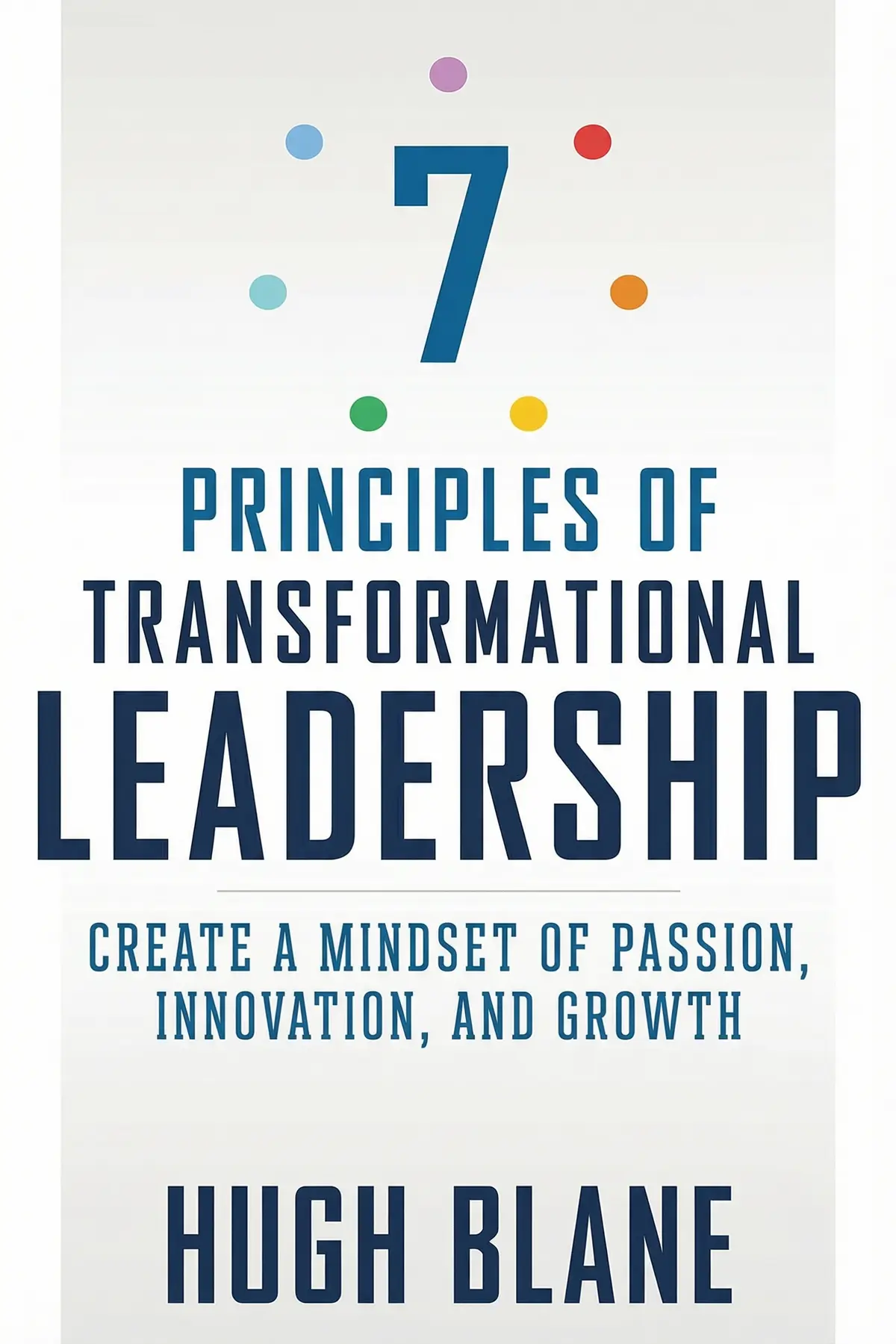

Margaret Heffernan
Joseph A. Maciariello
AUDIO SUMMARY AVAILABLE
Get the key ideas from Cracked it! by Bernard Garrette, plus 5,000+ more titles in English and Thai.