
The Upcycle: Beyond Sustainability – Designing for Abundance
William McDonough
Cradle to Cradle redefines manufacturing by moving beyond the concept of doing less harm. It proposes a world where products act as nutrients, replenishing the planet rather than depleting its resources.
1 min 40 sec
Think about the last time you had to deal with a broken household item. Perhaps it was a smartphone with a cracked screen that cost more to fix than to replace, or a pair of shoes where the sole simply peeled away after a few months of use. In our modern world, we’ve become accustomed to a cycle of constant replacement. We buy, we use, and eventually, we discard. This isn’t an accident of history; it is a fundamental feature of how our global industry was designed.
Most of what we produce today follows a linear path known as ‘cradle-to-grave.’ A resource is taken from the earth, shaped into a product, sold to a consumer, and then sent to a ‘grave’—usually a landfill or an incinerator. The throughline of this exploration is that we don’t just need to make this system a little bit better; we need to reinvent it entirely. We are currently operating on a set of assumptions left over from the Industrial Revolution, a time when resources seemed infinite and the earth seemed like a bottomless sink for our waste.
But what if we could design things differently? What if, instead of aiming to be ‘less bad,’ we aimed to be ‘entirely good’? This summary will take you through a new way of thinking called the ‘cradle-to-cradle’ model. We will look at why our current efforts at sustainability—like traditional recycling—are often just delaying the inevitable, and how we can look to nature to build a world where waste doesn’t even exist because every output becomes a nutritious input for something else. Get ready to rethink everything from the soap in your shower to the roof over your head.
2 min 37 sec
Discover how our current manufacturing systems are built on an outdated mindset that views the planet as an infinite resource and a bottomless trash can.
2 min 34 sec
Explore why reducing, reusing, and recycling are often just temporary fixes that fail to address the root causes of environmental destruction.
2 min 27 sec
Learn how modern efforts to be ‘efficient’ can actually lead to worse outcomes, such as indoor air pollution and the hidden spread of toxins.
2 min 37 sec
Discover the ‘Cradle to Cradle’ alternative: a world where products are intentionally designed to nourish either the earth or the industry.
2 min 13 sec
See how sustainable design thrives when it embraces the unique characteristics of its location instead of trying to force a universal standard.
2 min 21 sec
Learn a practical method for balancing the needs of business, people, and the planet to create truly sustainable products.
1 min 39 sec
The transition from a ‘cradle-to-grave’ industry to a ‘cradle-to-cradle’ one is perhaps the greatest design challenge of our time. We have spent over two centuries perfecting a system that is incredibly efficient at turning resources into trash. But as we have seen, being ‘less bad’ is not the same thing as being good. Efficiency alone won’t save us if we are efficiently doing the wrong things.
By rethinking the very nature of what we make, we can move toward a future where human industry and the natural world are in harmony. We can create buildings that produce more energy than they consume, factories that release water cleaner than when it entered, and products that eventually become ‘food’ for either the earth or the next generation of manufacturing.
The throughline of this summary is clear: waste is a design flaw. When we look at the world through the lens of biological and technical nutrients, and when we respect the diversity of our local environments, we realize that we don’t have to choose between a thriving economy and a healthy planet. We can have both.
As you move forward, look at the objects around you. Ask yourself: Is this a nutrient or a poison? Does it belong to the earth or to the factory? By demanding better design and using the fractal triangle to guide our decisions, we can start building a world where the word ‘waste’ becomes a relic of the past. It’s time to stop worrying about our footprint and start making sure that the tracks we leave behind are ones that help the world grow.
This summary explores a radical shift in industrial design. Instead of the traditional cradle-to-grave model where products end up in landfills, it introduces the cradle-to-cradle approach. This framework mimics nature's circular systems, ensuring that everything we produce eventually becomes food for something else. You will learn why current recycling methods are often just a slower path to the trash heap and why being eco-efficient isn't nearly enough to save the planet. The authors provide a blueprint for creating products that are healthy, profitable, and restorative, balancing the needs of the economy with the health of the ecosystem and social equity.
Michael Braungart is a German chemist who holds a chair in industrial ecology and Cradle to Cradle management at Erasmus University in Rotterdam. He is a visiting professor at TU Delft, The Netherlands. He was one of the founders of Germany’s Green Party. William McDonough is an American architect and founding partner of William McDonough + Partners. In 1996, he received the Presidential Award for Sustainable Development. In 1999, Time recognized him as a Hero for the Planet.
William McDonough
Listeners describe the work as engaging and stimulating, offering fresh perspectives on ecological sustainability. Furthermore, the design methodology is well-regarded, as one listener points out that it offers actionable strategies for putting eco-effective designs into practice. The ideas and suggestions presented also garner praise, and listeners find the content impactful, with one remarking on how it serves as nutrition for soil. On the other hand, opinions on the physical production quality are varied; some observe the use of recycled materials, whereas others express doubt regarding its overall sustainability.
Wow, this book completely flipped my perspective on what it means to be 'green' in the modern world. For years, I thought reducing my footprint was the ultimate goal, but now I see that 'less bad' is still bad. We should be aiming for a footprint that actually nourishes the earth, much like fallen blossoms of a cherry tree provide nutrients. The authors’ vision for buildings that operate like trees—producing oxygen and sequestering carbon—is simply beautiful. I found the distinction between the two metabolisms (nature and industry) to be a brilliant way to categorize materials. This isn't just a book about recycling; it's a blueprint for a second Industrial Revolution that honors the planet. I’ve already recommended it to three people in the last week.
Show morePicked this up because I was curious about circular design, and I was blown away by the clarity of the vision. The authors, a chemist and an architect, bring a unique blend of science and aesthetics to the table. They don't just point out problems; they offer a new way of thinking that could literally save our species from its own waste. The way they describe the hidden toxins in our everyday fabrics and furniture is terrifying but necessary to hear. It’s a call to action for designers to take responsibility for the entire lifecycle of their creations. While it’s true the book repeats itself, the core message is so revolutionary that it bears repeating until it sticks. This is essential reading for anyone who cares about the future of our planet.
Show moreAfter hearing about 'Cradle to Cradle' for years, I finally sat down with it and I'm kicking myself for waiting so long. The idea that we can create a world of 'unharmful, human-made wealth' is the most optimistic thing I've read in a decade. It moves past the 'survival' mindset and into a 'thriving' mindset. I particularly appreciated the discussion on the New England saltbox house and how we’ve lost the art of designing with natural energy flows. The authors make a compelling case that good design is the solution to almost all our environmental woes. The fact that the book itself is a 'technical nutrient' is the perfect cherry on top. It’s a brilliant, challenging, and ultimately hopeful book that everyone should read at least once.
Show moreDirectly challenging the idea that humans are a blight on the earth, this book suggests we can be a positive force. The authors’ approach to 'eco-effectiveness' is a masterclass in systems thinking. I was fascinated by the examples of factories that produce water cleaner than what they originally took in. It’s a total reimagining of industry that feels both radical and entirely logical. Personally, I found the writing style engaging and the metaphors—like the ant colonies—to be incredibly helpful in grasping complex ecological concepts. We need more of this kind of 'nutritious' thinking in our boardrooms and our legislatures. If you want to feel inspired about the future instead of just depressed, this is the book for you.
Show moreFinally got around to reading this manifesto, and it’s a refreshing departure from the usual 'save the earth' guilt-trips. Instead of telling us to do less, the authors argue that we should design products that actually improve the environment as they are used. The concept of a car that cleans the air instead of polluting it is an inspiring goal for any designer. I did find some of the history sections a bit naive, especially regarding agrarian life before the Industrial Revolution. Regardless, the framework of biological and technical metabolisms provides a clear roadmap for future innovation. It's a quick read that encourages you to stop thinking about being 'less bad' and start focusing on being 'all-out good.' Every student of design should have a copy of this on their shelf.
Show moreAs someone who has always been skeptical of traditional recycling, I found the authors' critique of 'downcycling' to be spot on. We often think we’re helping the planet when we’re really just delaying the trip to the landfill with lower-quality materials. This book offers a compelling alternative: designing for infinite loops. The prose is a bit dry in spots, and they repeat their favorite metaphors—like the cherry tree—perhaps a few too many times. However, the underlying logic is inescapable if we want to maintain our standard of living without destroying our habitat. It challenges you to rethink every object in your house, from your soap to your sofa. It’s not a perfect manual, but it is a vital conversation starter for the 21st century.
Show moreNot what I expected from a book on sustainability, as it actually champions industry and growth rather than condemning them. The authors argue that if we align our production methods with nature’s own 'waste equals food' cycle, we can thrive without guilt. I loved the section on how households contribute to water pollution through chemo and hormones. This was a real eye-opener for me. It prompted me to switch to non-toxic, biodegradable household cleaners immediately. My only gripe is that the five compounding steps for companies felt a bit like blue-sky hand-waving. They don't quite explain how to incentivize these changes in a capitalist system that rewards short-term bad behavior. Nevertheless, the intellectual foundation here is solid and incredibly thought-provoking for any conscious consumer.
Show moreThe physical sensation of turning these smooth, treeless pages is a visceral reminder of the book's message. It is waterproof, resilient, and supposedly recyclable as a technical nutrient, which is just cool. Content-wise, the idea of 'products as a service' is a fascinating concept that could revolutionize our interaction with technology. Why own a washing machine when you just want the service of clean clothes? Some parts of the book are a bit redundant, and the tone can be somewhat condescending toward traditional environmentalists. But look, the shift from eco-efficiency to eco-effectiveness is the most important takeaway here. It’s a visionary text that asks us to imagine a world of abundance rather than one of constant restriction.
Show moreTo be fair, the core philosophy presented here is a necessary paradigm shift for our planet. The distinction between 'upcycling' and 'downcycling' really changed how I view the contents of my blue bin. However, the book feels quite dated now, and many of the case studies, like the Ford River Rouge plant, feel like superficial greenwashing. It’s also quite repetitive, making the same point about biological vs. technical nutrients over and over again. I appreciate the optimism, but the authors often glaze over the 'how' in favor of the 'what.' Still, it’s worth a read just to experience the physical book itself. It is printed on a smooth plastic resin that is surprisingly resilient and sleek. It is a quick read, but it remains a bit thin on practical application for the average consumer.
Show moreThis book is essentially 186 pages of rhetorical questions and repetitive analogies about cherry trees and ant colonies. The whole experience felt like a repetitive bore. While the concept of 'eco-effectiveness' is fascinating, the authors spend far too much time romanticizing pre-industrial societies and ignoring basic historical facts. Frankly, the constant hand-waving about 'chemicals' feels like contentless shibboleths designed to rile up readers without providing actual scientific depth. The synthetic, waterproof pages are a cool novelty. However, the text itself sags under its own weight and constant self-congratulation. It’s a frustrating read because the core idea—that waste should be food—is brilliant, yet the execution is buried under a mountain of wooly-minded mush. I genuinely wanted to find practical solutions here. I did not want blue-sky dreaming and attacks on 'eco-efficiency' that ignore the harsh economic realities of modern manufacturing.
Show more
Carl Safina
Mark Kurlansky
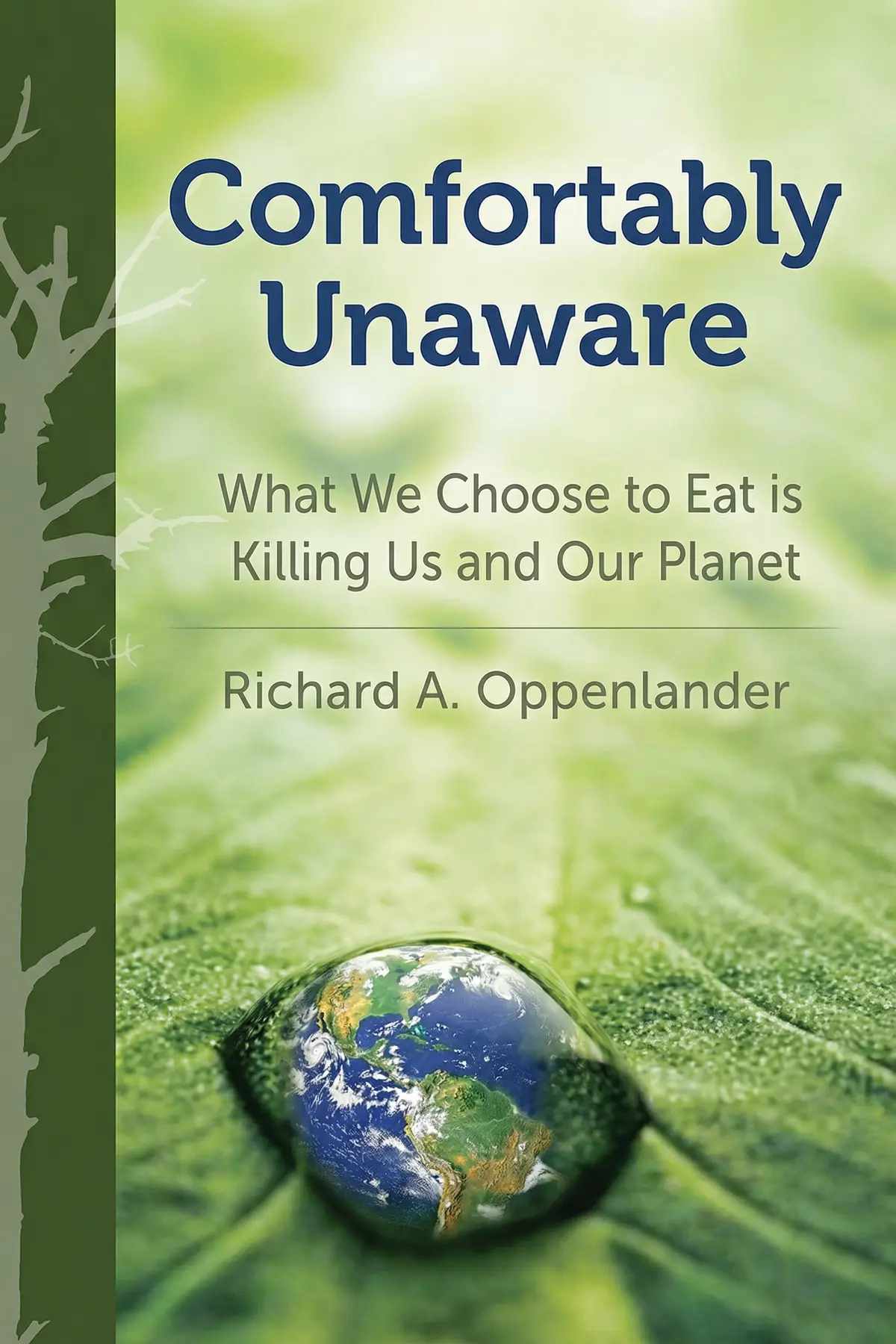
Richard A. Oppenlander
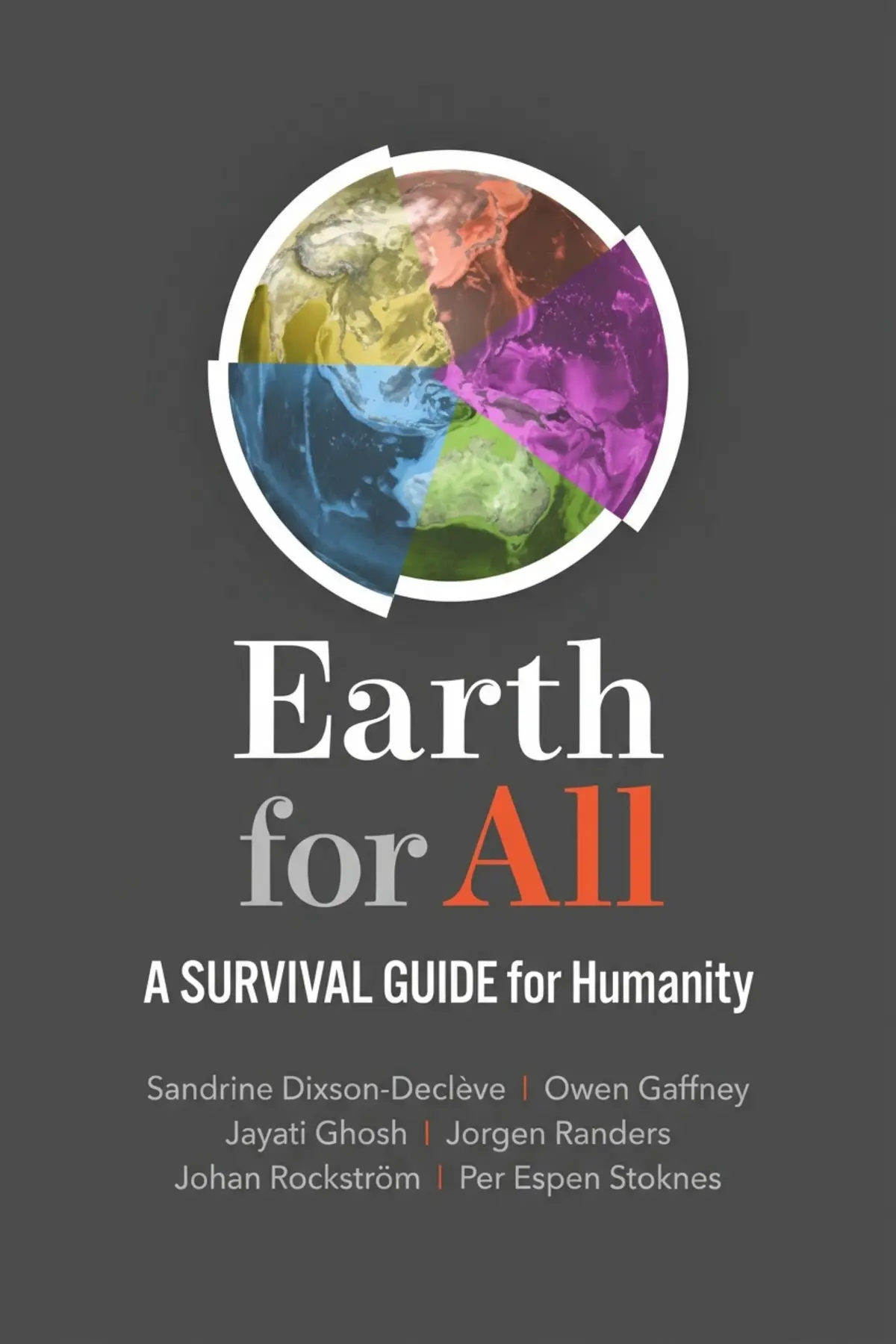
Sandrine Dixson-Decleve
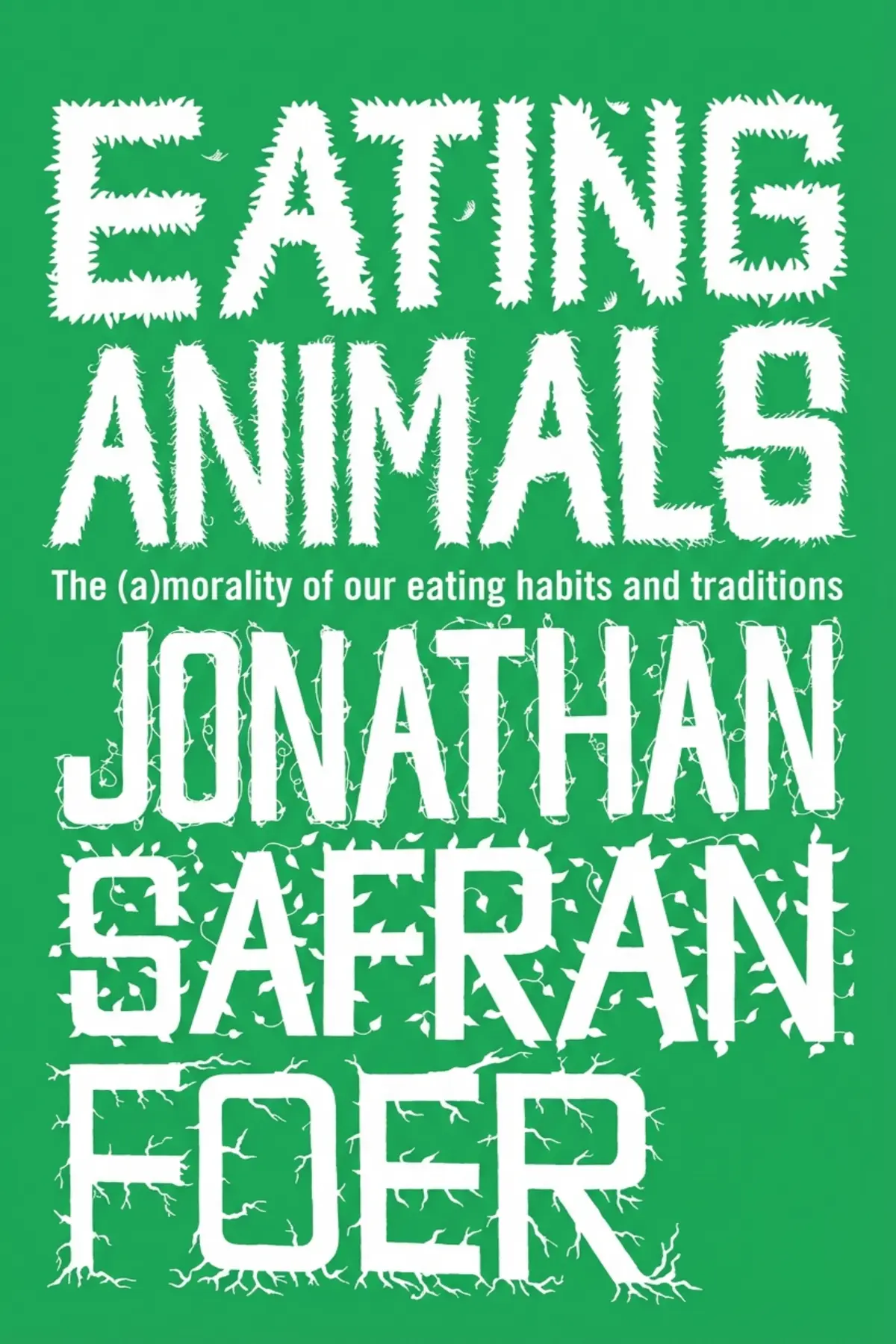
Jonathan Safran Foer
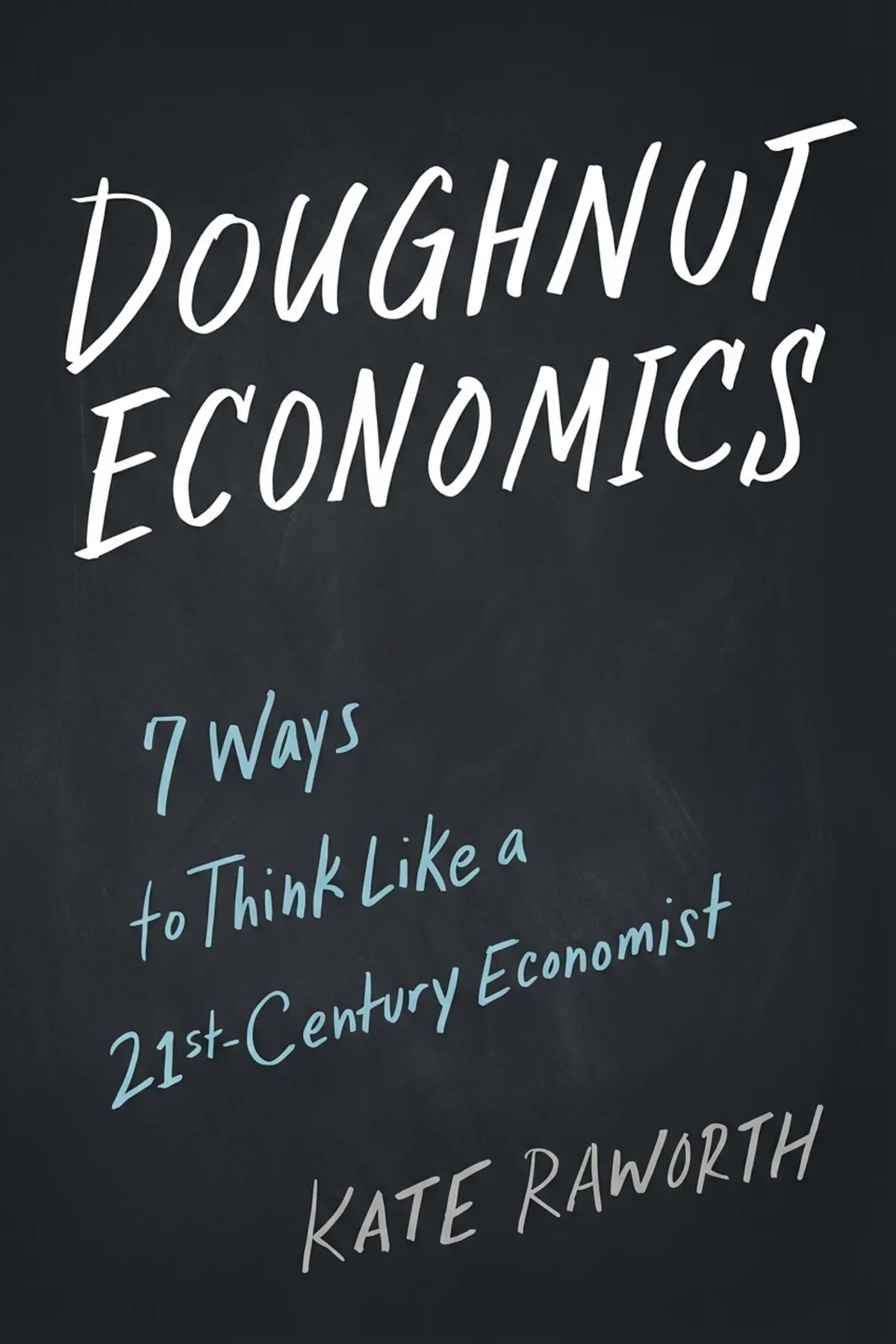
AUDIO SUMMARY AVAILABLE
Get the key ideas from Cradle to Cradle by William McDonough, plus 5,000+ more titles in English and Thai.







