
16 min 55 sec
Crisis Caravan: What’s Wrong with Humanitarian Aid?
By Linda Polman
A provocative examination of the global humanitarian industry, revealing how well-intentioned international aid can inadvertently sustain conflicts, empower corrupt regimes, and prioritize institutional growth over the needs of the suffering.
Table of Content
1. Introduction
1 min 52 sec
It is a scene we have all witnessed through our screens: images of profound human suffering, whether it is the hollowed-out eyes of starving children or the wreckage of a city torn apart by conflict. In those moments, our collective human instinct is to help. We feel a moral pull to contribute, to do something that eases that pain. Fortunately, the modern world provides a convenient bridge for that impulse. We donate to large, reputable humanitarian organizations, trusting that they will transform our financial contributions into life-saving food, medicine, and shelter for those in the heart of the crisis.
But what if that act of kindness is doing more harm than good? It is an uncomfortable, even painful question to ask. Yet, as we watch conflicts around the globe drag on for decades despite billions in international assistance, we have to wonder why the suffering doesn’t seem to abate. We hear rumors of corruption—stories of only a fraction of every dollar reaching its destination—but the reality might be even more systemic and disturbing. What if the very presence of aid organizations is actually fueling the violence they are trying to stop?
In the following pages, we are going to pull back the curtain on the humanitarian industry. We will explore how the noble principles of neutrality and independence have been traded for a competitive, market-driven model. We will see how warring factions treat aid as a strategic asset, using refugee camps as shields and supplies as currency. From the tragic aftermath of the Rwandan genocide to the complex subcontracting webs in modern-day Afghanistan, we will examine the structural flaws that allow aid to be manipulated. This isn’t about discouraging generosity, but about understanding the machinery of global relief so that our help actually reaches those who need it most, without inadvertently feeding the flames of war. Let’s look at the hidden mechanics of what has become a global caravan of crisis.
2. The Commercialization of Compassion
1 min 57 sec
Explore how modern humanitarian groups have transformed from principled volunteers into competitive business enterprises where market share often dictates action over ethics.
3. Aid as a Tool of War
2 min 03 sec
Discover the unsettling ways that warring factions and guerrilla groups manipulate international relief supplies to fund their combat operations and sustain their power.
4. The Lottery of Crisis Selection
1 min 39 sec
Learn why global attention is unevenly distributed and how countries in distress are forced to compete in a high-stakes public relations battle to attract aid.
5. Manipulating the Narrative for Funding
1 min 54 sec
Uncover the tactics used by aid organizations to exaggerate the scale of disasters to ensure their fundraising efforts remain successful and competitive.
6. The Rise of Amateur Intervention
1 min 55 sec
Analyze the dangers posed by small, unregulated ‘private’ NGOs that bypass established protocols, often causing cultural friction and unintended harm.
7. The Bureaucratic Black Hole
1 min 54 sec
Examine how the modern aid system, especially in regions like Afghanistan, loses efficiency through endless subcontracting and a loss of political neutrality.
8. The Necessity of Criticism
2 min 05 sec
Understand why holding the humanitarian industry accountable and questioning the ‘aid at any cost’ mindset is the only path toward genuine improvement.
9. Conclusion
1 min 36 sec
As we have seen, the world of humanitarian aid is far more complex and morally fraught than the polished images in a fundraising brochure would suggest. While the impulse to help is one of our finest human qualities, we must recognize that our generosity is entering a massive, competitive, and largely unregulated global industry. When aid becomes a business, the needs of the suffering can easily be eclipsed by the needs of the organization. When supplies become the spoils of war, our donations can inadvertently sustain the very regimes and rebel groups we find abhorrent.
This doesn’t mean we should stop giving. On the contrary, the need for genuine, effective help has never been greater. But it does mean we should stop giving blindly. We must transition from being passive donors to being active, informed supporters. This means doing the legwork: researching an organization’s track record, looking for transparency in their financial reporting, and seeking out those who prioritize local empowerment and long-term stability over short-term media wins.
The throughline of this exploration is clear: humanitarian aid is not a neutral, magical fix for the world’s problems. It is a powerful tool that can be used for immense good or significant harm, depending on how it is managed. By demanding more accountability from the organizations we support and by being willing to criticize the systemic flaws of the ‘crisis caravan,’ we can help ensure that international relief becomes what it was always meant to be: a genuine lifeline for those in their darkest hour, delivered with integrity, expertise, and a steadfast commitment to doing no harm.
About this book
What is this book about?
This exploration dives deep into the complex and often troubling world of international humanitarian assistance. It challenges the conventional wisdom that sending aid to disaster zones is an unmitigated good. Instead, the narrative exposes a reality where aid organizations frequently operate as competitive commercial entities, vying for donor funding and media attention at the expense of true neutrality. Through various case studies, the book illustrates how aid can become a strategic resource for warring factions, effectively prolonging violence and subsidizing genocide. It also sheds light on the lack of regulation within the industry, where unqualified amateurs can cause significant harm and large-scale projects are bogged down by layers of bureaucracy and subcontracting. The promise of this summary is to provide a critical lens through which to view global charity and to understand the urgent need for transparency and accountability in humanitarian work.
Book Information
About the Author
Linda Polman
Linda Polman is a seasoned journalist with more than fifteen years of experience reporting from some of the world's most intense war zones. She has written extensively on international intervention and humanitarianism. Her previous work includes the highly acclaimed title We Did Nothing: Why The Truth Doesn’t Always Come Out When The UN Goes In, which earned a spot on the shortlist for the prestigious Lettre Ulysses Award for the Art of Reportage.
Ratings & Reviews
Ratings at a glance
What people think
Listeners find that this work poses insightful questions regarding humanitarian relief and serves as an impactful exploration of the community. Furthermore, the prose is expertly crafted, and listeners characterize the book as a compelling read that is highly thought-provoking.
Top reviews
Arm
Ever wonder why certain humanitarian crises stay in the headlines for months while others vanish into thin air? Linda Polman provides a chilling answer by dismantling the narrative of the selfless aid worker. This isn’t a comfortable read, but it is a necessary one for anyone who has ever dropped money into a donation box. She explains how the 'Crisis Caravan' moves from one disaster to the next, often fueled more by media attention and NGO marketing than by actual human need. The section on the Goma refugee camps was particularly haunting, showing how aid can inadvertently sustain war criminals. Frankly, it changed how I perceive international charity forever. While the writing can be a bit frantic at times, the core message is too important to ignore. We need to stop buying our good consciences at the expense of the people we claim to be helping.
Show moreChamnong
Wow. Not what I expected at all. Polman pulls back the curtain on what she calls the 'humanitarian aid industry,' and the view is absolutely soul-wrenching. The acronym 'WAR'—Waste All Resources—haunts the pages as she describes how destruction creates the very market these NGOs thrive on. It’s a vicious cycle where aid feeds the soldiers, who then create more victims, who then attract more aid. The reporting is raw and feels incredibly authentic, likely because Polman has spent so much time on the ground. She doesn’t sugarcoat the lifestyle of Western aid workers compared to the people they are supposed to serve. This isn't just a book; it's a wake-up call about the unintended consequences of 'doing good.' Every chapter raises insightful questions that most charities would prefer we didn't ask. Truly an essential read for the modern age.
Show moreTeng
After hearing so many stories about the 'dark side' of philanthropy, I found this to be the most impactful investigation of the aid community I’ve encountered. Polman doesn't just tell you that things are bad; she shows you the visceral reality of refugee camps that have become permanent fixtures of the landscape. She explores how the arrival of the 'caravan' can actually destroy local economies and create a culture of servility. The prose is sharp, and the short chapters keep the momentum going, even when the subject matter is depressing. It rises the right questions about accountability and whether 'neutral' aid is even possible in a world of total war. I left this book feeling absolutely shattered but significantly better informed. It’s a masterclass in investigative reporting that refuses to give the reader the easy out of a 'happy ending.' This should be mandatory reading for anyone in the non-profit sector.
Show moreEye
Finally got around to reading this exposé, and it certainly leaves a bitter taste in your mouth regarding the humanitarian industry. Polman argues that aid has become a massive business with its own targets, competition, and 'donor darlings.' The book is packed with shocking examples, from the diverted funds in Ethiopia during the 80s to the bizarre 'aid lingo' used by professionals to justify their presence. To be fair, she doesn't offer many solutions, which might leave some readers feeling frustrated or hopeless. However, her investigative prowess shines when she describes how NGOs must negotiate with warlords just to operate. This often leads to a 'tax' on aid that directly funds further violence. It’s a powerful investigation that forces you to question the ethics of neutrality in a war zone. If you want to understand the systemic flaws behind global relief efforts, start here.
Show moreSven
As someone who has always donated to major NGOs, Polman’s work felt like a necessary slap in the face. She explores the dark side of the 'mercy business' and how aid organizations often prioritize their own survival over long-term results. The book highlights how countries can become dependent on these donations, essentially stalling their own development to keep the aid flowing. I was particularly struck by the stories from Sierra Leone, where victims were essentially used as props for fundraising. Look, it’s a cynical book, and the author definitely has an axe to grind against the Red Cross and other giants. But can we really afford to ignore these allegations? Even if you take some of her more extreme claims with a grain of salt, the systemic issues she identifies are undeniable. It is a thought-provoking read that will make you do some serious research before your next donation.
Show moreWorawit
Picked this up after a recommendation, and it really shifts how you view those glossy charity commercials on TV. Polman is a fearless journalist who isn't afraid to call out the 'Crisis Caravan' for what it is: a profit-driven machine. She describes how aid organizations compete for 'market share' during disasters, often ignoring the actual needs of the local population in favor of whatever looks best on the evening news. The truth is that we often pay for our own good conscience rather than actual results on the ground. I appreciated the specific details about the logistical nightmares and the ethical compromises made with corrupt governments. My only real gripe is that the book is quite short and feels a bit superficial in its analysis of how to actually fix the system. Still, it’s a solid investigation that demands your attention.
Show moreApichat
Gotta say, this book will make you think twice about every 'Save the Children' ad you see. Polman does a brilliant job of showing how aid can actually prolong conflicts by providing resources that warring factions eventually seize. She doesn't hold back on the big names like the Red Cross or MSF, which is refreshing in a world where these groups are usually treated as secular saints. The book is well-crafted in its ability to provoke an emotional response, leaving the reader frustrated and disillusioned with the status quo. It’s a powerful investigation of a community that rarely sees this level of public scrutiny. While some of the numbers she quotes seem a bit high, the underlying logic of the 'aid industry' she describes feels terrifyingly accurate. Definitely a good read for anyone interested in international relations or ethics.
Show moreRoydao
This book addresses one of the most critical issues of our time, yet the delivery is frustratingly disjointed. I desperately wanted to give this five stars because the subject matter—the corruption and mismanagement of international aid—is fascinating. Unfortunately, Polman’s writing style is incredibly chaotic, frequently jumping from one country to another without much transition. One minute we are in Sierra Leone, and the next, we are looking at a glossary of terms that feels more like filler than substance. It’s hard to keep the specific arguments straight when they are buried under a mountain of blurry examples and snarky commentary. Personally, I found the tone a bit 'holier-than-thou,' which detracted from the very real problems she was trying to highlight. It’s an important topic, but I think a more structured approach would have made the 'scandalous' facts hit much harder.
Show moreBird
It is difficult to ignore the weight of the facts presented here, even if the structure feels like a collection of random anecdotes. Polman certainly knows her subject, but she struggles to weave these stories into a coherent narrative. One chapter you're learning about the logistics of food delivery, and the next you're hit with a snarky comment about NGO marketing tactics. The 'humanitarian lingo' section was honestly a bit of a waste of pages. I’m glad I read it for the perspective, but the 'chaotic' writing style mentioned by other reviewers is definitely a hurdle. You get bits and pieces of the problem—bad money management, political agendas, and media manipulation—but never a unified theory on how to move forward. It’s a decent starting point for a conversation, but far from the definitive work on the subject.
Show moreBrahim
To be fair, the core message about aid corruption is vital, but Polman’s aggressive tone makes it a chore to get through. She relies heavily on stereotypes that feel unfair and, at points, border on being problematic. The book is structured poorly, with a massive 'aid dictionary' at the back that takes up way too much space. Instead of a deep dive into policy or structural reform, we get a collection of anecdotes that feel cherry-picked to support her cynical worldview. I felt like I was reading a very long, very angry op-ed rather than a balanced piece of journalism. While the information regarding Rwanda and Ethiopia is definitely eye-opening, the lack of objectivity makes it hard to trust the author’s conclusions entirely. It’s messy, disorganized, and left me more confused about the 'full picture' than when I started.
Show moreReaders also enjoyed
A Warning
Miles Taylor
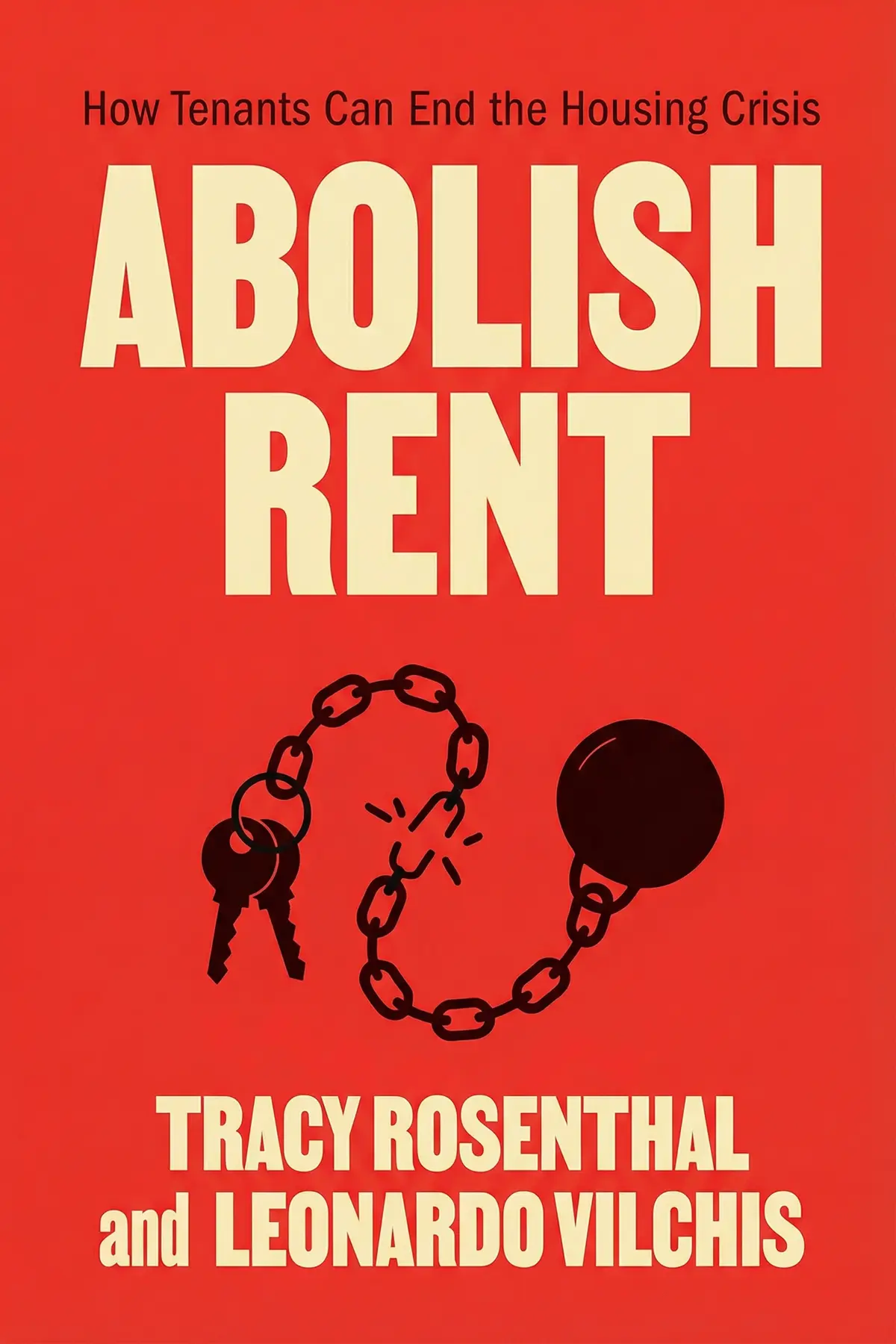
Abolish Rent: How Tenants Can End the Housing Crisis
Tracy Rosenthal
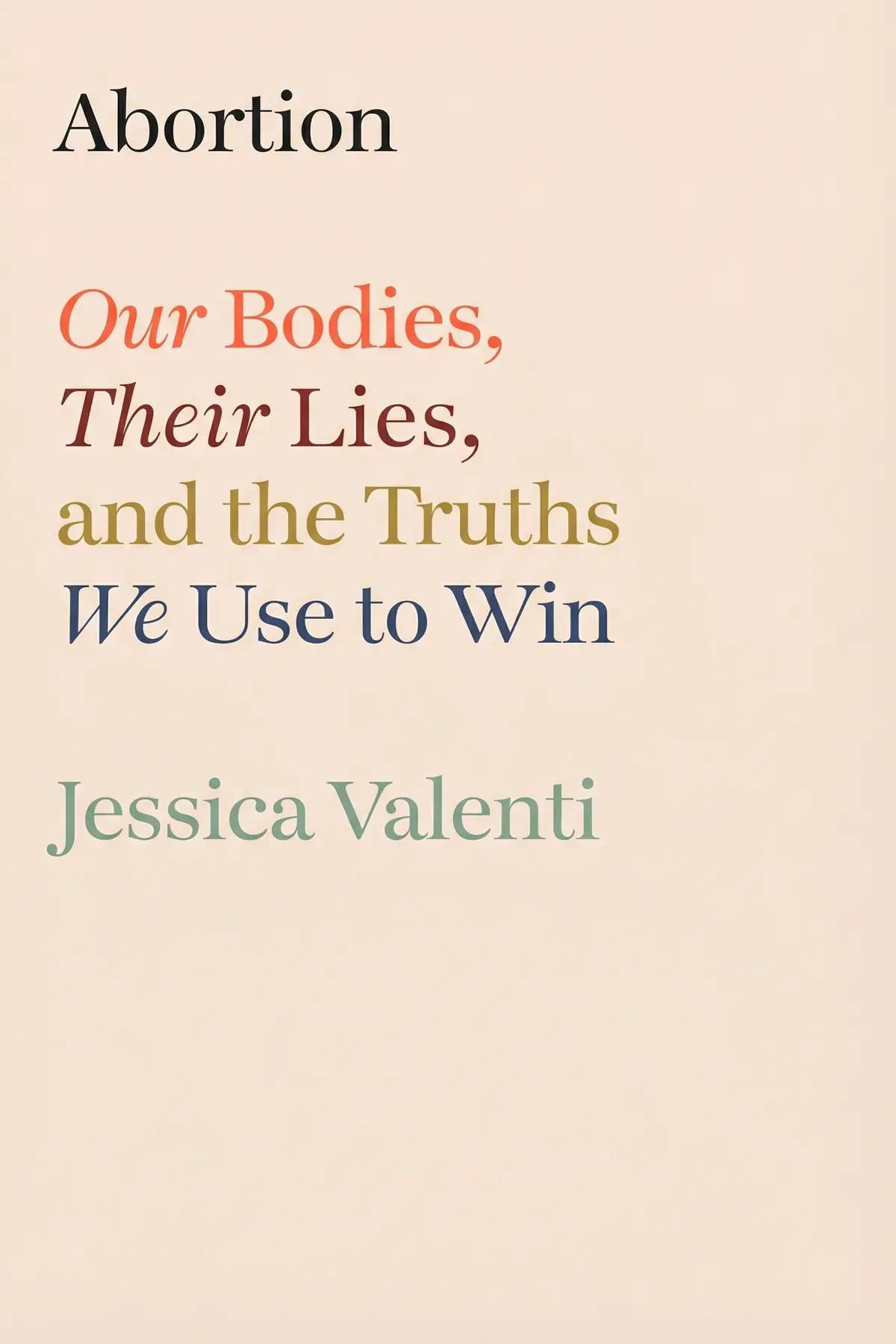
Abortion: Our Bodies, Their Lies, and the Truths We Use to
Jessica Valenti

Adults in The Room: My Battle With Europe’s Deep Establishment
Yanis Varoufakis
21 Lessons for the 21st Century
Yuval Noah Harari
A Different Kind of Power: A Memoir
Jacinda Ardern
AUDIO SUMMARY AVAILABLE
Listen to Crisis Caravan in 15 minutes
Get the key ideas from Crisis Caravan by Linda Polman, plus 5,000+ more titles in English and Thai.
- 5,000+ titles
- Listen as much as you want
- 7-day free trial
- Cancel anytime







