
19 min 57 sec
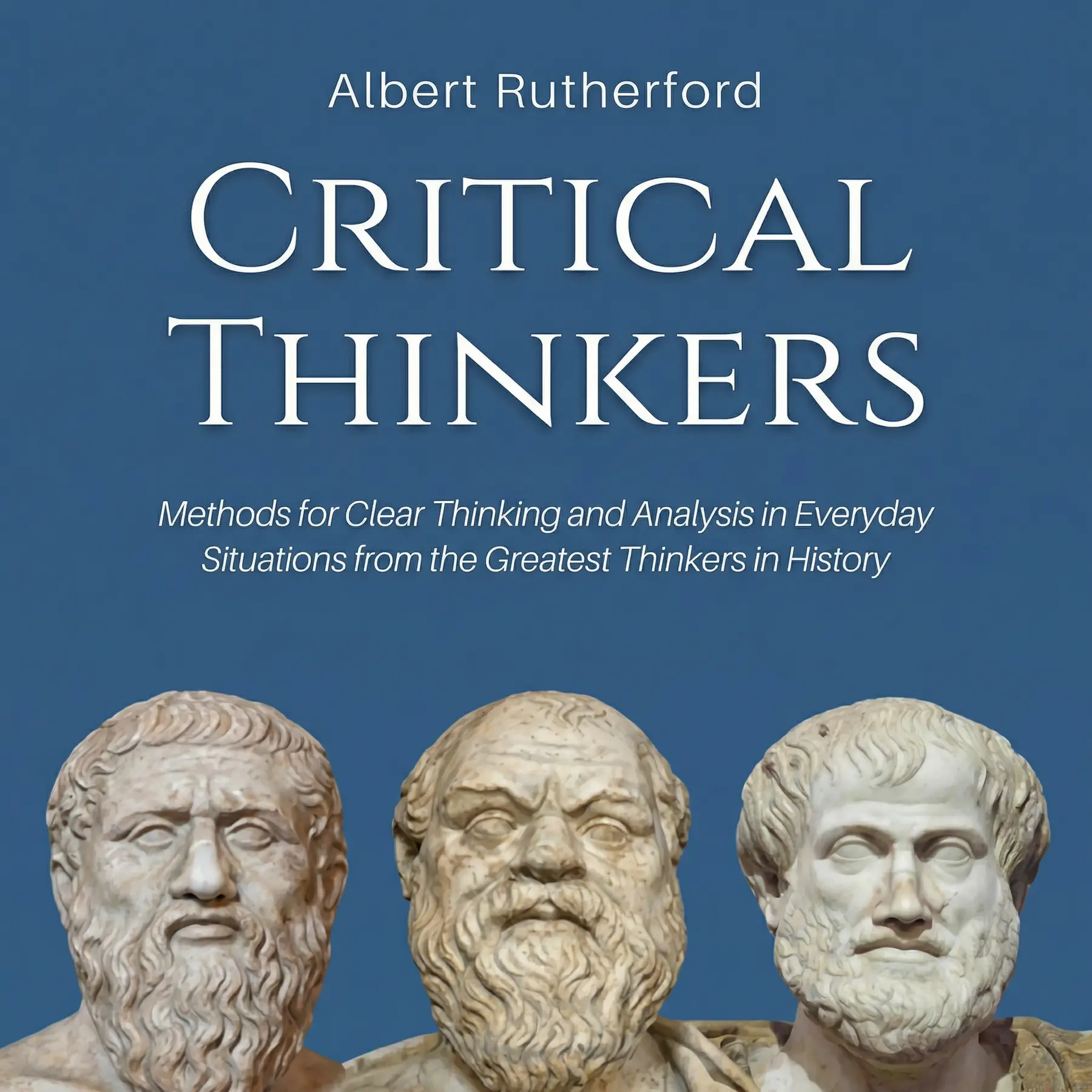
Critical Thinkers: Methods for Clear Thinking and Analysis in Everyday Situations from the Greatest Thinkers in History
Critical Thinkers explores the evolution of human reasoning, offering timeless strategies from history’s most profound philosophers to help you analyze information, challenge assumptions, and make more logical decisions in daily life.
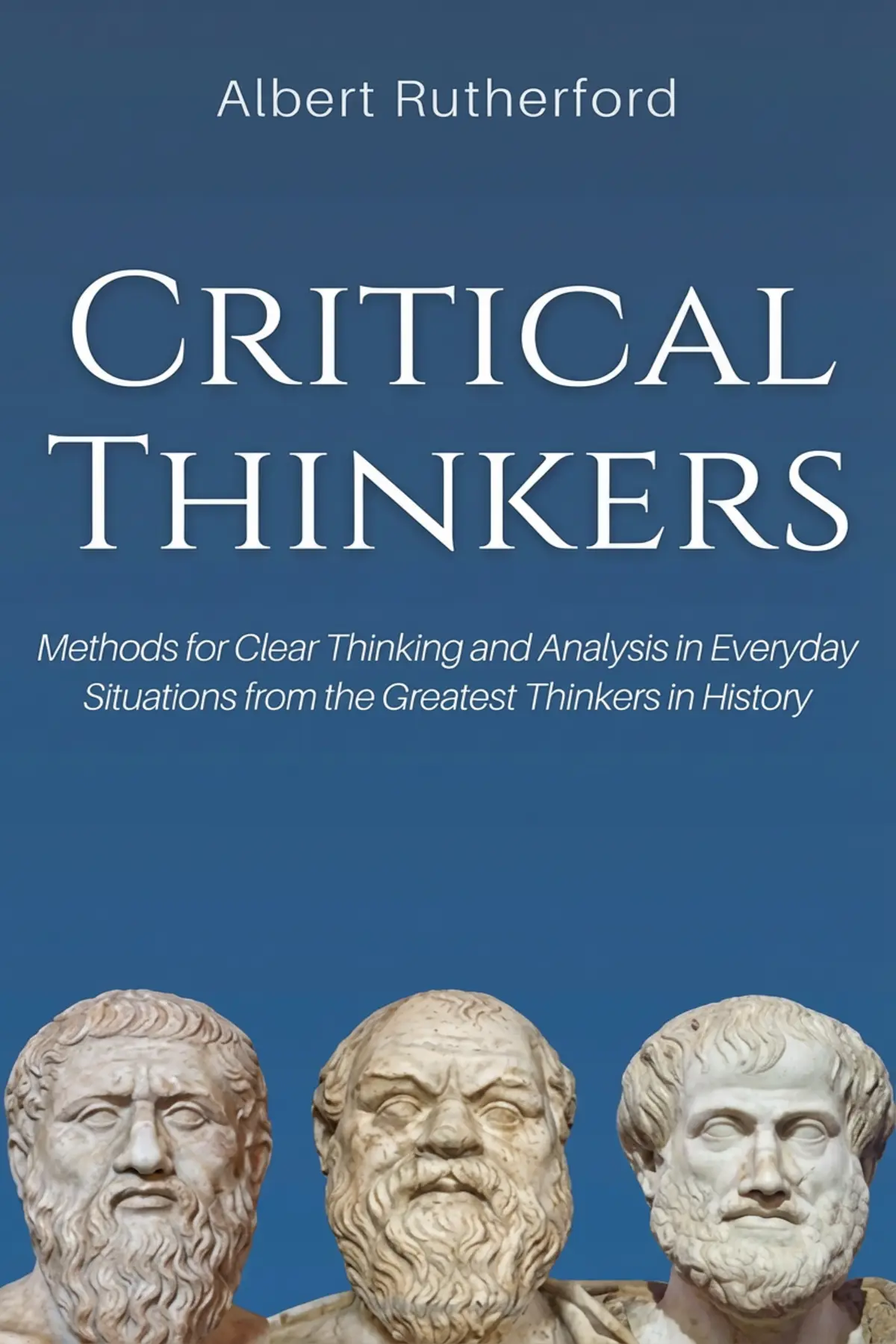
Table of Content
1. Introduction
1 min 26 sec
In an era where information flows at an overwhelming pace, the ability to think clearly has never been more vital. We are constantly bombarded with opinions, advertisements, and complex data points, all demanding our attention and agreement. But how do we know what to trust? How do we separate a logical argument from a mere emotional appeal? The answer lies in a skill that has been refined over thousands of years: critical thinking. This isn’t just a dry academic subject; it is a practical, living discipline that has been shaped by the most brilliant minds throughout history.
In the following exploration of Critical Thinkers by Albert Rutherford, we will trace the lineage of clear thought from the marble halls of ancient Athens to the modern digital age. We will look at how the throughline of human inquiry has evolved, moving from simple questioning to complex systems of logic and ethics. This journey isn’t just about learning what these great figures thought, but rather about learning how they thought. By the end of this summary, you will have a better grasp of the Socratic method, the pitfalls of human bias identified by Francis Bacon, and the modern standards of intellectual integrity. Each chapter offers a different lens through which to view the world, providing you with a mental toolkit that is as relevant in a modern boardroom or a family dinner as it was in a medieval university or a Renaissance laboratory. Let’s begin by stepping back to the very beginning, where the seeds of intellectual inquiry were first planted in the soil of ancient Greece.
2. The Foundations of Inquiry in Ancient Greece
2 min 23 sec
Travel back to the origins of logic where Socrates and Aristotle transformed how we ask questions and define the world around us.
3. Cross-Examination and the Internal Debate of Thomas Aquinas
1 min 51 sec
Discover how a medieval theologian used the power of self-contradiction to strengthen his arguments and sharpen his intellect.
4. Overcoming the Idols of the Mind with Francis Bacon
2 min 13 sec
Learn to identify the four ‘Idols’ that distort our perception and how to use inductive reasoning to find objective truth.
5. The Power of Systematic Doubt and Cartesian Logic
1 min 59 sec
Follow René Descartes’ journey to absolute certainty by breaking down complex problems and doubting everything until it is proven.
6. Filtering Reality Through the Lens of Immanuel Kant
2 min 05 sec
Explore the limits of human understanding and the universal moral code known as the categorical imperative.
7. Individual Liberty and Intellectual Humility with John Stuart Mill
2 min 07 sec
Discover how the rigorous education of John Stuart Mill led to a philosophy of freedom and the importance of diverse perspectives.
8. Challenging Conformity and Ethnocentrism with William Graham Sumner
2 min 00 sec
Learn why William Graham Sumner believed that true education must break the chains of social indoctrination and cultural bias.
9. Modern Standards and the Paul-Elder Framework
2 min 13 sec
Explore the systematic approach to modern reasoning through the intellectual standards and virtues of Richard Paul and Linda Elder.
10. Conclusion
1 min 40 sec
As we have seen, the art of critical thinking is a grand tapestry woven from the insights of many centuries. From Socrates’s humble marketplace inquiries to the sophisticated psychological frameworks of Paul and Elder, the goal has remained the same: to seek truth, to challenge falsehood, and to live a more reasoned life. Each of the thinkers we explored offers a unique piece of the puzzle. Aristotle gave us the tools for precision; Aquinas showed us how to debate our own biases; Bacon warned us of the ‘idols’ that cloud our vision; and Mill reminded us that our individual freedom is tied to our intellectual independence.
What this really means for you today is that critical thinking is a muscle that must be exercised daily. It isn’t a destination you reach, but a habit you cultivate. In a world increasingly filled with ‘echo chambers’ and simplified answers to complex problems, the methods of these great thinkers are more necessary than ever. You can start today by applying a single lesson from this journey: perhaps you will break a large problem into smaller pieces as Descartes suggested, or you will ask a Socratic clarification question in your next meeting.
Ultimately, the throughline of all these thinkers is a commitment to intellectual integrity. It is the willingness to say ‘I don’t know,’ the courage to change your mind when faced with new evidence, and the fairness to listen to those with whom you disagree. By integrating these practices into your everyday life, you don’t just become a better analyst or a more convincing debater; you become a more enlightened and free individual, capable of navigating the complexities of the modern world with a clear and focused mind. Carry these lessons with you, and remember that the journey of a critical thinker never truly ends.
About this book
What is this book about?
This summary provides a comprehensive journey through the history of logic and analysis. It begins with the foundational questioning of ancient Greece and moves through the intellectual rigor of the Middle Ages, the scientific revolutions of the Renaissance, and the modern psychological frameworks used today. By examining the lives and methods of figures like Socrates, Descartes, and Kant, the book promises to equip readers with a diverse toolkit for mental clarity. Beyond just historical facts, the text focuses on the practical application of these ancient and modern wisdoms. You will learn how to identify cognitive biases, construct better arguments, and approach problems with a blend of humility and skepticism. The ultimate promise is a more disciplined mind, capable of navigating an era of misinformation and complex social pressures through the proven techniques of the world's greatest thinkers.
Book Information
About the Author
Albert Rutherford
Albert Rutherford is an internationally best-selling author known for making complex topics accessible and enjoyable. He’s a retired corporate executive with an academic background in both the sciences and humanities. His books cover a wide range of subjects including systems thinking, game theory, and critical thinking. His other titles include The Systems Thinker, Statistics for the Rest of Us, and How to Think Critically.
Ratings & Reviews
Ratings at a glance
What people think
Listeners find the material highly informative and a superb condensation of critical thinking theories across the ages. They also value the accessible prose, mentioning the book is entertaining, while one listener reports being captivated the entire time. Furthermore, the content is seen as highly applicable, with one review emphasizing its utility in daily life. Conversely, the standard of writing earns inconsistent remarks, as several listeners depict the prose as being of low quality.
Top reviews
Chanon
Albert Rutherford has a knack for distilling incredibly complex philosophical traditions into bite-sized, actionable insights. This book serves as a brilliant roadmap through history, starting with the foundational Socratic method and moving toward modern logic. Personally, I found the breakdown of Descartes' Cartesian doubt to be the most practical section for everyday decision-making. Truth is, we often take our first impressions for granted, but this text forces you to pause and evaluate your internal biases. It’s a short read, yet it carries the weight of a much larger volume because of how it challenges your worldview. If you want to sharpen your reasoning skills without wading through dry, thousand-page academic tomes, this is your best bet. It’s essentially a highlight reel of the greatest minds to ever live.
Show moreRatree
The chapter on Socratic questioning alone is worth the price of admission here. It outlines how clarification, perspective, and evidence are the pillars of any meaningful dialogue. Not gonna lie, I used to be someone who took first impressions for granted, but this book taught me the value of the 'questions about questions' approach. By exploring the works of Thomas Aquinas and Francis Bacon, Rutherford shows how the evolution of society is intrinsically linked to the evolution of thought. The tone is encouraging throughout, reminding us that even if our reasoning doesn't work out at first, we must keep working until we are satisfied. It’s a empowering look at human potential. I highly recommend this to anyone looking to enhance their analytical mindset and approach problems with more confidence.
Show moreSamroeng
Wow, this was a refreshing sprint through the history of human thought! I’ve become a huge fan of Albert Rutherford’s ability to take the 'scary' out of philosophy and make it feel like something anyone can master. The book is an excellent introductory resource that references a multitude of beliefs you can explore in depth later. My favorite takeaway was the idea that teaching others is actually one of the best ways to improve your own critical thinking. It makes so much sense! The breakdown of the Aristotelian and Kantian philosophies was fascinating and surprisingly easy to digest. If you want to approach problems with a more analytical mindset without feeling overwhelmed, you should definitely pick this up. It’s a quick read that stays with you long after you finish.
Show moreBrahim
Ever wonder how the giants of history actually processed information? This book provides a clear window into that world by examining the evolution of thought from Plato to Kant. To be fair, the writing style is quite functional and lacks some artistic flair, but the utility of the content makes up for it. I particularly enjoyed the sections on John Stuart Mill and his distinction between higher and lower pleasures. It reminded me that our intellectual pursuits are not just for ourselves, but for the betterment of the society we inhabit. The author makes a compelling case that training the brain is exactly like training for a sport. You have to put in the reps if you want to see results in your daily reasoning.
Show moreKek
Picked this up after a friend recommended it as a 'brain gym' session, and that description is spot on. The book is remarkably easy to read and keeps you engaged by jumping between different historical eras and thinkers. In my experience, many books on logic are far too dense, but Rutherford keeps things accessible for the average reader. I loved the emphasis on intellectual humility and the idea that we should never take pride in our skills but always seek improvement. There is something very grounding about admitting, 'I’m willing to change my mind.' While it’s a super short read, the lessons on Cartesian doubt and logical fallacies are things I can apply to my job immediately. It’s a practical guide masquerading as a history book.
Show morePrasarn
As a student of life, I’m always looking for ways to keep my thinking sharp, and this book delivered exactly that. It offers a wonderful blend of history and practical application, focusing on how we can use old wisdom to solve modern problems. The concept of pursuing 'higher pleasures' to contribute more to the good of society really resonated with me. I've been trying to apply the Cartesian doubt method to the news I consume lately, and it's been eye-opening. While I noticed some of the minor editing issues others have mentioned, they didn't detract from the overall value of the information. It’s a concise, light cardio session for your brain that encourages you to investigate difficult questions with real courage. Definitely a useful tool for personal growth.
Show moreSomrutai
Finally got around to reading this, and I was pleasantly surprised by how much I enjoyed the historical context. It’s not just a list of rules for logic; it’s a narrative about how great minds like William Graham Sumner and the Elders contributed to our collective understanding of truth. In my experience, the most important quality of a thinker is being open to change, and this book hammers that point home beautifully. The author uses accessible language to explain how we can overcome personal biases and perceived facts. Though some might find the presentation a bit too basic, I thought the brevity was a strength. It keeps the conversation moving, much like a good Socratic questioner should. It’s a great tool for anyone seeking to become a more effective and informed thinker in their daily life.
Show moreFelix
To be fair, this is a very basic and simple presentation of complex philosophical models. If you are already well-versed in philosophy, you might find the summaries of Socrates and Aristotle a bit too elementary for your taste. Frankly, the writing quality is a mixed bag, with some sections feeling a little repetitive or unpolished. However, it still functions as a solid introductory resource for someone just starting their journey into critical thinking. The six types of Socratic questioning were a highlight for me, as they offer a tangible framework for keeping conversations productive. It’s a worthwhile read if you need a quick refresher, but don't expect a deep academic dive. It serves its purpose as a brief overview of how great minds have shaped our world.
Show moreYam
Not exactly what I expected, but it was an okay summary of different philosophical concepts. The book covers a lot of ground—from ancient Greece to more contemporary thinkers—but it stays very much on the surface level. Truth is, the prose feels a bit clunky in certain chapters, which made it harder to stay focused during the transition from Mill to Kant. I did appreciate the practical tips on how to become more reasonable by admitting our own flaws. It’s a good starting point for further exploration, but it feels more like a collection of notes than a fully fleshed-out narrative. If you want a quick primer on how different philosophers contributed to society, this will do the trick. Just be prepared for a very simplistic writing style.
Show moreSarocha
Look, the information here is solid, but the execution left me wanting much more in terms of polish. It’s hard to ignore the clunky phrasing and repetitive sentence structures that pop up throughout the chapters. That being said, if you can push past the writing quality, the summaries of thinkers like Kant and Bacon are actually quite useful for a beginner. It feels more like a collection of detailed blog posts rather than a cohesive, professionally edited book. I appreciated the core message about intellectual humility, yet the delivery felt rushed. It’s a decent primer for someone who has never touched a philosophy book, but seasoned readers might find the prose distracting. Not a bad resource, just needs a heavy edit and more depth.
Show moreReaders also enjoyed
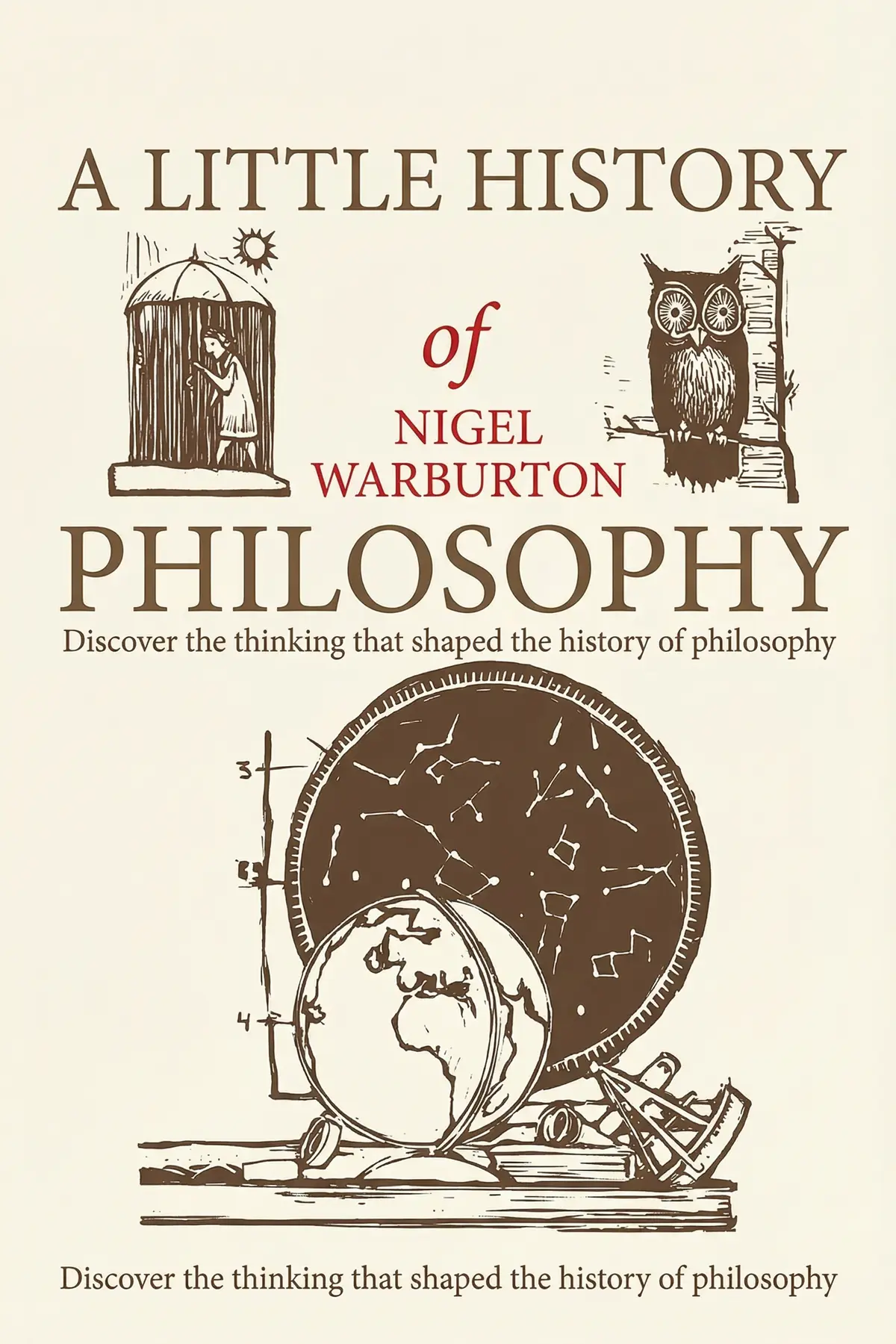
A Little History of Philosophy
Nigel Warburton
A Theory of Justice
John Rawls
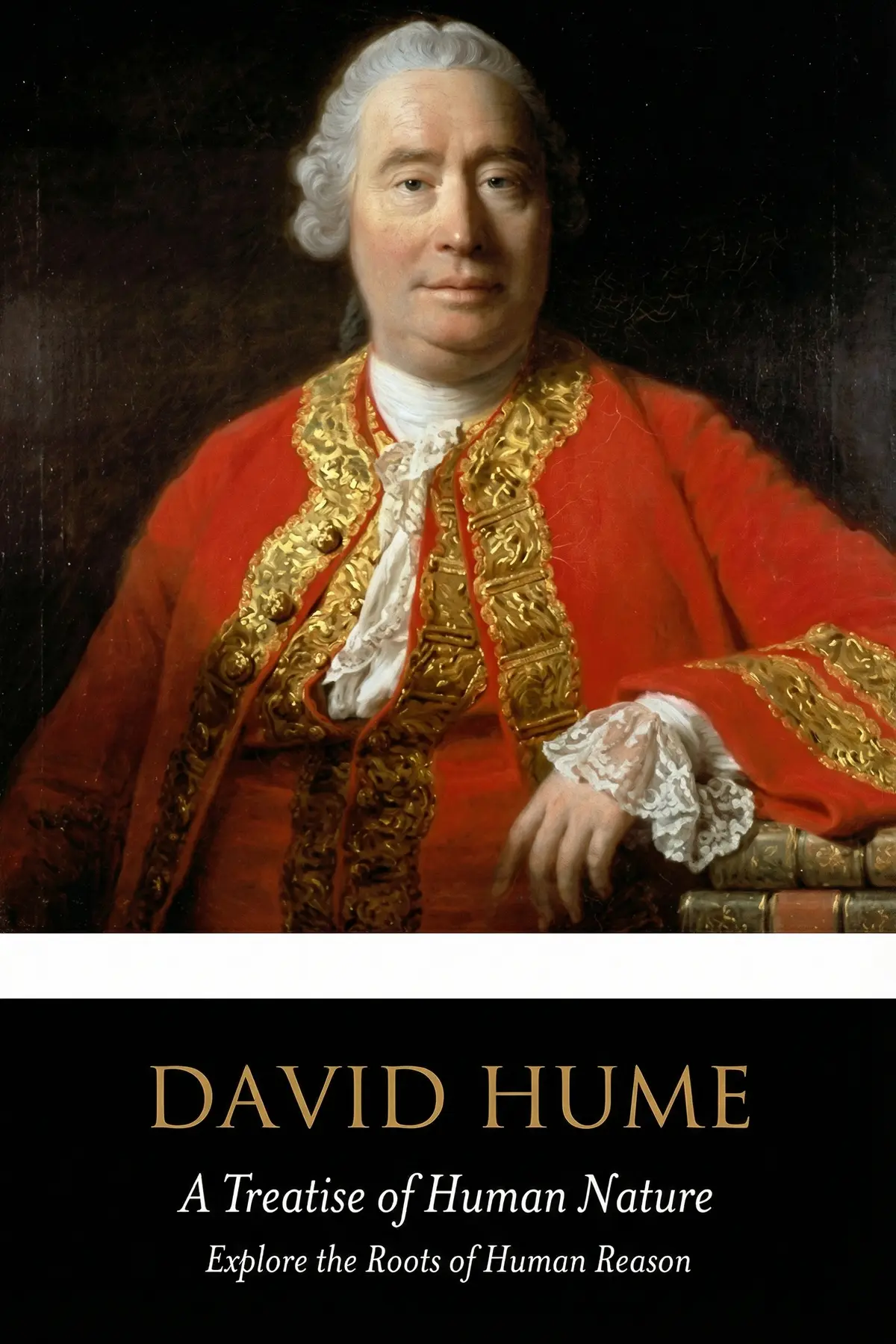
59 Seconds: Change Your Life in Under a Minute
Richard Wiseman
AUDIO SUMMARY AVAILABLE
Listen to Critical Thinkers in 15 minutes
Get the key ideas from Critical Thinkers by Albert Rutherford, plus 5,000+ more titles in English and Thai.
- 5,000+ titles
- Listen as much as you want
- 7-day free trial
- Cancel anytime







