
19 min 11 sec
Crypto Wars: Faked Deaths, Missing Billions, and Industry Disruption
Explore the shadowy history of cryptocurrency scams, from faked deaths to billion-dollar Ponzi schemes. This summary breaks down the wild, unregulated era where digital fortunes were made and lost overnight.
Table of Content
1. Introduction
2 min 28 sec
Imagine the year is 2017. The air is thick with a new kind of digital fever. Everywhere you turn, from the person sitting next to you on the train to your old school friends, people are talking about one thing: the meteoric rise of virtual currency. It isn’t just for computer scientists or financial wizards anymore. It feels like a global gold rush where the gold is made of code, and anyone with an internet connection can get rich. You hear stories of casual investors who put a few hundred dollars into something called Bitcoin and woke up with the kind of wealth that buys private islands. Naturally, the question isn’t whether you should get involved, but how quickly you can jump in before the window of opportunity slams shut.
Now, imagine you stumble across a pitch for a brand-new project called PlexCoin. It promises everything you’ve been looking for. The creators tell you it’s going to be the next big thing, a revolution that will change how we spend money across the globe. They mention a revolutionary credit card that adjusts to any currency without fees, and they offer you the chance to buy in early at a massive discount. If the price jumps from thirteen cents to nearly two dollars as they predict, your small investment could change your life. It sounds like the dream of the decade. But in this unregulated frontier, dreams often mask a much harsher reality.
In this BookBits summary of Erica Stanford’s Crypto Wars, we are going on a journey through the enigmatic and often dangerous world of digital assets. We will explore the era of the ‘Initial Coin Offering’ and see how fraudulent actors managed to siphon billions from the pockets of hopeful investors. We’ll look at four specific stories that highlight the wild, lawless days of early crypto. From the disappearance of charismatic leaders to the technical loopholes that allowed scammers to conjure money out of thin air, these accounts offer a fascinating look behind the scenes of an industry in turmoil.
Whether you are a seasoned trader who knows your altcoins inside out or someone who still finds the whole concept of digital money baffling, these stories matter. They are not just about technology; they are about human nature, the psychology of greed, and the ongoing struggle to bring order to a decentralized world. By the end of this journey, you’ll have a much clearer understanding of why some projects soared while others left behind nothing but empty wallets and questions. Let’s dive into the mechanics of the digital gold rush and see what happens when innovation meets old-fashioned deception.
2. Identifying Deceptive Patterns in New Offerings
3 min 12 sec
Discover the specific warning signs that separated legitimate digital projects from elaborate frauds during the initial coin offering boom.
3. The Evolution of the Classic Financial Swindle
2 min 51 sec
Explore how one of history’s oldest scams, the Ponzi scheme, was reinvented for the digital age to create a multi-billion dollar illusion.
4. The Paradox of Centralized Security in a Decentralized World
3 min 02 sec
See how a single point of failure turned a reputable exchange into a financial disaster, locking away hundreds of millions of dollars forever.
5. The Art of Socially Engineered Market Manipulation
2 min 39 sec
Uncover the tactics used by groups and influencers to artificially inflate the value of obscure digital assets for a quick, predatory profit.
6. The Volatile Influence of Digital Personalities
2 min 44 sec
Examine how the reputation and social media presence of high-profile figures could build and destroy billion-dollar valuations in an instant.
7. Conclusion
2 min 15 sec
The history of the ‘Crypto Wars’ is more than just a collection of heist stories and technological failures. It is a cautionary tale about the intersection of innovation and human fallibility. Bitcoin and the blockchain technology it introduced truly did revolutionize our understanding of what money can be. They offered a vision of a world where transactions are transparent, secure, and free from the control of any single authority. But as we have seen through the stories of PlexCoin, OneCoin, and QuadrigaCX, that vision is easily corrupted when people prioritize quick profits over principles. The wild, unregulated days of the early market were a perfect storm for deception, allowing scammers to use the complexity of the technology as a shield for their crimes.
However, it’s important not to throw the baby out with the bathwater. Just because the industry was born in chaos doesn’t mean the technology itself is inherently bad. As the market matures and regulations begin to provide a safety net for investors, we are starting to see the real potential of digital assets. Beyond the scams and the ‘pump and dump’ groups, there are projects using these tools to solve actual problems. For example, look at initiatives like Plastic Bank. This organization uses digital currency to incentivize the removal of plastic from the ocean. People in impoverished areas can ‘bank’ the plastic they collect and receive digital payments that are secure and impossible to steal. This is a glimpse of what the technology can do when it is used for social good rather than just speculative gambling.
The takeaway from these stories is simple: stay curious, but remain vigilant. The digital economy moves fast, and the next big thing will always be right around the corner. But before you jump in, remember the lessons of the past. Look for transparency, demand accountability, and never let the fear of missing out override your common sense. In a world where billions can vanish in a heartbeat, the most valuable asset you have isn’t a token or a coin—it’s your ability to think critically. By learning to spot the red flags and understanding the difference between hype and substance, you can navigate the future of finance without becoming another casualty of the wars.
About this book
What is this book about?
The world of cryptocurrency is often painted as a futuristic financial utopia, but its early years were a digital Wild West. Crypto Wars peels back the curtain on this chaotic era, exposing the incredible stories of fraud, missing founders, and market manipulation that defined the industry’s rise. From the enigmatic disappearance of the 'Cryptoqueen' to the mysterious death of a CEO who held the only keys to a quarter-billion dollars, the narrative explores how human greed exploited cutting-edge technology. This summary promises to provide a clear-eyed look at the mechanisms of financial deception. You will learn how to identify the red flags of a digital scam, understand the difference between a legitimate blockchain and a manipulated database, and see how social media influencers can move markets with a single post. Beyond the cautionary tales, it also looks at how the industry is maturing and where the technology might actually fulfill its promise to do good in the world. It is a guide for the curious and a warning for the bold.
Book Information
About the Author
Erica Stanford
Erica Stanford is a lecturer and sought-after cryptocurrency expert. She founded the Crypto Curry Club, the UK’s top cryptocurrency networking community, and edits the widely read affiliated newsletter, the Crypto Currier.
Ratings & Reviews
Ratings at a glance
What people think
Listeners find that perspectives differ concerning the editorial quality and writing, as some feel the storytelling is repetitive or missing firm evidence for its anecdotes. Nevertheless, many value the work as a very approachable and interesting overview of the history of digital currency scams. They also appreciate the thorough breakdowns of famous frauds like OneCoin and the activities of John McAfee, with one listener commenting that the author successfully "outlines the intricacies of blockchain currencies in layman’s terms." Finally, they note that the book offers a fair viewpoint by recognizing the authentic possibilities of blockchain tech while still addressing the many criminal elements within the field.
Top reviews
Yulia
After hearing so much buzz about the 'Missing Crypto Queen' podcast, I finally grabbed this book to get the full context on OneCoin and Dr. Ruja Ignatova. It did not disappoint! Stanford is an incredibly knowledgeable guide who explains blockchain intricacies in layman's terms without making the reader feel stupid. The way she outlines the MLM structure of these scams is brilliant and easy to follow. I loved that the book isn't just a one-sided hit piece against technology; it actually highlights the legitimate potential of blockchain, like the Plastic Bank project. It's a balanced history of the industry's growing pains. If you are new to the space, this is a must-read to protect your wallet. I finished it in two sittings because the case studies were just so compelling and heartbreaking. Truly an eye-opening journey into modern fraud.
Show moreRuangrat
If this book prevents even one person from handing over their life savings to a shady ICO, then it has performed a vital service. Erica Stanford breaks down the psychological tactics used by scammers like Dr. Ruja with such clarity that you’ll never look at a 'guaranteed return' the same way again. The chapter on pump-and-dump groups and YouTube influencers was particularly revealing for me. It’s terrifying how easily a single tweet from someone like John McAfee could wipe out or create millions in valuation. The writing is snappy, engaging, and perfect for someone who isn't a financial expert. I found the section on how Bitcoin was originally created as a response to the banking crisis very grounded. It provides a necessary historical context that many other books overlook. This should be required reading for anyone before they open a Coinbase account.
Show moreSue
Wow, what a chaotic and wild ride through the darker corners of the internet. Erica Stanford manages to peel back the curtain on the 'Wild West' of digital currency, focusing heavily on the madness of the mid-2010s bubble. I was particularly gripped by the sections on John McAfee; his transition from antivirus mogul to a bizarre crypto influencer is almost too strange to be real. The book successfully breaks down how nearly 98% of ICOs were essentially fraudulent from the start. While the author uses very accessible language that doesn't gatekeep the technology, I did notice some repetitive phrasing throughout the chapters. That said, the storytelling is fast-paced enough that you keep turning pages. It is a terrifying cautionary tale for anyone thinking about chasing the next big moonshot without doing their due diligence first. I highly recommend it for the true crime entertainment value alone.
Show moreAubrey
Picked this up on a whim because I'm a massive true crime fan, and the cover looked great. I didn't know anything about Bitcoin or Ethereum, but I didn't need to. Stanford does a great job of explaining how the lack of regulation created a perfect storm for bad actors. The story of QuadrigaCX and the missing safe in the attic was genuinely chilling. Why were there four holes in the rafters? It’s these kinds of specific, gritty details that make the book work. Truth is, the crypto world is full of characters that seem like they were written for a movie. My only gripe is that I wanted more focus on the technology itself and less on the same 'get rich quick' anecdotes. Still, it’s a very informative read for anyone who wants to understand how the 2017 bubble actually functioned. It’s definitely an enlightening few weeks of reading.
Show moreUdom
Finally got around to reading this, and I appreciated how it wasn't just a total 'doomsday' account of the industry. Stanford manages to be critical of the rampant fraud while still acknowledging that blockchain is a revolutionary technology. The example of the Plastic Bank was a highlight for me; it shows how digital currency can actually empower poor communities instead of just fleecing them. That said, the book is a bit repetitive in its warnings. You can only be told that 'if it sounds too good to be true, it probably is' so many times before you start skimming. Regardless, the deep dives into OneCoin and the Telegram-based manipulation groups were worth the price of admission. It’s a solid, accessible entry point for anyone curious about the messier side of fintech.
Show moreLeila
Is it worth the read? Yes, but only if you have the patience for a lot of redundant information. The core content of 'Crypto Wars' is definitely interesting, especially the breakdown of the QuadrigaCX mystery and the vanishing of Gerald Cotten. However, the author tends to circle back to the same points over and over again. She keeps scaring the reader with the same warnings about red flags and Ponzi schemes instead of moving the narrative forward. Look, the insights into how pump-and-dump groups operate on Telegram are valuable, but the book could have been fifty pages shorter and much more impactful. It feels a bit like a collection of long-form blog posts rather than a cohesive, structured book. It’s a decent introductory guide for a total novice, but seasoned crypto enthusiasts might find the lack of technical depth or new information a bit frustrating.
Show moreChaiwat
To be fair, Stanford does a decent job explaining complex blockchain concepts without using too much jargon. I appreciated the specific examples of red flags, like PlexCoin’s lack of a team photo or their last-minute financial reports. These are practical lessons for any investor. However, the book feels a bit dated in its perspective, focusing almost entirely on the 2016-2018 era. The crypto world moves at light speed, and some of the advice feels a bit late. Also, some of the stories seem a bit one-sided. I would have liked more interviews with people actually building legitimate projects to balance out the constant stream of fraud stories. It’s a good 'History of Scams' but not necessarily a definitive guide to the 'Crypto Wars.' It’s a three-star read—informative enough to finish, but not something I’d revisit or keep on my shelf forever.
Show moreLadawan
Not what I expected given the rave reviews on the jacket. The subject of cryptocurrency scams is absolutely gripping, but the author's writing style is a bit distracting. She uses the same metaphors repeatedly and makes some very bold claims about the scale of certain scams without enough supporting evidence to back them up. For example, she talks about investors losing everything but doesn't provide the investigative depth I was looking for. It felt more like a summary of news articles than original reporting. I gave it three stars because the specific case studies, like the one about PonziCoin, are genuinely funny and illustrative of investor greed. It’s a fast read, but don’t expect a masterpiece of financial journalism. It’s more of a casual overview for the curious layman.
Show moreCha
This book addresses a fascinating subject, but I found the execution quite lacking and frankly untrustworthy at times. The author relies on bold, sweeping statements without providing the necessary data or citations to support her stories. For instance, she mentions an ICO in Vietnam raising massive sums from thousands of investors, yet the math doesn't seem to align with the country's GDP per capita. It feels like she’s exaggerating to make the 'Wild West' narrative fit. To be fair, the terminology is extremely repetitive; I lost count of how many times the phrase 'out of thin air' appeared in the first few chapters. The editing is also poor, with digital links that just loop back to the same paragraphs. It’s a shame because the crypto scam landscape is an important topic that deserves a more rigorous, well-researched treatment than this amateurish attempt.
Show moreMilk
The subject matter is incredibly important, yet the writing feels amateurish and often sensationalist. Stanford claims people sold their homes and emptied their entire life savings into these coins, yet she rarely names specific victims or provides verified sources for these extreme anecdotes. It reads like a journalist trying to spice up a story by copy-pasting rumors they found online. I was also bothered by her patronizing tone regarding 'those days' as if 2014 was ancient history. Scams happen in every society, not just in some mythical lawless vacuum. In the fourth chapter, her lack of understanding regarding how traditional investment funds work becomes quite obvious, which makes her critiques of the crypto world less credible. Personally, I found the book to be poorly edited and filled with overstatements that detract from the actual truth of the scams. I'd skip this one and find a better-written source.
Show moreReaders also enjoyed
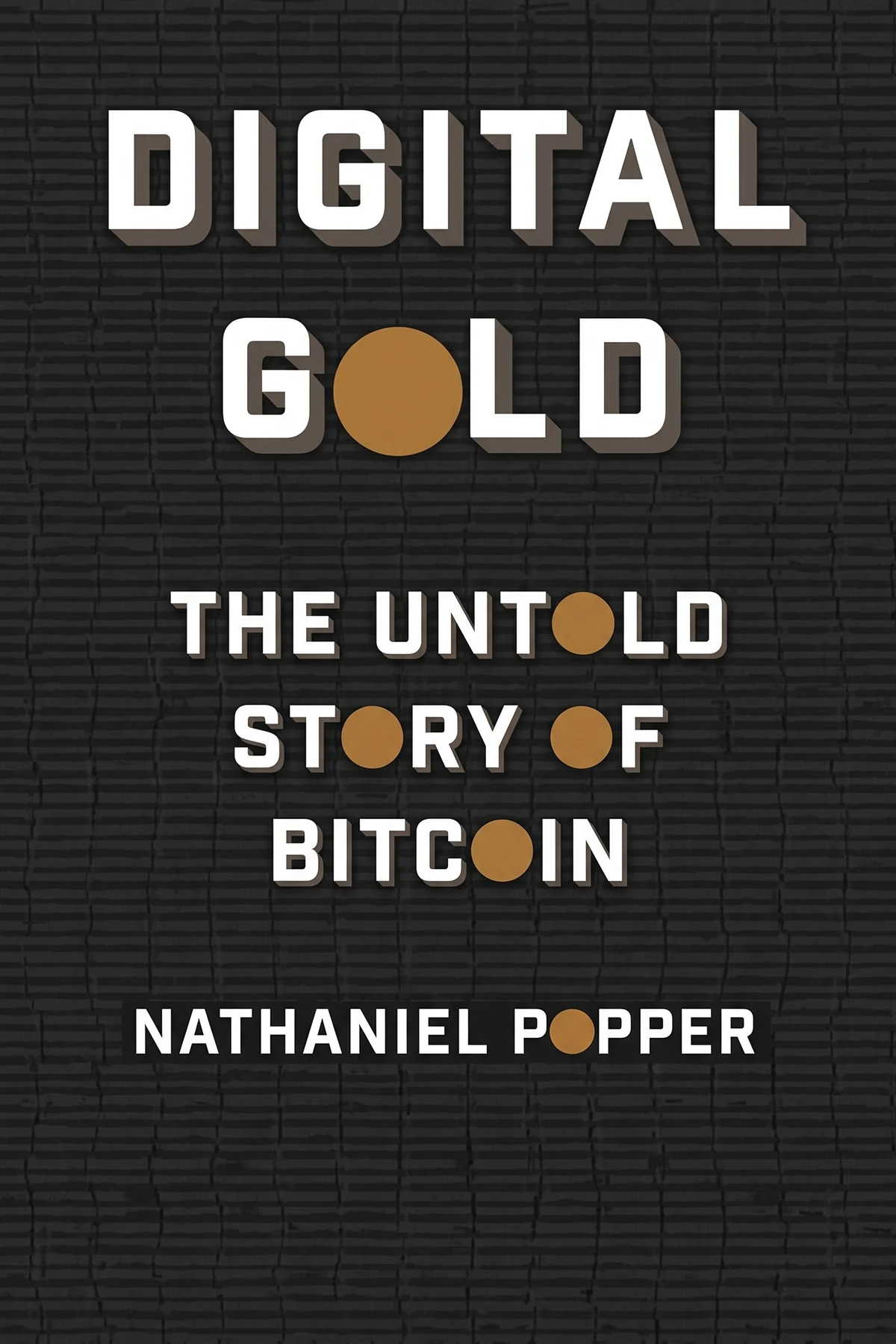
Digital Gold: The Untold Story of Bitcoin
Nathaniel Popper
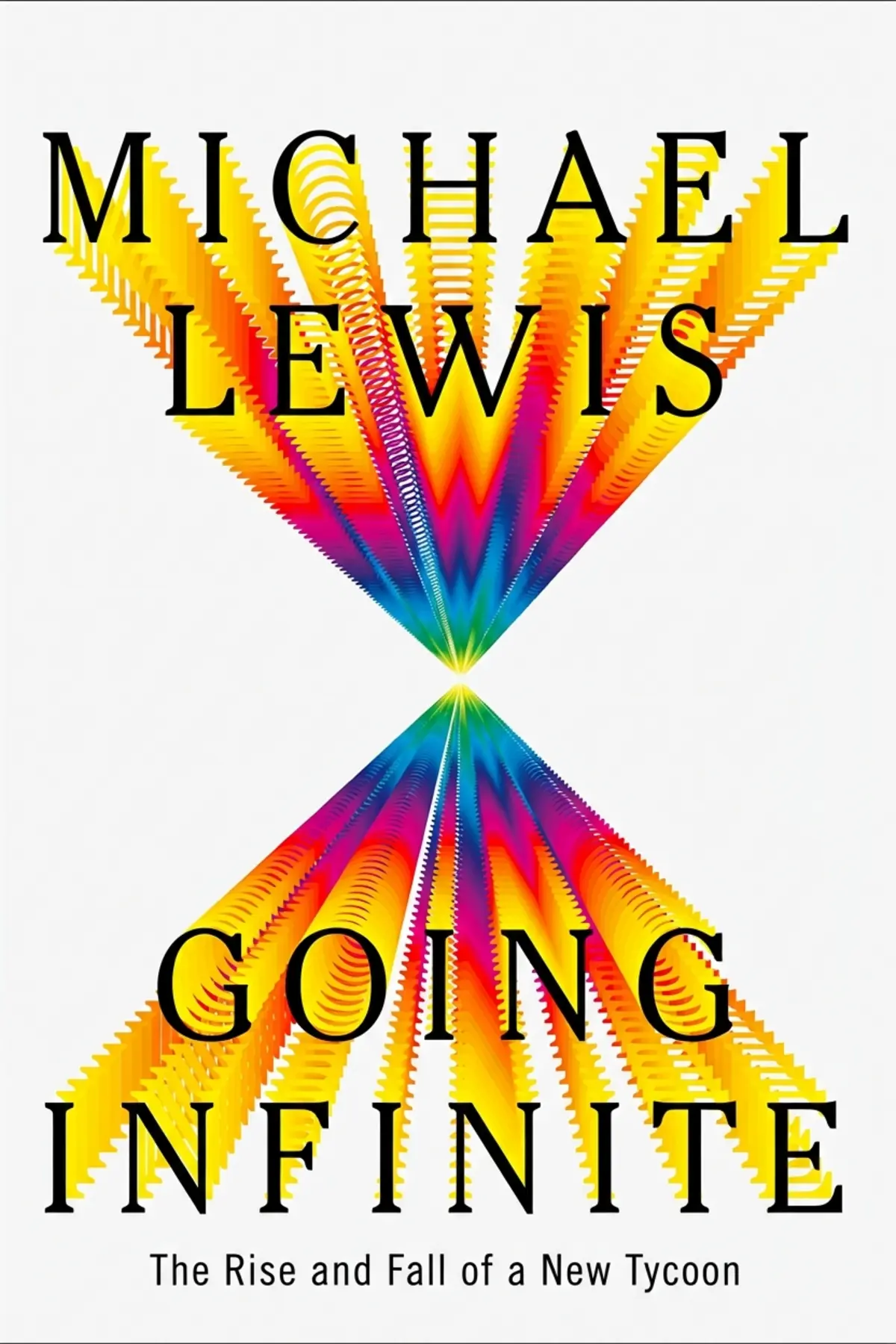
Going Infinite: The Rise and Fall of a New Tycoon
Michael Lewis

AUDIO SUMMARY AVAILABLE
Listen to Crypto Wars in 15 minutes
Get the key ideas from Crypto Wars by Erica Stanford, plus 5,000+ more titles in English and Thai.
- 5,000+ titles
- Listen as much as you want
- 7-day free trial
- Cancel anytime







