
17 min 36 sec
Cultish: The Language of Fanaticism
Cultish explores the subtle linguistic tactics used by cults and everyday organizations to influence behavior, shape identity, and build intense devotion through the power of specialized language and rhetoric.
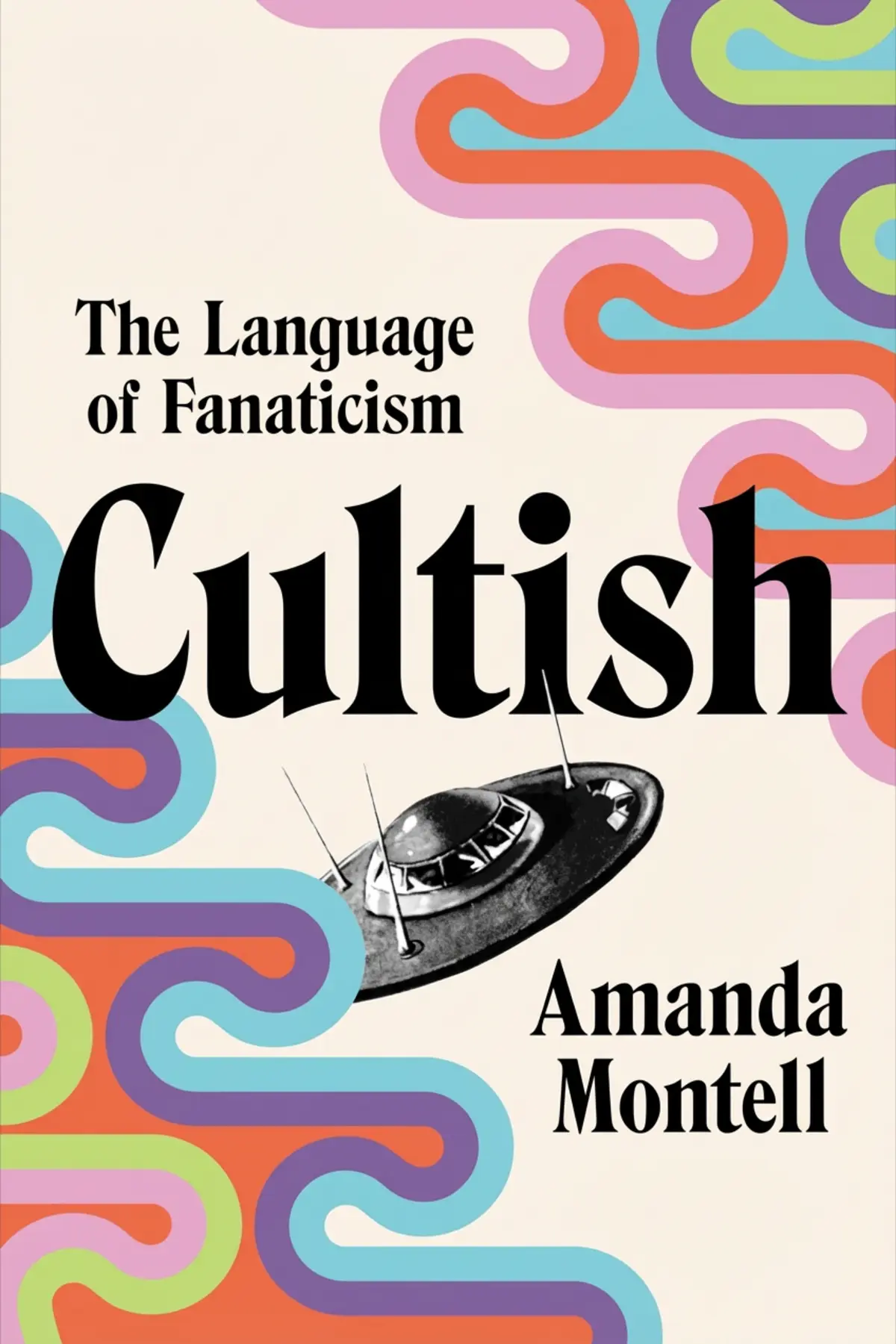
Table of Content
1. Introduction
1 min 47 sec
Language is so deeply embedded in our daily existence that we often forget it is much more than just a means of communication. It is, in fact, the very architecture of our reality. From the moment we wake up and engage with the world, words are working on us, shaping our perceptions, reinforcing our values, and determining who we trust. But what happens when that power is harnessed with a specific, sometimes hidden, intent? This is the core question we are exploring today. We are stepping into the world of groups that utilize a very specific kind of rhetoric—a style of speaking and thinking that can be described as truly cultish.
In this exploration, we will look at how language acts as both a glue and a gatekeeper. It has the remarkable ability to turn a group of strangers into a fiercely loyal community, providing them with a shared identity and a sense of purpose. Yet, that same language can be used to isolate, to confuse, and to create a boundary between ‘us’ and ‘them’ that becomes increasingly difficult to cross. Whether it is the intense devotion found in a boutique fitness studio, the complex hierarchies of a multi-level marketing firm, or the tragic extremes of notorious sects, the common thread is always the word.
Our journey will take us through the history of linguistic manipulation, examining the strategies used by charismatic figures to bypass our logic and speak directly to our deepest human needs. By the end of this narrative, you will have a new lens through which to view the world—one that reveals the hidden linguistic cues that shape our modern communities. We’ll learn how to distinguish between healthy solidarity and harmful control, ensuring that we remain the masters of our own thoughts even in the most persuasive of environments.
2. The Linguistic Architecture of Belonging
2 min 36 sec
Discover how specific vocabulary creates a sense of identity in groups ranging from yoga organizations to high-intensity fitness cultures, and the risks of this shared language.
3. Techniques of Verbal Control and Manipulation
2 min 31 sec
Unpack the lethal linguistic strategies used by notorious leaders to shut down critical thinking and enforce total devotion among their followers.
4. The Seductive Lexicon of Scientology
2 min 19 sec
Explore the sophisticated recruitment methods and specialized terminology that keep members invested in one of the world’s most controversial organizations.
5. The False Promises of Multi-Level Marketing
2 min 19 sec
Examine how MLMs use the language of empowerment and the ‘prosperity gospel’ to target vulnerable populations and mask financial exploitation.
6. Affirmations and Authority in Fitness Cults
2 min 05 sec
Analyze the rise of ’boutique’ fitness and how the blending of exercise with spiritual rhetoric can create intense, and sometimes risky, levels of devotion.
7. Digital Prophets and the Power of the Feed
2 min 20 sec
Investigate how social media influencers use mystical language to build devoted followings and the potential dangers of online spiritual authority.
8. Conclusion
1 min 39 sec
As we conclude our exploration into the world of ‘cultish’ language, the most important takeaway is that these linguistic patterns are not an anomaly; they are a fundamental part of how humans interact. From the brand names we choose to the political slogans we repeat, we are constantly participating in a shared linguistic landscape that influences our sense of self and our place in society. The power of words to build community is a beautiful thing, but that same power requires us to be vigilant.
We have seen how language can be used to create an ‘us versus them’ mentality, how thought-terminating clichés can silence our inner voice, and how specialized jargon can trap us in cycles of investment. But knowledge is the ultimate antidote to manipulation. By recognizing these patterns, you are no longer a passive recipient of rhetoric; you become an active, critical observer.
The goal isn’t to become cynical or to withdraw from all communities. Rather, it is to engage with the world more consciously. When you find yourself drawn to a new group or a persuasive leader, pay attention to the words they use. Ask yourself: Does this language allow for nuance? Does it respect my individual boundaries? Does it encourage me to think for myself, or does it provide ready-made answers that discourage further inquiry?
By staying mindful of the linguistic tools being used around us, we can enjoy the benefits of belonging while protecting our most precious asset: our independent mind. Language has the power to shape worlds, and by choosing our words and our communities carefully, we can ensure the worlds we build are ones of genuine connection, empathy, and truth.
About this book
What is this book about?
Have you ever wondered why certain groups—from fitness studios to multi-level marketing schemes—feel so magnetic, yet so restrictive? Cultish dives deep into the linguistic landscape of influence, revealing how language is the primary tool used to build communities and, in darker cases, to manipulate and control them. Through an examination of notorious cults, controversial religions, and high-pressure modern business models, this exploration highlights the specific verbal patterns that foster a sense of belonging while simultaneously shutting down critical thinking. You will learn about the role of unique jargon, the power of thought-terminating clichés, and the way charismatic leaders adapt their speech to mirror their followers. Ultimately, the book provides a framework for recognizing cultish influence in everyday life, helping you navigate the world with greater awareness and agency.
Book Information
About the Author
Amanda Montell
Amanda Montell is a highly regarded author, linguist, and podcast creator based in Los Angeles. She has gained critical acclaim for her insightful nonfiction work, including the celebrated book Wordslut. Montell’s expertise lies in the intersection of language and social dynamics, a topic she explores deeply as the host of the popular podcast Sounds Like A Cult. Her work consistently challenges readers to think more critically about the words they use and the groups they join.
Ratings & Reviews
Ratings at a glance
What people think
Listeners find this an intriguing listen, noting its deep research and accessible explanations regarding cult dynamics. The narrative voice is both captivating and brief, and listeners value the stimulating perspectives shared, including one listener who pointed out how it assists in spotting linguistic patterns typical of cults. They also commend the way the subject is handled, with one review emphasizing its thorough overview of cult-like conduct.
Top reviews
James
Wow, I will never look at a workout class or a corporate 'mission statement' the same way again after finishing this. Montell has a gift for taking dense psychological concepts and making them feel relevant to our current, hyper-connected world. The book is incredibly engaging and hits that sweet spot between being educational and being a genuine page-turner. I particularly appreciated the discussion on 'loaded language' and how it creates an us-vs-them mentality in even the most mundane settings. While she does share a lot of her own perspective, it helps ground the research in reality. It’s a comprehensive and accessible summary of why we all crave community, even when it’s toxic.
Show moreMo
Finally got around to reading this and it lived up to the hype as a truly fascinating deep dive. Montell manages to be both empathetic to those who fall for these groups and sharp in her critique of the leaders who exploit them. The research feels thorough, but the language is easy-to-understand and never feels like a dry textbook. I loved the breakdown of how 'insider' jargon creates a sense of belonging that is hard to leave behind. It’s a very smart, contemporary look at why we believe what we believe. If you’ve ever been fascinated by the 'why' behind cults, this is the book for you. It stays with you long after the final page.
Show moreChanon
Frankly, everyone needs to read the chapter on MLMs before they sign up for another 'opportunity.' This book is an essential tool for identifying the red flags of manipulative groups in the digital age. Montell’s approach is refreshing because she doesn't treat cult members as stupid; she shows how language appeals to very human needs for connection and purpose. The book is concise, engagingly written, and incredibly relevant to our current political climate. It helped me put words to feelings I've had about certain online communities for years. Truly one of the most thought-provoking non-fiction books I've read in a long time. Highly recommend to any curious reader.
Show moreJom
Fascinating look at the verbal gymnastics used by groups ranging from the horrific Jonestown to the seemingly harmless SoulCycle. Montell makes the complex field of linguistics incredibly easy to understand, even for someone who isn't a 'scholar.' I loved how she identified specific language patterns that make people feel included or excluded. The writing is snappy and fast-paced, though she does inject a lot of her personal life into the narrative, which might not be for everyone. Still, the breakdown of how 'thought-terminating clichés' work in modern politics and fitness culture was a total lightbulb moment for me. It’s a well-researched guide to the jargon we hear every day.
Show moreSoontorn
Ever wonder why smart, successful people end up in things like NXIVM or paying way too much for a Peloton subscription? Montell argues it’s not brainwashing in the traditional sense, but rather the subtle power of 'Cultish' language. I found the sections on Multi-Level Marketing especially biting and accurate, specifically the way she deconstructs 'boss babe' jargon. It’s well-researched but written in a way that feels like you’re chatting with a smart friend at a bar. Some of the history on Heaven's Gate felt a bit glossed over, but the focus here is really on the verbal tricks that bypass our critical thinking. Definitely a thought-provoking read that will make you double-check your own social groups.
Show moreMan
Picked this up on a whim because the cover was everywhere, and I’m glad I did. The way Montell connects the dots between religious fanaticism and modern-day influencers is brilliant. She really highlights the pattern of how certain phrases are used to shut down dissent. It’s fascinating to see how the same techniques used by Jim Jones are being repurposed by #girlbosses on Instagram to sell leggings and supplements. The book is very readable and the tone is witty, though I can see why some might find the LA-centric focus a bit much. Overall, it's a solid read that offers a lot of 'aha!' moments about the world around us and the groups we join.
Show moreKavya
The way Montell deconstructs 'loaded language' is genuinely eye-opening, especially the part about thought-terminating clichés. We use these phrases every day without realizing how they halt our ability to think critically. I appreciated that she didn't just stick to the famous, tragic cults like Jonestown, but also looked at 'cultish' behavior in spaces we consider normal. The section on 3HO and the wellness industry was particularly disturbing. My only gripe is that the author is a bit too present in the text sometimes. I wanted more about the victims and the language, and a little less about her childhood, but her writing style is so muscular and confident that I stayed hooked.
Show moreKwame
To be fair, the title is a bit misleading if you are coming for a hard linguistics text. It’s much more about the social psychology of cults than the actual technical structure of language. I enjoyed the chapters on Scientology and MLMs, but I felt like the author stretched the definition of a 'cult' a bit thin when she started talking about Starbucks or Crossfit. Not everything that has a specific vocabulary is a dangerous cult. The writing is very conversational, which makes for a quick read, but I wish there was more data and fewer stories about people she met at parties. It is a decent introduction to the topic but lacks the depth I was hoping for.
Show moreNatnicha
As someone who loves deep-dive linguistics, I found this a bit surface-level in terms of actual science. It’s a fun, quick read, but it feels more like a long-form magazine article than a definitive book on the subject. The author relies heavily on personal anecdotes and interviews with her friends, which makes the narrative feel a bit insular at times. Look, the insights into MLMs and SoulCycle are great, but the connection to actual linguistic theory felt tenuous at times. It’s a good conversation starter, and the 'semantic stop signs' concept is useful, but I wanted something meatier. It’s definitely more about 'cult stories' than it is about 'language scholarship.'
Show morePrapaiwan
This was a huge disappointment because the subtitle promises a deep dive into linguistics that never actually arrives. Instead of a scholarly analysis of language, the author gives us a disorganized collection of personal anecdotes about her friends in LA and her family history. The constant signposting—'more on that in a bit'—is incredibly annoying and reeks of poor editing. To be honest, calling yourself a 'language scholar' with such thin credentials feels arrogant when the book is mostly surface-level observations about things everyone already knows. If you want a serious study of how cults function, look elsewhere, because this is just another trendy non-fiction book that values style over substance.
Show moreReaders also enjoyed
59 Seconds: Change Your Life in Under a Minute
Richard Wiseman
A Liberated Mind: How to Pivot Toward What Matters
Steven C. Hayes
Acting with Power: Why We Are More Powerful Than We Believe
Deborah Gruenfeld
Age of Propaganda: The Everyday Use and Abuse of Persuasion
Anthony Pratkanis
AUDIO SUMMARY AVAILABLE
Listen to Cultish in 15 minutes
Get the key ideas from Cultish by Amanda Montell, plus 5,000+ more titles in English and Thai.
- 5,000+ titles
- Listen as much as you want
- 7-day free trial
- Cancel anytime







