
17 min 25 sec
Divergent Mind: Thriving in a World That Wasn't Designed for You
Divergent Mind examines the hidden experiences of neurodiverse women and nonbinary people, challenging the male-centric view of conditions like autism and ADHD while offering a path toward self-acceptance and inclusive design.
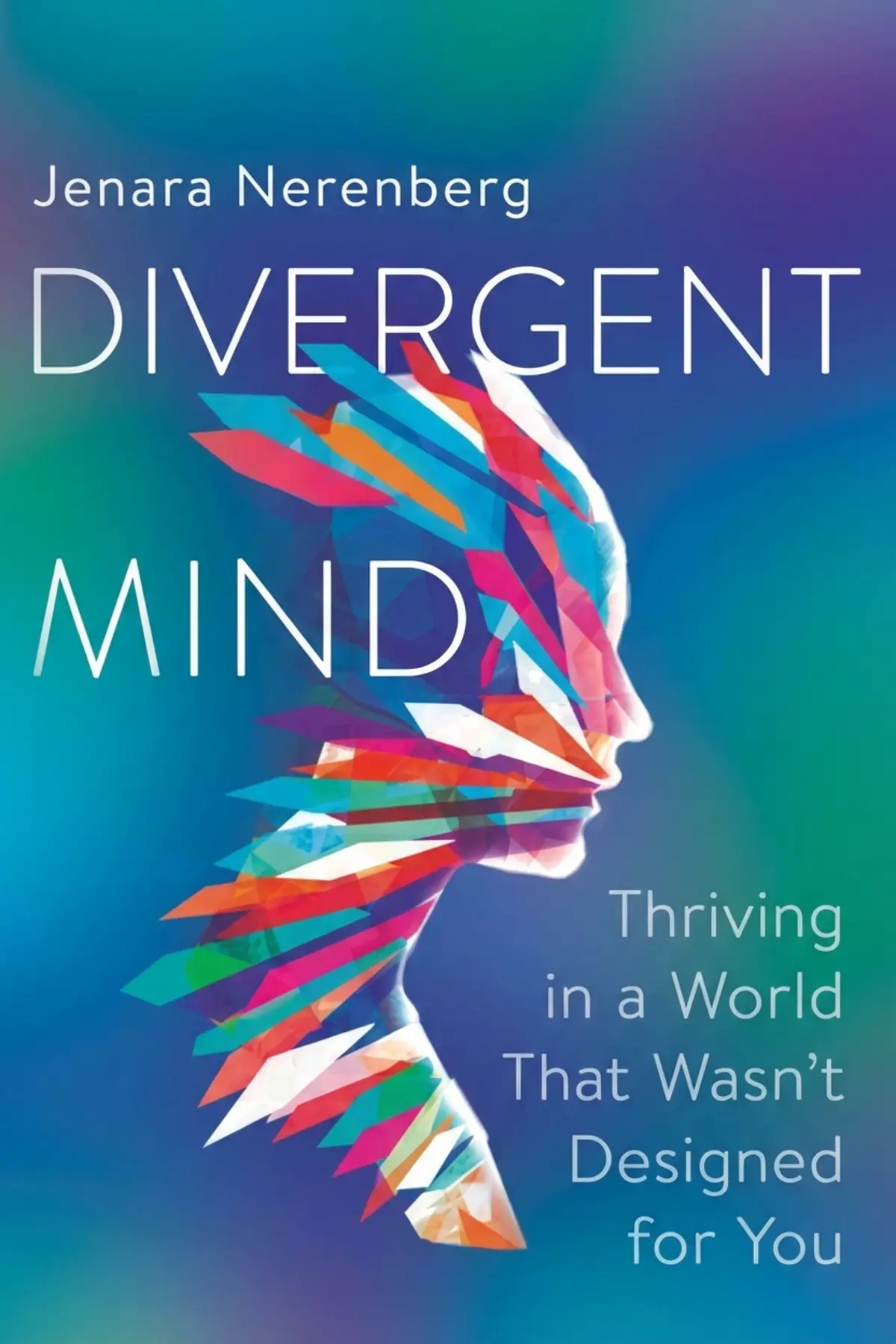
Table of Content
1. Introduction
1 min 36 sec
Have you ever felt like you were reading a script that everyone else understood perfectly, but you were constantly missing the stage directions? For millions of people, particularly women and nonbinary individuals, this feeling of being ‘out of step’ isn’t just a personality quirk—it’s the result of a brain that processes information, sensory input, and social cues differently. In Divergent Mind, Jenara Nerenberg explores the landscape of neurodiversity through a lens that has been historically ignored: the feminine and non-male experience.
For decades, our understanding of conditions like autism, ADHD, and sensory processing disorders has been built on research conducted almost entirely on men and boys. This has left an entire population of neurodivergent people struggling in silence, often internalizing their challenges as personal failures rather than biological differences. They spend their lives ‘masking’—performing a version of normalcy that is exhausting and eventually leads to profound burnout.
This journey is about more than just getting a diagnosis. It’s about shifting our entire cultural perspective. We are moving away from the idea that these brains are ‘broken’ and toward the realization that human neurology exists on a vast and beautiful spectrum. By understanding how neurodivergent people experience the world, we can begin to build environments, workplaces, and relationships that actually work for everyone. Let’s dive into the shift from pathology to empowerment and see how the world looks when we finally stop trying to fit square pegs into round holes.
2. Redefining the Spectrum Beyond the Male Default
3 min 02 sec
Discover why millions of neurodivergent women remain invisible to the medical community and the high psychological price they pay for trying to blend into a neurotypical world.
3. The Science of High Sensitivity and Sensory Processing
3 min 00 sec
Learn about the biological reality of being a Highly Sensitive Person and why deep sensory processing might actually be an evolutionary advantage.
4. The Broken Mirror and the Burden of Social Mimicry
2 min 46 sec
Explore the role of mirror neurons in social development and why the pressure to conform can lead to a fractured sense of self for neurodivergent individuals.
5. Strategies for Unmasking and Flourishing
2 min 42 sec
Moving from survival to thriving requires new tools, honest communication, and the courage to stop pretending to be neurotypical.
6. Building a World Designed for Diverse Minds
2 min 43 sec
Imagine a future where urban planning and interior design prioritize the nervous system, creating environments that soothe rather than stress.
7. Conclusion
1 min 36 sec
The journey through Divergent Mind brings us to a vital conclusion: neurodiversity is not a problem to be solved, but a reality to be embraced. For too long, women and nonbinary people have lived in the shadows of a medical model that didn’t see them and a social model that demanded they hide their true selves. By unmasking the reality of these different brain types, we can begin to heal the years of self-blame and burnout that so many have endured.
Remember that the traits we often pathologize—intense sensitivity, deep processing, and unique sensory experiences—are also the source of immense creativity, empathy, and problem-solving. When we stop viewing these differences as deficits, we unlock a massive amount of human potential. The path forward involves both individual and collective action. On an individual level, it means seeking self-awareness, practicing self-compassion, and finding the tools that help your unique nervous system thrive. On a collective level, it means advocating for changes in our workplaces, our schools, and our public spaces.
As you move back into the world, take a moment to notice your surroundings through a sensory lens. Think about the people in your life who might be struggling to mask their differences. By creating space for authenticity and by designing our lives with the nervous system in mind, we don’t just help the neurodivergent—we build a more vibrant, inclusive, and compassionate world for everyone. The world wasn’t designed for you, perhaps, but you have the power to help redesign it.
About this book
What is this book about?
For too long, the conversation around neurodiversity has focused almost exclusively on the male experience. Divergent Mind pulls back the curtain on an invisible population: the women and nonbinary individuals who navigate the world with ADHD, autism, synesthesia, and high sensitivity without ever knowing why they feel out of sync. Author Jenara Nerenberg explores how social pressures lead many to mask their true selves, resulting in burnout, anxiety, and a feeling of being fundamentally broken. This book is more than just a exploration of different brain types; it is a call to action for a more compassionate and inclusive society. By redefining these neurological differences as strengths rather than pathologies, Nerenberg provides a framework for individuals to unmask and for institutions to redesign environments. From the biology of sensory processing to the healing power of nature, it offers a vision of a world where diverse minds are not just tolerated but celebrated as essential to the human experience.
Book Information
About the Author
Jenara Nerenberg
Jenara Nerenberg is a prominent voice in the field of neurodiversity and well-being. She is the founder of The Neurodiversity Project and works as a freelance journalist. Nerenberg is a recognized speaker and workshop leader, focusing on how neurodiversity impacts mental health and the modern workplace.
Ratings & Reviews
Ratings at a glance
What people think
Listeners find this work highly educational and thoroughly investigated, featuring supportive citations throughout. It is described as an essential, enlightening, and stimulating listen, with one listener noting its role as a sympathetic link between research and lived experiences. The title is praised for its superb look at neurodiversity and its transformative power, including one listener who pointed out the practical guidance on improving sensory surroundings. Listeners value the caliber of the prose and the moving content, with one listener sharing that the experience brought them a sense of serenity and happiness.
Top reviews
Saowalak
Finally, a book that feels like a warm hug for my brain. After years of feeling like I was failing at being a "normal" adult, Nerenberg’s research provided a compassionate bridge between clinical data and my actual lived experience. I found myself highlighting entire pages because the descriptions of sensory processing and high sensitivity were so spot-on. It’s more than just a dry medical text; it’s an eye-opening exploration of how we can thrive by adjusting our surroundings rather than forcing ourselves into a rigid mold. The chapters on creating a better sensory environment at home changed how I view my own space. I walked away with a profound sense of peace and joy, knowing I’m not broken, just divergent. If you’ve ever felt like the world was a bit too loud or too fast, you need to read this immediately. It is truly life-changing for those of us who have spent years masking our true selves.
Show moreFrida
Wow, just wow. This book was exactly what I needed at this point in my journey. Nerenberg offers a compassionate bridge between high-level research and the daily struggles of navigating a world that wasn't built for us. I’ve read a lot about neurodiversity, but the way she frames "divergent" thinking as a strength rather than a disorder is truly life-changing. The advice on sensory environments was particularly helpful and easy to implement in my own home. Not gonna lie, I got a bit emotional reading the chapters on masking because it felt like she was reading my mind. It’s a thought-provoking, eye-opening must-read for anyone who feels like their brain works a little differently. I’m already recommending it to all my friends and family. This isn't just a book; it's a movement toward a more inclusive and understanding world.
Show moreJong
Picked this up on a whim and I haven't been able to stop thinking about it since. Jenara Nerenberg has created a masterpiece of validation for women who have spent their lives wondering why they don't "fit in." The way she bridges the gap between complex research and real-world application is nothing short of brilliant. I found so much joy in reading about the strengths of the divergent mind, rather than just focusing on the deficits. It gave me a new perspective on my own sensory needs and helped me realize that my sensitivity is actually a superpower in the right environment. This book is an eye-opening journey that encourages you to stop apologizing for how your brain works. It’s thought-provoking and deeply compassionate, offering a roadmap for thriving in a world that often demands conformity. Truly a must-read for every woman who has ever felt "too much" or "not enough."
Show moreWatchara
After hearing so many people talk about this book, I finally jumped in, and I’m so glad I did! The level of research Nerenberg put into this is evident on every page, yet it remains incredibly accessible. I loved the practical advice on tailoring your sensory environment to suit your needs; it’s something I had never consciously considered before. This book is a validating, eye-opening experience that makes you feel seen in a way few other books do. It’s a thought-provoking look at how society views productivity and how we can redefine it for ourselves. Every chapter felt like another piece of the puzzle of my life finally clicking into place. If you are looking for a compassionate, well-researched guide to understanding your own mind, this is it. It’s a life-changing resource that I will be returning to many times in the future.
Show moreBank
As someone who was diagnosed with ADHD later in life, I found this to be an incredibly validating resource. Jenara Nerenberg does a fantastic job of pulling together research on autism, synesthesia, and HSP traits that have been historically ignored in women. It’s a bit like a successor to Susan Cain’s 'Quiet,' but specifically for the neurodivergent community. Truth is, the book isn't perfect; the flow can be a bit disorganized at times, and some of the generalizations about "highly successful" women felt a bit narrow. However, the core message about the "divergent mind" is powerful and necessary for a society that still treats neurodiversity as a deficit. I appreciated the deep dive into how different brains process the world. Even if you don't agree with every point, the sheer amount of research makes it a worthwhile read for anyone looking to understand themselves or their loved ones better. It’s a solid step forward in a field that desperately needs more exploration.
Show moreA
Is this the definitive guide to neurodiversity? Probably not, but it's a significant contribution nonetheless. Nerenberg provides a well-researched and informative look at how the medical field has failed women and non-binary people. I loved the validation I felt while reading about the "divergent mind" and the specific struggles we face with traditional social expectations. On the other hand, the book is quite generous with generalizations that don't always hold up under scrutiny. For example, grouping basic human behaviors like being moved by music into neurodivergence felt a bit like a stretch to me. To be fair, her passion for the subject is infectious, and the book serves as a great introductory text. It’s an easy, accessible read that will spark a lot of necessary conversations, even if it leans a bit too heavily into the "girlboss" side of productivity. I’d recommend it with a few caveats about its narrow focus.
Show moreVimolwan
This book provides an excellent in-depth look at neurodiversity that feels both urgent and necessary. As many have noted, it acts as a successor to Susan Cain's work, but it carves out its own space by focusing on the medical neglect of women. The research is well-presented, and the tone is consistently encouraging. I did feel that the focus on high-achieving career women was a bit limiting, as it doesn't account for those who struggle with basic daily functioning. However, the insights into sensory processing and the "divergent" label are incredibly helpful for self-understanding. It’s an informative read that will definitely challenge your perceptions of what "normal" looks like. In my experience, even the flawed parts of the book lead to important self-reflection. It’s a solid 4-star read for anyone looking to broaden their understanding of the human brain.
Show morePranee
Ever wonder why your brain feels like it’s constantly on a different frequency than everyone else’s? This book offers some great answers and definitely makes you feel less alone in that experience. I listened to the audiobook, and while the content was informative, the structure felt a bit redundant towards the final chapters. Personally, I found the specific examples of successful women both inspiring and a little bit frustrating because they don't represent the average neurodivergent struggle. Look, the book is a good starting point if you’re just beginning to explore the idea of being an HSP or autistic. But it lacks the intersectionality required to truly cover the spectrum of human experience across different races and classes. It’s a decent read that provides some validating references, but it didn't quite hit the mark for me in terms of depth. It's okay, but I was hoping for something a bit more inclusive of all backgrounds.
Show moreNora
The premise is great, but the execution falls short. Frankly, the writing needed a much stronger editor to help the topics flow together more logically. It often feels like the author is skimming the surface of way too many topics without providing the depth needed for a truly transformative book. My biggest gripe is how much the content caters to a very specific, wealthy demographic of "entrepreneurial" women. The suggestion to just change your neighborhood to help with sensory issues is remarkably out of touch with the average person's reality. While I appreciate the attempt to highlight how women are misdiagnosed, the lack of accounting for race and class makes it feel incomplete. It’s essentially an HR manual for the 1%, leaving the rest of us behind in the struggle for basic recognition and support. I expected more from a book published in 2020.
Show moreMan
I wanted to find community in these pages, but I left feeling more alienated than ever. The book suffers from a massive lack of intersectionality, focusing almost exclusively on college-educated, successful white women who can afford to "optimize" their lives. What about those of us who can't just change neighborhoods to solve sensory issues or who struggle to keep a basic job? It feels incredibly tone-deaf to suggest that the biggest hurdle for neurodivergent people is simply finding a more "creative" office space. Furthermore, the writing often feels like a self-congratulatory HR manual for high-achieving entrepreneurs rather than a guide for the general neurodivergent population. To be fair, the author has passion, but the "White Feminist" lens ignores the real dangers of unmasking for BIPOC individuals or those in lower socioeconomic brackets. It feeds right back into the neurotypical obsession with productivity instead of challenging the systems that marginalize us in the first place.
Show moreReaders also enjoyed
ADHD an A-Z: Figuring It Out Step by Step
Leanne Maskell
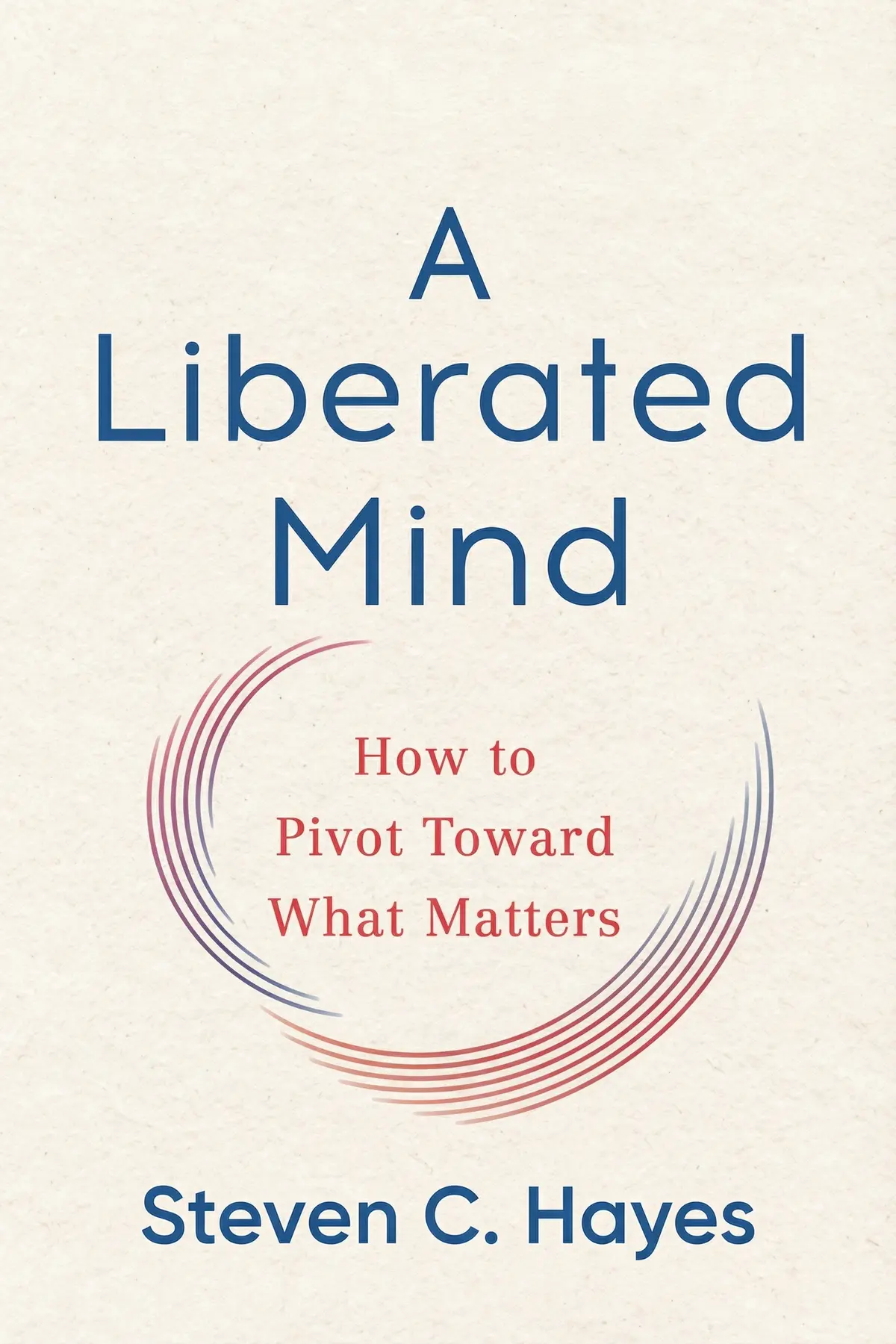
A Liberated Mind: How to Pivot Toward What Matters
Steven C. Hayes

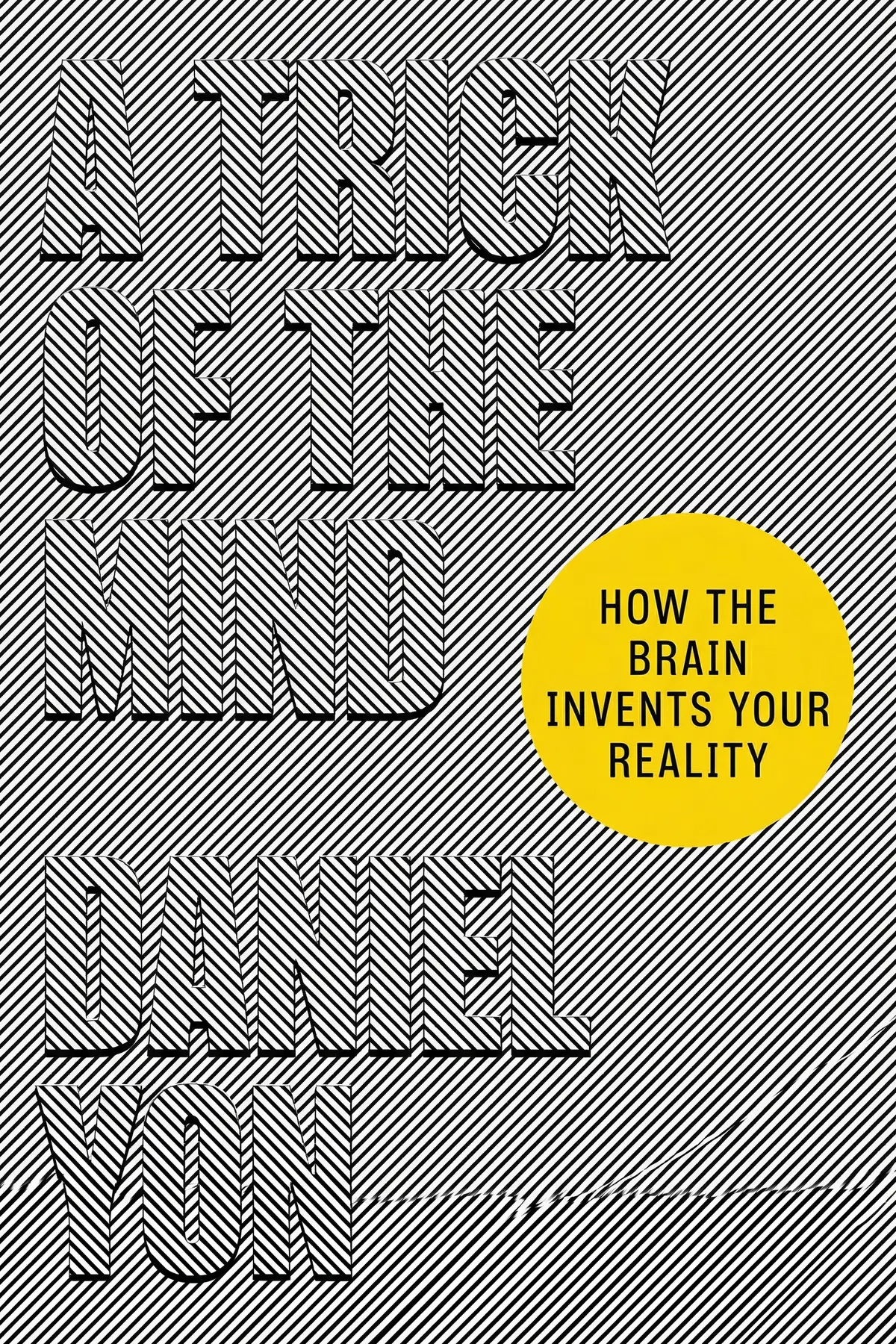
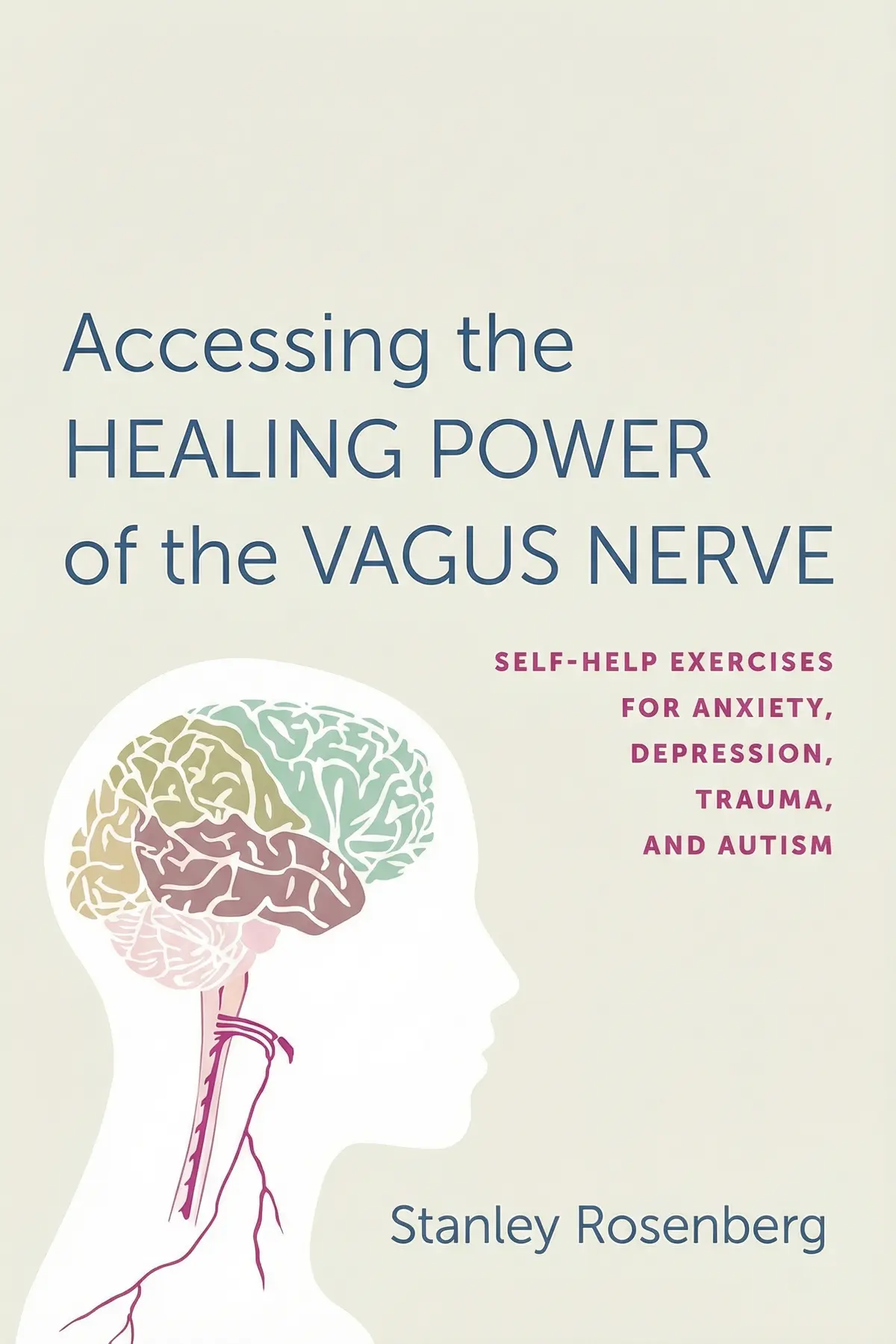
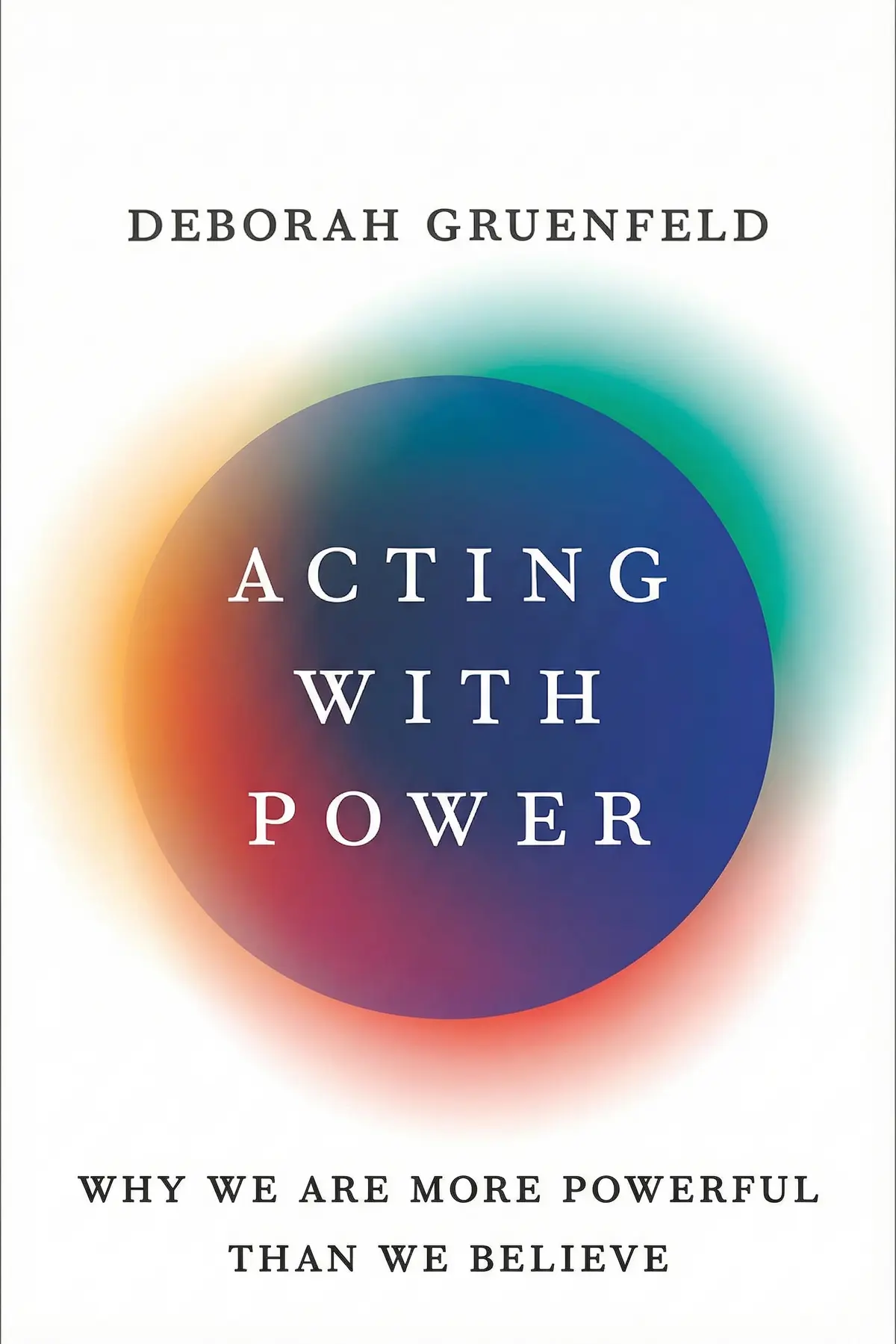
Acting with Power: Why We Are More Powerful Than We Believe
Deborah Gruenfeld
AUDIO SUMMARY AVAILABLE
Listen to Divergent Mind in 15 minutes
Get the key ideas from Divergent Mind by Jenara Nerenberg, plus 5,000+ more titles in English and Thai.
- 5,000+ titles
- Listen as much as you want
- 7-day free trial
- Cancel anytime







