
15 min 52 sec
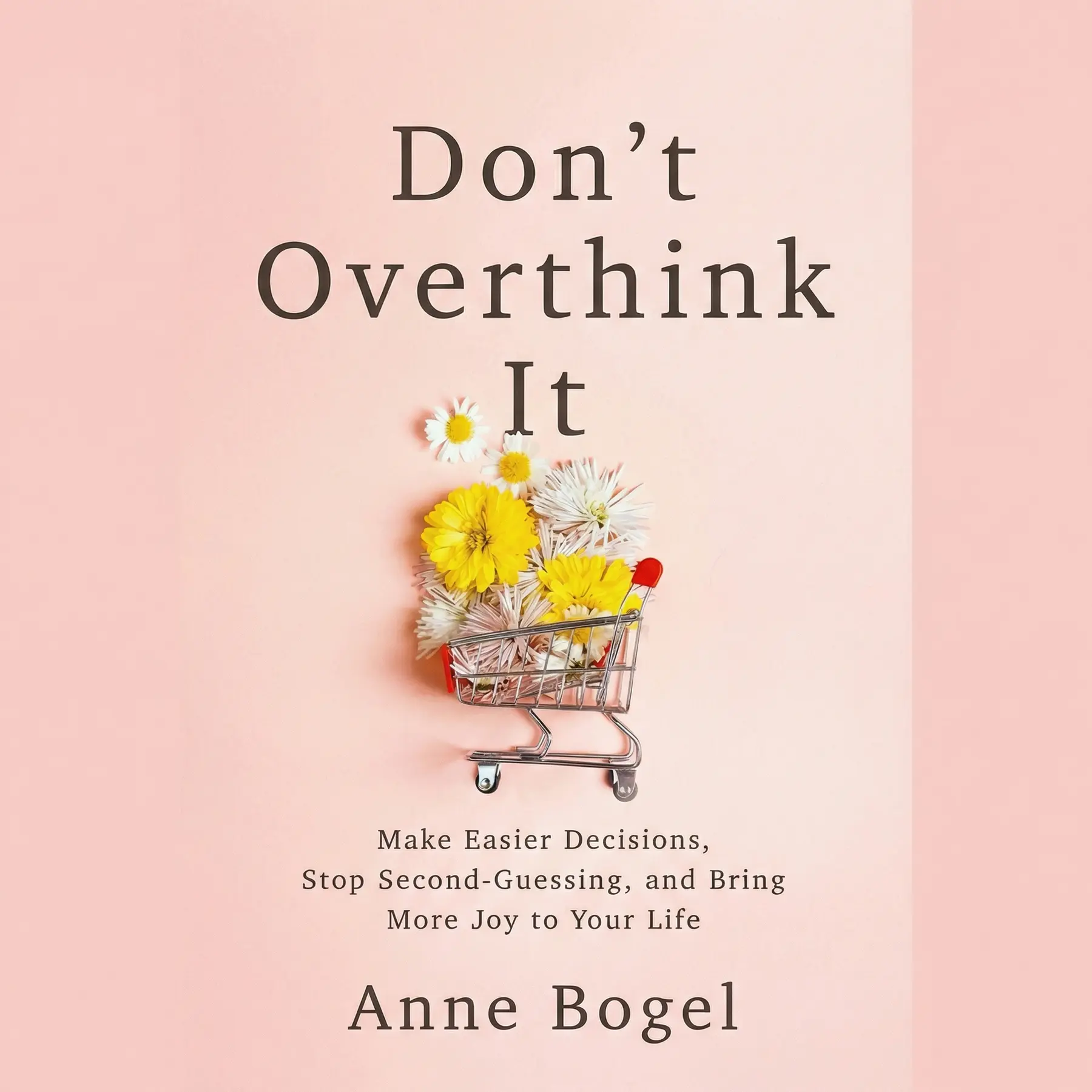
Don’t Overthink It: Make Easier Decisions, Stop Second-Guessing, and Bring More Joy to Your Life
By Anne Bogel
A practical guide to breaking the cycle of rumination and indecision. Anne Bogel offers strategies to simplify decision-making, align actions with values, and reclaim mental energy for a more joyful life.
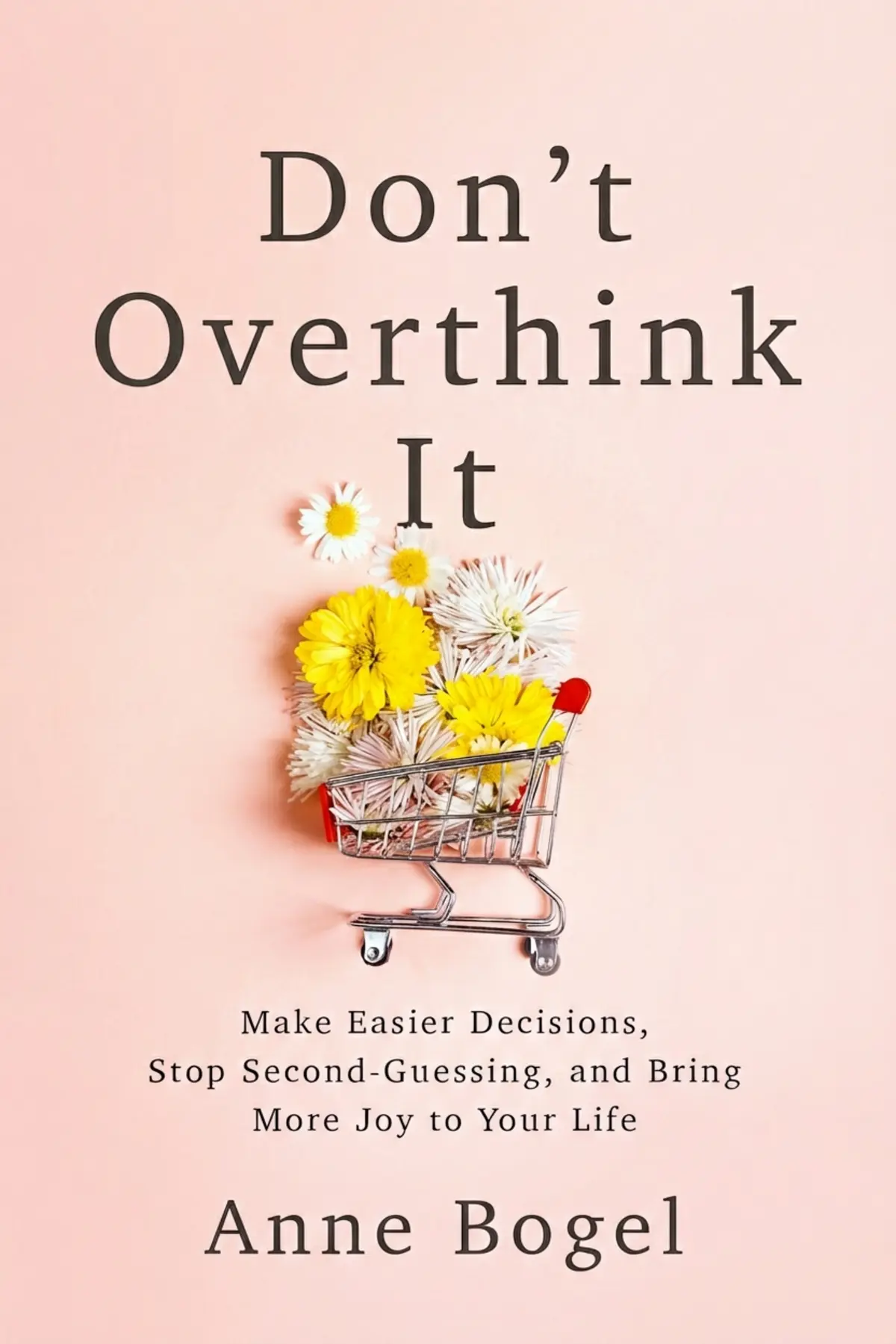
Table of Content
1. Introduction
1 min 34 sec
Have you ever felt like your mind is a browser with too many tabs open, all of them playing a different video at full volume? That is the essence of overthinking. It is that nagging, circular process where we spend hours debating which toaster to buy, or replaying a slightly awkward greeting from a neighbor until it feels like a social catastrophe. We often tell ourselves that we are just being thorough or careful, but in reality, we are trapped in a cycle that drains our energy and robs us of our peace.
In her insightful guide, Don’t Overthink It, Anne Bogel explores the mechanics of this mental exhaustion. She makes a critical distinction: deep, productive thinking is a tool for solving complex problems, whereas overthinking is a repetitive, unproductive habit that complicates even the simplest parts of our day. The throughline of this journey is the realization that our mental energy is a finite resource. When we spend it on trivialities, we don’t have enough left for the things that truly matter—our relationships, our passions, and our well-being.
Throughout this discussion, we will explore how to recognize the signs of analysis paralysis and how to dismantle the perfectionism that keeps us stuck. We will look at how defining our personal values acts as a filter, making decisions feel almost automatic. We’ll also dive into practical ways to cultivate a healthier internal landscape through gratitude and empathy. By the end, you’ll see that the goal isn’t just to stop the noise, but to clear enough space in your mind to finally enjoy the simple, beautiful abundance that’s been there all along. Let’s begin by looking at why we find ourselves sweating the small stuff in the first place.
2. The High Cost of Trivial Thinking
2 min 27 sec
Discover why agonizing over minor choices is more than just a nuisance; it’s a drain on your most precious cognitive resources that prevents you from living fully.
3. Breaking the Grip of Perfectionism
2 min 33 sec
Learn how the search for the perfect answer leads to total paralysis and how shifting to an experimental mindset can set you free from indecision.
4. Using Values as a Decision-Making Filter
2 min 30 sec
Unlock the secret to fast, confident choices by identifying your core values and letting them do the heavy lifting for you.
5. Tending the Garden of Your Mind
2 min 24 sec
Learn how to take control of your internal dialogue by treating your thoughts as a garden that requires daily care and intentional planting.
6. Embracing the Power of Simple Joys
2 min 47 sec
Discover how to overcome the guilt of ‘unnecessary’ pleasures and create habits that automate joy in your daily life.
7. Conclusion
1 min 37 sec
The journey out of overthinking isn’t about becoming a person who never thinks deeply; it’s about becoming a person who thinks intentionally. We have explored how overthinking is a misuse of our finite mental energy, a drain that leaves us exhausted and indecisive. We’ve seen how perfectionism traps us in a cycle of analysis paralysis and how shifting to an experimental mindset can help us move forward with confidence. By identifying our core values and letting them act as a decision-making filter, we can simplify our lives and align our actions with our truest selves.
We also touched on the importance of mental gardening—actively choosing to plant gratitude and empathy while pruning the weeds of negativity. And perhaps most importantly, we’ve discussed the value of simple abundance. When we stop overthinking our right to be happy and start automating the small joys in our lives, we reclaim the space that was once filled with worry and rumination.
As you move forward, remember that breaking the cycle of overthinking is a practice, not a one-time event. Start small. The next time you find yourself stuck in a loop over a minor choice, give yourself a five-minute deadline or ask if the decision aligns with your values. Choose the empathetic explanation for someone else’s behavior. Buy the flowers. Burn the candle. By taking control of your thoughts, you aren’t just making life easier—you are making it more beautiful. You have the power to stop the spiral and start living with a sense of clarity and peace. Now is the time to trust yourself, stop overthinking, and step into a life of simple, quiet abundance.
About this book
What is this book about?
We’ve all been there: lying awake at 3:00 a.m., replaying a conversation or agonizing over a trivial choice. In Don't Overthink It, Anne Bogel explores why our brains spiral into these exhausting loops and how we can break free. This isn't just about making better choices; it's about managing our most precious resource—mental energy. Bogel identifies the culprits behind our mental fatigue, from the myth of the perfect answer to the hidden weight of perfectionism. She provides a roadmap to move from analysis paralysis to confident action. By identifying core values, we can create a decision-making framework that eliminates second-guessing. The book also highlights the importance of mindset, showing how gratitude and empathy can rewire our internal dialogue. Ultimately, Bogel invites readers to stop sweating the small stuff and start embracing the simple joys that make life meaningful. It’s a call to move away from a scarcity mindset and toward a life of abundance and peace through intentionality.
Book Information
About the Author
Anne Bogel
Anne Bogel is a prominent author and the creative force behind the popular blog Modern Mrs. Darcy. Known for her insights into personality and literature, she has written best-selling books including Reading People and I'd Rather Be Reading. Bogel also shares her passion for books as the host of the podcast What Should I Read Next? She lives and works in Louisville, Kentucky.
Ratings & Reviews
Ratings at a glance
What people think
Listeners find this book packed with useful advice and prompt-style questions aimed at making the process of making decisions less complex. They also value the thorough investigation into the habit of overthinking combined with a compassionate, relatable style that encourages bringing more happiness into daily life. Furthermore, the content is accessible and interesting, with one listener mentioning it feels as though the author is talking to a friend.
Top reviews
Sirinat
Anne Bogel has this incredible way of making you feel like you're sitting on her porch with a cup of tea. She isn't lecturing. Instead, she offers a hand to pull you out of the analysis paralysis that claims so much of our mental real estate. I found the research on overthinking to be deeply insightful without being overly academic. The book focuses on bringing more joy into the small corners of your life by automating the easy stuff. It’s written like a conversation between friends, which makes the heavy lifting of mental habit-shifting feel much lighter. If you’ve spent years second-guessing every tiny move, this book provides the permission you need to just move forward. It’s a delightful, practical resource that I’ll likely revisit whenever my brain starts to spiral again.
Show moreOat
Finally got around to reading this after hearing Anne talk about it on her podcast, and it didn't disappoint at all. As someone who struggles with decision fatigue, the advice on clarifying my values was a total lightbulb moment. If you know what you value, the 'yes' or 'no' becomes automatic. The book is published by a Christian house, and while there are occasional mentions of faith or a pastor, it’s done in a way that’s inclusive and universal. It’s a gentle, encouraging guide that focuses on bringing more peace and joy into your daily rhythm. I loved the idea that we can simply 'decide to stop' certain loops. It sounds overly simplistic, but with the tools she provides, it actually feels possible. This book is a warm hug for a tired brain.
Show moreGioia
Ever wonder why you're so exhausted by 3 PM despite not doing much physical labor? This book explains exactly why: your brain is burning fuel on useless second-guessing. I’ve been a fan of the author’s blog for a long time, and this book feels like the distilled wisdom of her best years. The tone is incredibly kind. She doesn't shame the reader for their overthinking; she just offers a better way to live. The strategies for overcoming decision fatigue have changed how I approach my entire work week. It’s about more than just 'don't think so much'—it's about thinking well about the things that actually matter. I found it to be a joyous, transformative read that gave me back several hours of my week. Absolutely worth every minute spent reading.
Show moreAudrey
Picked this up during a particularly stressful month when even deciding what to cook for dinner felt like a Herculean task. The concept of establishing rituals really hit home for me. For instance, Bogel mentions always putting fresh flowers in your cart at Trader Joe's to avoid the 'should I or shouldn't I' debate. These tiny, concrete suggestions are where the book shines. Not every piece of advice was a revolution, but the cumulative effect of these small shifts is powerful. I did find some of the personal stories a little repetitive after a while. Still, the underlying message about protecting your headspace is vital for anyone prone to mental loops. It is a quick read that doesn't overstay its welcome, much like a helpful chat with a mentor.
Show moreTan
The chapter on setting up rituals was the absolute game-changer for my morning routine. Anne Bogel explores how decision fatigue drains our willpower, and her solutions are remarkably easy to implement immediately. Truth is, I’ve read a lot of self-help, but the way she frames 'mind maintenance' feels uniquely approachable. She uses a warm, understanding tone that acknowledges how exhausting our own brains can be. I appreciated the extensive research cited throughout, though it’s woven into the text so naturally you might miss it. Some of the guided questions at the end of the chapters were genuinely thought-provoking. I did think some anecdotes felt a bit like 'filler,' but the overall framework for simplifying my life was worth the price of the book. A solid choice for any overthinker.
Show moreDavid
As someone who gets paralyzed by choice at the grocery store, I found Bogel's 'Mind Maintenance' approach surprisingly helpful. The book isn't about solving life’s massive problems; it’s about fixing the leaky faucets in our brains that waste our energy. I particularly enjoyed the sections on minimalism and how reducing physical clutter can quiet the mental chatter. The writing is engaging and moves quickly, which is great for those of us who have trouble finishing longer books. I did feel like some of the anecdotes were a bit 'precious,' but the core strategies are solid. It’s a practical guide for making easier decisions and actually enjoying your life instead of just managing it. I've already started applying the 'value-based' RSVP trick to my social calendar and it works.
Show morePaisley
Not every self-help book needs to be a dense, 500-page academic tome to be effective. This is a short, punchy guide that targets the specific habits of the modern overthinker. In my experience, the most useful advice is often the simplest, and Bogel delivers exactly that. She helps you identify the 'mental microbes' that are keeping you stuck in place. While some critics say it’s too anecdotal, I found the stories helped ground the advice in real-world scenarios. It’s like a conversation with a wise friend who has already done the research for you. It’s easy to read, engaging, and contains several lightbulb moments regarding how we spend our precious time. If you need a quick boost to your mental clarity, this is a great place to start.
Show morePiyanart
While I appreciate the heart behind this book, I couldn't shake the feeling that it started as a series of blog posts. The content is genuinely helpful, don't get me wrong, but there is a lot of repetition across the chapters. To be fair, some of the strategies for stopping the second-guessing cycle are excellent. I particularly liked the guided questions at the end of each section. However, by the midpoint, the anecdotes started to feel like filler for a message that could have been a concise PDF or a single long-form essay. It’s a warm, easy read, but it might not offer enough 'new' information for those who have already spent years researching cognitive patterns or mindfulness. It’s good for beginners, but a bit thin for others.
Show moreVipawan
Frankly, I found the Benjamin Moore paint story a bit much, but the underlying psychology is sound. We’ve all been there—stuck on a ladder, repainting a room for the fourth time because the 'gray' wasn't quite right. Bogel captures that specific type of madness well. However, the book does feel quite repetitive by the end. The advice to 'just decide' is easier said than done, and I wish there was more weight given to clinical anxiety vs. casual overthinking. It’s a light, breezy read that works well as a 'mind maintenance' tool, but don't expect it to replace professional intervention if you're truly stuck. It’s a nice enough book for a weekend read, but it lacks the depth of more rigorous psychological texts. Skim the parts that don't apply.
Show moreHana
Look, if your biggest 'overthinking' crisis involves accidentally opening an eighty-dollar bottle of wine or feeling stressed about an extra day in New York City, this book is definitely for you. Frankly, it felt incredibly shallow and catered to a very specific demographic with very few high-stakes problems. The tone is meant to be understanding, but it often drifts into being self-absorbed. I found it hard to relate to stories about luxury preschools and international travel mistakes when I was looking for actual, deep mental health tools. If you’re struggling with the bottom tiers of the hierarchy of needs, you won’t find much substance here. It’s mostly first-world fluff that could have been summarized in a single Instagram caption. I wanted more grit and less privilege.
Show moreFeatured in
Readers also enjoyed
A Guide to the Good Life: The Ancient Art of Stoic Joy
William B. Irvine
A High-Performing Mind: Strengthen Your Mind and Live Your Best Life
Andrew D. Thompson
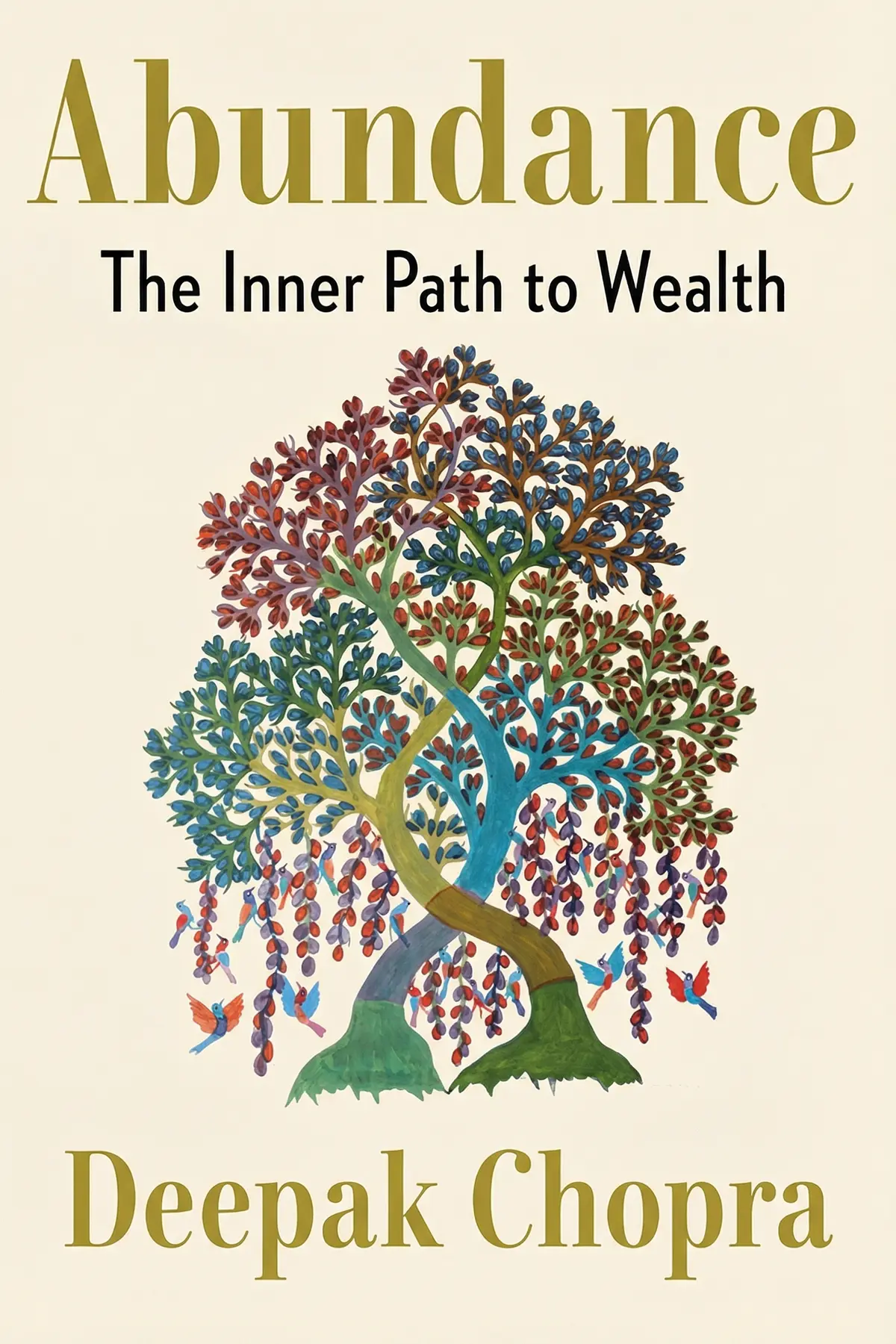
Abundance: The Inner Path to Wealth
Deepak Chopra
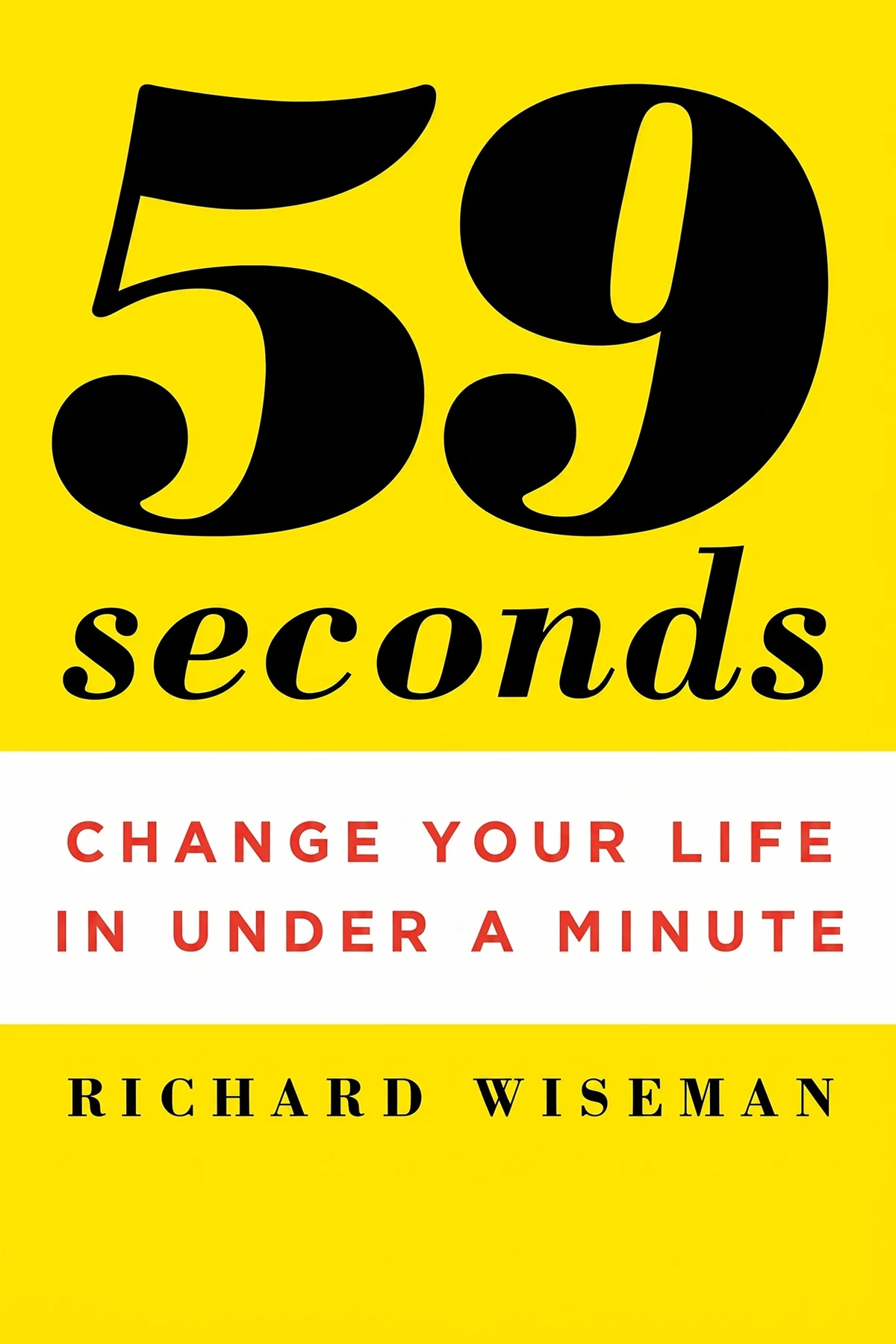
59 Seconds: Change Your Life in Under a Minute
Richard Wiseman
AUDIO SUMMARY AVAILABLE
Listen to Don’t Overthink It in 15 minutes
Get the key ideas from Don’t Overthink It by Anne Bogel, plus 5,000+ more titles in English and Thai.
- 5,000+ titles
- Listen as much as you want
- 7-day free trial
- Cancel anytime







