
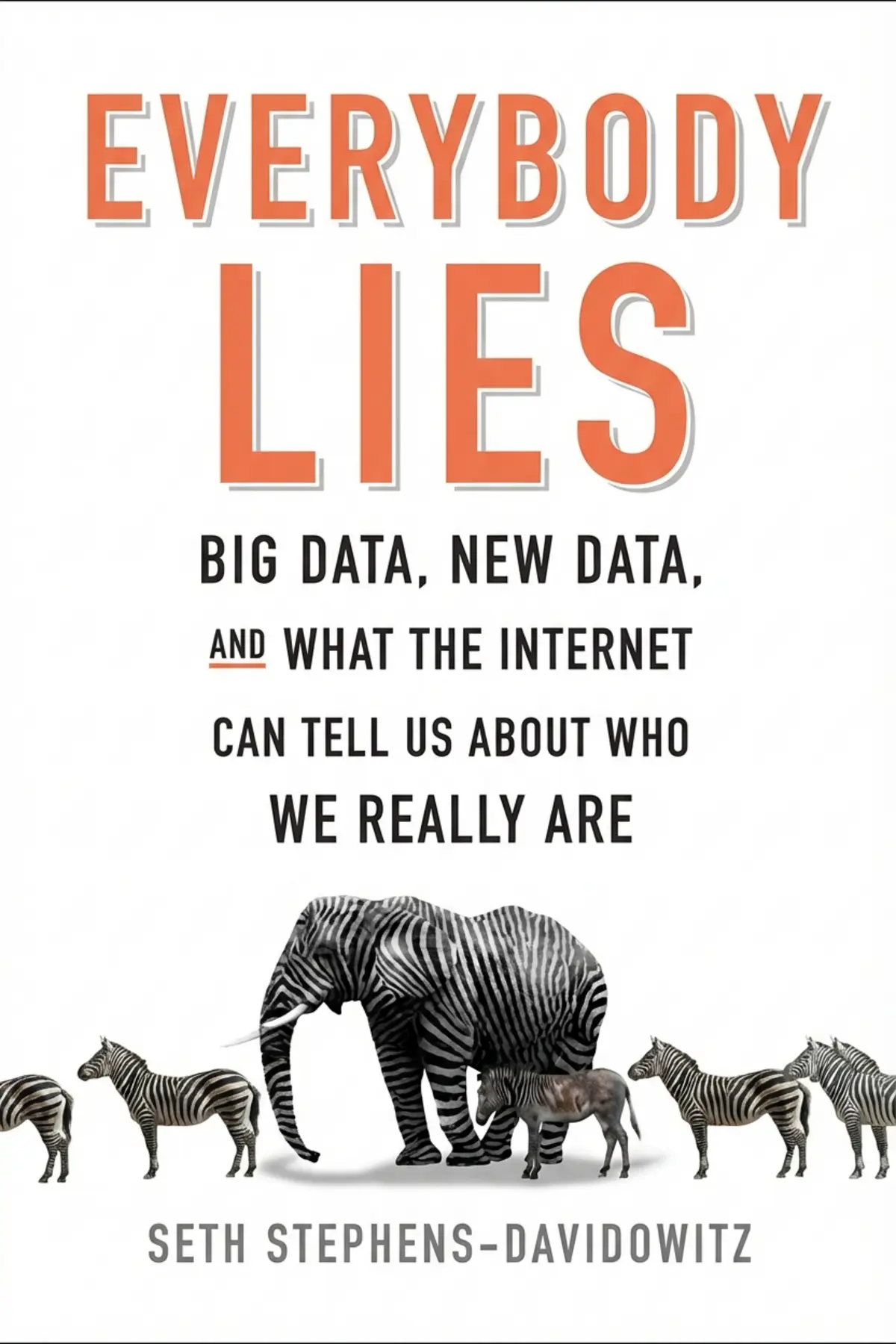
Everybody Lies: Big Data, New Data and What the Internet Can Tell
Seth Stephens-Davidowitz
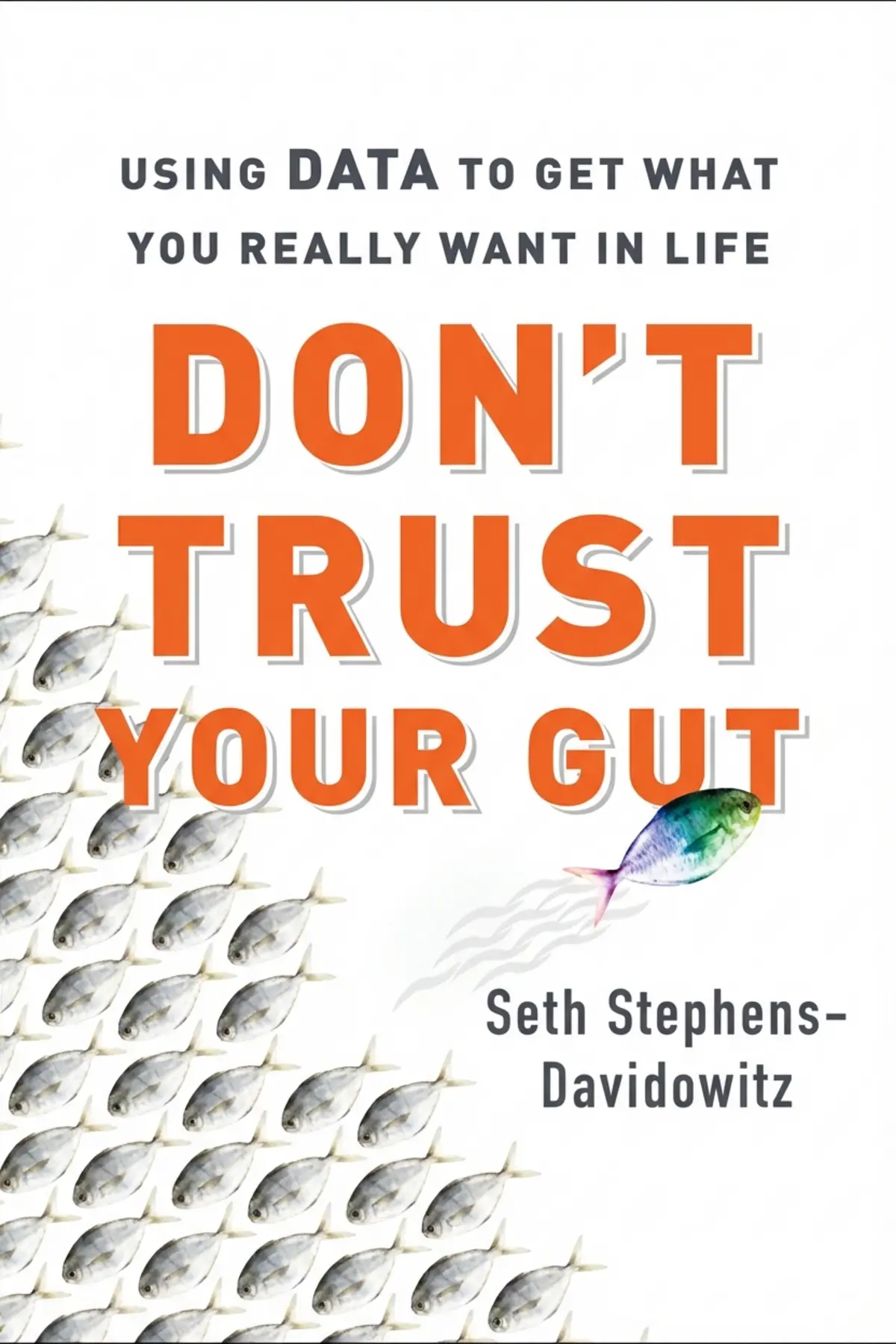
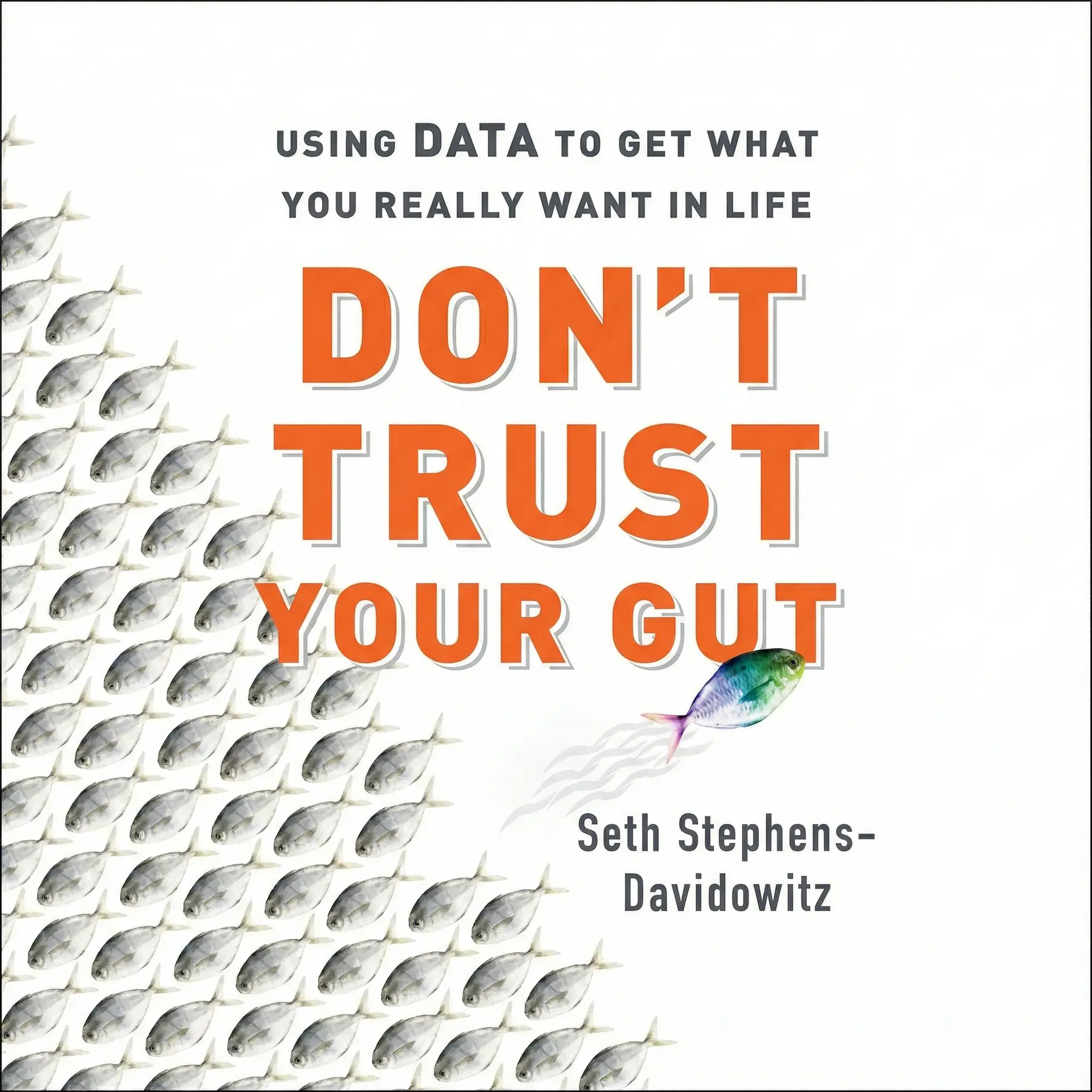
Don’t Trust Your Gut explores how big data can revolutionize personal decision-making. By moving past unreliable instincts, you can use statistical insights to find better relationships, career success, and long-term happiness.
1 min 53 sec
Imagine you are standing at a major crossroads in your life. Perhaps you’re considering a career change that feels risky, or you’re wondering if the person you’re dating is truly ‘the one.’ In these moments of high stakes and high anxiety, what is the most common advice you receive? Most people will tell you to look inward. They’ll say, ‘Trust your intuition,’ or ‘Follow your heart.’ We treat the gut feeling as a mystical, infallible guide that knows us better than any logic ever could. It’s a romantic idea, but according to the latest research in data science, it’s also a deeply flawed one.
The truth is that our instincts were honed for a world very different from the one we live in today. Our ‘gut’ is often just a collection of cognitive biases, societal pressures, and limited personal experiences. When we rely solely on it, we end up making choices that are predictable, conventional, and often unsuccessful. But we are living in a revolutionary era. We now have access to enormous amounts of information—what we call Big Data—that can pull back the curtain on human behavior in ways we never thought possible.
In this summary, we are going to explore why your instincts might be leading you astray and how you can start using hard data to make life-altering decisions. We’ll see how data-driven strategies have already transformed the worlds of professional sports, high-frequency trading, and Silicon Valley. More importantly, we’ll look at how these same principles can be applied to your personal life. From hacking your dating profile to rethinking your path to wealth, the goal is to stop guessing and start knowing. By the end of this journey, you’ll understand why the most ‘counter-intuitive’ choice is often the most logical one, and how leaning into the numbers can lead to a more fulfilling, successful life.
2 min 42 sec
Discover how the world’s most successful organizations stopped guessing and started winning by replacing human intuition with rigorous mathematical analysis.
2 min 41 sec
Learn why conventional dating advice is often misleading and how understanding the hidden metrics of attraction can help you find more matches.
2 min 29 sec
What really makes a relationship last? The data suggests we’re looking for the wrong traits in our long-term partners.
2 min 26 sec
Forget the myth of the twenty-year-old dropout. The data shows that the most successful founders are often much older and more experienced.
2 min 29 sec
Parenting is stressful, but data shows that your specific choices matter less than the environment in which you raise your children.
1 min 38 sec
As we have seen, the recurring theme of Seth Stephens-Davidowitz’s work is that our instincts are frequently outmatched by the power of data. We live in a world where we can finally measure things that were previously left to guesswork. We’ve discovered that the secret to a winning sports team isn’t flashy talent, but overlooked metrics. We’ve learned that the secret to a happy marriage isn’t a magical ‘spark’ with a movie-star lookalike, but a growth mindset and shared values. We’ve even seen that the path to wealth and the success of our children are governed by patterns that are often invisible to the naked eye.
The core message here isn’t to become a robot or to ignore your feelings entirely. It’s about balance. It’s about recognizing when your gut is likely to be biased and having the courage to look at the numbers instead. It’s about searching for those ‘undervalued assets’ in every area of your life—whether that’s a shorter partner who will make you incredibly happy, or a business idea in an unglamorous industry that has a high probability of success.
To put this into practice, start small. The next time you have to make a decision, ask yourself: ‘What does the data say about this?’ Don’t just rely on your own experience or the stories you’ve heard from friends. Look for broader trends. Use the tools available to you to find the evidence. By shifting your focus from ‘what feels right’ to ‘what is statistically likely to work,’ you can stop being a victim of your own biases and start building a life that is truly optimized for your happiness and success. Trusting your gut might feel better in the moment, but trusting the data will almost always lead to a better destination.
We are often told that our instincts are our most powerful tool for navigating life's biggest challenges. Whether we are choosing a life partner, starting a business, or deciding how to raise our children, the common advice is to listen to our hearts or trust our gut feelings. However, Seth Stephens-Davidowitz argues that this conventional wisdom is frequently wrong. Drawing on his background as a data scientist, he demonstrates that our internal compass is often skewed by biases and cultural myths that don't reflect reality. Don’t Trust Your Gut offers a data-driven blueprint for a better life. By examining massive datasets—from dating app behavior to the tax records of millionaires—the book reveals the hidden patterns behind success and fulfillment. It promises to show you how to identify 'undervalued assets' in the dating market, why your age might be your greatest entrepreneurial strength, and how the environment you choose for your family matters far more than your specific parenting style. This is a guide to making choices based on evidence rather than impulse.
Seth Stephens-Davidowitz is an author, a keynote speaker, and a data expert. Formerly one of Google’s top data scientists, he now focuses on using data-driven analysis to gain fresh insights into human behavior and psychology.
Seth Stephens-Davidowitz
Listeners find the work engaging and skillfully composed, woven with a sense of humor. They value the high-quality insights provided, with one listener specifically pointing out the data science research projects. Opinions on how easy the material is to digest are varied; some describe it as clear-cut, whereas others mention it feels overly basic.
Wow, this book really shifted my perspective on what actually drives success. I’ve always been obsessed with the idea of luck, and the chapter on how successful artists and businesses capitalize on 'lucky breaks' by simply increasing their output was eye-opening. Luck is huge. But data shows that success isn't just a lightning strike; it's about increasing the surface area of your opportunities. Stephens-Davidowitz writes with a breezy, humorous tone that makes the complex statistics feel like a conversation at a bar. I especially loved the parenting section. Knowing that my kids' future income is only partially influenced by my daily micro-decisions takes a lot of weight off my shoulders. It's refreshing to read a book that uses hard numbers to tell us to relax and focus on the big things—like where we live and who we marry—rather than sweating the small stuff.
Show moreTo be fair, I was already a fan of the author’s previous work, but this one felt even more personal and applicable. The way he breaks down how to 'hack' luck by being more prolific is something every creative person needs to hear. We often think of success as a mystery, but the data suggests it's often a numbers game. I also appreciated the deep dive into what makes a neighborhood 'good' for children's upward mobility. It’s not just about school funding; it’s about the presence of adult role models and community stability. Some of the criticisms about him being 'glib' are understandable, but I think the simplicity is a feature, not a bug. It makes the data actionable. I’ve already started changing my daily habits based on the happiness research, and I’m feeling the benefits of more time in nature and less time on my phone.
Show moreLook, I’m a fan of any book that tells me it's okay to stop worrying about a thousand tiny parenting decisions. The data on how the IRS tracks child success by neighborhood was a revelation. It shifts the burden from 'did I buy the right toy' to 'do we live in the right zip code.' Some might find his writing a bit too casual, but I found the humor kept the statistics from becoming a dry slog. It’s not a perfect blueprint for life—no book is—but it’s a fascinating lens to view your choices through. The section on older entrepreneurs being more successful than the twenty-something 'geniuses' we see in the media was particularly encouraging for those of us starting businesses later in life. It’s a well-written, fast-paced journey through what big data can—and occasionally cannot—tell us about ourselves.
Show morePicked this up because I’m a total sucker for social science, and I wasn't disappointed by the breadth of the research. Seth Stephens-Davidowitz has a knack for finding the weirdest corners of data science to answer life's big questions. Is it a bit simplistic? Sure. But the information quality is high, especially the parts debunking the myth of the twenty-something tech genius. Seeing data that proves most successful entrepreneurs are actually older and experienced was a huge relief for me. To be fair, some of the dating advice felt a little like 'optimizing for the sake of optimizing,' ignoring the human element of attraction. However, the writing is fast-paced and the humor is genuinely funny. It’s a fascinating read that makes you question your own biases, even if you don't agree with every single conclusion he draws from the IRS or Facebook datasets.
Show moreTruth is, I wasn't expecting to laugh so much at a book about data science. The author’s self-deprecating humor about his own dating life and his quest for a 'makeover' using data-driven polling was hilarious. Beyond the jokes, the research projects mentioned are genuinely fascinating. The dating chapter was a standout for me, particularly the research by Samantha Joel on what actually predicts relationship happiness. It turns out that a partner’s personality and growth mindset matter way more than the 'hotness' we all filter for on apps. My only gripe is that some chapters feel a bit rushed, like the one on personal style. Still, it’s a well-written, engaging look at how we can use information to make slightly better choices. It’s not going to solve all your problems, but it provides a great framework for thinking about the world more logically.
Show moreSeth Stephens-Davidowitz has a way of making complex datasets feel incredibly accessible to the average reader. I was particularly gripped by the business section. The idea that the most reliable way to get rich is owning a 'boring' business like an alcohol distributorship—where regulations stifle competition—is the kind of counter-intuitive insight I love. It’s a sharp contrast to the typical 'follow your passion' advice. While the book is quite simple and avoids deep mathematical dives, the quality of the information is solid. I do think he overextends some claims, especially regarding the 'genetic' influence on parenting, which is a bit of a controversial minefield. But as a general guide to making smarter decisions, it’s very effective. The chapter on happiness alone, focusing on the 'Mappiness' research, is worth the price of the book. Nature and sex make us happy; social media and work don't. Simple, data-backed, and true.
Show moreFinally got around to finishing this, and I have some thoughts on the 'data-whiz' genre. This book is essentially 'Everybody Lies' applied to personal decision-making, and for the most part, it works. The author is right that our guts are often wrong, especially when it comes to what makes us happy. I found the section on activities that actually boost mood to be very grounded. Who knew that fishing and gardening consistently rank higher than playing video games? To be fair, the 'tech-bro' style can be a little much at times, and I wish there was more discussion on the 'garbage in, garbage out' problem with search data. However, the book is incredibly readable and provides plenty of 'did you know' facts that I've been sharing with everyone. It’s a solid 4-star read for anyone interested in behavioral economics.
Show moreEver wonder if your gut feeling is actually just a collection of bad habits? That is the question this book tries to answer, but the results are a mixed bag. On one hand, the case studies on happiness and nature are compelling. On the other hand, the writing style leans heavily into that 'tech-bro-data-scientist' persona that can be grating. I was especially bothered by some of the blanket statements, like his assumptions about the attractiveness of Asian men based on income averages. It felt less like data and more like a stereotype. The book often drifts away from its main point to share personal anecdotes that don't always land. It’s an entertaining read for a flight, and it will definitely get you talking at dinner parties. Just don't expect it to actually function as a foolproof self-help manual for your entire existence.
Show moreAfter hearing the hype about 'Moneyball for your life,' I expected something transformative. Instead, I got a book that repeats the phrase 'big data' like a magic spell without acknowledging the massive limitations of the research. The author suggests that Google search terms are a direct window into the human soul, but search data lacks context and can be incredibly noisy. For instance, he claims Reading, Pennsylvania is a top-five place to raise a child based on one specific study. Anyone who has actually spent time in Reading would find that conclusion questionable at best. It feels like the author is cherry-picking data points that make for catchy headlines rather than providing a rigorous analysis. Frankly, it's more of a collection of trivia than a reliable guide to living. If you want a book that tells you what you want to hear with a veneer of science, this is it. But if you are looking for genuine, actionable insight, you should probably look elsewhere.
Show moreThe premise sounds great, but the execution feels like a long series of breezy blog posts that lack academic rigor. I found myself wary of the postulations early on because they ignore so many relevant factors. For example, the author suggests wearing glasses just to appear more competent, which is such a shallow take on personal branding. Does it account for overall attractiveness or the specific context of your career? Not really. It’s pop culture disguised as science. The book relies on the 'replication crisis' era of psychology studies without enough skepticism. There are no great revelations here, and in the end, common sense usually wins out over his data-driven hacks. It is an easy read, but I’d recommend exercising some serious critical thinking before you start changing your life based on these search term metrics.
Show more
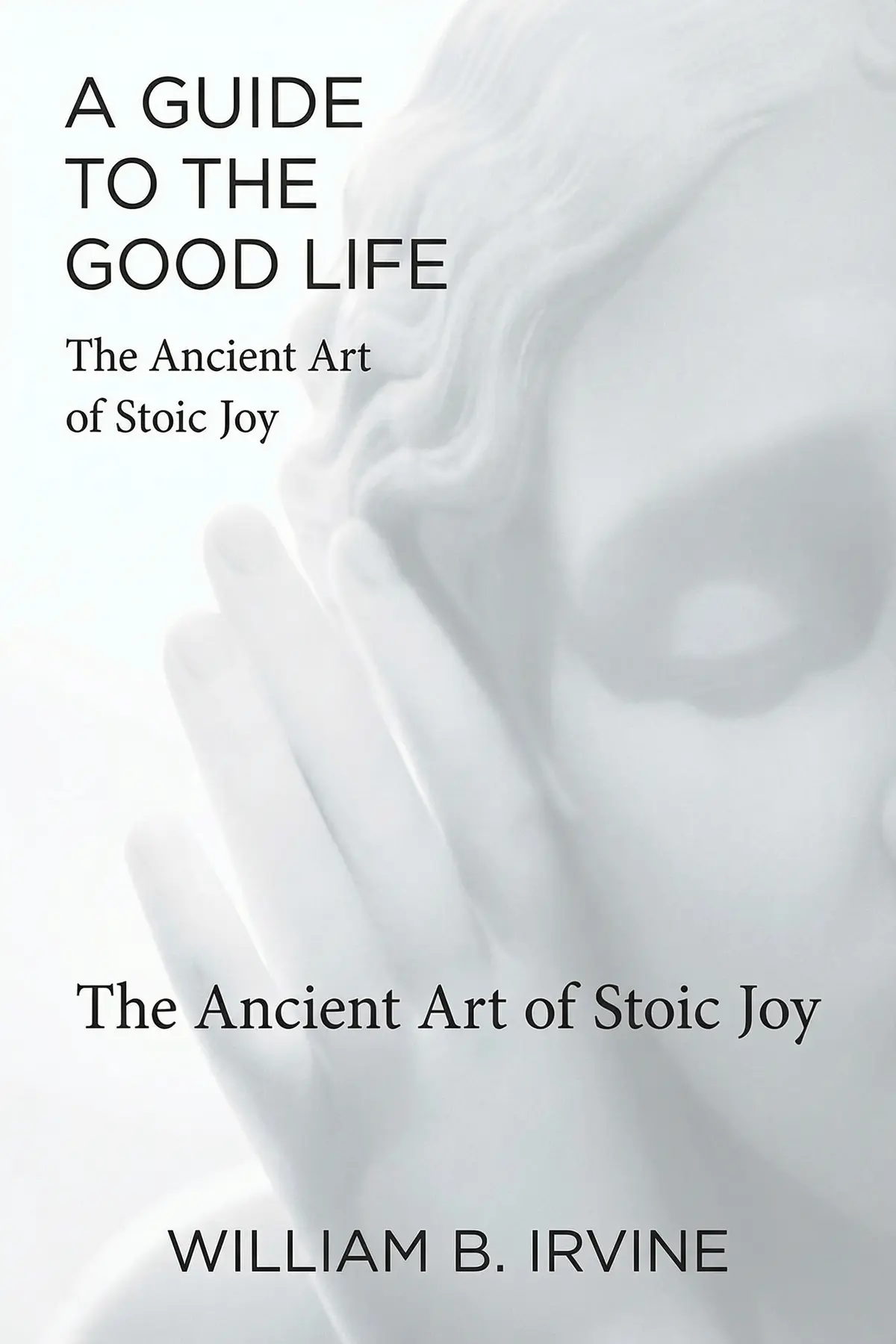
William B. Irvine

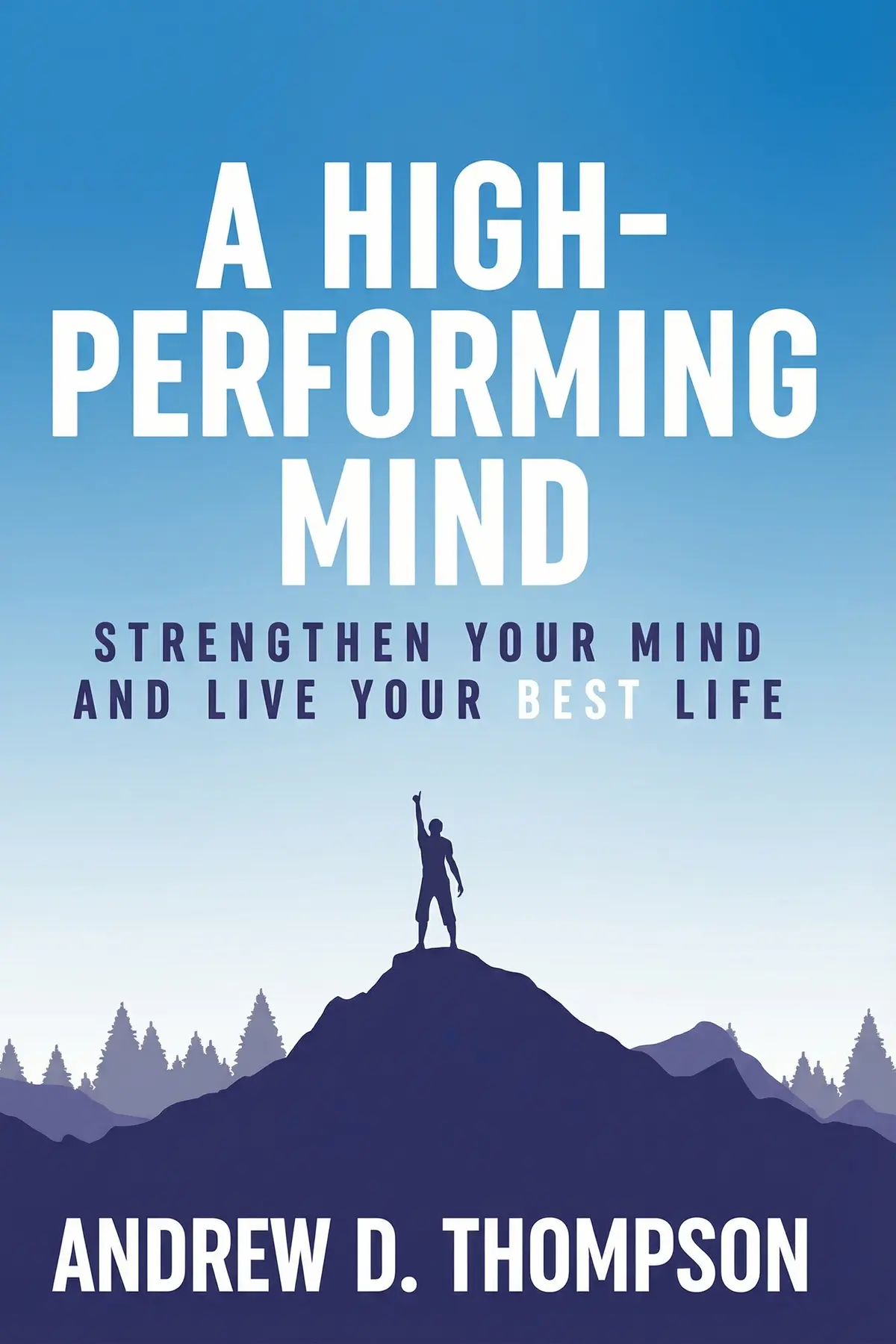
Andrew D. Thompson
Deepak Chopra
Richard Wiseman
AUDIO SUMMARY AVAILABLE
Get the key ideas from Don’t Trust Your Gut by Seth Stephens-Davidowitz, plus 5,000+ more titles in English and Thai.







