
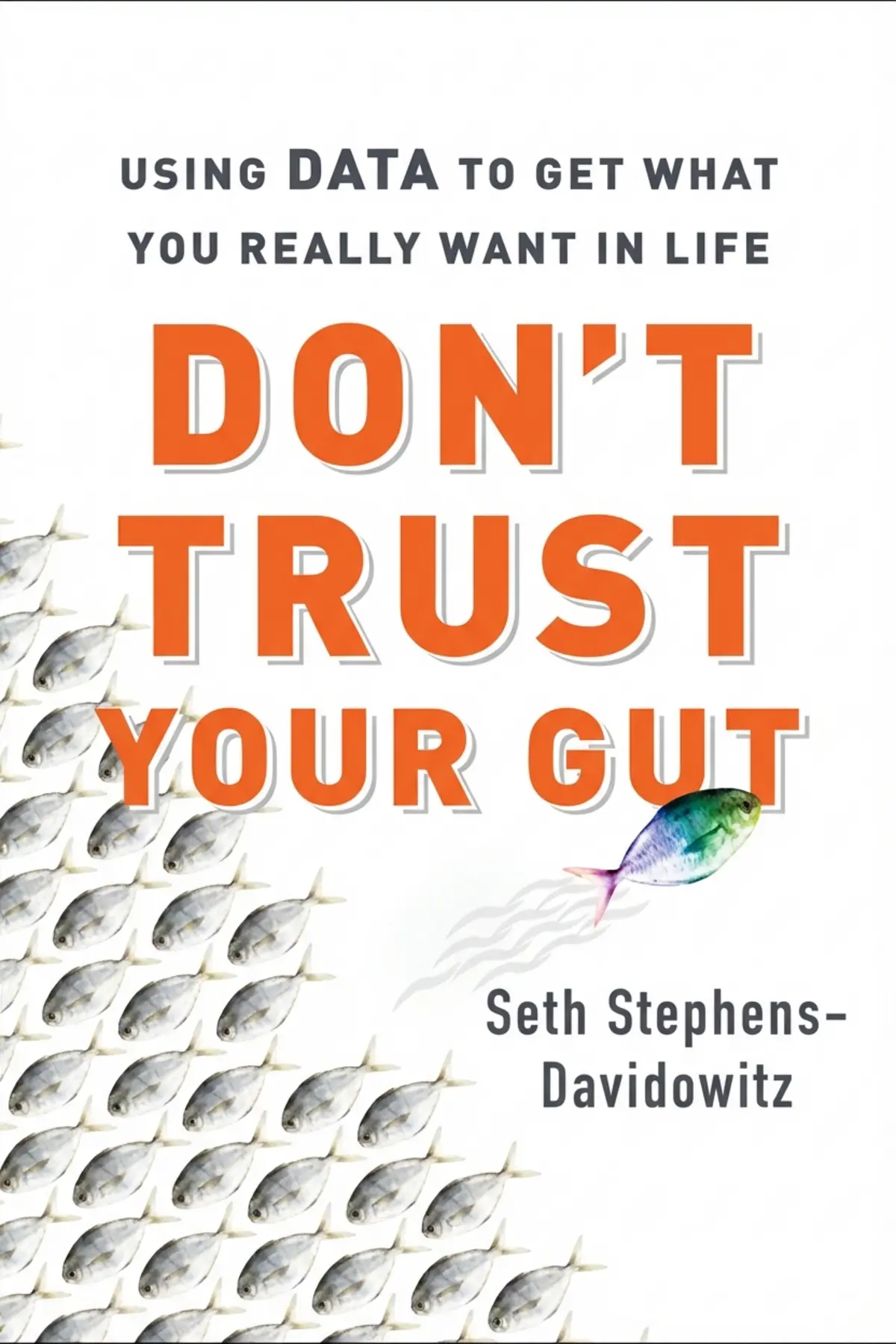
Don’t Trust Your Gut: Using Data to Get What You Really Want in Life
Seth Stephens-Davidowitz
Explore the hidden depths of human nature through the lens of big data. Discover how our anonymous search queries reveal truths we would never admit in person or to pollsters.
1 min 47 sec
Have you ever found yourself nodding along in a conversation, agreeing with a point of view you don’t actually hold, just to keep the peace? Or perhaps you’ve filled out a survey and slightly adjusted your answers to make yourself sound just a bit more productive, a bit more generous, or a bit more well-adjusted than you actually feel? Most of us have. It’s a natural human instinct to want to project a certain image to the world, to polish our rough edges and present a version of ourselves that fits social norms. We lie to our friends, our families, and very often, we even lie to ourselves.
But there is one place where we tend to be brutally, sometimes shockingly, honest: the search bar. When we are alone with our computers or smartphones, typing into a search engine in the middle of the night, we drop the facade. We ask the questions we’re too embarrassed to ask a doctor, express the fears we’d never tell a partner, and look for the things we’d never admit to wanting. This creates a massive, unprecedented trail of digital breadcrumbs that reveals the true state of human nature.
In this exploration of the digital landscape, we are going to look behind the curtain of what is commonly called big data. We’ll see how the vast oceans of information collected by platforms like Google act as a sort of ‘truth serum’ for humanity. By shifting our focus from what people say to what they actually do online, we can uncover patterns in health, politics, and personal desire that were previously invisible. We will discover how this data can be used to predict the future, improve our lives, and occasionally, force us to confront uncomfortable truths about the world we live in. Get ready to see the world—and yourself—through a lens that doesn’t blink and doesn’t accept excuses. This is the story of who we really are when we think no one is watching.
2 min 14 sec
Think you need a PhD to understand big data? Actually, you already use the same logic every day when you draw on life experience to make predictions.
2 min 24 sec
People lie to pollsters and doctors to look good, but the search bar hears the unfiltered truth of our deepest desires and fears.
2 min 14 sec
Waiting for official reports is a thing of the past. Discover how search patterns can predict a flu outbreak faster than any government agency.
2 min 23 sec
Big data isn’t just about large numbers; it’s about the ability to zoom in on tiny groups and specific neighborhoods to see what’s really happening.
2 min 30 sec
Just because two things happen together doesn’t mean one caused the other. See how digital A/B tests are finally proving what actually works.
2 min 24 sec
Big data is powerful, but it’s not a crystal ball. Explore why more information doesn’t always lead to better answers.
2 min 36 sec
Should the government use your search history to prevent crimes or suicides? The answer is more complicated than you might think.
1 min 50 sec
In the end, what big data truly offers us is a mirror—one that reflects a much more accurate, if sometimes less flattering, image of ourselves than any we’ve seen before. We’ve explored how our digital footprints act as a truth serum, bypassing our social masks and revealing our genuine fears, desires, and biases. We’ve seen how this information can track the spread of disease, map the uneven landscape of the American dream, and prove what actually works through the power of A/B testing.
However, we’ve also acknowledged the limits and the dangers. Data is not a deity; it can produce flukes, it can lack human context, and in the wrong hands, it can be a tool for intrusion. The key takeaway is not that we should hand over our lives to algorithms, but rather that we should use this new information to become more self-aware. By understanding the patterns that big data reveals, we can confront our prejudices, better address our mental health, and create policies that are based on how people actually behave, rather than how we wish they would behave.
The throughline of this journey is honesty. If we know that ‘everybody lies,’ we can stop being surprised by the gap between public words and private actions. We can start having more authentic conversations about the parts of the human experience we usually keep hidden. The next time you find yourself staring at a search bar, remember that you are contributing to a vast, collective autobiography of the human race. Use that power wisely, look at the data with a critical eye, and use the insights we’ve discussed to see the world as it truly is, not just as it appears on the surface. The truth is out there, hidden in the numbers—it’s up to us to use it for the better.
Everybody Lies is a deep dive into the revolutionary world of data science and what it tells us about our secret selves. By analyzing the massive amounts of information we leave behind on the internet—specifically through Google searches and online behavior—this exploration uncovers the stark contrast between who we claim to be and who we actually are. It moves beyond the limitations of traditional surveys, which are often tainted by human bias and the desire to appear socially acceptable, and instead looks at the unfiltered, anonymous data that acts as a digital truth serum. The promise of this analysis is a clearer, more honest understanding of human psychology, sociology, and even economics. From tracking the spread of illnesses in real-time to identifying the specific neighborhoods where the American dream is still achievable, the insights provided by big data are transformative. It offers a new way to look at everything from our deepest sexual fantasies to our hidden political prejudices, ultimately providing a more accurate map of the human experience than any previous method could offer.
Seth Stephens-Davidowitz is a leading expert in the fields of internet data and big data analysis. He has a distinguished academic background, holding degrees from both Stanford University and Harvard University. His professional experience includes a tenure as a data scientist at Google, where he utilized his skills to uncover patterns in human behavior.
Seth Stephens-Davidowitz
Listeners find this work captivating and well-composed, noting that the informal tone creates an accessible experience. They also value the vast amount of research and its capacity to reveal genuine truths about human nature. Additionally, the book is funny and intellectually stimulating, with one listener mentioning that it successfully challenges personal assumptions.
Ever wonder what people are actually thinking when they aren't trying to impress anyone? This book reveals the hidden world of our private searches, acting as a kind of digital truth serum for the 21st century. I found the research into how we perceive our children—specifically the 'gifted son' vs 'overweight daughter' disparity—to be absolutely gut-wrenching but necessary to acknowledge. It's written in a very conversational, accessible style that doesn't feel like a dry academic text. Some of the conclusions about the 2016 election are controversial, sure, but the underlying data points are hard to ignore. It’s a thought-provoking read that will make you rethink every 'anonymous' survey you’ve ever filled out. Stephens-Davidowitz has a knack for making complex data science feel like a late-night chat at a bar. Highly recommended for fans of Malcolm Gladwell or Nate Silver who want a deeper dive into the 'why' behind the 'what'.
Show moreWow. This book is a total gut-punch for anyone who thinks they understand the modern world. It’s one thing to suspect people are lying to save face, but it’s another thing entirely to see the raw numbers proving it. The insight into how parents search for information about their kids was a real 'aha' moment for me. We claim to be progressive, but our search bars tell a different story about our biases. I found the conversational tone very refreshing; it felt less like a lecture and more like a fascinating dinner conversation. The research is clearly extensive, and the author does a great job of explaining how these huge datasets are actually managed. It’s humorous, thought-provoking, and deeply unsettling all at once. If you want to see the 'unfiltered' version of humanity, you absolutely have to read this. It’s the most authentic look at human nature I’ve seen in years.
Show moreTruth is, we are all a bit more honest with our keyboards than we are with our closest friends or even ourselves. Stephens-Davidowitz captures this phenomenon perfectly. He uses the analogy of a sociologist looking through trash to find what people really eat, rather than asking them. It’s a brilliant framework for understanding Big Data. The book is packed with authentic insights that challenge the way we think about everything from politics to sexuality. I loved the diverse range of examples—from horse racing to the linguistics of movie scripts. The writing is incredibly easy to read, almost like a long-form magazine article that you can’t put down. While some critics say he makes big leaps, I think he provides enough evidence to at least make you stop and think. It’s an amazing amount of research packed into a very manageable book. It really highlights how much 'everybody lies' in their daily lives.
Show moreAs someone who spends a lot of time looking at consumer behavior, I found this deep dive into 'Big Data' incredibly relevant. The book argues that our search history is a more accurate reflection of society than any survey could ever be. It’s a bit jarring to see the data on racism and how it supposedly influenced the 2016 election, but it forces you to confront uncomfortable realities. I particularly enjoyed the bits about how movies might actually reduce violent crime by keeping people off the streets. The tone is humorous and light, which helps when dealing with some of the darker subjects like child abuse or hate speech. Not gonna lie, I wish there was more discussion on the ethics of this kind of data collection. Overall, it’s a brilliant look at the trail of breadcrumbs we leave online every single day.
Show moreFinally got around to reading this and it’s a total page-turner. Seth Stephens-Davidowitz takes a mountain of Google data and turns it into a mirror that shows us who we really are—the good, the bad, and the very ugly. The book is conversational and moves fast, making it easy to digest even the more complex statistics. I loved the comparison to the 'sociologist in the garbage can'—it’s a perfect metaphor for what he’s doing here. My only real gripe is that he sometimes treats search terms as definitive proof of intent without accounting for curiosity or academic research. Still, it’s a fascinating read that challenges your preconceived notions about human nature. It’s rare to find a book about statistics that actually makes you laugh out loud while simultaneously making you worried about the future of privacy. Definitely worth your time.
Show moreAfter hearing about the Google Trends stuff on a podcast, I had to see the full picture for myself. This book does a great job of showing how data can be used for good, like identifying early symptoms of cancer or tracking disease outbreaks before the CDC even notices. It’s a very well-written piece that balances humor with some pretty heavy social commentary. I did find the repetitive focus on certain porn habits a bit excessive, and some of the logic there felt a bit shaky compared to the harder science in other chapters. To be fair, though, the author is upfront about how 'noisy' data can be. It’s an engaging read that will definitely spark some interesting conversations with your friends. Just be prepared to feel a little bit exposed once you realize how much Google knows about your darkest secrets. A solid four-star read for sure.
Show moreSeth Stephens-Davidowitz provides a fascinating, if sometimes unsettling, look into our collective psyche through the lens of our internet searches. The premise that Google is a 'digital confessional' is both brilliant and terrifying. I appreciated how the book dives into serious topics like child abuse and hate crimes using data that was previously unavailable to researchers. The tone is casual and never feels bogged down by jargon, which makes the pages fly by. Personally, I was most intrigued by the data on how curiosity can be used to influence people’s feelings toward different groups. There are moments where the author’s confidence in the data seems a bit misplaced—especially when he assumes search intent is always literal—but the overall impact of the book is undeniably strong. It’s a great mix of 'fun facts' and serious analysis that will change the way you look at your own browser history. A must-read for the data-curious.
Show morePicked this up after seeing it compared to Freakonomics, and while it’s engaging, it doesn’t quite hit that same level of rigorous analysis. The premise is solid: people lie to pollsters but tell the truth to Google. However, I found some of the author’s leaps of logic a bit hard to swallow, especially regarding the pornographic search data. He assumes that male searches are literal desires while dismissing female searches as mere fantasy, which feels like a double standard in his methodology. To be fair, the section on predicting health trends and pancreatic cancer via search symptoms was genuinely impressive. The writing is snappy and the anecdotes are fun, but keep a grain of salt handy for the more sweeping social generalizations. It’s a quick read, but a few chapters felt a bit like a collection of 'did you know' blog posts rather than a cohesive thesis.
Show moreThe chapter on racism was particularly eye-opening, though I’m not sure I’m 100% convinced by every correlation the author draws. It's a bold claim to say that Google searches for the N-word are a direct predictor of voting patterns, especially when the human mind is so much more complex than a single search query. Look, the book is undeniably entertaining and the writing style is very approachable for non-scientists. However, it often feels like it's trying way too hard to be the next Freakonomics. I appreciated the final section where he actually addresses the limitations of Big Data, but I wish that skepticism had been applied to his own theories earlier in the book. It’s an interesting collection of anecdotes and 'fun facts,' but as a serious work of social science, it leaves a lot of unanswered questions about motivation and context.
Show moreI really wanted to like this book because the topic is fascinating, but the methodology felt incredibly sloppy in places. The author seems determined to prove that racism was the primary driver for Trump's victory, yet he glosses over the fact that Obama won twice despite the same search trends existing back then. It felt like he started with a conclusion and then cherry-picked the data to support his narrative. Also, the section where he tries to interpret the smell of vaginas was weirdly repetitive and unprofessional. Frankly, if you need a footnote to explain why your joke isn't offensive, you probably should have just cut the joke. There are some cool factoids buried in here, but they are surrounded by too much speculation and biased reasoning. If you’re looking for actual data science, stick with the experts who don’t treat their datasets like an op-ed column.
Show more
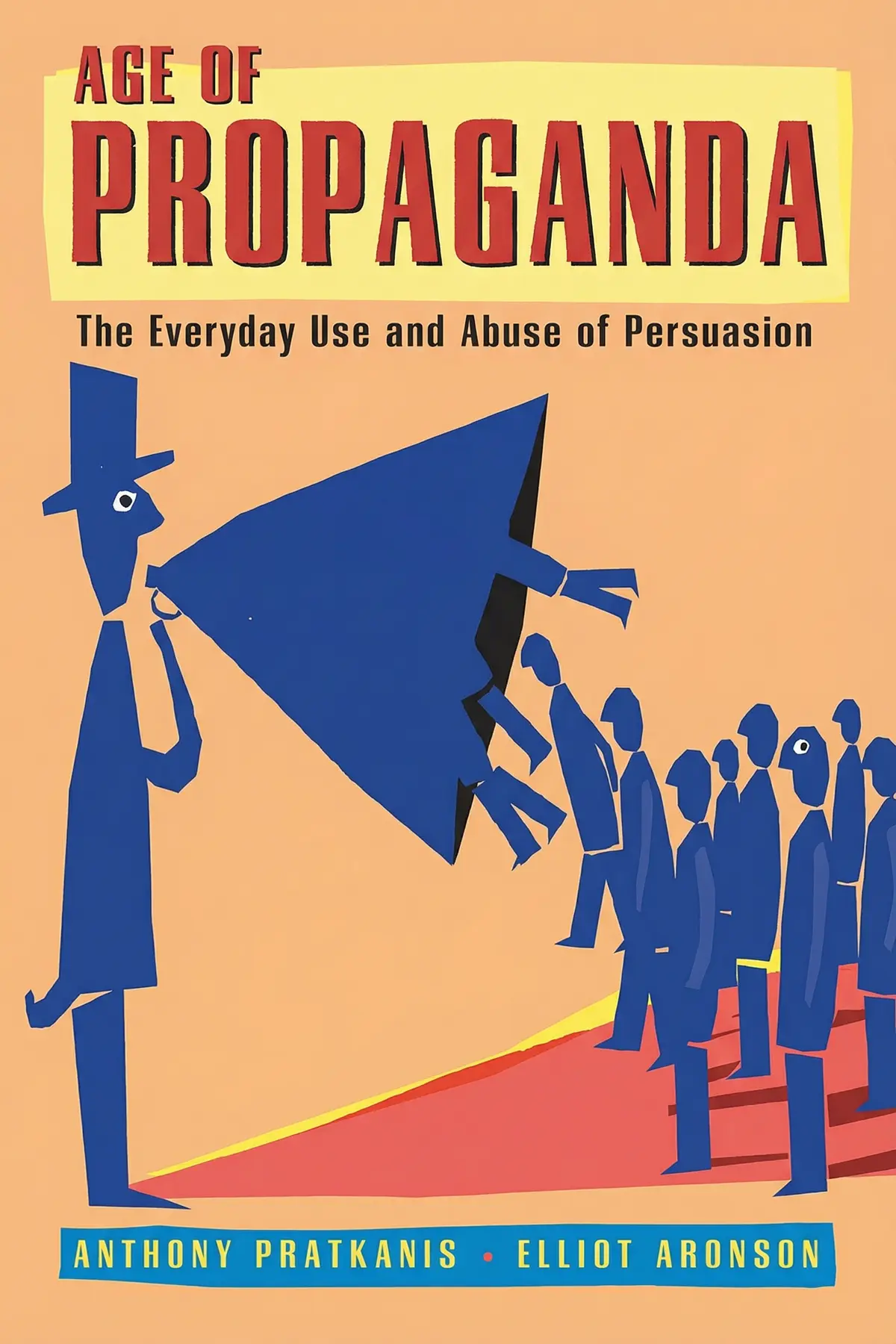
Anthony Pratkanis

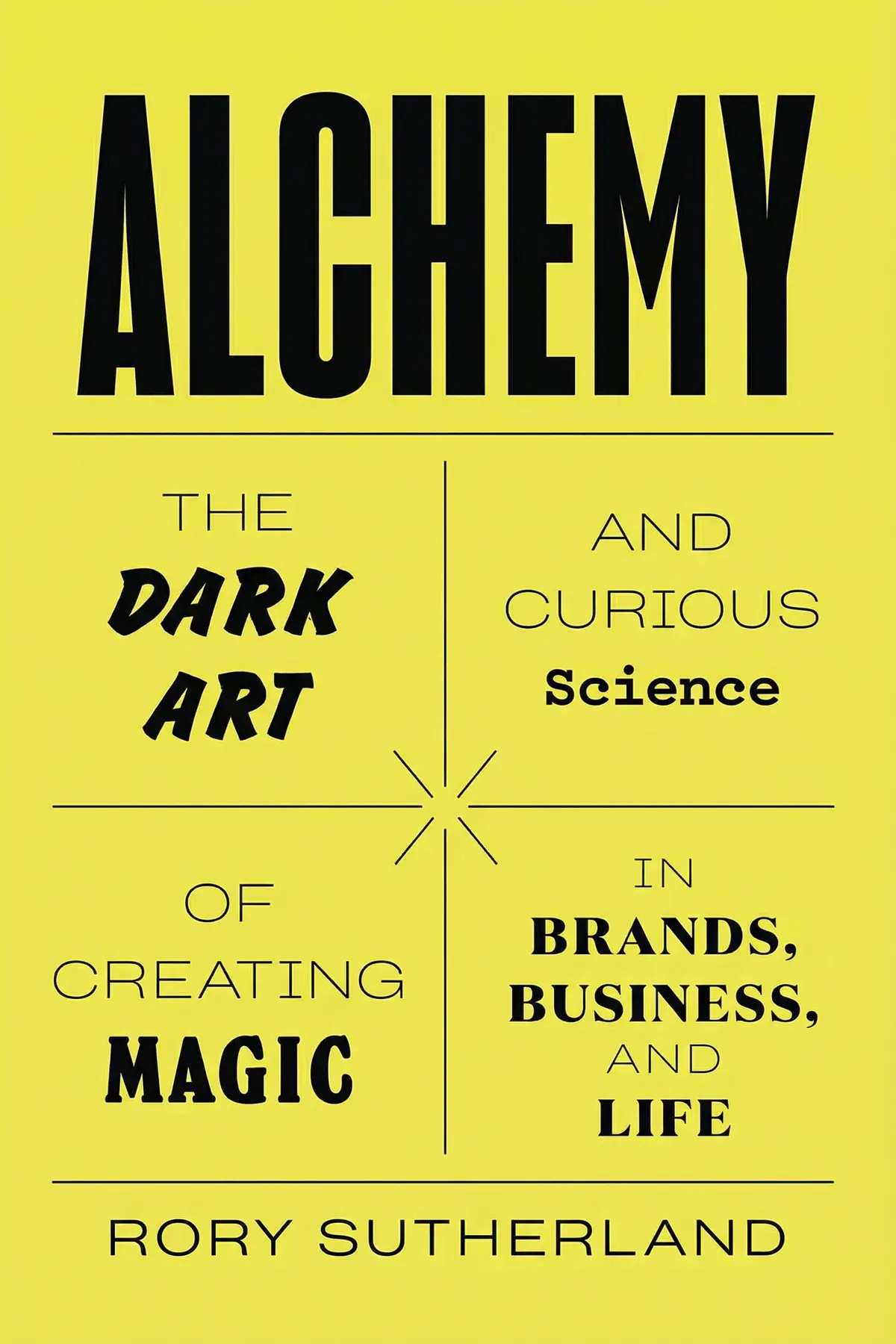
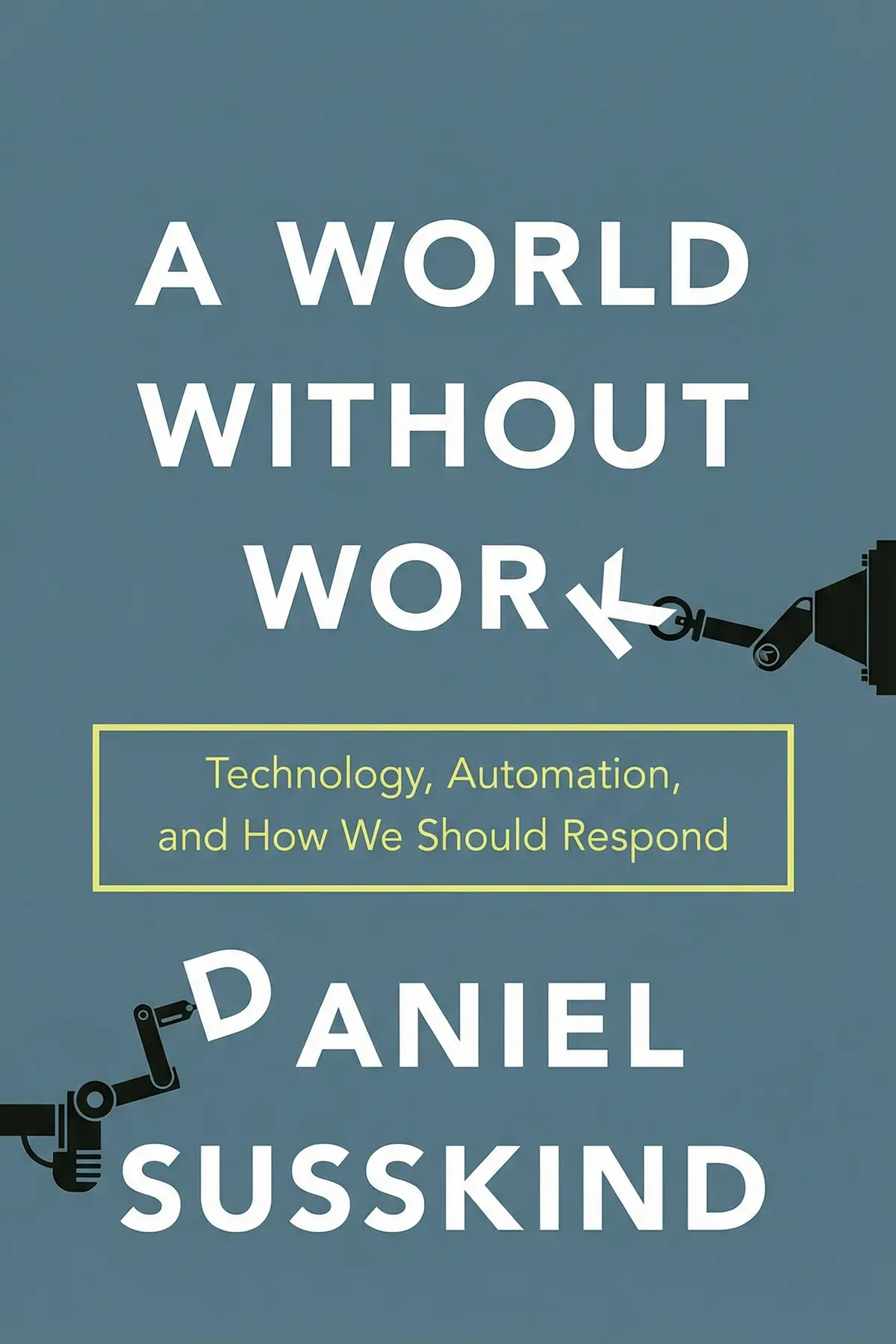
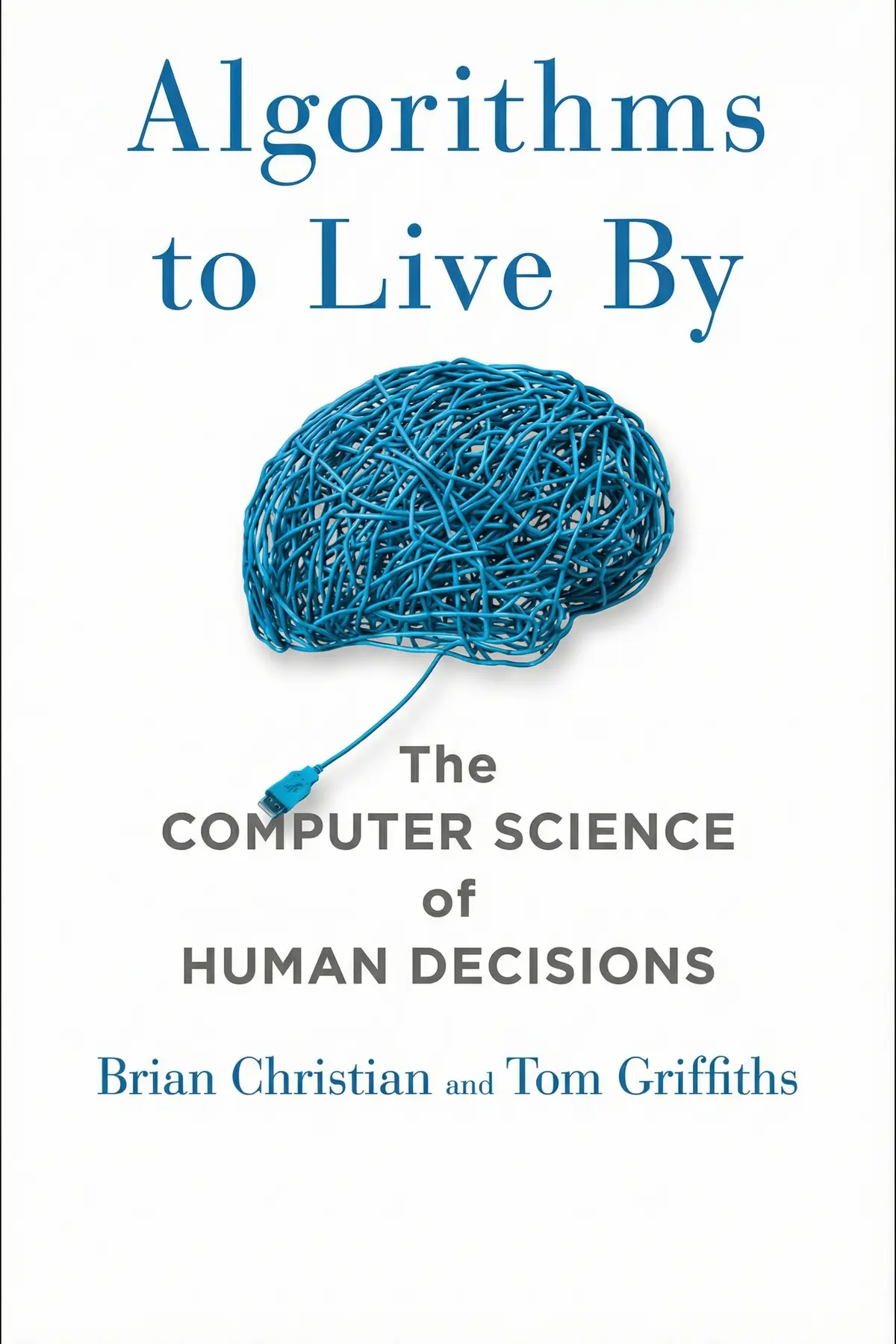
Kai-Fu Lee
AUDIO SUMMARY AVAILABLE
Get the key ideas from Everybody Lies by Seth Stephens-Davidowitz, plus 5,000+ more titles in English and Thai.







